
Downpipes for BMW 3 E93
Affiliate disclosure. BimmerTalk is a proud partner of the Amazon Associates Program and Turner Motorsport. We may earn a small commission on qualifying purchases through our links, at no extra cost to you. Read the full disclosure.


Charge Pipe compatible with BMW N54 N55 135i 335i 535i
GV-ZONE
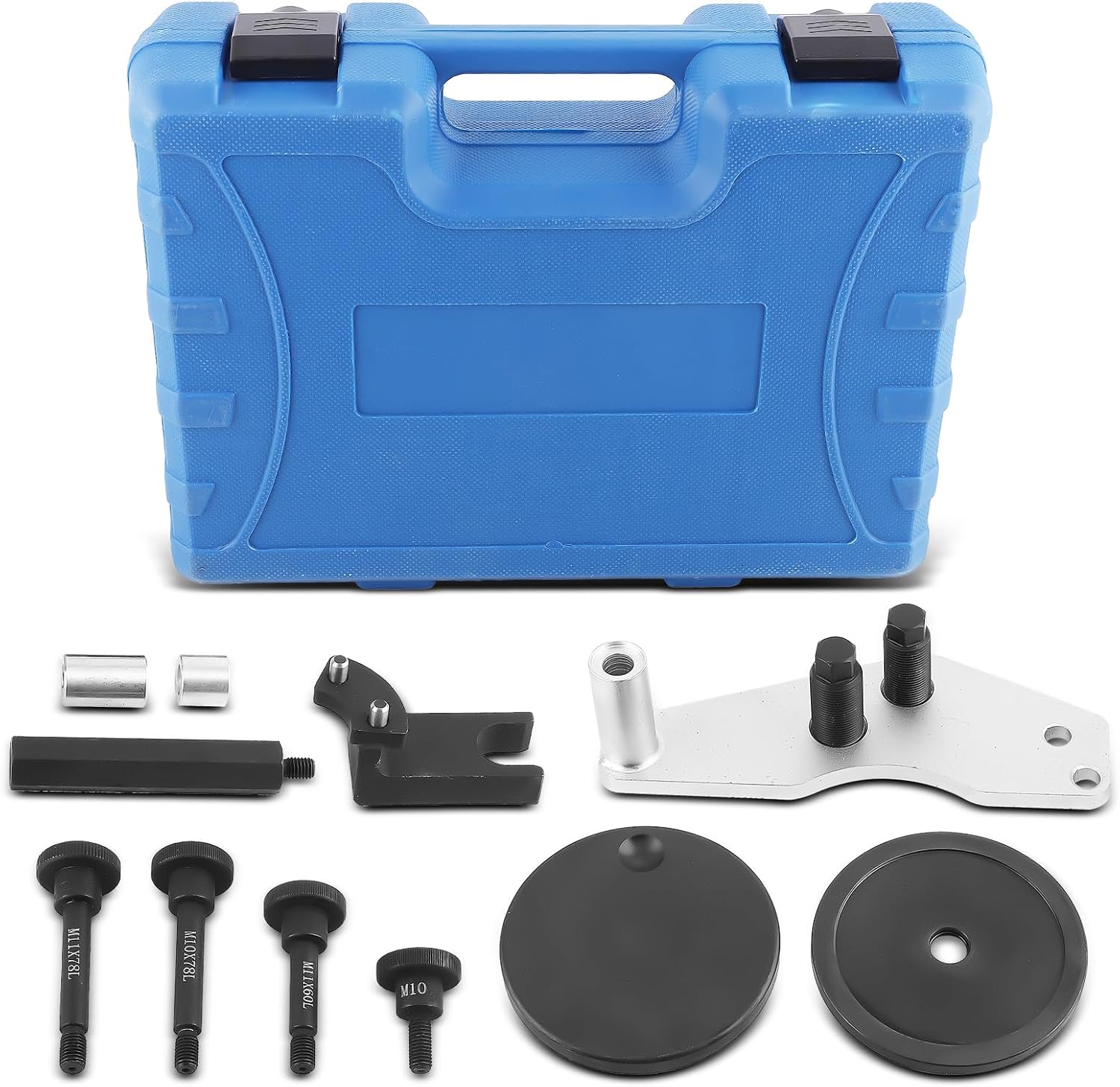
maXpeedingrods Vacuum Pump Seal Remover/Installer — N53/N54/N55
maXpeedingrods

Alpaca Genuine OEM Front Exhaust Muffler Clamp for BMW 2.0L Turbo
Alpaca
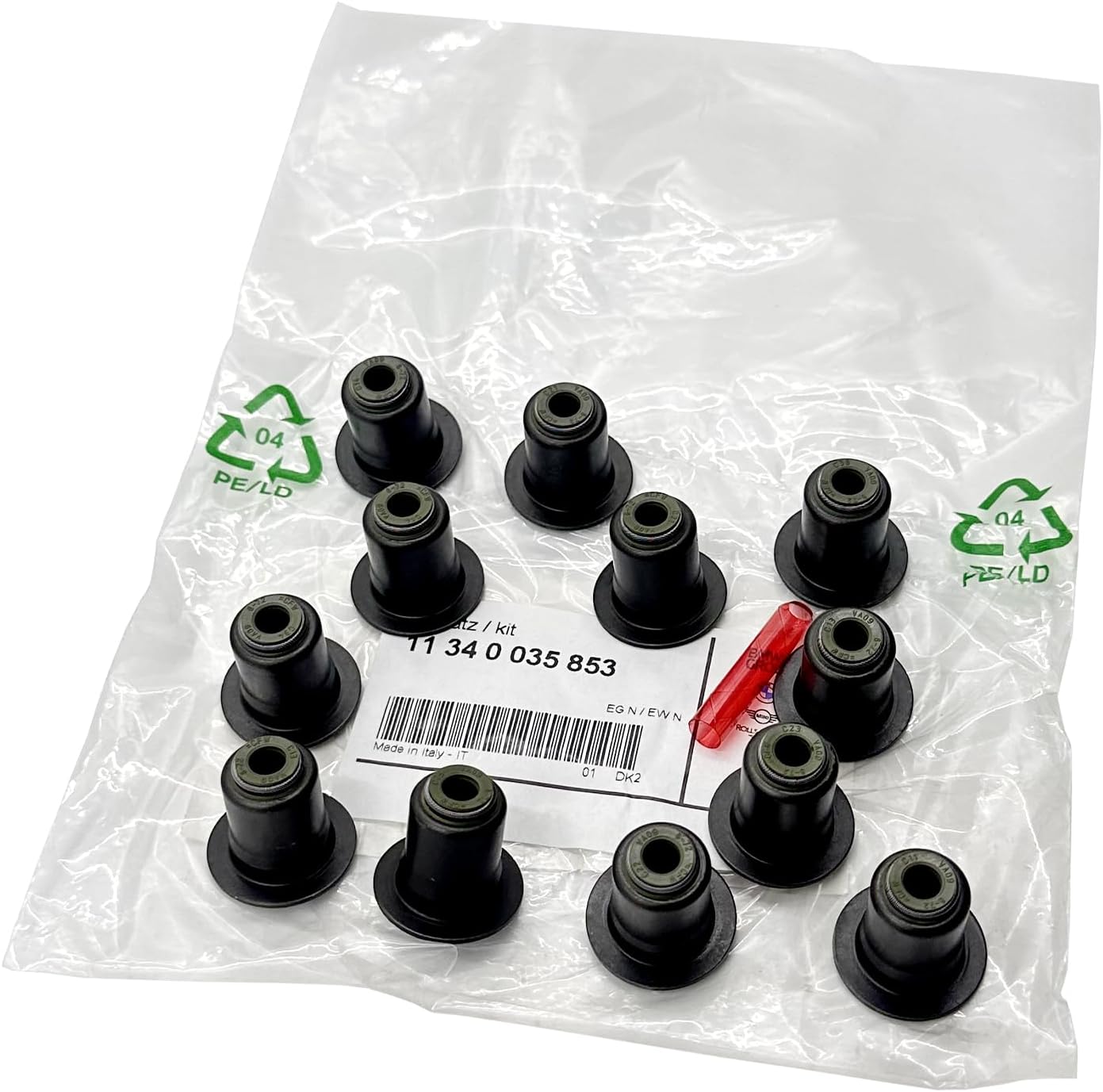
PAWODIKE OEM Exhaust Valve Stem Seal Set — BMW N52/N54/N55/N20/B48/B58
PAWODIKE

Akrapovic Exhaust Pipe Interface Gasket for BMW 1 2 3 4 5 6 7 M3 M4 X5
Neexatio
More exhaust parts for the BMW E93
When it comes to exhaust upgrades on the BMW E93, you have a solid range of options depending on whether you're chasing sound, performance, or both. For the N52 and N54 engines common to this chassis, a cat-back system from Eisenmann or Remus is hard to beat - both brands offer stainless steel construction with that distinctive BMW exhaust note without going overbearing. If you're running the N54 twin-turbo, upgrading the downpipe is where you'll see real gains; a high-flow catted unit from VRSF or Active Autowerke paired with a proper tune can free up 20-30 horsepower with improved spool response. For a more aggressive setup, MagnaFlow offers universal configurations that can be custom fitted to the E93's unique convertible undercarriage, which has tighter clearances than the coupe. Keep in mind the E93's subframe geometry and the proximity of the rear diff when selecting muffler sizing - anything over 3.5 inches rear exit tends to cause fitment headaches. Always inspect and replace failing OEM flex sections before bolting on aftermarket components, as neglecting those leads to leaks that mask your new exhaust's true performance potential.
BMW Downpipes - Free Up Power Where It Starts
The downpipe is the first section of exhaust tubing after your turbocharger, and on a turbocharged BMW it's one of the highest-impact bolt-ons you can do. The factory unit is engineered around noise regulations and emissions compliance - not outright performance. Swapping it for a quality aftermarket piece directly reduces backpressure on the turbine housing, drops exhaust gas temperatures, and gives the turbo room to spool faster. On a tuned N55 or S55, a catless or high-flow catted downpipe is often the difference between a safe, efficient pull and heat-soaked, timing-pulled mediocrity.
The platforms where downpipes make the most measurable difference are the F-series turbocharged inline-six cars - F30/F31/F32/F36 335i and 435i (N55), the F80/F82/F83 M3 and M4 (S55 twin-scroll), and the newer G-series G20 330i/M340i and G80/G82 M3/M4 running the B58 and S58 respectively. On the four-cylinder side, the N20 and B46/B48 cars (F22 228i, G29 Z4 sDrive30i, G42 230i) respond well too, though spool gains are slightly more modest. Older E-series turbocharged platforms like the E82/E88 135i and E90/E92/E93 335i on the N54 or N55 have excellent aftermarket support and remain popular builds.
What to Look For - and What to Skip
Catted vs. catless: If your car sees emissions testing, go high-flow catted. A 200-cell metallic catalyst from a reputable brand retains the majority of the power gains while keeping you street legal. Catless makes more peak power and flows better at high RPM, but is purely track or off-road use. On a tuned S55 M3 making north of 500whp, catless is standard practice. On a daily-driven B58 M340i, a 200-cell unit is the smarter long-term call.
Material and construction: Look for 304 stainless steel with mandrel-bent tubing - no crushed corners in the bends. Tubing diameter matters: 3-inch is standard for most N55 and B58 applications, while the S55 with its twin-scroll design benefits from equal-length runners that merge properly before the cat section. Flanges should be CNC-machined and thick enough (typically 10–12mm) to resist warping under heat cycles. Cheap eBay units warp at the turbo flange and leak - that's an annoying exhaust tick that gets worse every heat cycle.
Top brands worth buying: Agency Power has long been a go-to for N55 and S55 fitments with solid quality control. VRSF offers excellent value, especially on N54/N55 platforms - their catted options hold up well on street cars. Burger Motorsports (BMS) and Active Autowerke round out the reputable options for F-chassis cars. For the newer S58 G80/G82, Eventuri and Akrapovič play in this space if budget isn't a concern. Avoid no-name units without published fitment specs or documented customer reviews on your specific chassis code.
Install difficulty: Intermediate. On most F-chassis cars, plan for 3–5 hours in a home garage with a proper lift or solid jack stands. The heat shield, O2 sensor relocation, and tight packaging around the turbo make it awkward, not technically difficult. You'll need a torque wrench, O2 sensor socket, penetrating oil (those factory bolts are always fun), and new copper crush washers or a gasket set depending on the fitment. On the N54 E90/E92, factor in the VANOS heat shield - it's fiddly. Any catted downpipe on a US car will trigger a CEL without an appropriate tune or O2 spacer; budget for that upfront. If you're adding a downpipe, it's the right time to sort your cat-back exhaust system as a package - the gains stack well together.
A downpipe alone on a bone-stock car won't transform it, but paired with an intake and a proper ECU tune via our ECU tuning options, the combined result is genuinely transformative - especially mid-range torque where you live on the street. Buy quality once, install it correctly, and tune it properly.