
Engine Mounts for BMW 4 G22
Affiliate disclosure. BimmerTalk is a proud partner of the Amazon Associates Program and Turner Motorsport. We may earn a small commission on qualifying purchases through our links, at no extra cost to you. Read the full disclosure.


More engine parts for the BMW G22
When it comes to engine upgrades for the BMW G22 4 Series, the B58 engine found in the M440i trim is arguably one of the best platforms to work with right now. For bolt-on power gains, a quality charge pipe and intercooler upgrade from brands like Eventuri or Burger Motorsports makes an immediate difference, reducing heat soak and improving turbo efficiency under sustained boost. A BMS or MHD tune paired with a downpipe from Akrapovic or Milltek unlocks substantial horsepower figures, often pushing the B58 well past 400whp on a modest setup. For those running the G22 430i with the B46 engine, an intake from aFe Power combined with a flash tune from Bootmod3 delivers noticeable mid-range torque improvements without sacrificing daily drivability. Port injection delete plates and methanol injection kits from Snow Performance are increasingly popular on modified G22s chasing higher power numbers while keeping inlet temperatures in check. If you're tuning your G22, always log your data sessions carefully before increasing boost, confirm your fuel system can support the target power level, and use a reputable tuner familiar specifically with the G-series platform to avoid ECU complications down the line.
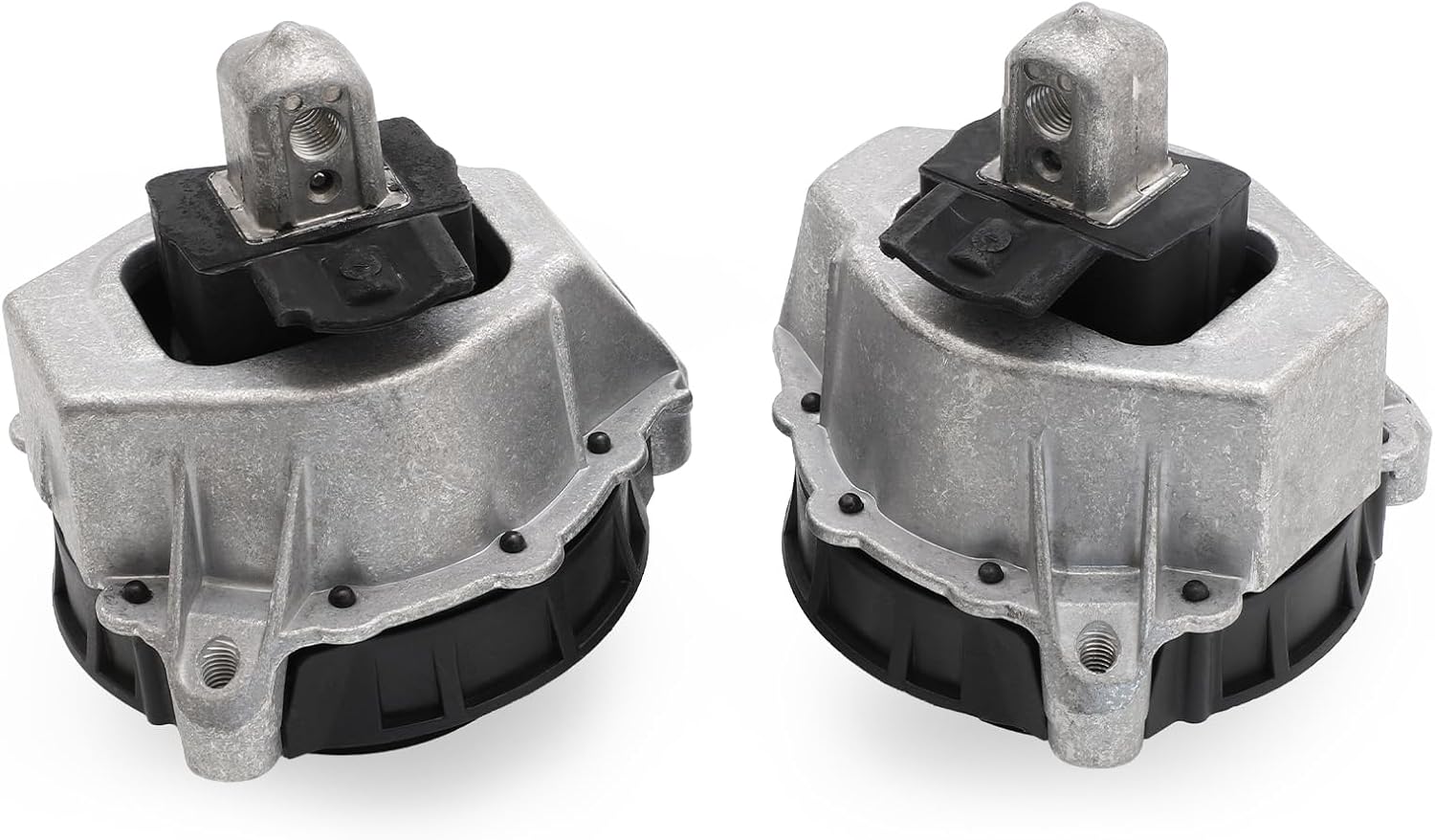
BMW Engine Mounts - Stop the Shake Before It Becomes a Problem
If you've ever felt an unusual vibration at idle, a clunk when dropping into gear, or noticed your engine sitting slightly crooked in the bay, worn engine mounts are likely the culprit. On BMWs, this is one of those maintenance items that gets ignored until it causes real damage - stressed coolant hoses, cracked intake boots, and misaligned drivetrain components. Don't let it get there.
BMW uses hydraulic fluid-filled mounts on most modern chassis (E46, E90, E60, F30, F10 and beyond), which offer great NVH isolation when new but tend to fail between 60,000–100,000 miles. You'll often see the rubber cracked or the hydraulic section visibly collapsed. On older iron-block cars like the E30 and E34, solid rubber mounts are simpler but still harden and deteriorate with age. Either way, the symptoms are the same: vibration, movement, and noise that shouldn't be there.
What to Buy - and What to Avoid
OEM and OEM-equivalent are the right call for street cars. Lemförder, Corteco, and genuine BMW mounts are the standard here. These are the same suppliers BMW uses on the factory floor, and they'll match OE durability and compliance. For E46 M3, E90 335i, F80 M3, and F10 M5 owners, stick with genuine BMW or Lemförder - the hydraulic mounts on these cars are tuned specifically for engine weight and torque characteristics.
Avoid no-name cheap imports. Engine mounts from unverified brands frequently come with the wrong durometer rubber, incorrect bracket tolerances, or poorly sealed hydraulic chambers. You'll be doing the job twice inside a year. It's not worth saving $30 on a job that takes 1–3 hours depending on the chassis.
For performance and track builds, solid polyurethane or aluminum mounts from brands like Turner Motorsport, Rogue Engineering, and SuperFlex are worth considering. These eliminate engine movement entirely, which tightens up throttle response and protects drivetrain geometry under hard acceleration. The tradeoff is increased NVH - you'll feel more vibration inside the cabin. For a dedicated track car or a heavily modified street build, that's an acceptable compromise. For a daily driver, it's not.
Popular fitment notes by chassis:
- E46 (323i, 325i, 330i, M3) - Hydraulic mounts fail commonly around 80k miles. The M3 S54 uses different mounts than the standard M54 cars - don't mix them up.
- E90/E92 (328i, 335i, M3) - The N54 and N55 engines put out enough torque that failed mounts become obvious quickly. Check both engine and transmission mounts together - they wear at similar rates.
- F30/F32 (320i, 328i, 340i) - B58 and N55 mounts are generally robust but worth inspecting at 70k+.
- E60 (525i, 535i, M5) - The S85 V10 in the M5 uses four mounts total. If you're in there for one, do them all.
Install difficulty: On most 6-cylinder BMW applications, engine mount replacement is a 2–4 hour job for a competent DIYer with basic tools, a floor jack, and a block of wood to support the oil pan. The engine needs to be slightly lifted off the mounts to relieve tension before unbolting. V8 and V10 cars (E60 M5, E63 M6) are more involved due to tighter packaging. Always replace both sides at the same time - if one has failed, the other is close behind.
While you're in there, it's worth inspecting your cooling system components since access is easier with the engine raised slightly. Lower radiator hose, water pump, and thermostat are all easier to evaluate with a clear line of sight.
Buy quality, replace in pairs, and do it before the vibration turns into something more expensive.