
Cold Air Intakes for BMW 2 F22
Affiliate disclosure. BimmerTalk is a proud partner of the Amazon Associates Program and Turner Motorsport. We may earn a small commission on qualifying purchases through our links, at no extra cost to you. Read the full disclosure.


aFe Power Momentum Cold Air Intake System w/ Pro 5R Filter
aFe Power

Eventuri 2.5" Intake Turbo Charge Pipe for BMW B48 B46 2.0T F30 F32
CHENEGWUU

Wuidail Cold Air Intake — F22/F30/F32 N55 3.0L (335i/435i/M235i)
Wuidail

Aosuracing Cold Air Intake Kit — F22/F30/F32 N20 N26 2.0T
Aosuracing

RiAiCiING Cold Air Intake with Heat Shield — N55 F30/F32/F22/F87
RiAiCiING

Eventuri Cold Air Intake Kit for BMW F22/F30/F32 2.0T N20 Engine
Mixizap

PTNHZ Cold Air Intake Kit with Heat Shield — F22/F30/F32
PTNHZ

RiAiCiING Cold Air Intake Kit — F22/F30/F32 N20 N26 2.0T
RiAiCiING
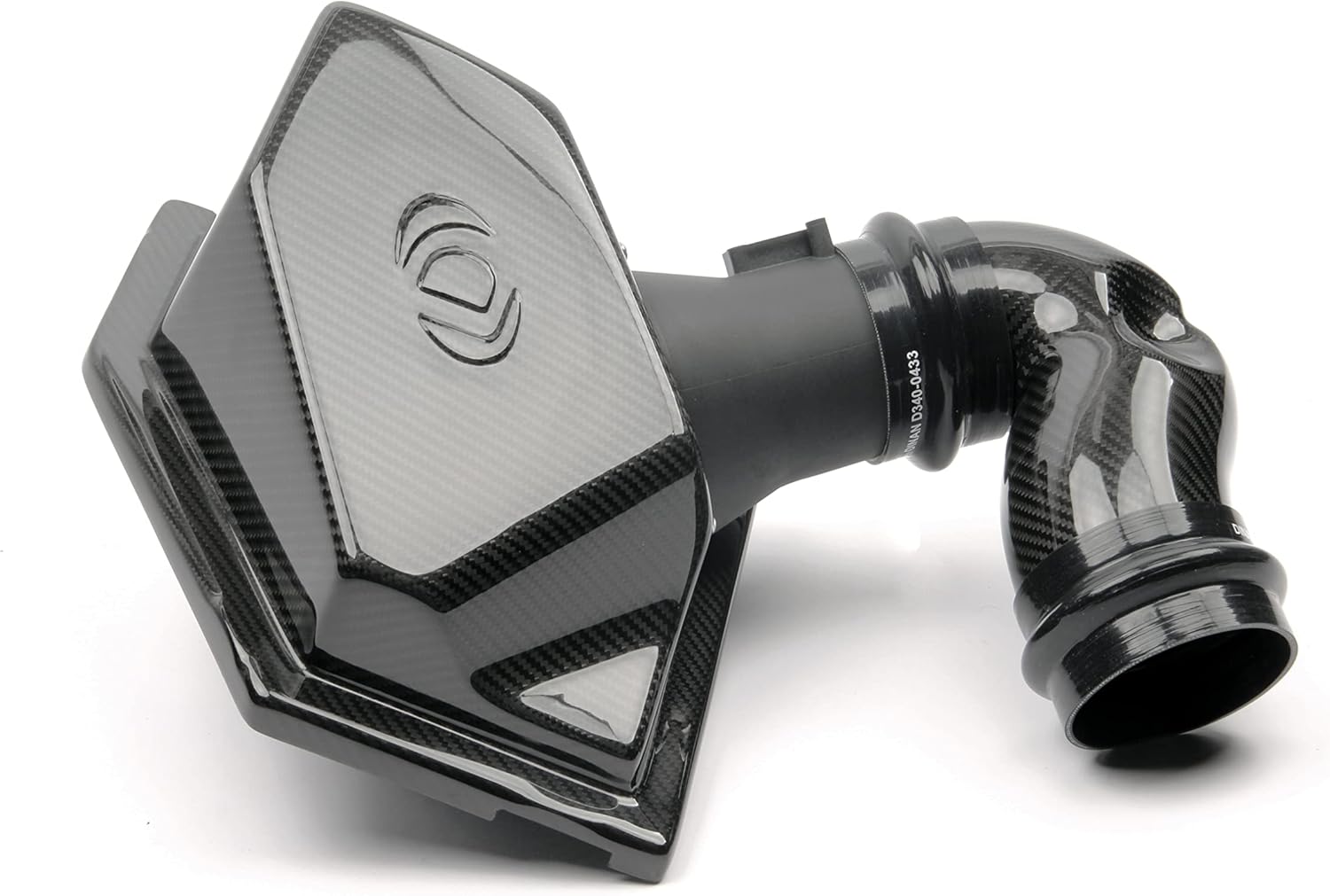
Dinan Cold Air Intake — M240i / 340i / 440i (2015–2021)
Dinan
More engine parts for the BMW F22
The BMW F22 2 Series platform responds exceptionally well to targeted engine upgrades, particularly on the B58 and N55 powerplants found in the M235i and M240i variants. A Stage 1 ECU tune from reputable tuners like Bootmod3 or MHD is typically the first and most cost-effective modification, unlocking significant power gains without hardware changes. From there, an upgraded intercooler from Burger Motorsports or Mishimoto helps manage intake temps under sustained boost, keeping the tune honest on track days and spirited drives. For intake upgrades, the Eventuri carbon intake or a simple BMS drop-in filter improves throttle response and adds an aggressive induction sound. Downpipe upgrades, whether catless or high-flow catted units from Wagner Tuning or Active Autowerke, dramatically free up exhaust flow and work synergistically with a Stage 2 ECU calibration. When pursuing multiple modifications, always upgrade in logical stages and ensure your fuel system, including high-pressure fuel pump supporting parts like the JB4 piggyback, keeps pace with increased demand to avoid lean conditions and potential engine damage.
Cold Air Intakes for BMW - More Than Just a Sound Upgrade
A cold air intake is one of the first modifications most BMW owners consider - and for good reason. Done right, it pulls denser, cooler air into the combustion chamber, improving throttle response, unlocking a few extra horsepower, and giving your engine that satisfying induction growl under hard acceleration. Done wrong, it's a glorified piece of tubing that voids your warranty and does nothing measurable on the dyno. Here's what you actually need to know before you buy.
The biggest gains come on turbocharged platforms. If you're running an N54 or N55 (E90/E92 335i, F30 335i, E82 135i), an upgraded intake paired with a tune can net 15–25 whp by reducing inlet restriction and dropping charge temperatures. The S55 in the F80 M3 and F82 M4 responds exceptionally well to a high-flow intake system - brands like Eventuri, Burger Motorsports (BMS), and Dinan offer carbon fiber and polymer systems specifically engineered for the S55's twin-scroll turbo layout. On naturally aspirated engines like the S65 (E90/E92 M3) or S54 (E46 M3), the gains are more modest - expect 5–10 hp and a much more aggressive intake note, which honestly might be worth it on its own.
For everyday drivers on the N20 or B46/B48 platform (F30 320i/328i, G20 330i), aFe Power and K&N produce well-fitment-tested systems that are straightforward to install and won't throw check engine lights. BMS makes one of the most popular drop-in filter upgrades for the B58 (G20/G29 M340i, Z4 M40i) - it retains the factory airbox, swaps in a higher-flow filter, and requires zero cutting or permanent modification. That's the move if you're still under warranty and want to stay on the right side of your dealer relationship.
What to Look For - and What to Avoid
The most important spec isn't horsepower claims on a box - it's heat soak management. A true cold air intake routes the filter away from the engine bay's hot zones, typically down behind the bumper or behind a heat shield. Systems that just remove the factory airbox lid and slap a cone filter in place of the stock unit are "short ram" setups. They flow well but can pull in hot underhood air, which actually hurts power on hot days. For daily-driven cars, look for a full enclosed airbox design or a system with an integrated heat shield. Eventuri's carbon fiber systems are excellent here - they're engineered as complete inlet systems, not retrofits.
Avoid cheap no-name intakes from Amazon or eBay. Fitment tolerances on chassis-specific systems like the E46 or F-chassis are tight, and a poorly made coupler or clamp can introduce boost leaks on turbocharged applications - that means misfires, CELs, and potentially logging fuel trim issues for months before you trace it back to the intake. Also avoid oiled filter systems if you're not committed to proper maintenance intervals - oil migration onto the MAF sensor is a real problem on BMWs and will cause erratic idle and fueling issues.
Install difficulty is generally low - most intake systems are a 30–60 minute job with basic hand tools on E-chassis cars, slightly more involved on the F-chassis where the engine bay is more compact. The G-series platform (G20, G80, G87) can require bumper removal for full cold air routing setups, so budget 1.5–2 hours if you're doing it yourself for the first time.
If you're building a more serious power setup, an upgraded intake works best as part of a system. Pair it with a front-mount or top-mount intercooler upgrade and a supporting tune to see real numbers. And once the air is flowing in cleanly, make sure it's exiting just as efficiently - check out our BMW exhaust systems category to complete the breathing package.
Bottom line: buy from a brand that makes BMW-specific fitments, prioritize heat management over horsepower marketing claims, and match the intake to your actual goals - street driving, track use, or a full bolt-on build.