
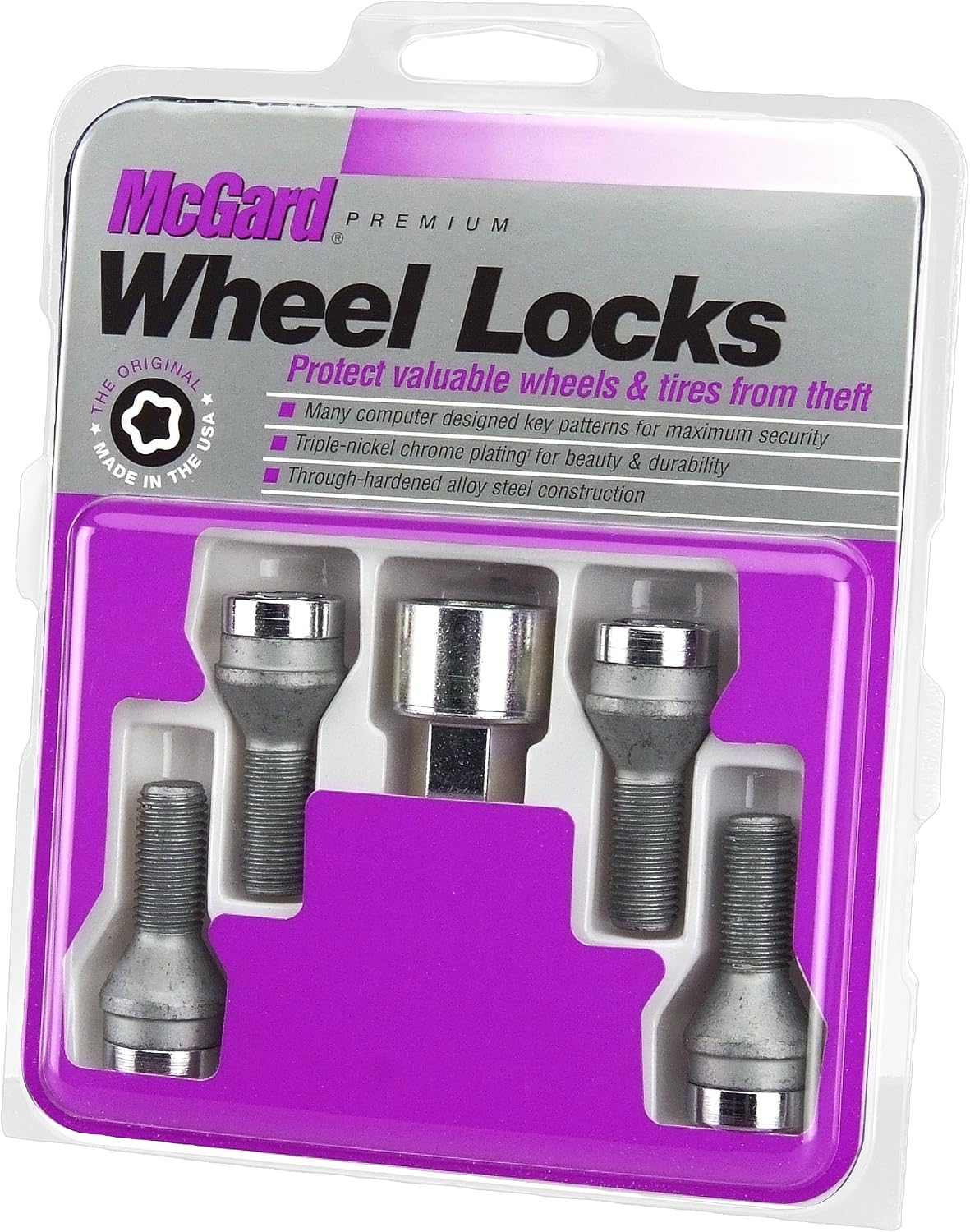
Wheel Locks for BMW 3 E93
Affiliate disclosure. BimmerTalk is a proud partner of the Amazon Associates Program and Turner Motorsport. We may earn a small commission on qualifying purchases through our links, at no extra cost to you. Read the full disclosure.



More wheel and tire options for the BMW E93
When it comes to wheels and tires on the BMW E93, the factory setup is a solid starting point, but there's significant room for improvement in both aesthetics and performance. Popular wheel choices include BBS CH-R and BBS CI-R forged alloys, which offer exceptional strength-to-weight ratios and suit the E93's proportions beautifully in 18-inch or 19-inch fitments. Apex Arc-8 wheels are another strong contender for enthusiasts wanting a track-capable option without breaking the bank. For tires, Michelin Pilot Sport 4S and Continental ExtremeContact Sport are consistently top performers on this chassis, providing excellent grip and predictable feedback through the rear-wheel-drive dynamics. If you're running a 335i or M3-based E93, staggered setups with wider rear rubber - typically 255/35R19 rear versus 225/40R18 front - sharpen turn-in response and improve traction under power. Always verify proper ET (offset) values before purchasing; the E93 front struts are sensitive to aggressive negative offset, which can cause scrubbing and premature bearing wear. Stick to ET20-ET35 range for most aftermarket fitments to stay safe and avoid rubbing issues.
BMW Wheel Locks - Protect Your Investment Without Compromising Style
If you're running aftermarket wheels on your F30, G20, E90, or any other BMW chassis, wheel locks aren't optional - they're essential. A set of quality locking lug nuts is the cheapest insurance you can buy against wheel theft, which disproportionately targets BMWs running popular fitments like 19" or 20" staggered setups on M Sport and M Performance models. Don't wait until you walk out to a car sitting on rotors.
BMW uses a standard 12x1.5mm thread pitch across most modern models including the 3 Series (F30/G20), 5 Series (F10/G30), X3 (F25/G01), X5 (E70/F15/G05), and the M2/M3/M4 lineup. Earlier E-chassis cars like the E46, E60, and E90 share the same spec, so finding a compatible set is straightforward. The 1 Series (F20/F40) and 2 Series (F22/G42) also use 12x1.5, but always double-check your existing lug nut seat type - BMW OEM hardware uses a spherical (ball) seat, not a conical (tapered) seat like most aftermarket wheels require. Using the wrong seat angle is the number one installation mistake and can crack wheel hubs or cause dangerous wheel movement.
What to Look For - and What to Avoid
McGard is the gold standard for BMW wheel locks and the brand you'll find referenced repeatedly in BMW forums. Their Ultra High Security Wheel Locks (part series 24157, 25157) are precision-machined to OEM tolerances, available in both ball and conical seat, and use a patented key design that resists impact wrench attacks and code duplication. For a cleaner OEM-plus look, Gorilla Automotive offers a solid mid-range option, though their key patterns are slightly less unique than McGard's. If you're running a luxury or M-specific build, BMW's own M Performance wheel locks are worth considering - they're McGard-manufactured anyway, just with the BMW roundel and proper OEM fitment guaranteed out of the box.
What to avoid: any budget set under $20 from an unknown brand. These typically use soft steel that shears under moderate torque, and their key sockets wear out fast - often after just one or two removal cycles. You also want to avoid mismatched seat kits bundled with universal hardware. If the listing doesn't specify ball seat vs. conical seat, pass on it.
Install difficulty: Easy. Swap one lug nut per wheel for a locking nut, torque to BMW's spec of 120 Nm (89 ft-lbs), and store your key socket somewhere secure and accessible - glove box or with your spare tire kit. Keep a second key in your home toolkit. Most shops can look up or decode standard McGard keys if you lose yours, but it's a hassle you don't need before a tire rotation.
A few practical notes: if you're running aftermarket wheels with a chamfered seat, confirm the lock's seat spec matches your wheel's lug hole - not your factory hub. Extended-shank locks are available if your aftermarket wheels have thick faces or require a longer thread engagement. And if you've already upgraded your lug nuts for aesthetics, look for locking sets that match your existing hardware finish - McGard offers chrome, black, and brushed options to keep things consistent.
While you're securing your setup, it's also worth reviewing your valve stems and TPMS sensors - aftermarket wheels often require updated stems, and a missing or damaged TPMS sensor will trigger a fault on any BMW built after 2008.
Bottom line: spend $40–$80 on a reputable McGard or M Performance set, match your seat type, torque correctly, and don't lose the key. It's a five-minute job that protects a $2,000–$5,000 wheel investment. No excuse not to.