
All-Season Tires for BMW 2 F22
Affiliate disclosure. BimmerTalk is a proud partner of the Amazon Associates Program and Turner Motorsport. We may earn a small commission on qualifying purchases through our links, at no extra cost to you. Read the full disclosure.


Continental ContiProContact AO 245/40R18 93H All-Season Tire
Continental

Continental ContiProContact All-Season Tire 245/40R18 97V for BMW
Continental

Continental ExtremeContact DWS06 Plus All-Season Tire 225/45ZR17 91W
Continental
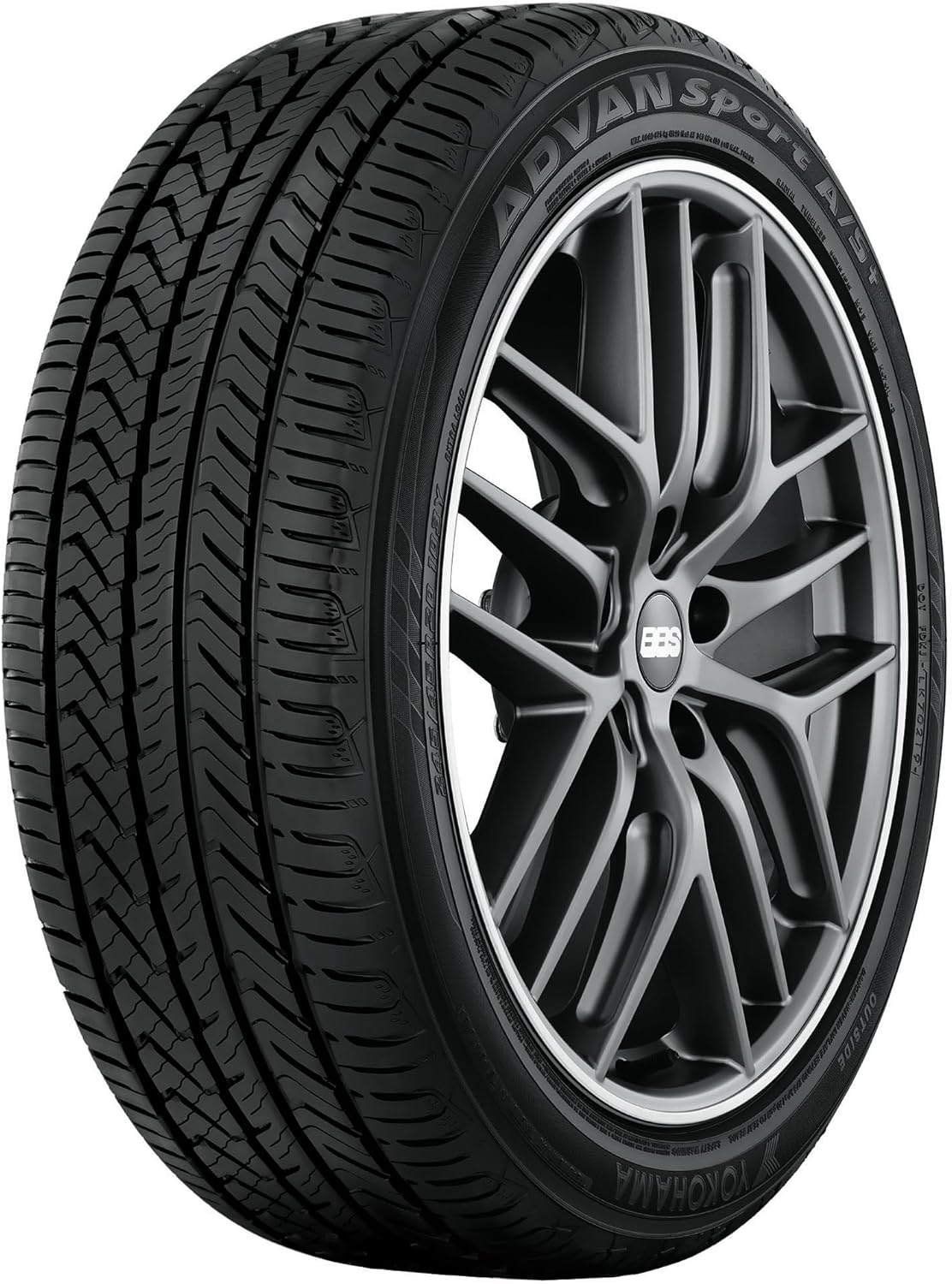
Yokohama Advan Sport A/S+ 225/40R18 92Y XL All-Season Performance Tire
Yokohama

Fullway HP108 All-Season Performance Tire 225/40R18 92W XL for BMW
Fullway
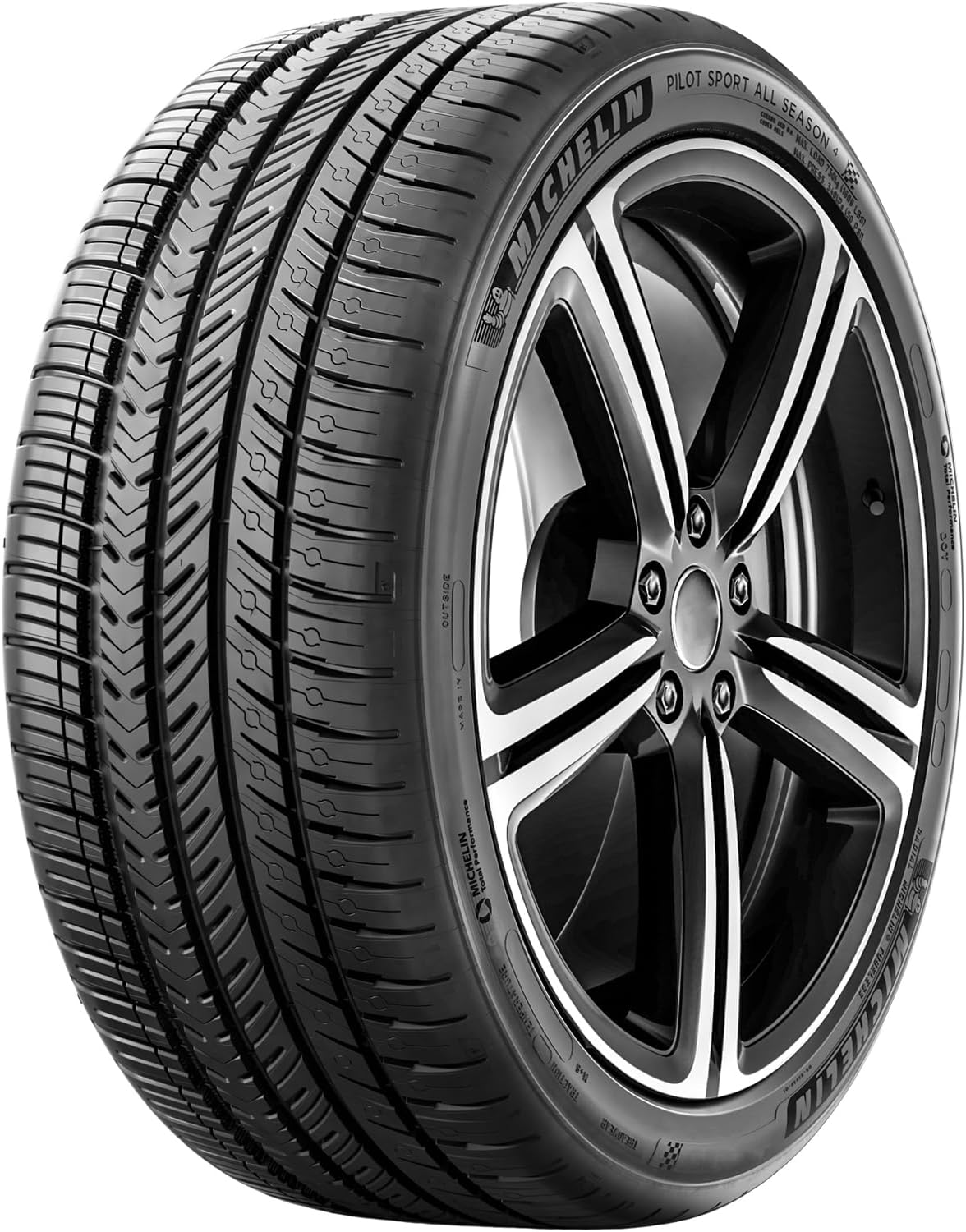
Michelin Pilot Sport All Season 4 All-Season Tire 225/40ZR18 92Y
MICHELIN

Summit Ultramax A/S 2.0 All-Season Tire 225/50R17 94V for BMW
SUMMIT
More wheel and tire options for the BMW F22
When it comes to wheels and tires for the BMW F22, fitment and quality are everything. The factory 18-inch staggered setup is decent, but most enthusiasts move toward 19-inch or 20-inch forged wheels to sharpen handling response and drop unsprung weight. Popular choices include BBS CH-R and BBS FI in 19x8.5 front and 19x9.5 rear, Vossen HF-5 for a more aggressive street look, or TE37SL from Rays Engineering for track-focused builds. For tires, the Michelin Pilot Sport 4S is the go-to recommendation for balanced street performance, while the Continental ExtremeContact Sport 02 offers excellent wet grip at a friendlier price point. If you're running a 235/35R19 front and 265/30R19 rear stagger, always verify clearance against your suspension setup, especially if you're running coilovers from KW or Bilstein. One critical piece of advice: never cheap out on a proper alignment after a wheel swap on the F22 - this chassis is sensitive to toe and camber settings, and poor alignment will destroy your tire edges within a few thousand miles.
All-Season Tires for BMW - What Actually Works on Your Chassis
BMW's staggered fitments, run-flat requirements, and low-profile sizing make tire shopping more complicated than it needs to be - unless you know what you're looking for. Most all-season tires are engineered for front-wheel-drive economy cars. BMWs demand something better. Whether you're running a 225/45R17 on an E90 328i, a 245/40R18 on an F30 335i, or the aggressive staggered 245/35R19 rear setup on an F10 550i, fitment precision and load rating matter as much as the compound itself.
The good news: the all-season category has matured significantly. Brands like Michelin (CrossClimate 2), Continental (DWS06+), Bridgestone (Turanza All Season 6), and Pirelli (Cinturato All Season SF2) all produce tires purpose-built for performance sedans and sport coupes - the exact segment BMWs occupy. These aren't your uncle's all-season tires. They use silica-reinforced compounds and directional or asymmetric tread patterns that hold up to BMW's rear-biased torque delivery without turning into shopping cart handles in November.
If your car originally came with run-flat tires - common on E60, E90, F10, F30, and G30 chassis - you have a decision to make before buying. BMW's factory run-flat (RFT) spec restricts you to tires marked with the MOExtended or ROF (Run-On-Flat) designation. Switching to standard tires is absolutely fine, but you'll need to add a tire pressure monitoring sensor kit and, ideally, a compact spare. Many owners actually prefer the switch - ride quality improves noticeably, especially on the F30 and G20 which are already stiff on stock suspension.
What to Look For - and What to Skip
Speed rating matters. BMW E and F-series cars require at minimum a V-rated (149 mph) tire, and anything with a tune, sport package, or M-Sport suspension should be running W (168 mph) or Y (186 mph) rated rubber. Don't cheap out here - a speed rating also reflects the tire's structural integrity at load, not just top-end capability.
Load index is equally critical on heavier platforms. The G05 X5, G06 X6, and G07 X7 all need tires with load ratings appropriate for a 5,000+ lb SUV. An all-season rated for a mid-size sedan will wear unevenly and could fail under hard cornering loads on a heavier chassis.
Avoid budget all-season brands on any BMW with active suspension, adaptive dampers, or M Sport brakes. The braking distances on cheaper compounds degrade significantly in wet conditions, and BMWs with short wheelbases (E46, E90, 1 Series F20/F21) are already rotation-happy under trail braking. This is where the Continental DWS06+ earns its reputation - consistent wet grip and honest treadwear at a realistic price point.
For M cars or anything running aftermarket wheels with aggressive offsets, verify UTQG ratings and sidewall load capacity carefully. A 255/35R19 on an F82 M4 isn't forgiving of a mismatch. If you've already upgraded to a wider wheel setup, check out our performance wheels fitment guide to cross-reference compatible sizing before purchasing tires.
Installation difficulty is low if you're going same-size replacement - any qualified shop can mount and balance. TPMS resets are straightforward on most chassis using the iDrive menu or a basic TPMS reset tool. If you're changing tire diameter by more than 2–3%, you'll need a speedometer recalibration, which is a 15-minute job with a cable like the BimmerCode or NCS Expert. Staggered fitments (different front/rear widths) can't be rotated, so budget for more frequent rear replacements - particularly on xDrive models that carry more rear load.
Before finalizing your purchase, double-check your wheel specs in our wheel spacers and adapters section if you're running any offset changes - clearance issues with all-season tires, which often have slightly taller sidewalls than summer performance fitments, can catch people off guard.
Bottom line: spend the money on a proven brand, match the speed and load rating to your chassis, and confirm run-flat vs. standard before you order. Get that right and you'll have a BMW that handles properly 12 months a year.