
Wheels for BMW M3 G80
Affiliate disclosure. BimmerTalk is a proud partner of the Amazon Associates Program and Turner Motorsport. We may earn a small commission on qualifying purchases through our links, at no extra cost to you. Read the full disclosure.
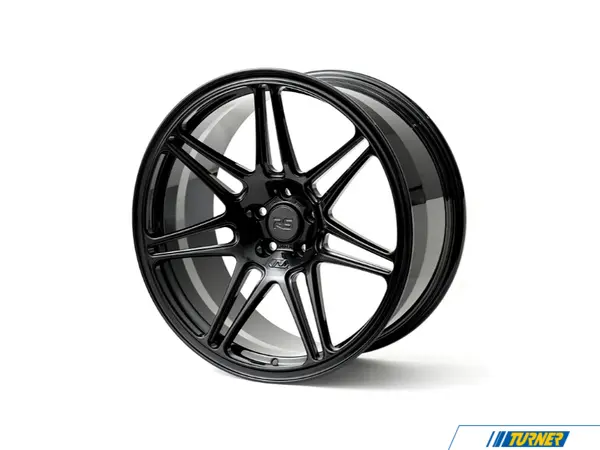
Neuspeed RSf72 - 20x9 Wheel Set for BMW Square Fitment
Neuspeed
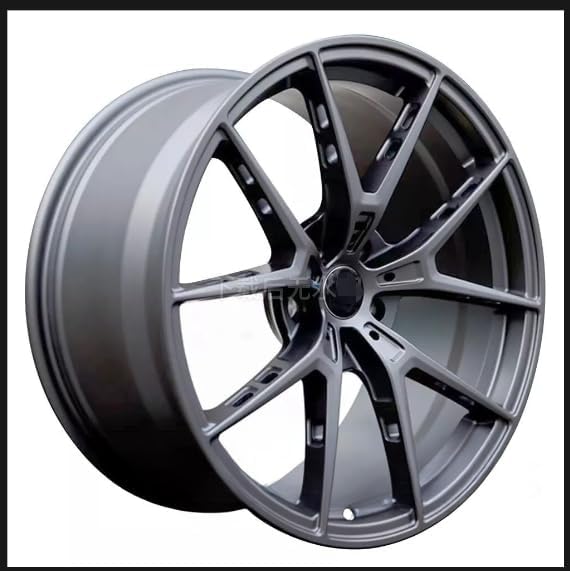
19" Gunmetal Forged Wheels Set 5x112 for BMW G20 G22 G30 G80 G82 3 4 5 Series
Generic

19-Inch Staggered Style 826 Forged Wheels for BMW G-Series (Set of 4, Satin Black)
Generic
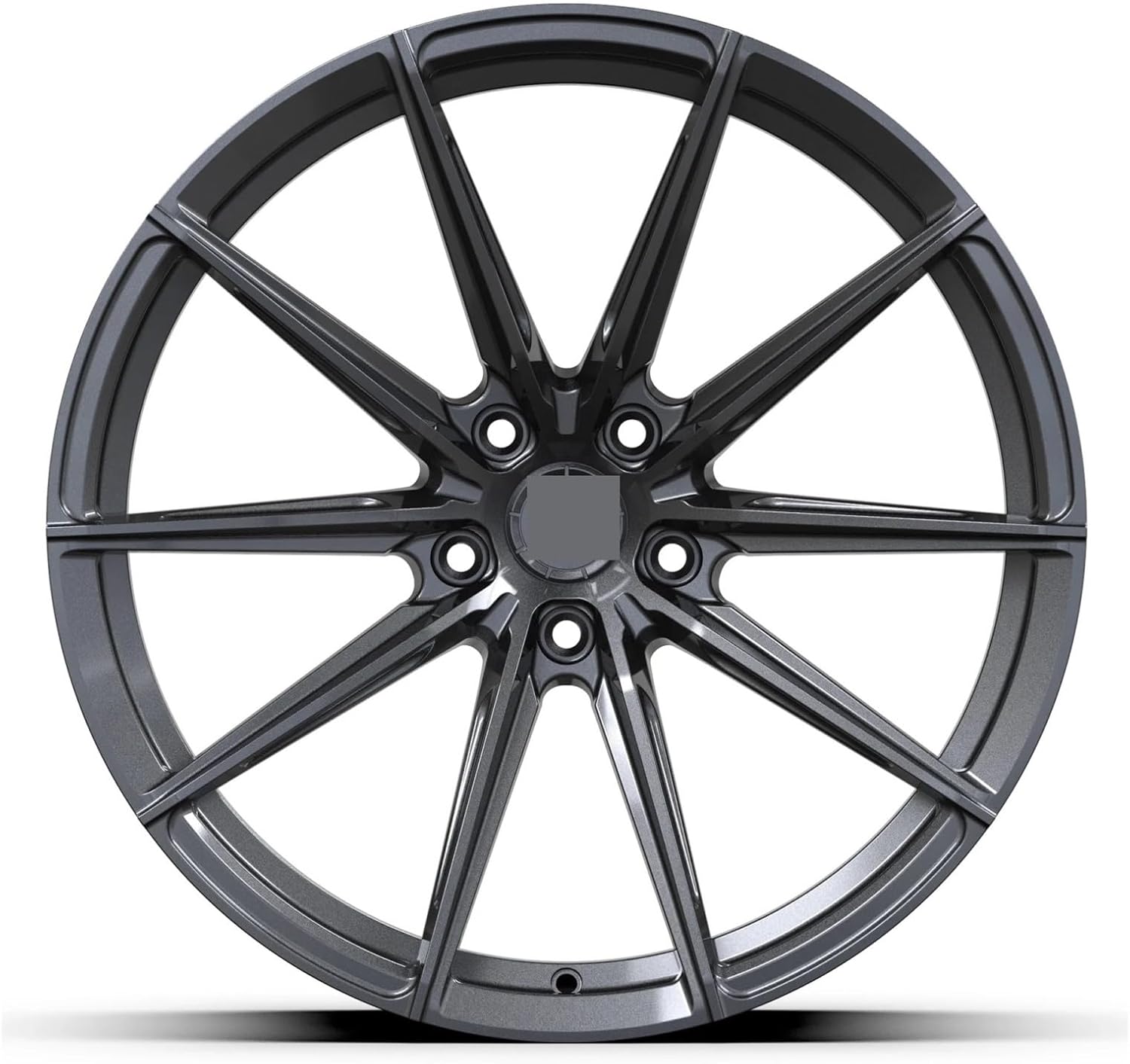
HLOMAUD Concave Forged Wheels for BMW 5x112
HLOMAUD

Custom Forged Monoblock Wheel (Single) — BMW M2/M3/M4/M5/M8
Generic

Wheel Pros 19" AMG Style Staggered Gloss Black Wheels 5x112 for BMW
Wheel Pros

Wheel Pros 19" SLS AMG-Style Staggered Matte Black Wheels for BMW 5x112
Wheel Pros

Wheel Pros AMG Style 18" Staggered Gunmetal Wheels 5x112 Set of 4
Wheel Pros
More wheel and tire options for the BMW G80
If you own a BMW G80 M3 and you're researching BMW G80 wheels tires upgrades, this is the page I wish existed when I started digging into the topic. The factory setup on the G80 is genuinely good - better than most people give it credit for - but it leaves real performance and feel on the table, and once you start poking at the numbers, the case for going aftermarket gets pretty compelling pretty fast. I'll walk you through the OEM baseline, the best upgrade path for this specific chassis, every brand worth serious consideration, fitment details that actually matter, and the mistakes I see owners make constantly. No fluff, just the stuff that affects how the car drives.
Why Wheels and Tires Matter More on the G80 Than on Almost Any Other BMW
The G80 M3 is a complicated car. Depending on trim and build date, you're dealing with either a rear-wheel-drive manual, a rear-wheel-drive automatic, or an xDrive all-wheel-drive automatic. The engine is the S58 twin-turbo 3.0-liter inline-six, making 473 hp in Competition spec and 503 hp in the CS variant. That's a lot of torque going through a relatively compact footprint, and the chassis is tuned to reward drivers who manage traction actively rather than just leaning on electronics.
What that means practically is that your tire and wheel choices have an outsized effect on how the car actually behaves. A heavier wheel adds rotational inertia that the S58's power output can't fully mask. A tire with mediocre lateral stiffness makes the G80's rear feel vague where it should feel planted. Get the combination right and the car is surgical. Get it wrong and you're fighting 500 horsepower on a chassis that wants precision, not wrestling.
The other thing specific to the G80 is the weight. The G80 M3 Competition xDrive curb weight sits around 3,955 lbs depending on options - that's a lot for a sports sedan. Every pound you remove from unsprung rotating mass (wheels and tires combined) has a multiplied effect on ride quality, acceleration response, braking feel, and steering communication. This is not marketing talk. This is basic rotational physics. Dropping even 10-12 lbs per corner in wheel weight alone makes a measurable difference in how quickly the suspension responds to road inputs.
On top of that, the G80's widebody fenders give you serious fitment latitude. You're not squeezing into a narrow arch. BMW built this car expecting aftermarket wheel sizes, and the numbers reflect that.
The OEM Baseline - What You're Starting With
The stock G80 M3 rolls on a staggered 19-inch front, 20-inch rear setup. Specifically, OEM fitment is typically 9Jx19 ET29 front with 255/40R19 tires and 10Jx20 ET25 rear with 285/30R20 tires. The wheels themselves are cast aluminum - BMW's standard M-spec alloy in the various styling variants they offer (Style 825M is one of the common ones).
The stock tires have varied by build date and market, but North American cars typically come with Michelin Pilot Sport 4S in those sizes as OE fitment, which is actually a solid starting point. So the tire side of the equation isn't necessarily broken from the factory - it's the wheels where the real opportunity lives.
OEM wheel weight on the G80 runs roughly 24-26 lbs per corner for the front 19s and slightly heavier for the rear 20s. Good aftermarket forged wheels in equivalent sizes often come in at 17-20 lbs. That's 5-8 lbs per wheel, 20-30 lbs total for a full set. On a car where you're hunting tenths, that matters.
The staggered OEM setup also means you cannot rotate tires front to rear without a directional swap or a trip to a shop for remounting. That adds cost and inconvenience over time, which is a real reason many G80 owners - especially xDrive owners - move to a square aftermarket fitment even if the stagger is slightly more performance-optimal for RWD.
OEM wheel finish is also fairly conservative. BMW's M3 styling options are decent but limited in color, and the cast construction means any significant curb strike can crack rather than bend. Forged wheels are far more resilient in real-world use.
The Single Best First Upgrade - Square 19-inch Forged Setup
If you only do one upgrade on your G80 M3 - this is it. A square 19x10 forged wheel setup with 275/35R19 all around is the single most impactful change you can make to how this car drives. I'll explain why this specific combination matters.
First, going to a square setup (same size front and rear) means you can rotate tires. On a car with 473+ horsepower going primarily to the rear (or split via xDrive), rear tires wear faster. Rotation extends tire life and saves money over a season. For xDrive owners especially, the Bimmerpost G80 forum has extensive threads confirming square setups are preferred specifically because rotation is straightforward and fitment issues are essentially eliminated.
Second, stepping from the OEM 19/20 staggered setup to a 19-inch square arrangement reduces unsprung weight at the rear by dropping the wheel diameter by an inch. Combined with lighter forged construction, you're pulling significant mass out of the suspension system at all four corners.
Third, 275/35R19 is a very well-supported tire size. Nearly every serious performance tire - Michelin Pilot Sport 4S, Pilot Sport Cup 2 Connect, Bridgestone RE-71RS - comes in this size with good availability and competitive pricing. You're not chasing an exotic spec that limits your options.
Fourth, a 275/35R19 tire has more sidewall height than the OEM 285/30R20 rear. That extra sidewall absorbs impacts better, which matters enormously if you daily your G80 in a city with actual potholes. G80 owners on Bimmerpost consistently report prioritizing sidewall height specifically for pothole protection, which is a real-world durability concern on modern low-profile performance car fitments.
For RWD cars where you want to preserve a bit more rear-end dynamics and don't care about rotation, a staggered 19x9.5 front / 19x10.5 or 19x11 rear with appropriate tire widths is a strong alternative. But for most daily/track dual-use owners, square wins the cost-benefit analysis.
Top Wheel Picks for the G80 M3 - Every Budget Level
I've organized these by budget tier and use case. Prices listed are typical 2026 US retail for a complete set of four, and they fluctuate based on size, finish, and whether center caps and TPMS are included. These are real brands actively sold for the G80 platform through BMW-focused retailers - you can verify current inventory and fitment at places like Atomic Wheels' G80 collection and Element Wheels' M3 fitment page.
Best Forged Performance Wheel - Apex VS-5RS
The Apex VS-5RS is the most consistently referenced forged performance wheel in G80 ownership circles, and the reason is simple - Apex has done the work on BMW fitment across nearly every chassis code from E46 to G80, and the VS-5RS specifically was designed with track use in mind. Typical pricing runs $1,500 to $2,000+ for a set depending on size and finish. That is genuinely competitive for a properly engineered forged wheel, especially from a brand with this level of BMW-specific development.
What makes the VS-5RS stand out is that it's flow-forged (Apex calls it "flow-form forged"), which is a manufacturing process where a cast blank is formed under heat and pressure on a flow-forming machine to align the aluminum grain structure and increase strength without the full cost of a forged billet blank. The result is a wheel that's lighter and stronger than a traditional cast wheel but priced below true 2-piece or 3-piece forged construction. Weight in a 19x10 spec typically comes in around 18-20 lbs, which is a meaningful reduction versus OEM cast units.
Apex offers this wheel in multiple BMW-correct offsets and sizes. For the G80 specifically, 19x9.5 and 19x10 are the most commonly chosen front fitments, with 19x10 and 19x10.5 popular at the rear in staggered builds. Finish options include satin black, gloss gunmetal, and brushed clear, among others. No custom lead times - Apex typically ships from stock.
My honest take - if I were buying one set of aftermarket wheels for a G80 M3 that I track regularly but also drive to work, this is what I'd order. The price is reasonable, the BMW fitment knowledge built into the offsets is real, and Apex's customer service for BMW owners is notably good in my experience.
Best Flow-Formed Value Wheel - Apex EC-7
The Apex EC-7 is the more affordable sibling to the VS-5RS, using a similar flow-forming process but with a more classic multi-spoke design that works well on the G80's aggressive body lines. Pricing typically lands around $1,100 to $1,600 for a set, making it one of the better performance-per-dollar options available for this chassis.
The EC-7 has been popular in BMW track communities for years, well before the G80 existed. It has a known track record across F80, E90, E46 and other M chassis, and the G80 fitment follows naturally. If you want the weight and handling benefits of a proper performance wheel without committing to full forged pricing, the EC-7 is the honest recommendation. It's not as trick or as light as the VS-5RS, but the delta is modest and the price difference is real.
Best OEM-Style Premium Wheel - HRE FlowForm FF04 and FF10
HRE is a California-based manufacturer that makes both ultra-premium custom forged wheels and a more accessible flow-formed line. The HRE FlowForm FF04 and FF10 sit in that latter category, priced typically at $2,400 to $3,200+ per set. They're not cheap, but they represent something specific - a refined, premium look that fits the G80's character without screaming "race car."
The FF04 has a clean multi-spoke design that reads almost factory-plus. The FF10 is a more modern mesh/spoke hybrid. Both come in a wide range of finishes including satin and gloss options that complement the G80's paint palette well. Build quality is genuine - HRE has serious manufacturing credentials, and their tolerances are tighter than most competitors at this price.
For owners who want something that looks intentional and upscale rather than aggressive, and who want the brand recognition that comes with HRE's name, this is the pick. BMW enthusiast communities know HRE. This isn't an obscure brand making claims you have to take on faith.
Best Custom Forged Wheel - Fifteen52 Podium FC and Custom Forged Lines
When you need exact offsets, specific widths outside common catalog specs, or a custom finish that matches a specific paint color or interior, you're in custom forged territory. Fifteen52's Podium FC and their custom forged lines typically run $3,500 to $6,000+ per set, and that price buys you genuine customization latitude.
The Podium FC is one of the more interesting designs in this segment because it looks like a proper motorsport wheel - mono-block forged, center-lock aesthetic (though it's conventionally lug-mounted), aggressive concave profile. On a G80 M3 in Competition or CS spec, it looks correct. Fifteen52 has grown their BMW fitment knowledge considerably over the past few years and is actively referenced in G80 fitment discussions.
Custom forged pricing varies significantly based on diameter, width, offset, finish, and whether you're specifying multi-piece construction. If you're building a dedicated track car and you need a very specific offset that standard catalog wheels don't cover, this is where you go. For most dual-use owners, it's more wheel than you need. But if exact fitment matters - especially on a car with suspension modifications that have changed your ideal offset - custom forged solves problems that catalog wheels can't.
Kipardo Racing's 2026 BMW wheel fitment guide covers size charts and real-world examples that are worth reading if you're sizing up a custom forged order and want to confirm your math before you put a deposit down.
Best Budget Cast and Flow-Formed Option - VMR V802 and V810
Not everyone is spending $2,000+ on wheels for a daily driver, and that's completely rational. The VMR V802 and V810 are priced in the $900 to $1,400 per set range and offer broad fitment options for BMW platforms including the G80. VMR has been a reliable budget BMW wheel option for years, appearing consistently on E9x, F8x, and now G8x builds where the owner wants a clean look without the premium outlay.
These are cast or lightly flow-formed wheels, which means they're heavier than the forged options above. You're giving up weight savings in exchange for lower cost. That's a legitimate tradeoff if you're buying these for street use and aesthetics rather than track performance. Don't take these to a track day expecting them to hold up the way a forged wheel does under repeated high-speed cornering loads and heat cycling. For street use and occasional enthusiast driving, they're competent.
The V810 specifically has a clean mesh design that looks better than its price suggests. If I were building a G80 daily driver on a strict budget, these would be on my list. Just pair them with good tires rather than trying to save money on both simultaneously.
Best Ultra-Premium Forged - BBS FI-R and BBS Forged
If you want the highest possible brand prestige with fully justified engineering credentials, BBS is the answer. The BBS FI-R (Flow-formed Intelligent Racing) and their full forged lines represent the top tier of German wheel manufacturing. Pricing runs $4,500 to $7,000+ per set, and BBS earns that premium through decades of motorsport development, genuinely excellent material quality, and a reputation that holds up under scrutiny.
BBS supplies wheels to Formula 1 teams, DTM, and endurance racing programs. Their quality control is exceptional. The FI-R in particular is a sophisticated flow-formed wheel that competes with full forged options from lesser brands on weight while maintaining BBS's build integrity. On a G80 M3, BBS wheels are contextually appropriate - this is a serious performance car from a serious manufacturer, and BBS has been part of BMW motorsport for decades.
The honest caveat is that you're paying a premium for brand heritage as well as engineering. At $5,000+ per set, you could buy very good forged wheels from Apex or HRE and have money left over for tires. Whether BBS's premium is worth it depends entirely on what the car means to you. For a show car or a long-term keep that you want to be exactly right, I understand the choice completely.
You can browse current G80-specific wheel inventory across several of these brands at Carbahn's G80 parts collection, which aggregates performance parts for this chassis and often carries or sources premium wheel options alongside their other M3 upgrades.
Top Tire Picks for the G80 M3 - Every Use Case
Tires are where you feel the personality of the build. Wheels affect weight, looks, and structural feel. Tires determine grip, communication, wet behavior, noise, and longevity. Getting this combination wrong is more expensive than getting it right the first time, so I'll be specific about what each tire does well and what it doesn't.
Best Max-Performance Street Tire - Michelin Pilot Sport 4S
The Michelin Pilot Sport 4S is still the benchmark street performance tire for the G80, full stop. In G80-friendly sizes like 275/35R19, pricing typically runs $1,200 to $1,800 for a set of four. This tire has been the reference point for dual-use performance tires since it launched, and multiple generations of G80 and F80 M3 owners have confirmed it across forums, track data, and real-world use.
What the PS4S does better than most competitors is combine genuinely impressive dry grip with wet performance that's actually usable rather than terrifying. The tread compound uses a dual-zone design - stiffer outer shoulder for cornering loads, more flexible inner compound for wet traction. The result is a tire that feels predictable and communicative across a wide range of conditions. On the G80's rear-biased torque delivery, predictability at the limit matters more than absolute grip numbers.
Tread life is reasonable for a performance tire in this segment - expect 15,000 to 25,000 miles depending on how you drive, your alignment, and whether you're doing track days. That's not spectacular, but it's acceptable given the grip level.
If you only buy one set of tires for your G80 and the car needs to work in all seasons except snow and ice, the PS4S is the correct answer. It's what I'd put on my own car in this situation without losing sleep about it.
Best Street and Track Compromise - Michelin Pilot Sport Cup 2 Connect
The Michelin Pilot Sport Cup 2 Connect is the street-legal Cup 2 variant - it has a more durable compound than the pure track-focused Cup 2 R, with enough wet-weather capability to be driven to the track without requiring a trailer or a second set of wheels. Pricing in G80 sizes typically runs $1,500 to $2,200 per set.
This is the tire for owners who track their G80 more than a few times per year but still daily the car at least some of the time. The dry grip over the PS4S is significant - you're talking about a tire with measurably better lap times on a properly prepared surface. Steering response is sharper. Cornering loads are higher.
The honest tradeoffs are real. Wet performance is acceptable but notably inferior to the PS4S - you need to be more attentive in heavy rain. Tread life is shorter, particularly if the car sees frequent track use where temperatures accelerate wear. And the noise level is higher than the PS4S at highway speeds, which matters if you're doing long daily commutes.
For a car that goes to six or more track days per year but still needs to drive home, the Cup 2 Connect is probably the most technically correct tire recommendation I can make for the G80 platform.
Best Track-Focused Tire - Bridgestone Potenza RE-71RS
The Bridgestone Potenza RE-71RS is the dry grip benchmark for street-legal performance tires. In G80-compatible sizes, pricing typically lands at $1,100 to $1,700 per set. It's a serious autocross and track day tire with a compound that generates exceptional lateral grip in warm, dry conditions.
The RE-71RS is known for very high peak grip numbers and a sharp, responsive feel that rewards driver precision. On a G80 M3 with good suspension setup, it communicates clearly about what's happening at the contact patch. That's what you want when you're working up to the limits of a 500 hp car on a circuit.
What you give up is meaningful. Wet performance is poor compared to the Michelin options - this is a tire for dry conditions. Tread life is genuinely short; track use especially will wear these down quickly. And cold-start performance in lower temperatures requires more warm-up time before you can lean on them. Use these seasonally if you're in a climate with real winters, and plan on replacing them more often than the PS4S.
If you're focused on autocross or time attacks and you want the best street-legal grip available at this price point, the RE-71RS is the pick. If you want something you can also use on a rainy morning commute, get the Cup 2 Connect instead.
Best Value UHP Tire - Continental ExtremeContact Sport 02
The Continental ExtremeContact Sport 02 occupies an interesting position - it's a genuinely good performance tire at a price that's notably lower than Michelin. Typical pricing in G80-compatible sizes runs $900 to $1,400 per set. Continental's ECS02 improved significantly over the original ExtremeContact Sport in wet performance and noise, and it's now a tire I'd recommend without hesitation for street use.
Dry grip falls slightly short of the PS4S in back-to-back comparison, but the gap isn't enormous and it won't be perceptible in normal spirited driving. Wet performance is good - Continental's wet compound chemistry is competitive with Michelin's. Tread life is solid. Noise is acceptable.
This is the tire for a G80 owner who wants a proper performance tire but doesn't want to spend $1,800 on a set when $1,100 buys something almost as good. The "almost" matters if you track the car seriously. It doesn't matter at all if you're street driving with occasional canyon runs.
Best All-Season Option for Daily Drivers - Michelin Pilot Sport All Season 4
There's a specific G80 owner who needs an all-season tire - someone in a cold-weather market who daily drives the M3 year-round and doesn't want to deal with a seasonal tire swap. For that owner, the Michelin Pilot Sport All Season 4 (PSAS4) is the correct recommendation. Pricing runs $900 to $1,300 per set in applicable sizes.
The PSAS4 is genuinely impressive for what it is - an all-season tire that doesn't completely abandon performance. Dry grip is better than typical grand touring all-seasons. It carries a 3PMSF (Three-Peak Mountain Snow Flake) rating, meaning it's genuinely certified for winter driving rather than just calling itself "all-season" because it has a symmetric tread pattern. Wet performance is strong.
What it isn't is a substitute for a summer tire if performance is your priority. Dry lateral grip is materially lower than the PS4S. Steering feel is less crisp. If you're tracking the car even occasionally, come off these and put summer tires on first. But for a daily driver in Minnesota or Michigan where the G80 sees real winter? These make practical sense.
One important note - run a true dedicated winter tire (not this) if you're in serious snow and ice territory. The PSAS4's all-season compound still softens at low temperatures. For sub-20 degree Fahrenheit conditions, separate winter wheels and tires remain the correct answer even on a G80.
Fitment Details Specific to the G80 Chassis
The G80 M3's fitment window is generous compared to a lot of BMW platforms, but there are still rules you need to follow. Getting these wrong leads to rubbing, scraping, TPMS issues, or clearance problems with brake calipers - none of which you want to discover in a parking lot.
Key Fitment Numbers
Stock G80 M3 specs to know:
- Front PCD: 5x112
- Center bore: 66.5mm
- OEM front offset: ET29 (19-inch)
- OEM rear offset: ET25 (20-inch)
- Front brake caliper: 6-piston Brembo (significant clearance requirement)
- Rear brake caliper: 4-piston Brembo
For aftermarket 19-inch fitments, a safe working range for offsets on the G80 is typically ET20 to ET35 front and ET15 to ET30 rear without wheel spacers, though this varies based on specific wheel design and tire width. That said, verify against your specific wheel's CAD data and check forum fitment threads for your exact size before ordering. The G80's front subframe and control arm geometry creates specific clearance requirements that aren't always obvious from spec sheets alone.
The front 6-piston Brembo calipers are notably large. Most quality aftermarket wheels spec'd for BMW will clear them, but verify explicitly with your wheel supplier before ordering - some smaller spoked designs or aggressive concave profiles can create clearance issues. This is not a problem unique to the G80, but the M3's calipers are larger than a standard 3 Series, so a wheel that fits an F30 doesn't automatically fit a G80 M3.
If you've installed coilovers or adjusted camber, this changes your optimal offset calculation. Negative camber moves the top of the tire inward and the bottom outward. If you're running aggressive negative camber (more than -2.5 degrees at the rear), a wider wheel or an offset toward the lower end of the safe range can create outer lip contact with the fender liner under full compression. Check your setup against a fitment simulator like the tools available through BimmerTalk's chassis tool and post your numbers on the G80 forum before committing.
For lowered cars specifically, consider your suspension travel carefully. A car with lowering springs or coilovers has less available upward travel before the tire contacts the arch. In a square setup with 275/35R19 tires, most G80 owners with 10-15mm of drop report no rubbing issues, but 20mm+ of drop at the front with wide, low-offset wheels deserves careful fitment checking.
Hub-Centric Rings
The G80's center bore is 66.5mm. Many aftermarket wheels use a larger center bore (73.1mm is common in the BMW aftermarket) to accommodate multiple vehicle applications. If your wheel's center bore is larger than 66.5mm, you need hub-centric rings. These are inexpensive - aluminum rings typically run $20-40 for a set - but they're not optional. Running a wheel without proper hub-centric fitment transmits vibration through the steering wheel and can cause wheel wobble at highway speeds. This is a $30 mistake that ruins a $2,000 wheel investment.
TPMS Considerations
The G80 M3 uses BMW's OEM TPMS system, which requires sensors either transferred from your OEM wheels or new sensors programmed to your car. When you buy new wheels, factor in TPMS sensors - quality OEM-compatible units run $50 to $80 per sensor plus programming. Some wheel retailers include these; most don't. Factor this into your total cost calculation.
Programming new TPMS sensors requires either a BMW scan tool or a shop with the right equipment. If you have access to coding tools - and if you're a G80 owner seriously into the platform, you probably should - check out the resources on coding and diagnostic tools for BMW to understand your options for TPMS resets and sensor registration.
Common Mistakes G80 Owners Make With Wheels and Tires
I've seen these enough times to compile them. Avoid these and you'll save yourself real money and aggravation.
Mistake 1 - Buying Wheels Based Purely on Looks in Photos
Photos on a white background in a studio setting look nothing like wheels on an actual G80 in actual light. A wheel that looks incredible in a product shot can look generic or wrong on the specific proportions of the G80's widebody. Before ordering, search for in-person fitment photos from other G80 owners - the G80 Bimmerpost forums have extensive fitment picture threads. The G80's squared-off arches and aggressive body kit have specific visual proportions that not every wheel design complements.
Mistake 2 - Skimping on Tires After Spending Big on Wheels
This is common and it's backwards. If your budget is tight, buy modestly priced wheels and spend the remaining money on a quality tire. The tire is what connects you to the road. A $900 flow-formed wheel under a $450/corner Michelin PS4S will outperform a $1,500 forged wheel under a $180/corner budget tire every single time. Prioritize rubber over metal when the budget forces a choice.
Mistake 3 - Ignoring Alignment After Fitment Changes
Any wheel change that shifts your scrub radius or changes your wheel offset requires a fresh alignment check. This is not optional. Running out of spec alignment on a 3,900 lb performance car is expensive in tire wear and potentially unsafe. The G80 M3's geometry is sensitive to proper setup. Budget for an alignment every time you change wheels, and especially after any suspension modification. If you're also running coilovers or adjusted ride height, alignment is doubly important.
Mistake 4 - Running a Staggered Setup on an xDrive G80 and Not Understanding the Consequences
If you have an xDrive M3 and you're running a staggered setup, you cannot rotate tires. You'll also need to manage the fact that your rears will wear faster despite all-wheel-drive distribution. The rotation restriction means either buying a new set of tires more often or having tires remounted directionally, which costs money each time. xDrive owners who switch to square setups consistently report that the convenience and cost-of-ownership math strongly favors going square, as confirmed by multiple owners in G80 forum discussions.
Mistake 5 - Not Checking Caliper Clearance for Aggressive Concave Profiles
Aggressive concave wheel designs push the face of the wheel inward relative to the barrel. On a G80 M3 with large 6-piston front calipers, this can be surprisingly close. I've seen owners order wheels specifically for their aggressive look and then discover they have 2-3mm of clearance between the caliper and the spoke. That's within spec technically, but one hard bump or a track day with thermal expansion and you're grinding metal. Always ask your wheel supplier for the minimum caliper clearance with your specific wheel, and if you're upgrading brakes too, check the combined clearance requirement. If you're also planning brake pad upgrades or big brake kit installations, verify caliper dimensions before finalizing wheel choice.
Mistake 6 - Buying the Wrong Offset for Your Intended Use
Lower offsets (more negative) push the wheel face outward, giving a more aggressive flush look. Higher offsets tuck the wheel inward. Both extremes create problems. Too low an offset (too much poke) stresses wheel bearings, creates geometry stress on the suspension, and can create tire rub on the fender. Too high an offset creates caliper clearance issues with some brake setups and looks wrong visually. The safe range I listed above is based on real G80 owner fitment experience. Stay within it unless you have a specific reason to deviate and have verified clearance carefully.
Budget Tiers - What to Expect at Each Spending Level
Let's be direct about what your money buys at each tier, complete wheel-and-tire package included.
Budget Build - $1,800 to $2,500 Total
At this budget, you're looking at VMR V802 or V810 cast wheels paired with Continental ExtremeContact Sport 02 tires. This is a legitimate upgrade over OEM - cleaner look, reasonable weight reduction, solid street performance tires. You're not going to track this combination aggressively and expect the wheels to hold up long-term, but for a daily-driven G80 where the goal is aesthetics and street grip improvement, this works. Budget for TPMS sensors and an alignment on top of the wheel/tire cost.
Mid-Range Build - $2,800 to $4,500 Total
This is the sweet spot for most G80 owners - Apex EC-7 or VS-5RS forged wheels with Michelin Pilot Sport 4S tires. You get real weight savings over OEM, a tire that's genuinely world-class for street performance, and a wheel with track day capability. This combination transforms how the G80 drives. The weight reduction is noticeable in real conditions, the PS4S communicates clearly, and you have a setup that works from daily commuting to canyon runs to occasional track days.
For this budget range, I'd lean toward the VS-5RS over the EC-7 if you're tracking the car, and toward the EC-7 if it's primarily a street machine where the cost difference is better spent on better tires. The PS4S is non-negotiable at this tier - don't downgrade the tire to save money on wheels.
Performance Build - $4,500 to $7,000 Total
At this level, you're looking at HRE FlowForm FF04/FF10 or BBS FI-R paired with Michelin Pilot Sport Cup 2 Connect or Bridgestone RE-71RS depending on use case. This is a serious setup that makes the G80 meaningfully faster and more communicative than stock. The Cup 2 Connect in particular transforms the front grip character in a way that the PS4S doesn't quite match. Combined with quality forged wheels at this price point, you have a capable track/street dual setup with real credentials.
At this budget, also consider whether suspension upgrades make sense alongside the wheel and tire changes. The G80's standard suspension is decent but not optimized for track use. A set of well-tuned coilovers from a respected manufacturer can work synergistically with a performance tire and wheel setup to give you much more than either modification alone. Check the BMW coilovers buyers guide for specific recommendations that work well with the G80 chassis.
No-Compromise Build - $7,000 to $12,000+ Total
Custom forged wheels from Fifteen52, Forgeline, or 3-piece custom BBS paired with Michelin Pilot Sport Cup 2 R (pure track) or Cup 2 Connect (dual use). At this level, you're optimizing for everything - exact offsets, minimum weight, track-day longevity, and a setup where every component is chosen without compromise. The Cup 2 R specifically is the tire that BMW M itself uses as OE on the M3 CS, which gives you some sense of how serious it is.
This is also the level where weight reduction from wheels starts to combine usefully with other performance modifications. If you're also running an ECU tune through a reputable calibration shop (check ECU tuning options for BMW for context), upgraded intercooling, and a performance alignment, a no-compromise wheel and tire setup completes the picture rather than standing alone.
My Specific Picks - Daily Driver vs Track vs Show
Let me stop hedging and just tell you what I'd do in each scenario.
For the Daily Driver G80
Wheels - Apex EC-7 in 19x10 square setup, ET25, brushed clear finish. Reason - lightweight, strong BMW fitment knowledge baked in, available from stock, priced rationally, looks clean on the G80's lines without being distracting.
Tires - Michelin Pilot Sport 4S in 275/35R19 all four corners. Reason - the best daily performance tire available for this chassis. Wet capability is genuinely important on a 500 hp car, and the PS4S doesn't compromise your confidence in rain the way a Cup tire or RE-71RS does.
Total estimate with TPMS and alignment - approximately $3,000 to $3,500. That's a real investment, but on a car that costs $80,000+ new, it's proportionate and it genuinely transforms the driving experience.
For the Track-Focused G80
Wheels - Apex VS-5RS in 19x10 front and 19x10.5 rear (staggered), ET20 rear for more clearance under hard cornering. Reason - the best forged wheel available at this price for a track car, with proven heat cycling durability.
Tires - Michelin Pilot Sport Cup 2 Connect in 275/35R19 front, 285/35R19 rear. Reason - the best available compromise between track performance and enough wet weather capability to drive to the track without a trailer. If the car trailers to events, switch to the pure Cup 2 R.
Additionally - keep a second set of wheels with the Continental ExtremeContact Sport 02 for winter or bad weather days, so the Cup 2 Connect set isn't contaminated with cold weather miles that accelerate compound aging.
Total estimate for the track setup alone - approximately $3,800 to $4,800.
For the Show or Euro Meet G80
Wheels - BBS FI-R in 19x10 or 20x10.5 depending on fitment preference, gloss black finish. Reason - BBS has the brand credentials, the visual history in BMW culture, and the quality to justify the premium when the car is going to be seen.
Tires - Michelin Pilot Sport 4S. Even for a show car, you're driving this to events, and you want a tire that behaves well on the way there. The PS4S looks clean, fits the stance without being aggressive, and performs well enough for spirited driving on show day.
Total estimate - $6,000 to $9,000 depending on BBS spec chosen. That's genuine money and I won't pretend otherwise. On a G80 being shown, it's defensible.
Suspension Interaction - What to Consider When You Change Both
I want to spend some time on this because it's a topic that wheel-and-tire articles often skip. Your wheel and tire choice doesn't exist in isolation - it interacts with your suspension setup in ways that significantly affect the outcome.
The stock G80 suspension is competent but not optimized for track use. The adaptive M suspension (available on most trim levels) adjusts damping in real time and does a reasonable job for a dual-purpose car. But the stock spring rates are compromised for ride quality on the range of surfaces BMW expects owners to encounter. For track use, the factory setup feels soft.
Here's the key interaction - a stiffer, lighter wheel and a grippy tire will reveal the compliance of a soft suspension much more than a heavy OEM wheel and a comfort-oriented tire. When you upgrade to forged wheels and Cup 2 Connect tires, you're raising the grip ceiling. The suspension now needs to manage more lateral load more efficiently. If the stock suspension is your limiting factor, your new tires will show you that clearly through chassis behavior.
This doesn't mean you should upgrade suspension before wheels and tires. The wheel and tire upgrade is still the first priority. But if you do the wheel/tire upgrade and feel like the chassis is moving around more than expected under hard cornering, that's the suspension's contribution becoming visible. At that point, exploring suspension upgrades for the G80 makes sense as a logical next step.
The other interaction point is ride height. If you lower the car, tire-to-arch clearance changes. In a square 19x10 setup with 275/35R19, a standard drop of 10-15mm typically causes no issues. More than 20mm of drop at the front requires careful attention to tire fitment under full compression, especially with a low-offset wheel. This is more pronounced on sport-compound tires with stiffer sidewalls - they don't compress and deform under arch contact the way a softer touring tire might. They just scrub, which is not subtle.
For owners running dedicated coilover setups, verify your corner weights and alignment after every ride height adjustment. The G80's chassis is well-balanced from the factory and the geometry rewards proper setup. Getting a proper 4-wheel alignment with a technician who knows BMW M cars (not just any alignment shop) is worth paying extra for on this platform.
Winter Wheel and Tire Strategy for G80 Owners
If you're in a cold-weather market and you daily your G80 M3, you need a winter strategy. The G80 CS and Competition spec summer tires are not functional below 45 degrees Fahrenheit. Compound stiffness at cold temperatures dramatically reduces grip, and in snow or ice you're essentially driving on hockey pucks regardless of how good the PIAA traction control systems are.
My recommended approach for cold-weather G80 owners is a dedicated second wheel set. Here's why it makes financial sense: proper wheel-mounted winter tires are cheaper and faster to swap than bringing your summer wheels to a tire shop twice a year for dismount/mount cycles. You also protect your primary aftermarket wheels from winter road salt, which is genuinely damaging to wheel finishes over time.
For the winter wheel set, you don't need to spend $3,000. A modest set of VMR V810 or OEM-style steel wheels (yes, BMW makes OEM winter steel wheels for most models including the G series platform) paired with quality winter tires is the rational choice. This wheel set will see 5 months of use per year under harsh conditions. Don't put your BBS wheels in those conditions.
Winter tire recommendation for the G80 - Michelin Pilot Alpin 5 or Bridgestone Blizzak WS90 in an appropriate size. For a G80 running a 19-inch aftermarket setup, a winter fitment in 245/40R18 or 255/40R18 is often chosen to add sidewall height and reduce the per-tire cost compared to maintaining full 19-inch sizing through winter. This practice is called "winter downsizing" and it's completely standard among serious BMW owners in cold climates.
The xDrive G80 is more manageable in marginal winter conditions than the RWD variant, but neither should be pushed on summer tires in snow. AWD gives you traction, not stopping distance. Winter tires improve both.
Wheel and Tire Care - Making Your Investment Last
A $3,000 wheel and tire investment requires reasonable maintenance to stay functional and looking right. These are the basics that often get overlooked.
Cleaning forged wheels correctly matters. Iron fallout from brake dust will permanently stain light-colored wheel finishes if left long enough. Use a pH-neutral wheel cleaner with a dedicated wheel brush, not whatever car wash soap is already in your bucket. Iron decontamination spray (Carpro IronX or equivalent) dissolves embedded iron particles that regular washing misses. Do this at least monthly if you're driving on public roads where brake dust accumulates.
Rebalance when you feel vibration, not on a fixed schedule. Road force variation is the more accurate balance method - if your shop only offers static balance, find one with a road force machine. A G80 M3 at highway speeds is sensitive to imbalance, and even a 0.1 oz imbalance can be felt through the steering at 80 mph.
Check torque after 50-100 miles following any wheel installation. Lug bolt torque on the G80 is 100 Nm (74 lb-ft). This is important and often skipped. New wheel installation compresses contact surfaces slightly as the metals seat, which can reduce clamping force. A retorque after the first highway drive is not optional on a car with this power output.
Keep tire pressure to spec and check cold monthly. The G80 M3's iDrive and pressure monitoring system will alert you to major deviations, but the OEM system doesn't prompt you to adjust for optimal performance - it just warns of critically low pressure. Check manually. The correct pressure for aftermarket 275/35R19 tires on a G80 is typically 33-35 psi cold for street use, adjusting downward slightly for track use depending on ambient temperature and your specific tire's recommended operating pressure range.
Inspect for curb rash after every parking situation involving parallel parking. I know this sounds excessive but one bad parallel park with a forged wheel costs $200-400 in refurbishing. Approaching narrow spots wide is a habit worth building. It's especially relevant in BBS or HRE territory where refinishing costs are real.
FAQ - Questions G80 M3 Owners Actually Ask
Will aftermarket wheels void my warranty?
In the US, the Magnuson-Moss Warranty Act protects you here - a manufacturer cannot void a warranty simply because you installed aftermarket parts, unless they can prove the aftermarket part caused the specific failure being claimed. Wheels and tires are relatively low-risk in this regard. Where warranty claims get complicated is if a wheel fitment issue causes suspension or bearing damage. Using correctly-specified aftermarket wheels with proper hub-centric fitment eliminates that risk. That said, this is a topic worth understanding before any modification. If your car is still under BMW warranty and the dealer is aware of modifications, be aware of the practical dynamics of the warranty relationship even when your legal rights are clear.
Do I need to recalibrate the speedometer after a wheel and tire size change?
If you change from the OEM tire diameter to a noticeably different overall diameter, yes - your speedometer and odometer read based on tire circumference. A 275/35R19 has an overall diameter of approximately 25.6 inches, compared to the OEM rear 285/30R20 at approximately 26.2 inches. That's a small difference that most owners don't bother recalibrating. If you're using the odometer for maintenance interval tracking or you care about speedometer accuracy, a quick speedometer calibration through BMW coding tools can address this. The coding tools available for BMW often include speedometer recalibration as a standard function.
What's the best forged wheel under $2,000 for a G80 that I can track?
The Apex VS-5RS. Not a close call. The BMW-specific fitment engineering, the weight, and the track record in the BMW community make it the obvious answer at that price point. The EC-7 is a close second if you want to save a few hundred dollars, but the VS-5RS is my recommendation for a car you're taking on track.
Can I use my F80 M3 wheels on my G80?
Both use 5x112 bolt pattern, which is good news. However, the G80's center bore (66.5mm) is the same as the F80's, so hub centricity isn't an issue if the wheel fits both. Offset and width compatibility depends on specific wheel spec. The G80 is dimensionally slightly wider than the F80 with its widebody fenders, so F80 wheels that were slightly tucked may fit more aggressively on the G80. Check offset and width against the fitment ranges I listed above for the specific wheel you're considering. Caliper clearance should be checked as well - if you had big brake kit concerns on the F80, the same concern applies to the G80's 6-piston fronts.
Is 19-inch or 20-inch better for track use on the G80?
For track use, 19-inch is better. Less rotational mass, more tire sidewall to absorb track surface irregularities (most tracks aren't as smooth as they look), more tire size options in performance compounds, and lower per-tire replacement cost. The 20-inch setup looks more aggressive and fills the arches more fully visually, which is why it appears on OEM and on show cars. For driving fast, 19 wins.
How much does a complete wheel and tire upgrade actually affect lap times?
This depends enormously on the baseline tire and the specific track. Moving from OEM cast wheels with OEM Michelin PS4S to lightweight forged wheels with Pilot Sport Cup 2 Connect on a 2-mile circuit, you might see 2-5 seconds per lap improvement from tires alone, with the wheel weight reduction contributing perhaps another 0.5-1 second through improved turn-in and reduced rotational inertia in acceleration zones. These are estimates based on reasonable generalization from BMW platform data - they're not numbers I can cite to a specific G80 test, but the order of magnitude is correct for this type of modification on a performance car of this weight and power. What you won't do is cut 15 seconds per lap just from wheels and tires on a chassis that's otherwise stock.
What wheel weight should I target for a serious G80 track build?
For a 19x10 forged wheel, targeting under 20 lbs is a good benchmark. The best flow-formed and forged options in this size hit 17-19 lbs. Some very expensive full-forged monoblock wheels can get below 17 lbs in this size. Each pound under OEM weight (approximately 24-25 lbs for the OEM front 19) is a meaningful reduction. The real-world feel of going from 24 lbs to 18 lbs per corner is noticeable in steering response and braking feel, not just on a scale.
Should I go wider than 275 at the front on my RWD G80?
On a properly set up RWD G80 with good suspension alignment, 275/35R19 front is generally the correct choice. Going wider than 275 at the front can create understeer tendency as you add front grip faster than the car's balance expects. The G80's chassis is tuned with a specific front/rear grip ratio in mind. Changing it significantly at the front without corresponding rear changes can make the car push in ways that don't feel natural to the M3's inherent character. Some track-oriented builds run 285 or 295 at the front on wide 10.5 or 11J wheels, but this is specific to builds where the balance has been retuned through alignment and suspension work to accommodate it. For most owners, 275 front is the answer.
Are there G80-specific considerations when choosing wheel finish?
The G80 is available in some striking exterior colors - Frozen colors in particular (Frozen Black, Frozen Portimao Blue, Frozen Portimao Green) are popular. Frozen colors are matte/satin, which means they look dramatically different under wheels than gloss cars. The general rule for Frozen-color G80 builds is that matte, satin, or brushed wheel finishes complement the Frozen paint better than high-gloss wheels. A gloss black or polished silver wheel can look incongruent against a matte body. Brushed dark metallic or satin gunmetal finishes read more cohesively. This is a subjective point, but it's one I've seen come up repeatedly in G80 build threads and it's worth thinking about before you order.
Putting It All Together - The G80 M3 Wheel and Tire Build Strategy
The G80 M3 is one of the best driver's cars BMW has made in years, and the wheel and tire setup is the modification that most directly connects you to what the car can do. Engine power is already strong from the factory S58. The chassis has serious capability. Getting the wheels and tires right means you're actually using what BMW built rather than fighting through compromises.
My overall recommendation strategy is this - start with a square 19-inch forged setup and Michelin Pilot Sport 4S tires. This is the foundation that works for the broadest range of G80 owners and gives you a meaningful, perceptible upgrade over stock. From there, if you track the car more than five or six times per year, upgrade the tire to the Cup 2 Connect. If you want to optimize further, move into custom forged wheel territory where exact offset and weight targets are possible. If your car sees winters, build a separate winter wheel set and keep your primary setup safe from salt and cold-temperature rubber degradation.
Don't rush the decision. Take the time to verify fitment against your specific build - especially if you have coilovers, a camber adjustment, or a brake upgrade in the picture. Use forum resources like the G80 Bimmerpost community, cross-reference with BMW-specific wheel retailers who understand the platform, and make sure your alignment is fresh after any wheel change. The G80 rewards careful setup work with a driving experience that's genuinely special.
If you want to explore what else is available for the G80 M3 specifically, the full G80 and M3 model pages on BimmerTalk cover everything from brake upgrades to engine modifications to coding options. And if you're comparing the G80 to other M cars you might be considering, the BimmerTalk articles section has deep-dive comparisons and build guides across the BMW M lineup that are worth reading before you commit.
The right wheels and tires won't make a slow car fast. But on a G80 M3 that's already fast, they'll make it feel exactly as good as it should.

Kamil Siegień
Founder of BimmerTalk. Five years wrenching on BMWs, currently dailying a G20 330i with the B48 turbo four. Spent a year doing marketing for BMW and MINI before going independent. I write everything on this site myself.
More about the site
Aftermarket Wheels for BMW - What Actually Fits and What's Worth Buying
Swapping wheels is one of the highest-impact upgrades you can make to any BMW - but it's also one of the easiest ways to waste money if you don't know the platform specifics. BMW uses a wide range of bolt patterns, hub bore sizes, and suspension geometries across generations, and a wheel that fits a G80 M3 won't clear the brakes on an E46 330i. Before you buy anything, pull your chassis code and know your numbers: bolt pattern (most modern BMWs run 5x112, while older E-series use 5x120), center bore (typically 72.6mm for most models), and your offset range.
For fitment by platform: E90/E92/E93 3 Series and E60 5 Series owners are well-served by staggered setups - typically 18x8.5 front / 18x9.5 rear on the E9x, or up to 19x8.5 / 19x9.5 without pulling fenders. F30/F32 chassis can run 19s comfortably from the factory offset range (ET35–ET45 front, ET35–ET40 rear). G-chassis cars like the G20, G22, and G80 have wider tracks and more aggressive factory fitments - plan for ET30–ET40 if you're going flush without spacers.
On the M car side, the E46 M3 (S54 engine, 5x120 bolt pattern) is one of the most-wheeled BMWs on the market. Square 18x9 or 18x9.5 setups with ET35–ET38 are a proven formula. The F80/F82 M3/M4 opened up 5x112, giving owners access to a massive catalog of Audi and VAG-spec wheels - a game-changer for fitment options and pricing.
Brands Worth Running, and What to Avoid
BBS remains the gold standard for BMW enthusiasts - the BBS CH-R and BBS CI-R are both hub-centric, lightweight, and available in BMW-specific fitments from the factory. Apex Wheels has earned serious credibility in the enthusiast community for offering flow-formed monoblock wheels dialed specifically for BMW platforms - their EC-7 in 18x9.5 ET22 is a go-to spec for E9x and F-chassis track builds. Volk Racing (TE37, CE28) are genuine forged options that shed meaningful unsprung weight - expect a performance difference you can actually feel in steering response and turn-in. For budget-conscious builds, Enkei and Konig offer cast wheels with solid quality control - just verify hub bore and don't skip hub-centric rings.
What to avoid: no-name "replica" or "rep" wheels sourced from generic overseas catalogs. The issue isn't just aesthetics - it's structural integrity under load. Many replicas fail torque spec on lug seats, have inconsistent hub bore tolerances, and use low-grade aluminum alloys that crack under track or aggressive street conditions. On a car with BMW's suspension geometry and braking specs, that's a safety issue, not just a style debate.
Installation difficulty is moderate for most BMW owners. If you're running stock suspension and OEM brake calipers, a straight wheel swap is a torque wrench job - 89 ft-lbs on most platforms, always use hub-centric rings if your wheel bore is larger than 72.6mm. Where it gets complicated: larger brake kits (BBK setups from Stoptech or Brembo) require spoke clearance checks, and lowered cars need offset modeling to confirm lip clearance against the control arms at full lock. Check our Tire Fitment Guide for pairing recommendations once your wheel size is locked in, and browse Suspension if you're combining this upgrade with a coilover or lowering spring install.
Bottom line: buy from a brand with BMW-specific engineering data, verify every number before checkout, and if you're going wider or lower than stock, use an offset calculator - Willtheyfit.com is free and accurate enough for preliminary checks before test fitting in person.