
Summer Tires for BMW M3 G80
Affiliate disclosure. BimmerTalk is a proud partner of the Amazon Associates Program and Turner Motorsport. We may earn a small commission on qualifying purchases through our links, at no extra cost to you. Read the full disclosure.

Pirelli P Zero 275/30R20 97Y Summer Performance Tire for BMW M Models
Pirelli

Pirelli P Zero PZ4-Luxury 275/30R20 97Y Run-Flat Tire for BMW M Cars
Pirelli

Continental ExtremeContact Sport 275/35ZR19 100Y Performance Tire
Continental

Michelin Pilot Sport 3 Ultra-High Performance Radial Tire 255/35R19 96Z XL
MICHELIN

Continental ExtremeContact DWS06 Plus All-Season Tire 275/35ZR19 100Y XL
Continental

Pirelli P Zero 255/35R19 96Y Ultra-High Performance Passenger Tire
Pirelli
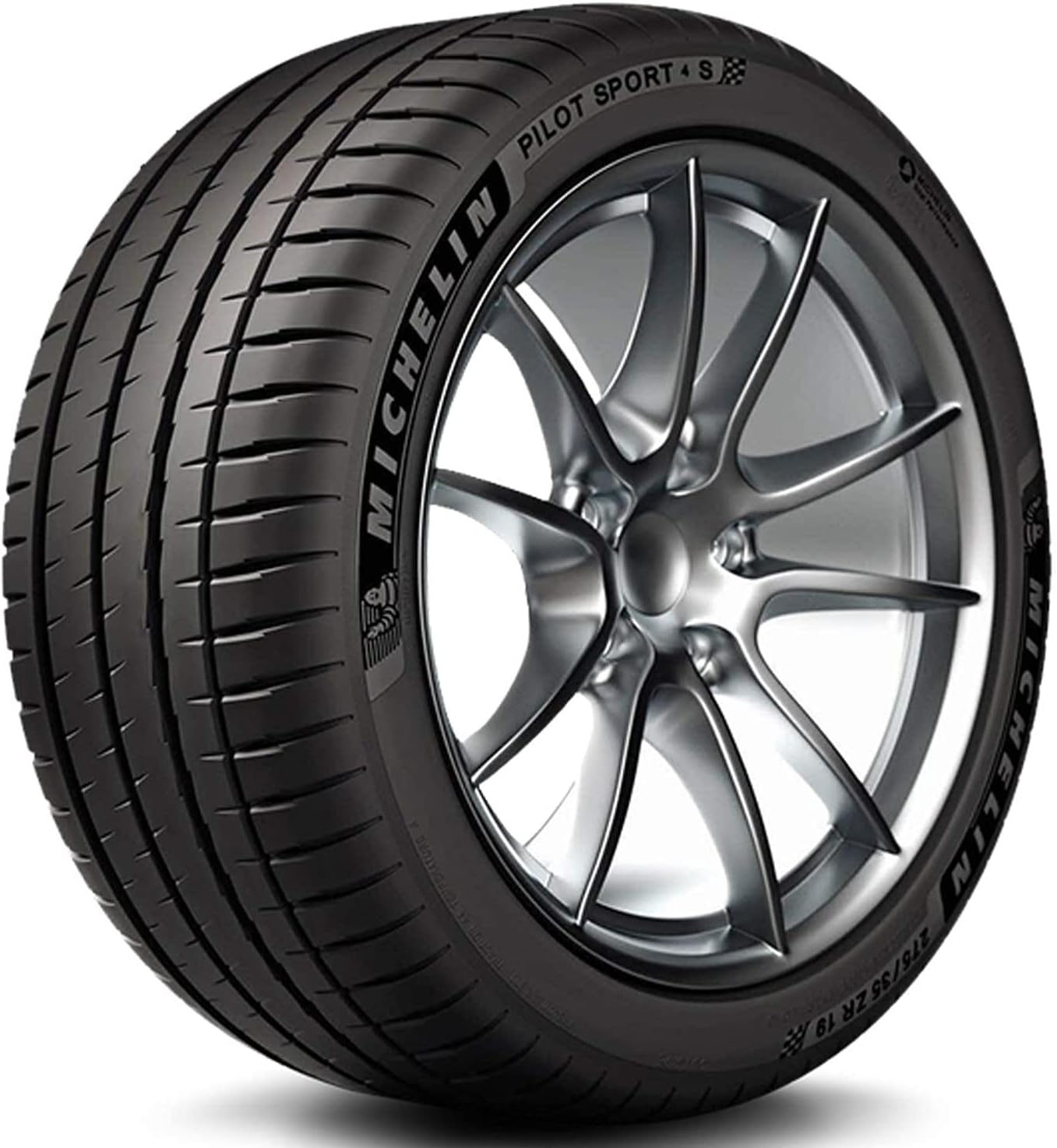
Michelin Pilot Sport 4S Performance Tire
MICHELIN

Pirelli P Zero All Season Plus 3 255/35R19 96Y XL Tire for BMW
Pirelli
Michelin Pilot Sport 4S — Ultra-High Performance Summer Tire
MICHELIN
Continental ExtremeContact DWS06 Plus UHP All-Season Tire 255/35ZR19 96Y XL
Continental

Pirelli P Zero PZ4-Sport UHP Summer Tire 255/35R19 96Y XL
Pirelli
More wheel and tire options for the BMW G80
If you own a BMW G80 M3 and you're thinking about summer tires, you already know this car deserves better than whatever rubber ships from the factory. The G80 is a 503-horsepower (Competition spec) sedan with a rear-biased all-wheel drive system, serious suspension geometry, and enough torque to punish mediocre tires in about three hard launches. Getting the tire choice right on this chassis matters more than on almost any other BMW in the current lineup. The wrong summer tire means wasted grip, unpredictable wet behavior, and tires that wear down to cords before you've hit 10,000 miles. The right one means a car that actually communicates what the rear axle is doing, puts power down cleanly out of corners, and gives you the feedback the M3's chassis was designed to deliver. This guide covers everything - factory sizing, aftermarket sizing, the five best tires available for the G80 right now, fitment quirks specific to this chassis, and honest opinions on when each option makes sense for your actual driving life.
Why Summer Tires Matter More on the G80 Than on Most BMWs
The G80 M3 is a genuinely heavy car. The Competition xDrive version tips the scales at around 4,100 pounds with fluids. Even the rear-wheel-drive base M3 sits closer to 3,800 pounds. That weight, combined with up to 503 horsepower and 479 lb-ft of torque from the S58 straight-six, means you are asking your tires to manage a lot of forces simultaneously - braking, cornering, and acceleration loads that would overwhelm a lesser summer tire in a hurry.
The OEM tire spec exists for a reason. BMW engineers matched the 275/35R19 front and 285/30R20 rear staggered sizing to the G80's suspension geometry, and they specifically validated certain tires with the BMW star (*) approval rating. That approval process involves real testing on real roads and circuits, and it matters. But it doesn't mean the OEM spec is the only good answer, or even the best answer for every owner.
Here's the thing about summer tires versus all-seasons on this chassis - the difference is not subtle. I've driven back-to-back on all-seasons and proper max-performance summer tires on a G80, and the steering response in transitions is noticeably sharper on summer rubber. The car's stability control and active differential are calibrated assuming a certain level of grip. When you put an all-season tire that generates 15-20% less lateral grip under that system, it adjusts, but the whole character of the car changes. It gets softer, less responsive, a little numb. A good summer tire keeps the chassis feeling connected the way BMW intended.
Also worth stating plainly - if you live somewhere with actual winters, a summer tire is genuinely dangerous below about 45 degrees Fahrenheit. The compound goes hard, grip drops off a cliff, and a car with 500 horsepower and summer tires in cold wet conditions is not a fun situation. This guide is specifically about summer performance use. If you need a year-round setup, that's a different conversation entirely about running a dedicated winter wheel set.
G80 M3 Factory Summer Tire Sizing - What BMW Actually Specifies
The stock G80 M3 runs a staggered fitment from the factory. The front is 275/35R19 and the rear is 285/30R20. This is an asymmetric diameter setup - different diameter front and rear, with a wider and lower-profile tire at the back. BMW uses this stagger to tune understeer/oversteer balance and to maximize rear traction for acceleration.
The 826M forged wheels that come on the Competition ship in this configuration, and aftermarket wheel and tire packages for the G80 and G82 in 826M-style fitments consistently use this same 19/20 staggered sizing. So when you're buying replacement tires, this is the spec you're working from unless you've already moved to a different wheel setup.
The key specs broken down:
- Front - 275/35R19: 275mm section width, 35 aspect ratio, 19-inch rim diameter. The overall diameter is approximately 26.6 inches.
- Rear - 285/30R20: 285mm section width, 30 aspect ratio, 20-inch rim diameter. Overall diameter is approximately 26.8 inches - very close to the front, which is intentional for speedometer calibration and ABS consistency.
- Load index and speed rating: BMW specifies high-load, high-speed rated tires appropriate for a 4,000-pound car with 500 horsepower. Do not shortcut on load index when buying replacements.
- BMW star (*) marking: Some tires in these sizes carry BMW's OEM approval mark. The Michelin Pilot Sport 4 S in the BMW * spec is the most commonly referenced example. The star-marked version has been noise-optimized and compound-tuned specifically for BMW's approval standards.
A significant number of owners also move to a square 19-inch setup - running 275/35R19 or similar sizing on all four corners. This sacrifices some of the rear-bias handling feel the factory stagger is designed for, but it opens up tire rotation (you can't rotate a staggered non-directional setup in the traditional sense without swapping to a square setup), reduces per-tire replacement cost since you need only one size, and generally results in a more compliant ride on rough pavement. On a G80 that gets daily-driven on bad roads, the square 19 argument makes real sense. On a track-focused build or a car that lives on smooth tarmac, I'd stick with the factory stagger.
The 5 Best Summer Tires for the BMW G80 M3 Right Now
These are the tires I'd actually buy. Not the most expensive, not the most exotic - the ones that make sense for a G80 M3 owner in 2026 based on real-world performance, availability in the right sizes, and honest tradeoffs.
1. Michelin Pilot Sport 4 S - Best Overall Summer Tire
The Michelin Pilot Sport 4 S is still the benchmark for street-focused max-performance summer tires. This is not a controversial opinion. It's a tire that does almost everything well - dry grip, wet grip, noise, ride quality, wear rate, and predictability at the limit. On a G80 M3, it's the tire I'd choose if I could only pick one and it needed to work for everything from a canyon run to a hot lap at a track day to daily commuting on mixed road surfaces.
The BMW * spec exists in both the 275/35R19 and 285/30R20 sizes, which means you can run an OEM-matching setup with BMW-validated rubber. The star marking isn't just marketing - it reflects real compound tuning and construction adjustments that BMW's engineers signed off on. The result is a tire that integrates cleanly with the G80's EDFC (Electronic Damper Force Control), DSC calibration, and active M differential.
What do owners actually complain about? According to G80 M3 owners on Bimmerpost, the two most consistent complaints are road noise on coarse pavement and ride firmness. The PS4S is not a quiet tire, and on the G80's relatively stiff adaptive suspension, you feel every texture change in the road surface. The cost is also real - at $400 to $550 per tire, a full set of four is a significant spend. But you're getting the most well-rounded tire available for this application, and the wear rate is better than most competitors at this performance level.
If you're building a G80 for serious track use and you want something more aggressive, there are better options (more on those in a moment). But for a car that does a bit of everything - occasional track days, regular spirited road driving, daily commuting - the Pilot Sport 4 S is the answer. It's what I'd put on a G80 that I was daily driving, full stop.
Price range: $400 to $550 per tire
Best for: Daily drivers, mixed use, owners who want one tire for everything
2. Continental SportContact 7 - Best Steering Feel
The Continental SportContact 7 is the tire I'd pick if steering feel and driving engagement were my primary goals. Continental has gotten this tire very right in terms of front-end response and the quality of feedback through the steering column. On a G80, where you're working with an electromechanical power steering system that can feel slightly numb in some modes, a tire that generates more lateral feedback through its sidewall stiffness characteristics is worth paying attention to.
Forum owners consistently describe the SportContact family - and the SC7 specifically - as feeling more athletic and responsive than the Michelin, with sharper initial turn-in and better communication at the edge of grip. The tradeoff is that the sidewall is slightly softer in feel and the tire wears faster, especially on tuned G80s with aggressive alignment settings or extra power. Heavy cars on soft compound summer tires with negative camber chew through rubber faster than you'd like, and the SC7 is not immune to this.
Availability in the G80's staggered sizes is generally good but worth checking at purchase time. Continental has been expanding fitment coverage, and the SC7 shows up in both 275/35R19 and 285/30R20, which is what you need. Pricing comes in around $330 to $500 per tire, making it slightly more accessible than the Michelin.
One honest note - if you're running an xDrive G80 and doing more mixed-condition driving, the Michelin's wet weather consistency is hard to beat. The SC7 is excellent in the dry and very good in the wet, but the PS4S has a slight edge in unpredictable conditions. On a RWD M3 in summer-only use where maximum driver engagement is the goal, the SC7 becomes a genuinely compelling alternative to the Michelin. Independent tire testing across M3 applications consistently puts the SportContact 7 among the top two or three options for this category.
Price range: $330 to $500 per tire
Best for: Drivers prioritizing steering feel, RWD M3 owners, spirited road driving
3. Pirelli P Zero PZ4 - Best OEM-Style Package Fitment
The Pirelli P Zero PZ4 is the tire you'll find most often in bundled wheel and tire packages for the G80. When you're buying an aftermarket wheel set and you want it to come with appropriate rubber already mounted and balanced, the PZ4 in 19/20 staggered G80 sizing is the most commonly offered combination. Pirelli is BMW's OEM tire partner on multiple M models, and the PZ4 has been developed with BMW input in ways that matter for integration with the car's electronics.
On the road, the P Zero PZ4 is a competent, well-sorted tire. Dry grip is strong, it handles well at highway speeds, and the high-speed stability is genuinely impressive. Where it gets more complicated is tread life and wet consistency. Forum feedback on the G80 specifically mentions shorter tread life than the Michelin, and there are some reports of inconsistent wet grip depending on which compound version and which batch you get. Pirelli has multiple variants of the P Zero running in the market simultaneously - including track-focused versions and road-focused versions - and making sure you're getting the right spec for your use case matters.
Price lands at $350 to $520 per tire. If you're buying a wheel package and the PZ4 is included in the pricing, it's a solid included choice. If you're buying tires standalone and deciding between the PZ4 and the Michelin PS4S, I'd generally lean Michelin for the better wet weather consistency and more predictable wear. But for OEM feel and the easiest path to a complete fitment package, Pirelli's relationship with the M3 platform is well established.
Price range: $350 to $520 per tire
Best for: Owners buying complete wheel packages, OEM-style fitment, primarily dry-weather driving
4. Goodyear Eagle F1 Asymmetric 6 - Best Value Among Premium Options
The Goodyear Eagle F1 Asymmetric 6 doesn't get as much attention in G80 forums as the Michelin or Continental, but it earns its place on this list. It's the best combination of real performance and reasonable price among the top-tier summer tires available for this car. At $300 to $470 per tire, it consistently costs $50-100 less per corner than the Michelin while delivering performance that's genuinely competitive rather than just technically acceptable.
What Goodyear did well with the F1A6 is dry cornering grip and straight-line braking. Tire reviewers testing across M3 applications often cite the Eagle F1 Asymmetric 6 as a standout for braking distances, which matters a lot on a heavy, powerful car. If you're doing track days where brake performance and tire behavior under repeated heating cycles matters, the Goodyear is worth serious consideration.
The honest tradeoffs - steering precision isn't quite at the Michelin or Continental level, and availability in G80 staggered sizes can be inconsistent depending on region and timing. Before committing to a full set, check that both the 275/35R19 front and 285/30R20 rear sizes are actually available. The F1A6 has been expanding its size coverage, but it's less universally available than Michelin or Continental in ultra-high-performance sizes.
For an owner running a G80 primarily on the street with occasional track days, who wants proper summer performance without the full Michelin price tag, the Eagle F1 Asymmetric 6 is the pick. The savings on four tires compared to a full PS4S set can easily run $400-500 over a set replacement cycle - money that could go toward upgrading brake pads or other more mechanically impactful mods.
Price range: $300 to $470 per tire
Best for: Value-conscious buyers, track days with brake performance as a priority, daily driving
5. Bridgestone Potenza Sport - Best Dry Grip and Turn-In
The Bridgestone Potenza Sport is the pick for owners who want the most aggressive, track-biased summer tire behavior in a street-legal package. Bridgestone positioned this tire above their regular Potenza lineup specifically for max-performance applications, and on a G80 with a track-oriented alignment and suspension setup, it's genuinely rewarding.
The turn-in response is exceptional. The front of the car responds to steering inputs with the kind of immediacy that makes you realize how much of the G80's handling character is tire-dependent rather than chassis-dependent. If you've ever felt the car push slightly in tight corners and wanted more front bite, the Potenza Sport addresses that directly.
The tradeoffs are real and worth being honest about. Ride quality on rough roads is noticeably stiffer than the Michelin - the Potenza Sport does not try to be a comfortable tire. Tread life is shorter, especially with aggressive camber settings or repeated hard driving. And it's not the quietest tire on the market, which on a daily driver starts to get old after a few weeks. This is a tire for owners who know they want track performance and are willing to accept the street-use compromises that come with it.
Pricing sits at $320 to $480 per tire. If you're building a dedicated track-day G80 or a weekend car that rarely deals with rough urban roads, the Potenza Sport is worth serious consideration. For a daily driver, I'd push you back toward the Michelin.
Price range: $320 to $480 per tire
Best for: Track days, weekend cars, drivers who prioritize dry grip and turn-in above comfort
G80-Specific Fitment Notes You Actually Need to Know
The G80 M3 has specific geometry and packaging considerations that affect tire choice in ways that aren't always obvious when you're just looking at a size chart. Here's what actually matters.
The Staggered Fitment and What It Means for You
Running the stock 275/35R19 front / 285/30R20 rear stagger means you cannot do traditional tire rotation. Front tires go front, rear tires go rear, and that's it - unless you flip directional tires, which changes their drainage pattern and reduces wet grip. This has real cost implications over the ownership period of the car.
Rear tires on a RWD or RWD-biased AWD car wear faster than fronts under normal driving. On a G80 being driven enthusiastically, the rear tires can wear to the wear bars significantly before the fronts show meaningful wear. If you're replacing rears and have half-life fronts, you're either running mismatched tires (not ideal) or replacing fronts early (wasteful). This is the primary reason many G80 owners consider moving to a square setup.
If you're moving to a square setup on 19-inch wheels, a common choice is 275/35R19 all around. This gives you a consistent footprint, enables full rotation, and slightly reduces rolling radius compared to the stock 20-inch rear, which marginally softens the ride. You'll need 19-inch front and rear wheels that have the same offset and width for this to work cleanly, which typically means either buying a matched set or running the same wheel front and rear.
The stagger does contribute to handling character - particularly rear traction and the slight rear-heaviness of the car in transitions. If you value the M3's driving dynamics and spend any time on track, keep the stagger. If you daily drive the car and care more about cost and practicality, the square setup is worth considering. This isn't a right or wrong answer - it depends on how you use the car.
BMW Star (*) Specification Tires
The BMW * designation on tires like the Michelin Pilot Sport 4 S in BMW star spec isn't cosmetic. BMW's homologation process involves noise testing, wet and dry handling validation, and compound review specifically for the vehicle models specified. On the G80, the * spec tires have been validated to work with the specific suspension tuning, wheel well dimensions, and DSC calibration of the car.
Practically speaking - running a non-BMW-star tire in the correct size will generally work fine. The car won't notice that your tires lack the stamp. But if you want the closest integration to what BMW engineered, and especially if noise is a concern given the G80's already firm suspension, the * spec versions are worth the marginal premium. The PS4S * has been specifically noise-optimized, which actually makes a noticeable difference on coarse highway surfaces compared to the non-star version of the same tire.
Load Index - Don't Compromise Here
The G80 M3 Competition weighs over 4,000 pounds and generates over 500 horsepower. The load index on your summer tires is not a spec to cut corners on to save money. BMW specifies appropriate load indices for the front and rear separately on this chassis - the rear is typically specified at a higher load index than the front given the powertrain layout and weight distribution.
When you're cross-shopping tires and you find a size that matches but the load index is lower than spec, skip it. On a car this heavy being driven this hard, underloaded tires run hotter, wear faster, and fail more suddenly. The tire choice table in this guide reflects appropriate load ratings - don't deviate from them to chase a slightly cheaper tire.
Speed Rating
All five tires in this guide are Y-rated (300 km/h) or at minimum W-rated (270 km/h), which is appropriate for a car that can reach 180+ mph (with limiter removed) and runs sustained high speeds on track. Don't substitute H or V rated tires on a G80 - not because you'll be driving 180 mph on the street, but because the structural rating affects high-speed stability and high-load cornering behavior at track-appropriate speeds.
Tire Pressure Monitoring System Integration
The G80 runs a direct TPMS system with wheel-mounted pressure sensors. If you're switching tire sets or going to a different wheel with new sensors, the new sensors need to be registered to the car's DME. This is a simple procedure with a BMW-compatible diagnostic tool. If you're buying a complete wheel and tire package, confirm that the package includes the appropriate TPMS sensors and that the seller provides registration instructions or does it for you. Running without functional TPMS is a warning light situation and a bad idea on high-performance summer rubber where a pressure drop during hard driving matters.
There's a good overview of coding and diagnostic procedures at BimmerTalk's coding and diagnostic tools guide if you need to register sensors yourself.
Summer Tire Performance Comparison - What the Numbers Actually Mean
| Brand | Product | G80 Fitment | Dry Grip | Wet Grip | Wear Rate | Noise | Price Per Tire |
|---|---|---|---|---|---|---|---|
| Michelin | Pilot Sport 4 S | 275/35R19 F, 285/30R20 R (BMW * available) | Excellent | Excellent | Good - best in class | Moderate (noticeable on rough surfaces) | $400-550 |
| Continental | SportContact 7 | 275/35R19 F, 285/30R20 R | Excellent | Very Good | Fair - wears faster than Michelin | Moderate | $330-500 |
| Pirelli | P Zero PZ4 | 275/35R19 F, 285/30R20 R | Very Good | Good - can be inconsistent | Fair - shorter than Michelin | Low to Moderate | $350-520 |
| Goodyear | Eagle F1 Asymmetric 6 | 275/35R19 F, 285/30R20 R (check availability) | Very Good - strong braking | Very Good | Good | Moderate | $300-470 |
| Bridgestone | Potenza Sport | Available in G80 sizes where stocked | Excellent - best turn-in | Good | Fair to Poor - wears faster | Higher than Michelin | $320-480 |
A quick note on reading this table - "Excellent" in dry grip between the Michelin and Bridgestone means different things. The Bridgestone Potenza Sport has an edge in outright lateral grip numbers in controlled testing. The Michelin's "Excellent" rating reflects a broader competence - it's closer to the Bridgestone's peak than any other tire on this list, but it also maintains that grip over more temperature and surface variation. On a street car that encounters variable conditions, consistent grip at 95% of maximum is often more useful than theoretical peak grip that requires optimal conditions to achieve.
Which Tires Work for Track Days on the G80
If you're taking your G80 M3 to track days, the tire equation changes meaningfully. Street driving and track driving ask different things from a tire, and a tire optimized purely for daily driving will be on the back foot at a circuit.
On track, you want a tire that performs well after it heats up (not just cold, which is when most cars are on public roads), maintains grip through repeated hard cornering cycles without going greasy, and gives clear feedback as it approaches its limit. You also need a tire that can survive the heat load of multiple sessions without chunking or delaminating.
For a G80 doing genuine track days - not just auto-x or a hot lap session, but real circuit driving - my ordering changes. The Bridgestone Potenza Sport moves up because its turn-in and dry grip are exactly what you want on circuit. The Continental SportContact 7 also becomes more interesting because its steering feedback helps you place the car more precisely. The Michelin PS4S remains excellent on track - it heats up well and maintains performance over repeated sessions - but if I'm building a track-specific tire setup, I'd lean Bridgestone or Continental over Michelin for outright circuit use.
One real consideration for track days - tire life. On circuit, you can eat through a set of summer tires remarkably quickly if you're pushing the car. I've seen enthusiastic G80 track day drivers go through rear tires in a single hard weekend. Budget accordingly. Bringing a spare set of rear tires for a two-day event is not an unreasonable precaution on a car this powerful. The cost of the Goodyear Eagle F1 Asymmetric 6 becomes relevant here - if you're going through tires on track, having a less expensive option that's still genuinely good matters more.
You'll also want to think about your brake setup if you're doing real track work. High-performance summer tires on a G80 generate the kind of cornering and braking loads that stress the OEM brake pads significantly. This is a good moment to look at upgrading your brake pads to a track-capable compound before your first session.
Square Versus Staggered Setup - Making the Right Choice for Your G80
This comes up constantly in G80 owner discussions, and it's worth a thorough treatment because the choice has long-term cost and performance implications.
The Case for Keeping the Stagger
The factory 275/35R19 front / 285/30R20 rear stagger is not an accident. BMW's M division engineers chose this sizing for specific reasons. A wider rear tire provides more traction footprint for the rear axle, supporting the G80's tendency toward rear-wheel-drive behavior even in xDrive configuration. The different front and rear diameters, while nearly identical in overall circumference, contribute to the BMW M-typical handling balance where the car is slightly more rear-traction-biased than a neutral stagger would produce.
If you track the car, the stagger helps. If you drive the car enthusiastically on roads where rear traction matters, the stagger helps. If you want the car to feel like a G80 M3 rather than a sport sedan that happens to have M badges, keep the stagger. It's part of the engineering package, not just a packaging decision.
The Case for Going Square
The G80 owner community on Bimmerpost includes a significant contingent running square 19-inch setups, and the reasons are practical and legitimate. You can rotate the tires, which evens out wear across all four corners and extends the life of each set. You only need to stock one size, which reduces the complexity and cost of replacement. And 19-inch tires in performance sizes are generally more widely available and competitively priced than 20-inch rear tires, where the ultra-low 30-series profile means fewer manufacturers offering the size and less price competition.
The ride quality improvement moving from 20-inch rears with a 30 aspect ratio to 19-inch rears with a 35 aspect ratio is real. More sidewall height means more compliance. If you daily drive the G80 on roads that aren't perfectly maintained, this matters for long-term ownership comfort.
The handling character changes, but it doesn't become worse - it becomes different. The car feels slightly more neutral in transitions, the rear doesn't build up traction as dominantly as with the stagger, and it handles more like a well-balanced sport sedan. Some drivers prefer this. It depends on whether you bought the M3 because you love the slightly aggressive, rear-biased handling feel, or whether you love everything else about the car and the handling character is secondary.
My Take
If the G80 is a weekend car or sees track use, keep the factory stagger. It's part of what makes this car feel like an M3. If the G80 is a daily driver on imperfect roads and you're trying to balance performance, cost, and practicality over a multi-year ownership period, seriously consider moving to a square 19-inch setup on a separate wheel set. Run the factory stagger on the original wheels in summer, and have a practical option available that makes the car more livable without destroying the experience.
Common Owner Mistakes When Buying Summer Tires for the G80
I've seen these mistakes come up repeatedly in forums and in conversations with M3 owners. They're worth calling out directly.
Buying the Wrong Compound Version of a Tire
Several of the tires on this list have multiple variants. The Pirelli P Zero line is particularly complex - there are multiple generations, track-only compounds, road compounds, and OEM-specified versions that differ in meaningful ways. When you're buying replacement tires, confirm you're getting the current production version of the tire in the appropriate compound for street or track use, not a remaining stock of an older version or a version meant for a different application. This sounds obvious but it catches people out regularly, especially when buying online where product listings aren't always current or precise about variants.
Ignoring Load Index Requirements
Already mentioned in the fitment section but worth repeating - the G80 is a heavy, powerful car and the load index on your tires is not a specification to cut on. I've seen G80 owners buy ultra-high-performance tires in the right size but with inadequate load ratings because they found a better deal. This is a safety issue, not just a performance issue.
Not Checking Size Availability Before Committing to a Wheel Setup
If you're buying aftermarket wheels and selecting tires separately, verify that your chosen tire is actually available in both the front and rear sizes you need before you commit to the wheels. Staggered setups with 20-inch rears in 30-series profiles have limited tire manufacturer coverage. If the wheel package requires a 295/30R20 rear that only two manufacturers offer, you've constrained your future tire choices permanently for as long as you run those wheels.
Running Summer Tires in Cold Weather
Summer compound tires below approximately 45 degrees Fahrenheit are genuinely dangerous on a 500-horsepower car. The rubber compound hardens, contact patch compliance drops, and the grip levels that the tire is designed to generate simply aren't available. On a RWD or RWD-biased G80, this is a scenario where you can lose the rear of the car at speeds and in situations that wouldn't be concerning with appropriate tires. Get a dedicated winter setup if you're in a climate with real winters and you want to drive the car year-round. The safety argument here is not hypothetical.
Buying Tires Without Confirming TPMS Compatibility
If you're buying through a less specialized retailer or getting tires shipped and mounting them locally, make sure the TPMS situation is handled. The G80 uses BMW's direct TPMS system, and new sensors need proper registration. Running with TPMS errors isn't illegal but it means you've defeated the tire pressure monitoring that's genuinely useful for catching slow leaks and pressure changes during hard driving.
Skipping Alignment After New Tires
New tires on a G80 are a good occasion to check and refresh the alignment. The G80's factory alignment spec involves specific camber and toe settings, and the car's aggressive factory negative camber means that tire wear is sensitive to alignment drift. If you're already spending $400-550 per tire, spending another $150-200 on an alignment check and adjustment to protect that investment is an easy decision.
Track-focused alignment setups with more negative camber than factory spec are common on performance-oriented G80s - these can significantly affect tire wear, and it's worth understanding the tradeoff if you're going this direction. The coilover and suspension setup guide at BimmerTalk covers alignment considerations in detail if you're tuning beyond factory spec.
Supporting Modifications That Work Well With Performance Summer Tires
Tires don't exist in isolation. What you're doing with the rest of the G80's mechanical package affects how much of the summer tire's potential you actually use.
Suspension Setup
The G80's adaptive suspension is capable and well-tuned from the factory. If you're running summer tires primarily for road performance, the factory setup is genuinely good. If you want to get more from the tire's cornering grip potential, especially on track, the factory spring rates and damper curves are the first limiting factor. Coilovers designed for the G80 with appropriate spring rates for track use will let you access more of the tire's cornering potential by managing weight transfer better.
Lowering springs are a more accessible entry point if you don't want the full complexity of a coilover setup. A moderate drop - 15 to 20mm - combined with properly stiff performance summer tires changes the feel of the car significantly on a twisty road. The G80 lowering springs guide covers appropriate drop amounts that don't compromise handling geometry.
Brake Pads
Performance summer tires generate more grip than the factory all-season or comfort-oriented tires. More grip means higher cornering and braking loads, which means more heat going into the brake system. The G80 has capable brakes from the factory, but if you're running summer tires and doing any track time, upgrading to performance brake pads is a logical pairing. You don't want the brakes to be the limiting factor when the tires are generating maximum lateral forces. Check out BimmerTalk's brake pad guide for compound recommendations appropriate to the G80.
Wheel Weight
If you're in the market for new wheels anyway, the weight of the wheel matters for unsprung mass, which affects handling and the tire's ability to follow road surface contour. A lighter forged wheel improves the tire's contact patch consistency compared to a heavier cast wheel, especially on imperfect surfaces. This is one area where the aftermarket forged wheel market genuinely delivers something the factory option doesn't - check out aftermarket wheel options for the G80 if you're considering combining a wheel upgrade with a tire replacement cycle.
ECU Tuning
This is a more advanced consideration, but worth mentioning - if you have a tuned G80 with power levels beyond stock, the tire's load rating and compound selection becomes even more critical. More power means higher torque loads on the contact patch during acceleration, which generates more heat in the tire and demands more from the compound's grip reserves. The five tires in this guide are appropriate for stock and mildly tuned G80s. Heavily tuned cars running significantly more than stock power should talk to their tuner about appropriate tire specifications. G80 ECU tuning options are worth understanding in context of how they affect other wear items including tires.
Tire Wear Reality on the G80 M3 - What to Expect
Let's be direct about this because it's one of the most common sources of sticker shock for new G80 owners. This car eats rear tires faster than most people expect.
A heavy car with a performance summer tire compound, negative camber alignment, an active differential that allows limited wheel spin, and an owner who occasionally uses the car the way BMW intended - this combination does not produce 30,000-mile tire life. If you're coming from a sport sedan or a muscle car without serious suspension geometry, the wear rate on the G80's rear tires may genuinely surprise you.
Realistic expectations for rear tire life on a G80 M3 driven enthusiastically:
- Michelin Pilot Sport 4 S rear: 15,000 to 20,000 miles under spirited but not track-focused street driving. This is the best wear rate among the tires on this list.
- Continental SportContact 7 rear: 12,000 to 16,000 miles in similar conditions. The softer compound wears faster than Michelin on this chassis.
- Pirelli P Zero PZ4 rear: 12,000 to 17,000 miles, with significant variation depending on compound version and driving style.
- Goodyear Eagle F1 Asymmetric 6 rear: 14,000 to 18,000 miles - competitive wear rate for its price point.
- Bridgestone Potenza Sport rear: 10,000 to 14,000 miles under spirited driving. The most performance-focused compound pays the wear penalty accordingly.
Front tire life is generally better - the G80's front tires don't take the same power and cornering loads as the rears. Expect fronts to last 30-40% longer than rears in typical driving. This is one of the practical arguments for a square setup with rotation capability.
Track use dramatically reduces these estimates. A full track day session on summer tires with multiple aggressive sessions can remove 3,000-5,000 miles worth of street tread equivalent. If you're doing multiple track days per year, factor this into your annual tire budget and you'll be less surprised when you need new rubber earlier than the mileage numbers suggest.
Alignment significantly affects rear wear. The G80's factory negative camber setting - necessary for optimal cornering grip - puts the inner shoulder of the rear tire under disproportionate load. Running more negative camber than factory spec (common for track-focused setups) accelerates inner-edge wear noticeably. This doesn't mean you shouldn't run more negative camber for track days, but understand the tradeoff and inspect tire wear regularly.
Where to Buy Summer Tires for the G80
This is worth addressing practically because the tire market has changed, and the easiest path is not always the best value.
Online Purchase with Local Mount and Balance
Buying tires online and shipping them to a local tire shop for mount and balance has become the mainstream approach for enthusiast buyers, and it works well for the G80's relatively standard sizes. Major online tire retailers carry all five tires in this guide in appropriate G80 sizing, and the price competition online is real - you'll typically pay 10-20% less per tire compared to brick-and-mortar retail. Factor in mount and balance cost (typically $20-30 per tire at an independent shop, $30-50 at dealer), and you're still ahead.
The TPMS sensor situation - if you're reusing your existing sensors, just have the shop reinstall them. If you're buying new sensors, purchase them separately from a BMW specialist or the dealer parts counter and have the shop install them during mount. Most shops will have them registered to the car before they're done, but confirm this before you leave.
Wheel and Tire Packages
If you're buying new wheels and tires together, a package deal from a specialist retailer often provides the best value and the most convenient experience. Wheel and tire packages specifically configured for the G80 and G82 are available from specialist suppliers with pre-configured sizing, appropriate tire selection, and usually TPMS sensors included. The premium over buying separately is typically reasonable, and you avoid the research burden of confirming that your chosen wheel offset works with your chosen tire width in the G80's specific wheel well geometry.
Dealer Purchase
BMW dealers can order replacement tires in OEM spec, including BMW star-marked versions that you might have difficulty sourcing elsewhere. If you specifically want the BMW * spec Michelin PS4S in the exact OEM sizing, the dealer is a reliable source. The price premium over independent purchase is real - expect to pay MSRP with no competitive pricing - but the convenience and spec certainty have value for some buyers.
My Opinionated Picks - Editor's Choices for the G80 M3
Here are my actual recommendations broken down by use case. These are opinions based on the research and real-world experience, not paid endorsements.
Editor's Pick (Best Overall) - Michelin Pilot Sport 4 S in BMW * Spec
If I owned a G80 M3 and I was buying summer tires today, I'd order the Michelin Pilot Sport 4 S in BMW * spec in the factory 275/35R19 front / 285/30R20 rear sizing without a lot of deliberation. The BMW * spec is genuinely relevant for the noise optimization, the wet weather performance is the best on this list, and the wear rate means I'd get more miles out of the set before facing another $1,600-2,200 tire bill. The higher upfront cost makes sense over a realistic ownership horizon. At roughly $400 to $550 per tire, a full set costs $1,600 to $2,200. The wear rate advantage over the competition means this cost is often comparable or better over a normalized mileage basis.
Best Value Pick - Goodyear Eagle F1 Asymmetric 6
For the owner who wants genuine performance without the full Michelin price tag, the Goodyear Eagle F1 Asymmetric 6 is the pick. At $300 to $470 per tire, it saves you meaningful money versus the Michelin, delivers strong braking performance (arguably the best outright braking distances in this comparison), and is competent in both dry and wet conditions. Check availability in your specific G80 sizes before committing, but if the sizes are in stock, this is the most sensible cost-conscious choice.
Best for Driving Engagement - Continental SportContact 7
On a car where driving engagement is the whole point, the Continental SportContact 7's superior steering feedback and front-end turn-in make it stand out. If I was running a RWD G80 in a climate with reliable summer weather, and my primary use was enthusiastic road driving, I'd be seriously torn between the Michelin and the Continental. The wear tradeoff is real, but the driving experience the SC7 delivers is also real. For a dedicated weekend car that doesn't need to survive rough daily commutes, the Continental is a serious consideration.
Best for Track Days - Bridgestone Potenza Sport
For owners who primarily track their G80 M3, the Bridgestone Potenza Sport delivers the most outright dry grip and the best turn-in response in this comparison. Accept the ride quality penalty, accept the faster wear rate, and enjoy what this tire does on circuit. It's the pick for track-focused G80s where road comfort is secondary to lap times.
Best OEM Replacement - Pirelli P Zero PZ4
If you want to stay as close to the factory experience as possible - which is a legitimate choice given how well the G80's handling is calibrated - the Pirelli P Zero PZ4 in OEM-matching staggered sizing maintains the factory character the most closely. It's also the easiest tire to source in complete wheel and tire packages configured specifically for the G80.
Frequently Asked Questions - G80 M3 Summer Tires
What are the factory summer tire sizes for the BMW G80 M3?
The factory fitment is 275/35R19 front and 285/30R20 rear in a staggered setup. This is BMW's OEM spec and the sizing used by most wheel and tire packages sold specifically for the G80 and G82. Some owners choose to run a square 19-inch setup using 275/35R19 on all four corners, which enables tire rotation but changes the rear-biased handling character slightly.
Should I get BMW star (*) specification tires for my G80?
If you're buying Michelin Pilot Sport 4 S, yes, the BMW * spec is worth getting. The star-marked version has been noise-optimized and compound-validated specifically for BMW M applications. For the other brands on this list, BMW star spec versions may or may not be available - it's less critical with those tires, but always check if a BMW-specific version exists before buying the generic equivalent.
Can I rotate summer tires on a staggered G80 setup?
Not in the traditional front-to-rear sense. Staggered non-directional tires can be moved side-to-side (swapping left rear to right rear and vice versa), which helps even out camber-related wear, but front-to-rear rotation is not possible since the sizes are different. If you want full rotation capability, you need to move to a square setup with the same size on all four corners. Directional tires cannot be side-swapped without dismounting and remounting, which defeats the cost benefit of rotation.
How long do summer tires last on the G80 M3?
Rear tire life on a G80 driven enthusiastically ranges from roughly 10,000 miles (Bridgestone Potenza Sport, aggressive driving) to 20,000 miles (Michelin PS4S, moderate spirited driving). Track use dramatically reduces these estimates. Front tire life is generally 30-40% longer than rear life on this rear-biased platform. Alignment settings, particularly negative camber, significantly affect inner-edge wear and should be checked regularly.
Is the Michelin Pilot Sport 4 S worth the premium over cheaper alternatives?
For most G80 owners, yes. The combination of best-in-class wet grip, the longest wear rate among performance summer tires, and the availability of BMW * spec in OEM sizes makes the PS4S the most defensible choice across a full ownership horizon. The upfront premium often normalizes out when you consider that a set of PS4S tires will outlast a cheaper alternative by enough margin to offset the initial cost difference. That said, the Goodyear Eagle F1 Asymmetric 6 is a legitimate alternative if budget is a real constraint.
What happens if I run summer tires on my G80 in cold weather?
Summer performance compound tires go hard and lose grip significantly below approximately 45 degrees Fahrenheit. On a 500-horsepower car with rear-biased drive, this creates real safety risk. The car's stability control will compensate to a point, but the underlying physics of cold, hard summer rubber are not addressed by electronics. If you drive the G80 year-round in a climate with cold winters, a dedicated winter wheel and tire setup is not optional if safety matters to you.
Will switching to summer tires affect my G80's ride quality?
Yes, and the direction is toward firmer, more feedback-intensive ride quality. Performance summer tires have stiffer sidewalls than all-seasons, which transmits more road texture into the cabin. Combined with the G80's already firm adaptive suspension in sport modes, this can become fatiguing on rough roads. The Michelin PS4S and Pirelli PZ4 are the most refined on this list for street use. The Bridgestone Potenza Sport is notably harsher. This is worth considering if you daily drive the car on imperfect urban roads.
Do I need to update anything in the car's software when changing to new summer tires?
Not for the tires themselves - the car's systems (DSC, active differential, launch control) adapt to tires within their operational parameters. However, if you're changing wheel sizes or running significantly different tire diameters, the speedometer calibration and ABS system can be affected. Staying within the OEM sizing or very close to it keeps everything properly calibrated. If you are changing TPMS sensors, those do need to be registered to the car - see the coding and diagnostic tools guide for how to handle this yourself.
Which summer tire gives the best wet weather performance for the G80?
The Michelin Pilot Sport 4 S leads the group for wet weather consistency and predictability. This is one of its strongest attributes and a significant reason it remains the benchmark despite its price. The Continental SportContact 7 is very close in wet grip, and the Goodyear Eagle F1 Asymmetric 6 is competitive. The Pirelli P Zero PZ4 and Bridgestone Potenza Sport are slightly behind on wet performance, with the PZ4 showing some variability depending on compound version. If wet weather capability is a priority - particularly relevant for xDrive G80 owners doing more mixed-condition driving - the Michelin is the clear choice.
Should I buy a full set of four tires or just replace the rears?
If you're running a staggered setup and only the rears are worn, replacing just the rears is completely appropriate. Mismatching front and rear tire brands within the same performance category is generally acceptable as long as both tires meet the load and speed rating requirements. Where you should avoid mismatching is mixing generations of the same tire (old PS4S rears with new PS4S fronts of significantly different wear level) or mixing performance categories (max-performance summer fronts with grand touring rears). On a car as capable as the G80, matched front and rear performance levels keep the handling balance predictable.
How do I know which summer tire is right for my specific G80 build?
The quick answer is that driving style and use case matter more than chassis variant for this decision. A stock RWD G80 M3 and a stock xDrive G80 M3 can both run the same tire selection well. A tuned G80 with significantly more power should prioritize tire load ratings more carefully. A track-focused build benefits from the Bridgestone or Continental for outright performance, while a daily driver benefits most from the Michelin for all-around competence. Start with the chassis tool to confirm your specific G80 variant and OEM specifications, then apply the use-case guidance in this guide.
What are the most common tire problems G80 M3 owners report?
Based on forum feedback from G80 M3 owners discussing tire experiences on Bimmerpost and broader M3 tire review aggregations, the most commonly reported issues are road noise and ride harshness (especially on coarse pavement), faster-than-expected rear tire wear (particularly on tuned cars and those with aggressive alignment), inconsistent wet grip with certain Pirelli variants, and difficulty finding specific staggered sizes in stock. The wear issue is the most practically impactful - understanding realistic wear rates before you buy a set helps avoid sticker shock on the next replacement cycle.
Final Thoughts on Summer Tires for the BMW G80 M3
The BMW G80 M3 is a genuinely extraordinary piece of engineering. The S58 engine is one of the best turbocharged inline-sixes ever built, the chassis has capabilities that most owners never fully explore, and the balance between genuine performance car and livable daily driver is executed better than BMW has managed on any previous M3 generation. But all of that engineering potential sits on four contact patches, each about the size of a piece of paper. The summer tires you choose determine how much of the G80's capability you actually access.
The Michelin Pilot Sport 4 S in BMW * spec remains the answer for most owners. It's expensive, it's noisy on bad roads, and it won't give you the absolute maximum dry grip of more aggressive options - but it delivers the best combination of performance, wet safety, wear life, and integration with the G80's electronics of anything currently available. If you daily drive the car and want one answer that works for everything except track-only use, that's the one.
If you want more driving engagement and you're willing to accept a shorter tire life, the Continental SportContact 7 is a genuinely rewarding choice for the G80's character. If you're building a track weapon and want the most aggressive dry grip and turn-in available in a street-legal summer tire, the Bridgestone Potenza Sport is worth the ride quality compromise. And if the Michelin's price makes you wince and you want a serious tire that doesn't require apologizing for, the Goodyear Eagle F1 Asymmetric 6 delivers real performance at a more accessible price point.
Whatever you choose, make sure it's in the right size for your specific wheel setup, with appropriate load rating for the G80's weight and power, and that your alignment is in spec before the new tires go on. Get those foundations right and any of the five tires in this guide will help the G80 feel the way it's supposed to - connected, capable, and properly planted through every corner.

Kamil Siegień
Founder of BimmerTalk. Five years wrenching on BMWs, currently dailying a G20 330i with the B48 turbo four. Spent a year doing marketing for BMW and MINI before going independent. I write everything on this site myself.
More about the site
Summer Tires for BMW - Performance Grip Without Compromise
Summer tires are one of the highest-impact upgrades you can make to any BMW. The stock rubber on most factory builds is chosen for a balance of comfort, noise, and cost - not outright grip. Swap to a proper summer compound and your car transforms. Steering sharpens, braking distances drop, and cornering confidence goes up significantly. Whether you're driving an F30 328i daily or tracking an E46 M3 on weekends, the right tire makes everything else you've bolted on actually work.
Most BMW owners shopping summer tires are working within a few common fitment families. The F3x 3 Series and 4 Series typically run 225/45R18 or 245/40R18 depending on whether you're on base or M Sport suspension. The G80/G82 M3 and M4 run staggered setups - 275/35R19 front, 285/30R20 rear - where matching a proper performance tire across both axles matters a lot for balance. E9x M3 owners running the stock 19-inch staggered setup (245/35R19 front, 265/35R19 rear) have a huge selection available, though the square setup conversion is popular for rotation purposes. F8x M3/M4 owners often stick with the staggered OEM sizes or go square on a 19-inch wheel when tracking.
Top-tier summer tires worth running on a BMW include the Michelin Pilot Sport 4S, widely regarded as the best daily/track crossover tire available right now. The Continental ExtremeContact Sport 02 offers excellent wet performance for a summer tire - useful if you're not putting it away the moment September hits. Bridgestone Potenza Sport and the Pirelli P Zero (PZ4) are strong choices as well, with the PZ4 available in BMW-homologated "B" spec versions tuned specifically for BMW suspension characteristics - worth seeking out if your chassis was originally fitted with Pirelli OEM tires. For track-focused builds, the Michelin Pilot Sport Cup 2 is the tire of choice for anything from M2 Competition to M5 F90, though it needs heat to work and will wear fast on long highway stints.
What to Look For - and What to Skip
Match the tire to how you actually drive. A Cup 2 on a daily-driven 340i that sees highway miles and occasional back roads is overkill and will cost you tread life. A Sport 4S or ExtremeContact Sport will outperform OEM tires dramatically without punishing you on wear. If your BMW runs run-flat tires from the factory (common on E/F-series cars that have no spare), confirm whether you want to continue with run-flat summer tires or switch to conventional tires and add a portable inflator kit - conventional tires at the same price point will typically offer better ride quality and grip.
Avoid cheap summer tires from unfamiliar brands on any BMW with sport suspension or significant power. The chassis is tuned around tire feedback, and a mushy, low-quality tire creates misleading feedback exactly when you need accurate information under hard braking or mid-corner. Budget brands may pass speed ratings on paper and still fail to deliver the lateral stiffness a well-sorted BMW suspension is calibrated to use.
Installation is straightforward for any shop - summer tires mount and balance like any standard tire. If you're running staggered sizes, confirm directional vs. non-directional fitment before buying; mixing those up will cost you a remount. Wheel torque specs on BMW lug bolts (not nuts - don't forget that if you're switching from another platform) are typically 89–120 ft-lbs depending on model year, always verify for your specific chassis.
Ready to set up your fitment correctly from the start? Browse our Wheels category to match rims to your tire selection, or check out our Wheel Spacers section if you're dialing in fitment on a wider tire setup. Get the full package right and your BMW will handle exactly the way it was engineered to.