Affiliate disclosure. BimmerTalk is a proud partner of the Amazon Associates Program and Turner Motorsport. We may earn a small commission on qualifying purchases through our links, at no extra cost to you. Read the full disclosure.

I still remember the first time a customer rolled into the shop with a 2008 335i (E90, N54, if you're keeping score) idling like a sewing machine having a seizure, and swore up and down he hadn't touched a thing. Turned out the eccentric shaft position sensor had given up, the DME dropped into a fail-safe mode, and the engine was basically running on throttle-body air metering like it was 1995 again. He had no idea his car even had a system called Valvetronic. Most owners don't, until it breaks.
That's kind of the whole point of Valvetronic, honestly. When it works, which is most of the time, you never think about it. The throttle response feels crisp, the idle is smooth, the fuel economy is decent for a naturally aspirated six or a turbo four. It's only when the eccentric shaft sensor throws a code, or that motor on the side of the head starts clicking like a dying relay, that people start googling what this thing even is.
So let's actually go through it properly. What Valvetronic does, why BMW built it, what specifically fails on which engines, and roughly what you're looking at to fix it. I've had valve covers off enough N52s and N55s to have opinions here, and I'll give you the honest ones, not the brochure version.
0.2mm - 9.7mm
Intake lift range
N42 through B58 (2001-present)
Engines equipped
roughly 5-10%
Claimed economy gain
$150 - $650
Sensor fault repair
Valvetronic Quick Reference
If you just want the short version before you get into the weeds, here's roughly where the money goes depending on what's actually failed.
| Component | Typical Symptom | Rough Repair Cost |
|---|---|---|
| Eccentric shaft position sensor | Rough idle, hesitation, limp mode, fault code | $150 - $650 |
| Valvetronic servo motor | No lift adjustment, flat power, limp mode | $400 - $1,200 |
| Rocker arms / lash adjusters worn | Ticking or clattering from the valve cover | $1,500 - $2,500+ |
| Carbon buildup on intake valves | Misfire, cold-start rough idle, hesitation | $300 - $700 (walnut blast service) |
Eccentric shaft position sensor
- Typical Symptom
- Rough idle, hesitation, limp mode, fault code
- Rough Repair Cost
- $150 - $650
Valvetronic servo motor
- Typical Symptom
- No lift adjustment, flat power, limp mode
- Rough Repair Cost
- $400 - $1,200
Rocker arms / lash adjusters worn
- Typical Symptom
- Ticking or clattering from the valve cover
- Rough Repair Cost
- $1,500 - $2,500+
Carbon buildup on intake valves
- Typical Symptom
- Misfire, cold-start rough idle, hesitation
- Rough Repair Cost
- $300 - $700 (walnut blast service)
Keep that table in your back pocket, because a lot of shops (and a lot of forum posts) throw around "Valvetronic problem" as one catch-all diagnosis when really there are four distinct failure points, and they cost very different amounts of money to sort out.
What Valvetronic Actually Is
Ditching the Throttle Plate as the Boss
On a normal gasoline engine, the throttle body is the main way you control how much air gets into the cylinders. Press the pedal, throttle plate opens more, more air comes in, DME adds fuel to match, engine makes more power. Simple, but it's actually kind of inefficient at part throttle, because the engine has to pull air past a partially closed plate, which creates pumping losses (essentially the engine wasting energy sucking against a restriction). BMW's answer, rolled out first on the N42 four-cylinder back in 2001, was Valvetronic. Instead of relying mainly on the throttle plate to meter airflow, the system varies how far the intake valves actually open, continuously, from near-zero lift up to about 9.7mm. At idle or light cruising, the valves barely crack open. Mash the throttle, and they open close to fully. The throttle body is still there, bolted to the intake, but it's mostly acting as a backup and limp-home device rather than the primary air metering control.
The Eccentric Shaft and Rocker Arms
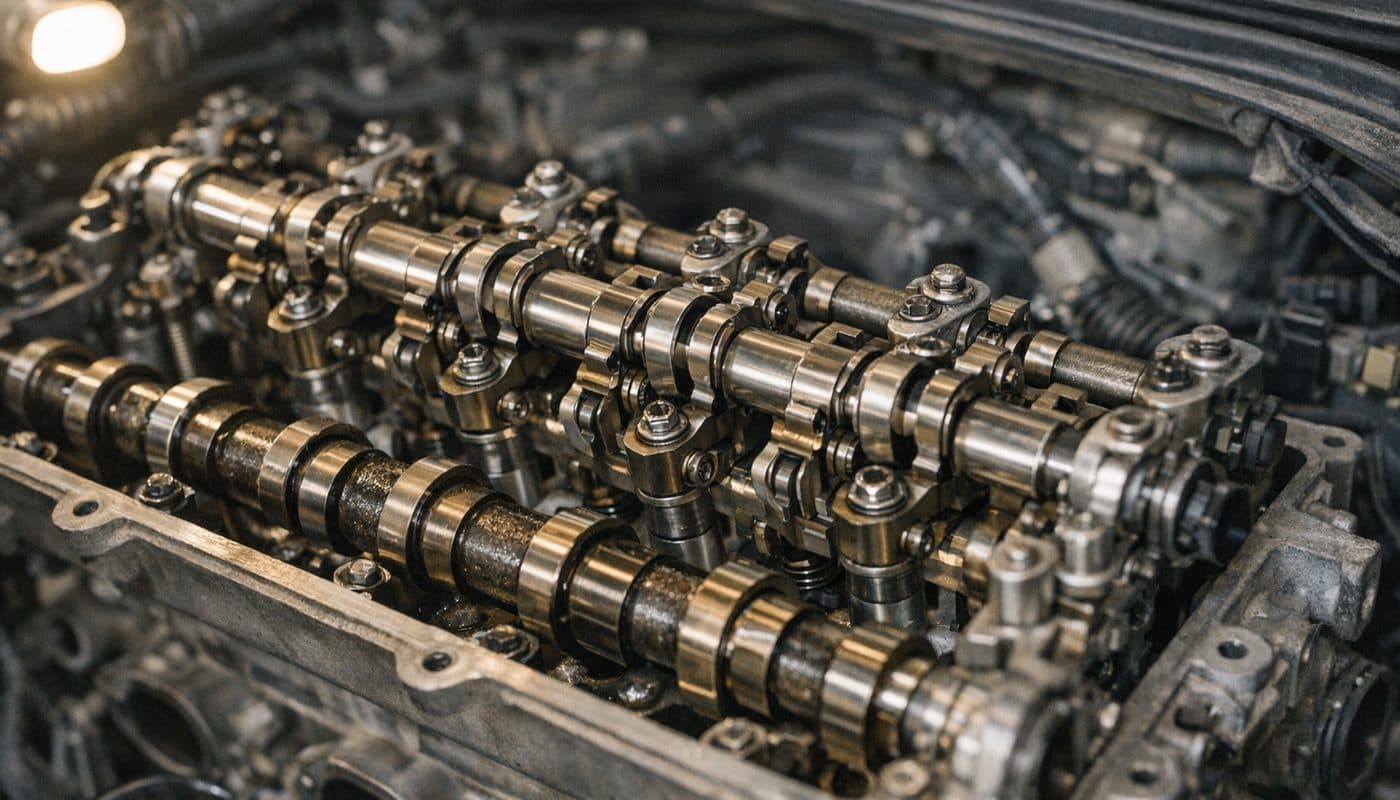
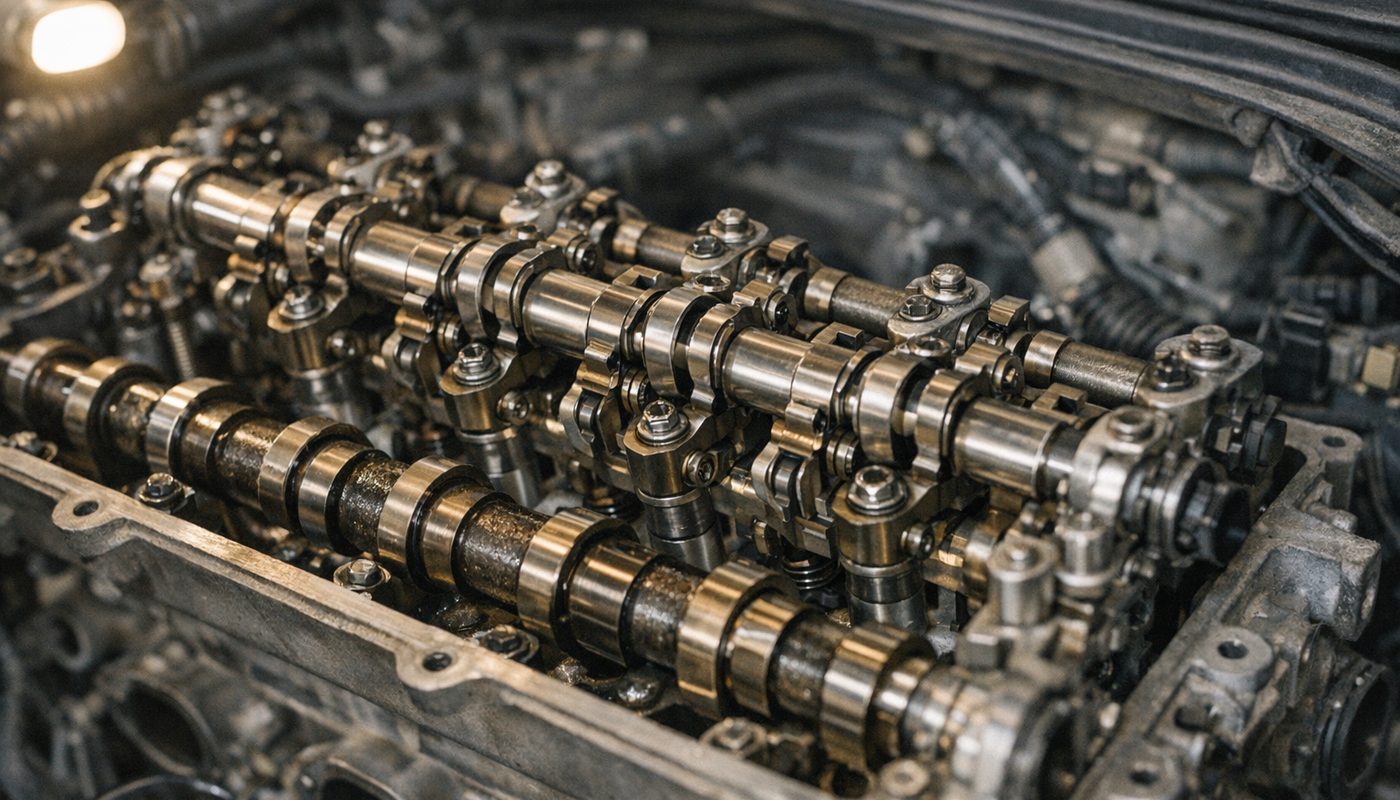
Mechanically, here's how it happens. There's an eccentric shaft that sits above the camshaft, driven by a small electric motor (BMW calls it the Valvetronic motor or servo motor) mounted on the side of the head. As that shaft rotates, it changes the pivot point of a set of intermediate rocker arms sitting between the camshaft lobes and the valves themselves. Rotate the shaft one way, the rockers transmit more of the cam's lift to the valve. Rotate it the other way, and the valve barely opens even though the cam is still spinning the same way it always does. An eccentric shaft position sensor tells the DME exactly where that shaft is at any given moment, in real time, so the ECU can command precise lift changes on the fly. It's a genuinely clever piece of engineering, and honestly it works well for hundreds of thousands of miles on most examples. But it's also more moving parts than a fixed-lift valvetrain, and moving parts wear.
Which Engines Have It and Which Don't
N42 to B58, the Family Tree
Valvetronic has been standard equipment on basically every mainstream non-M BMW gasoline engine since the early 2000s. That includes the N42/N46 fours, the N52 naturally aspirated six, the N20 four-cylinder turbo, the N55 turbo six, and it's still present on the current B48 four and B58 six that power cars like my own G20 330i. If you're cross-shopping engines and want the bigger picture on how these compare for reliability and character, I've laid that out in my ranking of BMW's engines, and there's a more head-to-head breakdown in the N54 vs N55 vs B58 comparison if you're deciding between generations.
Why M Engines Mostly Skip It
The M division has generally avoided Valvetronic on its high-output engines, the S54, S65, S55, S58 and so on. Part of that is philosophy, M engines are tuned for outright top-end output and track durability, and the extra valvetrain complexity and slight friction penalty of Valvetronic isn't worth it when you're already using individual throttle bodies or aggressive fixed cam profiles to make power. Load control on those engines is handled differently, usually leaning harder on traditional throttle control and VANOS cam timing rather than variable lift. Speaking of VANOS, that's a separate system entirely (it controls cam timing, not valve lift) and if you want the full rundown on that side of things, check out how VANOS works and what it costs to fix, because the two systems get confused constantly by owners and even by some techs.
Why BMW Bothered - The Real Benefits
Throttle Response You Actually Feel
The most noticeable day-to-day benefit is throttle response. Because the engine isn't waiting on a throttle plate to physically swing open and air to fill the intake manifold, the valve lift changes almost instantly when you get on the pedal. It's a genuinely different feel from an older, non-Valvetronic engine, sharper, more direct, less of that half-second lag you sometimes get on older port-throttle designs.
The Fuel Economy Numbers, Honestly Assessed
BMW and various third-party sources have quoted fuel economy improvements from Valvetronic in the ballpark of 5 to 10 percent, with some claiming up to 15 percent in specific part-load driving conditions. In my real-world experience daily-driving a B58-powered G20, I wouldn't bank on the top end of that range showing up on your fuel bill, driving style and traffic swamp small percentage gains pretty easily. But it's real, it's not marketing fluff, and it comes mostly from reduced pumping losses at part throttle, which is exactly the condition most commuting happens in.
The Weak Points - What Actually Fails
Eccentric Shaft Position Sensor
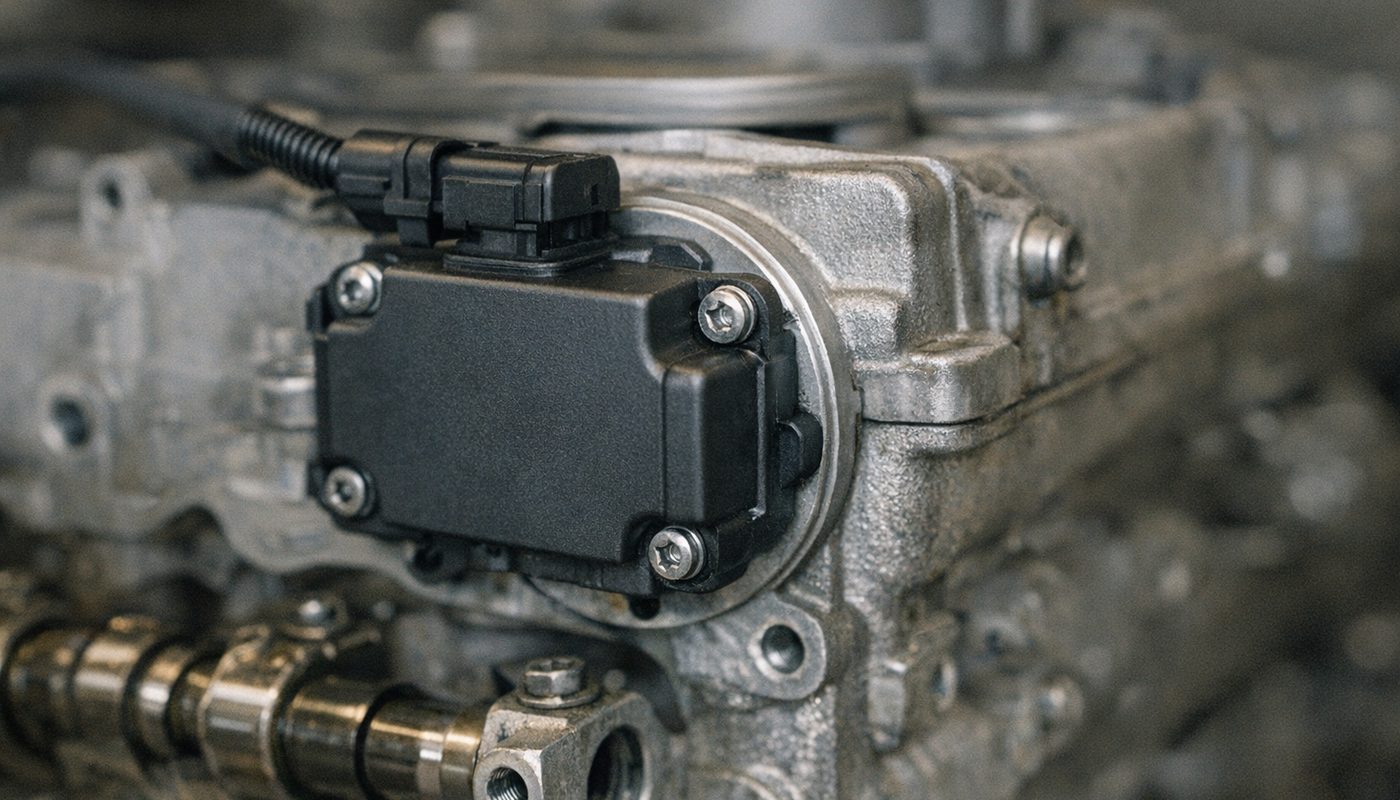
This is by far the most common Valvetronic complaint I see, and it lines up with what people are actually searching for online too. The sensor itself is a relatively cheap, somewhat fragile component that reads the position of the eccentric shaft. When it fails or gets flaky, the DME loses accurate feedback on valve lift position and typically drops the car into a limp or fail-safe mode to protect the engine, which usually means rough idle, hesitation, reduced power, and a check engine light. If you've never chased down a BMW check engine light before, I've got a full walkthrough on what to actually do when that light comes on before you throw parts at it.
Valvetronic Motor (Servo) Failure
The motor itself, mounted on the side of the head, is what physically rotates the eccentric shaft. These aren't indestructible. Brush wear inside the motor, internal gear wear, or just age-related electrical failure can all take it out. When the motor dies or gets sluggish, the system can't accurately control valve lift anymore, which again usually triggers limp mode, reduced power, and poor throttle response. It's mechanically separate from the sensor issue but the symptoms overlap enough that owners often assume it's "the same thing" when it isn't.
Worn Rocker Arms and Lash Adjusters
This is the one that scares people the most because it's mechanical wear inside the head, not just an electronic component you can swap in twenty minutes. The intermediate rocker arms and their associated lash adjusters take a beating over the years, constantly pivoting against the eccentric shaft and cam lobes. When they wear, you get a distinct ticking or light clattering noise from up around the valve cover, especially noticeable at idle when it's cold and quiets down slightly as oil warms up (though it rarely disappears completely once it starts). This is genuine internal mechanical repair territory, and it's the most expensive Valvetronic issue by a wide margin.
Carbon Buildup on Intake Valves
This one isn't strictly a Valvetronic failure, it's more of a side effect of direct injection engines in general, but it shows up in the same conversation constantly because these engines have no port injection to wash the backs of the intake valves with fuel. Carbon accumulates over tens of thousands of miles, which can cause rough idle, hesitation, and misfires that feel remarkably similar to an actual Valvetronic fault. Walnut blasting or a proper intake cleaning service is the fix, and it's worth ruling this out before you spend money chasing a sensor or motor that might be perfectly fine.
Symptoms of a Bad Valvetronic System
Rough Idle and Limp Mode
This is the classic presentation, whether it's the sensor or the motor at fault. The engine idles unevenly, sometimes surging up and down, sometimes just lumpy and rough. In more serious cases the DME will pull the car into a reduced-power limp mode to protect the engine, which feels like driving with a wet blanket over the throttle pedal. You'll almost always get a check engine light alongside this, and specific Valvetronic-related fault codes stored in the DME.
Ticking Noise From the Valve Cover
As covered above, this points more toward mechanical wear in the rocker arms or eccentric shaft itself rather than a sensor or motor issue. It's worth noting this ticking sound gets confused with worn hydraulic lifters, timing chain guide wear, or even rod knock by less experienced ears, so if you hear something new and metallic from up top, it's worth having someone who actually knows these engines listen to it in person rather than guessing from a phone video on a forum.
Diagnosing It Yourself
Reading the Fault Codes First
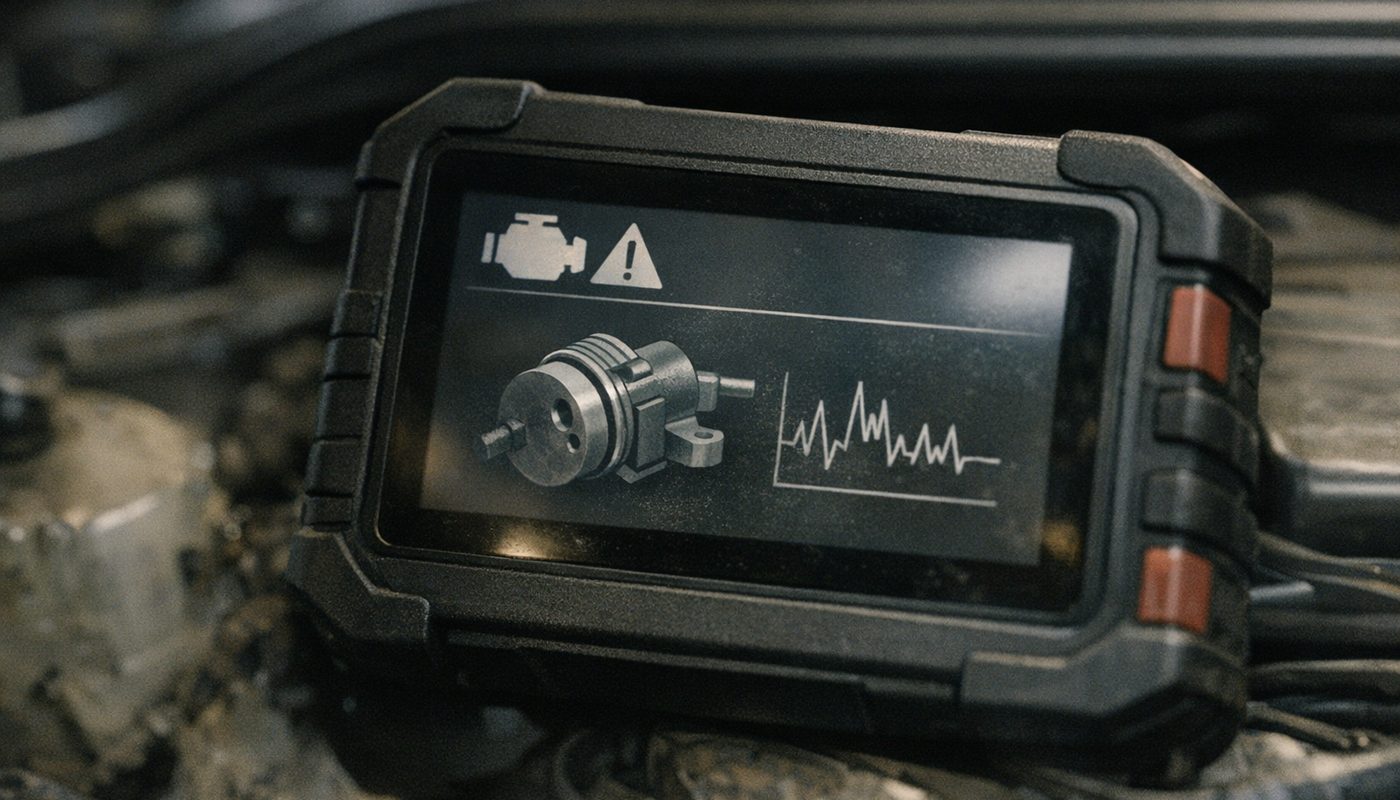
Before you pay a shop diagnostic fee, pull the codes yourself. Valvetronic issues throw specific fault codes tied to the eccentric shaft sensor or the motor circuit, and reading them narrows things down immediately instead of guessing. I run through this properly in the fault code lookup tool, which is worth bookmarking regardless of what's wrong with your car.
What You Actually Need to Read These Codes
A generic cheap code reader from the parts store will often just tell you "check engine light on" without giving you the specific BMW-side detail you need. For Valvetronic and DME-specific codes, you want something that actually talks to the car properly. I've used both of these on real BMWs and they're the two I point people toward.

OBDLink MX+ OBD2 Bluetooth Scanner
$139.95

Veepeak OBDCheck BLE+ Bluetooth OBD2 Scanner - iOS & Android
$41.99
Either of those paired with a decent app will show you the actual Valvetronic-related code instead of a vague generic reading, and that alone can save you a diagnostic fee at the shop.
Repair Costs - Sensor vs Motor vs Mechanical
Where Independents Beat Dealers
Dealer pricing on Valvetronic work tends to run noticeably higher, partly labor rate, partly a habit of replacing more than strictly necessary. Independents who actually know these systems can usually get you sorted for meaningfully less, especially on the sensor and motor jobs which are fairly quick once you know what you're looking at.
| Repair Type | Independent Shop | Dealer |
|---|---|---|
| Sensor replacement | $150 - $400 | $400 - $650 |
| Servo motor replacement | $400 - $800 | $800 - $1,200 |
| Mechanical (shaft / rocker arms) | $1,500 - $2,000 | $2,500 - $3,500+ |
Sensor replacement
- Independent Shop
- $150 - $400
- Dealer
- $400 - $650
Servo motor replacement
- Independent Shop
- $400 - $800
- Dealer
- $800 - $1,200
Mechanical (shaft / rocker arms)
- Independent Shop
- $1,500 - $2,000
- Dealer
- $2,500 - $3,500+
When the Bill Jumps Into the Thousands
The mechanical repair, actual shaft or rocker arm wear inside the head, is the one that turns a simple fault into a real invoice. You're looking at labor to get into the top of the engine, new intermediate rocker arms, gaskets, and often a valve cover gasket set while everything's apart anyway since you're already in there. This is genuinely a case where paying a bit more for a shop with real BMW-specific experience is worth it, because doing it twice because someone rushed the reassembly costs a lot more than doing it once properly.
Is Valvetronic Reliable - My Honest Take
Yes, genuinely, for the most part. I've seen plenty of N52s and N55s roll past 150,000 miles without ever touching the Valvetronic system beyond routine oil changes. The sensor and motor failures do happen, and they seem to cluster more as cars age past the 100,000 to 150,000 mile mark, but they're not a guaranteed failure the way, say, VANOS solenoids eventually clog on some older engines. It's a system that adds genuine mechanical complexity to the top of the engine, and complexity always means more potential failure points than a simpler fixed-lift head, but BMW has had over two decades to refine the design and it shows in how rarely I get an actual catastrophic Valvetronic failure versus, say, a coil pack or water pump issue on the same engines.
If you're deciding between BMW engine families and worried about long-term ownership costs, I'd honestly put Valvetronic fairly low on my list of concerns compared to things like plastic cooling system components or certain turbo-specific wear items. It's a real cost center over a long ownership period, but it's rarely the thing that ends up totaling the car financially.
What You Need If You're Chasing This Yourself
Diagnostic Tools Before Parts
I'll say this again because it matters, don't buy a sensor or a motor based on a symptom alone. Get the actual fault code first. A proper Bluetooth OBD2 scanner that can read BMW-specific DME codes will tell you within minutes whether you're chasing an eccentric shaft sensor fault, a motor circuit fault, or something else entirely masquerading as a Valvetronic issue (carbon buildup being the classic imposter here).
Parts Worth Buying OEM
For the eccentric shaft sensor and the servo motor specifically, I lean toward OEM or genuine BMW parts rather than the cheapest aftermarket option available. These are precision components sitting directly in the valvetrain feedback loop, and a slightly-off aftermarket sensor can cause intermittent, maddening symptoms that are worse to diagnose than the original fault. This is one of those jobs where the parts cost difference is small relative to the labor, so there's little reason to cheap out.
FAQ
What are the symptoms of a bad Valvetronic?
The most common signs are a rough or surging idle, reduced power or limp mode, a check engine light with a Valvetronic-specific code stored, and poor throttle response. If it's mechanical wear in the rocker arms or eccentric shaft rather than an electronic sensor or motor fault, you'll typically also hear a ticking or light clattering noise from around the valve cover, most noticeable at idle.
How much does it cost to replace a BMW Valvetronic motor?
Roughly $400 to $800 at a good independent shop including parts and labor, and $800 to $1,200 or more at a dealer. The part itself isn't outrageously expensive, most of the cost is labor to access it properly and reprogram or recalibrate the system afterward.
Can you drive a BMW with a bad Valvetronic motor?
Technically yes in the short term, the DME will usually put the car into limp mode to protect the engine, meaning reduced power and rough running, but it's not something I'd drive around on for weeks. Beyond it just being unpleasant to drive, letting the system run in a degraded state longer than necessary can put uneven wear on other valvetrain components. Get it diagnosed and scheduled for repair rather than living with the limp mode.
How much does a Valvetronic cost?
It depends entirely on what's actually failed. A sensor-only fix can run as little as $150 to $400 at an independent shop. A motor replacement lands more in the $400 to $1,200 range. Full mechanical repair involving worn rocker arms or the eccentric shaft itself is the expensive end, typically $1,500 to $2,500 at an independent and sometimes $3,000 or more at a dealer.
Is Valvetronic the same thing as VANOS?
No, and this trips up a lot of owners. VANOS controls camshaft timing (when the valves open relative to piston position), while Valvetronic controls how far the intake valves actually open. They're separate systems, on separate parts of the head, though they work together and both affect how the engine responds off idle. For the full breakdown on VANOS specifically, see the VANOS explainer.
Which BMW engines have Valvetronic?
Most mainstream non-M gasoline engines from the N42/N46 era onward, including the N52, N20, N55, B48, and B58. It's absent from most M-division high-output engines like the S54, S55, and S58, which handle load and valve control differently. The engine ranking guide covers how these all stack up if you're cross-shopping.
Is it worth fixing an old BMW with a Valvetronic fault, or just sell it?
Depends heavily on the actual failure and the car's overall condition. A sensor or motor fault on an otherwise healthy, well-maintained car is absolutely worth fixing, it's a relatively contained repair. Mechanical rocker arm wear on a car that already has other age-related issues piling up is where I'd start doing real math on whether you're throwing good money after bad.
Bottom Line
Valvetronic is one of those systems that's genuinely clever engineering hiding under a mundane valve cover, and for the vast majority of its life it just quietly does its job better than a plain throttle-body setup ever could. The failures that do happen are well understood at this point, the sensor and motor issues are usually straightforward and affordable to sort out, and even the mechanical rocker arm wear, while pricier, isn't some mysterious black box repair anymore. Get the actual fault code before you spend a dime, don't ignore a new tick from up top, and you'll get a very long, mostly uneventful relationship with this system. That's been my experience wrenching on these for fifteen years, anyway, and it's exactly why I haven't lost sleep over the B58 in my own 330i.


