Affiliate disclosure. BimmerTalk is a proud partner of the Amazon Associates Program and Turner Motorsport. We may earn a small commission on qualifying purchases through our links, at no extra cost to you. Read the full disclosure.

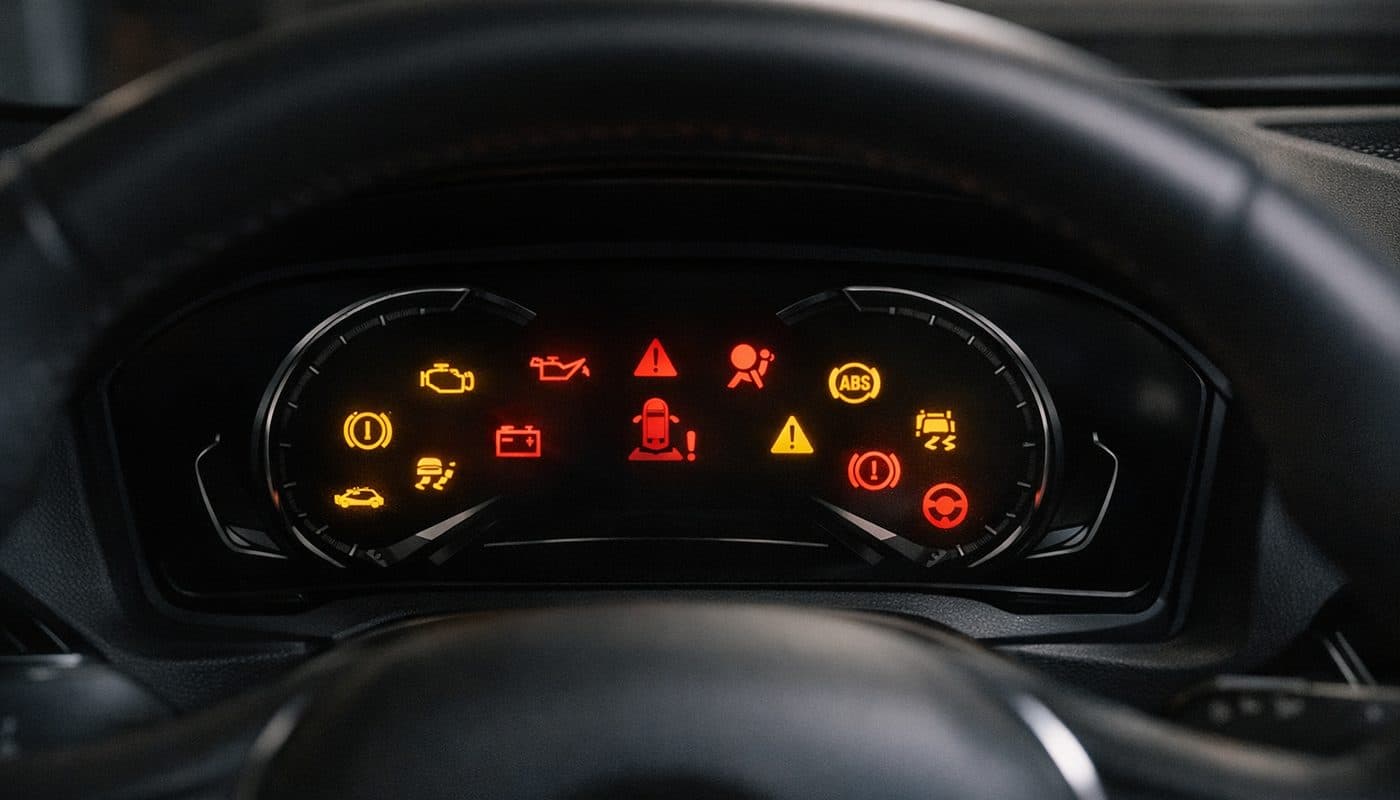
The yellow engine outline on a BMW instrument cluster is one of those sights that immediately divides owners into two camps: the ones who panic and head straight to the dealer, and the ones who plug in a scanner, read the code, and realize it's a $15 oxygen sensor. After 5 years diagnosing BMWs, I've seen both ends of that spectrum. The goal is to help you be the second type of person.
Here's the thing about BMW check engine lights - unlike a red warning, a yellow CEL does not mean the car is about to destroy itself. It means a sensor or system has logged a fault outside of normal parameters. Sometimes it's trivial. Sometimes it's a sign of something developing. The code is everything - without reading it, you're guessing.
Read the Code Before You Do Anything Else
The absolute first step when a BMW CEL comes on is reading the fault code from the DME. Not taking it to the dealer. Not Googling "BMW check engine light." Reading the actual code.
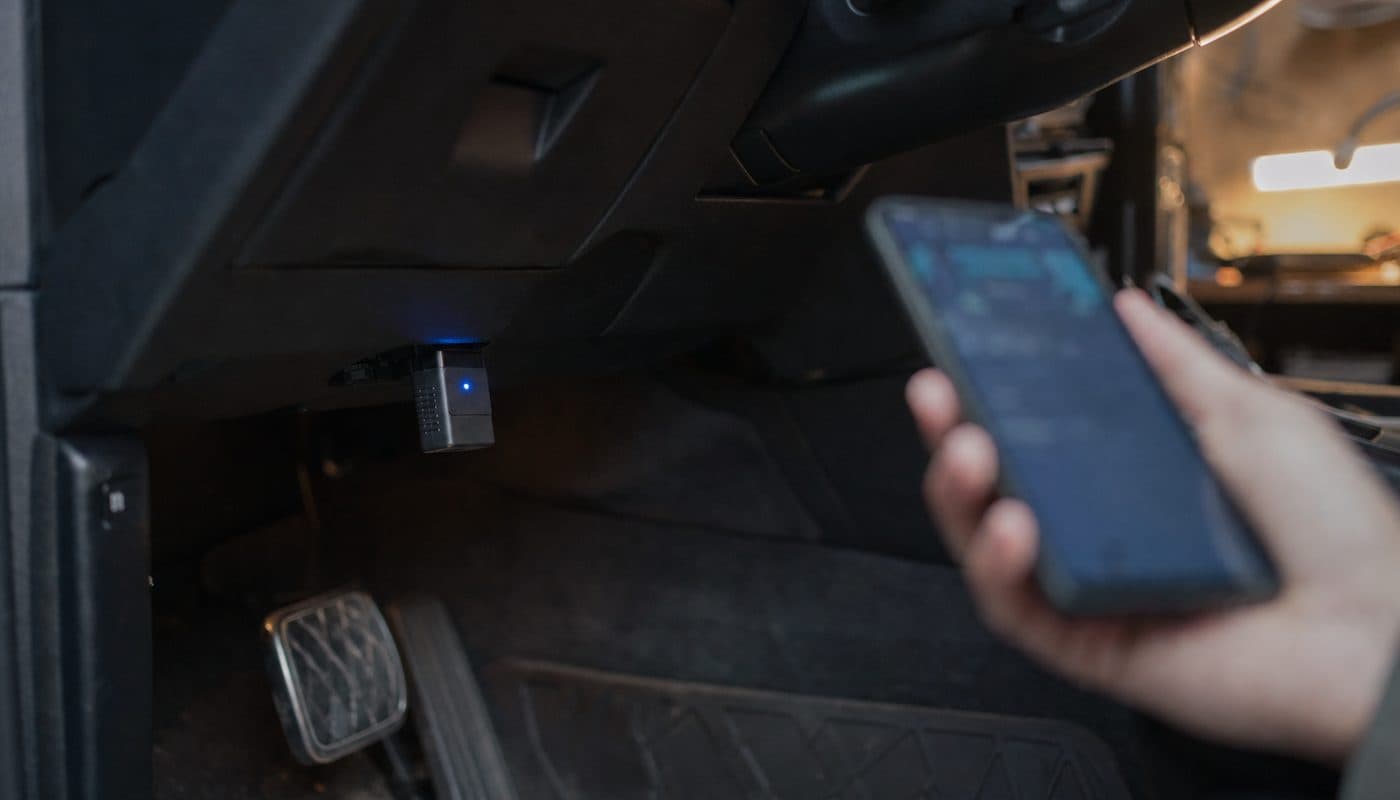
BMW uses a mix of standard OBD2 codes (P0xxx, P1xxx) and manufacturer-specific BMW codes. A standard ELM327 scanner will read the generic codes. For BMW-specific codes - and many BMW faults are BMW-specific - you need a scanner that speaks BMW's diagnostic protocol.

OBDLink CX Bluetooth 5.1 OBD2 Adapter for BimmerCode
$79.95

Veepeak OBDCheck BLE+ Bluetooth OBD2 Scanner - iOS & Android
$41.98
Once you have the code, the diagnosis becomes a targeted investigation rather than a guessing game. The most common BMW CEL codes each have well-documented failure patterns.
Most Common BMW CEL Causes
Oxygen Sensor Fault (P0130-P0167 range)
The most common CEL cause across all BMW engines. BMW uses multiple oxygen sensors - pre-catalyst and post-catalyst on each bank. They fail from heat, old age, and contamination. On N52/N54/N55 engines, expect sensor failures around 80,000-120,000 miles. Symptoms include marginally worse fuel economy and occasionally rough idle. Easy DIY fix - sensors are $40-80 each and require only an O2 sensor socket.
Catalytic Converter Efficiency (P0420/P0430)
The downstream oxygen sensor reports that the catalytic converter isn't reducing emissions efficiently enough. This is either a genuinely dying cat (common on high-mileage N52 cars) or a false positive from an upstream oxygen sensor reading incorrectly. On modified N54/N55 cars with aftermarket downpipes and catless setups, this code is permanent and expected. Clear it before emissions tests if your state inspects.
Ignition Coil / Misfire (P0300-P0306, P0301 per cylinder)
Misfires are extremely common on BMW inline-six engines with age. The P030X codes tell you which cylinder is misfiring. On N52, N54, and N55 engines, individual ignition coils fail regularly around 60,000-80,000 miles. Replace coils in pairs or the full set - if one has failed, the others are close behind. Combine with new spark plugs while you're in there.
| Code | System | Common Cause | DIY Difficulty |
|---|---|---|---|
| P0130-P0167 | Oxygen Sensor | Sensor failure | Easy |
| P0420/P0430 | Catalytic Converter | Cat failure or O2 sensor | Moderate |
| P0300-P0306 | Misfire | Ignition coil/plugs | Easy |
| P0171/P0174 | Fuel Trim Lean | VANOS, MAF, vacuum leak | Moderate |
| P0011/P0012 | VANOS | VANOS solenoid/timing | Moderate |
P0130-P0167
- System
- Oxygen Sensor
- Common Cause
- Sensor failure
- DIY Difficulty
- Easy
P0420/P0430
- System
- Catalytic Converter
- Common Cause
- Cat failure or O2 sensor
- DIY Difficulty
- Moderate
P0300-P0306
- System
- Misfire
- Common Cause
- Ignition coil/plugs
- DIY Difficulty
- Easy
P0171/P0174
- System
- Fuel Trim Lean
- Common Cause
- VANOS, MAF, vacuum leak
- DIY Difficulty
- Moderate
P0011/P0012
- System
- VANOS
- Common Cause
- VANOS solenoid/timing
- DIY Difficulty
- Moderate
Fuel Trim Lean (P0171 Bank 1, P0174 Bank 2)
The engine is running lean - too much air relative to fuel. On N52/N54/N55 engines this points to a few common causes: dirty or failing mass airflow (MAF) sensor, VANOS solenoid issues, intake vacuum leak, or (on N54) high-pressure fuel pump degradation. Start with cleaning the MAF sensor with proper electronics cleaner spray. If the code persists, check for vacuum leaks with a smoke machine or propane pencil.
VANOS Fault (P0011, P0012, P0021, P0022)
VANOS is BMW's variable valve timing system. Fault codes here typically mean a VANOS solenoid is stuck or clogged with oil sludge, or the variable timing has drifted outside specification. VANOS solenoids are $30-60 each and can be DIY replaced on most BMW engines. Regular oil changes with quality BMW-spec oil prevent most VANOS issues - this is genuinely a maintenance-related failure in a large percentage of cases.
$40-80
O2 Sensor DIY Cost
$80-150
Coil Set (6-cyl)
$400-800
Cat Replacement
$30-60
VANOS Solenoid
$150-200
Dealer Diagnostic Fee
Drive vs Stop - How to Make the Call
A yellow CEL without any other symptoms (no rough running, no power loss, no smoke, no strange noises) is generally safe to drive on. Get the code read within a day or two, but you don't need to have the car towed.
A yellow CEL combined with any of these - rough idle, misfiring, power loss, smoke from the engine bay, unusual engine noise - means pull over and diagnose before continuing. Multiple active faults together tell a different story than a single stored code.
A yellow CEL that turns red and becomes a drivetrain malfunction warning means the engine protection system has engaged. The car is in limp mode. Do not push through limp mode - it exists to prevent catastrophic damage. See the drivetrain malfunction guide for specific causes on N54 and N55 engines.
Dealer vs Independent Shop vs DIY Cost
BMW dealer diagnostic fee - $150-200 just to read codes and tell you what's wrong. Some dealers apply this toward the repair if you proceed with them.
Independent BMW specialist - $80-120 for a full diagnostic including all modules. Better value, and specialists often have more experience with specific BMW fault patterns than dealer service techs who rotate through multiple brands.
DIY with proper scanner - $0 per diagnosis after a one-time scanner investment of $40-150. Reading codes yourself doesn't replace a proper shop diagnosis for complex faults, but it tells you whether the repair is simple or complex before you walk into a service bay.
CEL and BMW Inspection / Emissions Testing
In states with OBD2 emissions testing, an active CEL is an automatic fail. More importantly, even a recently cleared CEL can fail inspection if the drive cycle readiness monitors haven't completed. The DME needs to run through specific conditions - cold start cycle, highway driving, stop-and-go - to mark each monitor as complete. This typically takes 50-150 miles of varied driving after a code clear.
If you're prepping for inspection, clear any codes, drive the car normally for a week, then check readiness monitor status with your scanner before going to the test station. All monitors should show "Ready" or "Complete."
For the full picture on maintaining your BMW's diagnostics health, check out our diagnostics and tuning tools section.