BMW Audio Parts
Curated audio parts for every BMW model. Compare prices, check fitment, pick the right part for your build.
Affiliate disclosure. BimmerTalk is a proud partner of the Amazon Associates Program and Turner Motorsport. We may earn a small commission on qualifying purchases through our links, at no extra cost to you. Read the full disclosure.

Component Speakers
Component Speakers for BMW
Browse →Coaxial Speakers
Coaxial Speakers for BMW
Browse →Underseat Subwoofers
Underseat Subwoofers for BMW
Browse →Amplifiers & DSP
Amplifiers & DSP for BMW
Browse →Android & CarPlay Head Units
Android & CarPlay Head Units for BMW
Browse →Wireless CarPlay Adapters
Wireless CarPlay Adapters for BMW
Browse →Sound Deadening
Sound Deadening for BMW
Browse →Popular audio parts
A mid-tier mix from across our audio catalog so you can compare prices and brands without digging through every subcategory.


Rockford Fosgate Punch P1675 6.75in 3-Way Coaxial Speakers - Pair
Rockford Fosgate
$109.99
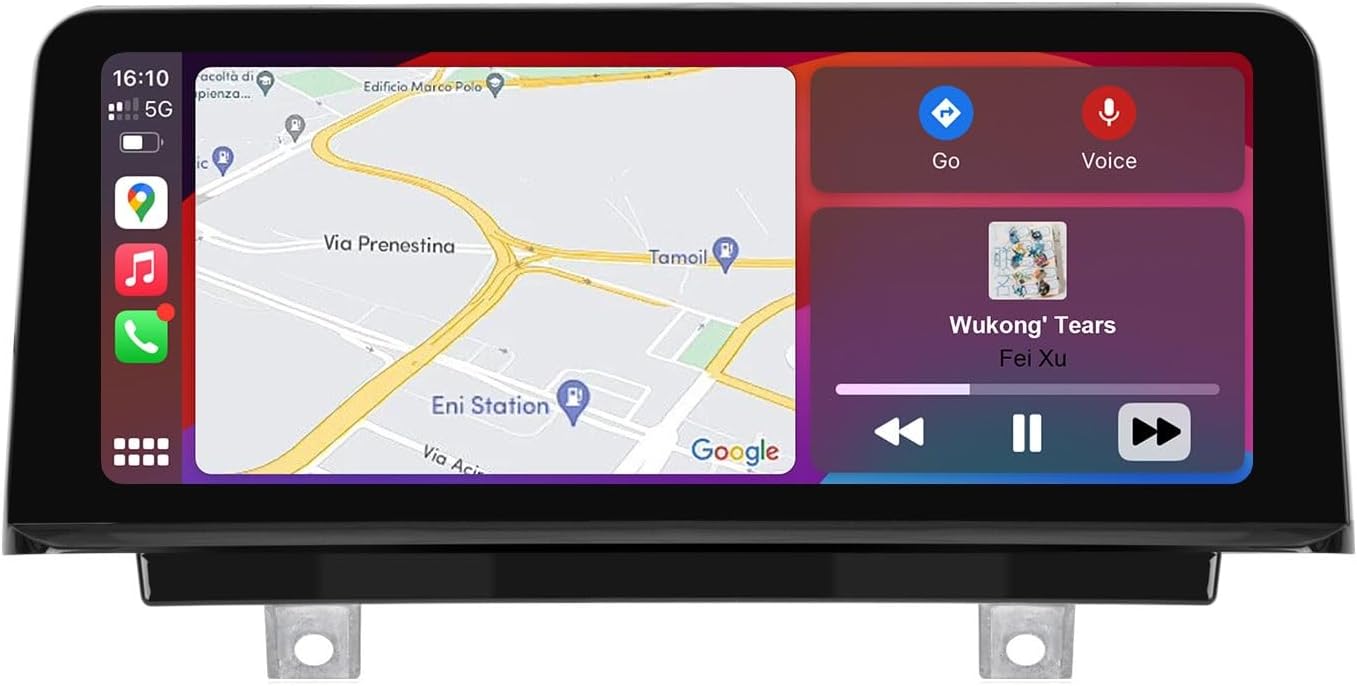

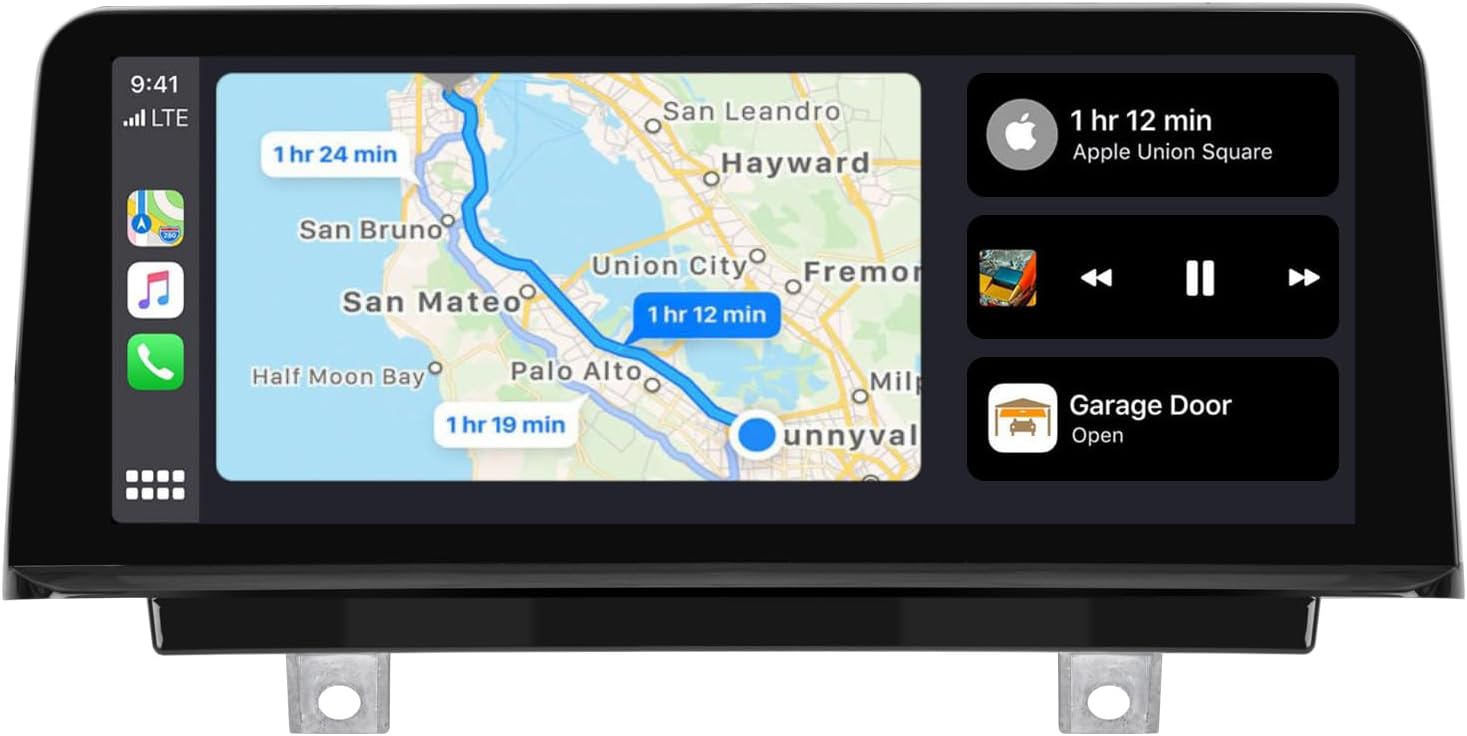
HMYC Wireless CarPlay and Android Auto Decoder for BMW NBT F-Chassis 2012-2016
HMYC
$179.98





BMW Factory Audio - Why It Rarely Lives Up to the Price Tag
I've spent time in a lot of BMWs across a lot of generations, and the audio situation has always been a mixed bag. The baseline systems - the ones that came in your F30 328i or G20 330i without any upgrade box ticked on the order form - are honestly underwhelming. Thin midrange, weak bass, and a soundstage that sounds like it's coming from somewhere around the dashboard rather than filling the cabin. BMW knows this, which is why they've sold Harman Kardon upgrades as an option for decades now. The question is whether those upgrades are actually worth the OEM premium, or whether you're better off going aftermarket from the start.
The history of BMW audio options matters here. Logic 7 was Harman Kardon's BMW-specific surround processing system that debuted in the early 2000s, offering a multi-channel setup that felt genuinely impressive for its era. The E65/E66 7 Series was one of the first BMWs to get it, and on that car with the full Logic 7 speaker array, it held up well. As BMW moved into the E9X and F-series generations, HK remained the mid-tier upgrade with varying speaker counts depending on the model - a base HK system in an F30 has around 12 speakers vs. 9 in the standard setup. But speaker count alone doesn't tell the whole story.
Bowers and Wilkins entered the BMW ecosystem with the F01/F02 7 Series and has since spread to the 5 Series, 6 Series, and select X models. Their diamond tweeter array and dedicated subwoofer make the B&W system the best factory BMW audio option by a significant margin. It's not cheap from the factory, and the acoustic glass and additional insulation that sometimes accompanies it adds further cost. But the fundamentals - speaker driver quality, amplifier power, and tuning - are genuinely above average. If you're buying a used BMW and want to preserve audio quality, a B&W-equipped car is worth seeking out.
Why Factory Still Falls Short and Where to Start Upgrading
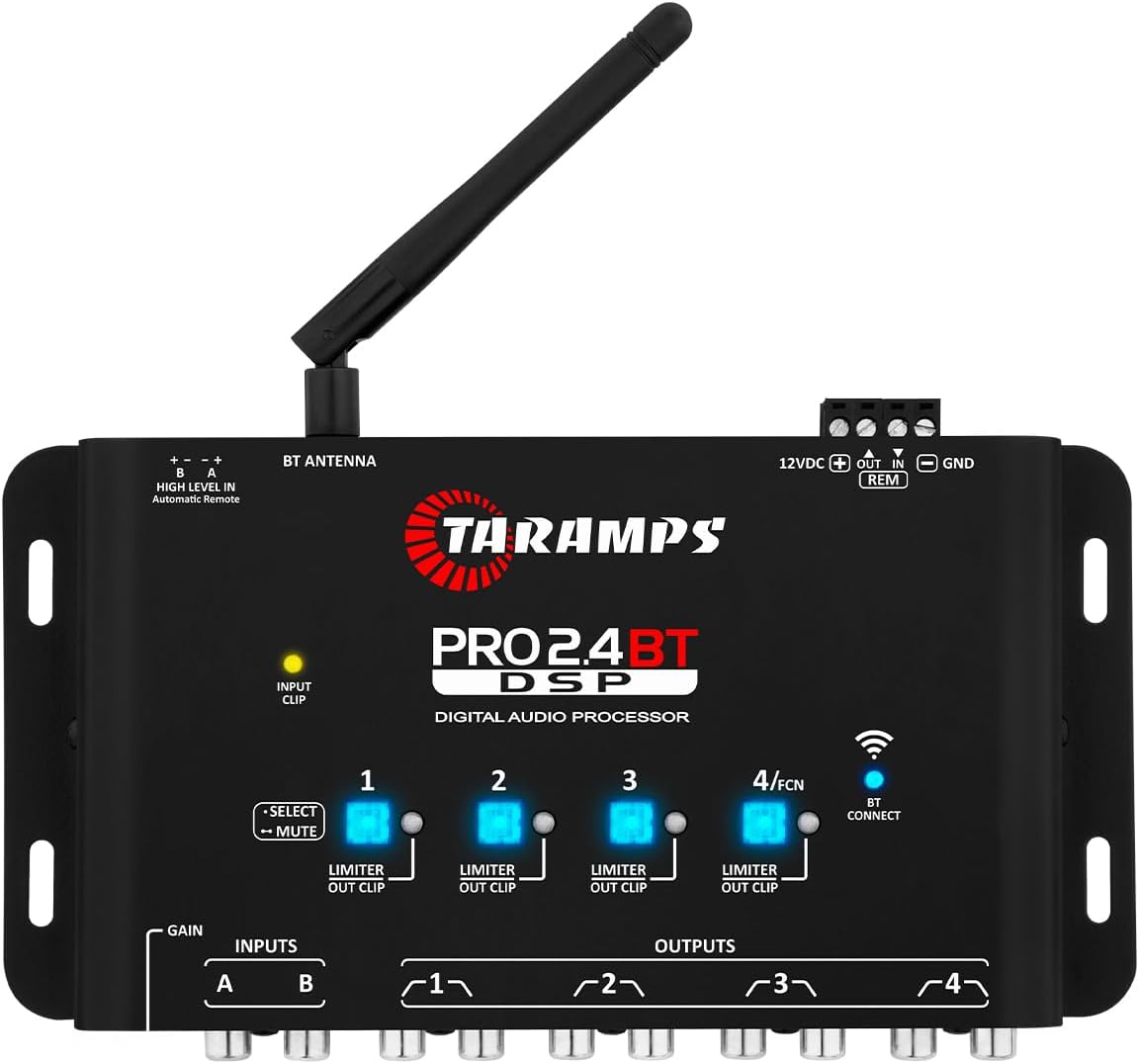
Even a B&W system has limitations built into it by the BMW ecosystem. The factory amplifier outputs a signal that's been processed through the head unit or iDrive controller, often with DSP corrections baked in to compensate for the car's acoustic environment. When you start swapping components, you can run into phase issues, crossover mismatches, and timing problems because you're no longer using the system the amp was tuned for. This is exactly why DSP amplifiers from companies like Audison, Helix, and MATCH have become the backbone of intelligent BMW audio upgrades - they let you intercept the signal, correct it, and redistribute it properly.
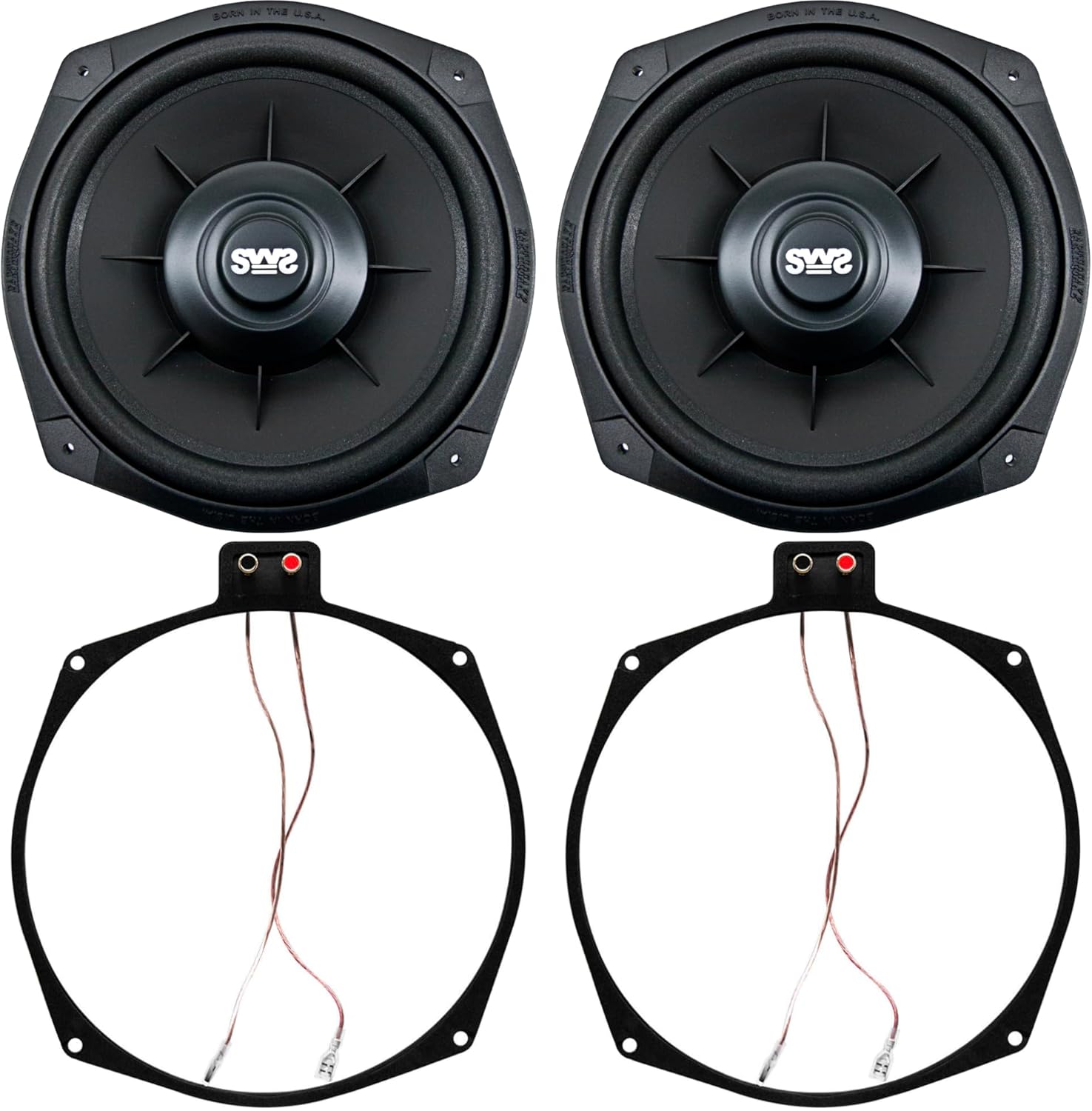
For most builds, the upgrade path goes something like this: start with component speakers in the front doors (a 6.5" midwoofer plus a tweeter in the A-pillar or sail panel), add an underseat subwoofer for low-frequency extension without giving up trunk space, and tie it all together with a DSP amp. If you're on an older car - E46, E90, or E60 - and want modern connectivity, the head unit replacement path is a real option. On newer iDrive-equipped cars, a CarPlay adapter is the smarter move since ripping out the iDrive controller creates more problems than it solves.
Don't overlook sound deadening - even the best speaker swap sounds mediocre in a door panel that resonates like a steel drum. Dynamat, CLD tiles, and foam baffles in the door cards make a bigger difference than most people expect before they've done it. This is one of the most bang-for-buck steps in any BMW audio build, and it's a good place to start before spending money on speakers.
Audio guides
Hands-on advice and buyer's guides for BMW audio.
Browse other categories
Builds usually overlap. Here is what BMW owners pair with this most often.