BMW Electrical Parts
Curated electrical parts for every BMW model. Compare prices, check fitment, pick the right part for your build.
Affiliate disclosure. BimmerTalk is a proud partner of the Amazon Associates Program and Turner Motorsport. We may earn a small commission on qualifying purchases through our links, at no extra cost to you. Read the full disclosure.

Batteries
Batteries for BMW
Browse →Alternators
Alternators for BMW
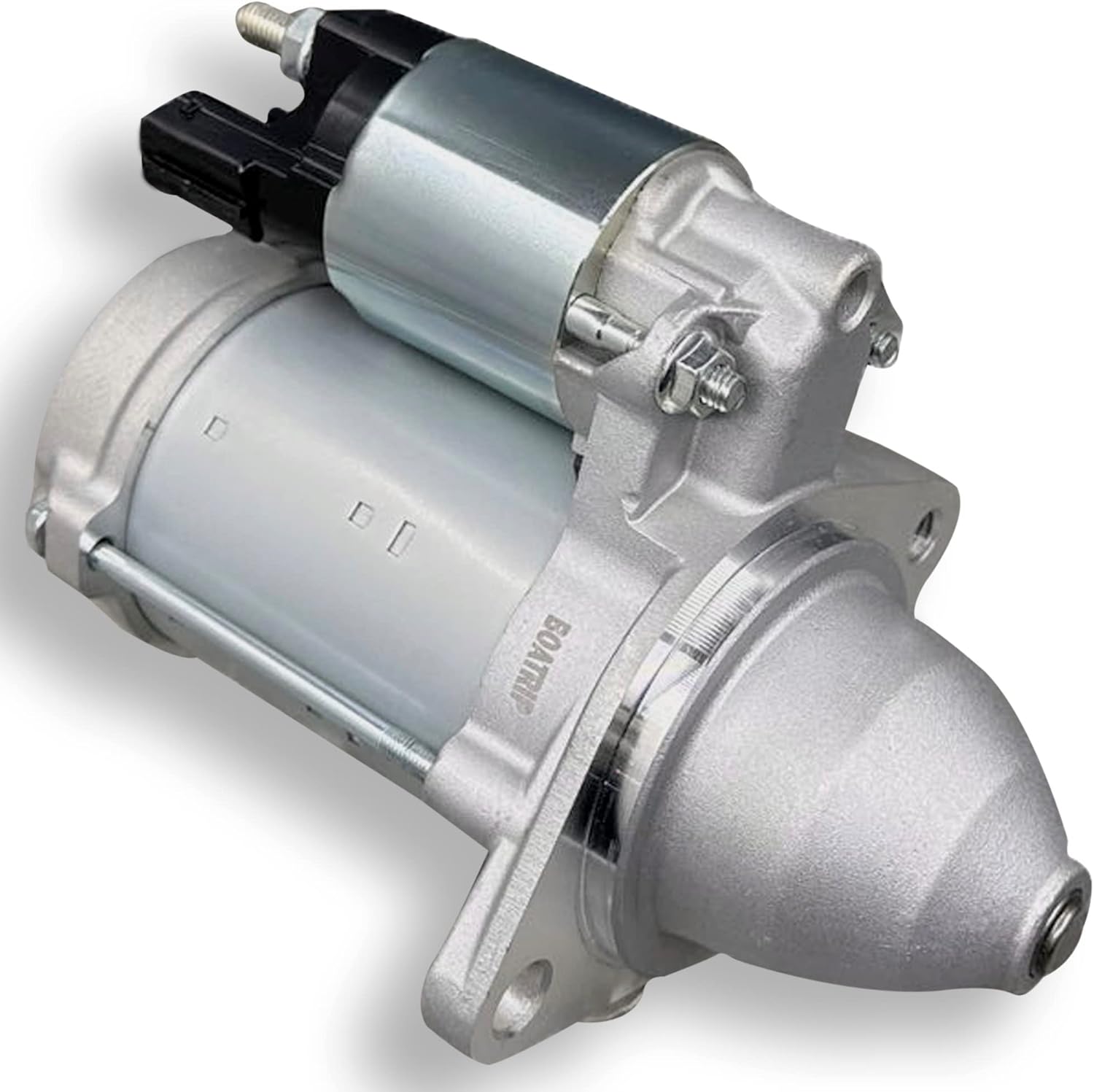
Browse →Starters
Starters for BMW
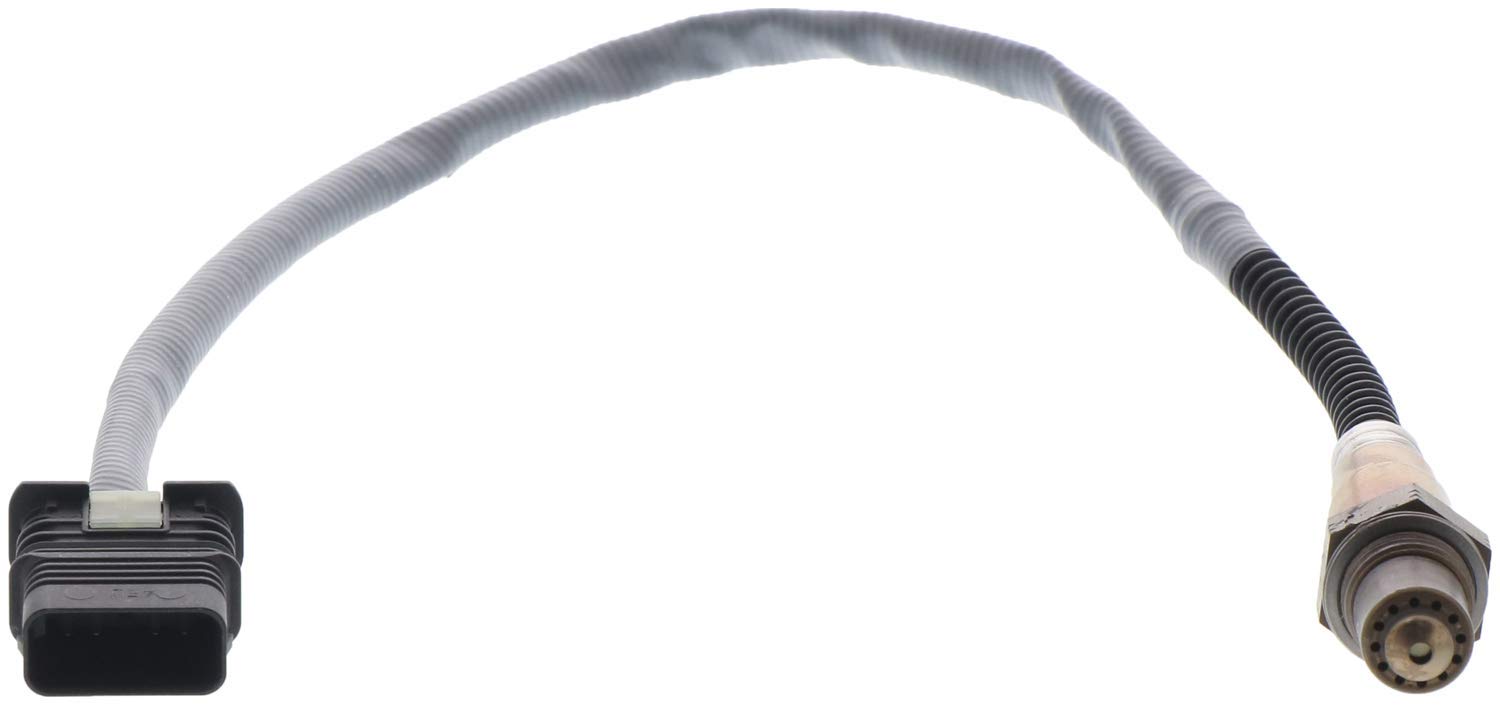
Browse →Sensors
Sensors for BMW
Browse →Wiring & Connectors
Wiring & Connectors for BMW
Browse →Relays & Fuses
Relays & Fuses for BMW
Browse →Popular electrical parts
A mid-tier mix from across our electrical catalog so you can compare prices and brands without digging through every subcategory.


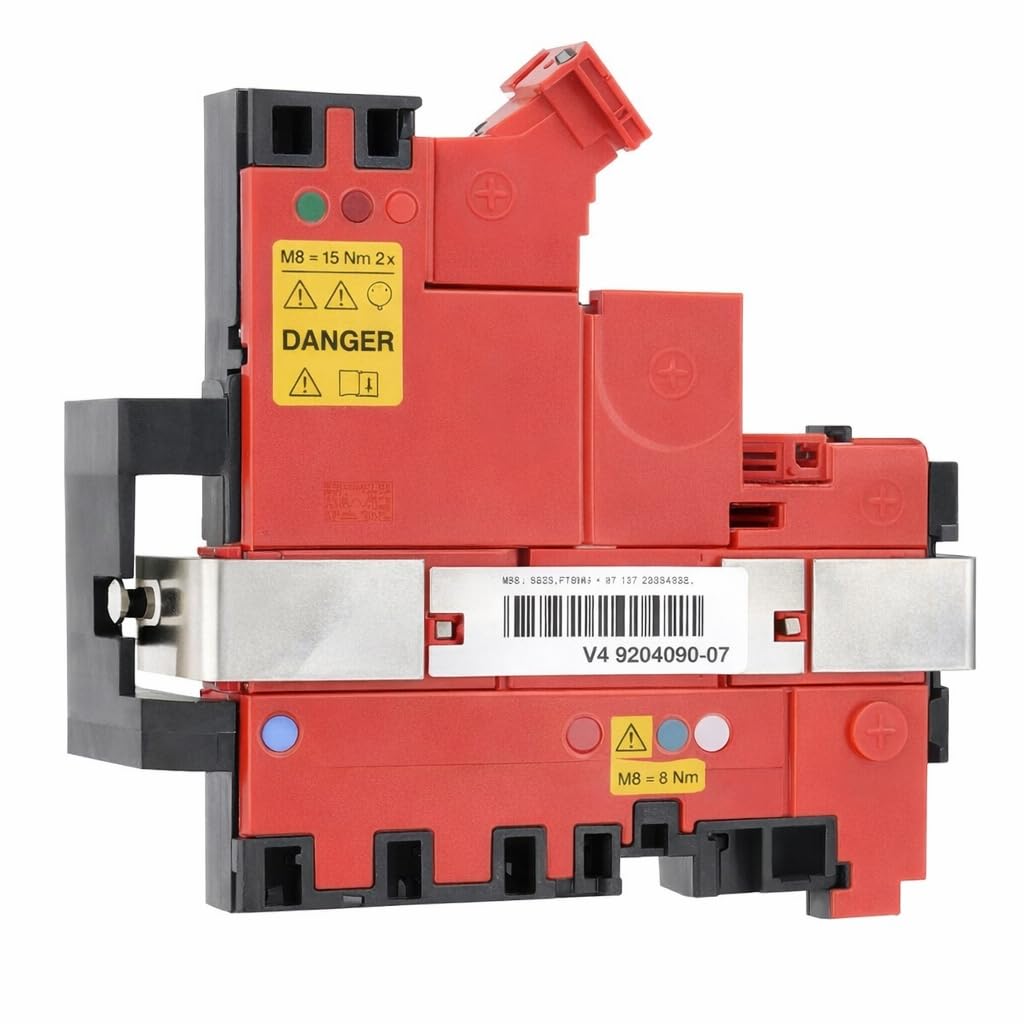

ACDelco Gold 48AGM - Group 48 AGM Battery for BMW F and G Chassis
Visit the ACDelco Store
$182.99



Weize Platinum AGM H8 Group 49 Battery - Start-Stop Replacement for BMW E/F/G Chassis
Visit the WEIZE Store
$179.98


BMW Electrical System Overview - IBS, DME, CAN-Bus, and Common Issues
BMW's electrical architecture is more complex than most brands, and that complexity pays off in capability while creating specific failure modes that catch unprepared owners off guard. I've diagnosed electrical issues on BMWs from the E46 through G20 generation, and the pattern is consistent - the systems are robust when maintained correctly and difficult to fault-trace when they're not. Understanding the architecture before you have a problem makes everything easier.
The DME - Digital Motor Electronics
The DME (Digital Motor Electronics) is BMW's engine control unit. Unlike simpler ECUs, the BMW DME manages fuel injection, ignition timing, VANOS variable valve timing, boost control on turbocharged engines, and emissions systems all in a single unit. On the N54 and B58, it also integrates with the port/direct injection dual-fuel system management. The DME communicates with other modules via the CAN-bus and stores fault codes in a dedicated fault memory that requires BMW-specific diagnostic software to access fully.
DME failures are rare but expensive. More common are sensor inputs to the DME causing fault codes that present as drivability issues - rough idle, misfires, hesitation. Before condemning any sensor, verify the DME fault memory with a proper scanner. The generic OBD-II reader reads generic sensor codes from the DME but misses BMW-specific fault codes in the 0x4XXX range that often point to the real issue.
IBS - Intelligent Battery Sensor
The IBS (Intelligent Battery Sensor) is mounted directly on the negative battery terminal and measures current flow, voltage, and battery temperature continuously. The data feeds the DME and EKP (fuel pump control) modules to manage alternator output and Start/Stop system behavior. When you replace a battery in an F or G chassis BMW without registering the new battery to the IBS system, the car continues managing charging based on the old battery's profile. This leads to overcharging (shortening battery life) or undercharging (leaving Start/Stop disabled and the battery perpetually at low state of charge).
Battery registration is mandatory after any battery swap on F and G chassis BMWs. It takes 2 minutes with BimmerCode, Carly, or a Foxwell scanner. Skipping it is the single most common mistake BMW owners make with electrical maintenance.
CAN-Bus Architecture
BMW uses a CAN-bus (Controller Area Network) system where all major modules communicate over a shared network rather than direct point-to-point wiring. This reduces wiring harness weight and complexity but means that one faulty module can affect behavior across the entire car. A failing ABS module can cause dashboard warnings in apparently unrelated systems. A corroded CAN-bus connection generates fault codes in multiple modules simultaneously - the key diagnostic signature of a wiring issue rather than multiple failed modules.
Common electrical failure points I've seen across platforms - battery and alternator on high-mileage E and F chassis, headlight connector burnout on E46 and E90, and blown fuses from aftermarket audio installs on E-series cars. The sensor failures on the N54 - specifically the charge pipe MAP sensor and the HPFP pressure sensor - account for a large percentage of E-series fault codes.
Electrical guides
Hands-on advice and buyer's guides for BMW electrical.

Browse other categories
Builds usually overlap. Here is what BMW owners pair with this most often.