BMW Oils & Fluids Parts
Curated oils & fluids parts for every BMW model. Compare prices, check fitment, pick the right part for your build.
Affiliate disclosure. BimmerTalk is a proud partner of the Amazon Associates Program and Turner Motorsport. We may earn a small commission on qualifying purchases through our links, at no extra cost to you. Read the full disclosure.

Engine Oil
Engine Oil for BMW
Browse →Transmission Fluid
Transmission Fluid for BMW
Browse →Differential Fluid
Differential Fluid for BMW
Browse →Coolant
Coolant for BMW
Browse →Brake Fluid
Brake Fluid for BMW
Browse →Power Steering Fluid
Power Steering Fluid for BMW
Browse →Popular oils & fluids parts
A mid-tier mix from across our oils & fluids catalog so you can compare prices and brands without digging through every subcategory.


Triax ATF 689 - Full Synthetic ZF 8HP Transmission Fluid for BMW F30 G20 X3 X5
Visit the Triax Store
$59.49



LIQUI MOLY Longtime High Tech SAE 5W-30 | 5 L | Fully synthetic engine oil | SKU: 2039
Liqui Moly
$54.78


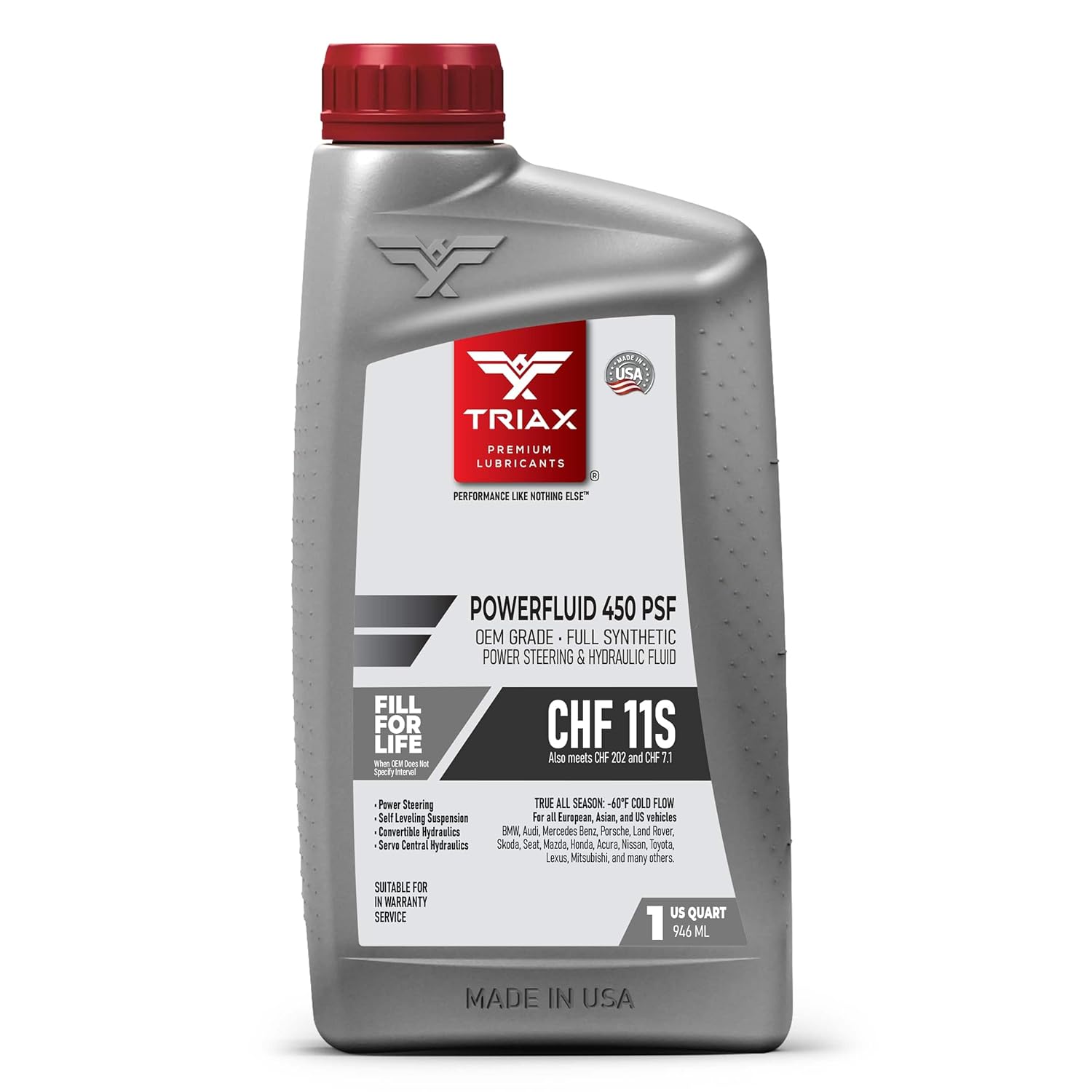
Triax Powerfluid 450 CHF 11S Synthetic Hydraulic and Power Steering Fluid
the Triax
$21.49


BMW Fluid Specifications - More Critical Than Most Brands
I've owned Hondas, Toyotas, and BMWs, and fluid specifications matter more on BMWs than anything else in my garage. BMW's extended service intervals, high-revving turbocharged engines, and complex automatic transmissions are engineered around specific fluid chemistry. Using the wrong spec - even a name-brand alternative that's close - shortens component life in ways that don't show up immediately but accumulate over tens of thousands of miles.
The clearest example is engine oil. BMW's Long Life 04 specification exists because of the DPF (diesel particulate filter) and catalyst compatibility requirements in their turbocharged engines. An oil that doesn't meet LL-04 may use friction modifiers or ash-forming additives that contaminate the catalytic converter over time. This is a $1,500+ repair that a $15 premium for the correct spec oil prevents.
The Key Fluid Specs to Know
Engine oil spec depends on platform. Most turbocharged BMW gasoline engines from the N54 onward require BMW LL-01 or LL-04. The N52 naturally aspirated engine is less picky but still benefits from LL-01. The B48 and B58 turbocharged four and six cylinders officially require LL-17 FE+ for the full extended service interval. Running LL-01 in a B58 is fine at shorter change intervals (7,500 miles) - I do this on my own G20.
Transmission fluid is the area where the lifetime fill myth causes the most damage. ZF's own Lifeguard 8 fluid for the 8HP automatic transmission degrades significantly by 60,000 miles. ZF themselves now recommend changes at that interval - the lifetime designation refers to transmission life under ideal conditions that rarely occur in real-world use.
Coolant - Never Mix Colors
BMW uses G48 specification silicate-free coolant, specified in blue. The most important rule is never mix it with a green silicate-based coolant. The chemistries are incompatible and the combination reduces corrosion protection to near zero, especially in aluminum cooling systems. The N54 and S55 engines have all-aluminum cooling circuits where this damage happens fast.
Zerex G-48 is the most widely available G48-compatible coolant in North America and costs a fraction of BMW's branded blue coolant. Pentosin is another quality option. Either works correctly as long as the system is flushed clean before switching.
Brake and Power Steering Fluids
BMW uses DOT 4 brake fluid on virtually all platforms. Track use demands more - Motul RBF 600 or ATE Type 200 for boiling point margin. Fresh DOT 4 from any quality brand is fine for street use with an annual bleed.
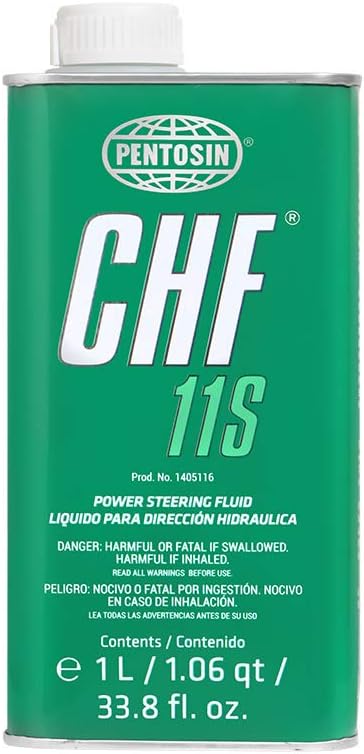
Pentosin CHF 11S is the hydraulic steering fluid spec for E-chassis cars with hydraulic rack systems. G-chassis cars with electric power steering don't use hydraulic fluid. This trips up people who buy an F30 after an E90 and look for the power steering reservoir that isn't there. Check your chassis before buying any power steering fluid.
Oils & Fluids guides
Hands-on advice and buyer's guides for BMW oils & fluids.

Browse other categories
Builds usually overlap. Here is what BMW owners pair with this most often.