
Charge Pipes for BMW 3 F30
Affiliate disclosure. BimmerTalk is a proud partner of the Amazon Associates Program and Turner Motorsport. We may earn a small commission on qualifying purchases through our links, at no extra cost to you. Read the full disclosure.

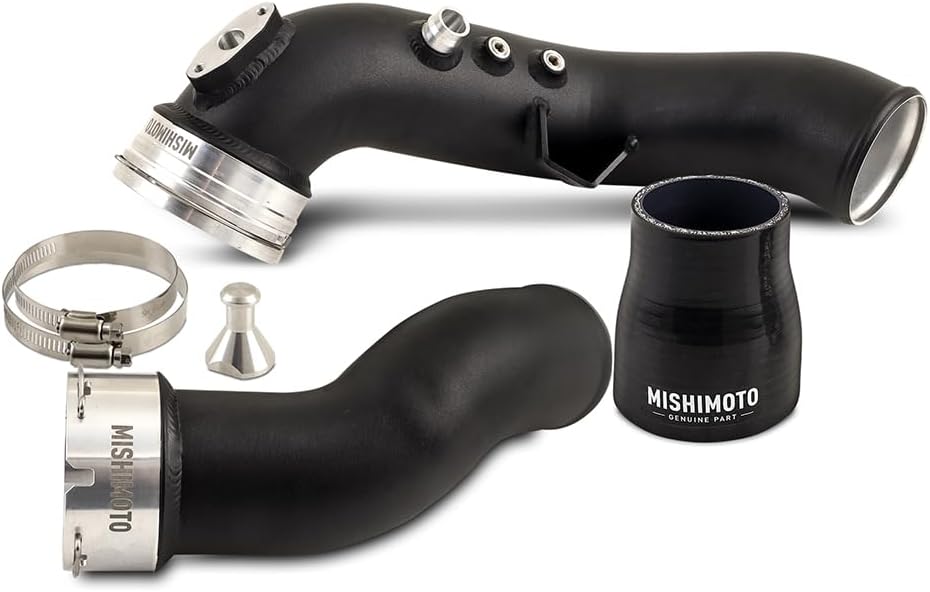
Mishimoto Aluminum Charge Pipe Kit — BMW N55 2011-2018
Mishimoto

B46 B48 Charge Pipe for BMW F30 F32 320i 330i
Aosuracing
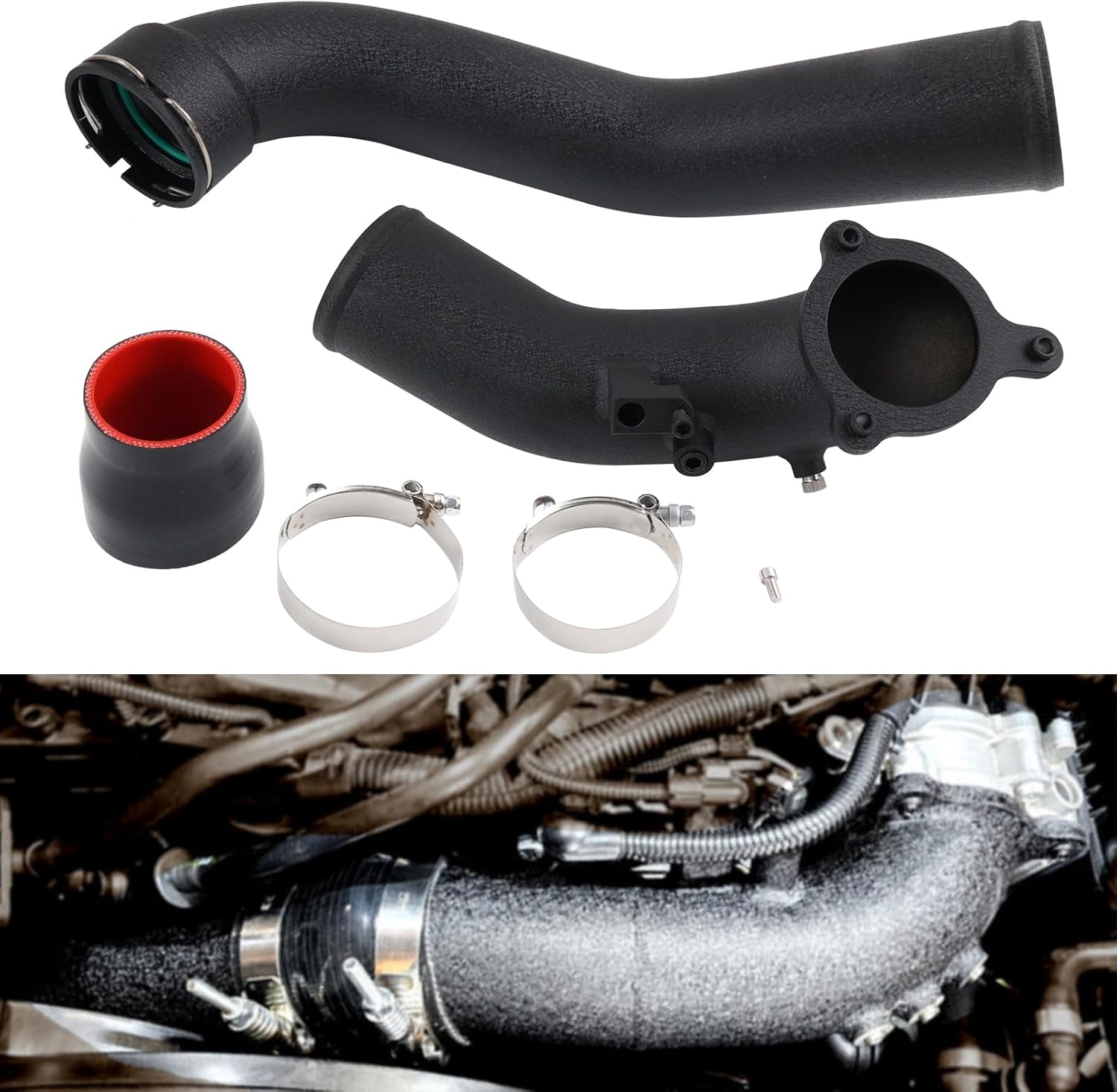
Aluminum Charge Pipe Kit — F20/F30 B58 M240i/340i/440i
RRKEETTXY

VRSF Turbo Charge Intake Pipe Kit for BMW F20 F30 N20 N26 320i 328i 428i
anwenchapey

VRSF Aluminum Turbo Charge Pipe Kit BMW N55 M235i M135i F20 F30 RWD
Autoptzxd

FTP Motorsport N20 Charge Pipe and Boost Pipe Kit for BMW F20 F30 F32
FTP Motorsport

FTP Motorsport N55 Performance Charge Pipe and Boost Pipe V2 for BMW
FTP Motorsport
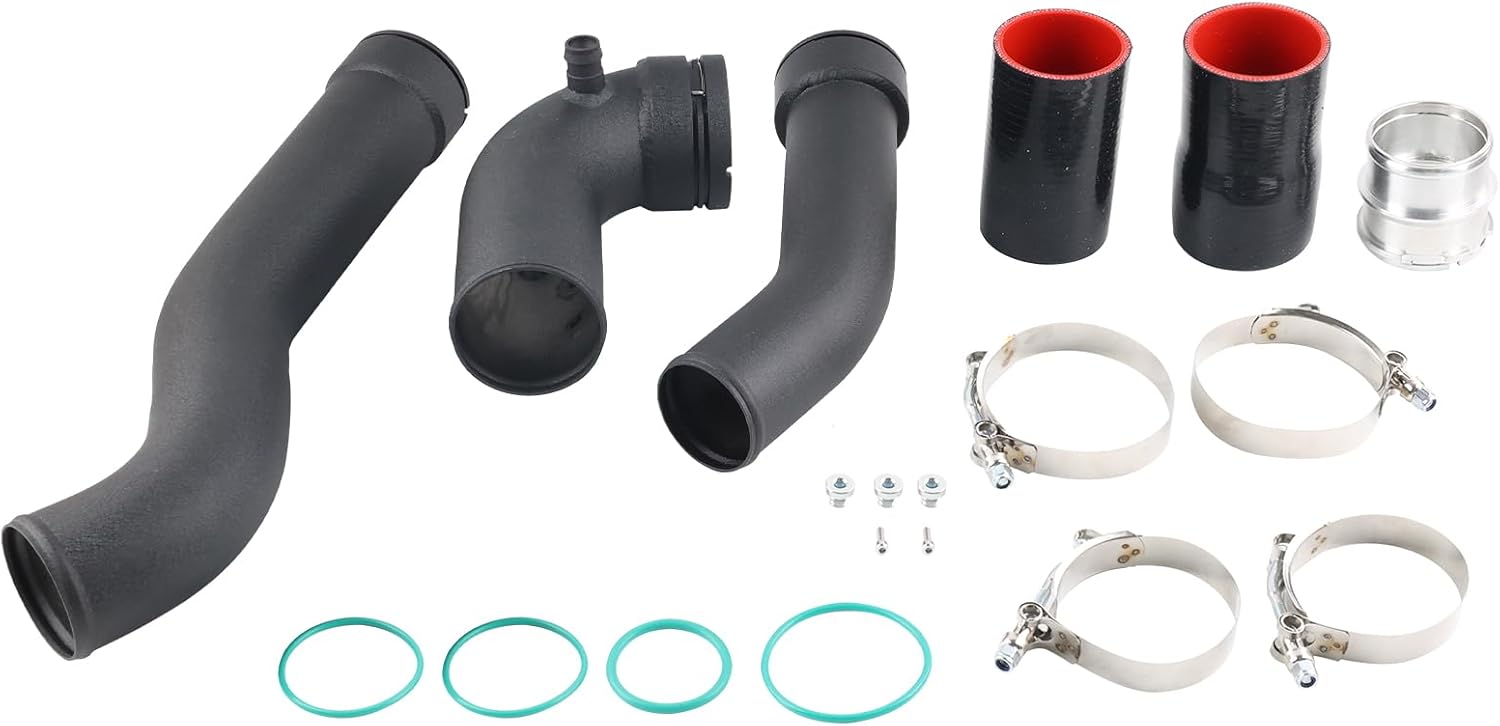
VRSF Charge & Boost Pipe Upgrade Kit for BMW F20 F30 320i 328i 428i N20
BAGARAATAN
More engine parts for the BMW F30
The BMW F30 platform responds exceptionally well to performance upgrades, particularly the turbocharged N55 and B58 engines found in the 335i and 340i variants. For intake upgrades, the Eventuri carbon intake and BMS (Burger Motorsports) drop-in filter are both proven performers that deliver measurable gains without compromising reliability. On the fueling side, upgraded LPFP units from Fuel-It are virtually mandatory once you start pushing beyond stage one tunes on the N55. A MHD or Bootmod3 flash tune is the single highest-value modification you can make, unlocking significant power through revised boost, ignition timing, and fuel maps. Downpipes from Catless or high-flow options from Active Autowerke and Burger Motorsports complement the tune nicely. Charge pipe upgrades from DCI or Agency Power address the factory plastic intercooler pipe weakness that commonly fails under elevated boost. Cooling upgrades through Mishimoto intercoolers keep intake temps in check during sustained pulls. Always address your oil catch can situation early, as the F30 crankcase ventilation system creates significant blowby buildup that contaminates your intake tract and throttle body over time.
BMW Charge Pipes - Stop Feeding Boost to Plastic
If you're running a turbocharged BMW and haven't upgraded your charge pipes yet, you're one hard pull away from a blown OEM pipe and a very bad day on the highway. BMW's factory charge pipes - particularly on the N54, N55, and B58 engines - are notorious for cracking, splitting at couplers, or simply blowing off under sustained boost pressure. This isn't a question of if, it's a question of when, especially if you're running a tune or pushing beyond stock boost levels.
The OEM plastic charge pipe on the N54 (E90/E92 335i, E89 Z4, E82 135i) is the most infamous offender. Under stock conditions it holds up acceptably, but add a JB4, a flash tune, or upgraded turbos and that pipe becomes a liability. The same story plays out on the N55-powered F30 335i, F32 435i, and F22 235i chassis. Even the newer B58 in the G20 330i and G29 Z4 benefits from an aluminum upgrade if you're pushing above stock boost targets.
Upgraded charge pipes are typically CNC-machined aluminum with silicone couplers and quality clamps. The difference in wall thickness alone compared to OEM plastic is dramatic. A cracked charge pipe dumps all your boost pressure, leaving you limping home in limp mode - or worse, sucking an oil mist into your intercooler system. An aluminum pipe eliminates that failure point entirely and often gives you a noticeable seat-of-the-pants difference in throttle response due to the reduction in flex under pressure.
What to Look For - and What to Skip
For the N54 and N55 platforms, Mishimoto and CTS Turbo are the go-to brands with proven fitment and real-world durability. CTS in particular makes a direct-fit aluminum charge pipe kit for the E-chassis and F-chassis cars that requires zero cutting and uses the OEM sensor bungs. VRSF also produces well-regarded aluminum charge pipe kits with thick silicone couplers that hold up well past 30 PSI. For B58 applications, Mishimoto's charge pipe upgrade has become a staple in the G-chassis community. On the diesel side (N57), Burger Motorsports and Dinan offer engineered solutions worth considering.
What to avoid: cheap no-name aluminum pipes with thin walls, loose coupler fitment, or hardware store hose clamps. A $40 eBay kit may look identical in photos, but poor casting quality means rough interior walls that disturb airflow, and undersized clamps that back off under heat cycling. Pay the extra $50-$100 and buy from a brand that stands behind the product.
Also avoid any kit that requires modifying your MAF sensor housing or rerouting vacuum lines unless you're comfortable with the additional complexity. Some budget kits ship without proper sensor port adapters, which will throw codes immediately on drive-by-wire setups.
Install difficulty: On most E-chassis and F-chassis BMWs, a charge pipe swap is a 1-2 hour DIY job with basic hand tools. The N54 upper charge pipe on the E90/E92 335i is the most accessible - a few clamps, one sensor plug, and you're done. The lower pipe requires a bit more patience around the turbo outlet. The F-chassis N55 is similarly straightforward. If you're already planning a intercooler upgrade, do both at the same time - you'll be in that area of the engine bay anyway and the labor overlap makes it practical.
Pair your new charge pipes with quality silicone couplers (most kits include them) and consider upgrading your boost control solenoids at the same time if you're on a tune. A tight, leak-free charge system is the foundation everything else builds on - power, response, and reliability all depend on it.
Bottom line: this is one of the highest value-per-dollar modifications on any turbocharged BMW. Stop running OEM plastic under elevated boost. Pick a quality kit, spend an afternoon in the driveway, and check this off your list before it checks you.