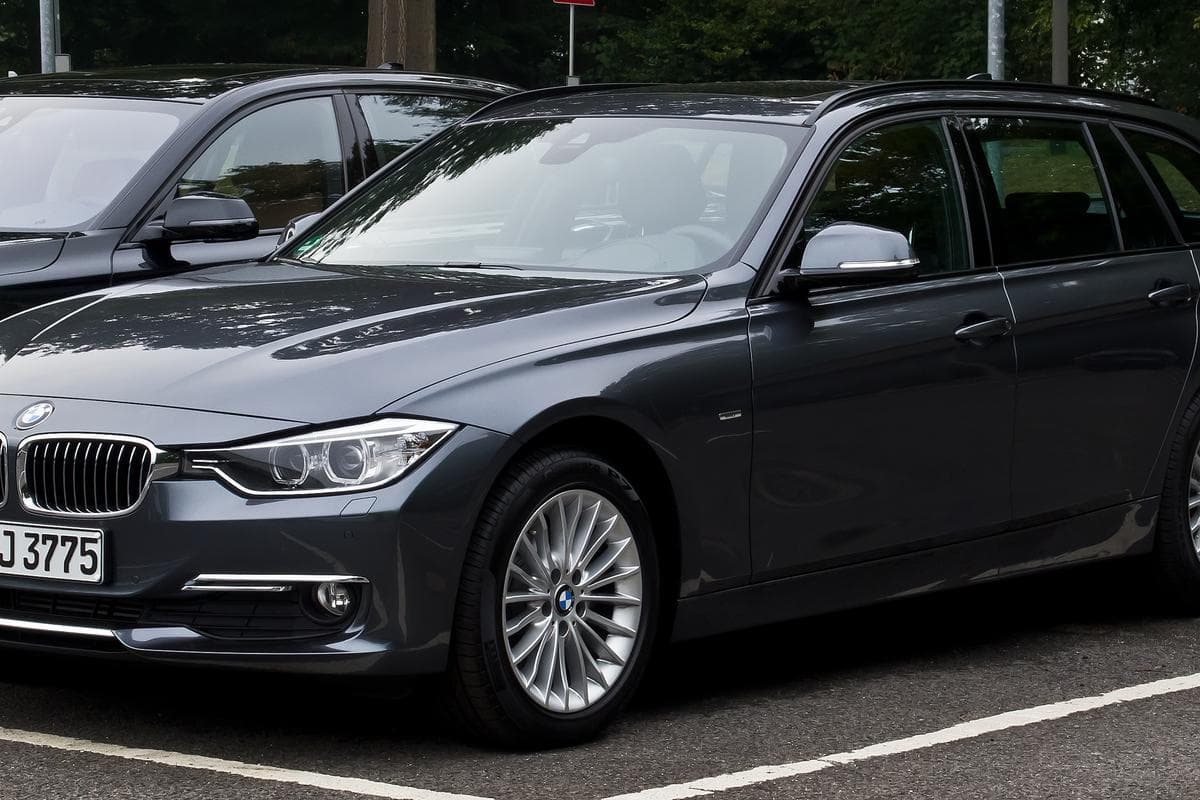
BMW 3 F31 Interior Upgrades
Affiliate disclosure. BimmerTalk is a proud partner of the Amazon Associates Program and Turner Motorsport. We may earn a small commission on qualifying purchases through our links, at no extra cost to you. Read the full disclosure.

Steering Wheels
55 parts for BMW F31
BrowseShift Knobs & Boots
33 parts for BMW F31
BrowseFloor Mats & Liners
11 part for BMW F31
BrowseCarbon Fiber Trim
55 parts for BMW F31
BrowsePedals & Dead Pedals
22 parts for BMW F31
BrowseAlcantara & Upholstery
33 parts for BMW F31
BrowsePopular F31 interior
Hand-picked interior parts that fit the BMW F31 - mid-tier price band, mixed across subcategories.


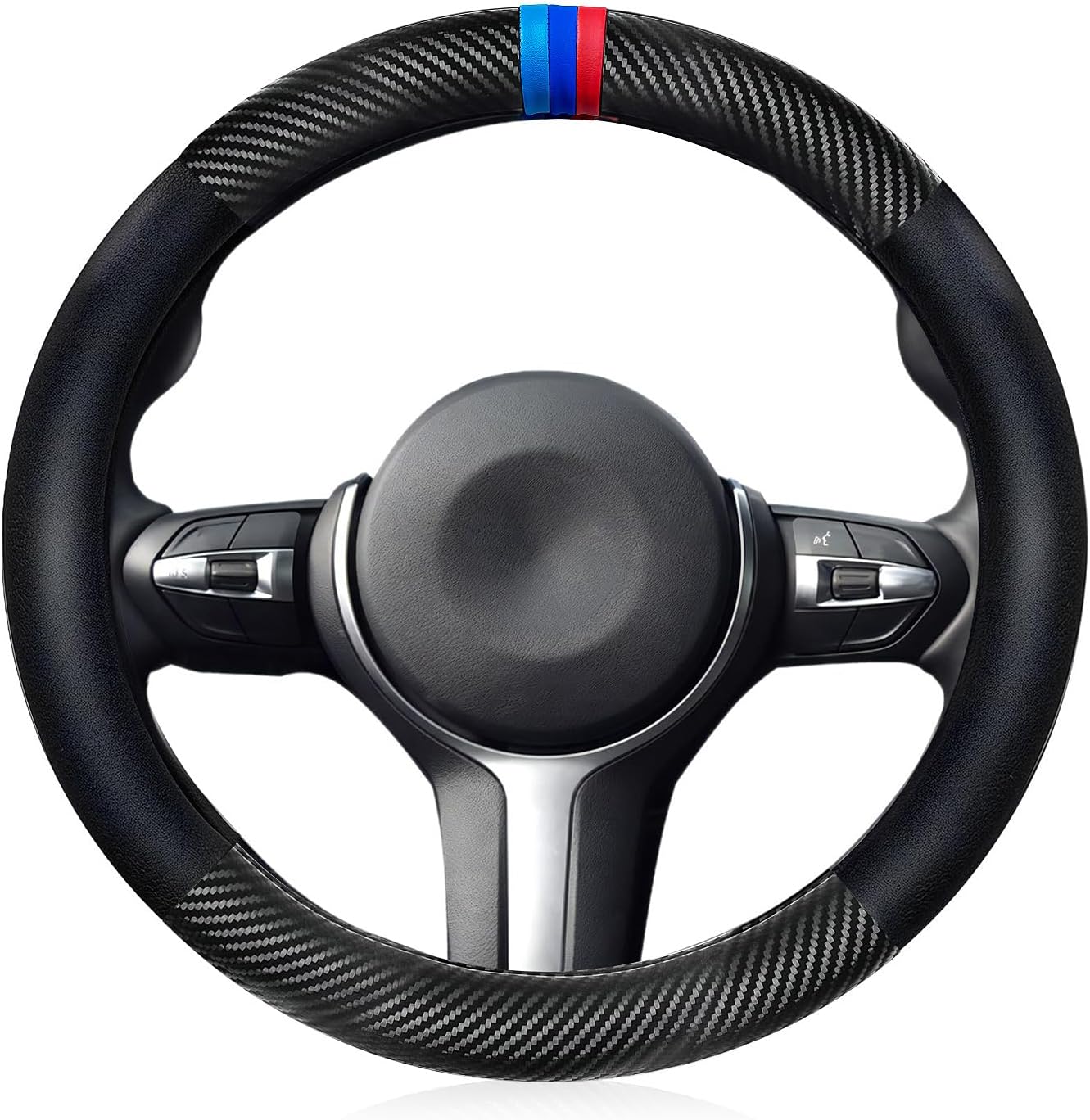


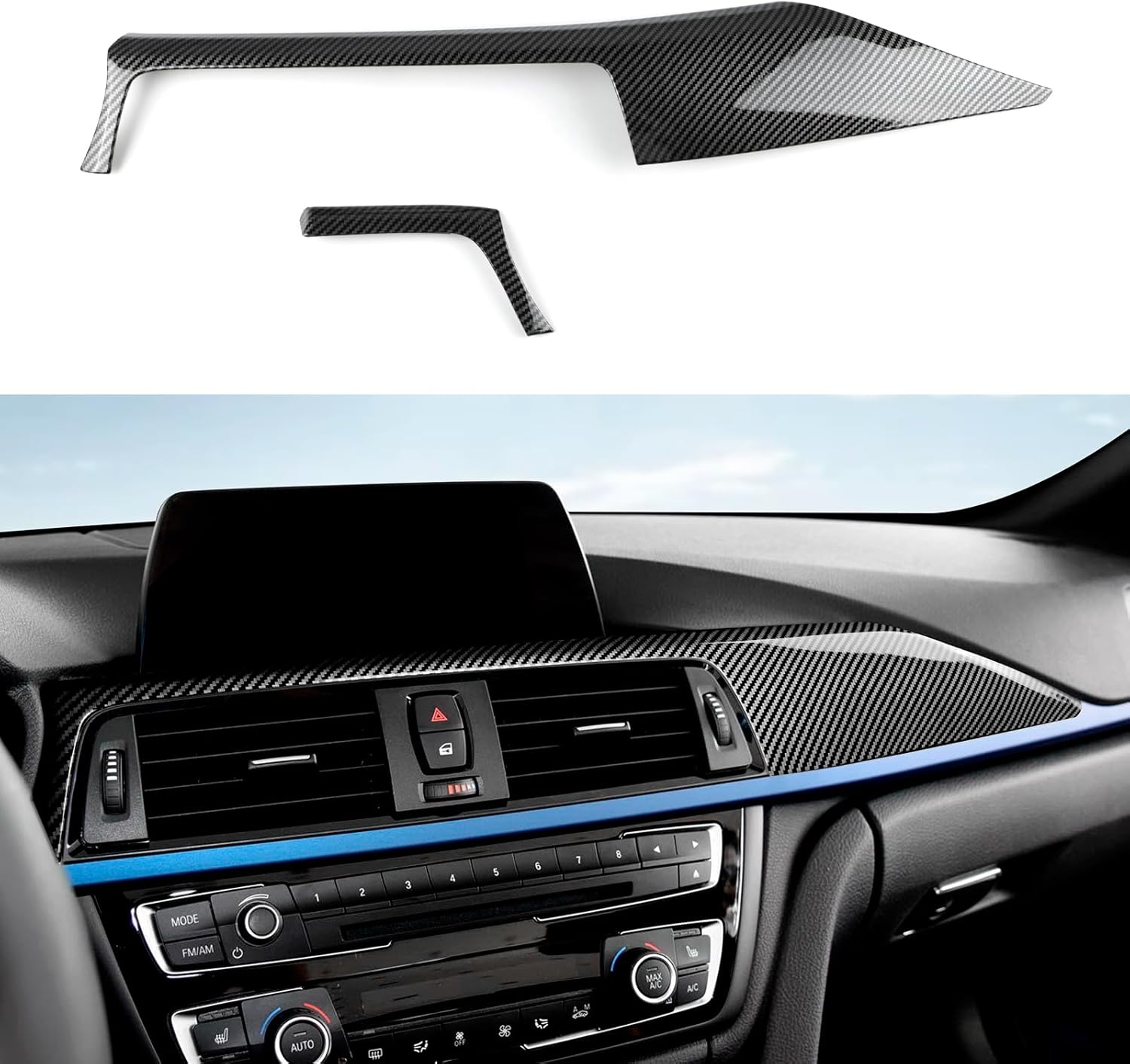


The BMW F31 touring offers a surprisingly rewarding platform for interior upgrades, and experienced technicians see a handful of modifications come through the workshop repeatedly. Swapping the standard steering wheel for an M Sport or M Performance unit dramatically improves driving feel and aesthetics, with genuine OEM parts being the preferred choice over cheaper replicas that can cause airbag warning faults. Upgrading the iDrive system to NBT EVO or retrofitting a larger 8.8-inch or 10.25-inch display via a Bimmertech or Maline retrofit kit transforms the infotainment experience significantly. Ambient lighting retrofits using genuine BMW LED strips tied into the FRM module add a premium feel that the base spec cars lacked from the factory. Carbon fibre interior trim from brands like Renn Motorsport or JL Möbel provides a cleaner, sportier look without the fitment headaches of aftermarket panels. For practical advice, always code new interior components using ISTA or BimmerCode after installation, as uncoded modules frequently trigger fault codes, cause warning lights, and prevent features from functioning correctly on the F31's heavily networked electrical architecture.
Upgrading Your BMW's Interior - More Than Just Looks
If you've been wrenching on BMWs long enough, you already know the interior is where you spend 100% of your time behind the wheel - and factory trim, while decent, leaves a lot on the table once you start pushing the car harder or just want something that feels more dialed-in. Whether you're building a dedicated track E46 M3, refreshing an aging E90 335i, or just trying to get that OEM-plus feel in your G20 330i, the right interior upgrades genuinely change how connected you feel to the car. That's not marketing speak - it's the difference between a Sparco Evo seat that holds you through a 1.2g sweeper and sliding around in the factory sport seat that was designed for commuting, not Gingerman Raceway.
The interior category touches everything from functional safety gear to the stuff that just makes you smile every time you drop into the driver's seat. We're talking Alcantara steering wheels, weighted shift knobs that make the E46's notchy gearbox actually feel good, carbon fiber trim panels that don't look like the cheap eBay stuff, proper harness bars, Schroth harnesses rated for real use, and roll bars that won't fold under load. It's a wide net, but there's a logical order to how you should approach it depending on what you're trying to build.
What to Actually Buy First (and What to Skip Until Later)
Most people start with the cosmetic stuff - floor mats, a shift knob, maybe some carbon fiber trim for the center console. That's fine, but if you're building a car that sees any track time, prioritize the safety hardware first. A proper harness bar rated for your chassis - say an Agency Power or Cusco unit for your F8x M3 or M4 - and a set of Schroth Profi II harnesses should come before you worry about how the interior looks. The S55 in those cars puts out enough power to get you into serious trouble fast, and a lap belt isn't going to cut it if you're doing anything other than street driving.
For shift knobs, the stock unit on most E-chassis cars is undersized and light. Swapping to a weighted aluminum or leather-wrapped knob from Turner Motorsport or even a quality JDM-sourced piece genuinely improves shift feel on the ZF 6-speed. On the G-chassis cars with their electronic shifters, the options are more limited, but companies like MODE Designs and Eventuri have been expanding their interior lineup. Just make sure whatever you're buying is chassis-specific - a shift knob listed as "universal" is almost never a clean fit.
Steering wheels are another area where fitment matters enormously. If you're running an airbag delete for track days, companies like NRG and MOMO offer quality quick-release setups, but you'll need the correct hub adapter for your specific chassis. Don't assume an F30 adapter works on an F32 - verify before you buy. For street cars keeping the airbag, OEM-style recovered wheels from shops that specialize in Alcantara and leather re-wrapping are usually the better call over a full replacement.
Carbon fiber trim is an area where quality variance is massive. The cheap stuff from overseas sellers has pattern mismatch, air bubbles, and finish that doesn't survive UV exposure. Brands like Rennline and AutoTecknic use proper dry carbon or at minimum high-quality wet carbon with UV-clear coat. The price jump is real, but so is the difference when it's sitting in your N54-powered 135i.
Racing seats and brackets deserve their own conversation. A Recaro Pole Position or Sparco Rev is great, but the seat bracket is where people make expensive mistakes. You need a bracket that positions the seat correctly for your height relative to the steering wheel and pedals. Rennline makes excellent chassis-specific brackets for most BMW platforms. Also consider FIA expiration dates - harnesses and seats used in competition have a six-year window from manufacture date, not purchase date. Check the tags before you buy used.
Don't overlook gauges and gauge pods if you're running a modified powertrain. An AEM or Defi boost gauge is nearly mandatory on any turbocharged build - the factory boost readout in the iDrive is delayed and approximate. Pair it with a wideband O2 if you're doing any tuning work alongside your Chips & Software upgrades. The N54 and B58 both respond well to ethanol content monitoring, and having that data on a physical gauge in your line of sight is infinitely more useful than diving into menus while you're driving.
Tying the Interior Build Into the Bigger Picture
Interior upgrades rarely happen in isolation. If you're putting in a harness and roll bar, you're probably also looking at brake upgrades for track days - you don't want to be lapping with stock pads once you've removed the airbag system. If you're building a proper track car, the interior work goes hand-in-hand with aero and body work to reduce weight while adding downforce. Pulling the rear seats, adding a harness bar, and fitting lightweight carbon panels can shave meaningful weight on an E92 M3 - and that car already has a good power-to-weight ratio before you touch the S65.
The bottom line: buy quality, buy chassis-specific, and think about how each interior piece connects to how you actually use the car. A well-sorted interior makes every mile better - whether that's a morning commute in your daily F30 or a full day at the track in a stripped E36. Shop with intent, not impulse.