
Wheel Spacers for BMW 4 F32
Affiliate disclosure. BimmerTalk is a proud partner of the Amazon Associates Program and Turner Motorsport. We may earn a small commission on qualifying purchases through our links, at no extra cost to you. Read the full disclosure.


Centric Hub Centric Wheel Spacers for BMW 4 Series F32 F33
Centric
Centric Hub Centric Wheel Spacers for BMW 4 Series F32 F33
Centric

Centric 20mm Hub-Centric Wheel Spacers for BMW F30 F10 F32 F22 5x120
Centric

Centric Bolt-On Hub Centric Wheel Spacers 5x120 for BMW F30 F10 F32 F22
Centric

Centric 10mm and 12mm Staggered Hub Centric Wheel Spacers for BMW 5x120 72.56mm
Centric
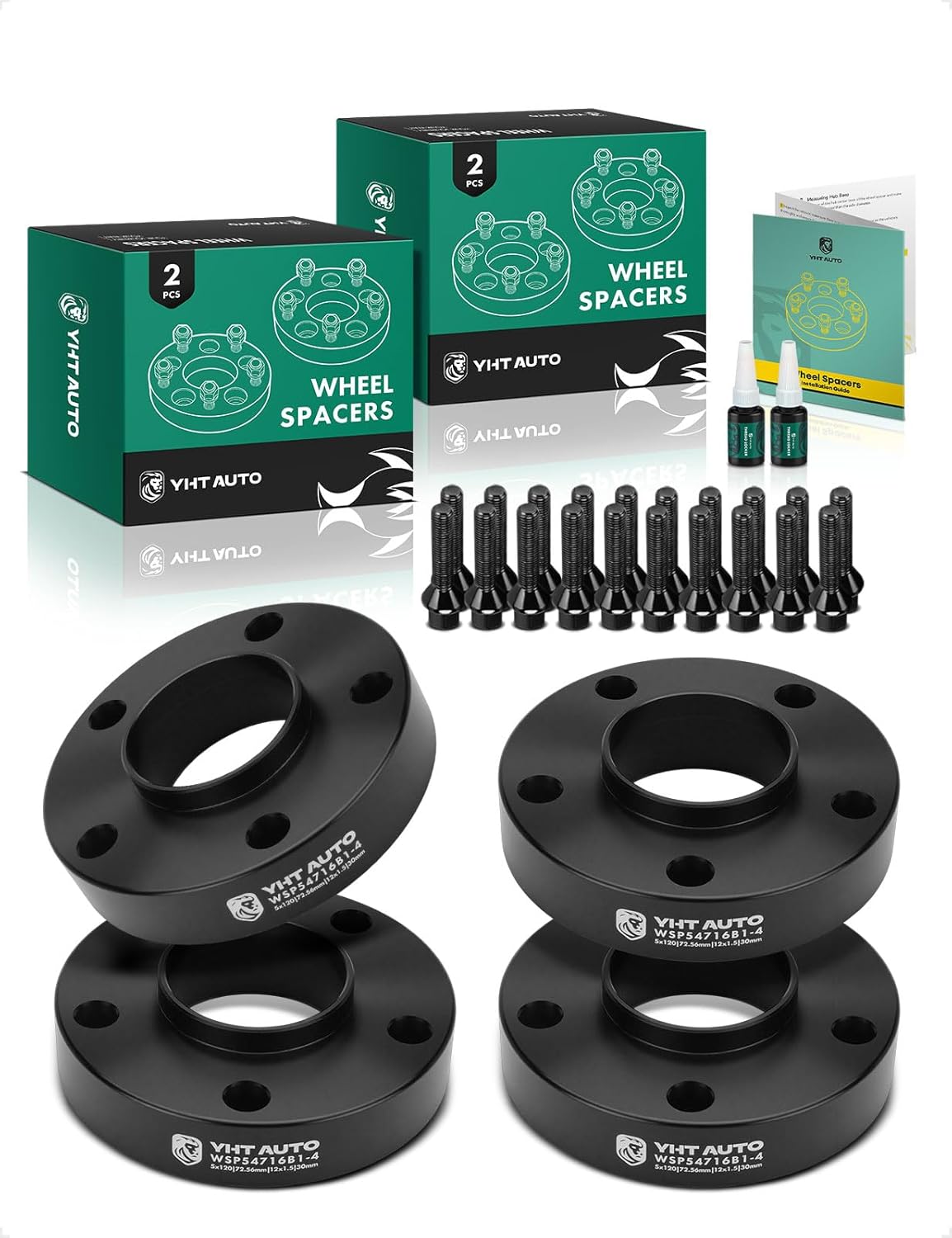
YHTAUTO 5x120 Hubcentric Wheel Spacers 30mm — BMW 5-Lug (4PCS)
YHTAUTO

Centric 5x120 Hub Centric Wheel Spacers for BMW F30 F10 F32 F80 F82 72.56mm Bore
Centric
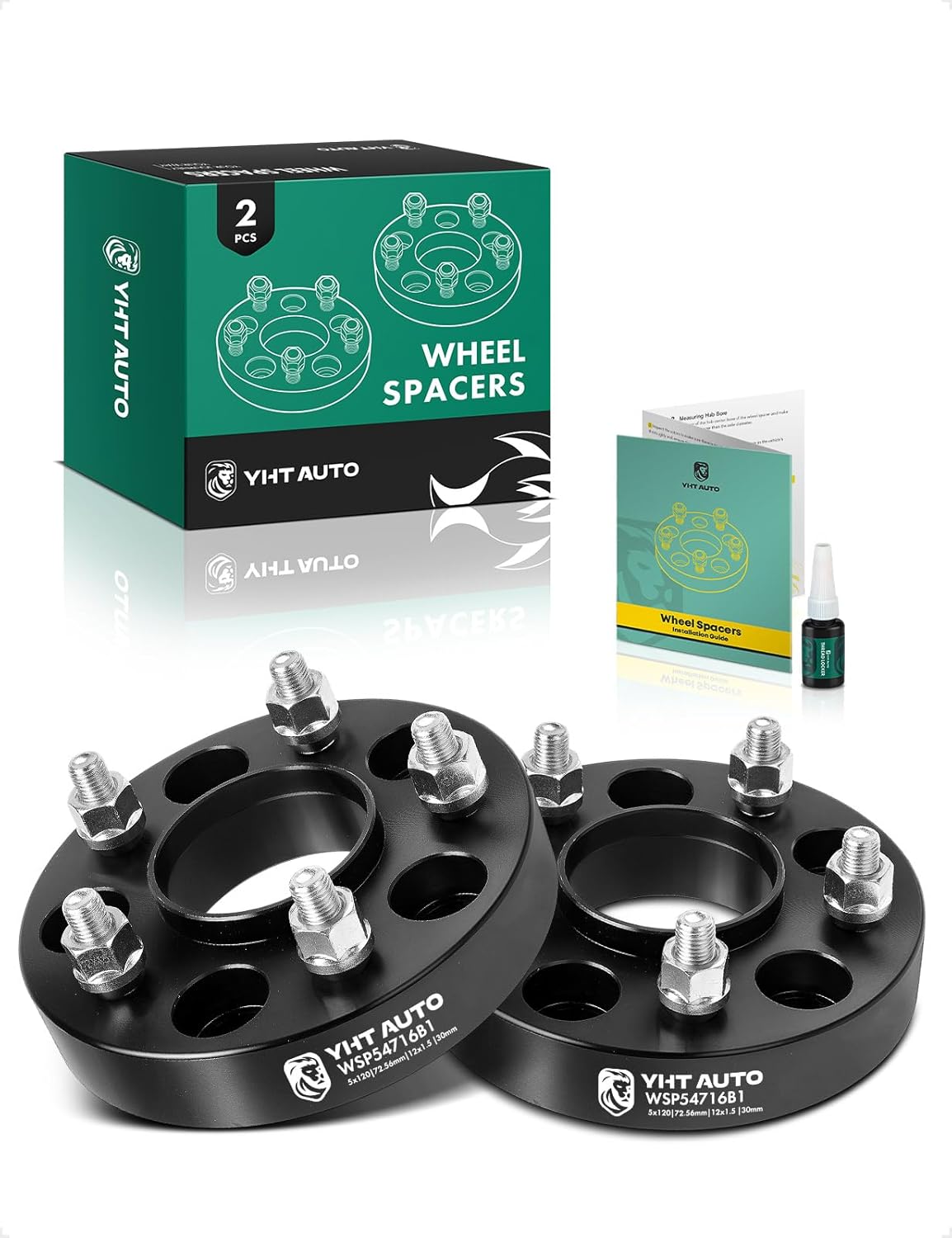
YHTAUTO 5x120 Hub Centric Wheel Spacers 30mm — BMW (Pair)
YHTAUTO

Centric 5x120 Hub Centric Wheel Spacers for BMW F-Series 20mm Black
Centric

YHTAUTO Hub-Centric Wheel Spacers 10mm 5x120 — BMW E/F Chassis (2pc)
YHTAUTO

ECCPP 20mm Hub-Centric Wheel Spacers 5x120 — E46/E9x/E6x (4-Pack)
ECCPP

Wheel Accessories Parts Hub Centric Wheel Spacer 30mm — 5x112
Wheel Accessories Parts

Turner Motorsport 12.5MM Wheel Spacers with Bolts for BMW F10 F22 F30 F32
Renn Motorsport
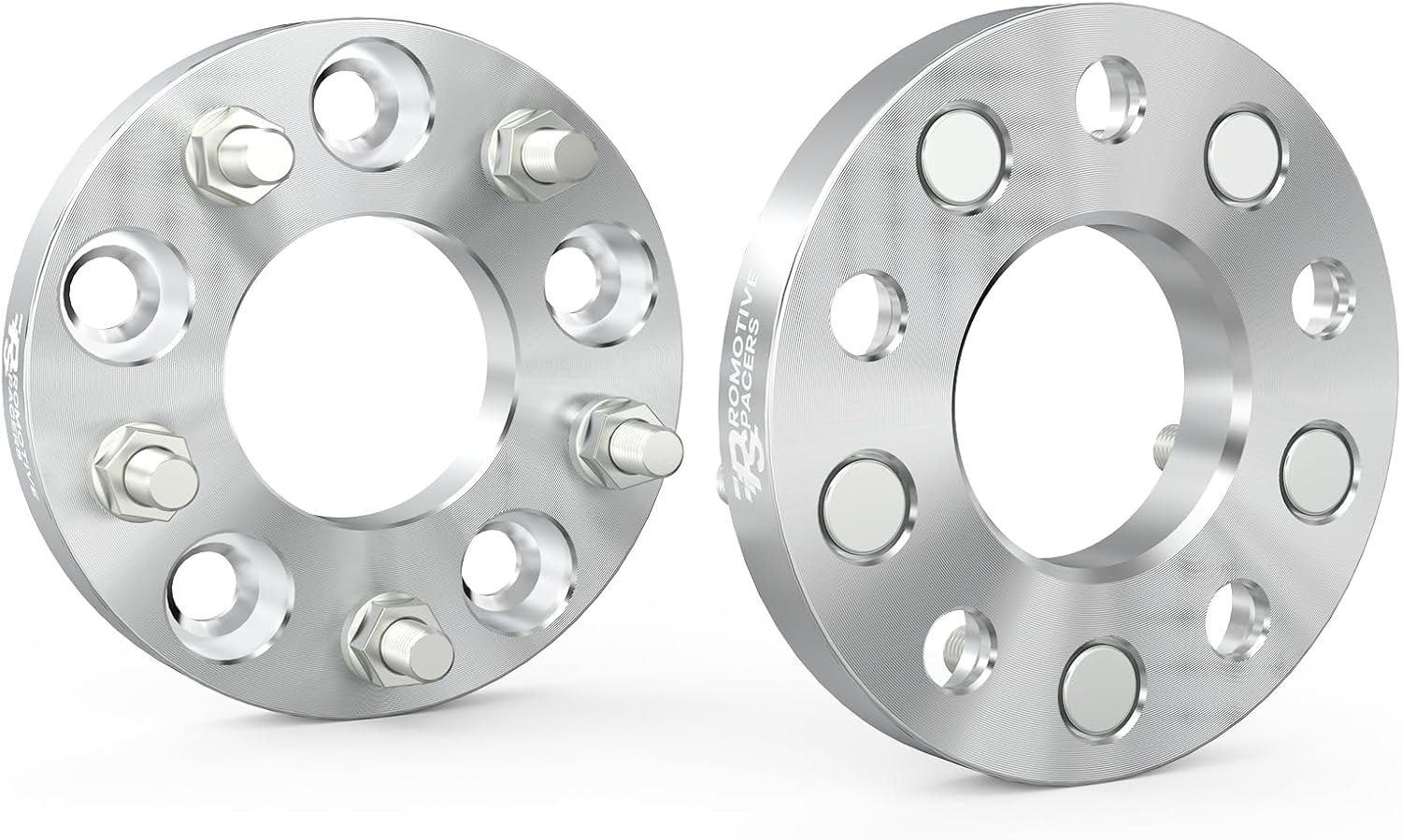
Promotive Spacers 5x120 to 5x112 Wheel Adapters 20mm — BMW
PROMOTIVE SPACERS
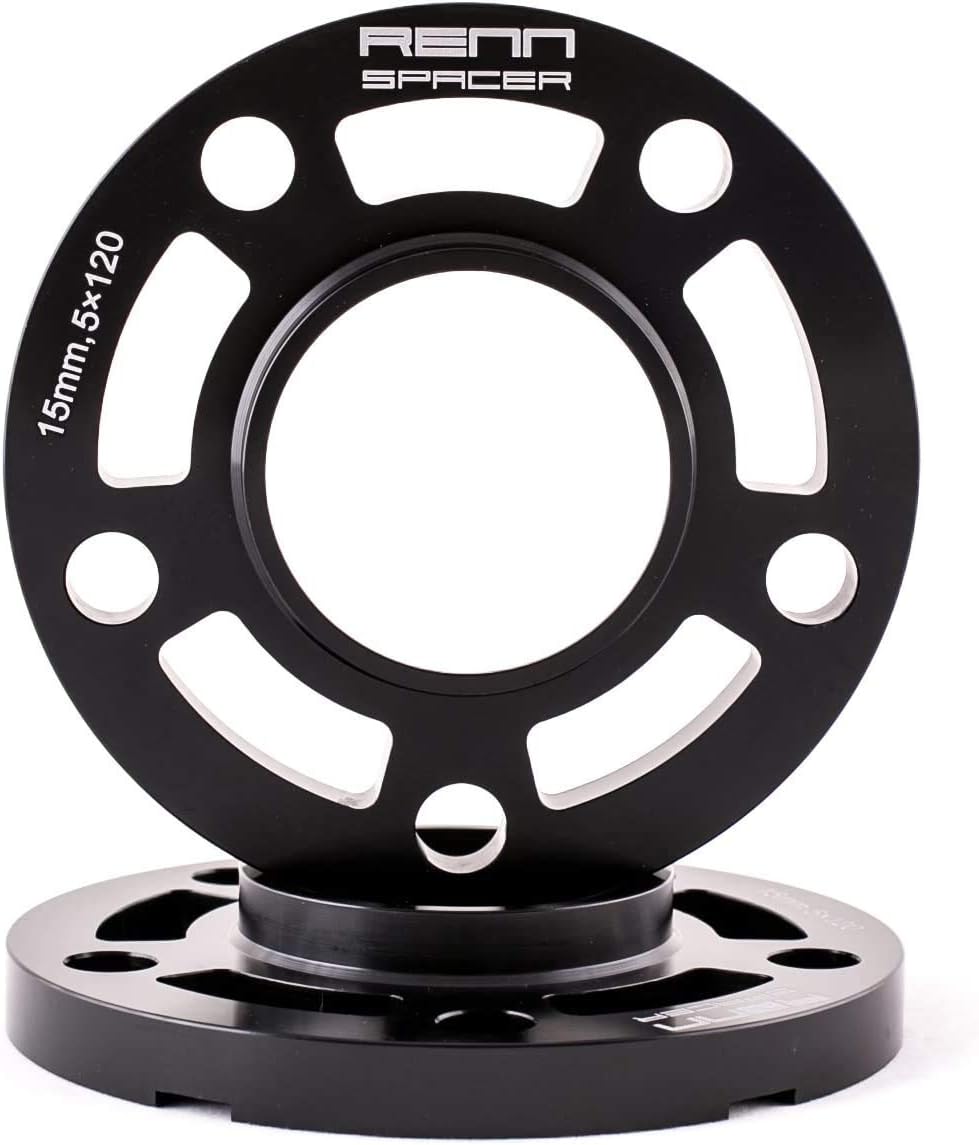
Turner Motorsport 15MM Wheel Spacers for BMW F10 F22 F30 F32 F80 F82
Renn Motorsport
More wheel and tire options for the BMW F32
When it comes to wheels and tires on the BMW F32 4 Series, the factory setup is a solid starting point, but there's plenty of room to improve both aesthetics and performance. Popular wheel choices among enthusiasts include the BBS CH-R and CI-R, which offer excellent strength-to-weight ratios and fit the F32's aggressive styling perfectly. Vorsteiner and HRE wheels are also strong contenders if you're chasing a more track-focused or premium look. For sizing, most F32 owners run 19x8.5 ET30 up front and 19x9.5 ET22 in the rear for a staggered setup without excessive rubbing. On the tire side, Michelin Pilot Sport 4S and Continental ExtremeContact Sport tires are consistently recommended for their balanced street and spirited driving performance. If you're running the xDrive variant, stick with a square setup to avoid drivetrain stress. Before purchasing any wheel, always verify your offset, hub bore - the F32 uses a 66.6mm center bore - and load rating. A proper hub-centric ring is non-negotiable if you're running aftermarket wheels to eliminate vibration and protect your wheel bearings long-term.
BMW Wheel Spacers - Get the Fitment Right the First Time
Wheel spacers are one of the most effective - and most misunderstood - upgrades you can bolt onto a BMW. Done right, they tuck your wheels flush with the fenders, sharpen steering feel, and give your build a stance that actually looks intentional. Done wrong, they'll chew through wheel bearings, throw shimmy into your steering, and potentially send a wheel across a highway. The difference almost always comes down to what you buy and how it's installed.
For most E90/E92 3 Series builds, a 10–15mm spacer on the front and 15–20mm on the rear hits the sweet spot without pushing past the fender lip. The F30/F31 platform responds similarly, though the wider factory track means you can often go slightly more aggressive - 20mm rear spacers on an F30 335i with a decent wheel offset look factory-clean. On the E46, a classic 15mm rear spacer is almost a rite of passage. Owners running the F10 5 Series and F13 6 Series frequently go 12–15mm up front and 18–20mm rear to fill those wide arches properly. For the E70/F15 X5 crowd, expect to run 20–25mm all around to get meaningful visual correction on a wider platform.
Hub-centric construction is non-negotiable. BMW's bolt pattern is 5x120 across most modern chassis, and the hub bore varies - 72.6mm is standard on E and F-series models, while some older E36 and E46 cars run 57.1mm. A spacer that centers on the lug bolts instead of the hub will vibrate. Period. Stick with brands that machine their spacers to exact BMW specs: H&R, Turner Motorsport, Spiegelburg (APEX), and ECS Tuning's house brand all offer properly hub-centric aluminum spacers with the correct bore and matched lug hardware. H&R's DRM (Direct Bolt-On) spacers in particular include extended studs already pressed in, which is the preferred setup over using separate bolt-on adapters for anything 15mm and under.
Here's what separates a safe install from a liability: torque specs and thread engagement. BMW factory lug bolts are M14x1.25. When you add a spacer, you need longer bolts - typically adding the spacer thickness plus 10–12mm of additional engagement as a minimum. Gorilla and OEM-spec lug bolts work fine; avoid cheap zinc castings from no-name kits. Torque to 103 ft-lbs (140 Nm) on most E and F-series platforms, retorque after 50–100 miles of driving. That retorque step gets skipped constantly and it's exactly how spacers develop looseness over time.
Install difficulty is genuinely low - a floor jack, breaker bar, and torque wrench is all you need. The bigger variable is corrosion. On high-mileage E-chassis cars especially, the hub surface can be pitted and uneven, which prevents the spacer from seating flat. Clean the hub face before install. Anti-seize on the hub contact surface (not the lug threads) prevents the spacer from bonding to the hub over time, which makes future removal significantly easier.
One thing to actively avoid: stacked spacers. If you're running a 10mm and need more width, buy the correct larger size. Two spacers multiplies any runout issues and adds unsprung weight in the worst way. Also skip any kit that doesn't include OEM-grade lug hardware - that's the brand telling you exactly how seriously they take the application.
If you're also reconsidering your wheel setup altogether, browse our aftermarket BMW wheels section for fitment-specific options that might eliminate the need for spacers entirely. And if you're dialing in suspension geometry alongside your track width, our BMW coilover kits page covers the ride height and camber changes that interact directly with your spacer choice.
Buy hub-centric, use proper hardware, torque it correctly, and check it again after break-in. That's the whole job.