
Wheels for BMW 4 F32
Affiliate disclosure. BimmerTalk is a proud partner of the Amazon Associates Program and Turner Motorsport. We may earn a small commission on qualifying purchases through our links, at no extra cost to you. Read the full disclosure.
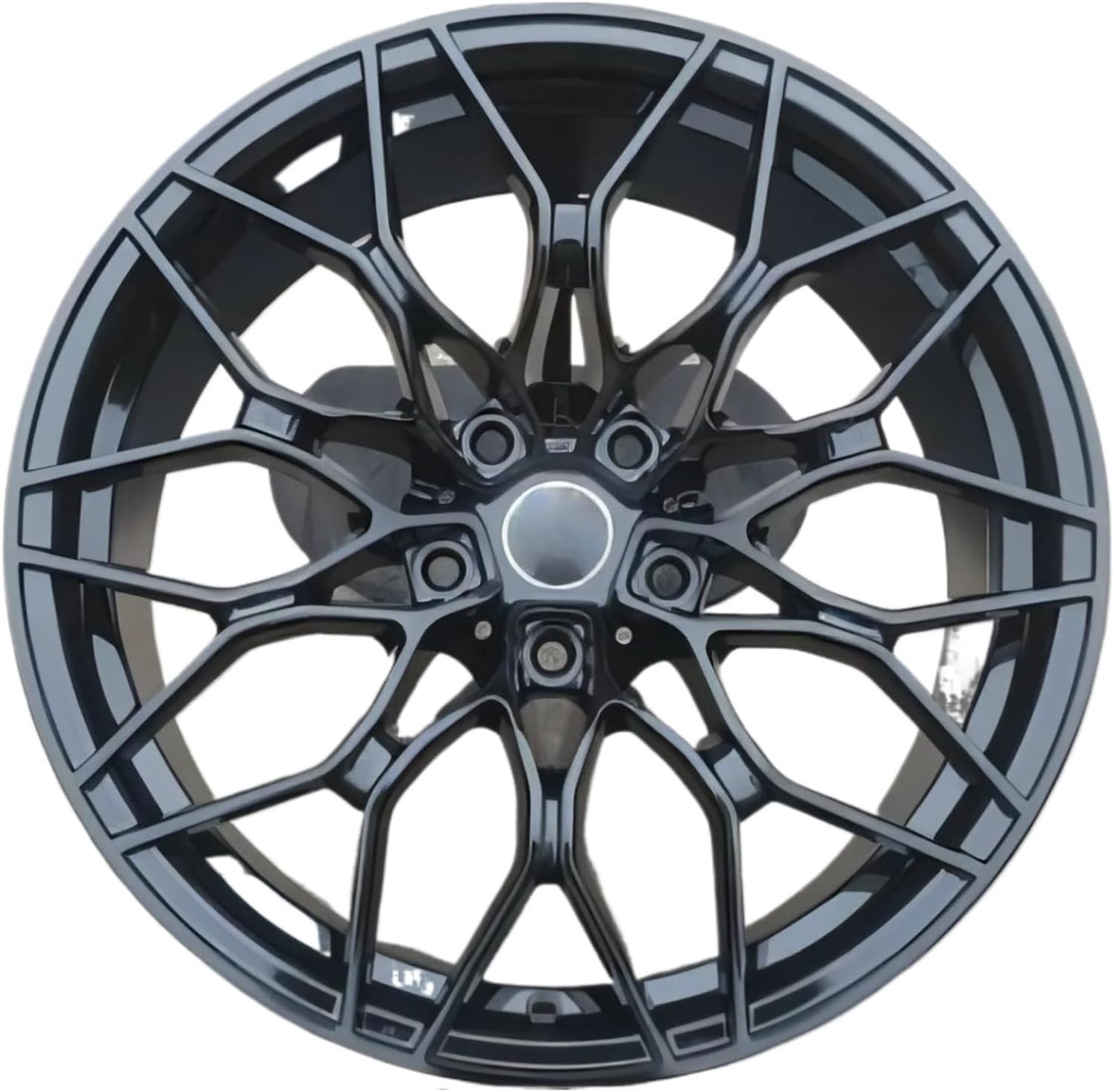
HLOMAUD 18/19 Inch 5x120 Alloy Wheel Rims for BMW 3 & 5 Series (Set of 2)
HLOMAUD

BDWYFAC BBS FI-R Replica Forged Alloy Wheels Satin Black 19" for BMW
BDWYFAC

Circuit Performance CP30 19x8.5 Gloss Gun Metal Wheel for BMW (5x120 +35mm)
Circuit Performance
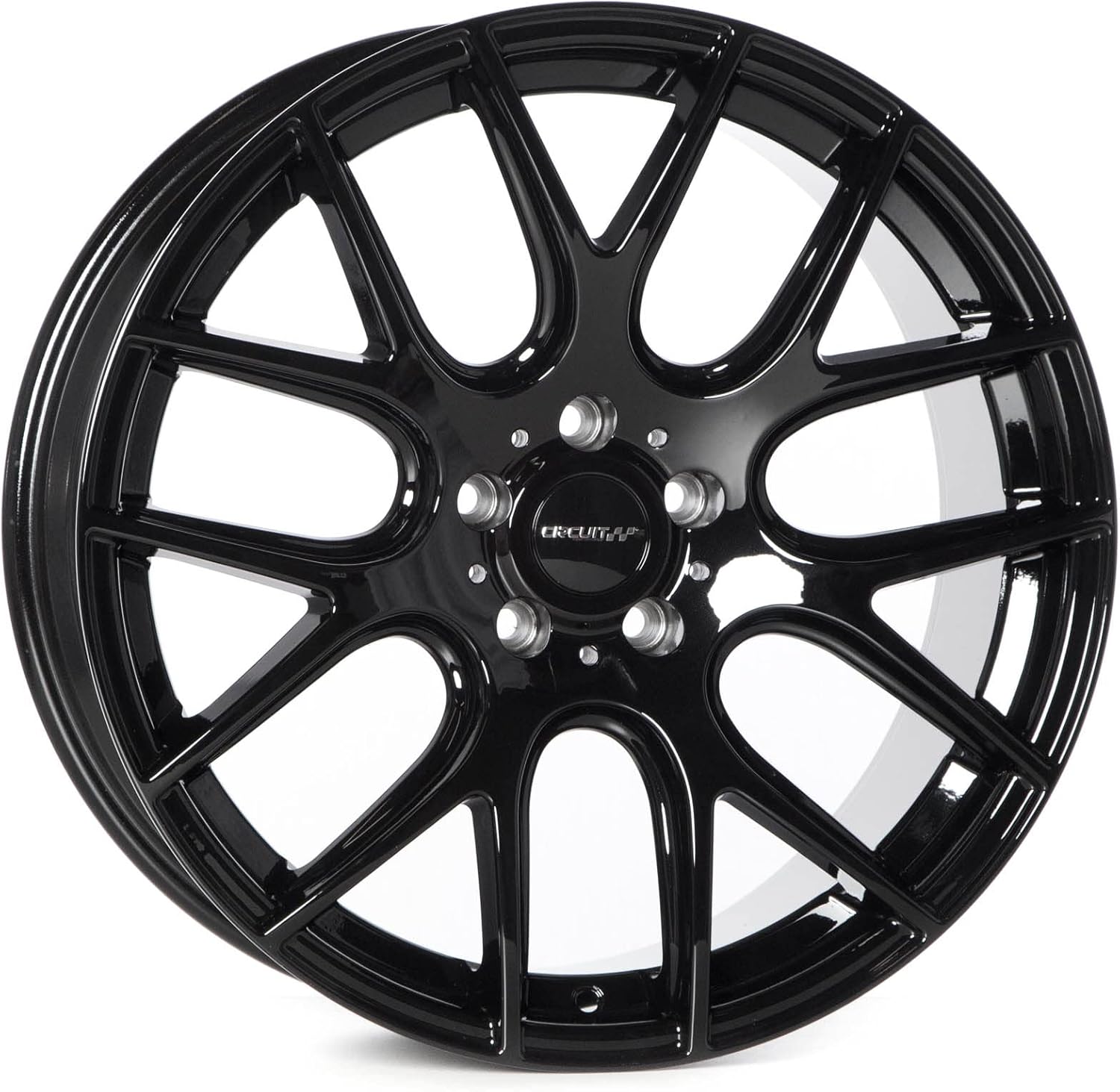
Circuit Performance CP31 Gloss Black Wheel — 19x8.5 5x112 +35mm
Circuit Performance

Circuit Performance CP30 18x8 Gloss Silver Wheel for BMW 5x120 +35mm Offset
Circuit Performance

Circuit Performance CSF11 19x8.5 Gloss Black Wheel for BMW 5x120 +35mm
Circuit Performance
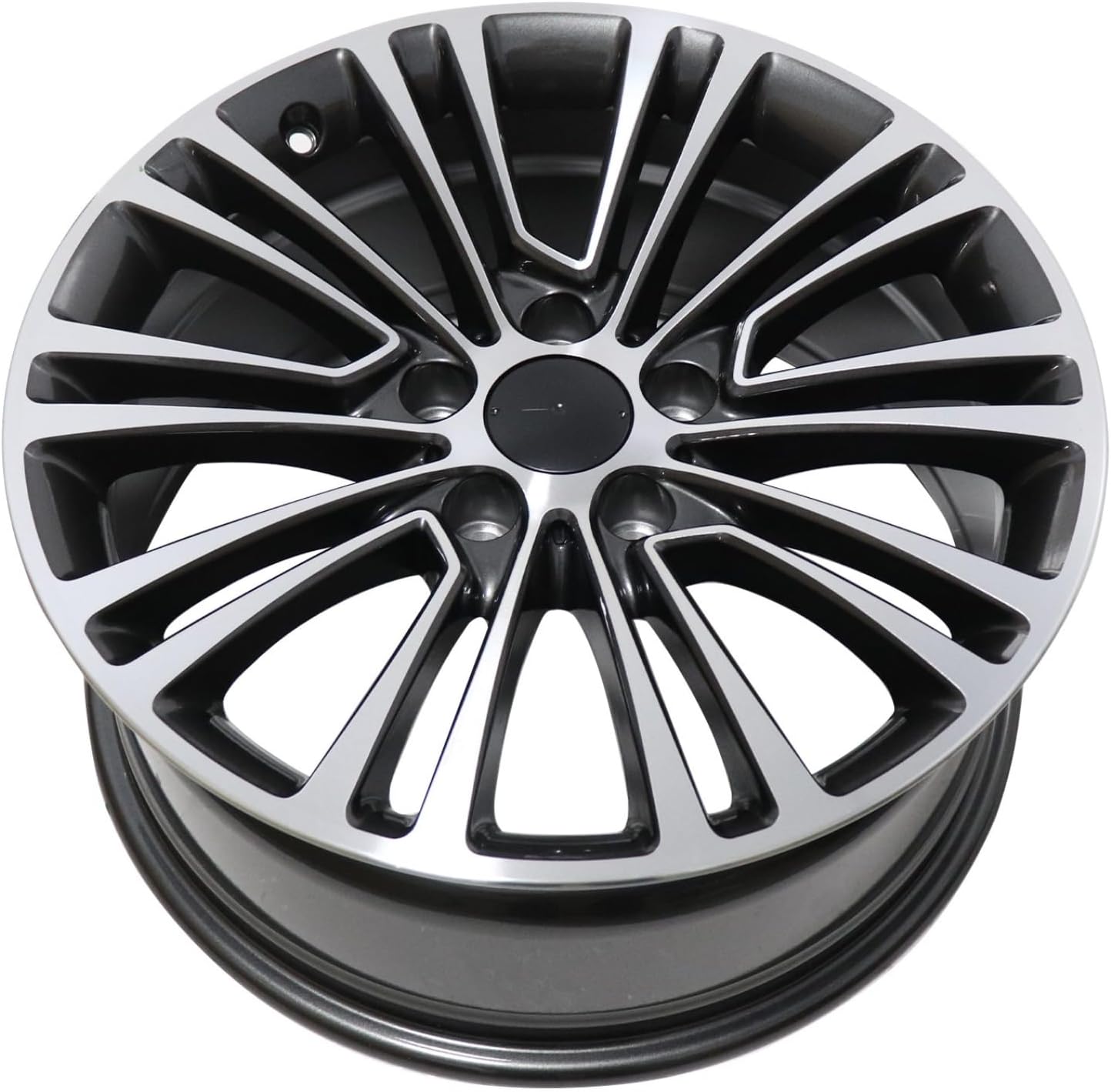
Priprilod 18x8 Inch Aluminum Alloy Wheel Rim 5x120 for BMW 5 Series
Priprilod

Circuit Performance CSF11 - 18x8 Wheel for BMW 5x120
Circuit Performance

BVBNMB 19in Staggered 10-Spoke Alloy Wheels — BMW 5x120
BVBNMB

Wheel Pros 19" Matte Black Staggered Wheels Set for BMW E82 E90 F30 F10
Wheel Pros

Circuit Performance CP30 Gloss Silver Wheel 19x9.5 — 5x120 BMW Fitment
Circuit Performance
More wheel and tire options for the BMW F32
If you own a BMW F32 4 Series coupe and you're looking at aftermarket wheels, you already know the car deserves better than the stock rubber-band-tire look most trims shipped with. The F32 is one of the better-looking two-door chassis BMW has put out in the last decade - the roofline works, the haunches are actually proportionate, and a proper set of wheels can take it from "nice car" to something that genuinely stops people in a parking lot. I've spent time around enough of these cars - helping friends with fitment, reading through the forum threads, and sourcing parts - to give you a real, honest breakdown of what works, what doesn't, and what you should actually spend your money on for BMW F32 aftermarket wheels.
This page covers the full picture - brand options ranked with real price data, fitment specifics that matter on the F32 chassis specifically, offset traps that catch people off guard, how wheels interact with suspension changes (because if you're going wider, you're probably also lowering), and my honest editor's picks by use case. Whether you're building a weekend track toy, a clean daily, or a show-and-shine coupe, the information here is specific enough to actually help you make a decision.
Why F32 Owners Upgrade Their Wheels - the Real Reasons
The stock wheels on the F32 are not offensive, but they're also not special. BMW shipped the base F32 428i on 18-inch wheels that look appropriate on a compact sedan but feel visually undersized on a wide coupe body. Even the F32 435i and later F32 440i M Sport packages gave you 18s or 19s that were chosen for tire cost and ride compliance rather than visual impact or performance weight savings.
Here's why most F32 owners I've talked to actually make the jump to aftermarket:
- Visual proportion - The F32 body has wide rear arches. BMW's OEM 18-inch wheel with a 235-wide tire looks small in there. Most aftermarket builds go to a 19-inch staggered setup specifically because it fills the arch the way the body deserves.
- Unsprung weight reduction - Even a modest drop from OEM cast wheels to a quality flow-formed aftermarket set can be 1.5 to 3 pounds per corner. On a B58 or N55 car that you're also tuning, that's real chassis response improvement.
- Tire selection flexibility - Moving to aftermarket wheels lets you pick your tire width, profile, and sidewall independently of what BMW's OEM fitment constrains you to. If you want a square setup for rotation flexibility or a specific track tire that doesn't come in OEM sizing, you need aftermarket wheels.
- Worn or damaged OEM wheels - The F32 has been on the road long enough that plenty of used examples show up with curb-rashed or cracked OEM wheels. At that point, aftermarket is often cheaper than factory replacement anyway.
- Brake clearance for upgraded brakes - If you're running bigger front brakes (which the F32 435i and 440i support well given the N55 and B58 power levels), you may need wheels with specific spoke geometry and minimum brake pocket depth. OEM wheels don't always accommodate big brake kits cleanly.
All of those are legitimate reasons and they're not mutually exclusive. My view is that wheels are one of those upgrades where you should plan the full picture before you buy - because the wheel choice affects your suspension setup, your tire choice, your brake clearance, and your overall handling balance. If you're already planning to lower the car, read the fitment section of this page carefully before you order.
F32 Chassis Basics You Need Before You Order Anything
The F32 is the coupe variant of the F30 platform. It shares its front suspension geometry and rear subframe architecture with the F30 sedan and F36 Gran Coupe, which matters because a lot of wheel fitment data across those three chassis is transferable. The key dimensions that govern wheel fitment on the F32 are:
- Front bolt pattern - 5x120mm
- Rear bolt pattern - 5x120mm
- Center bore - 72.6mm (hub-centric rings required for most aftermarket wheels that run a larger bore)
- Stock front offset range - approximately ET34 to ET40 depending on trim and OEM wheel size
- Stock rear offset range - approximately ET31 to ET36 depending on trim and wheel size
Those offset numbers matter a lot. The F32 front suspension uses a double-joint spring strut setup that gives you somewhat more offset tolerance than an older MacPherson design, but it's not unlimited. Once you start pushing into lower offset numbers (more aggressive, more poke) on the front, you start fighting the strut under compression - and that's where rubbing happens, especially on lowered cars. More on that in the fitment section.
The other chassis variable that matters for the F32 specifically versus the F30 is rear clearance. The F32 has slightly different rear wheel arch geometry because of the coupe body, and in practice most owners find the rear is actually more tolerant of wider fitments than the front. A 275-wide rear tire on a 9.5-inch wide wheel works on the F32 in a way that would be harder to pull off on a same-offset front setup.
Engine variants on the F32 range from the N20-powered 428i, to the N55-powered 435i, to the B58-powered 440i in later production. The engine doesn't directly affect wheel fitment, but it does affect how much you're likely to care about unsprung weight and brake sizing - higher-output cars benefit more from lighter wheels and need more attention to brake clearance.
The Brands That Actually Matter for F32 Aftermarket Wheels
The BMW aftermarket wheel market is enormous and a lot of it is noise. There are hundreds of brands that technically fit a 5x120 bolt pattern, but that doesn't mean they're appropriate for an F32 - either from a quality standpoint or a fitment-engineering standpoint. Based on what consistently shows up in real F32 builds across forums and in real-world use, here are the brands worth your attention.
I've used data from Kipardo Racing's BMW wheel lineup and Element Wheels' BMW catalog for current pricing context, along with real fitment reports from the Bimmerpost F30/F32 wheel fitment thread which is one of the most useful ongoing references for this chassis.
BBS - The Default Answer for a Reason
BBS is the brand that comes up first in almost every serious BMW wheel conversation, and it's not because of marketing spend - it's because their engineering is genuinely good. The BBS RS-GT, BBS CH-R, and BBS LM are the models that show up most often on serious F32 builds. The CH-R in particular is a flow-formed wheel that gives you better weight numbers than a cast wheel at a lower price than full forged, and it's consistently one of the more recommended choices for an F32 that sees occasional track days.
Price reality for BBS on an F32: you're looking at high four figures for a set by the time you configure the size and finish you want. It's not cheap. But the resale value holds, the quality control is consistent, and the weight savings over OEM cast wheels are real and measurable. If you're building a car you plan to keep for a while and you want one set of wheels that does everything well, BBS is the honest answer.
For F32 fitment specifically, BBS offers enough offset options in their configurable forged lines that you can usually hit an exact spec without needing spacers. That matters more than people realize - spacers add complexity and a point of failure that proper wheel offset doesn't.
HRE - When You Need it Exactly Right
HRE is the choice when you have a specific brake kit, a specific suspension setup, and you need the wheel to be engineered around those parameters rather than the other way around. Their forged monoblock and three-piece lines are custom-configured per order, which means you can specify offset to the millimeter and get a wheel with the exact brake pocket depth your caliper needs.
The price is real - HRE sets on an F32 run from high four figures into five figures depending on the series. The lead time is also real - you're waiting weeks, sometimes months, for custom forged wheels. But if you're running an aftermarket big brake kit up front and you've lowered the car on quality coilovers, HRE lets you build the fitment plan precisely instead of hoping your chosen spec doesn't rub under compression.
I'd only recommend HRE to someone who has already finalized their suspension and brake setup. Buying custom-spec forged wheels before you know your ride height and brake configuration is expensive guesswork.
Vossen - Style-Forward Without Being Cheap
Vossen sits in an interesting spot in the market. They're not as hardcore-performance as BBS or HRE, but they're not fashion-only wheels either. The Vossen VFS flow-formed line and the Vossen HF hybrid forged line have both shown up on solid F32 builds, and the concave face designs suit the F32 coupe profile well. You get a modern, deep-dish look that the car can carry without looking overdone.
Pricing for Vossen on an F32 setup lands in the mid to high four figures for a set, which puts it above budget brands but below the BBS and HRE tier. The tradeoff is that some Vossen models are heavier than you'd expect for the price point - their flow-formed lines are reasonable, but some of the deeper concave cast options are not light wheels. Check the weight specs on the specific model before you order.
For an F32 that prioritizes street presence and occasional spirited driving over track-day weight obsession, Vossen makes a lot of sense. The finish options are good, the brand has dealer support in most markets, and the staggered 19-inch configurations are well documented for this chassis.
Enkei - The Honest Value Performance Choice
Enkei is where the conversation gets more practical. Their RPF1 is probably the most track-proven wheel in the value segment across all sports car platforms, and it works on the F32 in a square 18 or 19-inch setup. At around $200 to $400 per wheel, a set of four Enkei RPF1 wheels is a fraction of what BBS costs and the weight delta is smaller than most people expect - the RPF1 is genuinely light for a flow-formed wheel.
The limitation with Enkei on an F32 is style. If you want deep concave, dramatic spoke work, or the visual drama that suits the coupe body, Enkei's lineup is not where you find it. Their design language is motorsport-minimal - which I personally like, but if you want the car to look a certain way, you might find their catalog limiting. For pure street/track value, though, they're hard to beat at the price.
Konig - Budget Daily Driver Territory
Konig is the brand I'd recommend when someone tells me they need wheels that look good, fit correctly, and won't hurt as much when they catch a pothole on their daily commute. At $180 to $300 per wheel, they're among the more affordable flow-formed options for the F32, and their fitment catalog covers 5x120 in reasonable offset ranges for the front and rear of this chassis.
Honest tradeoffs with Konig: finish durability in northern climates (road salt is hard on the more affordable coating processes), and limited availability in larger sizes with the aggressive offsets some owners want. But as a wheel to run through a Chicago winter on snow tires while your summer set sits in the garage, they make sense. Don't expect them to perform like BBS - they're not trying to be BBS.
OZ Racing - The Track-Credible Mid-Tier
OZ Racing has legitimate motorsport heritage - they've been in FIA-sanctioned racing for decades and their forged and flow-formed consumer lines are genuine engineering, not marketing. For an F32, the OZ Ultraleggera and OZ Alleggerita HLT are the commonly referenced models, and they're both legitimately light for the price. At $250 to $500 per wheel, you're getting wheels that prioritize weight and strength over visual dramatics.
If you're running track days in your F32 435i or 440i and you want a dedicated track wheel set that won't embarrass you on lap times, OZ Racing is worth serious consideration. They're not the most exciting-looking wheels in the catalog, but they're honest about what they are - performance tools at a price that doesn't require a second mortgage.
TSW - Flow-Formed with More Style Options
TSW fills a niche between Enkei's minimal-aesthetic performance focus and Vossen's style-forward positioning. They make flow-formed wheels with more varied spoke designs, which means you can get something that looks more finished on an F32 street build than a bare motorsport design, at a price around $250 to $450 per wheel.
The warning I'd give with TSW is that some models in their lineup are heavier than you'd expect given the flow-forming process - the more complex spoke designs add back weight that the manufacturing process tries to save. Always check the actual wheel weight for the specific TSW model you're considering, not the brand's general reputation. For a street-focused F32 daily driver, they can work well. For a track-serious build, check the weight spec first.
Ferrada and Rohana - The Concave Street Look
Ferrada and Rohana are where you go when you want dramatic concave face aesthetics at a price that doesn't reach Vossen territory. At around $350 to $700 per wheel, they're mid-tier price with high-visual-impact designs - deep concave spoke faces, aggressive lips, the kind of look that photographs well and reads clearly from across a parking lot.
For the F32 specifically, these brands are popular for staggered 19-inch setups where the rear gets a notably wider face than the front. That works visually and the rear of the F32 can accommodate it, but the offset sensitivity I'll get into below applies more to concave wheels than to shallower designs - the deeper the dish, the more the offset matters for clearance.
Quality-wise, Ferrada and Rohana are not BBS. They're reasonably made cast or rotary-forged wheels that do what they're supposed to do for street use. Don't run them on track days and don't expect them to last as long as forged wheels under hard use. For a clean street build that prioritizes look over outright performance, they're a legitimate choice.
Brand Comparison Table for F32 Buyers
| Brand | Best F32 Use Case | Typical Price Range (per wheel) | Key F32 Fitment Note | Honest Limitation |
| BBS | Performance daily, occasional track | Premium / high four figures (set) | Wide offset options, excellent brake clearance data available | Price; some forged lines have limited off-the-shelf stock sizes |
| HRE | Custom builds with specific brake kits | High four figures to five figures (set) | Custom offset to spec; ideal when brake clearance is critical | Price, long lead times, overkill for stock brake setups |
| Vossen | Street presence, mild performance | Mid to high four figures (set) | Good staggered 19-inch catalog for F32 | Some models heavier than expected; finish needs care |
| Enkei | Track days, OEM+ square setups | $200 - $400 per wheel | Honest weight numbers; square setups well documented | Limited style options; not visually dramatic |
| Konig | Budget daily driver | $180 - $300 per wheel | Covers 5x120 in daily-friendly offsets | Finish durability; fewer premium size options |
| OZ Racing | Track-focused build | $250 - $500 per wheel | Genuinely light; motorsport-credible | Minimal visual drama; fewer style choices |
| TSW | Street F32 with style focus | $250 - $450 per wheel | More spoke variety than Enkei or OZ | Some models heavier than flow-forming implies |
| Ferrada / Rohana | Concave street builds, show focus | $350 - $700 per wheel | Deep concave faces suit F32 coupe lines well | Offset sensitivity amplified by deep dish; not for track |
F32 Fitment Notes That Will Save You Money and Headaches
This is the section that matters most if you're about to order. I've seen too many F32 owners show up on forums with wheels that looked perfect in the product photos and rub under the first hard compression. Fitment on the F32 is not particularly forgiving once you combine wider wheels with lower offset and a lowered suspension.
The most concrete data point I keep coming back to from the Bimmerpost F32 fitment thread is this: a forum member running 19x9 ET32 front wheels with 235/40-19 tires on a car dropped 0.75 inches reported rubbing under hard compression. That is a specific, documented case and it tells you something important - ET32 at 9 inches wide on the front of a lowered F32 with 235-wide tires is already at the edge of the safe zone.
What that means practically:
- If your car is at stock ride height, you have more offset tolerance on the front. An ET32 to ET36 front offset in a 19x8.5 setup is generally safe at stock height.
- If you're lowered - whether on lowering springs or coilovers - you need to move to a higher offset (more conservative, less poke) on the front, or you need to size up the offset to compensate for your suspension geometry change.
- The rear of the F32 is more forgiving. A 19x9.5 ET22 rear setup with 265/35 or 275/35 tires is commonly reported without rubbing issues on moderately lowered cars.
- The wider you go in the front, the more carefully you need to manage offset. A 19x9.5 front is possible, but it almost always requires a higher offset than stock to avoid strut contact, and you may still need to roll the front fenders.
The other fitment variable specific to the F32 is the front brake caliper size. The base 428i models came with smaller front calipers than the M Sport and 435i variants, and if you've upgraded to larger aftermarket brakes, you need to verify spoke geometry and brake pocket depth on any wheel you're considering. This is less of a problem with most 19-inch designs, but some 18-inch concave spoke designs can conflict with even stock big-brake calipers. Check your brake clearance before you order, not after.
Hub centricity is another detail that gets overlooked. The F32 hub is 72.6mm. Most aftermarket wheels run a 72.6mm bore by default for BMW fitment, but some run larger bores (73.1mm, 74.1mm are common). If your wheels run a larger bore, you need hub-centric rings to fill the gap - running without them leads to vibration and in the worst cases contributes to wheel stud stress. It's a cheap fix but you need to know you need it.
Staggered vs Square Setups on the F32
This debate comes up every time someone is building an F32 wheel setup and it doesn't have one right answer - it depends entirely on what you're using the car for.
The Case for Staggered
The F32 is rear-wheel drive (or xDrive AWD on some variants, but most enthusiast builds work from the RWD platform). A staggered setup - wider rear wheels and tires than fronts - matches the car's physics. The rear is where the power goes, and wider rear contact patch means better traction under power and more resistance to oversteer under hard throttle. Visually, the staggered setup fills the rear arches more aggressively, which suits the F32 coupe body.
A common staggered spec for a street-focused F32 is 19x8.5 ET35 front with 235/40-19, and 19x9.5 ET22 rear with 265/35-19. That's a setup that shows up repeatedly in forum builds because it works - it clears the front strut on mildly lowered cars, fills the rear arch, and gives you meaningful rear tire advantage without requiring fender work.
The downside of staggered: you cannot rotate your tires. Front and rear tires wear at different rates and when the fronts are worn, you're buying two new front tires only. Over time that costs more than square setups that rotate freely.
The Case for Square
A square setup - same width front and rear - is simpler, cheaper to maintain because you can rotate, and often gives you more front-end grip in situations where you actually push the car hard. Track day drivers who run the F32 often prefer square setups for exactly this reason - more front tire means more front grip, which makes the car more balanced under sustained hard driving rather than just under straight-line power.
A common square track spec for the F32 is 18x9 ET40 all around with 255/40-18 tires. That's a setup that fits within stock fender clearance on most F32 variants, gives you a meaty tire contact patch, and runs on most quality 18-inch track wheels from Enkei, OZ Racing, or similar.
For a pure daily driver, square is also more practical - tire rotation, no mixed tire inventory, simpler spare tire situation if you keep one.
What Happens When You Get the Fitment Wrong
I want to be direct here because I've seen people wreck expensive wheels - and occasionally fenders - by skipping the fitment verification step. Here's what actually happens when the fitment is wrong on an F32:
Front Rubbing Under Compression
This is the most common problem, and as documented in the Bimmerpost F32 fitment thread, it's specifically a compression issue - the car doesn't rub when you're standing still or even driving straight. It rubs when the suspension compresses hard - over a bump, in a pothole, or if you're still running no bump stops on coilovers that are set too low. The tire contacts the inner fender liner or the strut body and you get a grinding noise at best, a torn fender liner at worst.
The fix if you're already rubbing up front: either go to a higher (more conservative) offset wheel, reduce wheel width, raise your ride height, or in some cases you can roll the front fender lip to gain a few millimeters of clearance. Rolling fenders on the F32 is doable but it's not the first solution I'd try.
Rear Rubbing on Lowered Cars
Less common on the F32 than the front, but it happens on aggressively wide rear setups. The F32 rear suspension uses a multi-link setup that changes geometry through the suspension travel range, and on very low cars with very wide rear tires, you can get contact with the inner fender on full compression. This is usually only an issue on cars that are lowered more than about 1.5 inches from stock, and with rear widths above 275mm.
Strut Contact Without Rubbing
This is the sneaky one. Sometimes the wheel barrel clears the fender but makes contact with the strut body on full lock. This doesn't rub in normal driving, but it can at full steering lock - which matters in parking lots and tight corners. If your wheel barrel hits the strut at full lock, you either need more offset or you need to limit steering angle, which is not a solution most people want on a street car.
Hub-Centric Ring Missing or Wrong Size
Running without proper hub-centric rings on a wheel with a larger bore than the F32's 72.6mm hub means the wheel is located by the lug bolts alone rather than the hub face. You may not notice anything at first. Over time, especially with performance driving, you can develop vibration and in extreme cases contribute to bolt fatigue. This is one of those things that costs under $20 to do right and costs a lot more to deal with when it goes wrong.
Supporting Mods That Work Best With an Aftermarket Wheel Upgrade
Wheels don't exist in isolation on a car. The changes you make with your wheel setup interact directly with your suspension geometry, your tire choice, your brakes, and in some cases your alignment. Here's what I'd plan alongside a wheel upgrade on an F32:
Suspension - Coilovers or Springs
If you're going to aftermarket 19-inch wheels on an F32, you're almost certainly also thinking about lowering the car. The two upgrades work together visually and the lower center of gravity compounds the wheel upgrade's handling benefit. The sequence matters though - finalize your ride height target before you order wheels, because your ride height affects which offset is safe on the front. I've written a full breakdown in the BMW coilovers buyer's guide if you're comparing options. The short version: for an F32, quality adjustable coilovers from KW, Bilstein, or Ohlins give you the most control over ride height and damping, which gives you the most control over what wheel fitment is actually safe.
If you're on lowering springs rather than coilovers, make sure you know your expected drop before ordering wheels. A 1.4-inch drop on H&R springs versus a 0.6-inch drop on Eibach Pro-Kit changes your front wheel offset tolerance meaningfully.
Alignment
Any time you change wheel width or offset on the F32, get an alignment afterward. Wider rear fitments often involve a camber change to keep the tire contact patch flat on the road, and aftermarket wheel offsets change the scrub radius which affects steering feel. A four-wheel alignment on an F32 after wheel changes is not optional if you care about tire wear and handling accuracy.
Brakes
Bigger wheels create space for bigger brakes. If you're going from 18 to 19-inch wheels on your F32 440i, you now have room for front big brake kits that wouldn't clear your stock 18-inch wheels. The B58 power level in the 440i genuinely benefits from better front brake capacity, especially if you're also tuning the engine. Check the brake pad guide here for pad compound options, and if you're considering a big brake kit, plan your wheel choice around the brake clearance spec, not the other way around.
Tires
New wheels mean you're picking new tires anyway. For a street-focused F32, the Michelin Pilot Sport 4S is consistently the top recommendation in the 235/40-19 and 265/35-19 sizes that common F32 fitments use. For a track-day car, Bridgestone Potenza RE-71RS or Falken Azenis RT660 in matching sizes give you dramatically more grip at the cost of faster wear. The tire choice matters as much as the wheel choice for how the car actually feels.
The Installation Process - What to Expect
Installing aftermarket wheels on an F32 is straightforward mechanically. The complexity is in the preparation and verification steps. Here's what the process actually looks like:
Before the Wheels Arrive
Verify your fitment numbers against your specific car's configuration. The F32 shipped in multiple trim levels with different suspension and brake packages - an M Sport model has stiffer suspension and different brake sizing than a base model, which can affect clearance. Know which variant you have before you confirm your wheel order.
Order hub-centric rings if your chosen wheel has a larger bore than 72.6mm. They're inexpensive and the right call.
Confirm your lug bolt type. The F32 uses lug bolts, not lug nuts - this trips up people who are coming from other brands. Most BMW-spec aftermarket wheels are designed for the OEM tapered-seat lug bolt, but some aftermarket wheels use a ball-seat or radius-seat that requires different lug bolts. Get this wrong and you can have improperly torqued wheels that work loose.
The Actual Install
- Lift the car safely on jack stands - I use a proper four-point lift or quality jack stands, never a single floor jack with the car in the air.
- Remove OEM wheels and clean the hub face. Corrosion on the hub face causes runout that shows up as vibration even on perfectly balanced wheels.
- Install hub-centric rings if needed - they should press into the wheel bore with light hand pressure.
- Seat the wheel on the hub and thread lug bolts by hand first - never use an impact wrench to start lug bolts.
- Torque lug bolts to BMW spec in a star pattern - typically 120 Nm (89 ft-lb) for the F32. Check your specific torque spec if you have any doubt.
- Lower the car, re-torque after the first 50 miles.
After Installation
Get the wheels balanced if they weren't balanced by the supplier. Even a small imbalance is noticeable at highway speeds on the F32 because the chassis is tight enough to transmit it. Road force balancing is better than standard spin balancing if your shop offers it.
Drive the car at moderate speed first - parking lot, quiet street - and check for any rubbing before you take it on the highway. Listen for any contact sounds on full steering lock both directions. Check that nothing is touching when you push the suspension through its range with the wheel off the ground (have someone push down on the fender while you look for clearance issues).
Common Mistakes F32 Owners Make When Buying Wheels
These are the specific things I've seen go wrong, or that come up repeatedly in forum threads when someone is frustrated with their wheel purchase.
Ordering Based on Photos Instead of Specs
This is number one. An aggressive-looking wheel in a product photo might have an offset that doesn't work on your specific F32 build. The photo is showing you a static, often computer-rendered fitment on a generic car model. The spec sheet tells you what will actually happen on your car. Always order from specs, use photos to confirm the visual result.
Ignoring Ride Height When Calculating Fitment
As the forum data makes clear, a setup that fits fine at stock ride height can rub hard on a car that's been dropped even 0.75 inches. If you're lowered or planning to lower, calculate your fitment for your actual ride height, not stock. The Bimmerpost fitment thread has documented examples of both safe and rubbing setups on lowered cars that are worth reading through before you order.
Assuming All 5x120 Wheels Fit the Same
The F32 has a specific center bore (72.6mm), specific hub height, and specific brake caliper geometry. A wheel that's spec'd for a 5x120 BMW might have been designed with offset ranges optimized for an E90 or an F10 - not the F32. Use a supplier that specifically lists F32 fitment or use a fitment calculator that inputs the actual wheel and suspension parameters for your chassis.
Buying the Cheapest Possible Option Without Checking Construction Method
Gravity-cast wheels are the cheapest to manufacture and the heaviest per unit of strength. Flow-formed (also called rotary forged or spun) wheels are significantly lighter and stronger. Forged wheels are the lightest and strongest. On an F32 where you're paying attention to performance, a no-name gravity-cast wheel might actually weigh more than your OEM wheel while costing less. That's not a performance upgrade. Check whether the wheel is cast, flow-formed, or forged before you evaluate the price.
Not Accounting for Tire Profile Change
If you go from an OEM 18-inch wheel with 225/45-18 to an aftermarket 19-inch with 235/40-19, your overall tire diameter changes slightly. On a stock F32, this affects your speedometer reading and, if you have adaptive cruise control or lane-keeping systems, may affect their calibration. The change is usually small enough not to matter for normal driving, but it's worth noting. Use a tire size calculator to confirm your new overall diameter before ordering.
Skipping the Re-Torque After the First Drive
Lug bolts on new wheels settle slightly after the first 50 miles of driving. Skipping the re-torque step is how people end up with loose wheels. This is especially true with aftermarket wheels that have slightly different seat geometry than OEM. Take 10 minutes after your first drive to re-torque all four corners.
Editor's Picks by Use Case
I'm not going to give you a ranked list and call the first item "best overall" without context. The right wheel for your F32 depends on what you're actually doing with the car. Here are my honest picks organized by real use cases.
Editor's Pick - Best Daily Driver Upgrade
My pick here is BBS CH-R in 19x8.5 front and 19x9.5 rear, fitted with appropriate offset for your ride height. Yes, it's expensive relative to the value brands. But as a daily driver upgrade that you're going to look at every day and live with for years, the BBS CH-R gives you a wheel that works visually on the F32, is genuinely lighter than OEM, holds its value for resale, and has zero quality concerns you'll ever have to deal with. You buy it once. The price per year of ownership over a five-year span ends up competitive with cheaper wheels you might replace sooner.
If the BBS budget isn't realistic right now, the Vossen VFS-1 or VFS-2 in the same sizing is my runner-up. You're giving up some weight savings but you're getting a wheel that still looks right on the coupe body and comes from a brand with genuine product support.
Editor's Pick - Best Track Day Wheel
Enkei RPF1 in a square 18x9 setup, ET40, with 255/40-18 tires. This is not the most visually exciting answer, but it's the right answer. The RPF1 is light, strong, proven on track across hundreds of platforms, and at around $200 to $400 per wheel you're not crying when you kerb one in the pit lane. A square setup lets you rotate tires and run the same compound all four corners, which is what you want for tracking where even tire wear matters.
If you want to step up in the track category and your budget allows it, the OZ Ultraleggera in the same sizing is a legitimate upgrade for the weight and motorsport engineering credentials.
Editor's Pick - Best Value
Konig Hypergram or Enkei TS9 in 18x8.5, fitted to your specific F32 offset spec. Both are flow-formed, both come in under $250 per wheel in most configurations, and both will give you a measurable weight improvement over OEM cast wheels. For someone building a budget-conscious daily that looks better and rotates tire loads properly, these are honest answers that won't rub or fail you.
Editor's Pick - Best Show/Street Build
Ferrada FR4 or Rohana RFX11 in a staggered 19x9 front, 19x9.5 rear configuration with careful offset selection for your ride height. These deep concave designs suit the F32 coupe proportions extremely well - the wide rear fender has room for a dramatic lip and the coupe roofline frames the wheel cutout in a way that makes concave spoke designs read cleanly. Just do the offset homework before you order, because the concave face geometry moves the inner barrel outward relative to where a shallower design would sit, and that changes your actual clearance math.
F32 M Sport and Competition Package Fitment Differences
Not all F32 variants fit the same. The M Sport suspension package lowers the car slightly from the factory, which means your starting point is already closer to the edge on front offset clearance. If your F32 came with M Sport suspension and you're planning to lower it further, you're working with less margin than a base-suspension car starting from the same point.
The M Sport brake package also uses larger front calipers - the same caliper used on the F80 M3 in some configurations - which changes the minimum brake clearance requirement for your front wheels. A spoke design that clears a base F32 428i front caliper might contact an M Sport or M Performance caliper. Always verify against the specific caliper you're running.
The xDrive AWD variants of the F32 have slightly different front suspension geometry due to the AWD front differential, which can affect inner barrel clearance with aggressive offsets. RWD fitment data doesn't automatically transfer to xDrive - get fitment confirmation specific to the xDrive variant if that's your car.
OEM vs Aftermarket - When OEM is Actually the Right Answer
I want to be honest about this because I think some buyer's guides skip it. There are situations where OEM replacement wheels are the better answer than going aftermarket, and for an F32 those situations are real.
If you damaged one OEM wheel and want to maintain your original setup, used genuine BMW OEM wheels for the F32/F30/F36 platform are available and often reasonably priced. The OEM wheels for the F32 are not bad wheels - they're well made, they have correct hub centricity, they have verified brake clearance, and they maintain the OEM TPMS sensor compatibility without any modification. If your car is still under warranty or you're planning to sell it soon and want factory aesthetics, OEM is the clean answer.
For a complete wheel upgrade though, aftermarket almost always wins on weight, visual options, and the ability to size for your specific use case. The OEM wheels were engineered for compliance, cost, and broad fitment applicability across multiple markets. They were not engineered to be the best performing or best looking option for your specific build.
The OEM vs aftermarket wheel comparison from WheelsHome gives a useful framework for thinking through this tradeoff if you're on the fence.
TPMS and Wheel Sensors - What You Need to Know for the F32
The F32 uses a direct TPMS system - physical pressure sensors mounted inside each wheel that transmit to the car's receiver. When you change wheels, you need to deal with those sensors. Here are your options:
- Transfer OEM sensors to new wheels - Your tire shop can remove the TPMS sensors from your OEM wheels and install them in your new aftermarket wheels when mounting tires. This is usually the cheapest approach if the sensors are in good condition. Note that sensor valve stems are different from standard valve stems - don't let a shop swap a standard valve stem in place of a sensor.
- Buy new universal TPMS sensors - Aftermarket TPMS sensors like Schrader or Continental universal sensors are programmed to your car and work as well as OEM units. Cost is typically $30 to $80 per sensor depending on brand, which is less than BMW dealer sensor pricing.
- Run without TPMS - Technically possible. The car will display a TPMS warning light but will operate normally. Not recommended because the system exists to warn you of dangerous pressure loss before you have a blowout. On a performance-driven car like the F32, losing a significant amount of tire pressure mid-corner without warning is genuinely dangerous.
For a second wheel and tire set (common for people who run summer and winter tires separately), buy a second set of sensors for the winter set. You can have a shop or a BMW coding tool register the sensors to your car and set up profiles if your car supports it.
Frequently Asked Questions About F32 Aftermarket Wheels
What is the best wheel size for a BMW F32?
For most street builds, 19 inches is the sweet spot on the F32. It fills the arch correctly without requiring extreme tire profiles, it gives you enough selection in performance tire compounds, and it's the size range where the best wheel designs from most brands are concentrated. Track-day builds often prefer 18 inches because you get a taller sidewall for cushioning and more tire options in performance compounds. Going to 20 inches is possible but the 25-series and 30-series tire profiles you'd run are harsh on anything but very smooth roads and the selection of quality performance tires thins out significantly.
What offset should I use on the front of my F32?
The safe zone for most mildly lowered F32 street builds is ET30 to ET40 on 8.5-inch wide front wheels in 19-inch. If you're running a wider front wheel (9 inches or more), move toward the higher end of that range (more conservative, higher offset number) to maintain front strut clearance. The documented case of rubbing at ET32 on a 9-inch wide wheel with 0.75-inch drop illustrates where the edge is. If your car is at stock height, you have a few more millimeters of margin. If you're lower than 0.75 inches, move to ET35 or higher on a 9-inch front.
Can I run a square setup on my F32?
Yes. A square setup works well on the F32 and is actually preferred for track use. The most common square street spec is 19x8.5 all around with an offset between ET32 and ET40, running 235/40-19 all four corners. The most common square track spec is 18x9 ET38 to ET42 with 255/40-18 tires. Square setups allow tire rotation, which saves money over time and maintains more even tire wear.
Will 20-inch wheels fit on the F32?
Physically yes, with the right offset and appropriate low-profile tires. BMW themselves offered 20-inch options on some M Sport and M Performance packages. The issues with 20-inch aftermarket wheels on the F32 are: very limited tire profile options (typically 20-25 series tires that ride harshly), higher susceptibility to wheel damage on rough roads, and reduced selection in quality performance tire compounds. Most performance-oriented F32 owners stick to 19s. If your build is purely for visual impact and you have smooth roads, 20s can work.
Do I need hub-centric rings for F32 aftermarket wheels?
Check the center bore of the specific wheel you're buying. If it's 72.6mm, you don't need rings. If it's larger (common options are 73.1mm and 74.1mm), you need rings to fill the gap. Most reputable suppliers list the center bore in the specs. Hub-centric rings cost under $20 for a set and are the right call when the bore doesn't match. Running without them when they're needed causes vibration and in sustained performance driving, contributes to bolt stress.
What lug bolts do I need for aftermarket wheels on the F32?
The F32 uses M12x1.5 lug bolts with a tapered (conical) seat. Most aftermarket wheels designed for BMW fitment use the same tapered seat. However, some aftermarket wheels - especially some from non-BMW-specialist brands - use a ball seat or flat seat, which requires different lug bolts. Verify the seat type of your specific wheel and use the matching bolt. Using the wrong seat type can result in wheels that won't properly torque down and may work loose. Buy quality lug bolts - it's not the place to go cheap.
How do aftermarket wheels affect the F32's ride quality?
Lighter wheels reduce unsprung mass, which improves the suspension's ability to follow road contours quickly - this generally improves ride quality on bumpy roads, not worsens it, assuming the tire profile remains reasonable. The thing that usually worsens ride quality in wheel upgrades is not the wheel itself but the tire profile change - going from a 45-series to a 35-series tire means significantly less sidewall to absorb road texture. If you go to larger aftermarket wheels with lower-profile tires, expect firmer ride feedback even if the wheel itself is lighter.
What is the correct lug bolt torque for the BMW F32?
The BMW-specified torque for the F32 (and the broader F30 platform) is 120 Nm (approximately 89 ft-lb). Always torque in a star pattern, by hand with a torque wrench, not with an impact gun. Re-torque after the first 50 miles of driving with new wheels installed. If your aftermarket wheel supplier specifies a different torque, follow the more conservative (lower) value and verify with the wheel manufacturer.
Do I need to reprogram anything after installing new wheels?
If you transfer existing TPMS sensors or install new pre-programmed sensors, the car may need a TPMS reset procedure. On the F32, this is typically done through the iDrive menu under vehicle settings, or with a TPMS reset button sequence. If you install new sensors that need to be registered to the car, you'll need a BMW-compatible TPMS programming tool or a shop visit. The car's speedometer calibration is not adjustable through standard menus, but small tire diameter changes from a stock to aftermarket fitment are usually within the tolerance the system accounts for automatically.
Is a staggered or square setup better for the F32 on track days?
Square is better for track use. You can rotate tires, run the same compound all four corners for balanced performance, and generally have more front grip on a square setup than on a staggered setup where the narrower front tire is the limiting factor under heavy braking. Most serious track-day F32 builds run square setups. Staggered looks better on the street and delivers better straight-line traction in aggressive street driving, but for sustained lap work, square wins.
What's the cheapest way to upgrade wheels on an F32 without compromising quality?
Buy used OEM BMW wheels from a well-maintained F30, F32, or F36 parts car in a size larger than stock - for example, a used set of F30 M Sport 19-inch wheels in good condition. They're hub-centric, have verified fitment, include TPMS sensors, and often sell for $400 to $800 for a set in good used condition. You're not getting the visual drama of aftermarket concave designs, but you're getting a quality wheel at a budget price with zero fitment uncertainty. It's the genuinely smart budget move that most buyers guides don't mention.
Will aftermarket wheels void my BMW warranty?
Wheel changes alone typically do not void your powertrain warranty. Under the Magnuson-Moss Warranty Act in the US, a manufacturer cannot void a warranty simply because you installed an aftermarket part - they must demonstrate that the aftermarket part caused the specific failure they're denying. That said, if you install aggressive fitment wheels that cause suspension component wear or fender damage, that specific damage would not be covered. Stick to properly fitted wheels from reputable brands, document your choices, and you're unlikely to face warranty complications from the wheels alone. Modifications to the engine, suspension, or software are a different conversation - those can complicate warranty claims in ways that wheel changes typically don't.
A Note on Wheel Finish and Long-Term Durability
The look of your wheel setup depends on finish as much as design, and finish durability varies significantly between brands and process types. Here's what I've observed across real-world F32 wheel setups over time:
Machined and polished faces look exceptional when new and are the most demanding to maintain. Road grime, brake dust, and acid rain etch polished aluminum surfaces over time. You need to be religious about washing and sealing polished wheels to keep them looking sharp. In northern climates with road salt, polished wheels are a commitment to regular maintenance.
Powder-coated finishes are the most durable in everyday conditions. A properly applied powder coat handles car washes, road debris, and seasonal temperature swings better than painted or polished finishes. The limitation is that powder coat repairs - for chips or curb rash - are more complex than painted repairs and usually require a shop.
PVD and chrome-like finishes from some style-oriented brands look good but are notoriously difficult to repair when damaged. If you're daily driving through harsh conditions, a high-gloss or chrome-like finish on a wheel that's exposed to curb risk is a gamble.
Satin and matte finishes hide brake dust and minor surface contamination better than gloss, which makes them more practical for daily drivers that aren't going to get detailed every week. They also suit the F32 M Sport aesthetic well - the brushed dark or matte gunmetal look works with the car's character.
My practical advice: pick a finish you'll actually maintain. A polished three-piece wheel that you clean every two weeks looks stunning. The same wheel neglected for six months in a Minnesota winter looks like a chemistry experiment. Be honest about your maintenance commitment when you're choosing.
Planning Your Full Wheel and Tire Budget for the F32
One thing that frustrates me about wheel guides is that they give you the wheel price and stop there. Here's the actual full cost breakdown for a proper aftermarket wheel setup on an F32, so you know what you're actually committing to:
- Wheels - $720 to $2,800+ for a set of four depending on brand and model (using the per-wheel prices from the research data)
- Tires - $600 to $1,400 for a set of four in 19-inch sizes, depending on compound (Michelin PS4S runs on the high end, value performance options on the lower end)
- Mounting and balancing - $80 to $200 at most shops for four wheels
- Hub-centric rings - $10 to $25 if needed
- TPMS sensors (if not transferring OEM) - $120 to $320 for a set of four aftermarket sensors
- Alignment (strongly recommended) - $80 to $180 for a four-wheel alignment
- Lug bolts (if different seat type needed) - $40 to $100 for a quality set
Total realistic budget for a complete quality 19-inch setup on an F32: $1,600 to $5,000+ depending on where you land in the brand hierarchy. Budget for the whole system, not just the wheel price.
If you're also lowering the car at the same time - which many people do when they go to aftermarket wheels - add the coilover or spring cost on top of that. A complete suspension and wheel upgrade on an F32 is a $3,000 to $8,000+ project depending on choices, which is not a small commitment. Plan it as a complete project rather than piecemealing it, because the decisions interact with each other.
For context on suspension costs and options, the BMW coilovers buyer's guide covers the full range from budget coilovers to track-spec adjustable dampers, and the suspension section here has supporting information on alignment and geometry changes that matter when you're combining wheels with suspension work.

Kamil Siegień
Founder of BimmerTalk. Five years wrenching on BMWs, currently dailying a G20 330i with the B48 turbo four. Spent a year doing marketing for BMW and MINI before going independent. I write everything on this site myself.
More about the site
Aftermarket Wheels for BMW - What Actually Fits and What's Worth Buying
Swapping wheels is one of the highest-impact upgrades you can make to any BMW - but it's also one of the easiest ways to waste money if you don't know the platform specifics. BMW uses a wide range of bolt patterns, hub bore sizes, and suspension geometries across generations, and a wheel that fits a G80 M3 won't clear the brakes on an E46 330i. Before you buy anything, pull your chassis code and know your numbers: bolt pattern (most modern BMWs run 5x112, while older E-series use 5x120), center bore (typically 72.6mm for most models), and your offset range.
For fitment by platform: E90/E92/E93 3 Series and E60 5 Series owners are well-served by staggered setups - typically 18x8.5 front / 18x9.5 rear on the E9x, or up to 19x8.5 / 19x9.5 without pulling fenders. F30/F32 chassis can run 19s comfortably from the factory offset range (ET35–ET45 front, ET35–ET40 rear). G-chassis cars like the G20, G22, and G80 have wider tracks and more aggressive factory fitments - plan for ET30–ET40 if you're going flush without spacers.
On the M car side, the E46 M3 (S54 engine, 5x120 bolt pattern) is one of the most-wheeled BMWs on the market. Square 18x9 or 18x9.5 setups with ET35–ET38 are a proven formula. The F80/F82 M3/M4 opened up 5x112, giving owners access to a massive catalog of Audi and VAG-spec wheels - a game-changer for fitment options and pricing.
Brands Worth Running, and What to Avoid
BBS remains the gold standard for BMW enthusiasts - the BBS CH-R and BBS CI-R are both hub-centric, lightweight, and available in BMW-specific fitments from the factory. Apex Wheels has earned serious credibility in the enthusiast community for offering flow-formed monoblock wheels dialed specifically for BMW platforms - their EC-7 in 18x9.5 ET22 is a go-to spec for E9x and F-chassis track builds. Volk Racing (TE37, CE28) are genuine forged options that shed meaningful unsprung weight - expect a performance difference you can actually feel in steering response and turn-in. For budget-conscious builds, Enkei and Konig offer cast wheels with solid quality control - just verify hub bore and don't skip hub-centric rings.
What to avoid: no-name "replica" or "rep" wheels sourced from generic overseas catalogs. The issue isn't just aesthetics - it's structural integrity under load. Many replicas fail torque spec on lug seats, have inconsistent hub bore tolerances, and use low-grade aluminum alloys that crack under track or aggressive street conditions. On a car with BMW's suspension geometry and braking specs, that's a safety issue, not just a style debate.
Installation difficulty is moderate for most BMW owners. If you're running stock suspension and OEM brake calipers, a straight wheel swap is a torque wrench job - 89 ft-lbs on most platforms, always use hub-centric rings if your wheel bore is larger than 72.6mm. Where it gets complicated: larger brake kits (BBK setups from Stoptech or Brembo) require spoke clearance checks, and lowered cars need offset modeling to confirm lip clearance against the control arms at full lock. Check our Tire Fitment Guide for pairing recommendations once your wheel size is locked in, and browse Suspension if you're combining this upgrade with a coilover or lowering spring install.
Bottom line: buy from a brand with BMW-specific engineering data, verify every number before checkout, and if you're going wider or lower than stock, use an offset calculator - Willtheyfit.com is free and accurate enough for preliminary checks before test fitting in person.