
Widebody & Body Kits for BMW 8 G15
Affiliate disclosure. BimmerTalk is a proud partner of the Amazon Associates Program and Turner Motorsport. We may earn a small commission on qualifying purchases through our links, at no extra cost to you. Read the full disclosure.
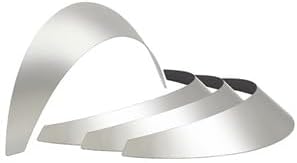
More body and aero parts for the BMW G15
If you've landed on this page looking for BMW body kits, you already know the basic pitch - widen the arches, sharpen the lips, add a rear diffuser, turn your daily driver into something that stops people mid-stride in a parking lot. What you probably don't know yet is how badly the aftermarket can burn you if you walk in without a plan. I've seen guys spend four grand on a kit that didn't fit their specific build date, watched fiberglass lips crack inside a single Michigan winter, and talked to more than one owner who had to go back to stock because their kit voided a lease inspection. This guide is the one I wish existed when I started going deep on aero mods. I'm going to walk through every real decision point - materials, brands, fitment by chassis code, supporting mods, install realities, and where the money actually goes.
What a Body Kit Actually Is - and What It Isn't
A body kit is any combination of exterior trim pieces that change the visual silhouette or aerodynamic profile of a car. On a BMW that typically means some combination of a front lip or full front bumper replacement, side skirts, a rear diffuser, rear spoiler or trunk lip, and sometimes fender flares or wide-body arch extensions. "Kit" implies these pieces come matched as a set from a single designer, but in practice most owners mix and match individual pieces from different brands and call the result a kit. That's fine - just know that "kit" means different things depending on who's selling it.
What a body kit is not is a performance upgrade by itself. I want to be honest about this upfront because marketing from certain brands implies dramatic aerodynamic benefit from bolt-on lips and skirts. At street speeds - even spirited street speeds - a front lip lowers drag marginally and can reduce front-end lift if designed well, but you are not going to feel it in straight-line speed. The aero benefit at legal road speeds is real but small. The bigger payoff is visual, and that's a completely legitimate reason to run a kit. Just go in with clear eyes about what you're buying.
Track aero is a separate conversation. If you're running time attack events or autox, a properly designed splitter with canards, a functional wing, and a rear diffuser that actually works with your undertray can make a measurable difference. That's a different product category and a different budget than what most people shopping this page are looking for. I'll cover both, but I want you to know which lane you're in.
The Material Spectrum - Fiberglass, Polyurethane, Carbon Fiber, and ABS
Nothing in body kit shopping matters more than material. It determines price, longevity, fitment flexibility, repairability, and how the piece behaves in the real world. Here's how the four main materials actually stack up for a BMW owner who drives the car.
Fiberglass
Fiberglass is the oldest kit material and still the most common at the budget end. It's cheap to mold, easy to find, and takes paint well after proper prep. The problems are well known among anyone who's spent time around track cars and builds - it's brittle, it cracks on impact rather than flexing, and fit quality varies enormously because fiberglass molds degrade over time. A kit pulled from a fresh mold can have panel gaps of a quarter inch; one pulled from a third-generation mold of a pirated design can be half an inch off on every edge.
In cold climates, fiberglass becomes even more brittle. I've seen a front lip on a friend's E92 M3 crack clean through after a minor parking lot tap in January that would have just scuffed a polyurethane piece. Fiberglass is not a material I'd put on a daily driver in a state with actual winters. On a dedicated show car that lives in a garage, it's fine. On anything that sees road use, I'd spend the premium for urethane or carbon.
Polyurethane
Polyurethane (PU or urethane) is the daily-driver sweet spot. It flexes on impact, returns to shape after minor contact, bonds well with OEM bumpers, and survives temperature swings. High-quality urethane pieces from reputable brands fit noticeably better than budget fiberglass equivalents because better-sourced urethane doesn't warp in storage the way cheap glass does. The tradeoff is weight - urethane runs heavier than fiberglass and significantly heavier than carbon - and it's harder to get a perfect paint match because the surface has a slightly different texture.
For a car like my G20 330i that I drive every single day, urethane front lip and side skirts are the sensible choice. If I kiss a parking curb, I'm not looking at a shattered part. That matters more to me than saving two pounds.
Carbon Fiber
Carbon fiber (CF) is where the money goes. Genuine dry carbon, autoclave-cured, is genuinely light, genuinely stiff, and looks stunning when left in raw finish. Brands like Vorsteiner, 3D Design, and Carbon KG produce pieces in this category and price accordingly - a Vorsteiner carbon front lip for an F80 M3 or F82 M4 runs around $600-900 just for the lip. A full carbon front bumper replacement from a premium builder can hit $2,000-3,500.
The catch is that genuine dry carbon is brittle in its own way - it doesn't crack like fiberglass on a hard impact, but it does delaminate and it does not flex the way urethane does. Rocks chip it. Street use is hard on raw carbon because you're also dealing with UV degradation if you don't seal it with a quality clear coat or PPF. Wet carbon and carbon-look urethane exist as cheaper alternatives but they weigh more and the weave pattern looks obviously fake up close.
For street use I think carbon makes the most sense on high, protected areas - roof spoilers, trunk lips, mirror caps - where impact risk is lower and visual payoff is high. For front lips that are literally an inch off the asphalt, I'd rather have urethane unless the car is a weekend-only show piece.
ABS Plastic
ABS plastic is what BMW uses for OEM bumper fascias and trim, and some premium aftermarket pieces are made in ABS because it takes paint identically to factory panels and fits very precisely. The downside is that ABS is more rigid than urethane but more prone to cracking than urethane on hard impacts. Mid-tier brands often use ABS for pieces that need to match factory styling closely - it's a legitimate material, just not the best choice for low-hanging front lips on cars that see daily use.
When to Buy a Body Kit - and When to Wait
Before you spend money on aero, your car needs to be sorted in two other areas first. I say this not to be preachy but because I've seen builds where someone dropped $3,000 on a wide-body kit on a car with worn suspension, mismatched wheels, and stock ride height. It looked exactly as bad as you'd imagine - a show car on top, a neglected BMW underneath.
First, get your ride height dialed in. Body kits are designed to be seen at a specific ride height. A front lip on a stock-height BMW often looks like an afterthought - the car's too tall for the lip to read as intentional. A proper set of coilovers or even quality lowering springs drops the visual center of gravity and makes aero pieces read correctly. Without that drop, you're wasting the kit's visual impact. The suspension has to come first.
Second, sort your wheels. A wide-body kit on stock wheels looks actively wrong - the kit is supposed to cover a wider track, and if the wheels aren't filling that track, the proportions are broken. Aftermarket wheels - properly sized and offset - are the complement to a widebody or even a mild lip kit. They don't have to be expensive, but they need to be right for the build.
Once those two boxes are checked, body kit shopping makes sense. The sequence matters: suspension first, wheels second, aero third.
Body Kit Brand Tiers - How the Market Breaks Down
The BMW aftermarket for body aero is big enough that you'll find product at every price point, from $80 Alibaba front lips to $15,000 Liberty Walk wide-body conversions. I'm going to break this down into three tiers the way I actually think about it when advising other owners.
Tier 1 - Premium Brands Worth the Premium
Vorsteiner builds some of the cleanest BMW-specific aero on the market. Their GTRS series for the F-chassis M cars - particularly the F80/F82/F83 - uses properly engineered carbon construction and their fitment is as close to OEM+ as aftermarket gets. Prices are steep: front lip splitters in the $500-850 range, full aero packages for F82 M4 running $3,500-6,000 depending on configuration. They also do comprehensive kits for G-chassis cars including the G80 M3 and G82 M4. The quality justifies the cost if you're building a car you intend to keep and show.
3D Design is a Japanese brand with a strong following among BMW purists because their design philosophy is subtle and OEM-coherent. They don't do wild wide-body - they do tight, well-fitted lips, skirts, and diffusers that look like they could have come from BMW M's own accessories catalog. Their pieces are manufactured in Japan to tight tolerances and the fitment reflects that. Pricing is similar to Vorsteiner - expect $400-700 for individual pieces, $2,000-4,000 for comprehensive sets.
Adro has built serious credibility in the F and G chassis space, particularly on G20 and G30 platforms. Their designs are aggressive without being cartoonish. The carbon fiber quality is legitimate and their production tolerances are tighter than most. For my G20 I've been seriously looking at their front lip and rear diffuser combo - the G20 lines work well with their design language. Individual pieces run $350-700 in carbon, with full kits closer to $2,000-2,800.
Carbon KG focuses almost entirely on carbon aero and has strong fitment on F-chassis cars especially. They're slightly more affordable than Vorsteiner while still using genuine dry carbon construction. Good option if you want real carbon at a price that doesn't require a financing conversation.
Liberty Walk is the name everyone knows in widebody. Their BMW kits are proper body panel modifications - fender flares, extended arches, complete visual transformations. A Liberty Walk kit is not a parts purchase, it's a build decision. You're looking at the kit itself plus professional installation, paint, alignment, wheel and tire package, all-in costs that start around $8,000-10,000 and go up fast. This is a legitimate product for the right build. It's also completely wrong for 95% of people reading this page.
Tier 2 - Solid Mid-Tier Options
RW Carbon is probably the most well-known mid-tier carbon brand in the US BMW market. They source carbon pieces - some made in-house, some sourced from Asia with RW branding - and sell them at prices that undercut Vorsteiner significantly. A front lip from RW for an F30 or F80 might be $200-350 versus $600+ for Vorsteiner. The carbon quality is real but variable, and fitment on some pieces requires more trimming than you'd need with Tier 1 brands. For a car that isn't a full show build but needs quality aero, RW hits a reasonable price/quality point. Just do your homework on specific part numbers via forum feedback before buying.
AutoTecknic runs a similar mid-tier position - they produce carbon pieces primarily, with solid fitment on popular F-chassis models. Strong on M-Sport trim specific fitment where some brands miss details. Their diffusers and trunk spoilers have a good reputation in BMW forums. Pricing is in the $150-450 range for individual pieces.
Seibon Carbon is a long-running brand with coverage across many platforms including older E-chassis cars like the E46, E36, and E92. They have a wide catalog, consistent quality for the price, and decent forum reputation. For older cars where Tier 1 brands don't offer coverage, Seibon is often the best quality option. Their hoods and trunk lids have particularly strong reviews.
IND Distribution doesn't make kits themselves but they curate and retail several premium brands and their own IND-exclusive pieces. Worth checking because their customer service is strong and they do thorough model-year fitment verification before you buy.
Tier 3 - Budget Options and the Reality of Cheap Kits
This is where I have to be direct. There is a large market of low-cost body kits from Alibaba-sourced manufacturers that offer fiberglass and ABS kits for BMW chassis codes at prices that seem too good to be true - and largely are. A BMW wide-body kit on Alibaba for an E46 or E36 chassis will run you $300-600 shipped. What you're getting is a fiberglass kit pulled from a mold that was reverse-engineered from either an OEM bumper or a higher-end brand's design, with fit tolerances that will require significant bodywork to make presentable.
I'm not saying never buy a budget kit. For a dedicated track car that gets repainted constantly anyway, a cheap fiberglass wide-body isn't crazy. For a show car where a skilled body shop is going to do extensive prep work, budget fiberglass can work. For a daily driver, it's a bad investment because you'll spend the savings on paint, fitment work, and eventual replacement when it cracks.
The other budget category is replica kits - copies of M-Performance, M Sport, or M division bumpers and trim sold as "M Sport Style" pieces. These exist for almost every popular chassis. Quality varies massively. For some chassis codes with limited OEM availability - like genuine M-Performance parts for older E90/E91/E92 cars - a quality replica from a reputable mid-tier source might actually make sense. Just know what you're buying.
Fitment by BMW Generation - Where the Real Differences Live
BMW body kit shopping is unavoidably chassis-specific. A kit listed for "3 Series" might fit an F30 but not an F31 wagon, might work on 2012-2015 build dates but need modification for 2016-2018 LCI (Life Cycle Impulse) cars. Getting this wrong means you're shipping back a 30-pound box of fiberglass or living with a gap you can fit your finger through. Here's how I think about fitment by generation.
E-Chassis Cars - E36, E46, E90/E92/E93, E60
E36 (1992-1999) is old enough that most premium brands don't offer fresh production kits, but it has a dedicated aftermarket that's been serving the drift and track community for decades. Fitment information is well-established. Budget fiberglass wide-body kits are everywhere for the E36 and the platform's motorsport heritage means some surprisingly high-quality track-focused aero exists from smaller specialty builders. The OEM bumper mounts and trim clips on 25-30 year old cars are often brittle, which means kit installation on an E36 usually involves replacing fasteners and clips at the same time.
E46 (1998-2006) is one of the most kitted BMW platforms in history because of its combination of age, popularity, and near-perfect proportions. The M3 variant especially has an enormous aftermarket. Quality ranges from the ultra-budget to genuine collector-grade carbon from Seibon and other established brands. E46 M3 owners are particularly well-served - there are more aero options for this car than almost any non-current BMW platform. Key fitment note: pre-facelift and facelift E46 front bumper clips are different, and many kits specify which generation they fit.
E90/E91/E92/E93 (2006-2013) is the sweet spot for buyers right now - old enough to be affordable, popular enough to have extensive aftermarket support, and with a loyal enough fan base that quality brands still produce new pieces. The E92 coupe in particular gets strong coverage from Seibon, Vorsteiner (for M3 trim), and several mid-tier brands. The sedan E90 has a slightly smaller aftermarket than the coupe. Important note: pre-LCI (through ~2008) and LCI (2009+) front bumpers are different, and most quality kits will specify which generation. M3 versus non-M Sport trim levels also require different pieces because the bumpers are different from the factory.
E60/E61 (2004-2010) 5 Series is less well-served in the body kit market than the 3 Series chassis. M-Sport bumpers are available as replicas, and a few carbon brands do diffusers and trunk spoilers, but comprehensive kits for the E60 are harder to find. The M5 variant has better coverage, though genuine M5 aero on an E60 is technically not a "kit" - it's using factory M5 pieces.
F-Chassis Cars - F30/F31, F80 M3, F82/F83 M4, F10, F87 M2
The F-chassis generation is where the current aftermarket is richest. These cars are new enough that premium brands have invested in proper molds and design, old enough that production costs have come down, and popular enough that there's real competition keeping prices reasonable.
F30/F31 (2012-2019) - the non-M 3 Series - has solid aftermarket coverage especially for M-Sport front bumper owners. An important fitment split: cars with the base non-M Sport bumper and cars with the M-Sport package bumper use different lip/skirt designs. Most quality brands produce for M-Sport trim only. If you have a base-bumper F30, you either need a kit designed for that bumper or you upgrade to a genuine or replica M-Sport front bumper first. Also note the LCI refresh in 2016 changed front bumper details - verify before ordering.
F80 M3 / F82 M4 (2015-2020) is probably the best-served BMW platform for aero right now. Every premium brand makes something for it. Vorsteiner, 3D Design, Adro, Carbon KG, AutoTecknic, RW Carbon - all of them have dedicated F8x product lines. The CS (Competition Sport) variant added factory aero pieces, so some aftermarket brands offer CS-style lips and wings for base M3/M4 owners who want that look without the full CS purchase. Fitment is generally excellent on quality brands because the platform's popularity justified investment in proper tooling.
F87 M2 / M2 Competition (2016-2021) has a particularly strong aero aftermarket despite being a lower-volume car. The platform's track credentials attract buyers who actually use their cars, and several brands have developed genuine functional aero for it. The M2 Competition front bumper differs from the base M2, which creates the usual LCI-style fitment split. Carbon KG and Adro both have strong reputations for F87 aero.
F10/F11 (2011-2017) 5 Series - decent mid-tier coverage, weaker on genuine premium carbon brands. The F10 M5 is better served than the regular F10. If you're modding a non-M F10, your best bets are M Performance replica pieces and select mid-tier carbon brands.
G-Chassis Cars - G20, G80 M3, G82 M4, G30, G87 M2
The G-chassis is the current generation and the aftermarket is still developing. Brand investment is happening fast because G-chassis cars are selling well and the platform will be relevant for years to come.
G20/G21 (2019-present) 3 Series - This is my car, the daily driver I keep referencing. The aero aftermarket for the G20 has developed significantly since launch. Adro, 3D Design, and a few other quality brands have pieces in production. Fitment splits between base, M-Sport, and M340i trim are meaningful - the M-Sport bumper is what most serious aero buyers are working with. I've been running an Adro front lip on my G20 330i for about eight months. Installation was straightforward, fitment was excellent out of the box, and it survived a scrape with a steep parking garage exit without cracking - that's the urethane doing its job.
G80 M3 / G82 M4 (2021-present) is getting serious premium attention. The controversially large kidney grille on these cars has made them polarizing visually, which has actually driven aftermarket development as owners look for pieces that either soften or emphasize the front end styling. Vorsteiner has a full GTRS package for the G82. Adro has G80/G82 specific pieces. 3D Design offers clean OEM-coherent options. Note that Competition Package and base cars have different bumper configurations - always verify.
G87 M2 (2023-present) - Youngest platform on this list, aftermarket is just getting started. A few carbon lip options exist, mostly from smaller dedicated carbon builders. Give it another 12-18 months and coverage will look similar to G80.
Supporting Mods - What Else Changes When You Run a Body Kit
A body kit is rarely a standalone modification. The surrounding car needs to be prepared, and the kit itself often creates follow-on needs. Here's what I'd plan for when budgeting a kit purchase.
Ride Height
I mentioned this already but I want to be specific. Most front lips and full bumper replacements are designed to look correct at 20-30mm lower than stock ride height for most BMW chassis. Running a front lip at factory height often means it sits too high off the ground and looks awkward, plus it creates uneven ground clearance that increases scraping risk. Get proper coilovers dialed in before the kit goes on, or at minimum a reliable set of lowering springs that give you predictable drop.
Paint
Every aftermarket body panel needs to be painted to match your car, unless you're running raw carbon and intentionally contrasting with your car's color. Budget for $150-300 per panel for a quality respray depending on your local shop rates. A full kit can add $800-1,500 in paint costs alone. Primer, base coat, clear coat, blending - it adds up. This is money you absolutely need in the budget, not an afterthought.
Wheel Fitment
A wide-body kit that extends the fenders by 25-50mm per side needs wider wheels and tires to fill the new arches. Running a wide-body kit with narrow stock wheels looks worse than running no kit at all. Check with your kit manufacturer for their recommended wheel width, offset, and tire sizing. For most BMW wide-body conversions you're looking at front wheels 20-30mm wider than stock and rear wheels 30-50mm wider. That means new aftermarket wheels are essentially mandatory.
Alignment
After any front bumper replacement or side skirt installation, get a fresh alignment. Installing front aero pieces sometimes involves adjusting front bumper fitment that can affect how the bumper sits relative to the lower control arm geometry. More importantly, if you've changed ride height for the kit, your alignment is already off from factory spec. A proper four-wheel alignment after a body kit install is not optional - it's $80-150 well spent.
Fasteners and Mounting Hardware
Most quality kits include their own hardware. Budget kits often don't, or include cheap fasteners that strip on first install. Have a selection of M6 bolts, push-clip retainers in your car's factory size, and 3M double-sided automotive tape (specifically the thick foam-core version) on hand. For every kit I've helped install, we've used at least some aftermarket fasteners to supplement or replace what came in the box.
Common DIY Install Mistakes and How to Avoid Them
I've helped with enough body kit installs to have a solid list of what goes wrong and why. These are the mistakes I see repeatedly.
Not Test Fitting Before Painting
This is the big one. You get your kit delivered, it looks great, you immediately take it to the body shop for paint, then it comes back and doesn't fit your specific car's mounting points or requires significant trimming. Now you're trimming painted pieces and trying to blend touch-up paint. Always dry-fit every piece before any painting happens. Check every mounting point, every clip location, every area where the new piece meets factory bodywork. Make notes. Communicate needed adjustments to your body shop before they shoot a single coat of primer.
Skipping Adhesion Prep on Urethane
Polyurethane pieces need proper adhesion promoter before painting. Standard automotive primer doesn't bond to urethane the same way it bonds to metal or fiberglass. Paint adhesion failures on urethane kits are almost always caused by skipping this step. Use a purpose-made urethane adhesion promoter and follow the flash times.
Over-Torquing Plastic Fasteners
Body panel clips and screws are designed for specific torque values and strip easily when you muscle them. Use a proper tool set with the right JIS or Torx bits for BMW fasteners and hand-tighten plastic clips rather than driving them with an impact. Stripped mounting points are a nightmare to repair cleanly on exterior pieces.
Ignoring Factory Clip Condition on Older Cars
On E46, E36, and older E90 cars, the factory bumper clips and mounting tabs are often 15-25 years old and brittle. When you remove the old bumper to install a new lip or replace the front fascia, those clips crumble. Source replacement clips before starting the job - BMW parts fiche, or an inexpensive set from an online parts supplier. Going into a body kit install on an older car without a bag of fresh clips is asking to be stuck with a bumper that won't seat properly.
Using Cheap Double-Sided Tape for Side Skirts
Side skirts are often a combination of mechanical fasteners and adhesive, with the adhesive doing a lot of the work along the lower rocker. Cheap double-sided tape from a hardware store will fail within months of weather exposure, leaving your skirts pulling away from the body. Use 3M VHB tape (the thick foam-core automotive grade) or the equivalent. It's worth the extra cost.
Not Addressing Fit Gaps Before Painting
Most aftermarket body pieces will have some gaps where they meet factory bodywork. These need to be filled and finished before paint, not after. A good body shop will handle this with flexible filler on urethane pieces and standard filler on fiberglass. If you're painting the car yourself and skip this step, those gaps will read through the paint and look worse than they did unpainted.
Install Procedure Overview - How a Typical Front Lip Goes On
I'm going to walk through a front lip install because it's the most common first-step body kit mod and gives you a sense of what's involved for more complex pieces.
- Remove the existing lower front bumper trim or undertray clips. On most G and F chassis BMWs this means a combination of T20/T25 Torx screws and push-clip fasteners along the bottom edge of the front bumper. Pop the hood and check for any additional fasteners from above. Most factory lower front lip trims are held by 8-15 fasteners total.
- Test fit the new lip. Before any adhesive or paint, position the new lip and check fit at every point of contact with the factory bumper. Note any areas that need trimming. Mark trim points with a paint marker if needed.
- Make any required modifications. Trim carefully with a Dremel or sharp utility knife, test fit again. On high-quality pieces you usually need minimal trimming. On budget pieces you might need to remove significant material.
- Prep for paint. Scuff the surface with appropriate sandpaper (220-320 grit for urethane primer), clean with wax and grease remover, apply adhesion promoter on urethane pieces, let flash. Take to your body shop or paint booth.
- After paint cure, install hardware. Most lips use a combination of the factory lower bumper bolts plus supplemental mounting hardware. Some use 3M VHB tape along flat mating surfaces. Follow the kit's instructions precisely for mounting sequence - get the positioning right before tightening anything.
- Final torque and inspection. Check that every fastener is seated, that the piece is symmetrical side to side (measure from reference points on the car), and that there are no stress points where the lip might crack at a mount under flex.
Total time for a front lip install by a competent DIYer with the right tools is usually 2-4 hours excluding paint time. A full bumper replacement or side skirt install adds complexity and time. A wide-body conversion should be done professionally unless you have serious bodywork experience - there's paint blending, possibly cutting factory panels, and alignment work involved that's beyond standard DIY scope.
When to Skip a Body Kit Entirely
Honest section, because this comes up. There are situations where I'd tell a BMW owner to put the body kit money elsewhere.
If your car has deferred maintenance. A BMW with a check engine light, worn control arm bushings, leaking coolant, or tired brakes doesn't need a body kit. It needs the money spent on the systems that keep it reliable and safe. I know which parts I'd buy first and last on a budget build, and aero comes last. Check your brake pads before you check Vorsteiner's website.
If you're leasing. Body kits on a leased BMW are a return-inspection nightmare. Any visual modification that can't be perfectly reversed will come back as a charge. Even a "reversible" front lip install leaves mounting holes or tape residue that a diligent inspector will find. If you're within 18 months of lease return, skip it.
If the car has existing body damage. Installing a fresh kit on a car with a cracked bumper, misaligned panels, or rust showing through paint just draws attention to the problems. Fix the car first.
If you're using it to hide body damage. Wide-body kits covering rust, or front lips trying to hide a cracked bumper - this never works as well as you think, and it traps moisture against the damaged areas, making them worse. Fix the damage properly.
If your budget is under $500 total. A $500 body kit budget including paint and installation doesn't exist at quality levels I'd be comfortable recommending. A front lip only - single piece, good urethane, proper paint - is achievable in that range if you're doing the work yourself and have a good connection for paint. A full kit is not. Save longer or scale down to a single piece done right.
My Picks by Use Case
This is the section where I give you concrete recommendations by how you use the car. I'm not trying to be comprehensive - I'm telling you what I'd actually buy or have seen work well in real use.
Daily Driver - Keep It Subtle, Keep It Survivable
For a daily driver on current-gen cars, I'd go Adro or 3D Design front lip in polyurethane, matched side skirts, and a carbon trunk spoiler. The urethane front and sides survive real-world contact. The carbon trunk spoiler is protected up high and adds visual weight to the rear. Total investment around $1,200-1,800 in parts plus paint. This is the setup I'd build on my G20 if I wasn't constantly changing my mind about what direction I want the car to go.
For an older F30 or E92 daily, same logic applies - RW Carbon or AutoTecknic for the carbon pieces, and look at a quality urethane front lip from a brand with verified fitment reviews for your specific build date. Budget around $800-1,400 in parts plus paint.
Weekend/Show Car - Carbon, Fitment, and Nothing Cheap
If the car lives in a garage during the week and comes out for shows and cruises, this is where Vorsteiner's GTRS kit or a 3D Design comprehensive package makes sense. Go full carbon, go raw weave on pieces where it reads well, and budget for a professional installation and paint on the pieces that need it. You're looking at $3,500-6,000 in parts for an F82 M4 or G82 M4 fully kitted. That's a significant number, but these are pieces that will look correct, last, and add real collector appeal to an already desirable car.
Track/Time Attack Car
For actual track use, the priorities shift. You want functional aero over visual aero. A properly spec'd front splitter with end plates, a functional rear wing (not a trunk spoiler), and a rear diffuser designed to actually interact with airflow under the car. Companies like APR Performance and Seibon have track-focused pieces with real downforce claims backed by wind tunnel data. Budget-priced functional aero from reputable track suppliers often beats expensive show pieces in actual aerodynamic effect at speed.
Also worth noting - if you're doing track days with the car, your front lip is going to get scraped. Budget accordingly and consider running a more sacrificial urethane or even ABS piece at the front rather than an expensive carbon piece that you'll destroy in one day at a technical circuit.
Budget Build Done Right
If you're working with limited budget on an E46, E36, or older E90/E92, the smartest move is single-piece upgrades rather than trying to run a full kit. A good front lip alone, properly fitted and painted, does more for a car's visual impact than a cheap full kit with poor fitment. Buy one piece, do it right, live with it before deciding what comes next. A proper E46 M3 front lip in urethane or fiberglass from a reputable mid-tier brand runs $180-300 - affordable, impactful, correct.
Price Tiers at a Glance
Here's how the market breaks down in terms of what your budget actually gets you.
| Budget Range | What You Get | Best For | Reality Check |
| Under $300 | Single urethane or fiberglass lip, possibly an Alibaba full kit in fiberglass | Single-piece upgrade on a budget build, track car | Full kits at this price need significant body shop work; single pieces can be quality |
| $300-800 | Quality single carbon pieces from mid-tier brands, urethane kits for common platforms | Daily driver partial kit, older E-chassis upgrades | Good value zone, verify fitment carefully for your specific build date |
| $800-1,800 | Comprehensive urethane kits from reputable brands, partial carbon kits on popular platforms | Daily driver full kit, F-chassis non-M builds | Add $800-1,500 for paint; this is where most serious daily driver builds land |
| $1,800-4,000 | Premium carbon kits from Vorsteiner, Adro, 3D Design for M-cars | F80/F82 M3/M4, G80/G82 builds, show car orientation | Quality justifies price; installation and paint will add another $1,000-2,000 |
| $4,000+ | Comprehensive premium packages, wide-body conversions | Full builds, Liberty Walk conversions, dedicated show cars | Wide-body requires professional install, alignment, new wheels; total build cost multiplies fast |
Brand Comparison Table
| Brand | Primary Material | Best Platforms | Price Range | Fitment Quality | Recommended For |
| Vorsteiner | Dry carbon fiber | F80 M3, F82 M4, G80, G82 | $500-3,500+ per piece/kit | Excellent | Show cars, premium builds |
| 3D Design | Carbon fiber, ABS | Multiple BMW platforms | $400-2,500 per piece/kit | Excellent | OEM-coherent look, quality-first builds |
| Adro | Carbon fiber, PU | G20, G30, F80, F82 | $350-2,800 per piece/kit | Very Good | Aggressive street builds, G-chassis |
| Carbon KG | Dry carbon fiber | F80, F82, F87 | $300-2,200 per piece/kit | Very Good | Carbon quality at slightly lower price than Vorsteiner |
| AutoTecknic | Carbon fiber | F30, F80, F82, G20 | $150-500 per piece | Good | Mid-tier carbon pieces, daily drivers |
| RW Carbon | Carbon fiber | Wide BMW coverage | $200-600 per piece | Good (variable) | Carbon look at accessible price, verify specific part fitment |
| Seibon Carbon | Carbon fiber | E-chassis especially E46, E92 | $250-900 per piece | Good | Older platforms, hoods/trunks |
| Liberty Walk | FRP, steel | Select BMW platforms | $8,000-15,000 (conversion) | Professional install required | Full wide-body builds, dedicated show cars |
| Budget/Alibaba | Fiberglass, ABS | E36, E46, common platforms | $80-600 (full kits) | Poor to Fair | Track cars, budget builds with body shop budget |
How ECU Tuning Interacts with Aero Mods - The Other Performance Side
This might seem like a section that doesn't belong here, but hear me out. When I'm advising someone on a full build, the question of body aero and ECU tuning come up in the same conversation because they both address the same thing - how the car presents and performs. If you're spending real money on an aggressive body kit for an M car, you should be looking at engine tuning in the same build plan.
The reason this matters for body kit buyers specifically is weight. Carbon aero pieces are part of a weight-conscious build strategy that pairs with performance upgrades like a cold air intake or upgraded intercooler on turbocharged cars like my B48-powered G20 or the S55 in the F80 M3. If you're building a car that's supposed to perform as well as it looks, the exterior mods and the drivetrain/engine mods should be planned together. Aero for aero's sake is fine. Aero as part of a coherent performance build is better.
Also worth noting from a coding and diagnostics perspective - some modern G-chassis BMWs have active aero components like automatically adjusting front air dam flaps. Installing aftermarket front bumper pieces that block or remove these flap mechanisms can trigger fault codes and affect cooling. Know your car's factory aero systems before you replace anything. This is a G20/G21 specific concern more than older chassis, but worth checking via ISTA or similar diagnostic tools before ordering a bumper replacement.
Sourcing and Buying - Where to Actually Get These Parts
Where you buy matters as much as what you buy. My strong preference is to buy body aero from a retailer who does fitment verification for your specific chassis and build date, not from a marketplace that just ships what's in stock.
Brand direct is often the cleanest path for premium brands like Vorsteiner and Adro. You're buying from the source, fitment information is authoritative, and returns are handled directly. Shipping times can be longer for international brands but the reliability is worth it.
IND Distribution is the US retailer I'd point most people toward for F and G chassis BMW aero. They know the cars, verify fitment, and their customer service for fitment questions is genuinely helpful. They also do package pricing on multi-piece purchases.
BMW forums and vendor subforum feedback before buying from any source you haven't used before. This applies especially to mid-tier brands where quality and fitment can vary by production run. Recent forum threads on your specific chassis with the specific brand and part you're considering are the best pre-purchase research you can do.
For budget pieces on older cars, Alibaba-sourced BMW wide-body kits are a reality of the market - just go in understanding what you're buying, order samples before committing to a full set, and factor in body shop prep costs from the start. The per-piece price is low but the total cost to make them look good is not.
Frequently Asked Questions
Will a body kit fit my BMW without modification?
Almost never perfectly. Even premium brands with excellent fitment reputations typically require minor trimming of clip locations, minor gap adjustment, and test fitting before painting. Budget kits can require significant modification. Plan for test fitting and potential trimming as part of the install process, not as a surprise. The better the brand and the more precise their mold investment, the less you'll need to do - but zero modification is rare.
Can I install a body kit myself?
Front lips and trunk spoilers are reasonable DIY projects for someone comfortable with basic automotive work and proper tools. Side skirts require more patience and careful adhesive work. Full front bumper replacements are doable DIY but more complex - you're removing factory bumper trim, managing wiring for parking sensors or cameras, and reinstalling accurately. Wide-body kits should generally be done professionally. The limiting factor for most people isn't the mechanical work - it's the paint and body prep, which requires professional shop work regardless of who does the install.
How do I know if a kit fits my specific build date?
Use your car's VIN with a decoder to confirm your exact build date and trim level. Cross-reference against the kit manufacturer's fitment guide, and if you're not 100% sure, ask the seller directly. BMW's LCI refreshes mid-generation are a consistent source of fitment surprises - the F30 LCI in 2016 and E46 facelift in 2002 both changed front bumper specifics enough that kits designed for pre-LCI cars won't correctly fit post-LCI cars. If a seller can't answer specific fitment questions for your VIN, that's a red flag.
Is raw carbon or painted carbon better on a street car?
Raw (clear coated) carbon weave is more visually striking and saves weight vs paint, but requires more care - UV protection from quality clear coat or PPF is mandatory, and any stone chips through the clear coat need to be addressed quickly before moisture reaches the weave. Painted carbon in your car's body color is more practical for a daily driver and hides any minor surface imperfections. On a show car or weekend car, raw carbon reads beautifully. On a daily, I'd paint any pieces that are in the stone-chip zone (front lip, lower front bumper) and run raw carbon on protected areas like a trunk spoiler or mirror caps.
What's the deal with M Performance and M Sport kit prices?
Genuine BMW M Performance accessories and factory M Sport package body trim can be purchased through BMW dealers at prices that are often competitive with or lower than aftermarket equivalents, especially for G-chassis cars where the aftermarket is still developing. Genuine BMW M Performance front lips for G20/G30 run around $300-500 depending on trim. The fit is obviously perfect and they carry a BMW parts warranty. For subtle OEM+ builds on current cars, going genuine BMW aero is worth pricing before buying aftermarket - it's not always the more expensive option.
How much does paint add to the total cost?
Budget $150-300 per panel at a quality body shop for painting and clearing aftermarket body panels to match your existing paint code. A full kit with four or five separate pieces can add $600-1,200 in paint costs alone. Shops in major metro areas will be at the higher end; smaller markets can be cheaper. DIY painting is possible with quality equipment and experience, but mismatched paint on body panels hurts the look of the entire kit - if you're going to spend money on the kit itself, spend the money to have it painted correctly.
Do body kits affect my car insurance?
This varies by insurer and policy. Cosmetic modifications are generally not a coverage issue with most standard auto policies, but some insurers require disclosure of aftermarket modifications to ensure agreed value coverage applies correctly. Wide-body conversions that significantly change the vehicle's value or appearance are more likely to require a policy update than a front lip. Call your insurer and ask directly before major work - a five-minute call is worth it against a potential coverage dispute.
Are wide-body kits street legal?
Wide-body kits that extend the vehicle's track beyond the original fender line in most US states technically require the fenders to cover the new tire width. If you're running an extended-arch wide-body kit with appropriately wide wheels and tires, the new arches should be covering the tires - which means you're compliant. Some states have specific rules about fender extensions and coverage minimums. The practical reality is that police rarely enforce this on show cars, but it's worth knowing your state's specific vehicle code if you're running a significant widebody.
What's the safest way to remove factory clips without breaking them?
Use a proper trim panel removal tool set - not a screwdriver, which will crack clips and damage paint. BMW factory push-clips typically need a clip remover that gets under the edge of the clip head rather than leveraging against the body panel. Heat can help on cold-weather installs - a heat gun on low for 30 seconds around stubborn clips helps prevent brittle plastic breakage. Always have replacement clips on hand before starting removal on older cars.
How long does a quality body kit last?
A properly installed, properly painted urethane or carbon kit on a daily driver should last the life of the car in terms of structural integrity, assuming no major impacts. Paint longevity depends on your maintenance - wash the car regularly, use proper car care products, and apply PPF or ceramic coating to vulnerable front areas. The failure mode for most kits over time is stone chips on the front lip, paint fade on unpainted pieces, and adhesive tape failure on side skirts after 3-5 years. All of these are serviceable issues, not fatal ones.
Should I run PPF over my body kit?
Yes, absolutely, especially on a front lip and any forward-facing carbon pieces. Paint protection film on a front lip adds $80-200 for a professional install on the piece and dramatically extends paint longevity against stone chips and road debris. On raw carbon, PPF also adds UV protection that prevents yellowing of the clear coat over time. For a comprehensive kit on a car you care about, PPF on the front-facing surfaces is not optional in my view - it's insurance on the investment you just made.
What should I do if my kit arrives damaged?
Document the damage immediately with photos before you open the box fully, then photograph the packaging. File a damage claim with the seller promptly - most quality brands have policies for transit damage claims if you report within 24-48 hours of delivery. Do not install a damaged piece hoping to fix it later; get the replacement sorted before any work starts. This is another reason to buy from retailers with known return and damage policies rather than direct marketplace purchases where the dispute process can be painful.

Kamil Siegień
Founder of BimmerTalk. Five years wrenching on BMWs, currently dailying a G20 330i with the B48 turbo four. Spent a year doing marketing for BMW and MINI before going independent. I write everything on this site myself.
More about the site