BMW M3 Parts
Affiliate disclosure. BimmerTalk is a proud partner of the Amazon Associates Program and Turner Motorsport. We may earn a small commission on qualifying purchases through our links, at no extra cost to you. Read the full disclosure.

Choose your generation to find compatible parts.


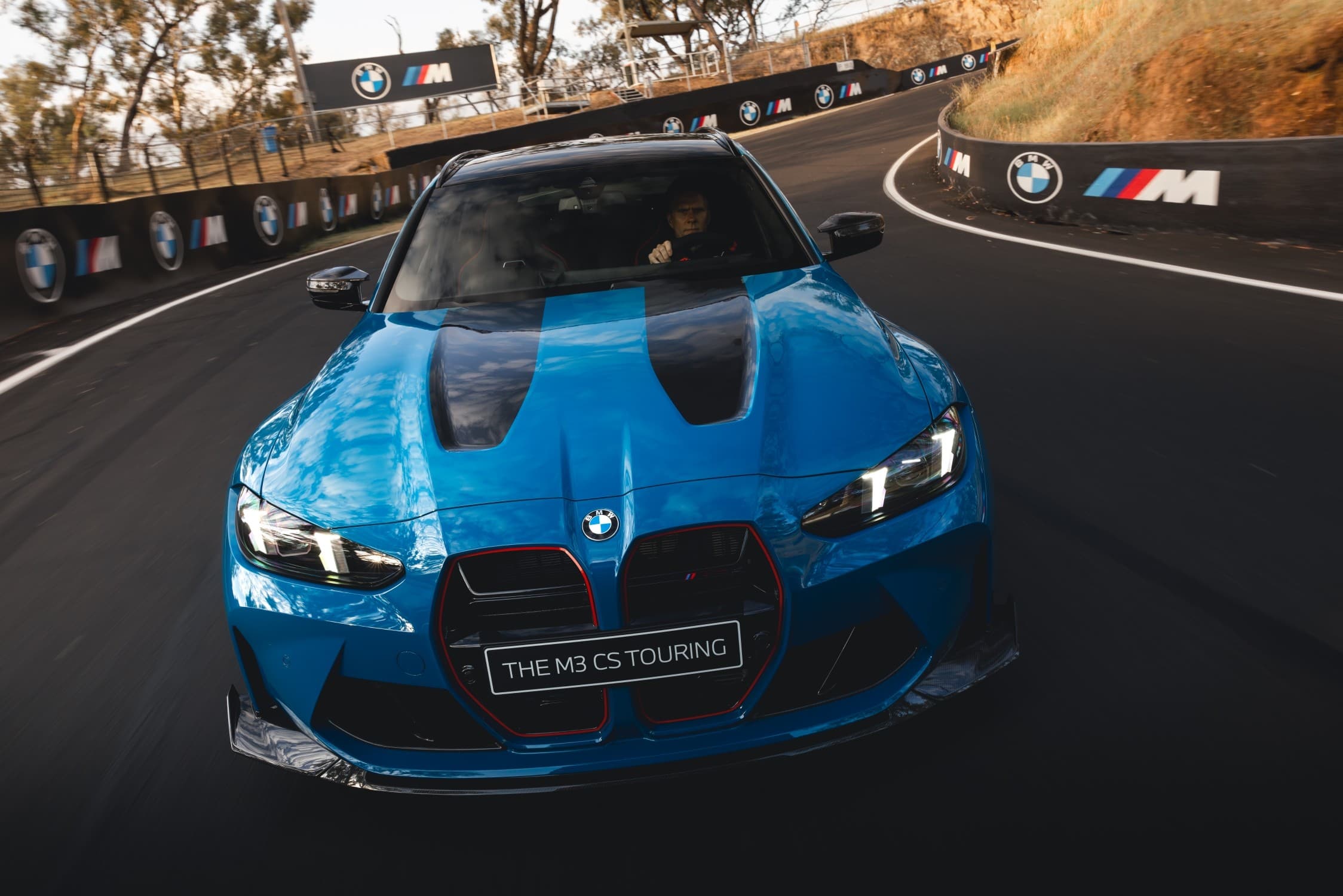
The BMW M3 - The Benchmark Performance Bimmer
If you follow performance cars at all, you already know the name. The BMW M3 has been the gold standard for driver-focused sports sedans and coupes since it first hit the streets in the late 1980s. Built by BMW's Motorsport division, the M3 is not just a trim level or a badge upgrade - it is a purpose-built machine engineered from the ground up to dominate both road and track. Every generation has pushed the limits of what a four-door car (or two-door, depending on the chassis) can do, and the aftermarket community has taken each one further than the factory ever intended.
What separates the M3 from the rest of BMW's lineup is the commitment to driver engagement. Every M3 generation has featured a unique high-revving engine that you will not find in any standard 3 Series. From the race-derived four-cylinder in the E30 to the screaming V8 in the E9X cars, BMW Motorsport has always chosen engine character over raw displacement. That philosophy is exactly why M3 owners are some of the most passionate and mod-hungry enthusiasts in the import performance world.
Generation by Generation - Which Chassis Codes Define the Culture
The E30 M3 started it all. Homologated for touring car racing, the E30 ran a 2.3L S14 four-cylinder that was more motorsport than street car. These are collector pieces now, but the tuning community still chases more power through individual throttle bodies, cams, and forced induction conversions. Then came the E36 M3, which brought the inline-six S50 and S52 engines to the US market. The E36 is the entry point for a huge portion of the track day community - affordable, lightweight, and with a massive catalog of suspension, exhaust, and aero parts available.
The E46 M3 is widely considered the peak of analog M3 experience. The S54 inline-six revs to 8,000 RPM and responds brilliantly to bolt-on mods like exhaust headers, intake upgrades, and ECU tuning. The E46 is still one of the most modded M3 platforms on the market. Moving into the V8 era, the E90, E92, and E93 M3 all shared the legendary S65 4.0L V8 - a naturally aspirated engine with a flat-plane crank, 414 horsepower, and a 8,400 RPM redline. The S65 responds well to exhaust work, throttle body spacers, and ECU tuning, though rod bearing maintenance is a known priority for any serious owner.
The F80 M3 brought forced induction back to the platform with the S55 twin-turbocharged inline-six. This engine is a tuner's dream - with a good tune and basic supporting mods, 500-plus wheel horsepower is realistic on a stock bottom end. Downpipes, charge pipes, intercooler upgrades, and full ECU flashes are the most popular modifications on the F80. The current G80 M3 continues with the S58 engine, which shares architecture with the S55 but delivers even more headroom from the factory and handles aggressive power targets with the right supporting hardware.
Why the Aftermarket Community Is Built Around the M3
The M3 attracts builders because it arrives from the factory with serious bones - strong suspension geometry, a balanced chassis, and well-engineered differentials. The aftermarket fills in the gaps. Coilover kits from brands like KW, Bilstein, and Öhlins are top sellers across every generation. Brake upgrades including big brake kits and slotted rotors are popular with track day regulars. Aero components like front splitters, diffusers, and rear spoilers are heavily purchased for both function and visual aggression. Exhaust systems are one of the biggest categories we carry - the S-series engines sound exceptional with a quality catback or full turbo-back setup.
Beyond parts, the M3 community itself is one of the most active in the Bimmer world. Track days, time attack events, and club racing through organizations like the SCCA and NASA have created a massive demand for performance parts that hold up under real abuse. Whether you are building a dedicated track car or a street-driven weekend machine, the M3 platform has more aftermarket support than nearly any other BMW ever made. Browse by chassis code below to find parts built specifically for your generation.