
Transmission Mounts for BMW X4 F26
Affiliate disclosure. BimmerTalk is a proud partner of the Amazon Associates Program and Turner Motorsport. We may earn a small commission on qualifying purchases through our links, at no extra cost to you. Read the full disclosure.

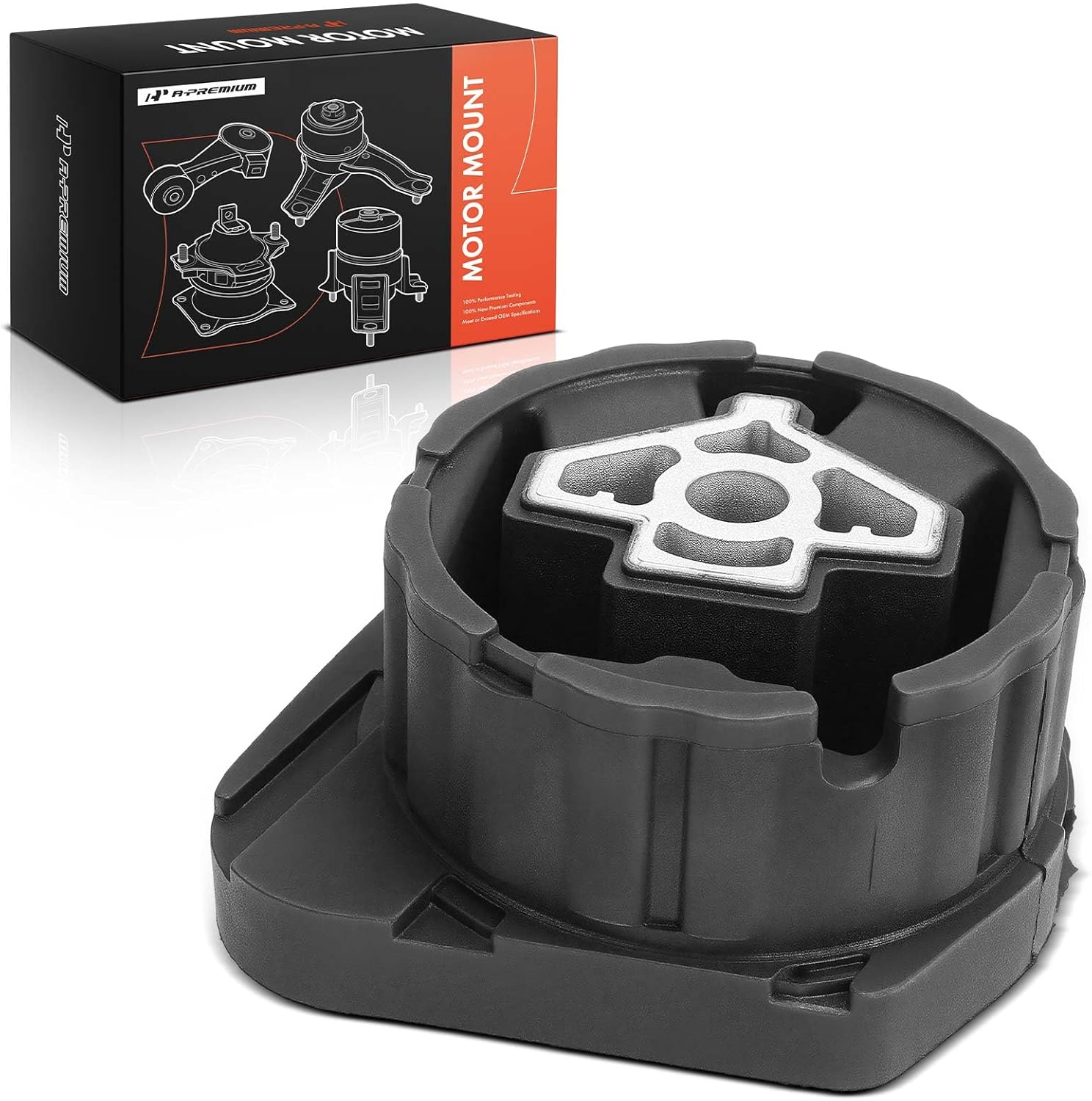
BMW Transmission Mounts - Stop the Clunk, Keep the Power Down
If you're noticing a clunk when shifting, vibration through the floor, or a vague, rubbery feel during acceleration, your transmission mount is the first place to look. On most BMW platforms - E46, E90/E92, E60, F30, F10, and even the older E36 crowd - transmission mounts are a high-wear item that gets overlooked until the symptoms become impossible to ignore. A failed mount doesn't just cause NVH issues; it shifts stress onto your driveshaft, guibo, and center support bearing. Fix it early.
BMW uses a combination of rubber-to-metal bonded mounts that degrade with heat cycling, oil contamination, and age. On the E46 330i and M3, the transmission mount typically needs attention around 80,000–100,000 miles. The E90 335i and 328i are similar, and the F30 chassis often sees mount degradation earlier on cars that've been driven hard or modified. The N54 and N55-powered cars are particularly prone because of higher torque loads and the fact that so many of them have been tuned.
What to Look For - and What to Avoid
For a stock replacement that improves on OEM durability, Lemförder and Meyle HD are the go-to choices. Lemförder supplies mounts directly to BMW and other European OEMs, so you're getting factory-equivalent quality at a fraction of dealer pricing. Meyle HD uses a slightly stiffer rubber compound that holds up better over time without adding harsh vibration - a smart upgrade over the standard Meyle offering. Both are solid picks for daily drivers on the E46, E9X, and F-chassis platforms.
If your car is modified, lowered, or sees any track time, step up to a polyurethane or solid aluminum mount. Turner Motorsport and IRD (Ireland Engineering) offer poly-bushed transmission mounts that dramatically reduce drivetrain slop. You'll feel a slight increase in cabin vibration at idle - that's normal - but throttle response tightens up noticeably, especially on manual-trans cars. For full race builds, solid mounts from UUC Motorwerks or Vorshlag are available but are strictly track-use items; they will transmit too much vibration for street driving.
Avoid cheap no-name mounts from generic warehouses. Fitment issues, premature failure, and missing hardware are common. The price difference between a quality Lemförder mount and a throwaway unit is usually $20–40 - not worth the gamble when you're already under the car.
Install difficulty: Moderate. On the E46 and E9X, you'll need to support the transmission with a jack, remove the crossmember or transmission support bracket, and swap the mount. Expect 1.5–2.5 hours depending on your lift situation and rust. The F30 and F10 are similar. The tricky part isn't the mount itself - it's accessing the hardware and making sure the transmission is properly supported so you don't stress the input shaft or driveshaft during the swap. Torque specs matter here; under-torquing the mount hardware is a common DIY mistake that leads to early failure.
While you're in there, inspect your guibo (flex disc) and center support bearing - all three wear together on high-mileage cars and the labor overlap makes it smart to address them as a set. Replacing just the mount while leaving a cracked guibo behind means you'll be back under the car in six months.
Bottom line: don't overthink it. Stock replacement for street cars, poly for spirited street and occasional track use, solid for dedicated race cars. Buy a quality brand, torque everything to spec, and enjoy a drivetrain that actually feels connected again.