






Buying an E90 in 2026
The E90 3 Series sits in an awkward but interesting spot right now. You're looking at 13 to 20-year-old cars, which means depreciation has done most of its work - a 2006 328i runs $7,000 to $12,000, while a 2011 335i M-Sport can push $25,000 to $35,000 depending on mileage and service history. M3s are the outliers, regularly $40,000 and up. The sweet spot for value sits around 2009-2010 328i or 335i models with 80,000 to 120,000 miles. You get the refinements of the facelift without the age tax of the 2011 cars, and the market hasn't yet decided whether these are collectible enough to hold value like E46 M3s.
When inspecting, focus on the cooling system first - that's the E90's most consistent weak point. Check for seepage around the water pump, radiator, and expansion tank. Thermostat housings are also known to crack. I've replaced all three on my personal builds. Next, get under the car and listen for a rattle near the catalytic converter area - a common issue that's expensive to ignore. Pull the oil cap and look for sludge; E90s with poor service histories will have a thick, varnished ring that tells you everything about the previous owner's habits.
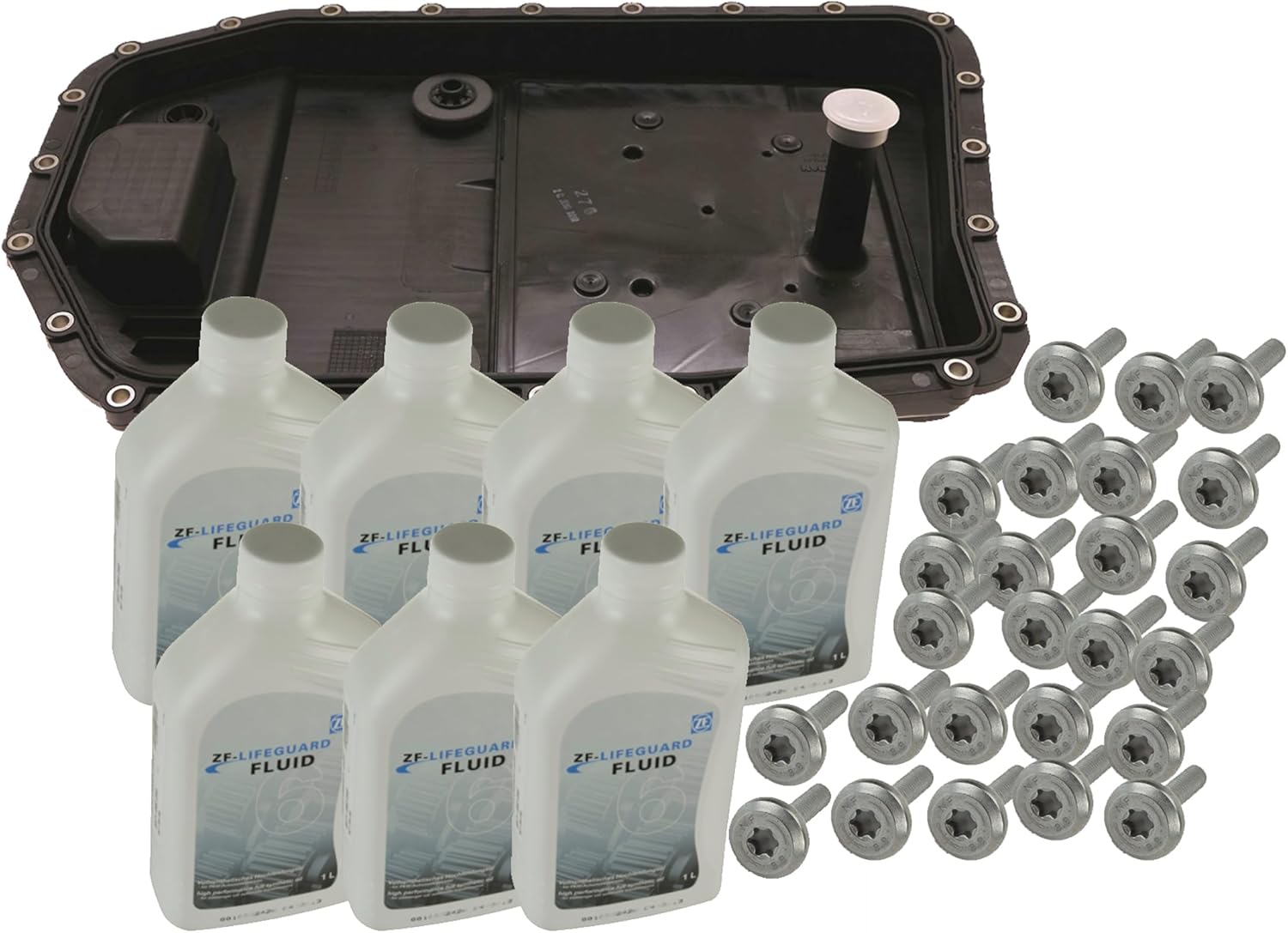
For the N54 and N55 twins in the 335i, check for carbon buildup complaints and turbo lag patterns during a test drive. Both engines have more aggressive fuel and ignition profiles than earlier 3 Series, so you'll feel that immediately. The automatic transmission - the ZF six-speed - is solid and holds power well, but manual boxes do fail occasionally. Test every gear and listen for grinding on shifts.
Interior condition matters more on the E90 than people think. The iDrive system from this era can be finicky, and replacement units are expensive. Test all buttons, the steering wheel controls, and the electronic parking brake. Door panels will rattle if not maintained, and the leather can crack badly by 2011 if it wasn't conditioned regularly. Suspension bushings wear visibly - if the car bounces on a smooth road, you're looking at ball joints or control arm work soon.
Trim choice depends on your budget and intent. Base 328i models are honest, reliable cars ideal for daily driving and light modification. The 335i is where the platform gets interesting - more power, better brakes, stiffer suspension - but maintenance costs rise. M3 is its own universe; if you need to ask the price difference, it's already out of reach for most buyers, but those cars have a collector's premium now that the V8 naturally aspirated market has shifted.
E90 Ownership Reality
I've spent five years in and around BMWs, and the E90 is what I'd call a "rewarding" daily driver - meaning it requires attention but rewards that attention with engaging dynamics. The steering is hydraulic and communicative, body roll is controlled without feeling disconnected, and the engines rev smoothly. Fuel economy runs 23 to 26 MPG highway on the 328i if you're gentle, lower on the 335i due to turbo thirst and the fact that most owners don't stay out of boost. City driving nets 18 to 20 MPG depending on traffic patterns.
Maintenance costs are moderate for a German sedan this age. Oil changes on an E90 run $80 to $120 at an independent specialist, maybe $150 to $200 at a dealership. Brake pads, you're looking at $300 to $500 per axle installed. The scary items - water pump replacement, thermostat housing, or suspension refresh - will hit $1,200 to $3,000 depending on parts choice and labor rates in your area. I budget around $150 per month into preventive work on older E90s to stay ahead of failures.
The driving experience is what keeps people attached to these cars. The engine feels alive in a way modern turbo fours don't - there's linear power delivery and a willingness to rev. The N52 in the 328i maxes out at 230 horsepower but feels eager. The N54 335i's 300 horses and turbo urgency attract a different owner, one who's already thinking about modifications. Both engines pair well with the six-speed automatic, which isn't as quick as modern DCTs but shifts smoothly and doesn't hunt for gears.
Reliability is honest. No engine is bulletproof - the N54 can develop fuel injector carbon deposits, the N52 is more straightforward but older - but there's nothing here that's a deal-breaker with proper maintenance. I've daily-driven multiple E90s over five years of wrenching, and the biggest frustration is always the cooling system, not the powertrain.
E90 Mod Path
Most E90 owners start modestly. Intake and exhaust work tops the list - you'll get a slight power gain and more induction noise, which owners either love or regret. For the 335i, a quality tune on the N54 or N55 can unlock 50 to 80 additional horsepower depending on which shop and whether you upgrade the fuel system. It's the entry point to serious modification.
Suspension comes next. Factory E90 setups are competent but soft by sports car standards. Coilover kits from quality manufacturers - Bilstein, KW, H&R - run $1,500 to $2,500 installed and dramatically sharpen handling. Sway bars and bushings follow. Brakes are already decent, but 335i owners often swap in M3 calipers and pads for more stopping power and a sportier feel.
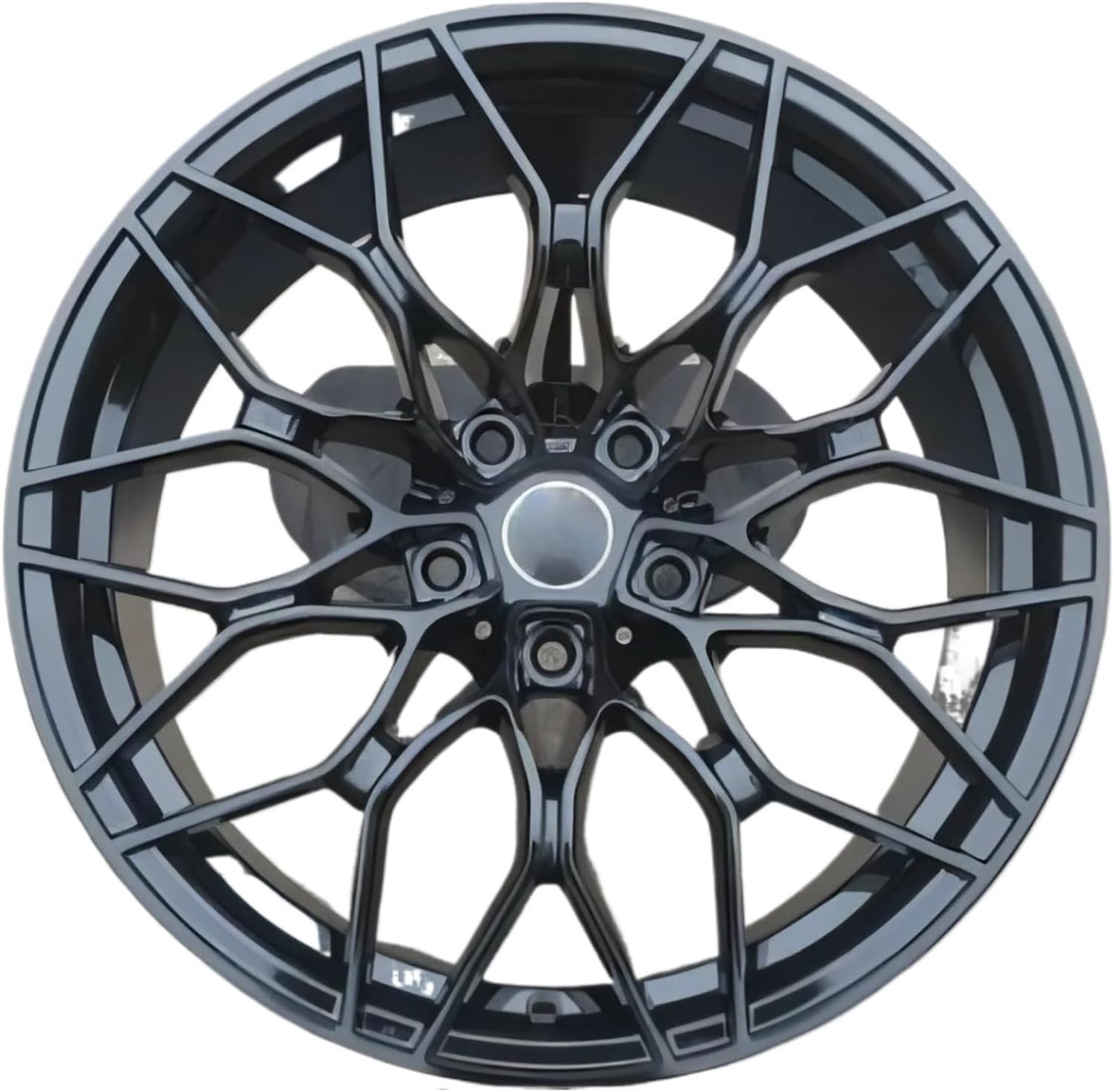
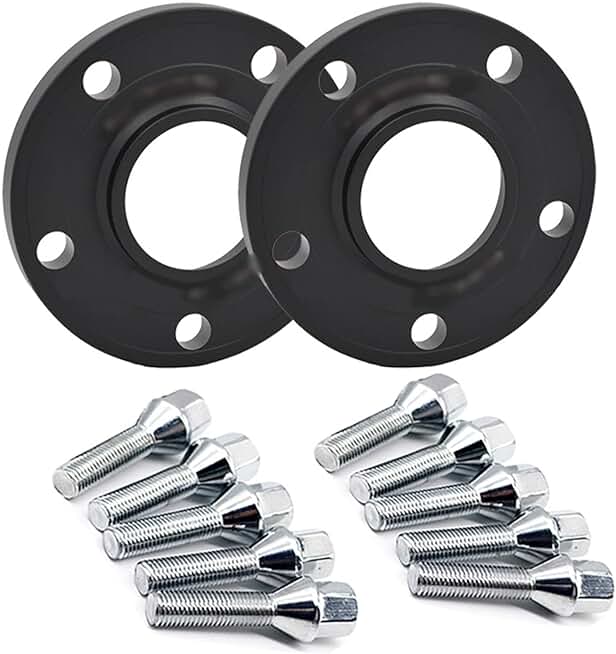
Wheels are the most visible mod. Stock E90 wheels age poorly, and upgrading to 18 or 19-inch forged sets improves both appearance and handling. The 335i especially looks purposeful on proper wheels and lowered suspension.
For deeper dives into chassis setup and engine tuning strategies, the community has documented preferred approaches across multiple platforms. Research E90-specific forums and build threads before committing capital.
Final Take on the E90
The E90 is a car I respect more each year I work on them. They're not perfect - cooling system design feels like an engineer's compromise, and iDrive controls haven't aged gracefully - but the core platform is solid, and the driving engagement remains competitive with cars half their age. The 335i, especially, has become interesting as a value modification platform; used N54 and N55 knowledge is freely available, parts are cheap, and the potential for safe power is real.
This car is for someone who values driver involvement, doesn't mind occasional maintenance, and either wants a reliable daily driver or a tuning project with a supportive community. If you need zero drama and latest tech, look elsewhere. If you appreciate mechanical directness and the last hurrah of naturally aspirated M3 V8s, the E90 era is worth your time.
Within the broader BMW family, the E90 sits between the bulletproof but aging E46 and the more electronically complex F30. For most buyers, a well-maintained E90 328i offers the best balance of cost, reliability, and driving character in the used 3 Series market today.