






Buying a F30 in 2026
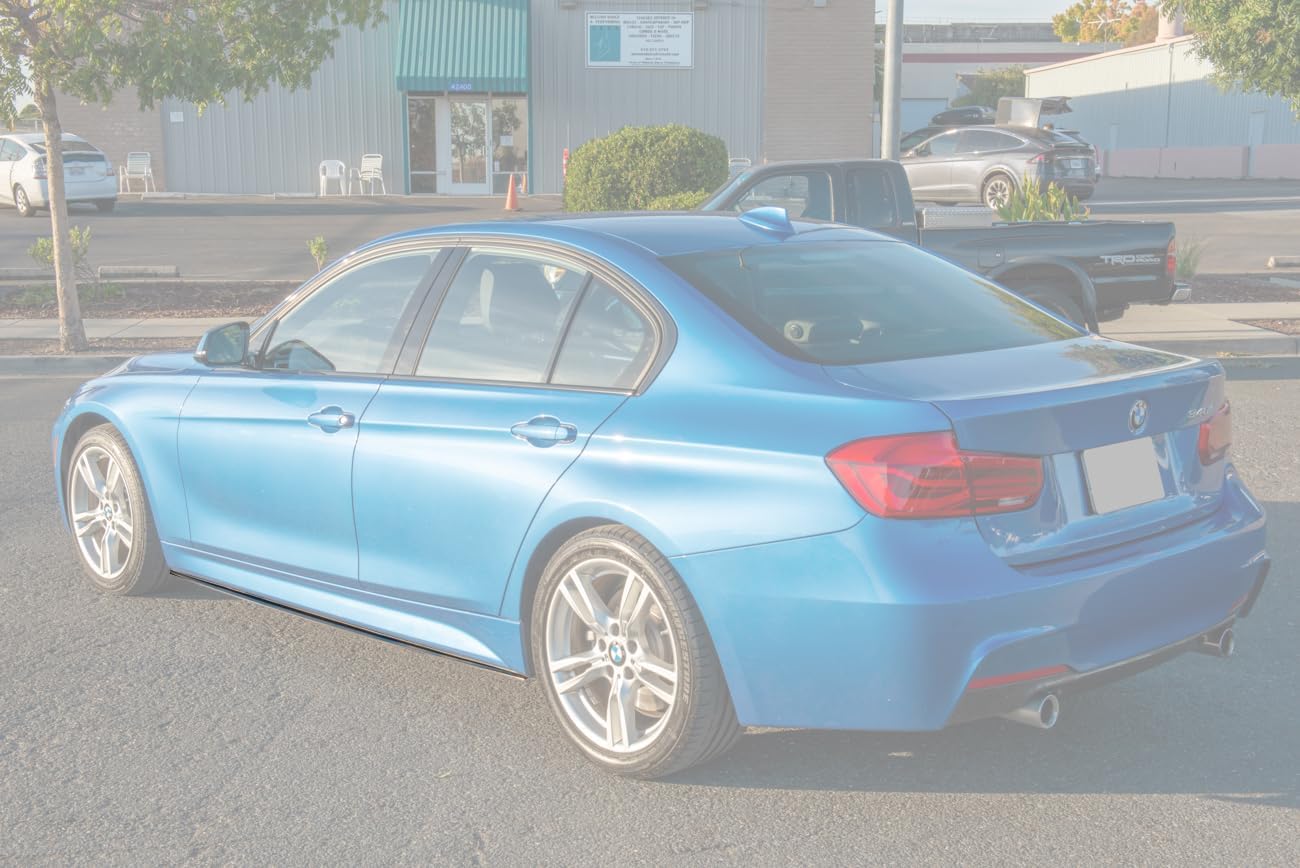
The F30 3 Series sits in a sweet spot right now. You're looking at a modern enough platform - fully digital gauges, decent infotainment, and solid bones - but old enough that depreciation has done the heavy lifting. In early 2026, you're hunting between $11,000 for a tired 328i and $38,000 for a low-mileage 340i with service history. That's genuine value territory if you know what to look for.
Here's my honest take from five years turning wrenches on these cars and a year on the dealer floor: the N20 and N55 engines are the real workhorses. The N20 in the 328i isn't a rocket ship - 240 horsepower through the ZF 8-speed feels adequate, not thrilling - but it's bulletproof if you keep oil services tight. The B48 turbo four in the 330i (248 HP) is newer, more efficient, and frankly better tuned. Don't get me wrong - I daily my own G20 330i and know this engine inside out. It's a four-cylinder, not a six, but it punches above its weight class and holds together well under boost.
The N55 335i is the elephant in the room. 300 horsepower, single turbo, and an absolute platform for modification. If you find one with full-service records and no signs of carbon buildup, grab it. Check the timing chain tensioner condition - it's the known weak point. The B58 in the 340i is the newest, most reliable unit in the lineup, but expect to pay a premium that might not make sense unless you're chasing 320 naturally aspirated horses and the prestige that comes with it.
When you walk up to one, inspect the following: Check service records religiously. A $1,200 oil service at the dealer every 10,000 miles shows respect. Look for oil seeping around the valve cover gasket - common on all four engines, cheap fix, but tells you how the previous owner operated. Test the transmission in all modes. The ZF 8HP should be buttery smooth and responsive, not hesitant or clunky. Listen for timing chain rattle on cold starts - it's a few seconds of light noise on some units, but if it persists after warm-up, walk away.
Mileage matters less than maintenance on the F30. I've seen 140,000-mile examples in bulletproof condition and 60,000-mile examples that were neglected to death. The sweet spot trim is the 335i or 340i with a manual transmission if you can find one - they're rarer, but significantly more engaging. The automatic is the smarter daily driver choice, honestly. Sedan body only, no wagon, which simplifies parts and knowledge-base hunting.
F30 ownership reality
Daily driving an F30 is genuinely pleasant. The steering is direct without being numb. Suspension rides the line between sport and comfort - firm enough to feel planted on backroads, compliant enough that potholes don't rattle your teeth. Interior is pure early-2010s German: lots of soft-touch plastic in the right places, a few cost-cutting corners you'll notice if you look, but overall it feels like you're piloting something built by engineers, not accountants.
Fuel economy depends on your engine. The N20 will see 28-32 mpg highway if you're patient, 22-25 combined in real life. The B48 runs similar numbers but feels less gutless doing it - turbocharged efficiency is real here. The N55 and B58 will cost you 20-26 mpg highway, 18-22 combined. All of them reward smooth throttle input. Jackrabbit launches will punish your fuel economy and, frankly, your wallet at the pump.
Maintenance costs are moderate when you own the work yourself, brutal if you're dealer-dependent. An oil service with a quality synthetic - check the capacity at our F30 oil capacity tool - runs $120 in fluids and filters if you DIY, $400-600 at the dealer. Brake pads every 50,000 miles or so, around $80-150 per axle DIY. Cabin air filter is a 20-minute job, $15 in parts. Spark plugs? Change them yourself if you have patience; dealer wants $600, you'll do it for $80.
The real costs hide in the surprises. Water pump failures around 80,000-100,000 miles aren't uncommon - budget $400-600 all-in. The expansion tank can crack and leak coolant - $200-300. A failed VANOS solenoid will set you back $250-400. None of this is catastrophic, and none of it happens on every car, but it's the reality of German engineering at this age and mileage. Budget $1,500 annually for maintenance and you'll sleep fine.
F30 mod path
The F30 is a serious sleeper platform, especially the 335i and 340i variants. First mods typically follow a familiar arc: tune, breathing, cooling, handling.
Tuning is the gateway. A simple OBD tune on the N55 or B48 nets 30-50 horsepower and a grin every time you merge. Reputable tuners charge $400-600 for a file, and the gains are real. The N20 benefits less dramatically but still improves. On the B58, you're looking at more modest returns without forced induction upgrades, but the platform is young enough that the tuning community is aggressive and creative.
Intake and exhaust are the visible wins. An aftermarket intake feeds the turbo more air; an exhaust frees up backpressure. Combined, you're chasing another 15-20 horses and a soundtrack upgrade. Cold air intakes run $150-300. Cat-back exhausts, $400-800. Neither is essential, both feel good.
Cooling is crucial if you're running boost hard. A quality oil cooler and upgraded radiator keep temps stable. The factory setup is adequate for stock power, but once you're tuned, upgrading cooling is smart insurance. Budget $600-1,000 for quality pieces installed.
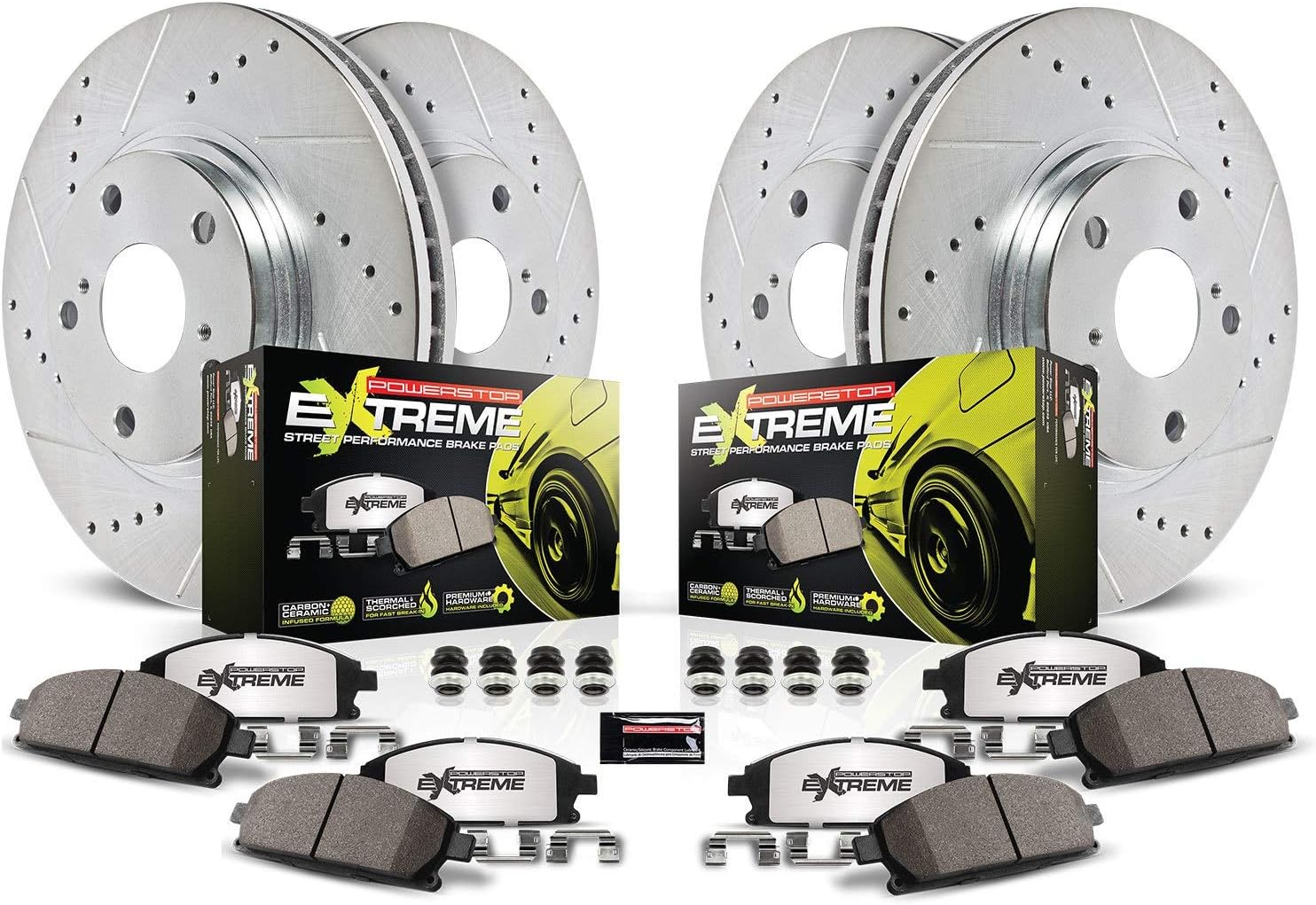
Handling mods follow. Coilovers let you dial in ride height and stiffness - $800-1,600 for a solid set. Sway bars tighten body roll; strut braces tie the chassis together. A good brake pad upgrade (Hawk HPS, Brembo Ceramics) transforms stopping power for $200-300. These are the mods that make the chassis feel alive in a way that horsepower alone can't achieve.
Final take on the F30
The F30 3 Series is the best value-to-capability ratio BMW currently offers used. It's modern enough to live with daily, old enough to not punish your wallet, and tune-able enough to surprise people who underestimate it. As someone who's worked on hundreds of these, I respect the engineering and the reliability story if maintenance is taken seriously.
This car is for the enthusiast who can DIY basics, respects preventive maintenance, and wants a German sedan that costs less than $30,000 but drives like it cost twice that. It's not for someone wanting a luxury appliance - it demands engagement and respect.
Within the BMW family, if you want newer and more warranty, look at the G20 330i or 340i. If you want pure performance and don't mind complexity, the F80 M3 exists. But if you want the smartest dollar spent and the most room to grow? The F30 is it. I drive mine daily and genuinely enjoy it. That says everything.