BMW Limp Mode - Causes and How to Get Out of It
Affiliate disclosure. BimmerTalk is a proud partner of the Amazon Associates Program and Turner Motorsport. We may earn a small commission on qualifying purchases through our links, at no extra cost to you. Read the full disclosure.

Picture this. You're merging onto the highway in your F30 330i, you bury the throttle to make the gap, and... nothing. The engine note doesn't change, the RPMs won't climb past 3000, and it feels like someone reached under the hood and disconnected half your turbo. That's limp mode, and if you're reading this with your hazards on in a parking lot somewhere, I feel for you.
I've had this conversation more times than I can count, at the shop, at BMW, and now here on BimmerTalk. Limp mode isn't a mystery gremlin, it's your DME (or the transmission's EGS module) making a very deliberate decision to protect the engine or gearbox from something it doesn't like the look of. The good news is that decision is almost always traceable. The bad news is "almost always" means you sometimes need more than a Google search and a prayer.
This is the guide I wish existed when I was standing in my driveway with a code reader and a very confused N55. Symptoms, the actual reset procedure, and then the causes ranked by how often I've actually seen them kill someone's Saturday.
Charge pipe / boost leak
Most common trigger
5 of 7
Causes needing a scan tool
$120 to $380
Typical charge pipe fix
Rarely holds
Reset without repair
What Limp Mode Actually Is
Limp mode, or "reduced power mode" as BMW likes to call it on the dash, is the DME (engine) or EGS (transmission) pulling back timing, boost, or gear selection to keep you from grenading something expensive. It's not a fault code itself, it's the reaction to one. Think of it as the car's version of walking with a limp instead of running on a sprained ankle, hence the name that's stuck around since the OBD-II days.
Engine side versus transmission side
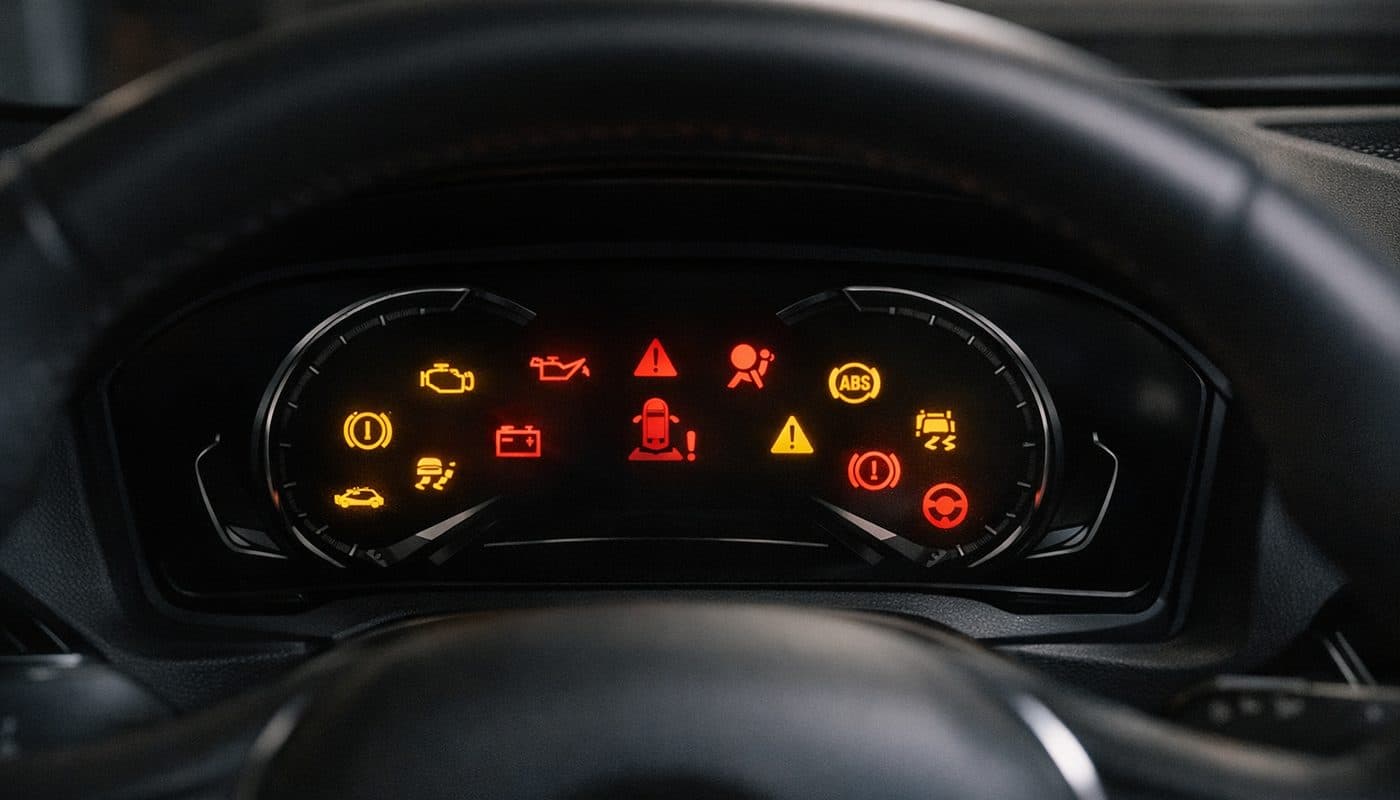
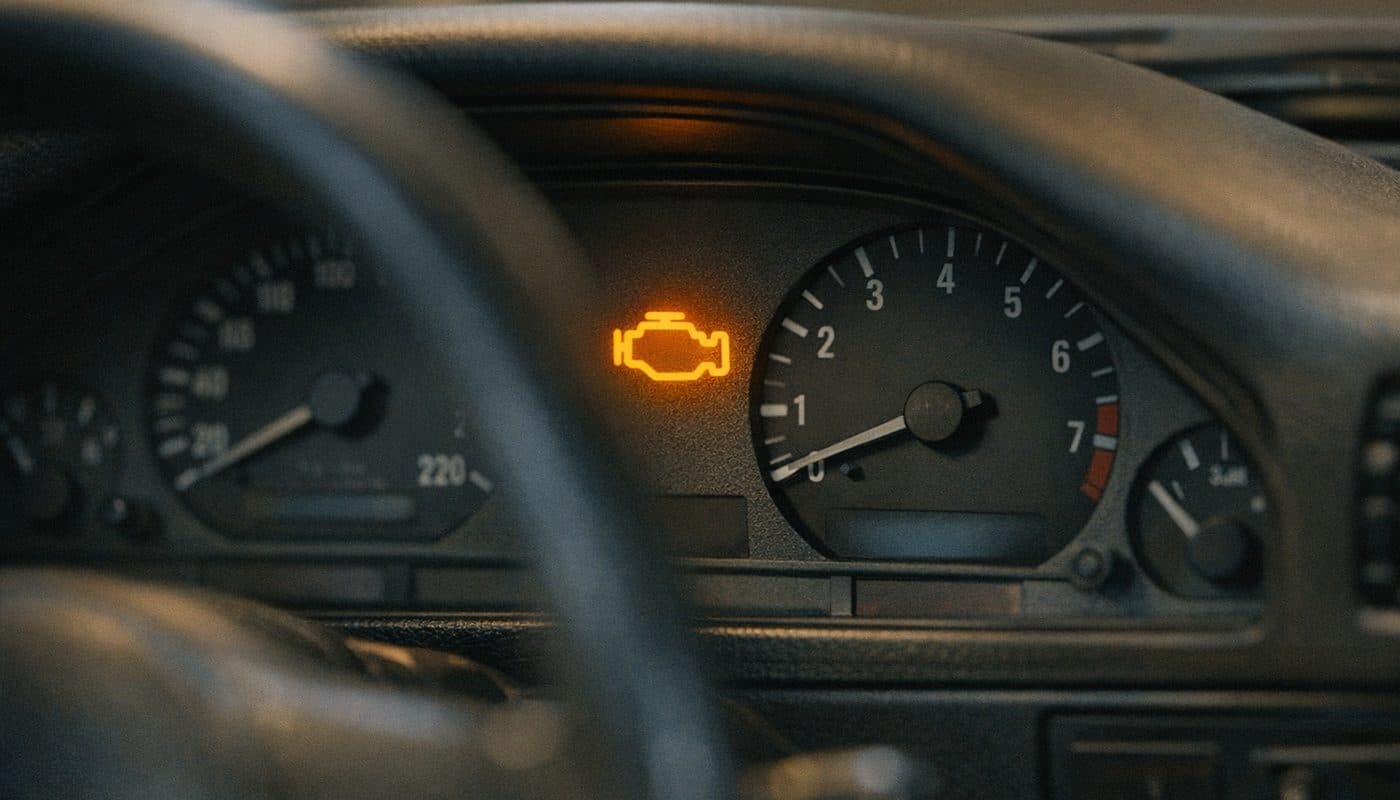
On the engine side, the DME will cap RPM, cut boost to near zero, and sometimes flash the check engine light or a dedicated "Drivetrain Malfunction" message. On the transmission side, the ZF 8HP or the older six-speeds will just lock themselves into third or fourth gear and refuse to shift, which is its own flavour of miserable. I've written a whole separate piece on bmw drivetrain malfunction warnings if that's the message you're actually seeing, because the causes diverge quite a bit from what we're covering here.
Why BMW built it this way
Modern turbo engines like the N55, B58, and N20 run tight tolerances on boost and fuel pressure. A boost spike with no charge pipe integrity, or a lean condition from a vacuum leak, can hurt pistons and turbos fast. Limp mode is cheap insurance against an expensive mistake, and honestly, I'd rather my car go stupid for twenty minutes than need a new turbocharger.
Symptoms You'll Notice First
The presentation is fairly consistent across the N55, B58, N20, and even the older N54, though the exact dash message varies by chassis. Here's the quick version before we get into the weeds.
| Symptom | What's Likely Happening | How Urgent |
|---|
| Symptom | What's Likely Happening | How Urgent |
|---|---|---|
| No boost, feels like a four-cylinder | Boost/vacuum leak or wastegate fault | Drive gently, get it scanned soon |
| RPM capped around 3000-4000 rpm | DME protecting against overboost or knock | Same day if possible |
| Stuck in one gear, won't kickdown | Transmission (EGS) limp, separate root cause | Get it looked at, avoid highway merging |
No boost, feels like a four-cylinder
- What's Likely Happening
- Boost/vacuum leak or wastegate fault
- How Urgent
- Drive gently, get it scanned soon
RPM capped around 3000-4000 rpm
- What's Likely Happening
- DME protecting against overboost or knock
- How Urgent
- Same day if possible
Stuck in one gear, won't kickdown
- What's Likely Happening
- Transmission (EGS) limp, separate root cause
- How Urgent
- Get it looked at, avoid highway merging
The classic no-boost feeling
This is the one everyone describes the same way, "it feels like the turbo fell off." That's usually accurate. Something in the boost circuit, most commonly a charge pipe, has given up and the DME has thrown in the towel on making power until it sees pressure it trusts again.
The RPM ceiling
If your car will happily idle and cruise but hits an invisible wall around 3000-4000 rpm no matter how hard you push, that's the DME actively limiting things rather than a total power loss. This is common with fuel pressure faults and knock-related protection strategies.
The stuck gear
This one feels different because it's not really the engine's fault. The transmission has its own protection logic and can lock into a "safe" gear if it sees overheating, pressure faults, or electrical gremlins in the mechatronic unit. Worth checking your limp mode diagnostics dashboard to see if the fault is logged on the engine side, the transmission side, or both, because that changes where you start looking.
How To Reset BMW Limp Mode The Right Way
Everyone wants the quick fix, so let's do the quick fix first, with the honest caveat that it's a reset, not a repair.
The ignition cycle method
Turn the car fully off, not just to accessory, all the way off. Wait a solid two to three minutes. Restart. This clears a lot of transient faults, especially ones caused by a momentary sensor glitch or a one-off electrical hiccup. I'd say maybe one in five limp mode events I've dealt with were genuinely transient and didn't come back after this.
The battery disconnect method
Pulling the negative terminal for 15-30 minutes clears more volatile memory than a simple ignition cycle and will sometimes reset adaptations that a basic restart won't touch. But I want to be blunt here, this does nothing for a split charge pipe or a failing wastegate. You're just clearing the fault memory, and if the underlying issue is still physically present, limp mode comes right back the moment the DME sees boost demand or load again.
Why it comes right back for most people
If your limp mode returns within the same drive, or the same day, you've got an active fault, not a software burp. Boost leaks, fuel pressure faults, and wastegate issues will reintroduce themselves as soon as the engine sees the load condition that exposed them the first time. This is the point where you stop resetting and start diagnosing, and that means pulling actual fault codes rather than guessing.
If you haven't already, run a scan through your check engine light code before you do anything else, and cross reference against our fault code lookup tool to see what module actually logged the complaint.
Boost And Vacuum Leaks, The Number One Cause
If I had to bet money on any single limp mode event on an N55, B58, or N20, I'd bet on this first. It's not close.
The split charge pipe
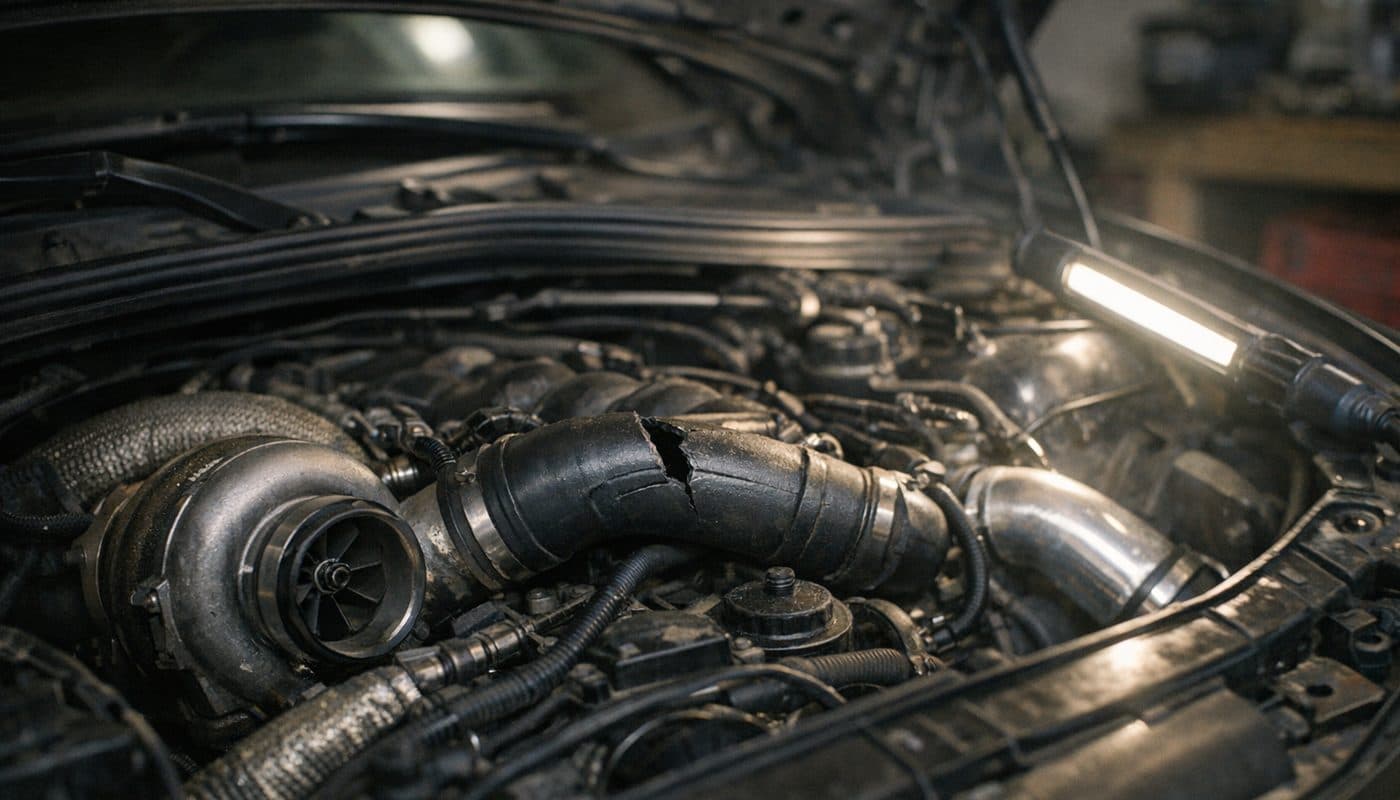
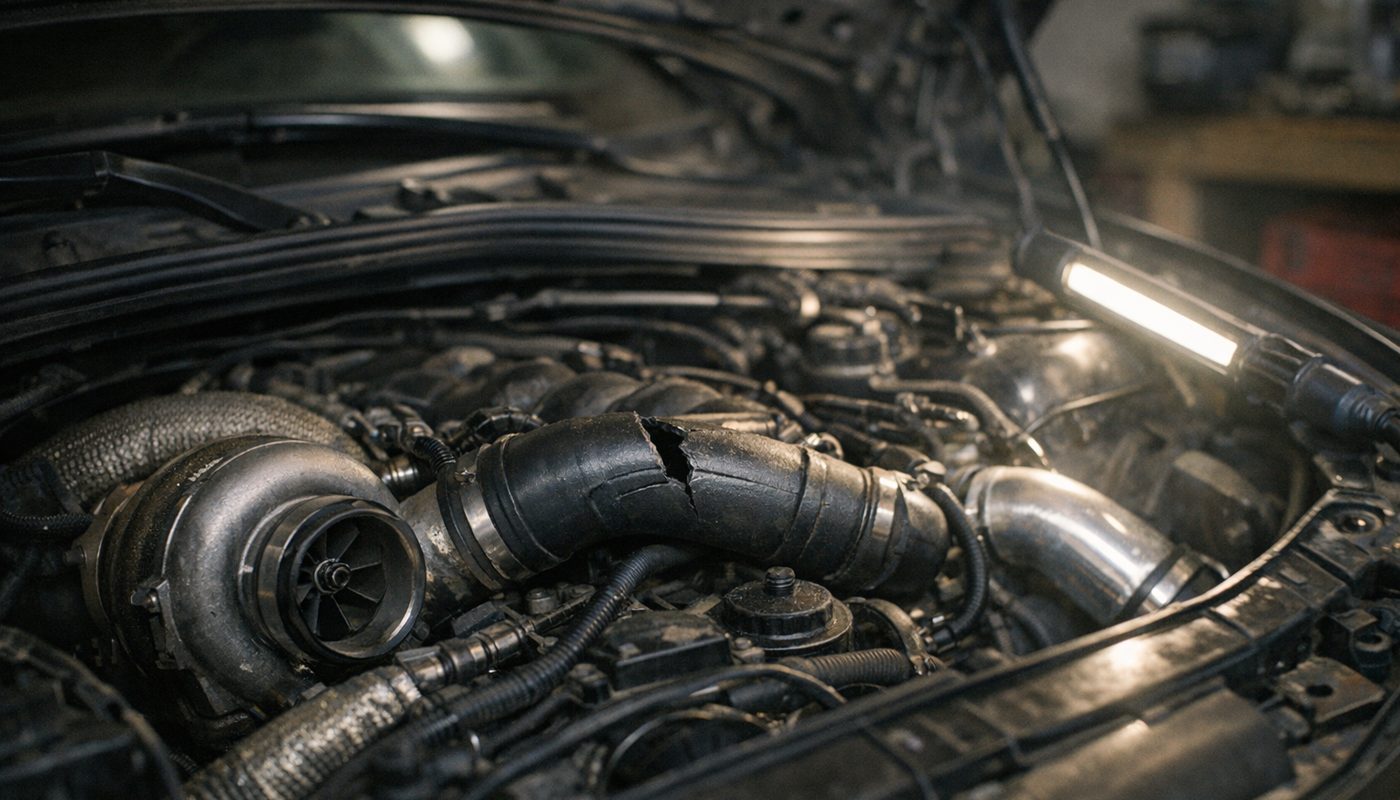
BMW used a plastic charge pipe on a lot of these engines between the turbo outlet and the intercooler, and that plastic gets brittle with heat cycles over time. It cracks, usually right at the coupler ends, and once it splits, you're bleeding boost pressure straight into the engine bay instead of into the intake. The DME sees requested boost not matching actual boost and pulls the plug on power delivery almost instantly under load.
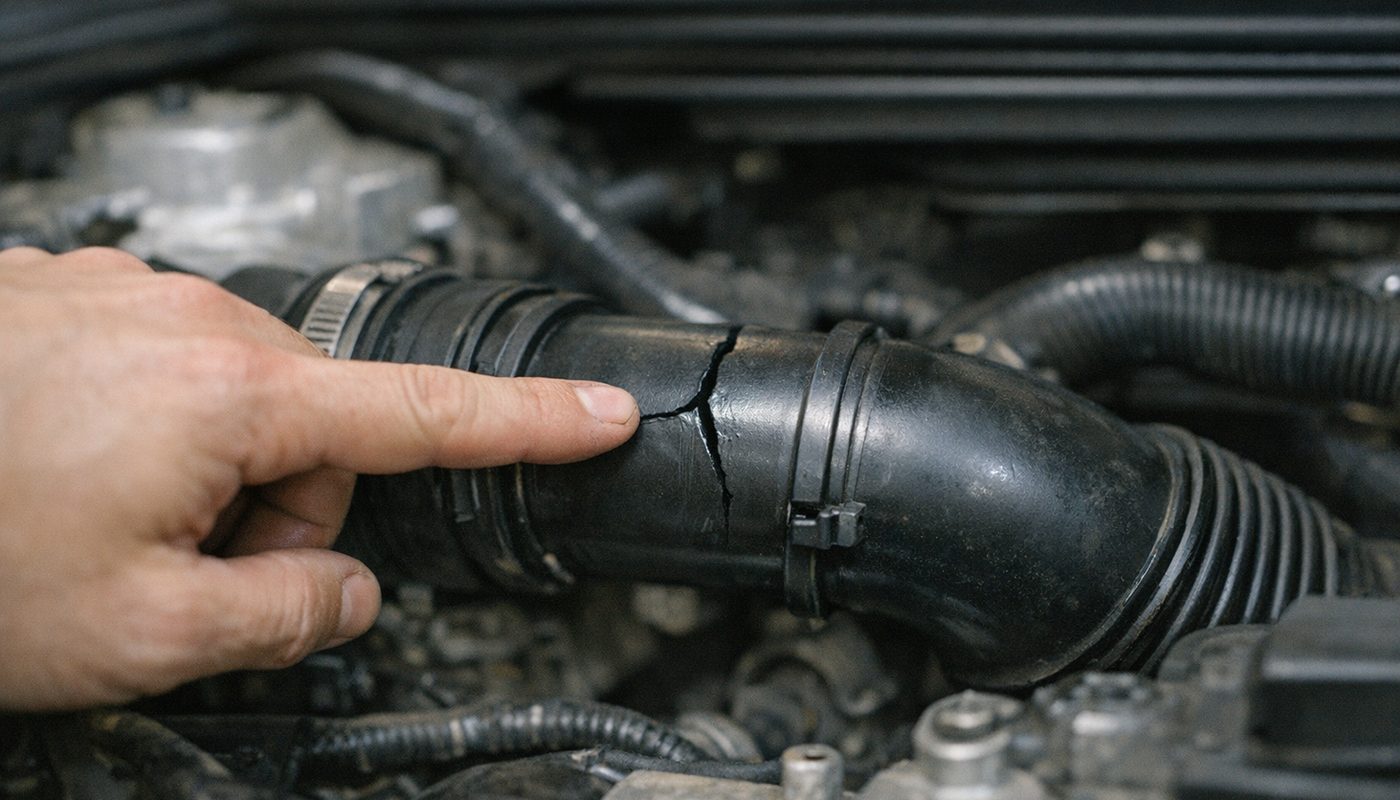
The telltale sign is a hissing or whooshing noise under acceleration right before the power drops off. Some owners describe it as their car "burping." If you hear that and then feel the power vanish, go look at the charge pipe before you do anything else.
Loose couplers, cracked hoses, and boot clamps
Not every leak is a dramatic split pipe. Sometimes it's a factory hose clamp that's worked loose, a vacuum line with a pinhole, or a coupler boot that's just perished with age. These are sneakier because they don't always show visually, you might need to physically wiggle-test hoses with the engine running or do a smoke test to find them.
If you're chasing an upgraded charge pipe anyway because you've had one failure already, it's worth reading up on the broader turbo system while you're in there, our guide to the best turbo upgrades for the N55 covers what actually holds up versus what's marketing fluff.
Fuel Pressure Faults, HPFP And Low Side
This one surprises people because it doesn't feel intuitive, low fuel pressure causing an RPM cap, but it's one of the most common triggers across B58, B48, N20, N26, and N55 platforms.
High pressure fuel pump shortfalls
The HPFP is responsible for building rail pressure well beyond what the low pressure side provides, and these direct injection engines are unforgiving if that rail pressure drops under load. A worn HPFP, a sticking pressure regulator, or even air in the fuel system can trigger a rail pressure fault that the DME interprets as "I can't guarantee combustion quality, pulling back power now."
Low side and fuel delivery issues
Less common but still real, a weak in-tank fuel pump or a clogged fuel filter (on the cars that still have a serviceable one) can starve the high pressure side of what it needs, cascading into the same rail pressure fault. This is one of those causes that basically requires live data to nail down, you need to watch requested versus actual fuel rail pressure under acceleration, not just read a stored code.
Wastegate, MAF, And PCV, The Next Tier Of Causes
These three don't top the list, but between them they probably account for another quarter of the limp mode calls I get asked about.
Wastegate rattle and actuator wear
A worn wastegate actuator rod, or play in the actuator itself, causes inconsistent boost control. You might hear a metallic rattle at idle or under light throttle, that's usually the wastegate flapper banging around because it's lost its proper seating. Once it can't hold boost target reliably, the DME deactivates charging pressure and you're limping.
Dirty or drifting MAF sensor
More common on diesels but it happens on petrol turbos too, especially if the intake has been modified or the filter neglected. A MAF sensor reading incorrectly can mimic a boost fault because the DME's whole air-fuel calculation strategy depends on trusting that sensor. Sometimes cleaning it with proper MAF cleaner fixes it, sometimes it's just worn out and needs replacing.
PCV and CCV diaphragm failure
The crankcase ventilation system on N54, N55, and B58 engines uses a diaphragm-based valve that can crack or stick, causing either too much or too little crankcase pressure. This throws off the DME's pressure calculations in ways that look a lot like a boost leak from the outside, which is exactly why it gets misdiagnosed so often. If you've replaced the charge pipe and you're still getting limp mode, this is next on my list to check.
Thermostat And Cooling Related Limp Mode
This one's rarer as a direct trigger but worth knowing about. BMW's electronically controlled thermostats, when stuck open, keep coolant temps lower than the DME expects for a given driving condition. Some tuning strategies use coolant temp as an input for ignition timing and boost targets, so a thermostat that never closes properly can indirectly nudge the DME into a more conservative, reduced-power strategy, especially noticeable on cold starts or short trips that never fully warm the engine.
It's not usually a hard limp trigger on its own, but if you've ruled out boost, fuel, and MAF issues and you're still stuck, check your coolant temp behavior on a scan tool during a drive cycle.
Transmission Limp Mode, A Different Animal Entirely
I want to separate this out clearly because it trips people up constantly. Everything above is the engine's DME protecting the engine. Transmission limp is the EGS protecting the gearbox, and the causes are almost completely unrelated.
Overheating and fluid condition
The ZF 8HP is a fantastic transmission but it hates sustained high temperatures, especially on track days or heavy towing. If the fluid gets too hot, the EGS locks into a single gear until temperatures come back down, sometimes staying locked even after cooling if a fault got logged in the process.
Electrical and mechatronic faults
Solenoid issues inside the mechatronic unit, wiring faults, or a failing valve body can all trigger a defensive gear lock. These usually need a proper scan with transmission-specific fault codes to pin down, general code readers often can't see deep enough into the EGS module.
Which Causes Actually Need A Scan Tool
Here's the honest breakdown, because half the frustration with limp mode is people trying to eyeball a diagnosis that really needs live data.
| Cause | Can You Spot It Visually | Needs Live Scan Data |
|---|
The tools that actually earn their keep
You don't need a full factory ISTA setup sitting in your garage, but you do need something that reads more than generic OBD-II codes, since a lot of this lives in BMW-specific modules. A solid Bluetooth-based scanner paired with the right app gives you live boost data, fuel rail pressure, and manufacturer-specific fault codes without spending shop money every time the light comes on.
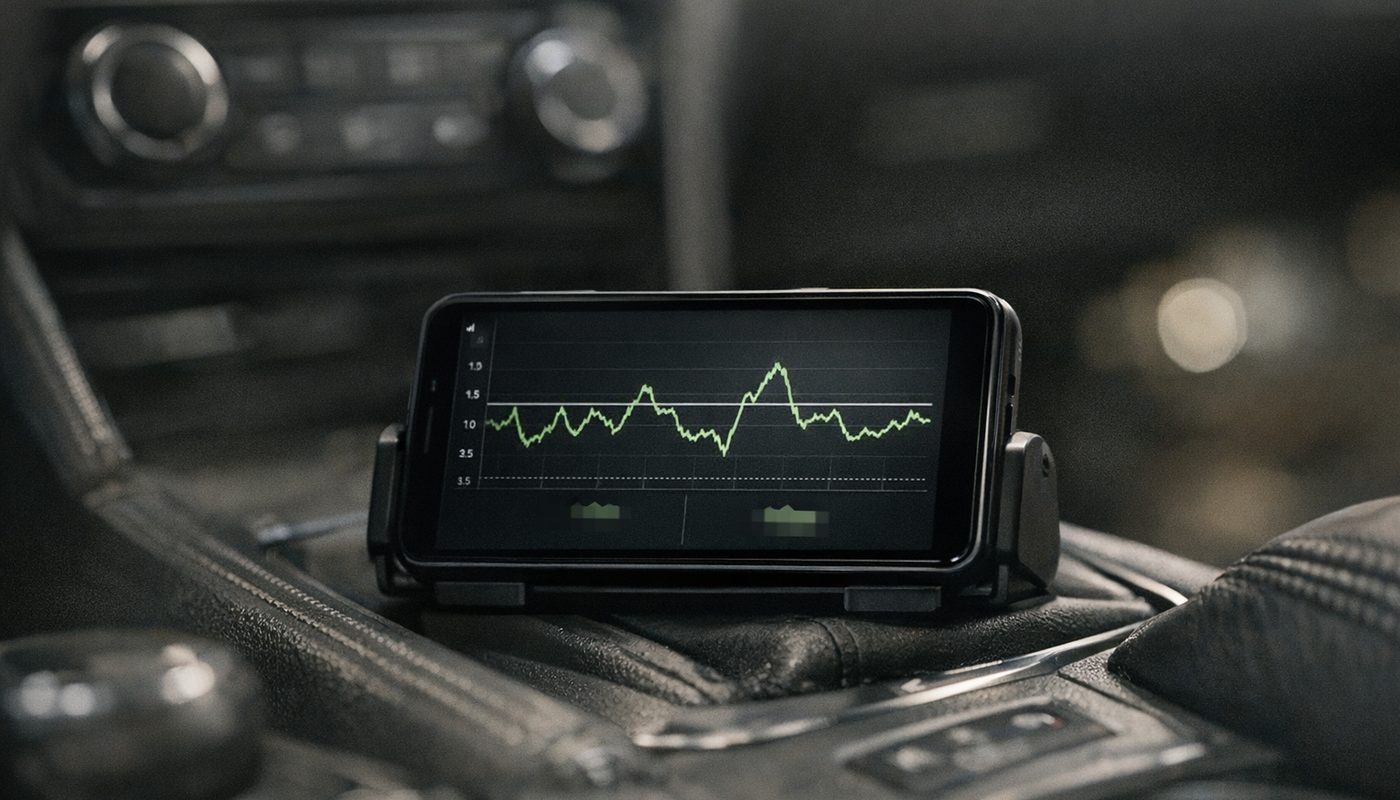
This is genuinely one of the best fifty dollars an owner of a turbo BMW can spend. I've caught two separate boost leaks on customer cars just by watching requested versus actual boost climb apart on a live graph during a test drive, no guessing required.

What You Actually Need To Diagnose This At Home
A proper BMW-capable code reader
Generic OBD-II readers will pull a check engine code but they often can't see live boost, fuel rail pressure, or transmission-specific data. If you're serious about DIY diagnosis, invest in something built for this platform. Our full breakdown of the best OBD scanner for BMW options goes deeper into which ones handle the manufacturer-specific PIDs you actually need for this job.
A word on tuners and limp mode
If you're running a piggyback tuner like the JB4, know that it can occasionally introduce its own boost-related codes if the map is pushing harder than your charge pipe or wastegate can handle reliably. That's not the tuner being bad, it's exposing a weak link that was always going to fail eventually, just sooner under more boost. Worth checking your tuner's app for live data alongside your scan tool if you're modified.
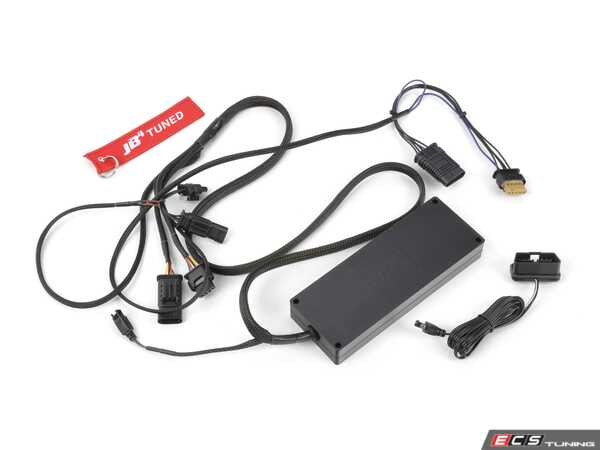
Burger Motorsports JB4 - Tuner for BMW B38 B46 B48
$529.00
When To Just Book It In
I'm all for DIY, I've spent fifteen years under these cars, but there's a point where chasing an intermittent boost leak with a smoke machine you don't own stops being worth your Saturday. If you've swapped the charge pipe, checked the obvious hoses, and you're still getting limp events, that's the point to get it on a proper scan tool with BMW-specific software, because you're likely looking at a wastegate, HPFP, or PCV issue that needs precise live data to isolate rather than parts-cannon guessing.
FAQ
How do I get my BMW out of limp mode
Turn the ignition fully off, wait two to three minutes, and restart. This clears transient faults and is worth trying first every time. If the fault is physical, like a split charge pipe or failing wastegate, limp mode will return as soon as you put the engine under load again, and that's your sign you need an actual repair, not another reset.
What causes limp mode on a BMW
Most commonly a boost or vacuum leak, especially a split plastic charge pipe on N55 and B58 engines, followed by fuel pressure faults on the high pressure side, wastegate actuator wear, a dirty or drifting MAF sensor, and PCV/CCV diaphragm failure. Transmission limp is a separate issue caused by overheating or mechatronic faults in the EGS module rather than anything engine-related.
How much does it cost to fix limp mode
Depends entirely on the root cause. A charge pipe replacement typically runs roughly $120-$380 including labour depending on whether you go OEM plastic or an upgraded aluminum unit. A wastegate actuator repair can run $300-$700. HPFP replacement is the expensive end, often $600-$1200 with labour on some platforms. Transmission-side fixes vary wildly depending on whether it's a fluid service or a mechatronic unit replacement.
How do I fix limp mode
Diagnose first, fix second. Scan for fault codes, check live boost and fuel pressure data if you can, and inspect the charge pipe and hose couplers visually since that's the most common culprit. Once you know which system triggered it, whether that's boost, fuel, or transmission, the fix is straightforward, but guessing and swapping parts without data usually wastes money.
Can I keep driving with limp mode on
Gently, yes, for a short distance to get home or to a shop. Aggressively, no. Continuing to push a car that's already flagged a boost or fuel pressure fault risks turning a cheap part replacement into an expensive turbo or engine repair.
Does limp mode always show a check engine light
Not always immediately, sometimes you'll get the power reduction before the check engine light illuminates, especially with pending codes that haven't fully matured into stored faults yet. Don't wait for the light, if the power feels wrong, scan it.
Is transmission limp mode the same as engine limp mode
No, and this trips a lot of owners up. Engine limp mode comes from the DME protecting the engine, usually boost or fuel related. Transmission limp mode comes from the EGS protecting the gearbox, usually overheating or an internal electrical fault, and it presents as being stuck in one gear rather than a straight power cut.
Bottom Line
Limp mode isn't your BMW being dramatic, it's the DME doing exactly what it's designed to do. Nine times out of ten on a turbo petrol BMW, you're looking at a boost leak or a fuel pressure fault, and a decent scan tool with live data will tell you which one faster than any forum thread ever will. Don't just reset it and hope, that's how a fifty dollar charge pipe turns into a much less fun conversation about turbo replacement. Get it scanned, fix what's actually broken, and get back to enjoying the car the way BMW intended before some plastic pipe decided to have an early midlife crisis. Drive safe out there.