BMW Maintenance Cost, What to Expect by Model and Year
Affiliate disclosure. BimmerTalk is a proud partner of the Amazon Associates Program and Turner Motorsport. We may earn a small commission on qualifying purchases through our links, at no extra cost to you. Read the full disclosure.

Everyone who has never owned a BMW will tell you the same thing: "those things are money pits." And honestly? They're not entirely wrong. But they're not entirely right either. The real answer, like most things in the BMW world, is more nuanced - and a lot more interesting. BMW maintenance costs are highly predictable once you know the model, the generation, and which failure modes to expect. If you go in blind, you'll get killed. If you go in prepared, you'll spend less than you would on a Land Rover and enjoy a car that's actually fun to drive.
Let's break it down by model and be brutally honest about what you're signing up for.
The 3 Series (F30, G20)
The 3 Series is BMW's bread and butter, and it's also the most affordable to maintain in the lineup - relatively speaking. A well-maintained F30 328i or 320i with the N20 four-cylinder engine will run you roughly $800 to $1,200 per year in routine maintenance. Oil changes, brake pads, and filters are the bulk of it.
The catch? The N20 engine has a known timing chain issue on cars built before mid-2015. The tensioner can fail, and when it does, it fails catastrophically. A timing chain replacement at the dealer runs $2,500 to $4,000. Done DIY with a proper kit, you're looking at $400 to $600 in parts and a weekend of work. If you're buying an early N20 car, budget for this job immediately if it hasn't been done.
The newer G20 3 Series (2019+) with the B48 engine is significantly more reliable. Timing chain issues are largely gone, the engine is solid, and you're looking at genuinely lower long-term costs. Still not Honda Civic territory, but closer than you'd think.
$800-$1,200
Annual maintenance (F30 N20)
$2,500-$4,000
Timing chain replacement (dealer)
$400-$600
Timing chain replacement (DIY)
$80-$150
Brake pad replacement (per axle, DIY)
The 5 Series (F10, G30)
Step up to the 5 Series and the costs step up too. A 528i or 530i in the F10 generation will run you $1,200 to $1,800 per year in normal maintenance. But the F10 has a few expensive gremlins you need to know about.
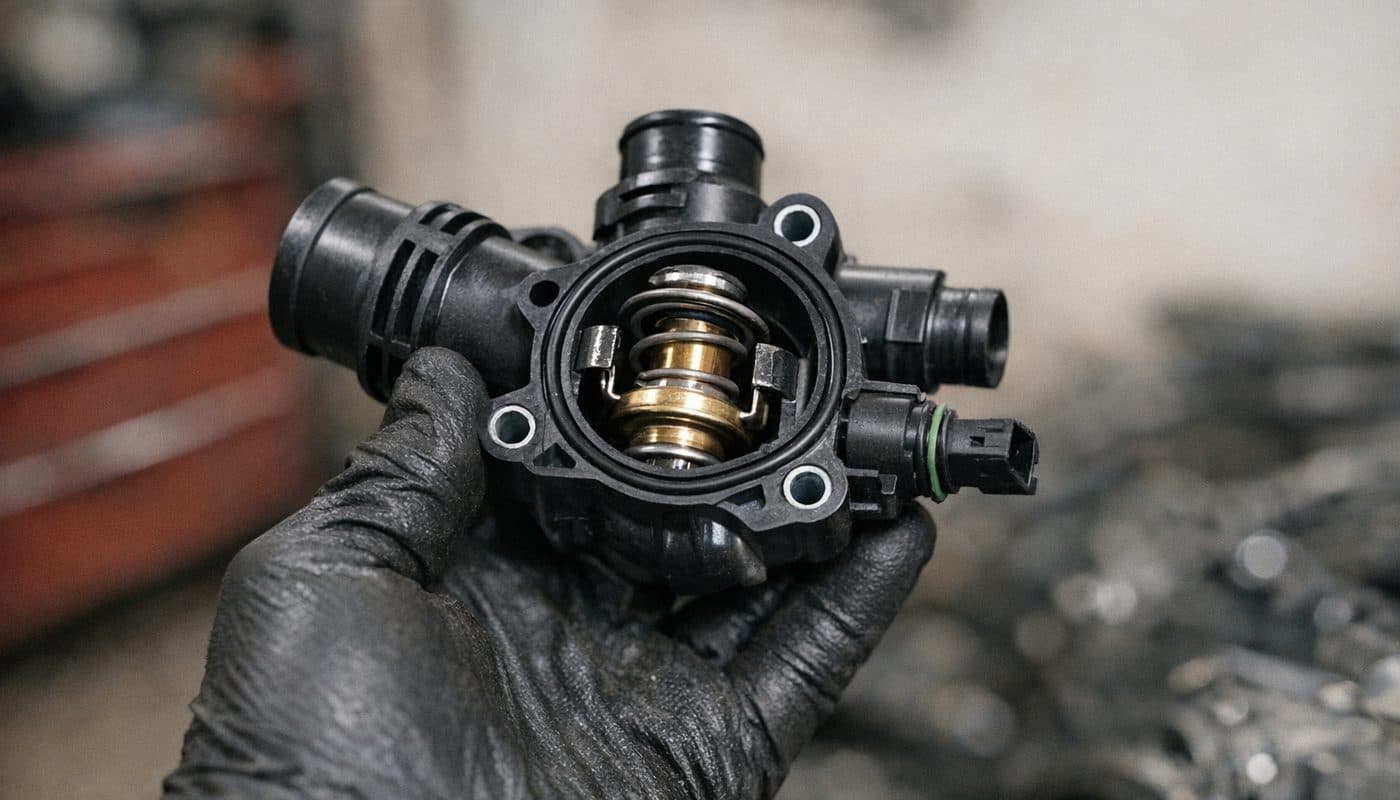
The N20 engine in the F10 528i shares the same timing chain vulnerability as the F30. More importantly, F10s equipped with the N52 or N54 have their own quirks - VANOS solenoids, high-pressure fuel pump (HPFP) failures on the N54, and a water pump that is effectively a service item, not a lifetime part. BMW's electric water pumps on the N52, N54, and N55 engines have a typical lifespan of 60,000 to 80,000 miles. At the dealer, a water pump job runs $700 to $1,100. Aftermarket parts and DIY brings that to $150 to $250. The pump itself is about $80 to $180 depending on brand.
The G30 5 Series is noticeably more solid. The B58 engine in the 540i is one of BMW's best modern motors - reliable, powerful, and responsive to modifications. Long-term maintenance costs on a G30 are closer to the bottom of that range, assuming you're doing preventive work on schedule.
The X5 (E70, F15, G05)
The X5 is where BMW maintenance costs start earning their scary reputation. These are larger, heavier vehicles with more complex drivetrains, and they cost more to work on as a result. Annual maintenance on a used X5 realistically runs $1,500 to $2,500, and that's assuming nothing major goes wrong.
The E70 X5 with the N52 or N62 V8 is notorious for a few expensive repairs. The valve cover gasket on the N62 is a frequent failure point - BMW's V8 uses a one-piece plastic valve cover that warps and cracks over time. At the dealer, a valve cover gasket replacement is $800 to $1,400. With a quality aftermarket gasket kit and DIY labor, it's $80 to $150 in parts. The N62 also has active valve stem seal issues that can lead to significant oil consumption, and that's a much bigger job.
The F15 X5 with the N55 or N63 engine is more reliable mechanically, but the N63 (the twin-turbo V8) has a warranty extension program for a reason - oil consumption, turbos, and timing chain wear are all documented issues. BMW even extended the N63 warranty on affected vehicles. If you're looking at a used F15 X5 with the N63, get a pre-purchase inspection from an independent BMW specialist. Non-negotiable.
The G05 X5 is the most modern and so far the most reliable of the bunch, with the B58 engine being particularly strong. It's still too new to have a full failure history, but early data is encouraging.
$1,500-$2,500
X5 annual maintenance estimate
$800-$1,400
Valve cover gasket (dealer, N62)
$80-$150
Valve cover gasket (DIY)
$1,800-$2,800
N63 turbo replacement (per side)
M Cars, The Real Talk
M cars are built to different tolerances, driven harder, and serviced less often by owners who bought them for the performance and then balked at the maintenance bill. Annual costs for an M3 or M5 in regular use? Realistically $2,500 to $4,000+. Track use doubles or triples that figure.
The S55 engine in the F80/F82 M3/M4 has two well-documented issues: rod bearing wear and charge pipe failures. Rod bearing replacement is an $1,800 to $3,500 job at a shop, or $400 to $700 DIY with the right tools. Most experienced M3 owners recommend doing them preventively at 60,000 to 80,000 miles, full stop. The S58 in the G80/G82 appears to have addressed the rod bearing concerns, but it's still young enough that we're watching carefully.
Brake pads on M cars are a recurring expense. The massive M compound brakes eat through pads, especially if you're driving aggressively. Budget $250 to $450 per axle at the dealer for OEM pads. Aftermarket OEM-equivalent pads from Textar or Pagid - the same brands BMW uses in the factory - are $60 to $120 per axle.
VANOS solenoids are another recurring expense across M cars and regular BMWs. These variable valve timing actuators fail over time, usually showing up as rough idle, reduced power, and error codes. Solenoids themselves are $50 to $100 each, and it's a relatively straightforward DIY job on most engines.
The Big Expensive Repairs Everyone Fears
Here's a quick breakdown of the repairs that scare people off BMWs - and the realistic cost split between dealer and DIY:
| Repair | Dealer Cost | DIY Cost | Notes |
|---|---|---|---|
| Water Pump (N52/N54/N55) | $700-$1,100 | $150-$250 | Do proactively at 70k miles |
| Valve Cover Gasket (N62) | $800-$1,400 | $80-$150 | Common on E70 X5 |
| Timing Chain (N20) | $2,500-$4,000 | $400-$600 | Pre-2015 build dates |
| VANOS Solenoids | $300-$600 | $80-$150 | Pair of solenoids, both banks |
| Rod Bearings (S55) | $1,800-$3,500 | $400-$700 | DIY requires engine drop knowledge |
| Turbo Replacement (N54) | $2,500-$4,500 | $800-$1,200 | Wastegates often the real issue |
| HPFP (N54) | $800-$1,200 | $200-$350 | Common on high-mileage N54s |
Water Pump (N52/N54/N55)
- Dealer Cost
- $700-$1,100
- DIY Cost
- $150-$250
- Notes
- Do proactively at 70k miles
Valve Cover Gasket (N62)
- Dealer Cost
- $800-$1,400
- DIY Cost
- $80-$150
- Notes
- Common on E70 X5
Timing Chain (N20)
- Dealer Cost
- $2,500-$4,000
- DIY Cost
- $400-$600
- Notes
- Pre-2015 build dates
VANOS Solenoids
- Dealer Cost
- $300-$600
- DIY Cost
- $80-$150
- Notes
- Pair of solenoids, both banks
Rod Bearings (S55)
- Dealer Cost
- $1,800-$3,500
- DIY Cost
- $400-$700
- Notes
- DIY requires engine drop knowledge
Turbo Replacement (N54)
- Dealer Cost
- $2,500-$4,500
- DIY Cost
- $800-$1,200
- Notes
- Wastegates often the real issue
HPFP (N54)
- Dealer Cost
- $800-$1,200
- DIY Cost
- $200-$350
- Notes
- Common on high-mileage N54s
DIY vs Dealer, the Honest Breakdown
If you're comfortable with basic tools and willing to learn, you can cut your BMW maintenance costs by 50 to 70 percent. BMW's engines are actually well-designed for serviceability - oil filters are accessible, drain plugs are in sensible locations, and most common wear items don't require specialty equipment. The investment? An OBD scanner that speaks BMW's language, a decent set of metric sockets, and a few hours of YouTube education.
For an OBD scanner, do not cheap out on the generic $20 unit. BMW uses manufacturer-specific codes that generic scanners miss entirely. The ANCEL BM700 PRO BMW-specific scanner reads all systems - ABS, airbags, transmission, engine - and handles battery registration, CBS resets, and other BMW-specific functions. It's the tool every BMW owner needs in their kit.
For water pump jobs, the electric water pump and thermostat kit for N52/N54/N55 covers the full job in one box. It includes both the pump and thermostat housing - because if you're pulling the pump, you replace the thermostat too. Non-negotiable.
For valve cover gaskets, the engine valve cover gasket kit with grommet seals (part 11129070990) fits E46, E53, E83, E85 models and includes the full set of 15 grommet seals you need for a proper repair. Skipping the grommets is how you get a repeat job in 18 months.
For the E46 specifically, the comprehensive E46 water pump kit is a classic preventive job - if your E46 is over 80,000 miles and you don't have a water pump receipt, this is the first thing you do.
Brake Pads, the Sneaky Ongoing Cost
BMW's DSC (Dynamic Stability Control) is aggressively tuned and uses the brakes constantly for cornering stability. Combined with the weight of the cars and the performance-oriented suspension tuning, you go through pads faster than you expect. Most BMW owners on performance tires are looking at front pad replacement every 20,000 to 30,000 miles in normal street use.
The good news: aftermarket brake pads from OEM suppliers are cheap, plentiful, and identical in material to what BMW installs at the factory. The OEM Textar rear brake pad set for E-chassis BMWs (5, 6, 7 Series, X5, X6, M3, M5, M6) is what you want. Textar is the OEM supplier. You're literally buying the BMW factory pad without the BMW markup.
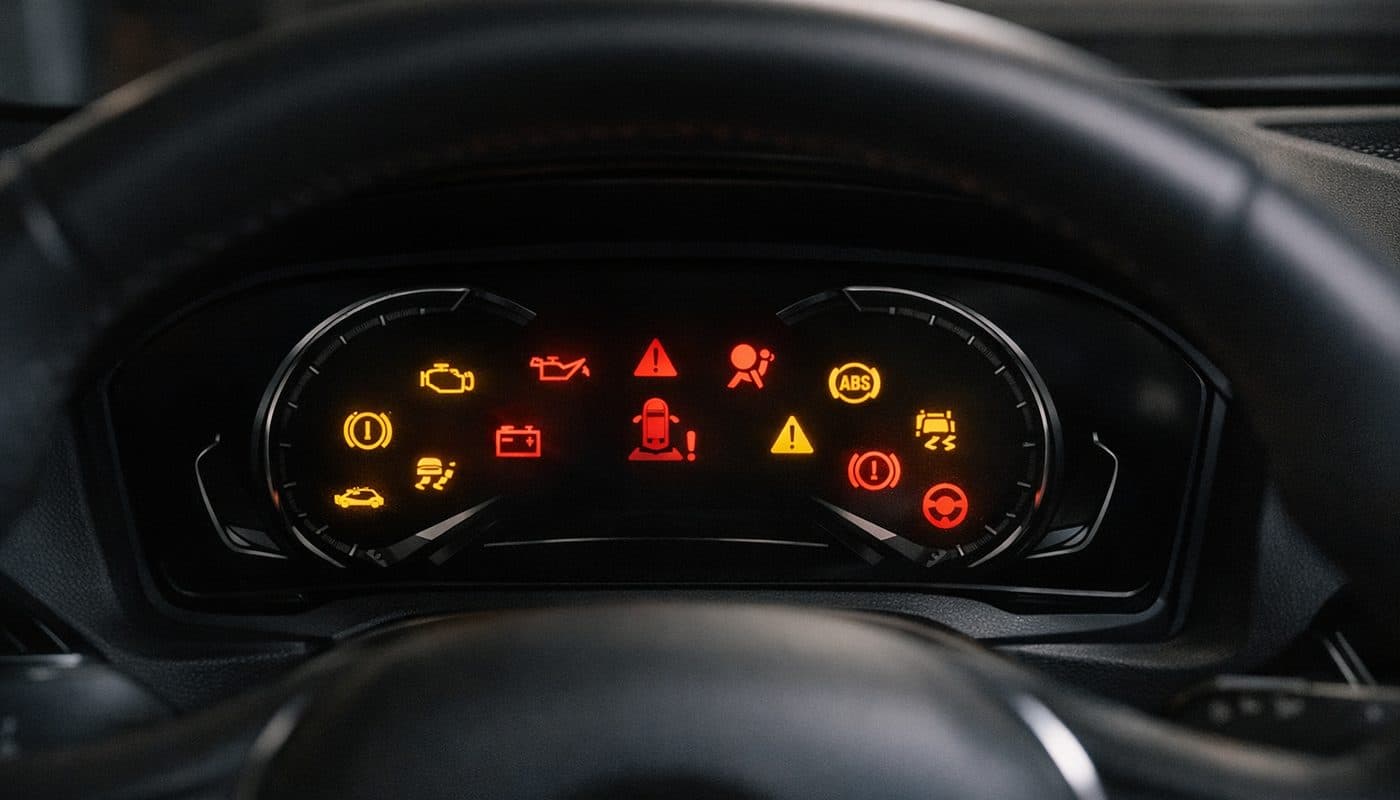
For the E90 generation, the OEM Textar front brake pad set for E90 323i/328i/328xi/xDrive is the equivalent deal for the front axle. $50 to $80 for pads that cost $250 at the dealer. The DSC warning light that comes on when pads wear low is your reminder - don't ignore it, because BMW's wear sensors are accurate.
How to Actually Reduce Your BMW Maintenance Costs
Here's the playbook that experienced BMW owners use to keep costs manageable:
1. Find an independent BMW specialist, not a dealer. Indie shops that work exclusively on European cars charge 30 to 50 percent less for labor and will source OEM-grade parts rather than BMW-priced parts. Ask any BMW forum for recommendations in your area - the community knows who does quality work.
2. Do your own oil changes. BMW spec oil (0W-30 or 0W-40 LL-01 rated) is about $40 for a 5-liter jug. The filter is $15. At a dealer, this service is $150 to $200. That's $100+ in savings every 10,000 miles, and it takes 20 minutes. With a BMW OBD2 scanner with oil reset capability, you can clear the service indicator yourself too.
3. Buy OEM-grade parts, not dealer parts. As covered above - Febi, Mahle, Elring, Textar, and Lemforder are all OEM BMW suppliers available on Amazon and FCP Euro for a fraction of dealer cost. This is the single biggest money-saving move available to BMW owners.
4. Learn the known failure modes for your specific model. Each BMW generation has its signature weak points. Learn them, budget for them, and replace them proactively. A $200 water pump done on your schedule is infinitely better than a $3,000 engine overheating repair done on a tow truck's schedule.
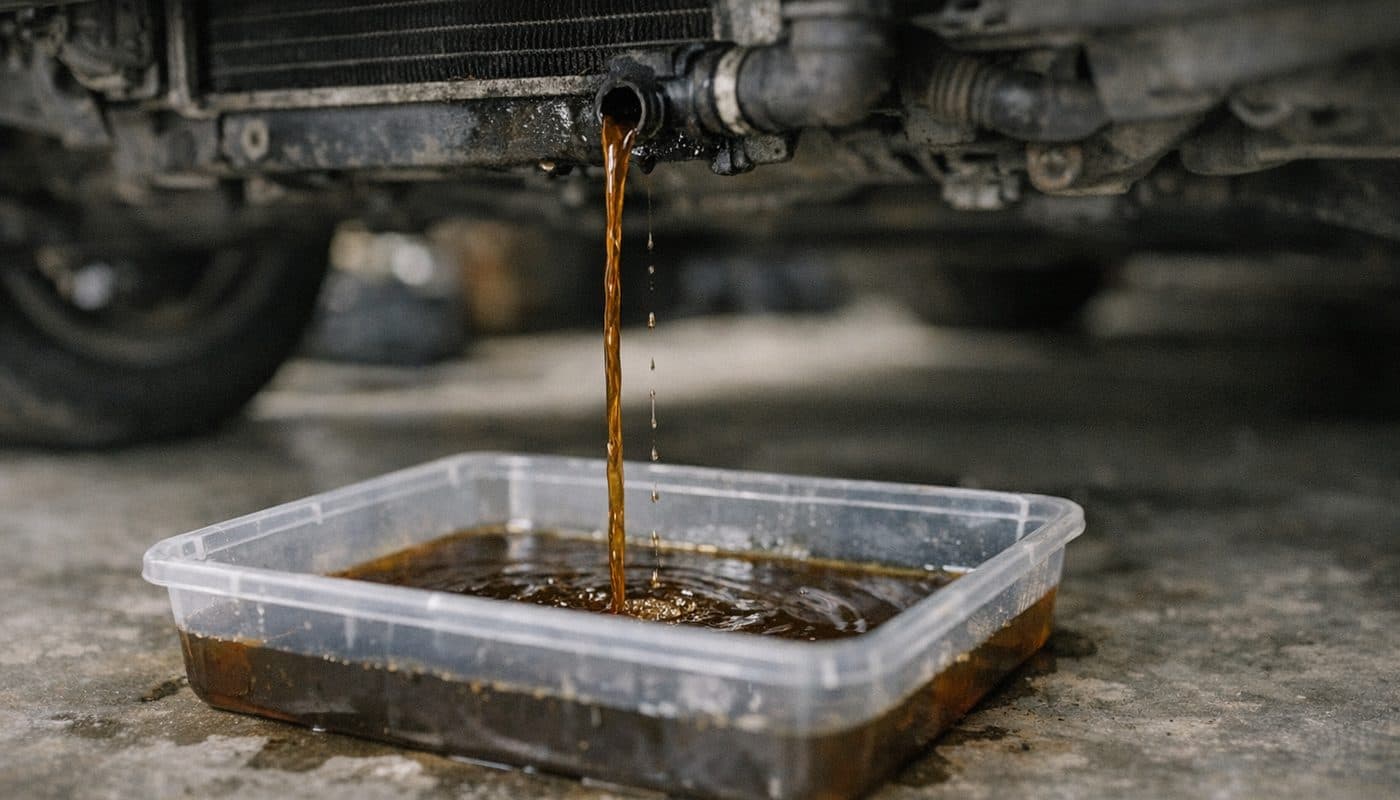
5. Keep a maintenance log. When you sell the car, a documented maintenance history adds real value. More importantly, it keeps you honest about what's due and what's been done. BMW's cooling system components, in particular, should be on a regular inspection schedule - a small coolant leak left untreated will cost you an engine.
The Bottom Line
BMW ownership costs are real, but they're manageable. The owners who get burned are the ones who buy a BMW without a budget for maintenance, ignore warning lights, and take everything to the dealer. The owners who thrive are the ones who learn their specific car, buy quality OEM-grade parts, find a good independent shop, and handle what they can in the driveway.
A 3 Series is genuinely competitive with other premium sedans on maintenance costs when you're smart about it. An M car costs more, but that's what you signed up for when you bought the most track-ready production car BMW has ever made. Know what you're getting into, prepare accordingly, and the Bimmer won't let you down.