BMW Service Engine Soon - What It Means and What to Do
Affiliate disclosure. BimmerTalk is a proud partner of the Amazon Associates Program and Turner Motorsport. We may earn a small commission on qualifying purchases through our links, at no extra cost to you. Read the full disclosure.

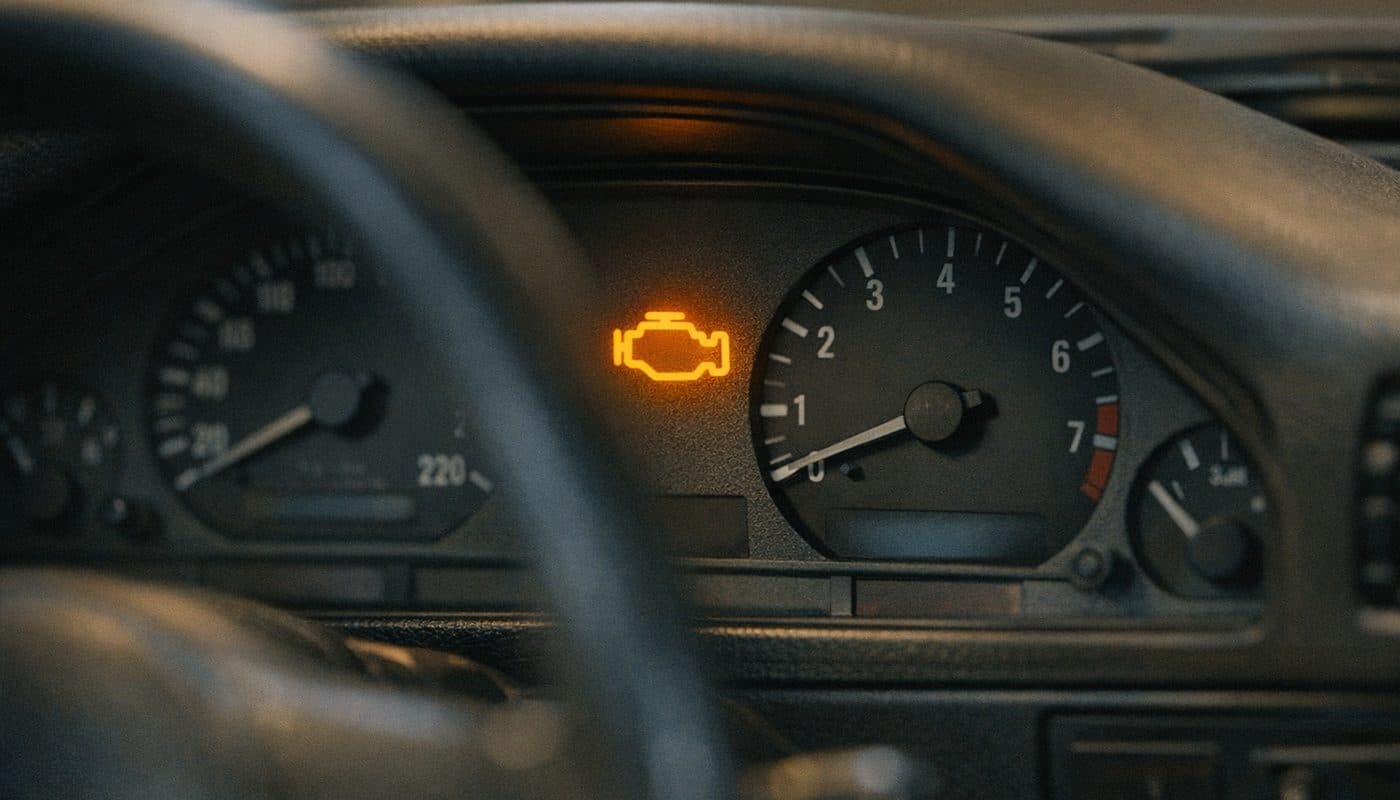
First time I saw the amber engine symbol light up steady on an E46 dash, I was 19, driving my buddy's 325i home from work, and I about had a heart attack thinking the motor was about to grenade itself on the highway. It wasn't. It was a gas cap that hadn't clicked all the way shut three fill-ups earlier. That's the thing with "Service Engine Soon" on these cars, it looks scary because it's the same amber engine icon as the check engine light, but nine times out of ten it's telling you something boring, not something catastrophic.
Fifteen years of wrenching on these things, a year turning spanners inside an actual BMW and MINI shop, and a G20 330i sitting in my own driveway right now, and I still get texts every week that start with "my SES light just came on, am I about to blow up my engine." So let's actually walk through what this light means, what usually causes it depending on how many miles are on the clock, how to read the code yourself for the price of a coffee, and when you genuinely need to pull over versus when it's fine to limp to the shop.
Quick version up front for the people already on the shoulder of the road with their phone out: steady light, car running fine, you can drive carefully to get it scanned. Flashing light, or the car is shaking like it's got the hiccups, shut it off and get it looked at before you drive another mile. Details below.
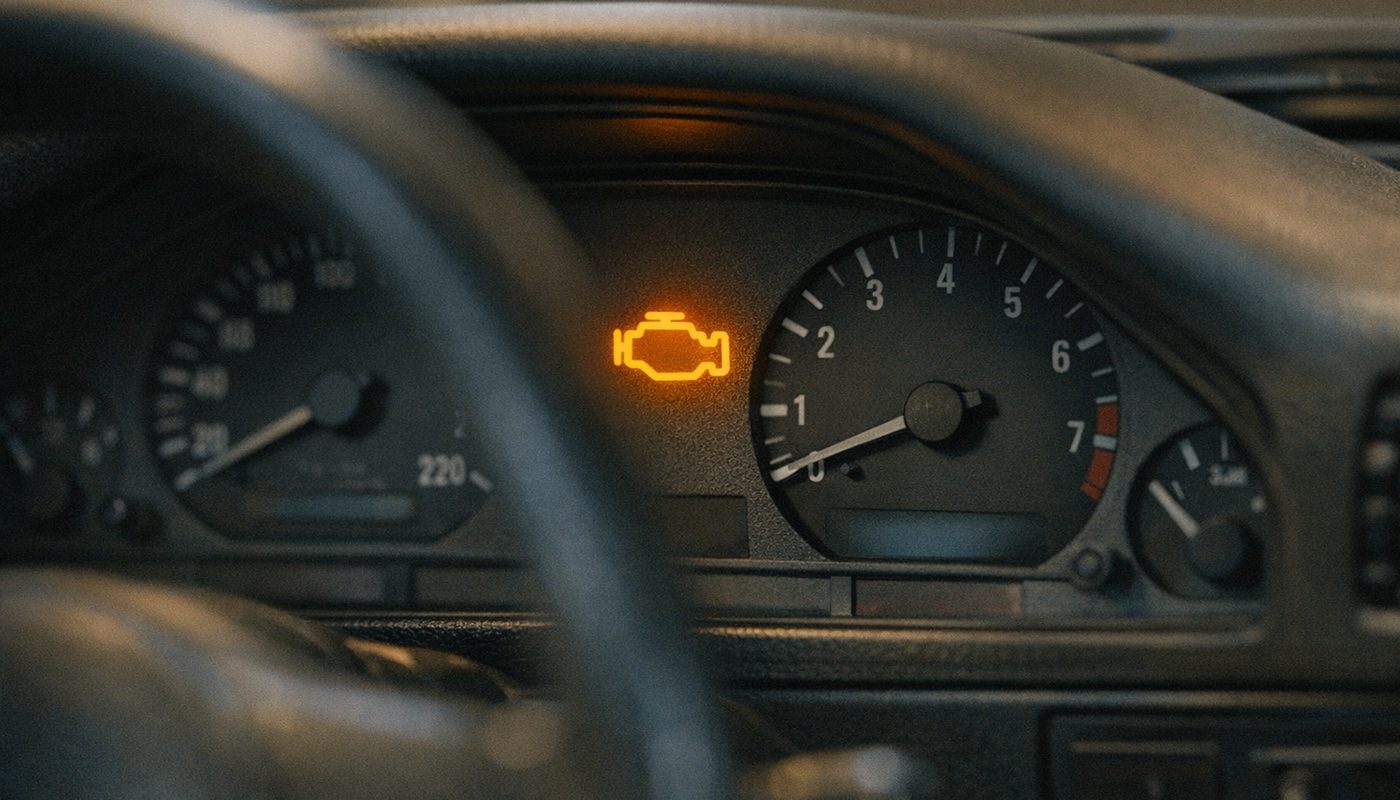
Emissions/engine fault stored
Light meaning
Drive cautiously to a scan tool
Steady light
Stop ASAP, active misfire
Flashing light
Gas cap alone fixes it more than you'd think
Cheap fix rate
What "Service Engine Soon" Actually Means
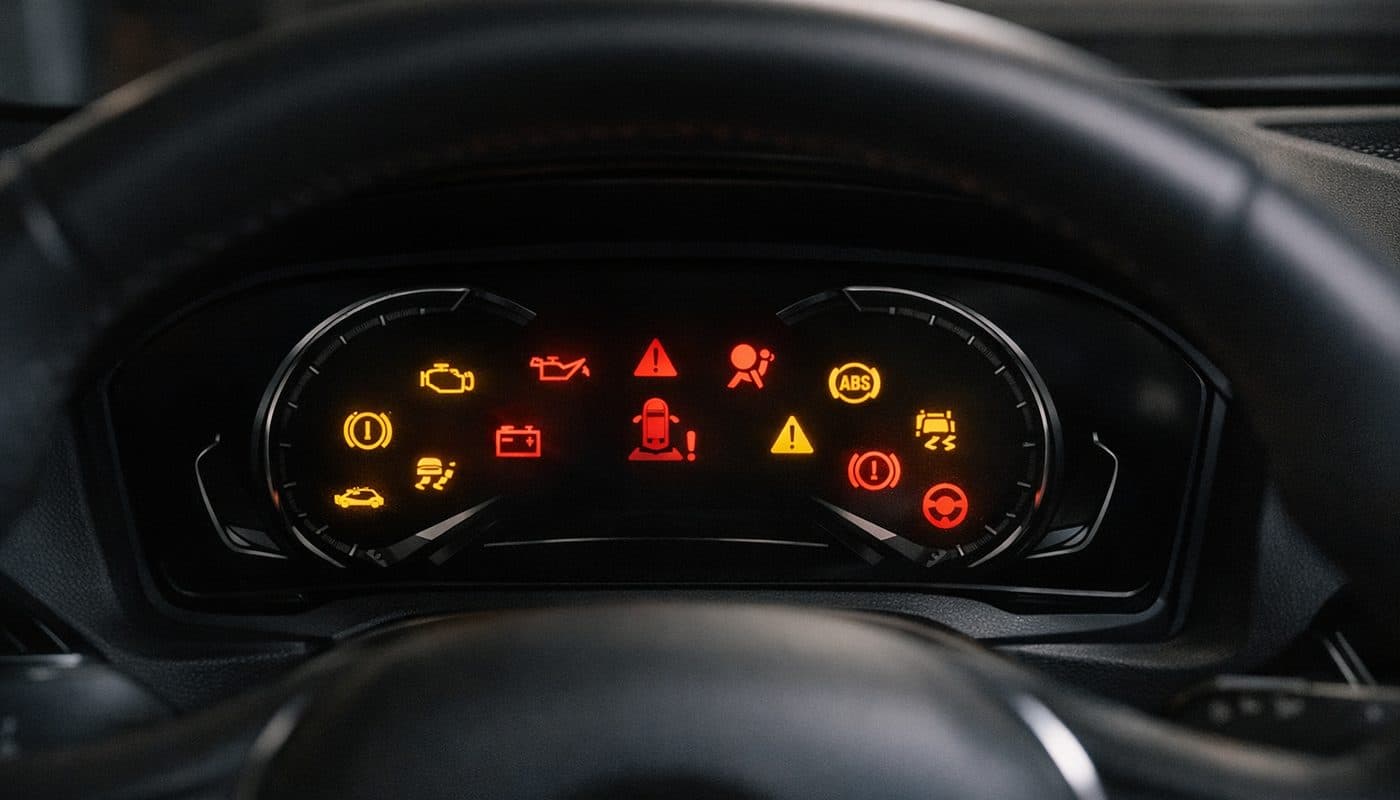
On the E46, E90, and that whole era of BMW, "Service Engine Soon" isn't a separate warning system from the check engine light, it's BMW's wording for the same amber engine-shaped icon. Some newer dash writeups try to draw a line between a general "service reminder" and an actual fault light, but on the cars people are searching this for, the E36 through E90 generation mostly, SES and CEL are functionally the same bulb telling you the DME (the engine control module, BMW's name for the ECU) has logged a fault it thinks is emissions or drivability related.
That's an important distinction from the oil service light or the little wrench icon, which is just BMW's maintenance countdown reminding you an inspection or oil change is coming up. Service Engine Soon means the computer actually detected something wrong, right now, and stored a diagnostic trouble code (DTC) about it. It's not a scheduling nag, it's a fault flag.
Steady Light vs Flashing Light
This is the one distinction that actually matters for what you do next.
A steady amber light means the DME logged a fault, usually something in the emissions or sensor circuit, that isn't happening violently enough to threaten the car right this second. Loose gas cap, a lazy oxygen sensor, a VANOS solenoid acting up, that kind of thing. Annoying, needs attention, not an emergency.
A flashing amber light is different territory. On these engines that almost always means an active, ongoing misfire severe enough that unburned fuel is dumping into the exhaust and cooking your catalytic converter in real time. I've seen guys keep driving on a flashing light because "it still runs" and turn a 400 dollar coil-and-plug job into a 1,500 dollar cat replacement. Don't do that.
Quick Reference - Common Causes by Mileage
I get asked "what's it probably going to be" more than any other question on this topic, so here's roughly how it shakes out on the inline-six and four-cylinder BMWs I've worked on over the years, cheapest and most common first.
| Mileage / Age | Likely Culprit | Rough Fix Cost |
|---|
| Any age, any mileage | Loose or failing gas cap, EVAP leak | Free to roughly $30 |
|---|
| 60k-100k miles | Oxygen sensors going lazy | $150-$400 per sensor installed |
|---|
| 80k-130k miles | VANOS solenoids clogged or worn | $200-$600 depending on labor |
|---|
| 100k+ miles | Ignition coils and spark plugs due | $150-$500, see plug cost guide |
|---|
| M54/N52 era six-cylinders | DISA valve failure | $100-$350 |
|---|
| Any high-mileage car | Thermostat sticking, wrong coolant temp reported | $150-$450 |
|---|
| Neglected misfires long-term | Catalytic converter damage | $800-$2,000+ |
|---|
That table is a rough guide, not gospel. Your actual number depends on which chassis, which engine, and whether you're paying dealer labor rates or doing it in your own garage with a torque wrench and some patience. But it gives you a sense of where to start looking before you throw parts at the problem.
The Usual Suspects, One at a Time
Gas Cap and EVAP Leaks
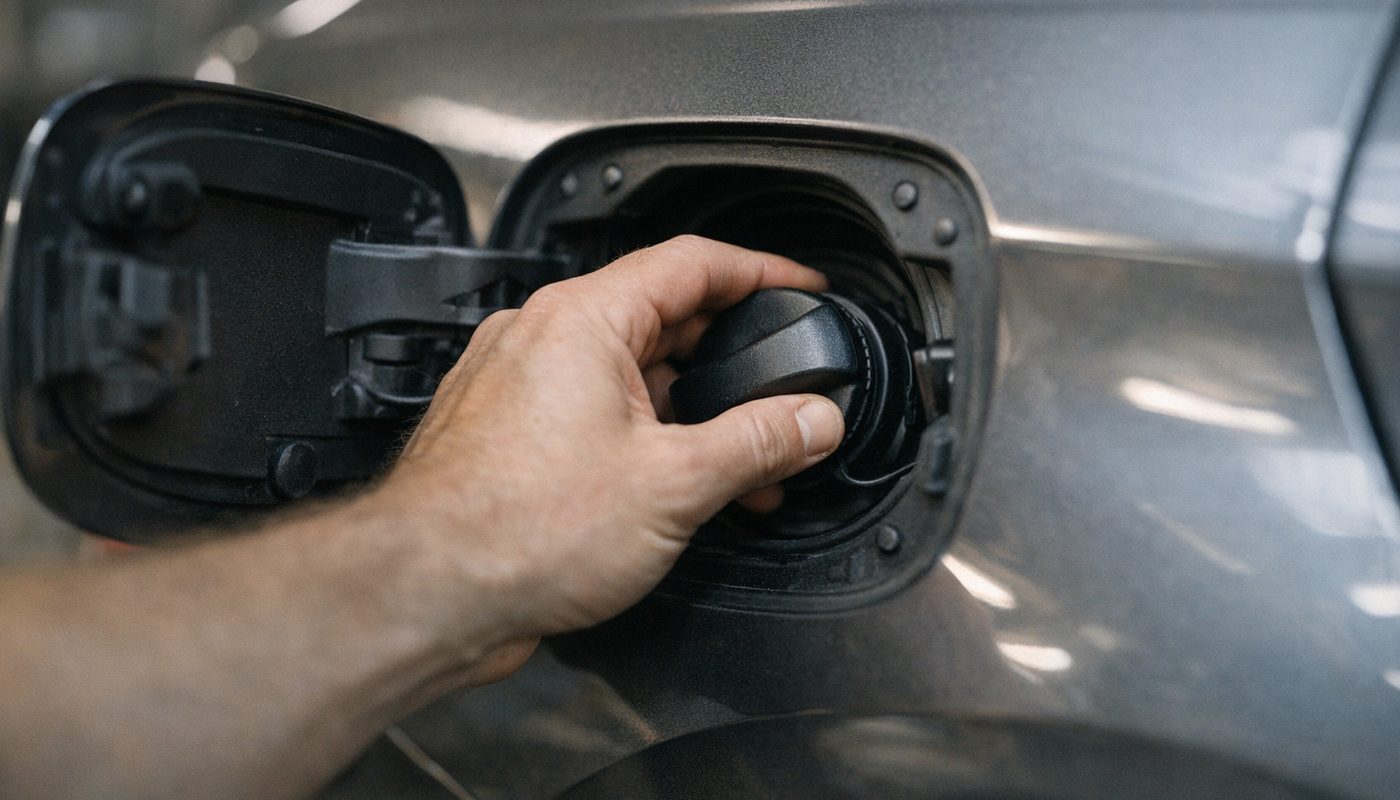
I know it sounds too simple to be real, but a gas cap that isn't seated and clicked can absolutely trigger a stored emissions fault a few drive cycles later. The EVAP system on these cars monitors for tiny vacuum leaks in the fuel vapor recovery system, and a loose or cracked cap is the classic culprit. Before you spend a dime on diagnostics, pop the cap off, make sure the seal isn't cracked, and re-tighten it until it clicks three times (yes, three, BMW actually specifies that). Give it a few days of driving and see if the light clears itself.
Oxygen Sensor Faults
As these cars rack up miles, the O2 sensors upstream and downstream of the cat start reading slow or lazy. The DME notices the sensor isn't switching the way it should, or that it can't confirm the catalytic converter is doing its job efficiently, and it logs a code. You'll usually see a small drop in fuel economy and maybe a slightly rougher idle, but nothing dramatic. Replacing O2 sensors is one of those jobs that's genuinely doable in a driveway on most of these cars if you've got basic hand tools and an oxygen sensor socket.
VANOS Solenoids
This one's near and dear to my heart because I've replaced more VANOS solenoids than I can count. VANOS is BMW's variable valve timing system, and the solenoids that control oil flow to the VANOS units get gummed up with sludge over time, especially on cars that had infrequent oil changes in their earlier life. Symptoms show up as a rough idle, hesitation off the line, a rattle on startup, and yes, a stored fault code that'll trip your SES light. If you want the full breakdown of symptoms and what a proper fix costs, I've got a dedicated writeup on VANOS symptoms and fix cost that goes deeper than I can here.
Ignition Coils and Spark Plugs
This is the single most common cause I see on cars past 100k miles, hands down. The coil packs on these engines have a known failure pattern, they get heat-cycled thousands of times sitting right on top of a hot engine, and eventually the epoxy potting cracks and they start misfiring. Pair that with spark plugs nobody's touched since the car left the showroom, and you've got a recipe for a rough idle, a stumble under load, and a SES light that may or may not be flashing depending on how bad the misfire is. If you're overdue, it's worth reading through what a proper spark plug replacement actually runs before you get quoted something silly at a shop that wants to sell you a full tune-up you don't need.
DISA Valve
Specific to the M54 and N52 inline-sixes mostly, the DISA valve controls intake resonance flap timing for better torque across the rev range. These plastic valves are known to crack or the actuator gear strips out, and when that happens you get a rattling noise from the intake manifold area along with rough idle and stored codes. It's a cheap part and a moderately annoying job depending on engine bay access, but not a big-ticket repair in most cases.
Thermostat and Cooling Faults
Less common as a direct SES trigger but it happens, especially with the electronic thermostats BMW started using. If the DME sees coolant temp readings that don't make sense, or the engine is taking forever to reach operating temp, it'll log a fault. This one's worth catching early because a stuck-open thermostat quietly kills your fuel economy and heater performance for months before anyone notices.
How to Read the Code Yourself, Cheaply
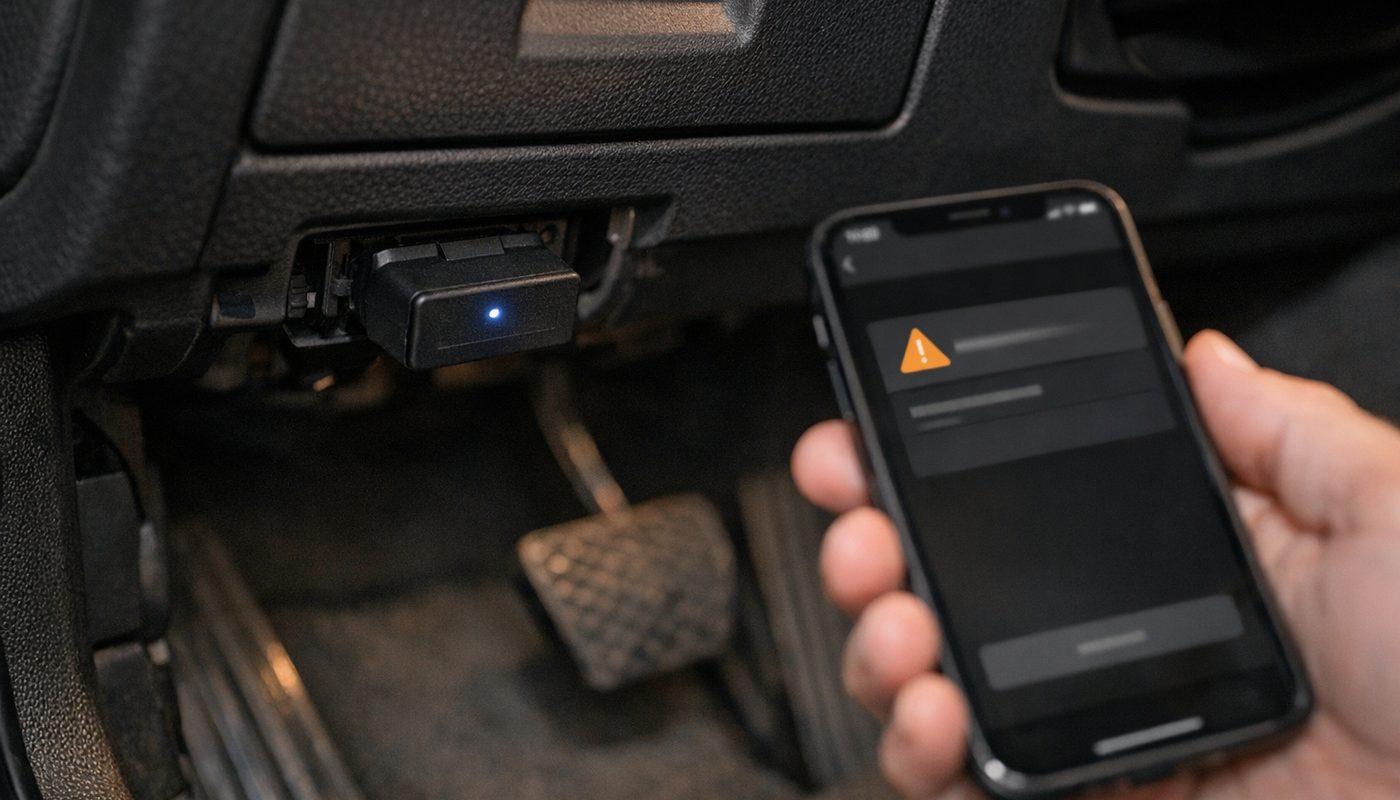
Here's where I get a little opinionated, because I think way too many BMW owners still drive straight to the dealer or an independent shop and pay a diagnostic fee just to find out it's a loose gas cap. You don't need to do that anymore. A basic OBD-II scanner will read the stored code in about ten seconds, and on nearly every BMW built since the mid-90s that port is sitting right under the dash near your left knee.
Generic Scanner vs BMW-Specific Data
A cheap generic Bluetooth scanner will pull the standard emissions code, something like a P0171 for lean fuel mixture or a P0300 for random misfire, and that's genuinely enough information to point you in the right direction most of the time. Where it falls short is BMW-specific codes and live data, things like actual VANOS solenoid duty cycle or individual cylinder misfire counts, which need an app or scanner that talks to BMW's proprietary side of the DME rather than just the generic OBD-II layer.
For most people chasing a SES light, the generic code is plenty to start. I've broken down exactly how to read and interpret what comes back in this fault codes explainer, and if you'd rather just plug in your code and get a plain-English answer without digging through forums, our fault code lookup tool does that for free.
What I Actually Recommend
For a daily driver where you just want the code, the cheap end works fine. I've run the Veepeak OBDCheck BLE in a couple of customer cars and my own driveway testing, and for reading and clearing a basic code it does the job without fuss.

Veepeak OBDCheck BLE+ Bluetooth OBD2 Scanner - iOS & Android
$41.99
If you're the type who actually wants to see live VANOS data, individual coil misfire counts, or you're going to be doing your own diagnostics regularly, it's worth stepping up to something that reads deeper into BMW's side of things. The OBDLink MX pairs well with third-party apps that unlock a lot more than the generic code, and it's the one I keep in my own glovebox.

Is It Safe to Drive Like This
Steady Light, Car Feels Normal
If the light's steady and the car is idling fine, pulling normally, no weird smells, no shaking, you can drive it. Get it scanned within the next few days rather than putting it off for months, because an unaddressed lean condition or a lazy O2 sensor can turn into something more expensive if it's actually a symptom of a bigger issue like a vacuum leak feeding a misfire. But you're not going to strand yourself driving a steady-light car to the shop or home from work.
Flashing Light or Rough Running
Different story entirely. If it's flashing, or the car is shaking at idle, hesitating badly under load, or you catch a whiff of raw fuel, that's an active misfire situation. Get off the gas, find somewhere safe to pull over, and either have it towed or drive it very gently and briefly to the nearest safe spot. Every mile you drive on a flashing light is unburned fuel washing through a catalytic converter that isn't built to handle it, and cats aren't cheap to replace.
How to Actually Fix It, Not Just Clear It
Why Clearing the Code Isn't a Fix
I get this question constantly, "how do I reset the service engine soon light on my BMW." You can absolutely clear it with any basic scanner, it takes one button press. But if the underlying problem, a bad coil, a leaking gas cap, a dying O2 sensor, is still there, the code just comes back within a few drive cycles once the DME re-detects the same fault. Clearing it feels good for about a day and a half.
Diagnose First, Then Fix
The right order of operations is always read the code, understand what system it's pointing at, do a little visual and physical inspection around that area (check the gas cap, wiggle the coil connectors, look for obvious wear), and then replace the actual failing part. If you're not sure whether what you're looking at is a five-minute fix or something that needs a lift and a proper diagnostic session, that's exactly the kind of thing worth reading up on before you start throwing parts at the DME hoping something sticks. Our broader check engine light guide walks through that whole decision tree if you want the fuller picture beyond just the SES-specific stuff here.
When to Just Take It to a Shop
I'm all for DIY when it's reasonable, but there's a point where it makes sense to hand it off. If you've pulled the code, done the obvious checks, and it's still coming back, or if it's a code you don't recognize and can't confidently trace, that's when an independent BMW specialist earns their money. I'd steer most people away from the dealer for this kind of diagnostic work unless it's still under warranty, an independent shop that specializes in BMWs will usually charge less for the same diagnostic depth and won't try to upsell you a full service you don't need.
FAQ
Should I drive my car if it says service engine soon?
If the light is steady and the car drives normally, yes, you can drive it cautiously to get it scanned, ideally within a few days rather than letting it sit for months. If the light is flashing, or the engine is running rough, shaking, or hesitating, stop driving as soon as it's safe to do so, that's an active misfire and continued driving risks catalytic converter damage.
Is service engine soon serious?
Sometimes yes, often no. A steady light is frequently something as minor as a loose gas cap or a lazy oxygen sensor, not an emergency. A flashing light is genuinely serious because it points to an active misfire that can damage your catalytic converter quickly. The light itself doesn't tell you which situation you're in, only steady versus flashing does, so pay attention to that behavior more than the fact that it's lit at all.
How to clear BMW service engine soon?
Any basic OBD-II Bluetooth scanner, generic or BMW-specific, will let you clear the stored code with a couple of taps in its companion app. That said, clearing the code doesn't fix whatever triggered it, so if the underlying fault is still present the light will come right back after a handful of drive cycles. Diagnose and repair the actual cause first, then clear the code as the last step.
How to fix a service engine soon?
Start by pulling the stored code with a cheap scanner so you know what system triggered it, then work through it logically, check the gas cap first since it's free, then look at the area the code points to, whether that's an O2 sensor, a coil, a VANOS solenoid, or the DISA valve. Replace the actual failing component rather than just clearing the code, then monitor for a few days to confirm it doesn't return.
Why does my BMW's SES light flash instead of stay steady?
A flashing light specifically indicates the DME has detected an active, ongoing misfire severe enough that it's flagging potential damage to the catalytic converter in real time, rather than just a stored fault from earlier. It's the car's way of saying "this is happening right now, not something that happened once and got logged."
Can a bad battery or low voltage trigger a service engine soon light?
It can, though it's less common than the usual suspects. A weak battery or corroded ground can cause voltage dips that confuse various sensors and modules enough for the DME to log a fault, especially on cars with a lot of electrical accessories. If you've checked all the usual mechanical causes and keep getting an odd, seemingly random code, it's worth having the battery and charging system tested before you go further down the parts-replacement road.
Does a service engine soon light mean I need an oil change?
No, that's a separate light entirely, usually a small wrench or "service" icon tied to BMW's maintenance interval system based on mileage and oil condition sensors. The amber engine-shaped SES light is specifically an engine or emissions fault, not a scheduled maintenance reminder, so don't assume an oil change will clear it.
Bottom Line
Don't panic the second that amber engine icon lights up, but don't ignore it for six months either. Steady light means scan it soon and drive normally in the meantime, flashing light means stop and deal with it now. Grab a cheap scanner, read the actual code before you assume the worst or start swapping parts blind, and work through the usual suspects in order of cost, starting with the gas cap and working up toward coils, sensors, and VANOS solenoids. Most of these lights end up being a 30 dollar part or a 200 dollar sensor, not a blown engine. Keep your scan tool handy, and you'll spend a lot less time guessing and a lot less money at the shop.