The Most Reliable BMW Engines (and the Ones to Avoid)
Affiliate disclosure. BimmerTalk is a proud partner of the Amazon Associates Program and Turner Motorsport. We may earn a small commission on qualifying purchases through our links, at no extra cost to you. Read the full disclosure.

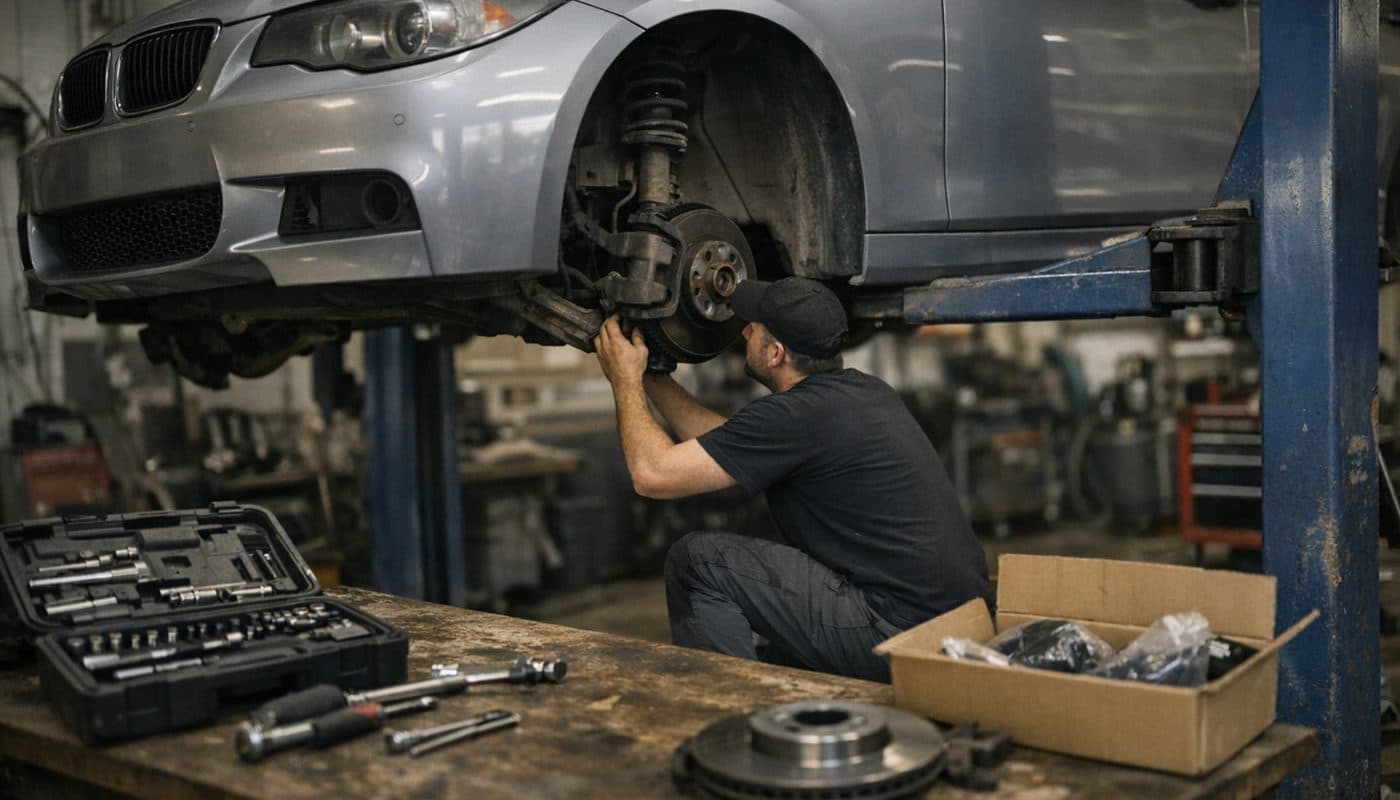
I've had my hands inside more BMW engine bays than I can honestly count at this point. Fifteen years of wrenching, a stint on the other side of the counter at a BMW and MINI dealer, and a G20 330i with a B58 under the hood sitting in my own driveway right now. People ask me constantly which BMW engine is actually reliable, and the honest answer is it depends entirely on which engine you're talking about, because BMW's engine lineup swings from "this thing will outlast the chassis around it" to "this thing will empty your bank account by 80,000 miles."
There's no single answer to "most reliable BMW engine" because BMW has built genuinely bulletproof units and genuinely cursed ones, sometimes in the same decade, sometimes in the same model. So I'm ranking them the way I'd talk to a mate who's about to buy a used 3 Series or 5 Series, straight talk, no marketing fluff, based on what actually shows up on my lift and what I've seen fail (or not fail) in the real world.
This isn't a spec sheet ranking either. Some of these engines make great numbers on paper and still cost people a transmission's worth of cash in unplanned repairs. I'll tell you which ones to chase, which ones are fine if you do your homework, and which ones I'd walk away from unless the price reflects the risk.
| Engine | Verdict | Watch For |
|---|---|---|
| B58 | Buy with confidence | Valve cover and OFH leaks past 100k |
| N52 | Buy with confidence | Valve cover gasket, electric water pump |
| M57 | Buy with confidence | Swirl flaps, EGR, turbo wear |
| B48 | Good if documented | Timing chain tensioner, coolant loss |
| N55 | Good if documented | Water pump, charge pipe, VCG leaks |
| S55 | Good if documented | Cooling system under hard/track use |
| N54 | Budget for repairs | HPFP failure, injectors, wastegate rattle |
| N20/N26 early | Budget for repairs | Timing chain guides pre-2015 |
| N47/N57 diesel | Avoid unless proven | Rear-mounted timing chain |
| S65 | Avoid unless proven | Rod bearings |
| N63/S63 V8 | Avoid unless proven | Oil consumption, injectors, coolant |
B58
- Verdict
- Buy with confidence
- Watch For
- Valve cover and OFH leaks past 100k
N52
- Verdict
- Buy with confidence
- Watch For
- Valve cover gasket, electric water pump
M57
- Verdict
- Buy with confidence
- Watch For
- Swirl flaps, EGR, turbo wear
B48
- Verdict
- Good if documented
- Watch For
- Timing chain tensioner, coolant loss
N55
- Verdict
- Good if documented
- Watch For
- Water pump, charge pipe, VCG leaks
S55
- Verdict
- Good if documented
- Watch For
- Cooling system under hard/track use
N54
- Verdict
- Budget for repairs
- Watch For
- HPFP failure, injectors, wastegate rattle
N20/N26 early
- Verdict
- Budget for repairs
- Watch For
- Timing chain guides pre-2015
N47/N57 diesel
- Verdict
- Avoid unless proven
- Watch For
- Rear-mounted timing chain
S65
- Verdict
- Avoid unless proven
- Watch For
- Rod bearings
N63/S63 V8
- Verdict
- Avoid unless proven
- Watch For
- Oil consumption, injectors, coolant
The rock solid tier
These three are the engines I recommend without a caveat attached. That doesn't mean zero maintenance, nothing is maintenance-free, but the failure modes are cheap and predictable rather than catastrophic and expensive.
B58 straight six
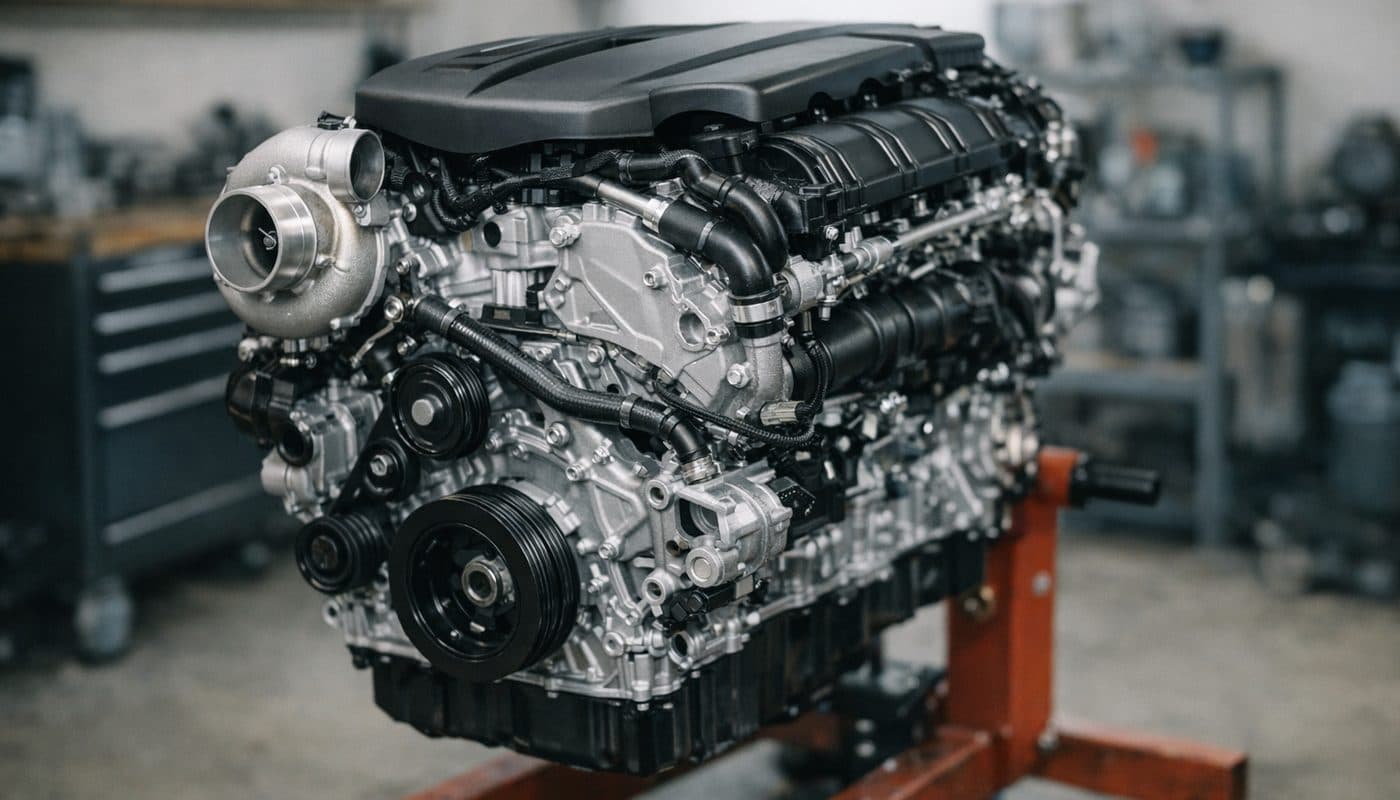
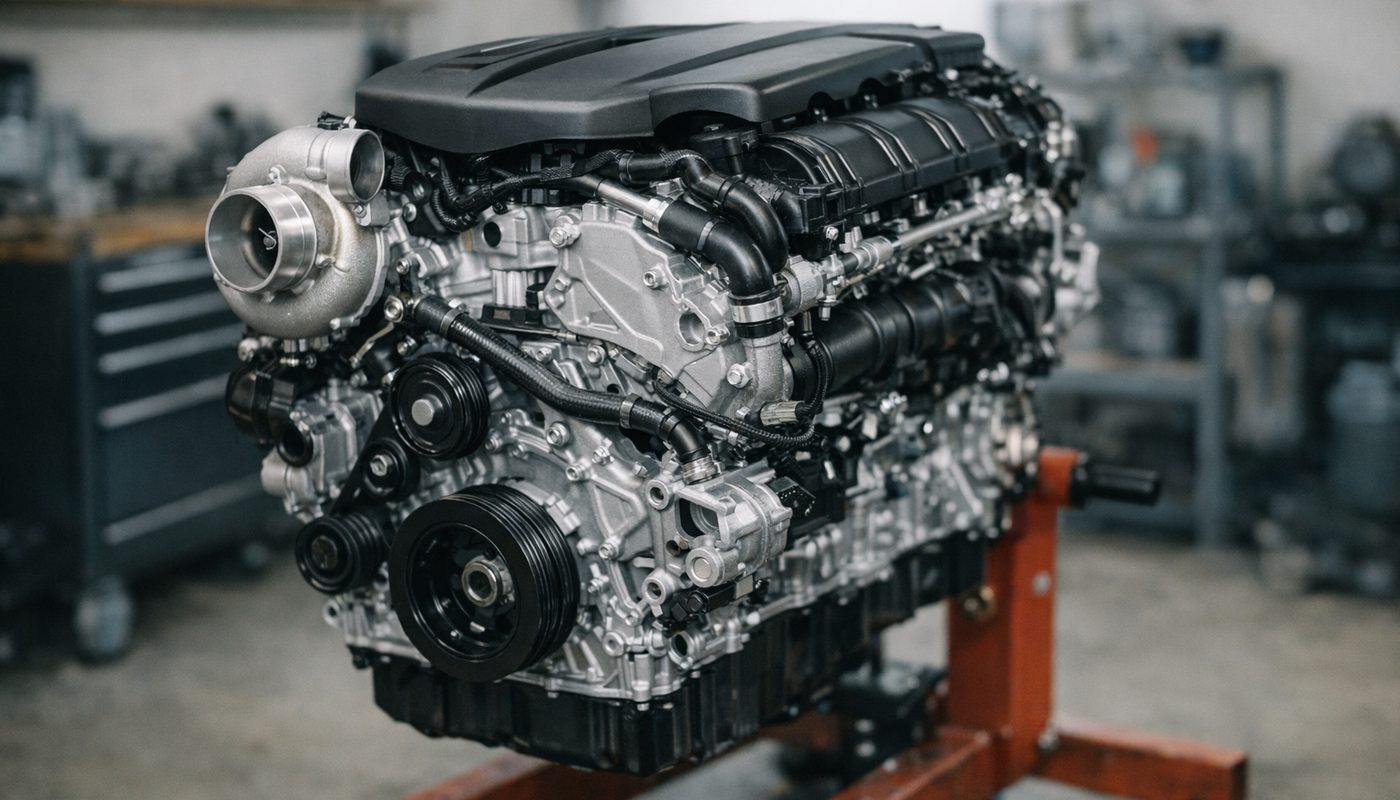
The B58 is the best engine BMW has built in the modern era, full stop. It's in my own 330i and I'd buy another one tomorrow without hesitation. The closed-deck block, forged internals in most versions, and a genuinely sorted cooling and oiling system mean this engine shrugs off daily driving and even mild tuning without drama. If you want the full story on why it's such a leap over the engines before it, I've gone deep on that comparison in my N54 vs N55 vs B58 breakdown, but the short version is BMW finally built a turbo six with margin baked into it instead of an engine running right at the edge of its material limits.
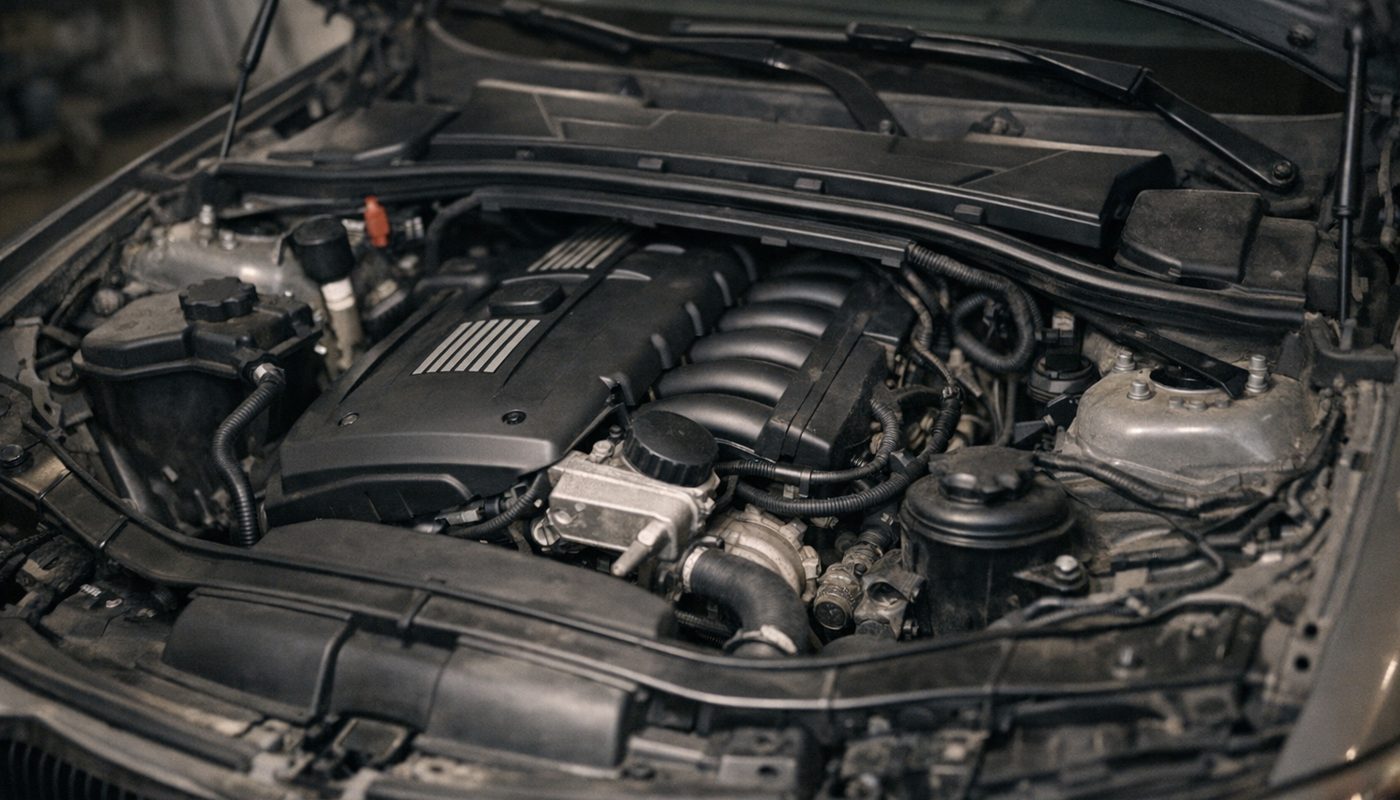
What actually goes wrong on a B58 is boring, which is exactly what you want. Valve cover and oil filter housing gaskets weep oil with age, the plastic coolant expansion tank cracks eventually because it's still BMW plastic, and the water pump can act up. None of that is a five figure repair. On a used one, pop the hood, check for coolant staining around the expansion tank and look for oil seepage low on the block near the OFH. If it's dry and the service history shows regular oil changes, buy it.
N52 naturally aspirated six
The N52 is the last of the truly great non-turbo BMW sixes and honestly one of the most underrated engines the company ever built. No turbo means no turbo-related failure points, no HPFP drama, none of the boost-control nonsense that plagues the forced-induction engines further down this list. I've pulled N52s out of E90 328i and 335i, sorry, out of the naturally aspirated cars, that had 180,000 miles on the clock and still ran like new once the usual leak points were sorted.
For a stock or lightly modified car with documented oil changes and no history of track abuse, the S55 is a good engine. Just don't assume every M3 or M4 you look at has been babied, because plenty haven't been.
The money pits
This is where I get blunt. These engines aren't all bad in the same way, but each one has a failure mode that's either expensive, hard to predict, or both. If you're cross-shopping against other brands entirely, it's worth reading my Audi vs BMW reliability comparison because some of these BMW-specific issues genuinely don't have an Audi equivalent, and vice versa.
N47 and N57 diesel
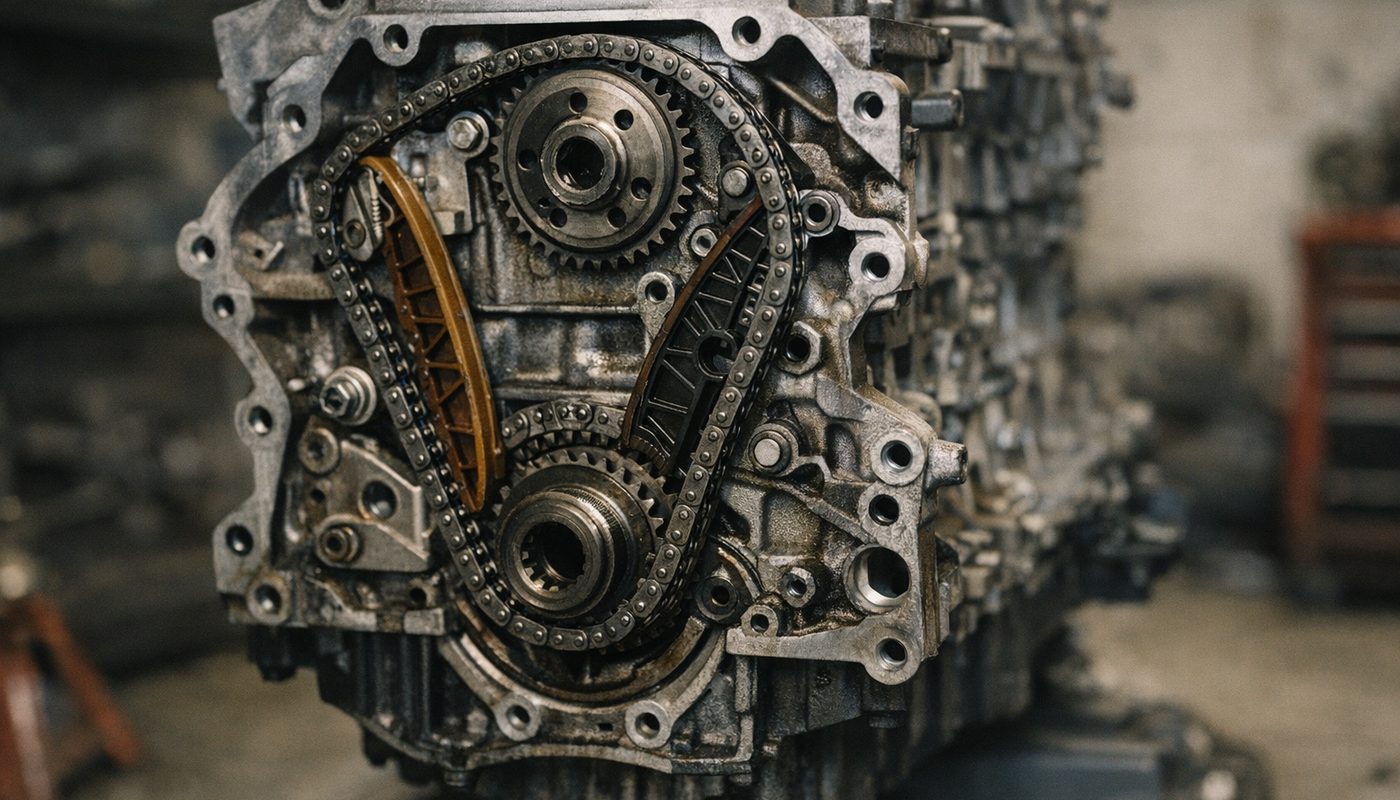
The N47 and N57 diesels replaced the M57 and on paper improved efficiency and refinement. In practice, BMW made one decision that turned a routine maintenance item into a nightmare, they mounted the timing chain at the back of the engine instead of the front.
N20 and N26 early builds
The N20 and N26 four cylinders were BMW's first modern turbo fours, and the early production run, roughly pre-2015, had a genuine design flaw in the timing chain guides. They'd wear prematurely and eventually fail, and unlike the N47's rear-mount problem, at least this one is at the front of the engine and more serviceable, but it's still not cheap and it's still not something you want to discover on the side of the highway.
BMW revised the guides and tensioner design on later production, so a later N20/N26 with the updated parts is a genuinely different risk profile than an early one. Ask for proof the timing chain components have been updated or replaced, listen for a rattle on cold start, and treat any car without documentation as a car that needs the work budgeted in immediately.
S65 V8
The S65, in the E90/E92 M3, is a phenomenal sounding, high-revving naturally aspirated V8 and one of the most emotionally satisfying engines BMW has ever made. It's also got a well documented rod bearing wear problem that shows up as low oil pressure warnings and, if ignored, catastrophic bottom end failure.
This isn't a "might happen" issue the way some of these other items are, it's a known wear pattern specific to this engine's bearing design and oiling characteristics. Rod bearings should be inspected or replaced preventively around 60,000-80,000 miles regardless of symptoms, and any S65 M3 you're considering should have that service documented or the price should reflect the fact you're about to pay for it yourself.
N54 twin turbo six
The N54 gets a bit of a cult following because it was BMW's first proper modern turbo six and it responds ridiculously well to tuning. But stock reliability is genuinely shaky. High pressure fuel pump failures were common enough that BMW extended warranty coverage on them, injectors wear and cause misfires, and the wastegates rattle and eventually fail, especially once the factory downpipes get swapped for aftermarket units without proper support.
A well sorted N54 with the HPFP and injectors already replaced and a wastegate that doesn't rattle is a genuinely fun engine to own. A neglected one is a checklist of expensive fixes waiting to happen one at a time. For a deeper dive on exactly how this engine compares to what came after it, my N54 vs N55 vs B58 comparison covers the specific failure points and what each generation fixed.
How I actually check any of these before buying
Whatever engine you're looking at, the process is basically the same, and it's the process I still use myself when a mate asks me to look at a car before they buy it.
Cold start and idle
Never let a seller start the car before you arrive. A cold start tells you almost everything, chain rattle on the N47/N57 and early N20/N26, rough idle from PCV or vacuum leak issues on the B58 and N55, and smoke on startup that points toward valve stem seal wear on the N63. Warm the engine up yourself while you inspect everything else.
Scan for stored and pending codes
A pre-purchase inspection isn't complete without actually plugging into the car's DME and checking for stored or pending fault codes, including ones that have been cleared but left a footprint. This is where a decent OBD2 tool earns its keep, something like the

If you want something a bit more budget friendly that still talks properly to BMW-specific software like BimmerCode, the

Fluid history over fluid condition
Clean oil on a dipstick tells you nothing if the seller changed it the morning of the sale to hide a problem. Ask for actual service records, dates and mileages, not just a vague "always maintained" line in the ad. On engines like the N47, N63 and S65 where I've told you exactly what documentation to look for, the paperwork matters more than how the engine looks or sounds on a five-minute test drive.
Speaking of VANOS, it's worth mentioning that BMW's variable valve timing system sits somewhat separately from this engine ranking but causes plenty of its own headaches across nearly every engine family, and I've written a full breakdown of the symptoms and typical fix cost in my VANOS explained article if you're hearing a rattle that doesn't match anything above.
What this means for your budget
Reliability isn't just about whether an engine breaks, it's about whether the ownership cost stays predictable. If you want the honest, unglamorous numbers on what owning any of these BMWs actually costs month to month once you're past the purchase price, my is BMW expensive to maintain breakdown lays out real service intervals and typical bills rather than internet horror stories or dealer optimism.
The short version, an N52 or B58 with a clean history will cost you roughly what any well built car costs to run. An N63 or N47 with a spotty history can cost you multiples of that in the first two years alone. The engine choice matters more to your wallet than almost any other decision you'll make buying a used BMW.
FAQ
Which BMW engine to stay away from?
If I had to pick one to actively avoid without exceptional documentation, it's the N63/S63 V8. The combination of oil consumption BMW itself considers "normal," plus injector and coolant issues layered on top, makes it the engine with the most ways to cost you money. The N47/N57 diesel is a close second purely because of how expensive that rear timing chain replacement gets if it hasn't already been done.
Which BMW model is the most reliable?
Model for model, an E90/E91/E92 328i or 335i with the N52, or a 330i/340i on the B58 platform (G20, F30 facelift onward), tend to be the most trouble-free BMWs you can own. The engine is only half the equation though, electronics, suspension bushings and cooling systems age regardless of what's under the hood, so a well documented example matters as much as the badge on the back.
What car is the poor man's BMW?
People usually mean this as "which BMW gives you the experience without the M-badge price," and honestly that's a stock E90 328i or an F30 330i with the N52 or B58. You get the chassis balance and the inline-six character without the ownership risk of chasing an M3 with an S65 rod bearing problem waiting in the wings.
Why is the B58 engine so good?
BMW built the B58 with a closed-deck block, forged internals in most applications, and genuinely improved cooling and oiling systems compared to the N54 and N55 that came before it. Instead of running right at the material limit like some earlier turbo engines, it's got margin built in, which is exactly why it tolerates mild tuning and high mileage without the drama those older engines showed.
Is the N52 worth buying in 2026?
Yes, with the caveat that these cars are getting old now and the plastic cooling components and gaskets will need attention regardless of how good the core engine is. Budget for a water pump, thermostat and valve cover gasket if they haven't been done, and the engine underneath will keep going well past 150,000 miles.
Are diesel BMWs reliable?
The M57 genuinely is, with the usual diesel-specific maintenance items handled. The N47/N57 that replaced it is a different story entirely because of the rear timing chain placement, so don't lump all BMW diesels into one bucket, ask specifically which generation you're looking at.
Should I avoid every turbocharged BMW engine?
No, that's overcorrecting. The B58 and B48 are turbocharged and among the most reliable engines on this entire list. Turbocharging itself isn't the risk factor, it's specific design decisions within certain engine families, HPFP reliability on the N54, timing chain placement on the N47, rod bearings on the S65, that create the actual risk.
Bottom line
If you want the simplest possible advice out of everything above, chase a B58, N52 or M57 with clean paperwork and you'll spend your money on tires and brakes instead of engine surgery. Everything in the middle tier is fine as long as you actually check the maintenance history instead of trusting a clean-looking engine bay. And everything at the bottom of this list can still be a good car, just not a car you buy blind, price the risk in or walk away. I've seen all of these on my lift, and the difference between a great ownership experience and a nightmare one almost always comes down to whether the previous owner did the work or kicked the can down the road. Do your homework, and any of these BMWs can be a genuinely great car to own.