BMW 3 Series Years to Avoid (and the Best Ones to Buy)
Affiliate disclosure. BimmerTalk is a proud partner of the Amazon Associates Program and Turner Motorsport. We may earn a small commission on qualifying purchases through our links, at no extra cost to you. Read the full disclosure.

I've owned three different 3 Series over the years, wrenched on probably two hundred more that rolled through shops I worked at, and did a stint on BMW and MINI's side of the fence too. So when someone tells me "the 3 Series is unreliable" I usually ask which one, because that sentence means nothing without a chassis code attached to it.
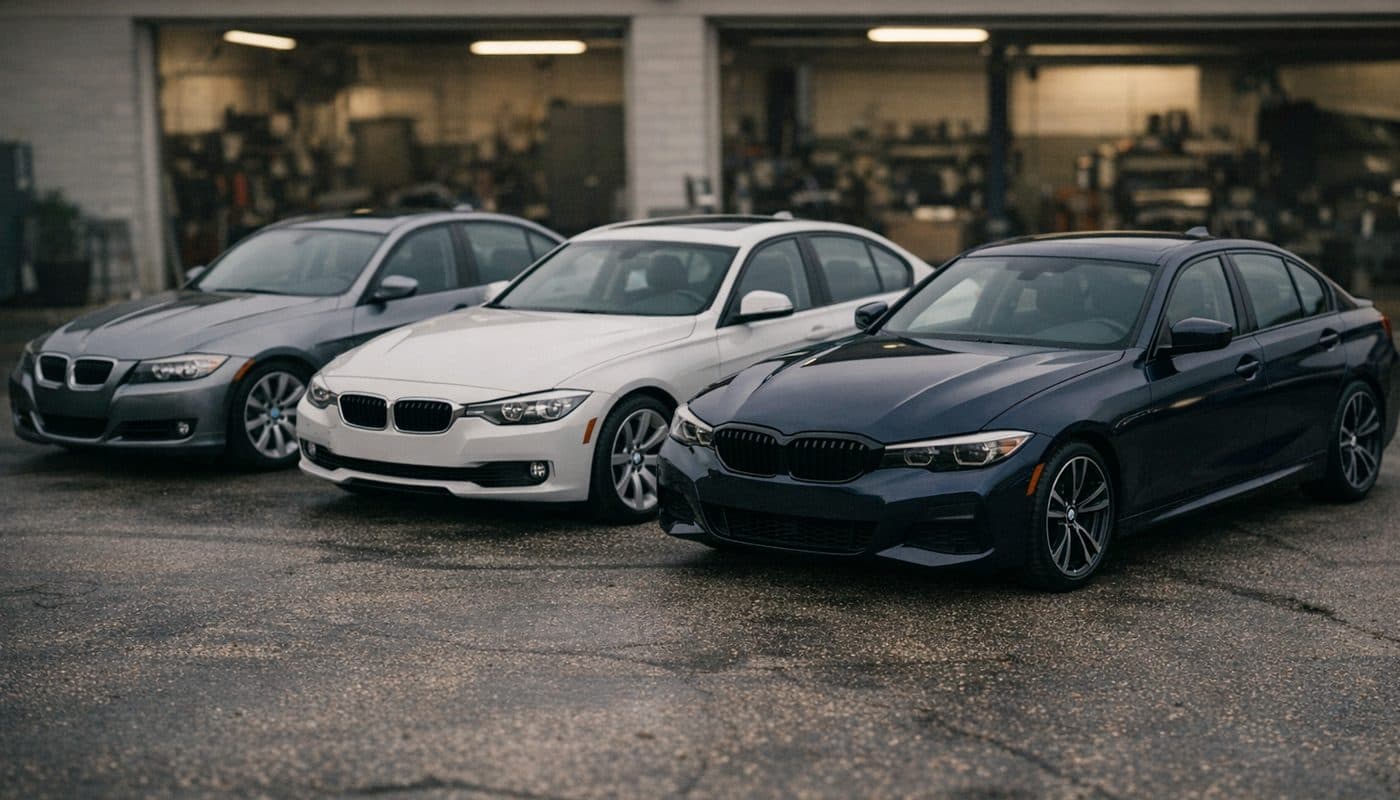
The truth is the 3 Series spans three completely different eras of BMW engineering - the E90/E92 with its N51, N52, N54 and N55 sixes, the F30 that introduced turbo fours and the B58 straight six, and the current G20 that's basically the most sorted small BMW sedan built in a decade. Some years and engines in that lineup will bankrupt you. Others will run to 200,000 miles on oil changes and brakes.
This is the generation-by-generation, no-BS version of which BMW 3 Series years to avoid, and which ones I'd actually hand my own money over for in 2026.
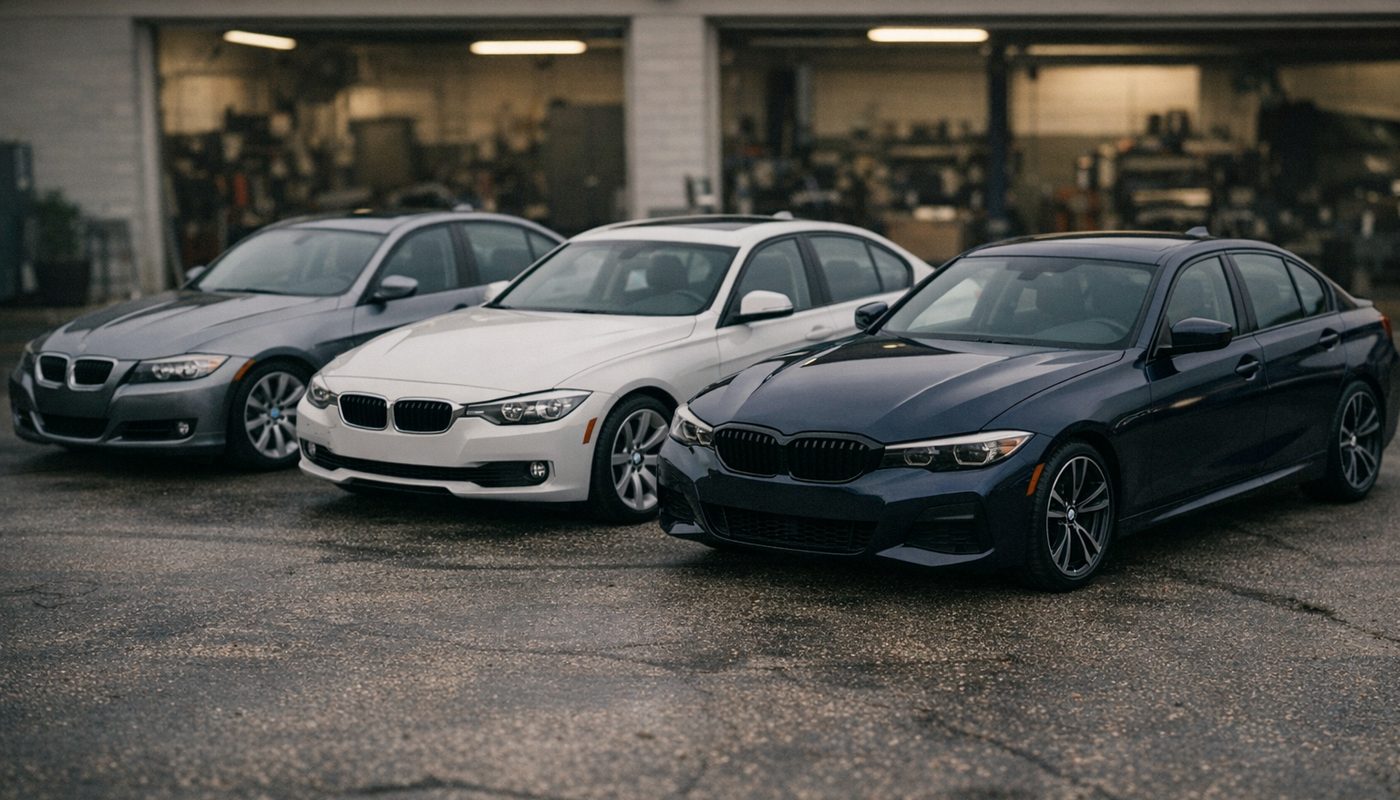
E90, F30, G20
Generations covered
Early N54 & N20
Riskiest engines
G20 M340i (B58)
Safest modern pick
2016+ F30 340i
Sweet spot used buy
Quick reference before you go shopping
If you just want the short version before you drive somewhere to look at a car, here it is. I'll unpack every row of this below with actual reasons, not just gut feel.
| Generation | Skip this | Buy this instead |
|---|---|---|
| E90/E92 (2006-2013) | Early N54 335i, 2012 N20 328i | 328i with N51/N52, or a sorted N55 335i |
| F30 (2012-2019) | 2012-2013 pre-LCI N20 328i | 2016+ LCI 340i (B58), or a 328d |
| G20 (2019-present) | Early 2019 330i with unresolved software | 2021+ M340i (B58) |
E90/E92 (2006-2013)
- Skip this
- Early N54 335i, 2012 N20 328i
- Buy this instead
- 328i with N51/N52, or a sorted N55 335i
F30 (2012-2019)
- Skip this
- 2012-2013 pre-LCI N20 328i
- Buy this instead
- 2016+ LCI 340i (B58), or a 328d
G20 (2019-present)
- Skip this
- Early 2019 330i with unresolved software
- Buy this instead
- 2021+ M340i (B58)
E90 and E92 the generation everyone argues about
This is the chassis that built BMW's modern reputation for both brilliance and heartbreak in the same breath, depending on which engine landed under the hood. I daily drove an E92 328i for three years and it was one of the most honest cars I've owned. I've also watched a 335i owner spend more on injectors and a high pressure fuel pump than the car was worth at trade in.
Early N54 335i the walnut blasting money pit
The N54 is a genuinely great engine architecture, twin turbo, aggressive, and it's the engine that started the whole tuning obsession with this platform. But early cars, especially 2007 through roughly 2010, came with a high pressure fuel pump that failed at an embarrassing rate, injectors that fouled with carbon because it's a direct injection engine with no fuel washing the intake valves, and turbos that needed attention by 80,000 miles if nobody had serviced the wastegate rattle.
If you're looking at a 335i from this era and the seller can't show you HPFP replacement, injector history, or at minimum a walnut blasting service for carbon buildup, walk away or price it like you're buying all of that yourself. I go deeper on why this engine is such a mixed bag in my N54 vs N55 vs B58 comparison, because the difference between the N54 and its N55 successor is night and day for ownership cost.
2012 N20 328i the timing chain trap
BMW swapped the naturally aspirated N52 for the turbocharged four cylinder N20 in the 328i starting in 2012, right at the tail end of the E90's life (it actually carried into the early F30 too, more on that below). The N20 has a timing chain and guide setup that was undersized for the loads it was seeing, and on early production examples the chain can stretch or the guides can fail, sometimes with catastrophic results if it happens at highway speed.
BMW quietly revised the parts and the issue is far less common on later production N20s, but there's no clean way to tell from the outside which parts are in a given engine unless you have service records showing the updated chain and guides were installed, or the original owner just got lucky. I'd treat any 2012 328i with the N20 as a car that needs a timing chain inspection before you sign anything, full stop.
The actual buy N51 or N52 328i, or a sorted N55
If you want the simplest, least drama E90 or E92 experience, find a 2007 through 2011 328i with the naturally aspirated N51 or N52 inline six. No turbo, no direct injection carbon buildup drama, no HPFP. These engines do burn oil as they age and the plastic cooling system components (thermostat housing, water pump impeller, expansion tank) are known weak points on every E9x regardless of engine, but that's a maintenance item, not a design flaw that ends in a tow truck.
If you want the extra power and don't mind slightly more complexity, a well sorted 335i with the N55 (2011 onward, single turbo, no HPFP drama like the N54) is a genuinely good engine once the early cooling system parts have been replaced with upgraded versions. I rank both of these engines properly in my most reliable BMW engines breakdown if you want the deeper technical case for why the N52 and N55 earn their keep.
Expect to pay roughly 8,000 to 14,000 dollars for a clean, well documented E92 328i or 335i with 70,000 to 110,000 miles on the clock in 2026, with cars under that range usually missing paperwork or carrying deferred maintenance you'll inherit.
F30 the turbo four era that split opinion
The F30 launched in 2012 and this is where BMW went all in on turbocharged four cylinders across most of the lineup, only bringing back a proper six with the 340i in the back half of the car's life. It's also the generation where I think the gap between "avoid" and "buy" years is the widest of any 3 Series generation.
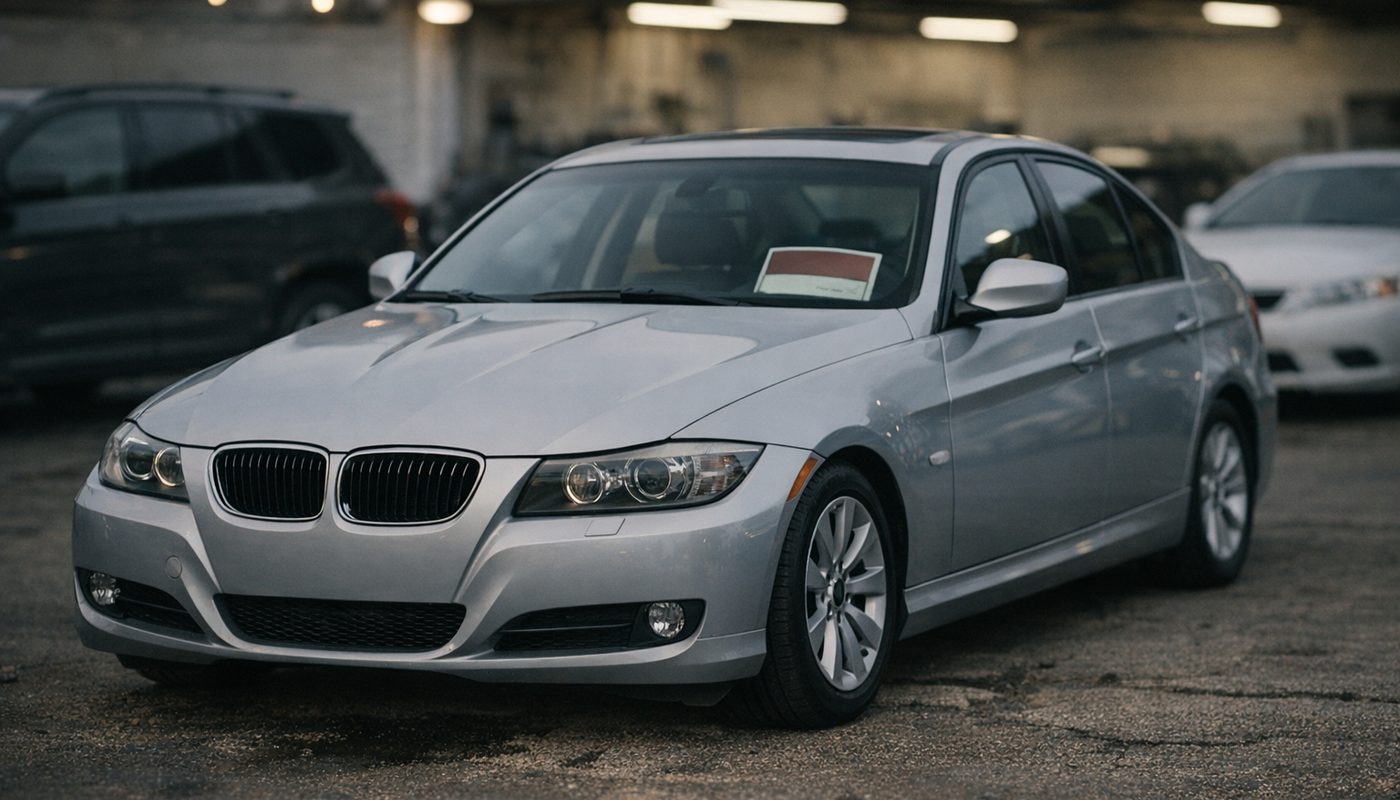
2012-2013 pre-LCI N20 328i still the same timing chain problem
The F30 328i launched with the exact same N20 engine and the exact same early timing chain risk as the late E90. If anything I'd be more cautious here because these are the cars that were built right as BMW was working through the fix, so you genuinely need documentation, not a guess. If a seller doesn't know what a timing chain guide is, that tells you everything about how the car's been maintained.
2016 plus LCI 340i the B58 changes the conversation entirely
When BMW dropped the B58 straight six into the facelifted (LCI) F30 for the 2016 model year, badged as the 340i, it fixed pretty much everything people didn't like about the turbo four era. The B58 is, in my opinion and in the opinion of most independent BMW techs I've talked to, one of the best engines this brand has built in the last fifteen years. Strong, relatively simple for a modern turbo six, and it doesn't have the carbon buildup drama of the N54 or the timing chain anxiety of the N20.
A 2016 through 2019 340i with a clean history is, dollar for dollar, one of the smartest used performance sedan buys on the market right now. I put it near the top of my best BMW engines ranked list for exactly this reason. Expect 20,000 to 28,000 dollars for a well kept example with 40,000 to 70,000 miles in 2026.
328d the diesel nobody talks about
BMW sold a diesel 328d in the F30 for a few years and it's genuinely slept on. Big torque, excellent highway fuel economy, and the diesel powertrain itself is durable. The catch is emissions equipment, DPF and SCR systems specifically, which need to be healthy and not clogged from a life of short trips. If you find one with highway miles and proof the emissions system has been maintained, it's a fantastic, unusual daily driver that almost nobody else is cross-shopping.
Regular 330i and later trims a safe middle ground
If six cylinder pricing is out of budget, later F30 330i models (2016 onward, still N20 successor territory but a more mature version of the design) are a reasonable middle ground. Not as exciting as a 340i but far more sorted than the earliest turbo four cars.
G20 the current generation, and it's genuinely good
Here's where I'll be the guy who breaks from the doom and gloom internet consensus a little. The G20, which launched for 2019, doesn't really have a "years to avoid" problem in the traditional mechanical sense. There's no timing chain time bomb, no HPFP roulette. What it has is early production software and infotainment gremlins, which is a very different, and honestly much less scary, category of problem.
Early 2019 330i software and infotainment quirks
The very first G20 cars off the line had some iDrive glitches, occasional false warning lights, and a few complaints about the digital instrument cluster acting up. Almost all of this got cleaned up through dealer software updates, and if you're buying a used 2019 car today it's almost certainly already had those updates applied at some point in its service life. Still, I'd ask specifically whether the car has had any software or firmware updates done at a dealer, because a car that's never seen a service department in six years is a red flag regardless of generation.
2021 plus M340i the B58 does it again
The M340i uses a more powerful tune of the same B58 that made the F30's 340i so good, wrapped in a genuinely modern chassis with better tech, better safety systems, and none of the early production quirks by the time you get to 2021 and later cars. If I were buying a 3 Series today with a real budget, this is where I'd point you. It's quick, it's comfortable enough to daily, and the B58 has years of real world data behind it now that says it holds up.
Roughly 32,000 to 42,000 dollars for a well equipped 2021 or 2022 M340i with 30,000 to 50,000 miles is a realistic 2026 price band, though xDrive cars and ones loaded with the M Sport package and adaptive suspension will sit toward the top of that.
Standard 330i still the sensible daily choice
The regular G20 330i with the B48 four cylinder is quietly excellent too, it just doesn't get the attention the six cylinder cars do. If you want something in the same price bracket as older cars but with modern safety tech and warranty remaining, it deserves a serious look, and it's one of the reasons I keep it on my shortlist in pieces like cheapest BMWs worth buying in 2026.
What mileage is actually too high
People get hung up on odometer numbers way more than they should, and honestly the number matters less than what's behind it. A 150,000 mile N52 328i with full service records and a recent cooling system refresh is a better buy than a 60,000 mile car that's sat for years or been flipped through three owners with gaps in the history.
As rough guidance, I'm comfortable with N52 and N55 engines to 150,000-plus miles if maintained, B58 engines the same or higher given how new the design is, and I get more cautious with N54s and N20s past 100,000 miles unless the known failure points have already been addressed. Mileage is a multiplier on risk, not the risk itself.
The pre-purchase checklist I actually use
This is the part every other buying guide glosses over, so let's actually get into it.
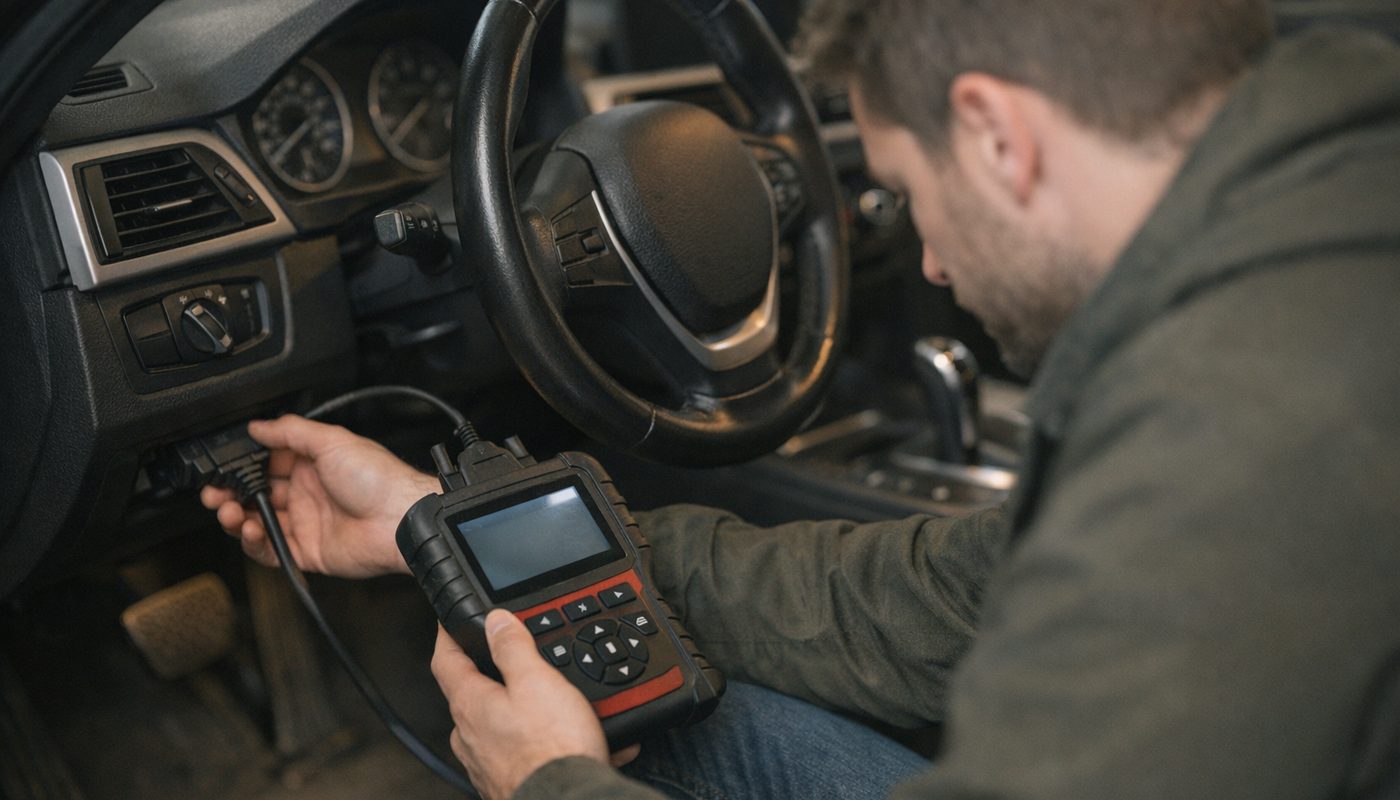
Scan the car before you drive it
Every generation of 3 Series stores fault codes even after a warning light has been cleared, and a cheap Bluetooth OBD2 adapter paired with a phone app will show you pending and stored codes in about two minutes, right there in the driveway. If a seller clears codes before you arrive, a scan tool will usually still show pending codes or freeze frame data that tells the real story. For BMW specifically I'd reach for something that reads manufacturer-specific modules, not just generic OBD2, which is exactly why the

Cooling system and oil leak check
This applies across every generation. Look at the coolant expansion tank for staining or a cracked cap, check for dried coolant residue around hose clamps, and look under the car for oil seeping from the valve cover gasket or oil filter housing, both extremely common seep points regardless of chassis code. None of these are deal breakers on their own, they're just negotiating leverage and a heads up on what you'll be doing in the first six months of ownership.
Documented service history beats a clean Carfax
A Carfax tells you the car wasn't in a major reported accident. It tells you almost nothing about whether the timing chain was addressed on an N20, whether the HPFP was replaced on an N54, or whether the cooling system has ever been touched. Ask for actual invoices. If a seller says "it's all been maintained" with nothing to back it up, assume the opposite and price accordingly.

OBDLink CX Bluetooth 5.1 OBD2 Adapter for BimmerCode
$79.95
What documentation to demand by engine
Different engines have different paper trails you should ask for specifically, rather than a vague "service history" request.
N54 and N20 specific paperwork
For an N54, ask about HPFP replacement, injector condition or replacement, turbo wastegate rattle repairs, and whether walnut blasting has ever been done for carbon buildup. For an N20, ask directly whether the timing chain and guides have been inspected or replaced, and at what mileage. If the seller looks confused by the question, that's your answer.
B58 and general modern checks
The B58 is a much lower drama engine but still worth checking for oil filter housing gasket leaks, any coolant loss history, and confirmation that software updates have been applied at a dealer at some point in the car's life, especially relevant on early G20s.
If you want a slightly more affordable diagnostic option than a dedicated BMW-specific tool, something like the

Veepeak OBDCheck BLE+ Bluetooth OBD2 Scanner - iOS & Android
$41.99
Cost of ownership reality check
None of this matters if you don't budget for ongoing costs, and BMWs of every generation cost more to maintain than a Camry, full stop. I go into real numbers in is BMW expensive to maintain, but the short version is that a well bought, well documented car in any of the "buy" categories above will cost you roughly 1,000 to 2,000 dollars a year in routine maintenance and the occasional bigger item, while a poorly bought car in an "avoid unless documented" category can easily double or triple that in the first eighteen months of ownership.
FAQ
What are the most reliable years for the BMW 3 Series
Late production E92 328i and 335i (2011-2013) with the N52 or N55, the 2016 and later F30 340i with the B58, and basically the entire G20 generation from 2021 onward are the strongest bets. The common thread isn't the year alone, it's whether the known weak points for that specific engine have already been addressed.
What mileage is too high for a BMW 3 Series
There's no hard cutoff, but I get cautious on N54 and N20 engines past 100,000 miles without documented repairs, while N52, N55, and B58 engines can comfortably run to 150,000-plus with normal maintenance. Service history matters more than the number on the odometer.
What is the best year for a used BMW 3 Series
If budget allows, a 2021 or later G20 M340i is the best overall pick right now. If you want more car for less money, a 2016 or later F30 340i is arguably the better value play.
Which generation of 3 Series is best
The G20 is the most complete package today, better tech, better chassis balance, and the B58 has a strong track record. The F30 340i is close behind for the money, and a sorted E92 is still a great, simpler alternative if you want something a bit more analog.
Is the E90 335i worth buying in 2026
Only if it's a later production N55 car, or an early N54 with a full paper trail on HPFP, injectors, and turbo work. Otherwise you're gambling on repair bills that can exceed the car's value.
Should I avoid all N20 engines
No, just be specific about it. Early 2012-2013 cars need documented timing chain work. Later N20s in the B48-adjacent era of the F30 and early G20 are a more mature design with far fewer reported issues.
Is a 328d diesel a good used buy
Yes, if you can find one with mostly highway miles and documented emissions system maintenance. It's an underrated pick that most buyers overlook entirely.
Do I need a scan tool to buy a used 3 Series
I'd never buy one without scanning it first. A cheap Bluetooth adapter takes two minutes and can reveal pending codes a seller either doesn't know about or conveniently forgot to mention.
Bottom line
The BMW 3 Series doesn't have one universal answer to "is it reliable," it has three or four very specific answers depending on the chassis code and engine sitting in front of you. Skip the early N54 and N20 cars unless the paperwork proves the known issues are handled, and point your money instead toward a sorted N52 or N55 E92, a 2016-plus F30 340i, or basically any G20 from 2021 onward. Buy the documentation, not just the car, and you'll end up with one of the genuinely great small sedans of the last two decades rather than a cautionary tale in a forum thread. That's the whole game.