
Oil Catch Cans for BMW 3 E92
Affiliate disclosure. BimmerTalk is a proud partner of the Amazon Associates Program and Turner Motorsport. We may earn a small commission on qualifying purchases through our links, at no extra cost to you. Read the full disclosure.

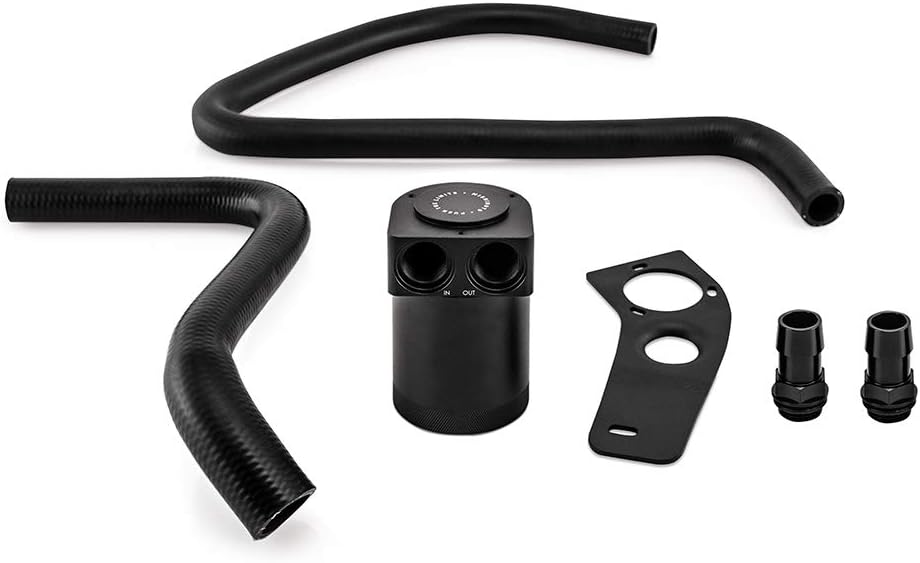
Mishimoto Baffled Oil Catch Can — N55 335i/135i 2011-2013
Mishimoto

Mishimoto Baffled Oil Catch Can — N54 CCV Side (2007–2010)
Mishimoto

PQY Aluminum Oil Catch Can Kit — N54 E82/E90/E92 135i/335i
PQY

YESHMA Oil Catch Can with Silicone Hose — N54 E82/E90/E92
YESHMA

RULLINE 19mm Oil Catch Can for BMW E36 E90 E92
More engine parts for the BMW E92
The BMW E92 335i is one of the most tuner-friendly platforms ever produced, largely thanks to the N54 and N55 inline-six engines sitting under that long hood. For those looking to extract serious power, the first logical step is an upgraded intercooler - the Wagner Tuning or Mishimoto units are well-regarded choices that dramatically reduce charge temperatures under boost. Pairing that with a Cobb Accessport or MHD flash tune can push a stock N54 well past 400whp with supporting mods. Upgraded turbos from Pure Turbos, specifically their Pure Stage 2 kit, are a popular bolt-on solution for those chasing 500-600whp without a full rebuild. Don't overlook the fueling side either - BM3 or JB4 piggyback tunes work beautifully with Precision Raceworks high-pressure fuel pump upgrades to combat the N54's notorious fuel starvation issues at high boost. On the cooling side, a CSF or Mishimoto radiator is cheap insurance. Before chasing big numbers, get your oil feed lines inspected and replace the charge pipe - factory units crack under pressure and it's a cheap fix that prevents a frustrating boost leak diagnosis later.
Why Your BMW Needs an Oil Catch Can
If you're running a turbocharged BMW - and let's be honest, that's most of us - blow-by gases from the crankcase are constantly being routed back through your intake system via the PCV (positive crankcase ventilation) system. That oily, hydrocarbon-laden vapor coats your intake manifold, throttle body, and intake valves with a layer of carbon buildup over time. On direct-injection engines like the N54, N55, S55, B58, and N20, this is a serious problem because fuel never washes the intake valves clean the way port injection does. An oil catch can intercepts that blow-by before it re-enters the intake, collecting the oil and contaminants in a reservoir you periodically drain. It's one of the cheapest forms of long-term engine insurance you can buy.
This issue is especially well-documented on the F30/F32/F3x chassis running the N20 and N26 four-cylinders, the F10/F11 535i with the N55, and virtually every F8x M3/M4 owner with the S55 twin-turbo. E-series cars like the E90/E92 335i on the N54 are equally susceptible. The B58-powered G20 330i, G30 530i, and Z4 M40i carry the same vulnerability. If you have direct injection and a turbo, this product category applies to you.
What to Look for When Buying a BMW Oil Catch Can
Fitment specificity matters more than you think. A universal catch can might technically bolt in somewhere, but a chassis-specific kit from brands like Mishimoto, Radium Engineering, or UPR Products gives you bracket mounts that integrate cleanly with existing hardware, correct hose lengths, and proper port sizing for your engine's PCV flow rate. Mishimoto in particular offers direct-fit kits for the N54, N55, and B58 that install with basic hand tools in under an hour. Radium's baffled cans are a favorite among track-day and tuned builds because the internal baffle prevents oil from splashing back into the intake under hard cornering or acceleration.
Always choose a baffled design. Unbaffled cans are cheaper, but they're also less effective and can actually allow oil mist to pass through under boost conditions. Look for a can with a coalescing filter element or a multi-chamber baffle - these designs physically separate liquid oil from vapor before it has any chance of re-entering the intake side.
Dual-port vs. single-port: Some BMW setups benefit from catching blow-by on both the valve cover breather side and the PCV side simultaneously. Radium and a few custom fabricators offer dual-port setups for the N54/N55 that cover both paths. If you're making big power or running an aggressive tune, the dual-port configuration is worth the extra spend.
Avoid: Generic eBay kits with no chassis-specific fitment, thin aluminum cans with poor welds, and anything marketed with "universal" as its primary selling point. You also want to skip any design that lacks a drain valve or easy-access fill cap - if cleaning it is a pain, you won't do it, and a full catch can is nearly as bad as not having one.
Install difficulty: Chassis-specific kits are typically a 1–1.5/5 difficulty. You're disconnecting a few hoses, mounting a bracket, and reconnecting. No cutting, no welding, fully reversible. Even first-time DIYers handle this without issue. If you're already doing related work, consider pairing this install with a upgraded intake manifold cleaning or replacement, since you'll already be familiar with the top-end layout.
If you're building out your engine bay properly, an oil catch can pairs naturally with a quality cold air intake - both are low-cost, high-value modifications that protect and optimize your turbo BMW's breathing over the long haul. Don't wait until you're pulling carbon off intake valves with a walnut blaster. Prevention is always cheaper than the cure.