
BMW 3 E92 Wheels and Tires
Affiliate disclosure. BimmerTalk is a proud partner of the Amazon Associates Program and Turner Motorsport. We may earn a small commission on qualifying purchases through our links, at no extra cost to you. Read the full disclosure.
Wheels
1515 parts for BMW E92
BrowseWheel Spacers
1919 parts for BMW E92
BrowseLug Bolts & Studs
33 parts for BMW E92
BrowseHub Centric Rings
33 parts for BMW E92
BrowseWheel Locks
33 parts for BMW E92
BrowseSummer Tires
1515 parts for BMW E92
BrowseWinter Tires
1010 parts for BMW E92
BrowseAll-Season Tires
77 parts for BMW E92
BrowseTrack & Semi-Slick Tires
88 parts for BMW E92
BrowsePopular E92 wheels & tires
Hand-picked wheels & tires parts that fit the BMW E92 - mid-tier price band, mixed across subcategories.


Bridgestone Blizzak WS90 Winter Tire 225/45R17 91H - E82/F22/E90/F30/F32
Bridgestone
$239.06



Circuit Performance CP30 19x8.5 Gloss Gun Metal Wheel for BMW (5x120 +35mm)
Circuit Performance
$219.15



Venum 12x1.5 x 90mm Black Stud Conversion Kit — BMW (20pc)
Venum wheel accessories
$79.99

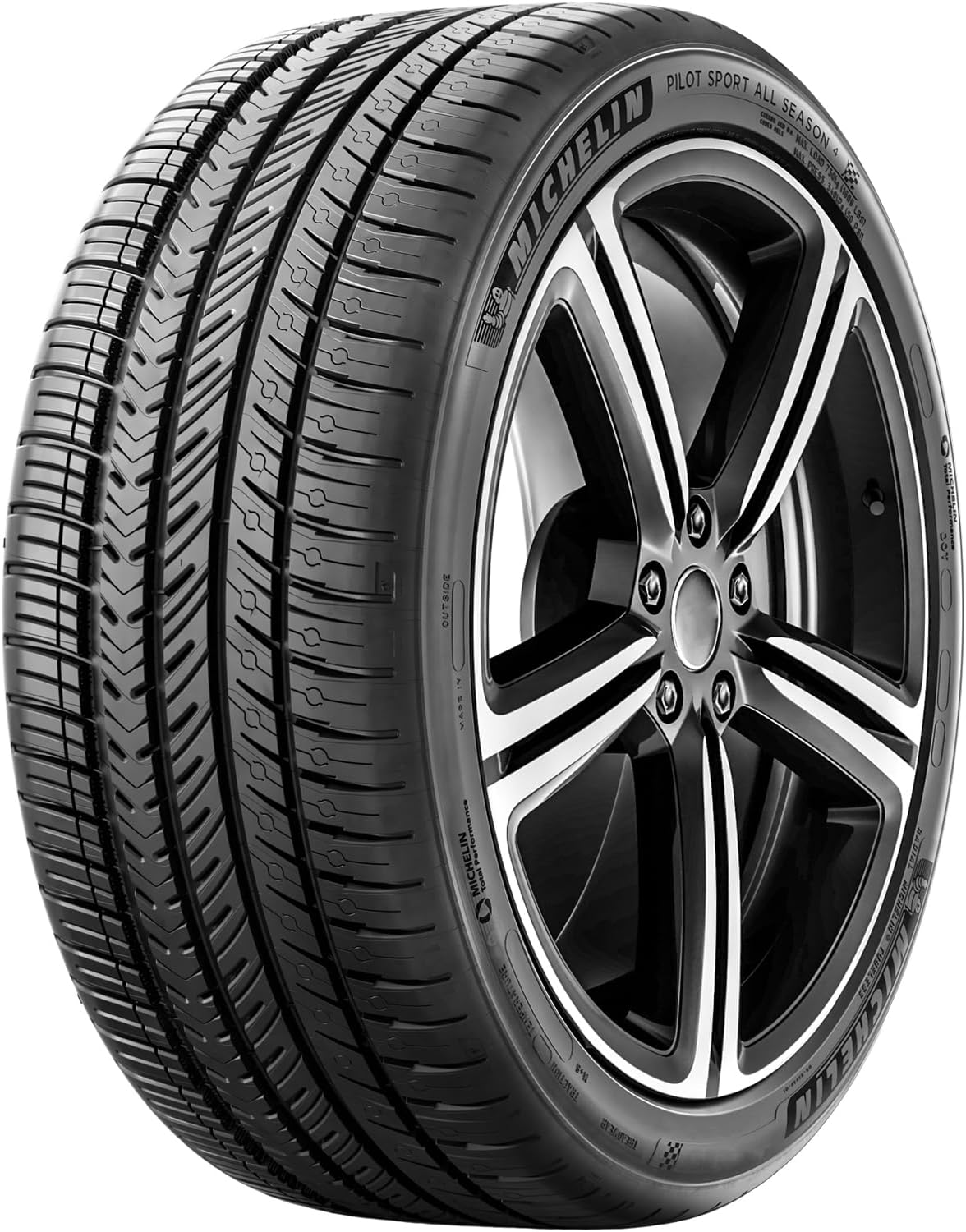

If you own a BMW E92 and you're researching BMW E92 wheels and tires, you already know the car deserves better than whatever came bolted on from the factory. The E92 coupe body style - sold from 2006 through 2013 covering the 328i, 335i, and the legendary E92 M3 with its S65 V8 - is one of the best platforms BMW ever built for wheel and tire work. Good bones, proper rear-wheel drive balance, a strut front and multilink rear suspension setup that responds well to fitment changes, and a community that has been refining fitment specs for nearly two decades. There is a lot of noise out there, though. Shops pushing 20-inch wheels because the margins are better. Forum threads that are ten years old and reference tires that are discontinued. Fitment guides written by people who have never actually torqued a wheel to spec. This page cuts through that. I'm going to walk you through the OEM baseline, what actually matters on this chassis, the best wheel and tire combinations by use case, fitment math, common mistakes, and my honest picks for daily driving, track work, and street presence - with real prices where I have them and real opinions throughout.
Why Wheels and Tires Matter More on the E92 Than Most BMWs
The E92 sits in an interesting spot in BMW's lineup. The non-M cars - the 325i, 328i, 330i, and 335i - run a relatively conservative suspension tune from the factory because BMW was selling these to a wide audience. The E92 M3 is more aggressive out of the box, but even the M3 has compromises baked in because it needs to be a usable street car. What both versions share is a chassis that is genuinely sensitive to unsprung weight changes and tire contact patch quality. That matters because when you swap wheels and tires on most modern SUVs or sedans, the handling difference is subtle. On the E92, you can feel a meaningful change from a single tire upgrade. The steering is communicative enough to telegraph what the front tires are doing, and the rear suspension geometry is precise enough that contact patch width changes affect rotation balance in a way you notice on the road, not just on a lap timer.
There is also a purely practical angle. The E92's OEM wheel and tire options were not always well chosen for longevity. Factory run-flat tires, which BMW spec'd on many E92 variants, are notoriously stiff, have limited tread life, and contribute to the chassis's tendency to feel jiggly on poor pavement. Switching to a conventional tire on an aftermarket wheel - even a relatively modest upgrade - typically improves ride quality noticeably. I have seen E92 owners genuinely surprised by how much smoother the car rides after dropping run-flats for a quality conventional tire at the same or similar diameter. That quality-of-life improvement alone justifies researching this carefully.
Finally, the E92 has strong enough aftermarket support that prices on quality fitments are reasonable. You are not paying early-adopter pricing for anything on this platform. The community has done the fitment testing, the forum threads exist, the offset calculators have been run. You benefit from almost twenty years of collective knowledge.
OEM Baseline - What the E92 Came With From the Factory
Before you spec anything aftermarket, you need to understand the OEM starting point because it directly affects what you can run without modifications.
The bolt pattern across all E92 variants is 5x120mm. That is non-negotiable. The hub bore is 72.6mm. If you are buying an aftermarket wheel not made specifically for BMW, you need a hub-centric ring to fill the gap between the wheel's center bore and that 72.6mm hub. Running lug-centric without rings on a BMW causes vibration at highway speed - I have seen this more times than I can count, and every time the owner was convinced they had a wheel balance issue when the problem was no hub rings.
OEM wheel sizes varied significantly by trim level and market:
- 325i / 328i base trim - typically shipped on 17-inch wheels, 225/45R17 tires all around, run-flat spec in most US markets
- 328i / 335i with Sport Package - stepped up to 18-inch wheels, commonly 225/40R18 front and 255/35R18 rear in a staggered setup, or 225/40R18 square depending on market
- E92 M3 - factory fitment was 18x8.5 front / 18x9.5 rear with staggered tires, 245/40R18 front and 265/40R18 rear, again run-flat spec. Some markets received optional 19-inch packages.
OEM offsets on the E92 run in the ET34 to ET47 range depending on the specific wheel, with the M3 running slightly lower offsets to accommodate wider bodywork. The front strut housing is the tight spot on this chassis - clearance between the strut and the inner barrel of the wheel is where you run into problems if you go too aggressive on negative offset without corresponding suspension changes.
The run-flat tires BMW used on most E92 variants deserve a direct comment. They serve a legitimate purpose - they allow the car to be built without a spare tire, reducing weight and freeing up trunk space - but they are a poor performing tire by modern standards. The stiff sidewalls required to make a run-flat function without air reduce ride quality and limit the tire's ability to conform to surface irregularities, which hurts grip in real-world conditions. Most of the E92 community has moved away from run-flats. If you are buying an E92 today or refreshing the wheel/tire package on one you already own, I would not run run-flats unless you have a specific reason to need them.
The Single Highest-Impact Upgrade on This Chassis
If you only do one thing to improve how your E92 drives, swap the tires before you do anything else. Not the wheels - the tires. This is true for every chassis I have ever worked on, and the E92 is not an exception. A quality modern performance tire on stock wheels will improve steering feel, braking distance, and wet weather grip more than most suspension changes. A set of Michelin Pilot Sport 4 S tires on your factory 18-inch wheels will fundamentally change how the car feels to drive. The PS4S is the benchmark daily performance tire in 2026, and it works on everything from conservative street driving to moderate track sessions.
Once you have good rubber, then the wheel upgrade makes sense. Wheels affect unsprung weight, contact patch positioning (via offset), and brake clearance. Tires affect grip, feel, noise, and ride compliance. The combination of a quality lightweight wheel and a modern performance tire is the sweet spot, but if you can only do one, do the tires first.
I am saying this because I see a lot of E92 owners spend money on 19-inch replica wheels wrapped in budget tires and then wonder why the car doesn't feel sharper. The answer is always the tire. A $200 wheel with a $250 tire is going to drive worse than an $800 wheel with a $150 tire. Budget accordingly.
Wheel Size Strategy for the E92 - 17, 18, or 19 Inches
The E92 community has had this debate for fifteen-plus years and the consensus is reasonably clear, though use case matters a lot.
17-Inch Fitments
Seventeen-inch wheels on an E92 coupe look undersized to most eyes. The wheel gap is significant, the sidewall is tall, and the aesthetic doesn't match the body's proportions well. That said, there are legitimate reasons to run 17s. Snow/winter setups benefit from the taller sidewall. If you are autocrossing on a tight course and want maximum sidewall compliance to keep the tire rolling onto the contact patch correctly, a 17-inch with a tall sidewall can actually outperform an 18-inch option on certain surfaces. For dedicated track cars where you are starting from scratch with suspension and tire specs, 17-inch options exist. But for the 95% of E92 owners reading this page, 17-inch wheels are not the goal.
18-Inch Fitments - The Sweet Spot
Eighteen-inch wheels are where the E92 lives best. The tire selection at 18-inch diameters is the widest it has ever been. The sidewall height is enough to provide real-world ride compliance without sacrificing handling response. You can run a square setup on 18s and rotate tires to extend tread life. You have access to the widest range of forged lightweight options at 18-inch. And critically, as the E92 M3 fitment guide at Three Piece notes, moving to a quality forged 18-inch setup can reduce unsprung weight by 8 to 12 pounds per corner compared to heavy OEM cast wheels. That is real. Unsprung weight reduction in that range is equivalent to a meaningful suspension upgrade in terms of how the chassis responds to road surface variations.
The argument for 18-inch over 19-inch is particularly strong if you plan any track use. At 18 inches, you have a wider tire selection in performance and semi-slick compounds. You can run a 265/35R18 or even a 295/30R18 in certain setups. The sidewall height is enough that you are less likely to damage wheels on track curbing or road imperfections. Running a 19-inch wheel at the track is not unusual, but it introduces more risk and the tire compound selection at 19-inch in aggressive sizes is narrower than at 18-inch.
19-Inch Fitments - Appearance and Contact Patch
Nineteen-inch wheels look great on the E92. The proportions work well. A staggered 19x9.5 front / 19x10.5 rear setup on a lowered E92 with the right tire profile has the road presence that a lot of E92 owners are going for. The tradeoffs are real, though. Tire prices go up at 19-inch. Ride comfort goes down. Sidewall damage risk goes up, particularly in cities with rough pavement. And if you are using the car at all seriously on track, the shallower sidewall means less compliance and more sensitivity to wheel damage from curbing.
The BBS LM in 19x9.5 ET25 front / 19x10.5 ET18 rear is the aspirational fitment that comes up constantly in E92 M3 forums. It looks correct on the car, it is a genuine quality forged wheel, and it positions the car aesthetically at the level the platform deserves. But it is a budget-conscious choice it is not - BBS LM pricing reflects the brand's reputation and manufacturing quality. If appearance and OEM-plus stance is your primary goal, the 19-inch route with BBS LM or a comparable premium option makes sense. If you are trying to optimize for driving dynamics, lap times, or a balance of both, 18-inch is the better call.
20-Inch - Just Don't
I am going to be blunt. Twenty-inch wheels on an E92 are primarily an aesthetic choice and the tradeoffs are bad. You are looking at 20-25mm of sidewall on a tire, which provides almost no impact compliance. You will feel every expansion joint. Pothole damage to wheels becomes a regular expense rather than a rare inconvenience. The performance benefit over a properly spec'd 18-inch or 19-inch setup is nonexistent - in fact, lap times typically get worse because the tire cannot conform to the road surface properly and the added rotational inertia hurts throttle response. If someone is trying to sell you 20-inch wheels for a street E92, they are prioritizing their margin over your driving experience.
Wheel Brand Deep Dive - The Four Best Options for E92
Apex ARC-8 - Best Overall Street and Track Wheel
The Apex ARC-8 is the wheel I would put on my own E92 if I had one sitting in the garage today. Apex makes monoblock forged wheels specifically engineered for BMW fitments, and the ARC-8 in particular has become what the E92 fitment community calls the track day standard. That phrase is earned. The ARC-8 is available in the exact offsets the E92 needs, it clears OEM and aftermarket big brake kits, it is genuinely lightweight for a monoblock forged design, and it is priced at a point where the value proposition is hard to argue with.
The recommended E92 fitment on the ARC-8 is 18x9.5 ET22 square, running 265/35R18 all around. This setup works at stock ride height on the E92 M3 and bolts on without fender modification. If you are running coilovers, you have more flexibility to go aggressive on offset. If you want a staggered setup on the ARC-8, the guide spec calls for 18x8.5 ET35 front / 18x9.5 ET22 rear with 245/40R18 front and 275/35R18 rear. That staggered setup is a direct upgrade from OEM M3 fitment that bolts on at stock ride height.
Apex's customer service and fitment support are genuinely good. They have BMW-specific fitment data for the E92 on their website, they will answer detailed questions about clearance with specific brake kits, and they back the wheels with a real warranty. For a daily driver that sees occasional track use, the ARC-8 is the right answer at the right price.
BBS LM - Best Premium Wheel
If budget is not the primary constraint and you want the best-looking, best-built wheel on the market for the E92, BBS LM is the answer. BBS has been making wheels for BMW applications since before most E92 owners were born, and the LM is their multi-piece forged flagship. The construction - forged center, spun rim - allows BBS to offer fitments that true monoblock forgings cannot match in terms of offset and width combinations.
The target fitment is 19x9.5 ET25 front / 19x10.5 ET18 rear, which the E92 M3 fitment guide positions as the big-budget build choice - and that framing is accurate. BBS LM pricing is at the top of the market. You are paying for genuine engineering, genuine manufacturing quality, and genuine resale value. BBS LMs hold value better than almost any other aftermarket wheel because the market understands what they are.
The aesthetic fit on the E92 M3 specifically is as good as it gets. The multi-spoke design with the polished barrel and matte finish center looks period-correct and premium without being flashy. If you are building a clean street E92 M3 and want a wheel that looks like it could have come from BMW's M division in a better world, BBS LM is the pick. Just budget for the tires too - at 19-inch fitments, quality tire costs add up quickly.
Forgestar F14 - Best Value Forged for High-Power Builds
The Forgestar F14 is a flow-formed wheel that hits a competitive price point while offering genuine structural integrity for high-power applications. The fitment guide specifically notes the F14 handles 500-plus horsepower without flexing, which matters if you are running a built S65 M3 or a turbocharged non-M E92 with serious power output. Flow forming strengthens the barrel of the wheel through a cold-working process, which allows Forgestar to hit weights comparable to monoblock forgings at a significantly lower price.
The target E92 fitment on the F14 is 18x10 ET25 square. That is a wide, aggressive square setup that requires either a coilover setup with appropriate lowering or the right offset combination to keep the tire inside the fender. At stock ride height on the non-M E92 chassis, you would want to verify clearance carefully before committing to this fitment. On a lowered M3 with stretched tires, the 18x10 square look is aggressive and clean.
Forgestar's customization options are worth noting. They manufacture wheels to order in a wide range of offsets, so you can dial in your specific fitment requirement rather than working with catalog sizes. Lead times are longer than buying off-the-shelf, but for a build where fitment precision matters, custom-ordered F14s are worth the wait.
BBS LM-R and Volk Racing TE37 - Honorable Mentions
The Volk Racing TE37 deserves a mention even though it did not appear in the primary research for this page. It is one of the most proven forged monoblock wheels in motorsport, it is available in BMW-compatible 5x120mm fitments, and it is lighter than most of what it competes with. The TE37 is not an inexpensive wheel and it is not an easy wheel to buy because Rays distributes through authorized dealers only, but if you find the right fitment it is as good a wheel as you can put on an E92.
For those browsing aftermarket options, checking out the full aftermarket wheel guide on BimmerTalk will give you a broader comparison across brands and price points.
Tire Deep Dive - The Best Options by Use Case
Tires are where the rubber meets the road, literally. I am going to break this down by use case because the right tire for someone who commutes 40 miles a day on the E92 M3 is not the right tire for someone who runs three track days a year. These use cases are not always mutually exclusive, and the best tires for street performance often work adequately on track - but you should know what you are optimizing for before you spend money.
Best Street Performance Tire - Michelin Pilot Sport 4 S
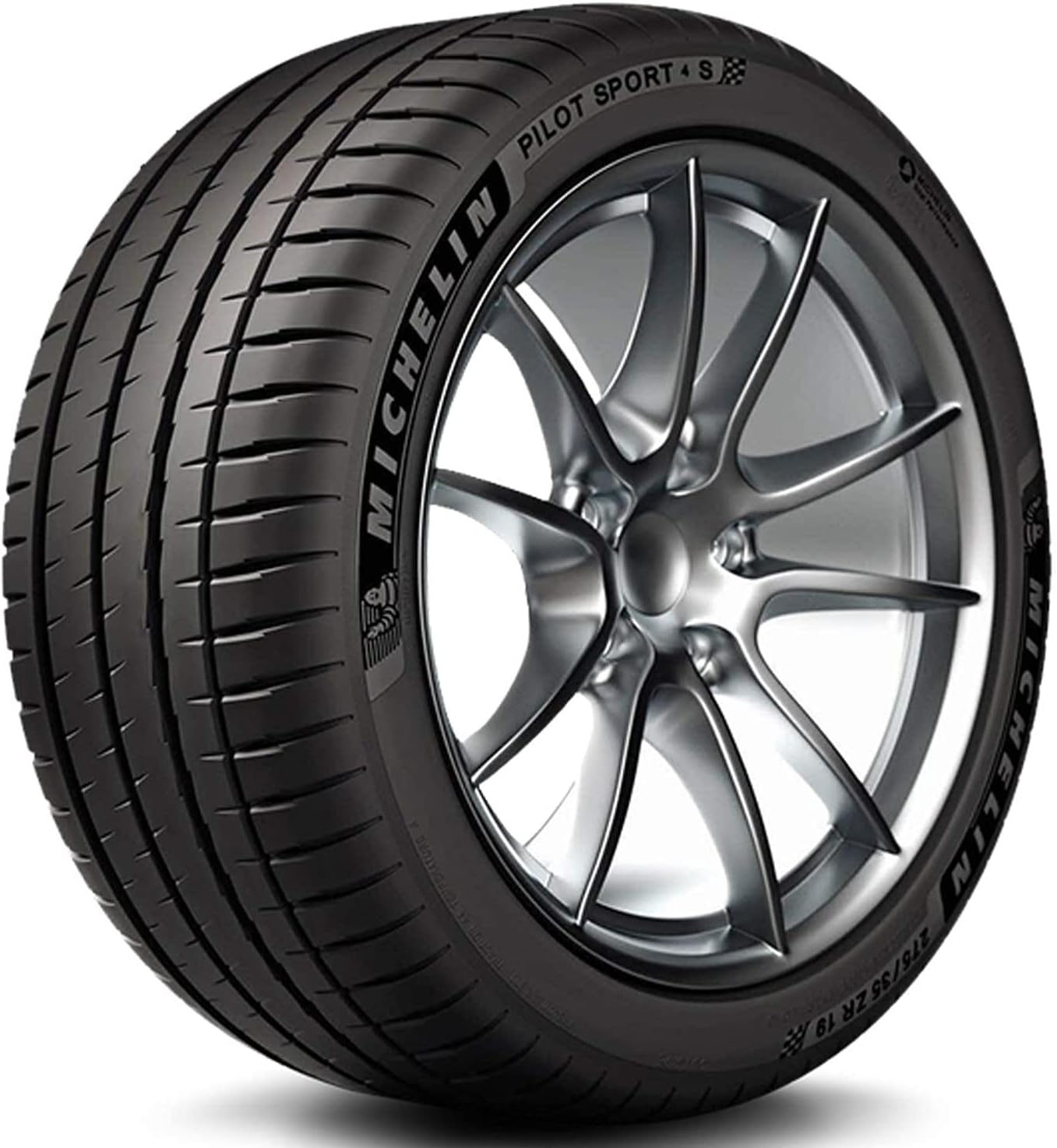
The Michelin Pilot Sport 4 S is the answer to "what tire should I put on my E92 for daily driving and occasional track use?" It is the answer in 2026 like it has been for several years, and the reason is that it genuinely does what it claims. The compound is dual-layer - a harder compound on the outer shoulder for high-speed stability and a softer inner compound for wet and initial grip - and the construction is stiff enough to respond to the E92's communicative steering without being harsh on the street. The E92 M3 fitment guide describes the PS4S as transforming rear grip, which is a strong claim but one I have heard echoed consistently by M3 owners who made the switch.
The PS4S is available in the key E92 sizes. For the M3 running 18-inch wheels, 245/40R18 front and 275/35R18 rear in the staggered OEM-spec configuration is a direct, no-hassle swap. If you are running 19-inch wheels, the 295/30ZR19 is a popular rear tire choice and is currently priced around $448 per tire at online retailers. That is not cheap, but Michelin's tread life on the PS4S is reasonable for a UHP tire - you will get 15,000 to 20,000 miles from a rear tire on a street-driven M3 without abusing it, more if you are gentle with the throttle on corner exits.
One honest tradeoff with the PS4S is track longevity. The compound is not designed for sustained track heat. A full track day on PS4S tires will noticeably reduce tread life, and the tire's compound can grain at high temperatures if you push hard across multiple sessions. For the casual track day driver who does one or two events per year, this is acceptable. For someone doing five or more track days annually, you are better off with a dedicated track tire and keeping the PS4S for the street.
Best Daily/Track Compromise - Continental ExtremeContact Force
The Continental ExtremeContact Force occupies a specific niche that the E92 community has latched onto - it is a street-legal tire with a compound aggressive enough to perform seriously on track. This is not a daily driver tire in the traditional sense. It is louder than the PS4S, has less wet weather grip, and wears faster on the street. What it does well is handle sustained track heat without graining and provide consistent lap times across a full day of sessions.
The M3Post thread on endurance tire choices includes a forum member calling the ExtremeContact Force the "gold standard" for endurance-format track events. The sizing for E92 track use is typically 295/30R18 in a square setup, which gives you a wide, square contact patch that is consistent on both entry and exit of corners. Square setups on track also mean you can rotate front to rear, which extends tire life across a season of track use.
The ExtremeContact Force in E92 sizes is not always easy to find in stock, but it is worth waiting for if you are serious about track use. It bridges the gap between a street performance tire like the PS4S and a dedicated semi-slick better than most tires at its price point.
Best Dedicated Track Tire - Toyo R888R
The Toyo R888R is the track day tire that comes up consistently in E92 builds that are genuinely committed to lap times. It is a DOT-legal semi-slick with a compound that requires heat cycles to work properly and will not perform well in cold or wet conditions. On a dry track with the tire warmed up, the R888R provides grip levels that expose the limits of everything else on the car - suspension compliance, brake performance, differential setup. If you have not also upgraded the suspension and brakes, you will find out quickly on R888Rs.
The common E92 fitment for the R888R is 265/35R18 in a square track setup on 18x9.5 ET22 wheels - the same wheel spec as the Apex ARC-8 track day standard setup. The combination of that wheel and tire is what the fitment community describes as the track day standard. The logic is sound: 18-inch allows a sidewall tall enough to manage track curbing, 265/35 gives a wide contact patch, and the R888R compound is proven across BMW track applications.
If you go the R888R route, be prepared to use these tires only at the track and store them properly between events. They degrade faster than street tires in UV exposure and temperature cycling, and you do not want to daily drive them - the noise and wet weather incompetence will make the car unpleasant to use on public roads.
Budget Performance Option - Continental ExtremeContact Sport 2
Not everyone is spending premium tire money on their E92, and that is completely reasonable. The Continental ExtremeContact Sport 2 is the value option I would recommend to someone who wants noticeably better performance than OEM runflats without paying PS4S prices. It is not the best tire in any specific category, but it is a solid all-around performer that works in the wet, holds up reasonably on light track use, and does not cost a fortune. If your E92 is a daily driver that sees no track use, the ExtremeContact Sport 2 is genuinely good enough and the savings versus the PS4S are real.
Fitment Math for the E92 - Offsets, Widths, and Clearances
Fitment on the E92 requires attention to three main dimensions: offset (ET), width, and tire profile. Get these wrong and you will either rub under load or have a wheel that sits too deep in the fender well and looks wrong. Get them right and the car looks intentional and handles correctly.
How Offset Works on the E92
Offset (ET) is the distance in millimeters from the wheel's centerline to the mounting face. A higher ET number pushes the wheel inward (tucked). A lower ET number pushes the wheel outward (more flush or poked). The E92 runs OEM offsets in the ET34 to ET47 range. Most aftermarket setups for the E92 run lower offsets - typically ET22 to ET35 - which positions the wheel more outward in the fender for a flush look. Going too low on ET (below ET18 in most setups) risks the outer edge of the tire contacting the fender liner, particularly on a lowered car through suspension travel.
The front strut housing is the inner clearance concern. At widths of 9.5 inches or greater, you need to verify the inner barrel of the wheel clears the strut housing. This is why fitment-specific data from the Apex or BBS product pages matters - they have tested clearance on the actual E92 chassis. Running a generic fitment calculator is a starting point, but it does not account for manufacturing tolerances or the specific geometry of the E92 strut housing.
Key Fitment Specs at a Glance
| Setup Type | Front Size | Rear Size | Front Tire | Rear Tire | Notes |
|---|---|---|---|---|---|
| Conservative bolt-on staggered | 18x8.5 ET35 | 18x9.5 ET22 | 245/40R18 | 275/35R18 | Works at stock ride height, no fender work |
| Track day square | 18x9.5 ET22 | 18x9.5 ET22 | 265/35R18 | 265/35R18 | Track day standard per E92 community |
| Aggressive street / coilover | 18x9.5 ET25-30 | 18x10.5 ET20-25 | 265/35R18 | 295/30R18 | Flush look on quality coilovers without fender work |
| Premium 19-inch OEM-plus staggered | 19x9.5 ET25 | 19x10.5 ET18 | 245/35R19 | 275/30R19 | BBS LM-spec appearance build |
| High-power forged square | 18x10 ET25 | 18x10 ET25 | 265/35R18 or 275/35R18 | 265/35R18 or 275/35R18 | Forgestar F14 spec for 500+ hp builds |
Staggered vs Square - Making the Right Call
The E92 M3 runs a staggered setup from the factory, and there are good engineering reasons for that. The S65 V8 puts significant torque to the rear wheels, and a wider rear tire provides a larger contact patch to manage that torque without sacrificing front turn-in response with a similarly wide front tire. If you have a standard E92 M3 and you are not doing significant suspension modification, maintaining a staggered setup is sensible. The factory engineers knew what they were doing.
The argument for a square setup comes from two directions: track performance and economics. On track, a square setup allows you to rotate tires, which dramatically extends tire life and lowers per-lap operating costs. In certain handling setups - particularly with suspension tuning that tightens the front end - a square setup with equal front and rear tire width can actually be faster because it allows more consistent balance through corners without the tendency to oversteer that a very wide rear tire can induce when combined with aggressive alignment settings.
For non-M E92 variants - the 325i, 328i, 335i - the OEM power levels do not require staggered fitment. A square 18x9.5 ET22 with 265/35R18 all around is a straightforward and excellent choice that gives you rotation capability and a clean, consistent look. If you are running a tuned 335i with 350-plus wheel horsepower, the wider rear contact patch of a staggered setup starts to make sense again.
Install Considerations Specific to the E92 Chassis
Installing wheels and tires on an E92 is straightforward if you pay attention to a few chassis-specific details that catch people out.
Lug Bolts, Not Lug Nuts
BMW uses lug bolts, not lug nuts. This means the fastener threads into the hub, not onto a stud. The correct torque spec for E92 lug bolts is 103 lb-ft (140 Nm). Do not over-torque them. Do not use an impact wrench to final-torque lug bolts on a BMW - you will warp rotors and strip threads. Torque by hand with a proper torque wrench. After your first 50 miles on new wheels, re-torque all lug bolts. Wheels bed in slightly on new fitments and the torque will need topping up.
If you are switching to a thick-face aftermarket wheel, you may need extended lug bolts to ensure proper thread engagement. A standard E92 lug bolt has a specific shank length for OEM wheel thickness. If the aftermarket wheel's mounting face is significantly thicker than OEM, you need a longer bolt. Measure the mounting face thickness of your aftermarket wheel before you order extended bolts. The standard is about 25-27mm of thread engagement minimum - anything less is dangerous. Proper tools and hardware matter here, and a good quality chassis reference tool can help you cross-check specs before you commit to a bolt length.
Hub Centric Rings Are Not Optional
I mentioned this earlier and I am mentioning it again because it is the single most common mistake I see on BMW wheel installs. The E92 hub bore is 72.6mm. If your aftermarket wheel has a center bore larger than 72.6mm, you need a hub-centric ring. Most quality BMW-specific wheels from brands like Apex are bored to 72.6mm, meaning they are already hub-centric and you do not need rings. But many multi-fitment wheels from brands that serve multiple vehicle platforms come with a larger bore and include rings in the box - or expect you to order them separately. Check your wheel's center bore specification before you install. Running lug-centric on a BMW causes vibration that no amount of wheel balancing will fix.
TPMS Sensors
The E92 uses a direct TPMS system that reads tire pressure via sensors mounted in the wheel. If you are mounting new wheels, you need to either transfer your existing TPMS sensors to the new wheels (requires the tire to be demounted and remounted) or purchase new sensors and have them coded to your car. The E92 TPMS cannot be permanently dismissed without a coding change, and driving with a TPMS warning light on will not cause any mechanical harm but will annoy you constantly. If you are running a dedicated track wheel set that you swap seasonally, investing in a second set of sensors coded to the car is the right approach. For coding work, a good OBD-based tool is helpful - check out the coding and diagnostic tools guide for what works on the E92.
Brake Clearance
If you have upgraded the brakes on your E92 - and if you are doing track work, you should - verify that your aftermarket wheel clears the caliper. This is especially relevant on the E92 M3, which has a larger factory caliper than the non-M cars, and doubly relevant if you have installed aftermarket big brake kits. Most 18-inch and larger wheels from the major brands have sufficient spoke clearance for OEM M3 brakes. But if you are running a big brake kit with a 6-piston caliper front, verify specifically. Apex publishes brake clearance data for their wheels by caliper brand. BBS can provide the same. Do not assume - a caliper contact while driving is a catastrophic failure mode. For background on big brake options on the E92, the brake pads and braking system section has relevant context.
Alignment After Wheel Changes
Any significant change in wheel offset or tire width changes the effective scrub radius and may affect toe and camber settings. Even if you are running the same offset as OEM, installing new wheels is a good time to check alignment. The E92 responds well to mild negative camber - around -1.5 to -2.0 degrees front and -1.5 to -1.8 degrees rear is a common street/occasional track alignment. If you are changing from a staggered to a square setup, the alignment needs to reflect the different front and rear tire widths. Getting an alignment done after a wheel and tire change is not a luxury, it is basic maintenance.
Lowering the car on coilovers in conjunction with a wheel/tire change is very common on the E92. If you go that route, the suspension changes and wheel/tire changes need to be coordinated. More detail on choosing the right coilovers for this setup is in the coilovers section.
Common Mistakes E92 Owners Make with Wheels and Tires
Twenty years of forum threads have catalogued the mistakes. Here are the ones I see repeatedly.
Buying Replicas
Replica wheels - wheels that copy the design of BBS, Volk, HRE, or other premium brands but are manufactured to lower tolerances from inferior alloys - are everywhere in the BMW aftermarket. They are cheap and they look similar to the real thing in photos. They are also a genuinely bad idea on a car you drive hard or take to track. Replica wheels fail. The alloy composition is inconsistent, the manufacturing tolerances are loose, and the structural testing does not match what reputable brands subject their wheels to. I have seen replica wheels crack at the spoke on a road course. I have seen them develop stress fractures that were invisible until the wheel lost air at speed. At 70 mph on the highway, a wheel failure is a potentially fatal event. Buy real wheels from brands that stand behind their products. If the budget does not allow it, wait and save more money. This is not an area to cheap out.
Mis-Speccing Offset for Ride Height
This is the most common fitment mistake. Someone buys an aggressive offset wheel - say, 18x10.5 ET20 - at stock ride height without checking whether the tire clears the fender liner through suspension travel. At static ride height, it looks fine. But over a bump or through a hard corner, the tire travels upward and inward, and suddenly you hear that scraping sound that means you are destroying your fender liner and probably scoring your tire. The conservative bolt-on staggered setup referenced in the fitment data - 18x8.5 ET35 front / 18x9.5 ET22 rear - is conservative for a reason. It works at stock ride height without fender work. If you want to go more aggressive, you need to lower the car appropriately and understand how suspension travel changes fitment clearance. If you are running coilovers and want the flush look, get your alignment and ride height set first, then dial in the offset. Doing it backward is expensive.
Running Mismatched Tire Diameters
The E92 stability and traction control systems rely on consistent wheel speed signals from all four corners. If you run significantly different tire diameters front to rear - which can happen when mixing tire sizes in incorrect aspect ratios - the DSC system gets confused and may trigger unnecessarily or, worse, fail to trigger when you need it. Always verify that the overall diameter of your front and rear tires is within 1% of each other. Tire rack and similar sites have rolling diameter calculators. Use them before you buy mixed size combinations.
Ignoring Tire Age
Used E92s sometimes come with original tires that have plenty of tread depth but are five or six years old. Tires degrade regardless of mileage. The rubber compound oxidizes and hardens, reducing grip significantly - particularly in wet conditions. The DOT date code on the sidewall tells you the week and year of manufacture. A tire older than five years should be replaced regardless of tread depth. I have seen E92s come in for track days on eight-year-old tires with good tread depth, and the grip level on those tires is frighteningly bad. Check the DOT codes on any used E92 you are buying.
Not Accounting for TPMS When Building a Track Set
Building a dedicated track wheel set and showing up at the track without sorting TPMS is a rookie move that wastes time. Either equip your track wheels with coded sensors or code out the TPMS warning before you go. The warning light will not cause a problem functionally, but some track days require TPMS compliance for insurance reasons, and having a lit warning light is an unnecessary distraction.
Budget Tiers - What to Expect at Each Price Point
Being honest about budget is important. Here is how the market breaks down for E92 wheel and tire packages in 2026.
Entry Level - Under $1,500 for a Set of Four
At this budget, you are looking at used OEM wheels in good condition, mid-tier cast aftermarket wheels, or the lower end of the flow-formed market. The tire budget at this level typically covers a set of Continental ExtremeContact Sport or Michelin Pilot Sport All-Season 4 tires - good street tires, not the best performance options. This is a reasonable budget for a daily driver E92 that sees no track use and where the goal is improving on worn or damaged OEM wheels without spending aggressively. Expect to compromise on weight and aesthetics relative to higher tiers.
Mid Range - $1,500 to $3,000 for a Set of Four (Wheels Only)
This is where the best value lives. The Apex ARC-8 and Forgestar F14 fall in this budget range for a set of four wheels. You have money left over for quality tires. A set of Apex ARC-8 wheels in 18x9.5 ET22 square combined with a set of Michelin Pilot Sport 4 S in 265/35R18 comes in around $2,500 to $3,000 all-in depending on where you source the tires and current Apex pricing. That is a complete, no-compromise street and occasional track setup that improves every dimension of the car's dynamic behavior. This is the tier I would recommend to most E92 owners who are serious about driving the car.
Premium - $3,000 to $6,000 for a Set of Four (Wheels Only)
Here is where BBS LM pricing lives, along with high-end options from HRE and Volk Racing. The wheels themselves are exceptional - genuine engineering and manufacturing quality that you can feel in the weight and look in the finish. Paired with PS4S tires, this is an end-game street setup. Paired with ExtremeContact Force or R888R tires, it is a serious track setup. The performance difference between mid-range and premium wheels is less than the price difference suggests - you are paying for manufacturing quality, brand prestige, and specific fitment capabilities that the mid-range options sometimes cannot match. Justified if this is your enthusiast car that you plan to own long-term. Harder to justify on a daily driver.
Track-Specific Budget - Separate Wheel/Tire Set
If you track the car seriously, the smartest money you can spend is building a dedicated track wheel and tire set and keeping your street setup separate. This lets you run aggressive track compounds without destroying your street tires, protects your premium street wheels from track abuse, and allows you to dial in each setup independently. A practical track set - used Apex ARC-8 or similar forged 18-inch wheels sourced second-hand, mounted with Toyo R888R or Continental ExtremeContact Force tires - can be assembled for $1,500 to $2,500. That is genuinely good value for a dedicated track setup on a platform that deserves to be driven properly.
My Picks by Use Case - Daily, Track, and Street Presence
Best Daily Driver Setup for the E92
If you are driving your E92 every day and want a noticeable improvement without spending aggressively, my recommendation is the conservative staggered setup in 18-inch. Specifically: find a good set of Apex ARC-8 in 18x8.5 ET35 front and 18x9.5 ET22 rear, mount them with Michelin Pilot Sport 4 S in 245/40R18 front and 275/35R18 rear. This setup bolts on at stock ride height, the offset is safe for normal driving and suspension travel, the PS4S tire is excellent in wet conditions that you will absolutely encounter in daily use, and the unsprung weight reduction from the forged ARC-8 over heavy OEM cast wheels improves ride quality and steering feel. Total cost is in the $2,500 to $3,000 range. It is the most complete daily improvement available for the money on this chassis.
If you want to lower the car as part of this build, adding a set of quality coilovers - check the coilovers buyers guide for what works well on the E92 - in conjunction with the wheel change allows you to go slightly more aggressive on offset for a better-looking stance. I would not lower on springs only for this build because springs give you less control over ride height and you cannot optimize the fitment as precisely. Coilovers give you the adjustability to dial in the ride height to make the wheel gap look intentional without compromising clearance.
Best Track Setup for the E92
For serious track use, I am recommending two separate setups: a dedicated track set and a street set. The track setup is built around Apex ARC-8 in 18x9.5 ET22 square with Toyo R888R 265/35R18 all around. This is what the community calls the track day standard and it is called that because it works. The square setup allows tire rotation to manage wear. The R888R compound provides serious grip levels once warmed up. The ARC-8 is light enough to reduce unsprung weight meaningfully without being fragile. And 18-inch sizing gives you enough sidewall to manage track curbing and road imperfections without destroying wheels.
Before you go full commitment on R888R tires for track use, consider whether the Continental ExtremeContact Force might be a better fit for your specific track environment. If you are running endurance-format events or long sessions, the ExtremeContact Force's better heat management over long stints may result in more consistent lap times than the R888R. The M3Post thread on track tire selection has detailed real-world feedback from E92 M3 owners who have run both. Read it before you decide.
For the rest of the car to support this setup, make sure the suspension, brakes, and fluids are in order before you chase wheel and tire performance. Specifically: replace brake fluid annually if you track (DOT 4 degrades with heat), check your brake pad compound for track suitability, and make sure your coilovers are set up properly for the driving you are doing. A perfectly spec'd wheel and tire combination on a car with deteriorated suspension will not perform to its potential.
Best Street Presence / Show Setup
For the E92 owner who wants the car to look as good as possible while remaining drivable, the BBS LM in 19x9.5 ET25 front / 19x10.5 ET18 rear with a modest drop on quality coilovers is the answer. The aesthetic is clean, period-correct, and genuinely premium. Pair with Michelin Pilot Sport 4 S in 245/35R19 front and 275/30R19 rear. The PS4S performs well enough at 19-inch to make the car usable on the street without being a liability, and the 19-inch sizing gives the proportions that make the coupe body look intentional.
For this setup, ride quality will be noticeably firmer than an 18-inch setup with the same spring rates. Accept this tradeoff or factor in a comfortable-biased coilover setup to compensate. The lowering springs versus coilovers question is worth reviewing - the lowering springs guide covers what makes sense for a primarily street-driven car. For a show-oriented build that still needs to be comfortable over real roads, a moderate spring rate coilover or a good set of lowering springs paired with OEM shocks is more livable than aggressive coilovers that turn every road seam into an event.
Running the Non-M E92 Variants - 328i and 335i Specific Notes
Most of the fitment discussion in E92 forums is focused on the M3 because that is the variant that attracts the most performance-focused owners. But the 328i and 335i E92 bodies use the same fundamental chassis and much of the same fitment data applies. There are a few specific notes for non-M E92 owners.
The non-M E92 fenders do not have the M3's wider flares. This matters for offset. The M3's flared fenders give you slightly more clearance for low-offset wide-width setups. On a non-M E92, running the aggressive offset specs designed for M3 fitment - like an 18x10.5 ET20 rear - may result in fender rubbing that the M3 body handles without issue. Always verify against non-M-specific fitment data if you are building a wide, flush setup on a 328i or 335i.
The non-M E92 also has a different brake caliper size, which affects wheel spoke clearance. Most 18-inch and larger wheels clear the non-M front brake without issue, but if you have installed OEM M3 brakes on a non-M E92 as a brake upgrade (a popular modification), verify clearance against M3 brake specifications rather than non-M specs.
For 335i owners with tuned N54 engines, the power output consideration for wheel structural integrity becomes more relevant. A Stage 2 335i with 400-plus wheel horsepower is putting significantly more torque through the wheels than the factory S65 M3. The Forgestar F14's claimed capability of handling 500-plus horsepower without flexing is relevant here. A quality flow-formed or forged wheel is the right choice for a high-power 335i. Cast wheels from budget brands are not the right foundation for 400-plus horsepower on a daily-driven car.
If you are tuning the 335i's N54 or N55 engine, there is broader context on supporting modifications in the intercooler upgrade guide and ECU tuning section - because wheel and tire upgrades on a tuned 335i should be coordinated with the power output the engine is making.
Seasonal Tire Strategy for the E92
A lot of E92 owners in northern states face the seasonal tire question. The car is rear-wheel drive, relatively low, and the OEM traction control calibration is biased toward performance rather than maximum grip in winter conditions. Running a performance summer tire like the PS4S below 40 degrees Fahrenheit is not just suboptimal - it is actually dangerous. The compound hardens significantly in cold temperatures and wet grip drops to levels that will surprise you. If you drive your E92 year-round in a climate that sees freezing temperatures, you need a dedicated winter setup.
The winter setup recommendation is a set of 17-inch steel or inexpensive alloy wheels in the correct bolt pattern (5x120) mounted with a quality dedicated winter tire like the Michelin X-Ice Snow or Continental WinterContact TS860. Go one size down to 17-inch for the winter set to gain sidewall height, which improves compliance in cold conditions and reduces the cost of the winter tires themselves. A 225/45R17 all-around square setup fits the E92 without issue and gives you a sensible, practical winter configuration.
Keeping two sets of wheels lets your summer performance tires spend the winter stored properly rather than degrading on the car. Mounted tires on wheels store better than bare tires, and the reduced mounting and demounting cycles extend the life of both the tires and the wheel beads. If you have a garage, a wall-mounted tire storage rack keeps both sets in good condition between seasons. If you do not have storage space, many tire shops offer seasonal tire storage for a modest annual fee.
FAQ - E92 Wheels and Tires Common Questions
What bolt pattern does the E92 use?
All E92 variants - 325i, 328i, 330i, 335i, and M3 - use a 5x120mm bolt pattern. This is consistent across the entire E9X family (E90 sedan, E91 wagon, E92 coupe, E93 convertible). The hub bore is 72.6mm. When buying aftermarket wheels, confirm both the bolt pattern and hub bore.
Can I run 19-inch wheels on an E92 without lowering?
Yes, with the right offset. A 19x9.5 ET35 front / 19x10.5 ET30 rear in a conservative offset range fits the E92 at stock ride height without fender modification. You will have more wheel gap than most owners want, but it clears correctly. If you want the flush look that 19-inch fitments are typically about, you need to lower the car. The most common approach is 25-30mm drop on coilovers or quality lowering springs.
Do I need spacers on the E92?
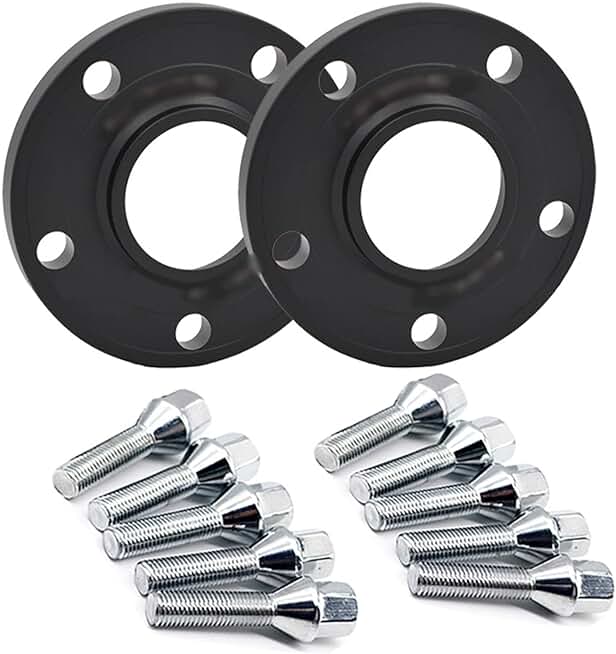
Spacers are not necessary if you spec your wheels with the correct offset from the start. Spacers add a mechanical joint between the hub and wheel that is a potential point of failure, particularly if the spacers are low quality. Running hub-centric spacers of appropriate size on a properly torqued setup is generally safe, but they should not be a substitute for correct offset selection. If your current wheels are too deep and you want to push them out, quality hub-centric spacers of 10-20mm are an acceptable solution. Thin spacers (5mm or less) are generally not worth the added mechanical complexity.
Will aftermarket wheels void my E92 warranty?
The E92 is out of warranty regardless - the last E92 was built in 2013. For anyone buying a used E92 today, warranty is not a practical concern. If you have a CPO program on a late E92 through a dealer, aftermarket wheels that are properly installed and sized should not affect mechanical warranty coverage unless they can be directly tied to the claimed failure. That said, a dealer service department that sees you come in on questionable fitment may find reasons to question claims. Keep your OEM wheels.
What is the lightest wheel option for the E92?
In the mainstream aftermarket, monoblock forged wheels from Apex and BBS are among the lightest options in BMW-fitment 18-inch sizes. Apex ARC-8 in 18x9.5 typically weighs around 19-20 lbs, compared to 24-27 lbs for OEM cast wheels in the same size range. That 4-8 lb per wheel reduction is the unsprung weight improvement that meaningfully affects the chassis. Exotic options from brands like HRE can go lighter, particularly in their forged monoblocks, but you are paying significantly more for the additional weight reduction.
Should I run the OEM staggered setup or go square?
For an M3 used primarily on the street with occasional track use, staggered is sensible. The factory tire widths manage the V8's torque well and maintain the front-rear handling balance the M3 was designed around. For track use with more than one or two events per year, square is better because it enables tire rotation and reduces the per-event tire cost significantly. For non-M E92 variants, square is almost always the better choice - the power levels do not demand staggered fitment and the flexibility of tire rotation extends tire life.
What pressure should I run on the E92?
Factory E92 tire pressure specifications vary by tire size and are printed on the door jamb sticker. For most 18-inch setups with 35-40 series tires, the street starting point is around 32-35 PSI cold front and rear. At the track, many E92 M3 drivers start at 30-32 PSI cold and adjust up based on hot pressure readings after a session, aiming for 36-40 PSI hot depending on the tire. Cold pressure management on semi-slicks like the R888R is particularly important - consult the tire manufacturer's track pressure guidance, as running too little pressure on an R888R is damaging to the tire and reduces performance.
How much do quality E92 wheels cost in 2026?
Based on current market data, a set of four Apex ARC-8 wheels in E92 fitment runs approximately $1,400 to $1,800 for a set of four depending on size and finish. BBS LM pricing is significantly higher and varies considerably by size and market availability - expect to pay substantially more for genuine BBS multi-piece forged wheels. Forgestar F14 pricing is competitive with Apex for a set of four in similar sizes. Michelin Pilot Sport 4 S in 295/30ZR19 is currently around $448 per tire, which puts a full set of four rear tires in that size at roughly $1,800. Budget accordingly when building your full wheel and tire package cost.
Can I fit E92 wheels on an E90 sedan or E93 convertible?
The bolt pattern (5x120) and hub bore (72.6mm) are the same across the E9X family. OEM E92 M3 wheels are often swapped to E90 and E93 platforms. However, the M3's staggered sizing - wider rear wheels and tires - means the wider rear setup on an E92 M3 may not fit the narrower rear fenders of the E90 sedan body without modification. Always verify the specific fitment on the destination body style. Aftermarket wheels specced for E92 fitment will generally work on E90 and E93 bodies in the conservative offset ranges, but verify before buying.
Final Recommendations - What I Would Actually Do
Let me give you my concrete answer for three different owner profiles, because "it depends" is a useless recommendation.
The street driver who wants the best combination of feel, look, and practicality: Buy a set of Apex ARC-8 in 18x9.5 ET22 square. Mount Michelin Pilot Sport 4 S in 265/35R18 all around. Get an alignment with mild negative camber (-1.5 degrees front and rear). Leave the ride height at stock unless you are willing to add coilovers properly. Drive the car and enjoy the improvement. Total investment around $2,500 to $3,000. This is the highest-value upgrade available for this chassis.
The track day driver who dailies the car and tracks it 3-5 times per year: Build two sets. Street set is Apex ARC-8 18x9.5 ET22 square with PS4S 265/35R18. Track set is a used set of quality 18-inch forged wheels in the same spec, mounted with Toyo R888R 265/35R18 or Continental ExtremeContact Force 295/30R18 if you prefer the endurance compound. Swap the sets for track days. Your street tires stay in perfect condition, your track tires can be used aggressively. Over the life of the build, running two sets is more economical than running one set of compromise tires hard in both environments.
The premium appearance build on a well-sorted E92 M3: Go to BBS LM in 19x9.5 ET25 front / 19x10.5 ET18 rear. Set the ride height with quality coilovers at -25 to -30mm from stock. Mount Michelin Pilot Sport 4 S in 245/35R19 front / 275/30R19 rear. Get a proper alignment. Keep the OEM wheels. The BBS LM setup looks correct on the E92 M3 body and it holds value well if you ever sell the wheels. You will pay a premium for it. It is worth the premium if appearance and build quality are the priority.
Whatever you do, do not compromise on tire quality to save money on a wheel budget. I see this constantly and it always results in a car that looks better than it performs. The tire is the only thing touching the road. Spend appropriately.
For broader context on suspension changes that should accompany a serious wheel and tire upgrade, the coilovers buyers guide on BimmerTalk covers the E9X platform in detail. Wheels, tires, and suspension are a system - optimize the whole thing and the E92 rewards you with one of the best driving experiences available in a street car at any price point.

Kamil Siegień
Founder of BimmerTalk. Five years wrenching on BMWs, currently dailying a G20 330i with the B48 turbo four. Spent a year doing marketing for BMW and MINI before going independent. I write everything on this site myself.
More about the site
Wheels & Tires - The Foundation of How Your BMW Actually Feels
Everything your BMW does - accelerate, brake, corner - happens through four contact patches roughly the size of your hand. That's it. So when people dump money into an S55 tune or an Akrapovic exhaust and then roll on worn all-seasons with a sketchy alignment, they're leaving the biggest performance gains on the table. Wheels and tires aren't glamorous in the same way a carbon fiber hood is, but they're the most honest upgrade you can make to any BMW, whether you're driving a daily E90 330i or tracking an F80 M3.
The good news is the BMW aftermarket for wheels and tires is genuinely excellent right now. The bad news is there's also a ton of garbage out there, and buying wrong can mean rubbing fenders, throwing TPMS warnings permanently, or - worst case - a wheel that's not properly rated for your car's weight. Let's talk about how to not screw it up.
Picking the Right Wheels for Your Chassis
Fitment is where most people go wrong, and BMW fitment is specific enough that you can't just guess. The G20 330i and the F30 335i share a 5x112 bolt pattern, but their offsets, hub bore sizes, and brake clearance requirements are different enough that a wheel that fits one can rub or sit improperly on the other. Always cross-reference your specific chassis code, not just the model name.
For most E-chassis cars (E90, E92, E46), the hub bore is 72.56mm. F-series cars like the F30, F32, and F80 share similar specs but BMW's factory tolerances are tight - this is exactly why hub centric rings matter. A lot of aftermarket wheels run a larger bore (typically 74.1mm is common), and without a proper hub centric ring, you're centering the wheel on the lug bolts rather than the hub itself. At low speeds you might not notice. At highway speeds you'll feel a vibration that no amount of balancing fixes. Hub centric rings are a $15–30 fix that people skip and then spend hours chasing phantom vibrations.
On the wheel side, brands like Apex Wheels have built a strong reputation specifically in the BMW community because they actually spec their offsets and backspacing for common BMW applications. Volk Racing (TE37, CE28) remains a benchmark for lightweight forged construction if budget isn't an issue. BBS has supplied OEM wheels to BMW M for decades - their aftermarket lineup is consistent and proven. For a more aggressive fitment with a wider track, wheel spacers are a practical tool, but stick with hubcentric spacers (not lug-centric), and if you're running anything over 15mm, extended lug bolts aren't optional, they're a safety requirement.
One more thing: if you're adding bigger brakes - say, a BBK from StopTech or Brembo - check wheel clearance before you buy the wheels. A 17-spoke style wheel that clears a stock caliper will sometimes hit a big brake kit. This is another reason to plan your brake upgrades and wheel upgrades together rather than in isolation.
Tires - Matching the Rubber to How You Actually Drive
This is where real-world performance lives. A set of Michelin Pilot Sport 4S tires will transform an F30 or G20 in a way that feels almost like a suspension upgrade - sharper turn-in, better feedback, more confidence at the limit. Run the same car on a budget all-season that's two years old and you'll think something's wrong with the car. Nothing's wrong with the car.
For drivers in the Northeast or Midwest who deal with actual winters, dedicated winter tires are non-negotiable if you care about your safety or your car. The Michelin X-Ice Snow and Bridgestone Blizzak WS90 are consistent performers. Run them on a separate set of steel or budget alloy wheels and swap twice a year - it's cheaper than you think when you factor in tire wear savings, and your summer wheels won't take a salt bath all winter.
If you're taking your N54 135i or B58-powered G80 to the track, all-seasons and even regular performance summer tires hit their limits fast. Semi-slick tires like the Michelin Pilot Sport Cup 2 or Toyo Proxes R888R are in a different class - they operate at higher temperature ranges and give you feedback that lets you actually learn what the chassis is doing. Pair those with appropriate brake pads and fluid rated for track use, because your tires will outperform your brakes in a hurry if you don't.
Don't ignore TPMS. BMW's factory TPMS sensors are wheel-specific and can be finicky with aftermarket wheels. Aftermarket TPMS sensors from brands like Autel or Schrader work reliably and can usually be programmed to your existing system without a dealer visit. Skipping them entirely means a persistent warning light and, more importantly, no low-pressure alert when it actually matters.
If you're building out the rest of the car while you're at it, check out our Body & Aero category for fitment options that work alongside wider wheel setups, and if you're chasing more power to match your new rolling stock, the Chips & Software section is a solid next stop.