
Wheels for BMW 3 E92
Affiliate disclosure. BimmerTalk is a proud partner of the Amazon Associates Program and Turner Motorsport. We may earn a small commission on qualifying purchases through our links, at no extra cost to you. Read the full disclosure.
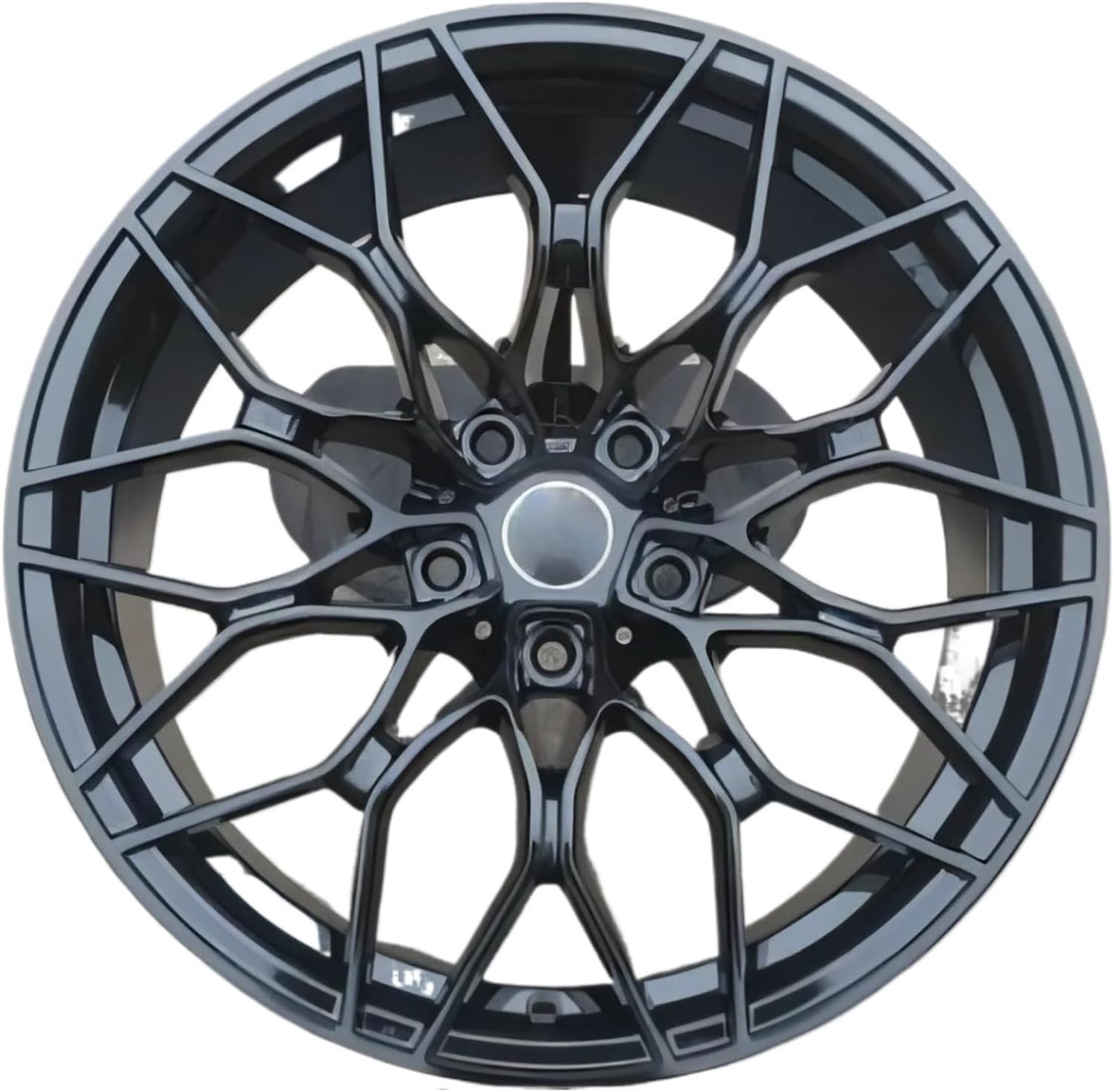
HLOMAUD 18/19 Inch 5x120 Alloy Wheel Rims for BMW 3 & 5 Series (Set of 2)
HLOMAUD

BDWYFAC BBS FI-R Replica Forged Alloy Wheels Satin Black 19" for BMW
BDWYFAC

19x8.5 M3-Style Wheel in Gunmetal — BMW 3 Series (5x120)
Generic

Circuit Performance CP30 19x8.5 Gloss Gun Metal Wheel for BMW (5x120 +35mm)
Circuit Performance
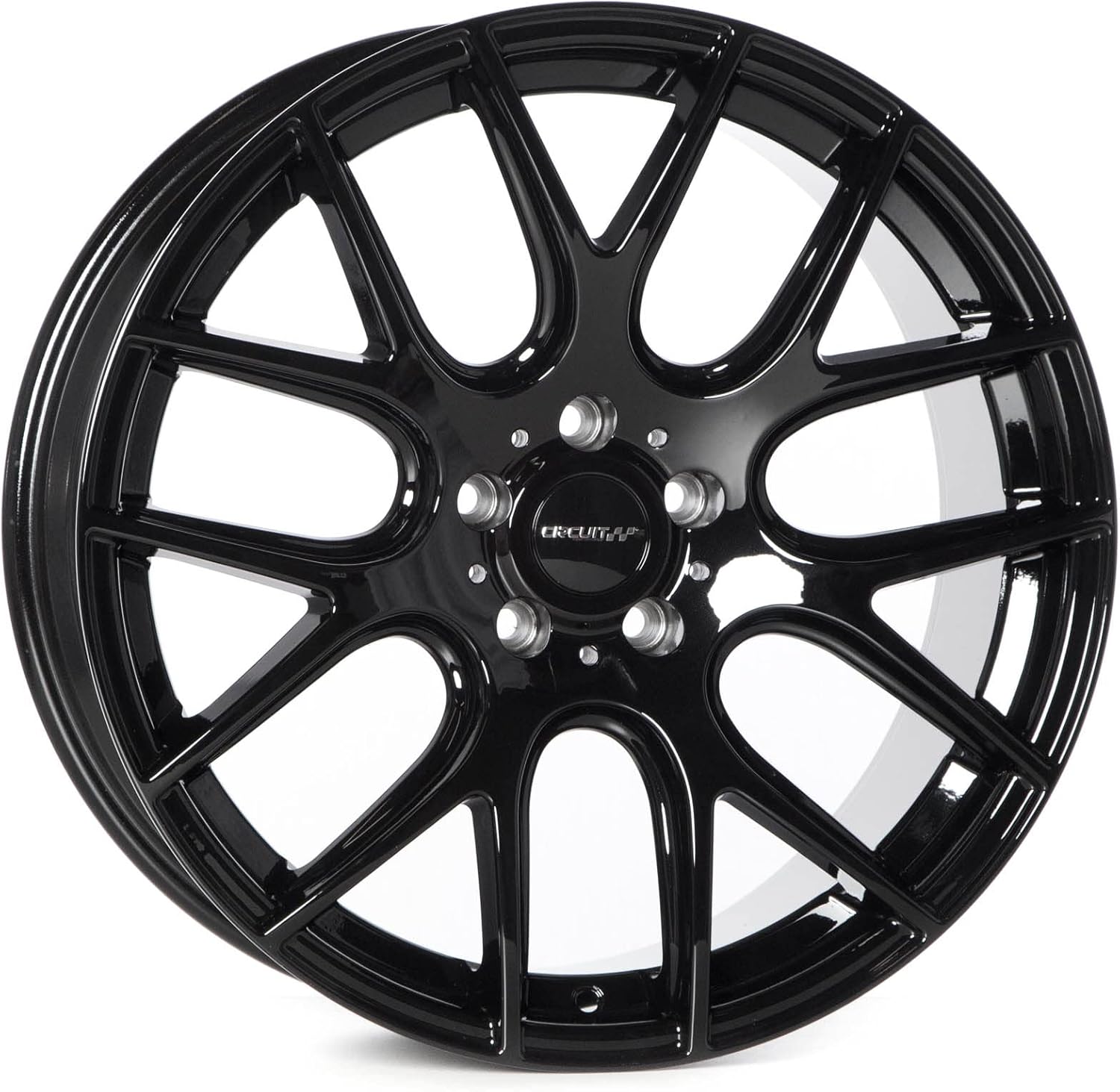
Circuit Performance CP31 Gloss Black Wheel — 19x8.5 5x112 +35mm
Circuit Performance

Circuit Performance CP30 18x8 Gloss Silver Wheel for BMW 5x120 +35mm Offset
Circuit Performance

Circuit Performance CSF11 19x8.5 Gloss Black Wheel for BMW 5x120 +35mm
Circuit Performance
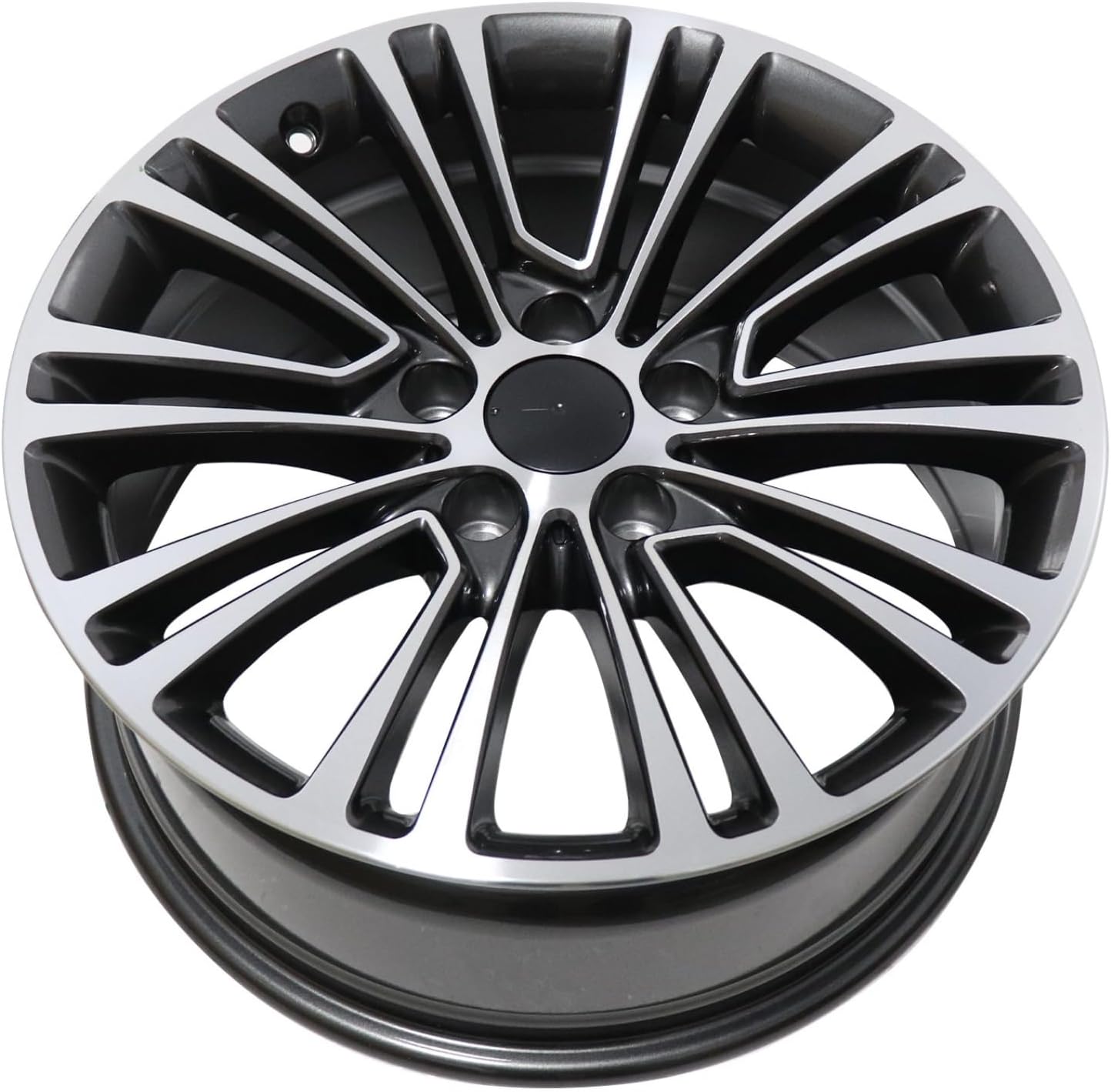
Priprilod 18x8 Inch Aluminum Alloy Wheel Rim 5x120 for BMW 5 Series
Priprilod

Circuit Performance CSF11 - 18x8 Wheel for BMW 5x120
Circuit Performance

BVBNMB 19in Staggered 10-Spoke Alloy Wheels — BMW 5x120
BVBNMB

Wheel Pros 19" Staggered M3-Style Wheels (Set of 4) — E9x 3 Series xDrive
Wheel Pros

Wheel Pros 19" Gunmetal Machined M3-Style Wheels — BMW 3 Series
Wheel Pros

Wheel Pros 19" Matte Black Staggered Wheels Set for BMW E82 E90 F30 F10
Wheel Pros

Wheel Pros 19" Staggered M3-Style Wheels — BMW 3 Series E90
Wheel Pros

Circuit Performance CP30 Gloss Silver Wheel 19x9.5 — 5x120 BMW Fitment
Circuit Performance
More wheel and tire options for the BMW E92
If you own a BMW E92 and you're shopping for aftermarket wheels, you already know the stock rims aren't the problem - they're just not good enough. The E92 coupe is one of the most satisfying BMW platforms to work with, partly because the aftermarket has been supporting it seriously since the mid-2000s and shows no signs of stopping. Whether you're on the base 328i, the inline-six 335i, or the full-fat E92 M3 with the S65 V8, the wheel fitment landscape for this chassis is deep, well-documented, and genuinely exciting. I've spent hours going through forum threads, spec sheets, and talking to guys who have actually mounted rubber to these cars, and this guide pulls all of that together into something you can actually use. Primary keyword up front: this page is about BMW E92 aftermarket wheels - what fits, what works, what to avoid, and what I'd personally pick if I were building one of these cars right now.
Why E92 Owners Upgrade Their Wheels
The factory wheels on the E92 range from acceptable to genuinely good depending on the trim. The base cars came on 17-inch alloys that are heavy and visually uninspiring. Even the sport package 18s are fine but forgettable. The E92 M3 got staggered 19-inch style 220s from the factory, which look great but weigh a ton and are ridiculously expensive to replace when you kerb one. So there are basically four reasons E92 owners go aftermarket on wheels.
First, weight. Factory BMW wheels are heavy. The stock style 220 on an M3 tips the scales at over 25 lbs per corner. Dropping to a proper flow-formed or forged aftermarket wheel at 18-19 lbs saves meaningful unsprung weight per corner, and four corners adds up. On a car you're using for spirited driving, lighter wheels sharpen steering feel noticeably - not night-and-day like a tune, but you can feel it.
Second, fitment and offset options. The OEM wheels were designed around a specific set of clearances for specific brake packages. If you've upgraded to bigger brake hardware or you want to run a more aggressive stance with aftermarket coilovers, you need a wheel that was designed with your actual setup in mind. Aftermarket brands give you that flexibility in a way OEM never will.
Third, tire choice. Running a square setup (same width front and rear) instead of the staggered OEM configuration opens up tire rotation and gives you more flexibility in rubber selection. A lot of E92 owners, especially M3 owners, switch from staggered 19s to square 18s for exactly this reason.
Fourth, the look. The E92 is a good-looking coupe. The right set of wheels makes it exceptional. I won't pretend aesthetics don't matter - they're often half the reason someone pulls the trigger.
E92 Non-M vs E92 M3 - Fitment Differences That Matter
This is the single most important thing to understand before you buy anything. The E92 non-M models (328i, 335i, 328xi, 335xi) and the E92 M3 are not the same car from a wheel fitment standpoint. If you're buying a wheel spec you found on a forum without checking which car it was built for, you're going to have a bad time.
Here's what's actually different. The E92 M3 runs significantly larger brake hardware - front rotors run up to 360mm with M calipers that have larger profiles and extend further into the wheel barrel. The M3 also sits slightly wider at the arch due to its front and rear fender flares, and it uses different subframe geometry at the rear. That means you have more clearance at the outer lip on an M3 but you need more inner barrel clearance near the caliper.
On a non-M E92, the brakes are smaller and the arches are narrower, so a wheel that fits perfectly on an M3 may rub the inner arch lip on a 335i if the offset is too low. Conversely, a wheel speced for a non-M car may not clear the larger M3 calipers at the same offset.
The most commonly recommended fitments I've seen for each are:
- E92 non-M street fitment: 18x8.5 ET35 to ET40 square, or 19x8.5 front / 19x9.5 rear staggered
- E92 non-M track/sport fitment: 18x9 or 18x9.5 ET35 square with 255/35 or 265/35 tires
- E92 M3 street fitment: 19x9 ET25-ET35 front / 19x10 ET18-ET25 rear staggered, or 19x9.5 ET22 square
- E92 M3 track fitment: 18x9.5 ET22 square, 265/35R18 all around - this is the setup referenced most often in the E92 M3 fitment guides as the recurring safe option for track work
These are starting points, not absolute rules. Once you add coilovers, camber plates, or spacers, all of these numbers shift. Always verify against your actual suspension setup before ordering.
Bolt pattern is 5x120 with a 72.6mm center bore across all E92 variants. Hub-centric rings are often needed with aftermarket wheels since many brands produce wheels with a larger bore to accommodate multiple applications. Don't skip the rings - centering wobble at highway speed is annoying and it puts stress on the lug bolts.
The Eight Brands Worth Your Money on the E92
Not every aftermarket wheel brand has done the engineering work on the E92 platform. The brands below have documented fitment, real owner histories, and in most cases specifically tested their products on this chassis. Here's my honest take on each one, with pricing based on current market data.
Apex Wheels - the E92 Track Standard
Apex has built a reputation specifically on BMW fitments, and the E92 is one of their most well-supported platforms. The ARC-8, EC-7, SM-10, and VS-5RS are all commonly run on E92 builds. If I had to pick one brand that has done the most thorough homework on BMW E-series fitment, it's Apex.
The ARC-8 in particular is near-legendary in the E92 M3 community. It's a flow-formed monoblock design, available in the exact sizes this platform needs, and Apex publishes detailed fitment guides rather than making you guess. The recurring track setup documented in fitment guides is 18x9.5 ET22 square with 265/35 tires, which clears the M3 brakes, works with coilover setups, and allows proper tire rotation. That's a setup that works because Apex specifically engineered it to.
Pricing runs from about $300 to $700 per wheel depending on whether you're buying cast, flow-formed, or forged spec. Full sets commonly land in the $1,200 to $3,500 range depending on model and size. That's a wide spread - the cast SM-10 at the lower end vs. the forged VS-5RS at the top. For most E92 daily/track drivers, the flow-formed ARC-8 or EC-7 is the sweet spot - proper weight savings without forged money.
The common issues people report with Apex fitment on E92s center around front fender rubbing at aggressive offsets and, for M3 owners, inner barrel brake clearance on non-M3 brake setups if you accidentally spec for the wrong variant. Always confirm whether a listing is for M3 or non-M fitment.
BBS - the Premium German Option
BBS is a name that needs no introduction in the BMW world. The LM, FI-R, CH-R, and SR are all popular on the E92, and the brand has decades of motorsport history baked into its engineering. On E92 M3-style builds, 19x9.5 ET25 front and 19x10.5 ET18 rear fitments are well-documented and commonly used.
The quality is genuinely excellent. BBS forged wheels are lighter than their Apex or Enkei equivalents at equivalent sizes, and the finish quality on the LM and FI-R is a step above most of the competition. If you're building a high-end E92 M3 and money isn't the primary constraint, BBS is worth serious consideration.
The honest downsides are the price and lead time. Individual wheels in the premium BBS forged lines run $500 to $2,000+, with full sets of forged models easily hitting $4,000 to $8,000+. If you want specific sizes for your exact setup, lead times on some lines can stretch to several weeks. On larger or tighter fitments, there are also reports of tire stretch and occasional rubbing if offsets are pushed aggressively on lowered cars - same as with any brand, but BBS buyers sometimes expect perfection given the price and are surprised when clearance is still an issue.
Enkei - Smart Value for Street and Light Track
Enkei is a Japanese wheel brand with legitimate motorsport credentials - they supply OEM wheels to Formula 1 and various spec racing series. The RPF1 is their signature performance product and one of the most widely used lightweight wheels across all platforms, including the E92. The TS-5, Raijin, and NT03+M round out the lineup for E92 owners.
The RPF1 is a proper lightweight design - the 18x9.5 version used on E92 builds weighs around 18-19 lbs, which is comparable to some flow-formed designs at a lower price. Pricing for Enkei is roughly $200 to $500 per wheel, making a full set genuinely accessible without going budget-brand territory.
The RPF1 is particularly popular for E92 track builds because it's proven, available in the right sizes, and the price means you can buy a dedicated track set without taking out a second mortgage. The style is minimalist - some people love it, some find it too plain. If weight and function matter more than visual drama, Enkei makes a strong case.
Forum discussion around Enkei on E92s tends to focus on clearance verification and offset selection on lowered cars. Standard stuff. The wheels themselves don't generate complaints - they're straightforward, well-made, and do what they say on the box.
Konig - the Honest Budget Option
Konig makes wheels that punch above their price class. The Hypergram, Ampliform, Dekagram, and Runlite are all options you'll see on E92 builds, particularly among owners who want decent performance without spending Apex or BBS money. Pricing sits at about $180 to $350 per wheel, so a full set is realistically acquirable for under $1,500 even at larger sizes.
I'll be straight with you: Konig wheels are a step below Apex and Enkei in terms of manufacturing precision and long-term durability. They're not bad wheels - the Hypergram in particular is a solid flow-formed design with real weight savings - but the powder coat durability is a common complaint, especially if you track the car or live somewhere with road salt in winter. Load rating is also something owners check carefully before committing, particularly on M3 builds with wide tires generating significant lateral loads.
If your E92 is a street car that occasionally sees spirited driving and you want to look good without spending E92 M3 money on wheel hardware, Konig is a legitimate choice. If you're tracking it hard, step up to Apex or Enkei.
HRE - Custom Forged for the Serious Build
HRE occupies a category above everyone else on this list. The P1SC, FF10, and their three-piece custom forged lines aren't just premium - they're made to your specific order. You tell them your brake setup, your suspension configuration, your intended offset and width, and they build the wheel to match. On an E92 where you've already invested in serious brakes and suspension, HRE is how you ensure the wheels fit without any compromise.
Pricing reflects this - expect $1,200 to $3,000+ per wheel. A full set of HRE forged wheels on an E92 M3 is a $6,000-$12,000 conversation. The weight savings over even good flow-formed wheels are real, and the fitment precision eliminates the clearance anxiety that comes with buying a stock-size off-the-shelf wheel and hoping it works with your specific brake kit.
The downsides are cost and build time. These are not wheels you order on Tuesday and have by Friday. If you're building a serious long-term E92 project and you've already spent real money on everything else, HRE makes sense. If you're a daily driver who wants to look good, you're paying for engineering you won't fully use.
Vossen - Flow-Formed Street Style
Vossen is primarily known for their style-forward designs, and the HF-5, HF-7, HF-8, and S17 are the models you'll see most commonly on E92 street builds. Their flow-formed lineup sits in the $350 to $800 per wheel range, which is reasonable for what you get. The forged lines go much higher.
Vossen has done legitimate engineering work on their flow-formed wheels - they're not just pretty faces. But the honest conversation about Vossen in the E92 community centers on two things: weight and fitment on lowered cars. The HF series is heavier than comparable Apex or Enkei designs of similar size, which matters if you're chasing lap times. And on lowered E92s with aggressive setups, owners consistently report that you need to be careful about not pushing offsets too far - the visual look Vossen's designs suggest (wide, low, aggressive lip) doesn't always translate without rubbing.
If your E92 is primarily a street car and you want a modern, visually aggressive look without paying custom forged prices, Vossen is a serious option. Just manage your expectations about being the lightest setup on the track.
OZ Racing - Italian Lightweight Engineering
OZ Racing is a company with serious motorsport roots - they've supplied wheels to Formula 1 teams and WRC programs, and that engineering heritage shows in their street and track products. The Ultraleggera, Leggera HLT, and Superturismo are all popular on E92 builds, particularly among owners who want lightweight wheels with a European character rather than the American-market style that dominates a lot of the Apex and Vossen conversation.
Pricing sits at roughly $300 to $700 per wheel, putting OZ in the same bracket as Apex. The Ultraleggera is genuinely light - one of the lighter monoblock designs in this price range. The 18-inch sizes are particularly popular on E92s for two reasons: they clear M3 brake packages more reliably, and they open up tire choices that the 19-inch sizes close off.
Common discussion in forums about OZ on E92s centers on availability (some finishes and sizes can be hard to source quickly in the US market), finish durability in harsh climates, and fitment confirmation for M3 brake packages. None of these are dealbreakers - just things to check before ordering.
TSW - Mid-Price Street Wheels
TSW rounds out the list with their Bathurst, Sebring, and Nurburgring designs. Pricing is about $250 to $450 per wheel - solidly mid-range. TSW is a South African brand that has built decent distribution in the US market and offers a range of fitments that work on E92s.
The honest assessment is that TSW sits between Konig and Vossen in terms of quality and value. The designs are stylistically interesting and they're not poorly made wheels, but weight is the most common criticism from E92 owners, and finish quality varies by product line. The Nurburgring name is evocative but the wheel isn't going to make you feel like you're on the Nordschleife. If you want good-looking street wheels at a reasonable price and you're not tracking the car seriously, TSW is worth a look.
Complete Brand Comparison Table
Here's the full picture in one place, based on the research data and forum-reported information from sources including wheel fitment discussions for the 335i and Element Wheels' BMW fitment database:
| Brand | Key Models for E92 | Price Per Wheel | Best For | Watch Out For |
|---|---|---|---|---|
| Apex | ARC-8, EC-7, SM-10, VS-5RS | $300-$700 | Track, spirited street, value-oriented builds | Front fender rub at aggressive offsets; verify M3 vs non-M brake clearance |
| BBS | LM, FI-R, CH-R, SR | $500-$2,000+ | Premium street, show car, serious M3 builds | Price, lead times, tire stretch on aggressive specs |
| Enkei | RPF1, TS-5, Raijin, NT03+M | $200-$500 | Track days, lightweight street builds | Offset verification on lowered cars; style may be too subtle for some |
| Konig | Hypergram, Ampliform, Dekagram, Runlite | $180-$350 | Budget street builds | Powder coat longevity, load rating on heavier M3 builds |
| HRE | P1SC, FF10, custom forged lines | $1,200-$3,000+ | Serious builds with custom brake/suspension setups | Cost, long build times |
| Vossen | HF-5, HF-7, HF-8, S17 | $350-$800 | Style-focused street builds | Heavier than track-spec alternatives; fitment on lowered cars needs care |
| OZ Racing | Ultraleggera, Leggera HLT, Superturismo | $300-$700 | Lightweight street and track use | US availability, finish in harsh climates, M3 brake fitment confirmation |
| TSW | Bathurst, Sebring, Nurburgring | $250-$450 | Mid-price street builds | Weight, finish consistency |
Fitment Deep Dive - Offsets, Widths, and Tire Sizing
Let's get into the actual numbers. This is where most people make mistakes, and where the E92 platform has specific quirks that bite unsuspecting buyers.
The Square vs. Staggered Decision
The factory E92 M3 came staggered from BMW - typically 225/40R19 front and 255/35R19 rear on the style 220 wheels. Staggered setups look great and match the car's rear-drive bias, but they have one significant practical downside: you can't rotate tires. On a car with as much power and rear grip bias as the M3, tires wear unevenly and you end up replacing the rears far more frequently than the fronts.
The counter-argument for going square is exactly this. A square 18x9.5 ET22 setup with 265/35R18 all around gives you rotation capability, consistent tire wear, a slightly more predictable handling balance, and usually a meaningful weight saving over factory 19s. As noted in E92 M3 fitment documentation, this is the recurring "safe" track setup for a reason - it's been validated on multiple M3s across multiple build types.
For non-M E92 owners, the question is different. Without the wider arches, going significantly wide in the rear isn't an option without fender work. A square 18x8.5 or 18x9 setup works well on non-M cars and gives you the rotation benefit without arch clearance anxiety.
Offset and Its Effect on Clearance
Offset is the measurement in millimeters from the wheel's mounting face to its centerline. Lower ET number means the wheel sits further outboard (more lip, more poke). Higher ET number means it tucks inward.
On the E92, this matters in two places: the inner barrel (brake clearance) and the outer lip (arch clearance). The M3's large front brakes mean you need adequate inner clearance - too low an ET on the wrong width wheel and you're putting your expensive calipers at risk. Too high an ET on a lowered car and the tire contacts the inner arch liner.
General rules for the E92:
- E92 non-M with stock suspension: ET30-ET40 is the safe zone on 18-inch wheels; going below ET25 starts requiring arch verification
- E92 non-M with coilovers: ET25-ET35 depending on drop amount; more drop means less arch clearance at low offset
- E92 M3 with stock suspension: ET22-ET35 on 18-inch; ET18-ET25 on 19x10 rear is commonly run but requires confirmation
- E92 M3 with coilovers: ET22 square at 18x9.5 is the most documented safe setup; going lower requires testing
Spacers can shift effective offset. A 10mm spacer reduces effective ET by 10. This is useful if you've bought wheels that are slightly high-offset and want more lip, but don't get carried away - stacking spacers introduces its own problems, and you'll need longer wheel bolts if you go beyond 5mm.
Brake Clearance - Specifically for M3 Owners
The E92 M3 uses front rotors up to 360mm with large M Sport calipers. Many M3 owners also upgrade to big brake kits from Brembo, AP Racing, or StopTech. These larger kits have even more aggressive profiles that can contact wheel spokes if you're not careful about inner barrel clearance.
The practical rule: if you're running a big brake kit, contact the wheel manufacturer directly with your caliper specs before ordering. Apex and HRE both publish caliper fitment data and will advise on minimum inner barrel dimensions. This is not an area where you want to guess and hope.
For owners considering upgrading brakes at the same time as wheels, there's a logical order: spec your brakes first, then select wheels that clear them. Doing it backwards is how people end up returning expensive forged wheels because the spokes touch the caliper body.
Tire Selection for E92 Aftermarket Setups
The wheel is only half the equation. Tire selection on the E92 matters a lot, and the right wheel size opens or closes specific tire options.
On the most common track/sport setup - 18x9.5 square - the 265/35R18 footprint is near-universal. This gives you excellent tire options: Michelin Pilot Sport 4S, Bridgestone Potenza S-04, Continental ExtremeContact Sport 02, Pirelli P Zero Corsa, or Toyo Proxes Sport. All of these are available in 265/35R18 and all work well on the E92 chassis dynamically.
On a 19x9.5 front / 19x10 rear staggered street setup, you're typically looking at 245/35R19 front and 265/30R19 rear, or various combinations depending on how aggressive you're going with fitment. The 30-series profile on a 19-inch wheel gives very little sidewall - fine for feel on smooth roads, brutal on bad pavement, and expensive when you hit a pothole wrong.
My honest opinion on 18s vs. 19s for most E92 owners: unless the visual look of the 19 is non-negotiable for you, the 18-inch square setup is the more practical choice for anyone using the car seriously. Better ride quality, lower unsprung weight in most cases, cheaper tires, rotation capability, and more tire selection. The 19-inch staggered setup looks incredible and is fine for a car that's mostly a show piece or gentle street driver, but if you care about dynamics and real-world use, 18-inch square wins.
Supporting Mods - What Pairs with New Wheels
Putting a good set of wheels on an E92 without addressing the rest of the chassis is like buying premium fuel for a car with a dirty air filter. The wheels will look and function better in context. Here's what I'd consider alongside any wheel upgrade.
Suspension - Coilovers or Springs
The stock E92 suspension sits too high for most aftermarket wheel setups to look or perform correctly. A set of quality coilovers or at minimum lowering springs is almost essential to get the visual and dynamic benefit of an aftermarket wheel setup. The E92 M3 in particular looks slightly lost on big aftermarket wheels at stock ride height - the wheel fills the arch better with a 20-30mm drop.
For the street, I'd be looking at Bilstein B16, KW Variant 1 or 2, or H&R springs depending on budget. For track, KW Variant 3, Ohlins Road and Track, or H&R motorsport coilovers. Whatever you choose, settle on your suspension setup before finalizing wheel offset - as mentioned earlier, drop amount directly affects available arch clearance.
Alignment
Any wheel change on the E92, and certainly any suspension modification, needs a proper 4-wheel alignment afterward. Target specs for a spirited street car are something like -1.5 to -2.0 degrees front camber, -1.5 degrees rear, with proper toe settings. If you're tracking the car, front camber goes further negative, often -2.5 to -3.0 degrees. This isn't optional - misaligned camber with a new wheel setup will eat your tires in a few thousand miles.
Lug Bolts
BMW uses lug bolts, not lug nuts. Most E92s use a M14x1.25 thread. If you're running hub-centric rings (and you should be with any wheel that doesn't share BMW's exact 72.6mm bore), make sure the seat type on your new lug bolts matches the seat type of your aftermarket wheels. Many aftermarket wheels use a flat (washer) seat rather than the ball/radius seat BMW uses OEM. Running the wrong seat type can result in improperly torqued connections or damage to the wheel seat surface. Get a set of lug bolts matched to your specific wheels.
TPMS
The E92 uses BMW's tire pressure monitoring system, which relies on sensors mounted inside the wheel. If you're building a dedicated track set, you can run without TPMS sensors on those wheels (the car will warn you, but it won't affect drivability). For a street setup, you want sensors. BMW-compatible aftermarket sensors from brands like Schrader or Beru work fine and cost considerably less than BMW dealer TPMS sensors.
Installation Overview - What's Actually Involved
Installing aftermarket wheels on the E92 is one of the more approachable jobs on this platform. You're not dealing with complex procedures or special tools for the wheel swap itself. That said, there are a few things worth knowing.
- Torque spec for lug bolts is 120 Nm (88 ft-lbs). Don't use an impact gun to final torque. Torque wrench, correct spec, done. I see people over-torque BMW lug bolts regularly and then wonder why they have stripped threads or cracked wheel seats.
- Hub-centric rings. As mentioned - if your wheel center bore doesn't match BMW's 72.6mm, get rings. They're cheap and they matter. Running without them on a high-offset wide wheel generates vibration and puts load on the lug bolts that wasn't intended.
- Check brake caliper and rotor clearance before driving. After mounting, turn the wheel by hand and look for any contact between the wheel spokes and the caliper or rotor hat. If you're touching, you're in trouble - don't drive the car.
- First drive check. Go easy for the first few miles, especially the first time you brake hard. If you feel any vibration or pulling that wasn't there before, stop and check. Seat the lug bolts again after 50-100 miles on a new set of wheels - they can settle slightly.
- Tire mounting. If your tires are directional (as many performance tires are), they need to be mounted on the correct side. Square setups make this simple. Staggered setups with directional tires mean you're not rotating front-to-rear even if the stagger matched - the direction would be wrong.
If you want a more detailed walkthrough, there's a video walkthrough covering E92 wheel installation considerations that's worth watching before you start.
Common Mistakes E92 Owners Make When Buying Wheels
I've seen enough forum threads, Instagram posts, and firsthand disaster stories to compile a reliable list of how people go wrong with this. Avoid all of these.
Buying Wheels Speced for M3 on a Non-M E92
This is probably the most common mistake. Someone finds a great deal on a set of wheels that were used on an M3 build, buys them without checking offset and width, and finds out they either rub the arch or don't fit properly over the non-M brakes. The offset that works on an M3 does not always work on a 335i with the same tire. Always verify the spec against YOUR car, not the car the previous owner ran them on.
Ignoring Center Bore
BMW's 72.6mm center bore is specific. Most multi-fit aftermarket wheels have a larger bore - 73mm or 74mm is common. This looks close enough but it's not - you need hub-centric rings to take up the gap. Running without them on a 72.6mm to 73mm car isn't catastrophic, but you're adding unnecessary stress to the hardware and you may feel a vibration at speed that you'll spend months chasing before realizing it's the wheels.
Assuming All E92 Years are Identical
The E92 ran from 2006 to 2013 with a light refresh in 2010. Brake specifications changed slightly across model years on some variants. The LCI (post-2010) cars also had slightly different suspension geometry in the rear. Always confirm against your specific production year if you're pushing close to the edge on fitment.
Going Too Aggressive for a Daily Driver
I get it - you want the car to look mean. A super-low offset with a stretchy tire profile looks incredible in photos. It also means you're going to crack wheels on road imperfections, your tires will wear in weird patterns, and you'll feel every seam in the road surface. I daily a G20 330i with the B48, and I've deliberately kept my own wheel setup moderate specifically because aggressive fitment daily driving is miserable. An E92 that's driven every day needs some practical headroom in the fitment numbers.
Buying the Cheapest Available Without Load Rating Check
The load rating on a wheel matters, particularly on the heavier AWD xDrive E92 variants or on M3 builds with 500+ lbs of torque going to the rear wheels. A wheel rated for a lighter car in a smaller application might technically fit but not be adequately rated for the loads the E92 generates during hard cornering. Konig addresses this in their specs and most reputable brands do too - just confirm before you buy.
Skipping the Post-Mount Drive Check
No matter how carefully you measured, always do a slow check before driving at speed. Roll forward 20 feet with the windows down and listen for any rubbing sound. Check all four corners visually for clearance. Then drive slowly and test a few gentle brake applications before going anywhere fast. Five minutes of checking saves potential wheel or brake damage.
Real Forum-Backed Fitment Setups That Work
The following setups have been specifically documented and confirmed by multiple E92 owners in forum threads. I'm not inventing these - they're drawn from real build threads and fitment discussions from communities that live and breathe this platform.
Setup 1 - E92 M3 Track Day Build
Apex ARC-8 18x9.5 ET22, square, 265/35R18 Michelin Pilot Sport 4S
This is the textbook setup for E92 M3 track day use. Clears the factory M3 brakes, allows tire rotation, drops meaningful weight vs. the stock 220s, and gives you a proper tire size with real performance rubber selection. Price: approximately $1,200-$1,500 for the wheel set plus tires. This is referenced repeatedly in M3 fitment guides as the starting point recommendation.
Setup 2 - E92 M3 Street Build
BBS CH-R 19x9.5 ET25 front / 19x10.5 ET18 rear, staggered, 245/35R19 front / 285/30R19 rear
Premium street look with BBS quality. Staggered for OEM-style proportions. The 285 rear is wide - needs M3 arches. Cost is significant: figure $3,000-$5,000+ for the wheel set alone in BBS CH-R spec.
Setup 3 - E92 335i Street / Occasional Track
Enkei RPF1 18x9 ET40, square, 255/35R18 Continental ExtremeContact Sport
Smart money setup for a non-M E92 that sees some spirited driving. ET40 is safe on the stock-ish suspension, the RPF1 is genuinely lightweight, and 255/35R18 Continentals are excellent value performance tires. Total cost around $800-$1,000 for wheels, reasonable tire pricing.
Setup 4 - E92 328i Street Daily
Vossen HF-5 19x8.5 ET35 front / 19x9.5 ET35 rear, staggered, 225/35R19 front / 255/30R19 rear
Style-forward daily driver setup. Works well on the lighter 328i without M3 brake clearance concerns. The 30-series rear profile means you're giving up some ride comfort - acceptable on a car not being tracked. Wheel cost approximately $1,400-$2,000 for the set.
My Opinionated Picks - Editor's Choices
These are my actual picks if I were building these specific cars right now. Not the most popular choices necessarily, just the ones I'd be comfortable recommending to a friend.
Editor's Pick - Best Overall
Apex ARC-8 18x9.5 ET22, square setup
For E92 M3 owners this is the single best wheel purchase you can make. Apex has done the engineering specifically for this platform, the ARC-8 is a proven flow-formed design with real weight savings, the price is fair at around $300-$400 per wheel in this spec, and the fitment documentation is excellent. If I only do ONE upgrade on a used E92 M3 I just acquired, and I want maximum impact on both aesthetics and dynamics, this is it. For non-M E92 owners, drop to 18x9 ET35 in the same ARC-8 and the logic holds.
Best Value Pick
Enkei RPF1, 18-inch in your appropriate size and offset
The RPF1 is an honest wheel that does everything it claims. It's lighter than it has any right to be at the price, the quality is consistent, and it has decades of motorsport use behind the design. At $200-$300 per wheel for common E92 sizes, you're getting performance wheel quality without premium brand pricing. If budget is your primary constraint and you still want a proper lightweight design, RPF1 is the answer.
Best Track Pick
Apex VS-5RS forged, 18x9.5 ET22
If you're seriously tracking your E92 M3 and you want the lightest practical option without going full HRE custom, the Apex VS-5RS forged is the move. Forged construction means better strength-to-weight, and Apex's E92 M3 fitment data means you're not guessing on caliper clearance. Price jumps to $500-$700 per wheel in forged spec - full set around $2,000-$2,800. That's real money, but if you're at the stage of the build where lap times matter and you're looking at unsprung weight reduction as a next step, this is where the money goes.
Best Street Daily Pick
Vossen HF-7, 18 or 19 inch depending on your preference
For an E92 that's primarily a street car where the visual impact matters as much as performance, the Vossen HF-7 hits the right notes. Modern design language, decent flow-formed quality, and price in the $400-$600 per wheel range that isn't budget-tier but isn't custom forged either. Just be conservative on your offset selection especially if you're lowered - stick to ET35+ on non-M E92 unless you've done your arch clearance homework.
If Money is No Object
HRE P1SC custom forged, built to your exact spec
This isn't a recommendation for most people - it's an acknowledgment that if you've spent real money on an E92 M3 build with serious brakes and proper coilovers, the logical conclusion is custom forged wheels built to your exact caliper and suspension clearances. HRE will build to your specs and the result is as good as wheels get at any price. Budget $1,200-$2,000+ per wheel and several weeks lead time. Worth it if the rest of your build justifies it.
Installing Wheels Alongside Other Upgrades - What to Do When
A wheel upgrade rarely happens in isolation on a well-sorted E92 build. Here's how I'd sequence the work if I were doing it right:
- Decide on brake setup first. If you're upgrading brakes (and on a 335i or M3 you may well be - check our brake pad and rotor guide for where to start), finalize that before choosing wheels so you can spec the correct inner barrel clearance.
- Choose coilovers or springs second. Your suspension drop directly affects available arch clearance, which affects your wheel offset choice. Finalizing the drop before choosing wheels is cleaner than trying to fit both decisions into the same purchase.
- Choose wheels and tires together. Wheel width and offset interact with tire sizing - spec these as a package rather than choosing a wheel and then figuring out tires later.
- Alignment last. After everything is bolted up and the car is at ride height, do a proper 4-wheel alignment. This is not optional. If you're at the same time as a coilover install, now is when you dial in your camber and toe for your intended use.
If you're also considering a tune alongside your build - which makes sense on a 335i particularly - note that ECU tuning can change the power delivery in ways that increase stress on tires and suspension, so having everything mechanical sorted before tuning is the cleaner path. You want to know your mechanical baseline before adding power.
Where to Actually Buy E92 Aftermarket Wheels
A few practical notes on sourcing.
Kipardo Racing is one of the more respected BMW-specific wheel retailers and stocks a solid range of brands including the ones on this list - their BMW wheel section includes Apex, BBS, Enkei, Konig, and others with BMW-specific fitment filtering. For a first purchase on an E92 where you want to talk to someone who actually knows the platform, specialty retailers like this are worth the sometimes-slightly-higher price vs. generic wheel sites.
Element Wheels has a large BMW catalog and their BMW fitment tool lets you filter by year and model - useful for narrowing options, though you still need to verify E92 vs E92 M3 specifics manually.
For secondhand wheels, the Bimmerpost marketplace forums are where E92 owners buy and sell used wheel sets. You can often find quality sets (Apex, BBS, OZ) at significant discounts if you're patient and willing to do your fitment homework on a used set.
Buying wheels on generic marketplaces without BMW-specific filtering is where people get into trouble. The wheel might technically bolt on (5x120 is not uncommon across platforms) but offset and width specs that came off a different car might not work on your E92. Always know the exact spec you're buying before you buy.
OEM vs. Aftermarket - an Honest Assessment
In the interest of balance, I should say this: if you're running factory-spec BMW wheels on your E92 and you're happy with how the car drives and looks, you don't need to spend money on aftermarket wheels. The stock style 220 on the M3 is a good-looking wheel and a proper design. The factory 18-inch sport package wheels on the 335i do the job.
The case for aftermarket, per a straightforward OEM vs. aftermarket wheel comparison, comes down to three things: weight (aftermarket generally wins), pricing (aftermarket usually wins on cost per performance), and fitment flexibility (aftermarket wins if you have non-standard brakes or suspension). If none of those things matter to you - you're on stock brakes, stock suspension, and you like the OEM look - save your money or put it toward something that will make a more felt difference, like an intake on the 335i or proper coilover setup.
But if any of those three factors are relevant to your build, and for most people reading this they are, aftermarket wheels are a worthwhile upgrade with real tangible benefits beyond aesthetics.
Frequently Asked Questions About E92 Aftermarket Wheels
What is the bolt pattern on the E92?
All E92 variants use 5x120mm bolt pattern with a 72.6mm center bore. This is consistent across 328i, 330i, 335i, and E92 M3. The xDrive AWD variants use the same pattern. Lug bolt thread is M14x1.25.
Can I use E92 M3 wheel specs on my E92 335i?
Sometimes, but not always - and definitely not without checking the specific numbers. The M3 has larger brakes and wider fender flares. A wheel spec designed for an M3 may not clear a 335i's narrower arches at the same offset, or conversely a 335i at that offset may not have the inner clearance required for the M3's caliper. Always verify offset and width against YOUR specific car's brake and arch dimensions, not the car the spec was originally built for.
What is the lightest wheel option for the E92 M3 that isn't full custom?
For an off-the-shelf option, the Apex VS-5RS forged in 18x9.5 ET22 and the Enkei RPF1 in 18x9.5 are among the lightest available in relevant E92 M3 sizes. The Apex forged is lighter but costs more. The RPF1 is lighter than most people expect at its price point. Both are proper lightweight designs rather than just marketing claims.
Will 19-inch wheels hurt my E92's handling compared to 18-inch?
Probably slightly, yes. Larger diameter wheels weigh more (all else equal), have lower profile tires with less sidewall compliance, and increase unsprung rotational mass slightly. On a 19-inch wheel you also have fewer tire choices and typically pay more per tire. The handling difference between a quality 18-inch and 19-inch setup in real street driving is subtle - not dramatic - but the ride quality difference on imperfect roads is more noticeable. For a dedicated track car, 18-inch is almost universally preferred. For a street car where looks matter, 19-inch is an entirely reasonable choice.
Do I need hub-centric rings with aftermarket wheels?
Almost certainly yes. BMW's 72.6mm center bore is specific, and most aftermarket wheels are bored to 73mm or larger to accommodate multiple applications. The gap might look small but it's enough to allow slight wheel wobble under load. Hub-centric rings fill this gap and ensure the wheel centers correctly on the hub rather than on the lug bolts. They cost almost nothing - buy them and fit them.
How often should I re-torque lug bolts after a new wheel install?
Check after 50-100 miles on a new installation. Wheels settle slightly as the interface beds in, and lug bolts can relax a small amount. Re-check to 120 Nm (88 ft-lbs) and you're good. After that initial check you don't need to repeat it unless you've removed the wheels again.
What's the biggest wheel I can fit on an E92 335i without modifications?
19 inches is generally the practical limit for street fitment without arch modifications on a non-M E92 335i. You can technically go to 20 inches but you'll be in very low-profile tire territory with reduced sidewall, reduced tire selection, and increased pothole damage risk. Most experienced E92 owners who have gone to 20 inches on a street car report regretting it for daily use. 18 or 19 is the sweet spot.
Can I run the same wheel offset front and rear on a square setup on the E92 M3?
Yes, and this is the whole point of a square setup. The 18x9.5 ET22 square setup runs the same wheel at all four corners. The M3's fender flares are wide enough front and rear that this works. The benefit is complete tire rotation flexibility - swap all four when rotating, rather than just side-to-side.
What TPMS sensors should I use with aftermarket E92 wheels?
BMW E92s (produced from 2006 onwards) use 433MHz TPMS sensors. Aftermarket-compatible sensors from Schrader, Beru, or Continental that are BMW-coded or programmable to BMW frequency work correctly and cost significantly less than dealer BMW sensors. If you're building a separate track wheel set that won't be street driven, you can skip TPMS on that set - the car will throw a warning light but won't enter any limp mode over missing sensors.
Do I need to reprogram anything in the car when I change wheels?
If you're changing TPMS sensors, yes - the new sensor IDs need to be registered in the car's FDL (flat tire detection) module. This can be done with BMW ISTA, INPA, or compatible coding tools (see our coding and diagnostic tools section for what works on E92). If you're just swapping wheel size without changing sensors (e.g., running the same TPMS sensors in new wheels), you don't need to change any coding. If you change tire diameter significantly, note that speedometer accuracy can shift slightly - the E92's DSC and ABS calibration is based on wheel circumference.
What's the load rating I should look for on E92 wheels?
The E92 M3 weighs approximately 3,700 lbs (1,680 kg), putting roughly 925 lbs on each corner as a starting point before dynamic loading is considered. For performance use, look for wheels with a load rating of at least 1,200 lbs (545 kg) per wheel - most quality performance wheels exceed this comfortably. The lighter budget options are where load rating sometimes becomes a conversation, particularly on heavier xDrive variants or M3 builds with significant dynamic cornering loads.
Can I use these wheel setups year-round if I live somewhere with winter weather?
Technically yes, but practically no. Wide-section performance tires on 18+ inch wheels are terrible in snow and ice regardless of rubber compound. If you're in a cold climate, the smart play is a separate set of narrower 17-inch winter wheels with proper winter tires. A 17-inch steel or cheap alloy with 225/45R17 winter tires transforms winter E92 driving completely. The bonus is that winter wheel use preserves your nice aftermarket set from salt and cold-weather finish damage. You can see our broader aftermarket wheel advice across BMW platforms for how other owners handle seasonal setups.

Kamil Siegień
Founder of BimmerTalk. Five years wrenching on BMWs, currently dailying a G20 330i with the B48 turbo four. Spent a year doing marketing for BMW and MINI before going independent. I write everything on this site myself.
More about the site
Aftermarket Wheels for BMW - What Actually Fits and What's Worth Buying
Swapping wheels is one of the highest-impact upgrades you can make to any BMW - but it's also one of the easiest ways to waste money if you don't know the platform specifics. BMW uses a wide range of bolt patterns, hub bore sizes, and suspension geometries across generations, and a wheel that fits a G80 M3 won't clear the brakes on an E46 330i. Before you buy anything, pull your chassis code and know your numbers: bolt pattern (most modern BMWs run 5x112, while older E-series use 5x120), center bore (typically 72.6mm for most models), and your offset range.
For fitment by platform: E90/E92/E93 3 Series and E60 5 Series owners are well-served by staggered setups - typically 18x8.5 front / 18x9.5 rear on the E9x, or up to 19x8.5 / 19x9.5 without pulling fenders. F30/F32 chassis can run 19s comfortably from the factory offset range (ET35–ET45 front, ET35–ET40 rear). G-chassis cars like the G20, G22, and G80 have wider tracks and more aggressive factory fitments - plan for ET30–ET40 if you're going flush without spacers.
On the M car side, the E46 M3 (S54 engine, 5x120 bolt pattern) is one of the most-wheeled BMWs on the market. Square 18x9 or 18x9.5 setups with ET35–ET38 are a proven formula. The F80/F82 M3/M4 opened up 5x112, giving owners access to a massive catalog of Audi and VAG-spec wheels - a game-changer for fitment options and pricing.
Brands Worth Running, and What to Avoid
BBS remains the gold standard for BMW enthusiasts - the BBS CH-R and BBS CI-R are both hub-centric, lightweight, and available in BMW-specific fitments from the factory. Apex Wheels has earned serious credibility in the enthusiast community for offering flow-formed monoblock wheels dialed specifically for BMW platforms - their EC-7 in 18x9.5 ET22 is a go-to spec for E9x and F-chassis track builds. Volk Racing (TE37, CE28) are genuine forged options that shed meaningful unsprung weight - expect a performance difference you can actually feel in steering response and turn-in. For budget-conscious builds, Enkei and Konig offer cast wheels with solid quality control - just verify hub bore and don't skip hub-centric rings.
What to avoid: no-name "replica" or "rep" wheels sourced from generic overseas catalogs. The issue isn't just aesthetics - it's structural integrity under load. Many replicas fail torque spec on lug seats, have inconsistent hub bore tolerances, and use low-grade aluminum alloys that crack under track or aggressive street conditions. On a car with BMW's suspension geometry and braking specs, that's a safety issue, not just a style debate.
Installation difficulty is moderate for most BMW owners. If you're running stock suspension and OEM brake calipers, a straight wheel swap is a torque wrench job - 89 ft-lbs on most platforms, always use hub-centric rings if your wheel bore is larger than 72.6mm. Where it gets complicated: larger brake kits (BBK setups from Stoptech or Brembo) require spoke clearance checks, and lowered cars need offset modeling to confirm lip clearance against the control arms at full lock. Check our Tire Fitment Guide for pairing recommendations once your wheel size is locked in, and browse Suspension if you're combining this upgrade with a coilover or lowering spring install.
Bottom line: buy from a brand with BMW-specific engineering data, verify every number before checkout, and if you're going wider or lower than stock, use an offset calculator - Willtheyfit.com is free and accurate enough for preliminary checks before test fitting in person.