
All-Season Tires for BMW 3 G20
Affiliate disclosure. BimmerTalk is a proud partner of the Amazon Associates Program and Turner Motorsport. We may earn a small commission on qualifying purchases through our links, at no extra cost to you. Read the full disclosure.

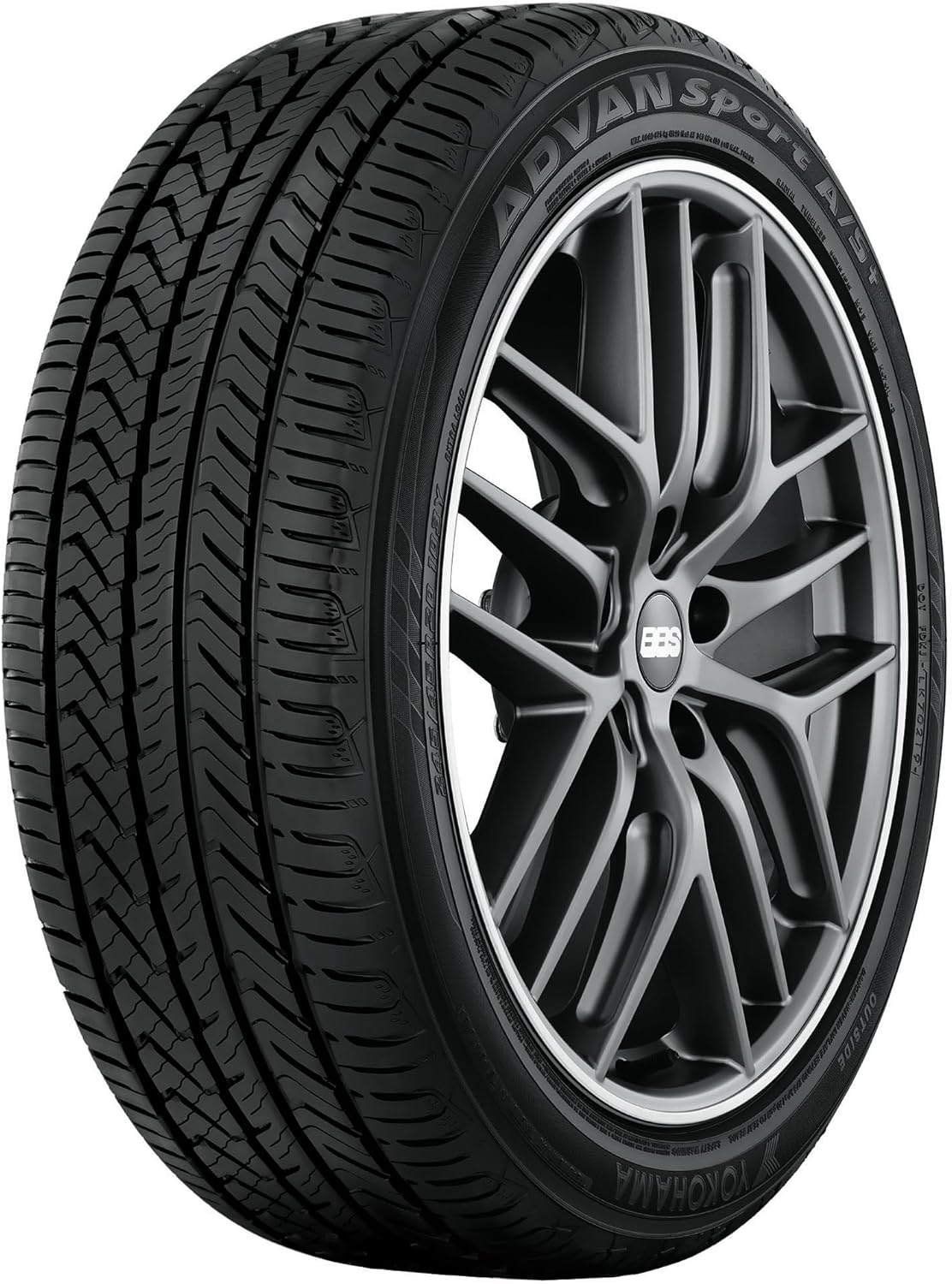
Yokohama Advan Sport A/S+ 225/40R18 92Y XL All-Season Performance Tire
Yokohama

Atlas Force UHP All-Season 255/35R19 96Y XL Tire for BMW
Atlas Tires

Fullway HP108 All-Season Performance Tire 225/40R18 92W XL for BMW
Fullway
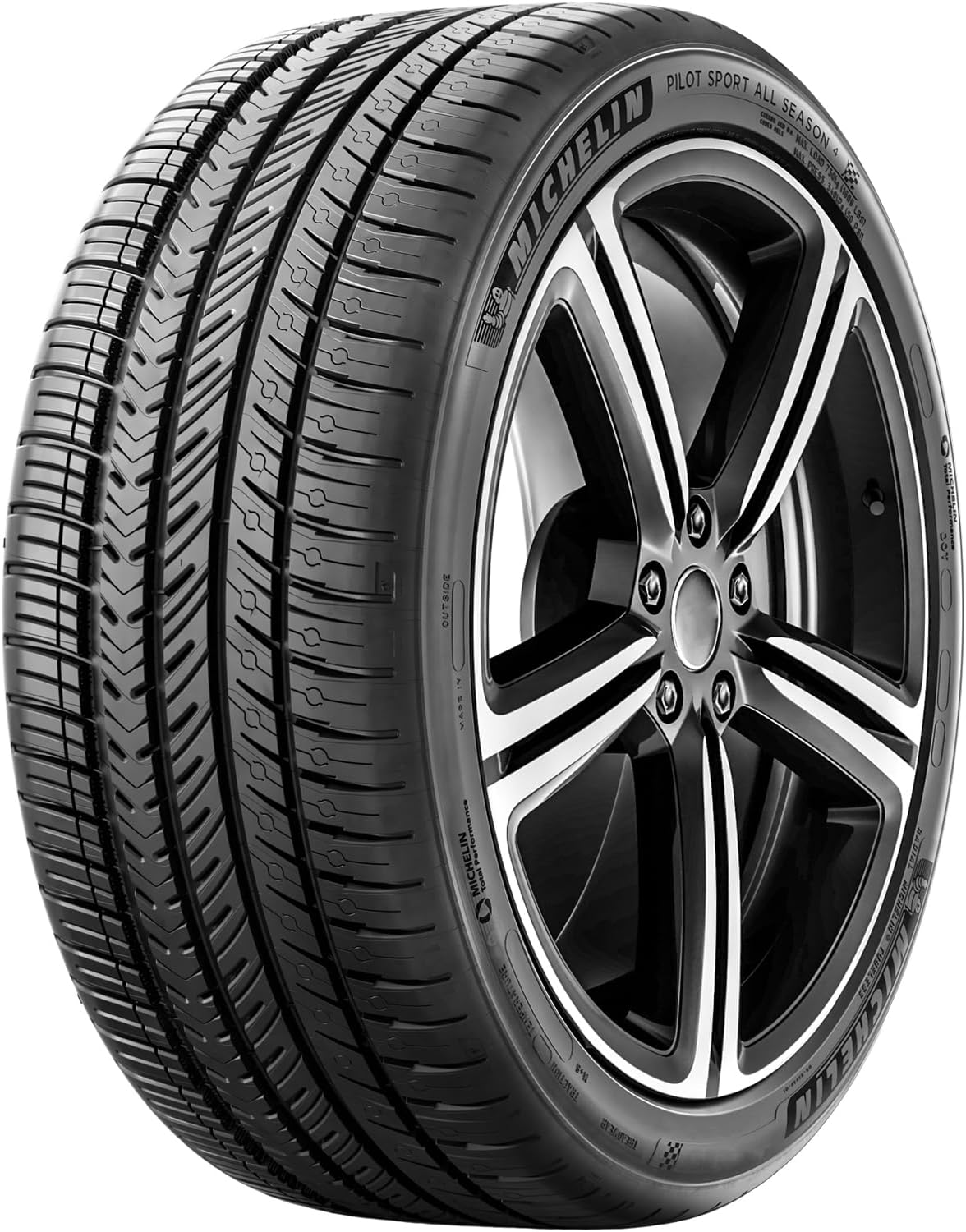
Michelin Pilot Sport All Season 4 All-Season Tire 225/40ZR18 92Y
MICHELIN

Summit Ultramax 4S All-Weather 255/35R19 96V XL Tire for BMW
SUMMIT
More wheel and tire options for the BMW G20
When it comes to wheels and tires for the BMW G20 3 Series, the options are genuinely excellent right now. From the factory, the G20 comes on decent rubber, but enthusiasts quickly discover that stepping up to a quality aftermarket setup transforms the driving dynamics considerably. Popular wheel choices include Vossen HF-5 and CV3-R fitments, BBS CI-R forged wheels, and the always-reliable Rays Volk Racing TE37 in a 18x8.5 or 19x9 staggered setup. For tires, Michelin Pilot Sport 4S remains the gold standard for street driving on this chassis, while the Continental ExtremeContact Sport 02 offers a strong budget-conscious alternative without sacrificing too much grip. If you're running a G20 330i or M340i, a 225/40R18 front and 255/35R18 rear staggered fitment is a proven combination that fills the arches properly without rubbing issues on stock suspension. One practical note: always verify your hub bore - the G20 runs a 66.6mm center bore, and running wheels without proper hub-centric rings will cause vibration above 60mph that no amount of balancing will cure. Don't skip that step.
All-Season Tires for BMW - What Actually Works on Your Chassis
BMW's staggered fitments, run-flat requirements, and low-profile sizing make tire shopping more complicated than it needs to be - unless you know what you're looking for. Most all-season tires are engineered for front-wheel-drive economy cars. BMWs demand something better. Whether you're running a 225/45R17 on an E90 328i, a 245/40R18 on an F30 335i, or the aggressive staggered 245/35R19 rear setup on an F10 550i, fitment precision and load rating matter as much as the compound itself.
The good news: the all-season category has matured significantly. Brands like Michelin (CrossClimate 2), Continental (DWS06+), Bridgestone (Turanza All Season 6), and Pirelli (Cinturato All Season SF2) all produce tires purpose-built for performance sedans and sport coupes - the exact segment BMWs occupy. These aren't your uncle's all-season tires. They use silica-reinforced compounds and directional or asymmetric tread patterns that hold up to BMW's rear-biased torque delivery without turning into shopping cart handles in November.
If your car originally came with run-flat tires - common on E60, E90, F10, F30, and G30 chassis - you have a decision to make before buying. BMW's factory run-flat (RFT) spec restricts you to tires marked with the MOExtended or ROF (Run-On-Flat) designation. Switching to standard tires is absolutely fine, but you'll need to add a tire pressure monitoring sensor kit and, ideally, a compact spare. Many owners actually prefer the switch - ride quality improves noticeably, especially on the F30 and G20 which are already stiff on stock suspension.
What to Look For - and What to Skip
Speed rating matters. BMW E and F-series cars require at minimum a V-rated (149 mph) tire, and anything with a tune, sport package, or M-Sport suspension should be running W (168 mph) or Y (186 mph) rated rubber. Don't cheap out here - a speed rating also reflects the tire's structural integrity at load, not just top-end capability.
Load index is equally critical on heavier platforms. The G05 X5, G06 X6, and G07 X7 all need tires with load ratings appropriate for a 5,000+ lb SUV. An all-season rated for a mid-size sedan will wear unevenly and could fail under hard cornering loads on a heavier chassis.
Avoid budget all-season brands on any BMW with active suspension, adaptive dampers, or M Sport brakes. The braking distances on cheaper compounds degrade significantly in wet conditions, and BMWs with short wheelbases (E46, E90, 1 Series F20/F21) are already rotation-happy under trail braking. This is where the Continental DWS06+ earns its reputation - consistent wet grip and honest treadwear at a realistic price point.
For M cars or anything running aftermarket wheels with aggressive offsets, verify UTQG ratings and sidewall load capacity carefully. A 255/35R19 on an F82 M4 isn't forgiving of a mismatch. If you've already upgraded to a wider wheel setup, check out our performance wheels fitment guide to cross-reference compatible sizing before purchasing tires.
Installation difficulty is low if you're going same-size replacement - any qualified shop can mount and balance. TPMS resets are straightforward on most chassis using the iDrive menu or a basic TPMS reset tool. If you're changing tire diameter by more than 2–3%, you'll need a speedometer recalibration, which is a 15-minute job with a cable like the BimmerCode or NCS Expert. Staggered fitments (different front/rear widths) can't be rotated, so budget for more frequent rear replacements - particularly on xDrive models that carry more rear load.
Before finalizing your purchase, double-check your wheel specs in our wheel spacers and adapters section if you're running any offset changes - clearance issues with all-season tires, which often have slightly taller sidewalls than summer performance fitments, can catch people off guard.
Bottom line: spend the money on a proven brand, match the speed and load rating to your chassis, and confirm run-flat vs. standard before you order. Get that right and you'll have a BMW that handles properly 12 months a year.