
Wheels for BMW M3 F80
Affiliate disclosure. BimmerTalk is a proud partner of the Amazon Associates Program and Turner Motorsport. We may earn a small commission on qualifying purchases through our links, at no extra cost to you. Read the full disclosure.

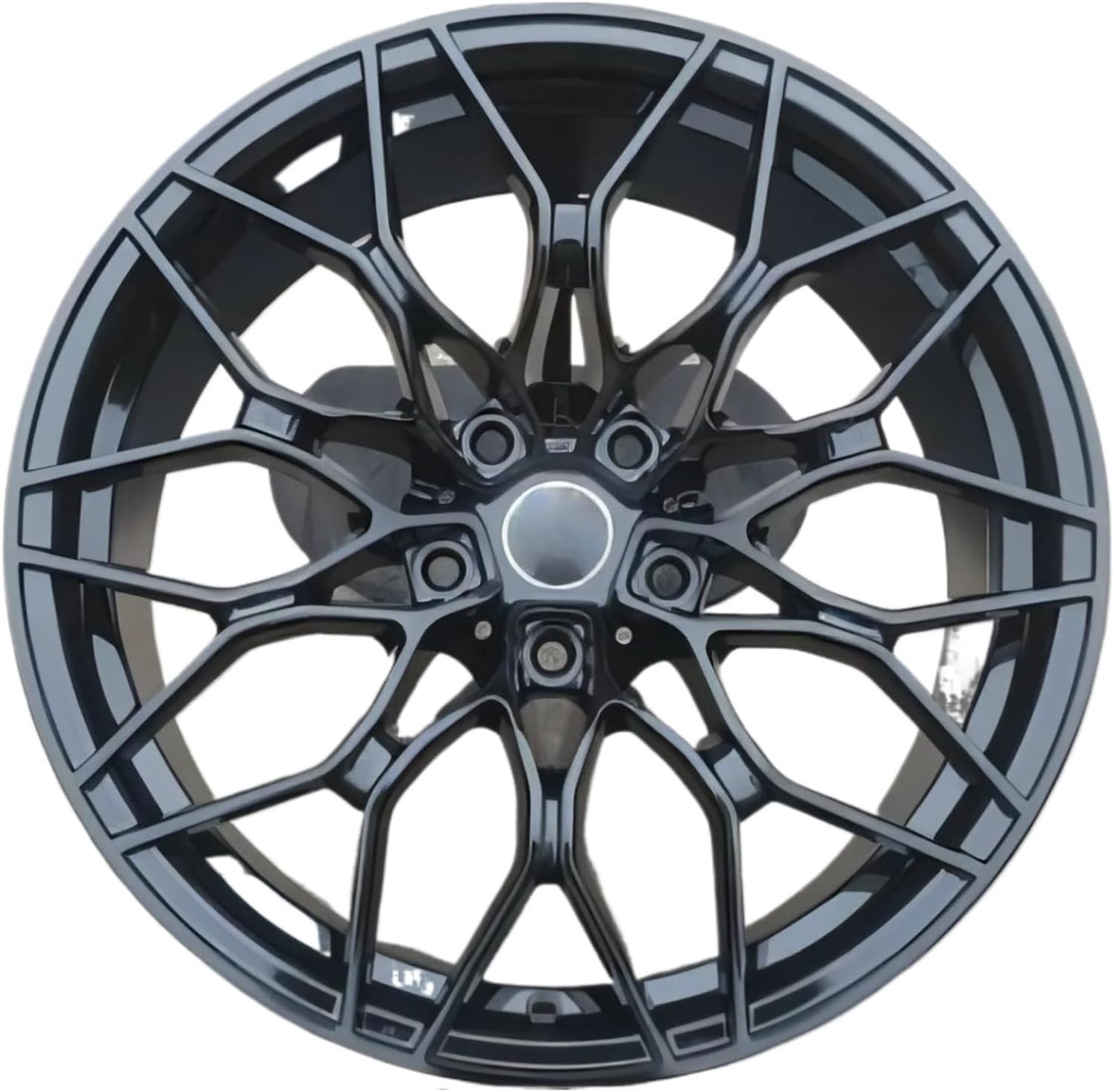
HLOMAUD 18/19 Inch 5x120 Alloy Wheel Rims for BMW 3 & 5 Series (Set of 2)
HLOMAUD

BDWYFAC BBS FI-R Replica Forged Alloy Wheels Satin Black 19" for BMW
BDWYFAC

Custom Forged Monoblock Wheel (Single) — BMW M2/M3/M4/M5/M8
Generic

Circuit Performance CP30 19x8.5 Gloss Gun Metal Wheel for BMW (5x120 +35mm)
Circuit Performance

Circuit Performance CP30 18x8 Gloss Silver Wheel for BMW 5x120 +35mm Offset
Circuit Performance

Circuit Performance CSF11 19x8.5 Gloss Black Wheel for BMW 5x120 +35mm
Circuit Performance
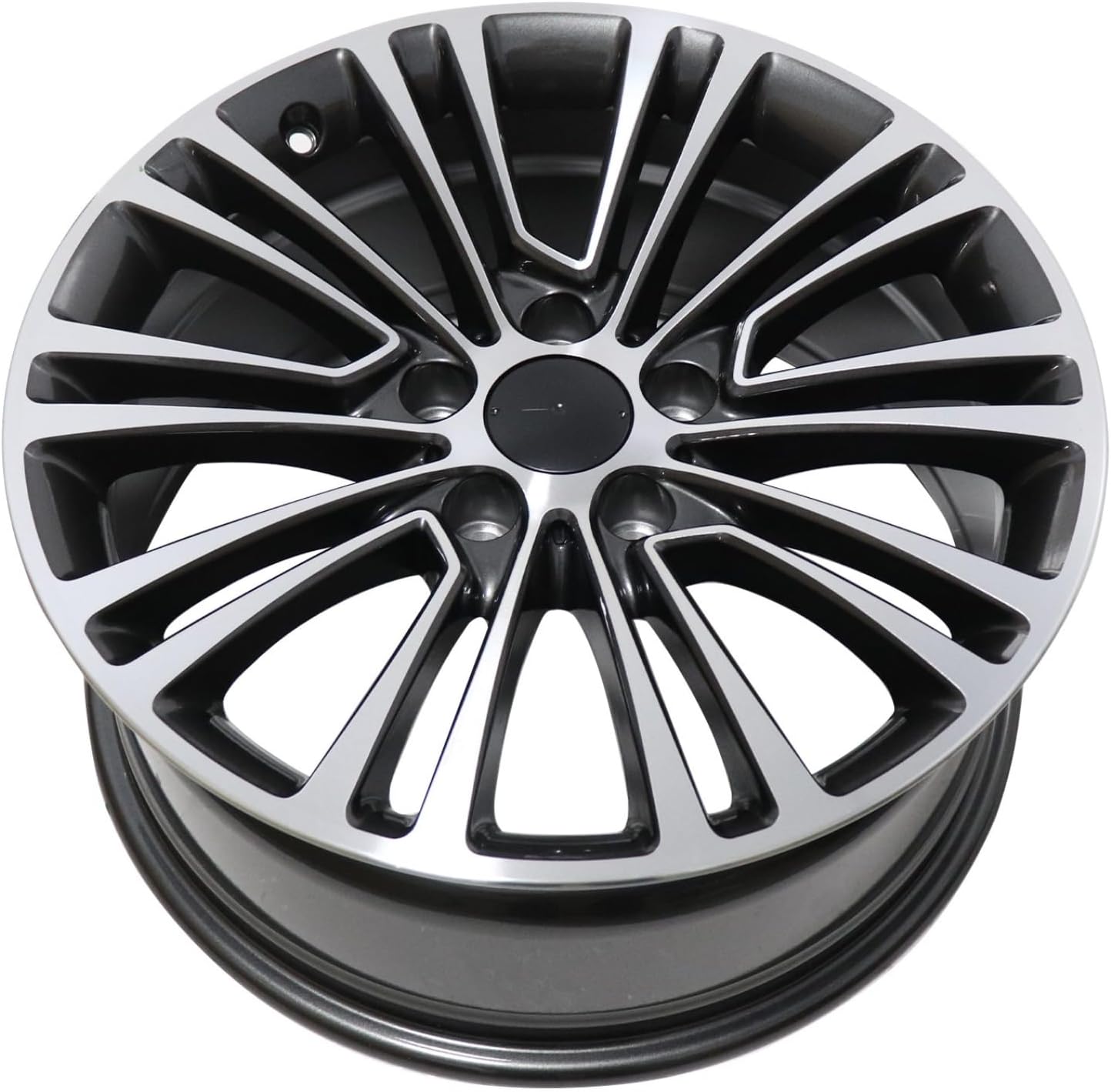
Priprilod 18x8 Inch Aluminum Alloy Wheel Rim 5x120 for BMW 5 Series
Priprilod

Circuit Performance CSF11 - 18x8 Wheel for BMW 5x120
Circuit Performance

BVBNMB 19in Staggered 10-Spoke Alloy Wheels — BMW 5x120
BVBNMB

Wheel Pros 19" Matte Black Staggered Wheels Set for BMW E82 E90 F30 F10
Wheel Pros

Circuit Performance CP30 Gloss Silver Wheel 19x9.5 — 5x120 BMW Fitment
Circuit Performance
More wheel and tire options for the BMW F80
When it comes to wheels and tires for the BMW F80 M3, enthusiasts have a wealth of proven options that genuinely transform the car's handling dynamics. Forged wheels from manufacturers like Vossen, HRE, and BBS are consistently popular choices, with the BBS FI-R being a track-day favorite thanks to its exceptional strength-to-weight ratio. Dropping unsprung weight with a quality forged wheel over the stock 437M or 666M units makes a noticeable difference in steering response and acceleration. For tires, the Michelin Pilot Sport Cup 2 remains the benchmark for aggressive street and occasional track use, while the Continental ExtremeContact Sport 02 offers a more balanced daily-driver compromise. Stick with a square setup of 265/35R19 all around if you want tire rotation flexibility, or run a staggered 255/275 split if you prefer maximizing rear grip. Always have your alignment checked by a specialist using BMW-specific tolerances after any wheel swap, and torque your lug bolts to the factory spec of 120 Nm with an anti-seize compound to prevent the galvanic corrosion issues common on aluminum F80 hubs.
Aftermarket Wheels for BMW - What Actually Fits and What's Worth Buying
Swapping wheels is one of the highest-impact upgrades you can make to any BMW - but it's also one of the easiest ways to waste money if you don't know the platform specifics. BMW uses a wide range of bolt patterns, hub bore sizes, and suspension geometries across generations, and a wheel that fits a G80 M3 won't clear the brakes on an E46 330i. Before you buy anything, pull your chassis code and know your numbers: bolt pattern (most modern BMWs run 5x112, while older E-series use 5x120), center bore (typically 72.6mm for most models), and your offset range.
For fitment by platform: E90/E92/E93 3 Series and E60 5 Series owners are well-served by staggered setups - typically 18x8.5 front / 18x9.5 rear on the E9x, or up to 19x8.5 / 19x9.5 without pulling fenders. F30/F32 chassis can run 19s comfortably from the factory offset range (ET35–ET45 front, ET35–ET40 rear). G-chassis cars like the G20, G22, and G80 have wider tracks and more aggressive factory fitments - plan for ET30–ET40 if you're going flush without spacers.
On the M car side, the E46 M3 (S54 engine, 5x120 bolt pattern) is one of the most-wheeled BMWs on the market. Square 18x9 or 18x9.5 setups with ET35–ET38 are a proven formula. The F80/F82 M3/M4 opened up 5x112, giving owners access to a massive catalog of Audi and VAG-spec wheels - a game-changer for fitment options and pricing.
Brands Worth Running, and What to Avoid
BBS remains the gold standard for BMW enthusiasts - the BBS CH-R and BBS CI-R are both hub-centric, lightweight, and available in BMW-specific fitments from the factory. Apex Wheels has earned serious credibility in the enthusiast community for offering flow-formed monoblock wheels dialed specifically for BMW platforms - their EC-7 in 18x9.5 ET22 is a go-to spec for E9x and F-chassis track builds. Volk Racing (TE37, CE28) are genuine forged options that shed meaningful unsprung weight - expect a performance difference you can actually feel in steering response and turn-in. For budget-conscious builds, Enkei and Konig offer cast wheels with solid quality control - just verify hub bore and don't skip hub-centric rings.
What to avoid: no-name "replica" or "rep" wheels sourced from generic overseas catalogs. The issue isn't just aesthetics - it's structural integrity under load. Many replicas fail torque spec on lug seats, have inconsistent hub bore tolerances, and use low-grade aluminum alloys that crack under track or aggressive street conditions. On a car with BMW's suspension geometry and braking specs, that's a safety issue, not just a style debate.
Installation difficulty is moderate for most BMW owners. If you're running stock suspension and OEM brake calipers, a straight wheel swap is a torque wrench job - 89 ft-lbs on most platforms, always use hub-centric rings if your wheel bore is larger than 72.6mm. Where it gets complicated: larger brake kits (BBK setups from Stoptech or Brembo) require spoke clearance checks, and lowered cars need offset modeling to confirm lip clearance against the control arms at full lock. Check our Tire Fitment Guide for pairing recommendations once your wheel size is locked in, and browse Suspension if you're combining this upgrade with a coilover or lowering spring install.
Bottom line: buy from a brand with BMW-specific engineering data, verify every number before checkout, and if you're going wider or lower than stock, use an offset calculator - Willtheyfit.com is free and accurate enough for preliminary checks before test fitting in person.