
BMW M4 F83 Brake Upgrades
Affiliate disclosure. BimmerTalk is a proud partner of the Amazon Associates Program and Turner Motorsport. We may earn a small commission on qualifying purchases through our links, at no extra cost to you. Read the full disclosure.

Big Brake Kits
44 parts for BMW F83
BrowseBrake Rotors
11 part for BMW F83
BrowseBrake Pads
44 parts for BMW F83
BrowseBrake Calipers & Covers
33 parts for BMW F83
BrowseStainless Steel Brake Lines
22 parts for BMW F83
BrowseBrake Fluid
33 parts for BMW F83
BrowsePopular F83 brakes
Hand-picked brakes parts that fit the BMW F83 - mid-tier price band, mixed across subcategories.


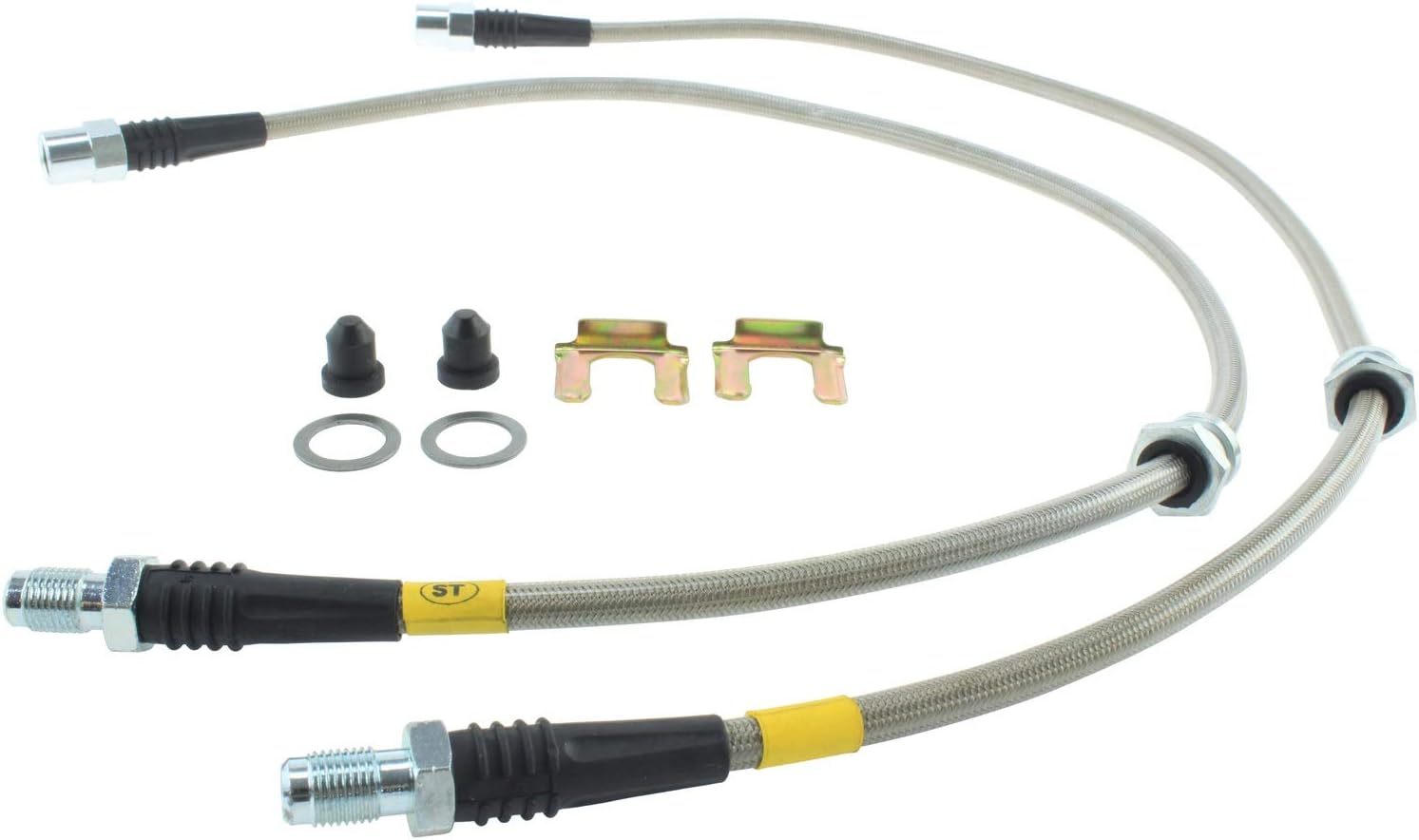
When it comes to brake upgrades on the BMW F83 M4, you're already starting with a capable factory setup, but there's significant room for improvement if you're tracking the car or simply want sharper pedal feel on the street. The stock iron rotors and Brembo calipers are decent, but they fade under sustained heat. A popular first step is swapping to cross-drilled or slotted rotors from brands like Brembo, StopTech, or Girodisc, paired with high-temp brake pads such as Hawk DTC-60, Pagid RS 29, or Ferodo DS2500 for street and light track use. For serious track work, many F83 owners step up to a full big brake kit - ECS Tuning, AP Racing, and KW offer well-regarded setups that dramatically improve thermal capacity and modulation. Stainless steel braided brake lines from Goodridge or HEL Performance are a worthwhile addition on any build, eliminating that spongy feel under hard braking. Don't overlook brake fluid - switch to Motul RBF 660 or ATE Type 200 to prevent vapor lock when temperatures climb. Always bed your new pads and rotors properly using a progressive heat cycle before pushing hard.
Why BMW Brakes Deserve More Attention Than You're Giving Them
Here's the thing about BMW brakes that most people don't think about until it's too late: the factory setup is engineered around a compromise. BMW has to balance daily comfort, noise levels, dust, and warranty concerns across millions of cars. That means the E90 335i you're driving, the F80 M3 with the S55, or even the newer G20 330i on B58 power - they all left the factory with brakes that are competent but deliberately conservative. Once you start pushing these cars, whether that's canyon runs, track days, or just spirited highway driving, the OEM setup starts showing its limits pretty fast.
Brake fade is real, and it's not something you want to discover mid-corner. Stock BMW brake fluid has a relatively low dry boiling point, and once you start cycling heat through the system, fluid boil leads to a spongy pedal and a genuinely scary moment. This is exactly why fluid is one of the first things serious BMW owners swap out - something like Motul RBF 600 or ATE Type 200 makes a noticeable difference before you even touch the pads or rotors.
Speaking of pads, the OEM compound is tuned for low dust and quiet operation. Great for lease returns, not so great for performance driving. EBC Yellowstuff or Hawk HPS 5.0 pads are popular entry-level upgrades that work well for street/occasional track use, but if you're doing real lapping days on your F82 M4 or E46 M3, you want to look at dedicated track compounds like Pagid RS or Carbotech XP12. Just be aware - high-temp track pads usually need heat to work properly and can feel grabby and loud when cold. Don't daily drive Carbotech XP16 if you value your morning commute and your neighbors' sanity.
Rotors, Big Brake Kits, and What's Actually Worth the Money
Slotted vs. drilled vs. two-piece - this debate never ends in BMW communities, but the practical answer isn't complicated. Cross-drilled rotors look great but are prone to cracking under hard use, especially on heavier cars like the F10 5 Series or X5 on the F15 chassis. Slotted rotors like those from Power Stop or DBA are a better real-world choice - the slots help gas and debris escape from the pad surface without compromising structural integrity. Two-piece floating rotors (aluminum hat, separate iron ring) are what you want if you're serious about track use; they dissipate heat better and save unsprung weight, which matters more than people admit.
Big brake kits are genuinely transformative if you've outgrown your stock setup, but they're also where people waste the most money. A BBK upgrade on a stock-powered daily E90 is mostly aesthetic. Where they make real sense: cars with significant power upgrades, owners who track regularly, or heavier chassis where the factory setup is undersized to begin with. AP Racing, StopTech, and Brembo all make solid BBK options for common BMW applications. One thing people overlook when running big brakes is heat management - if you're not running brake ducts channeling cool air to the rotors, you're leaving a lot of performance on the table. Our Brake Cooling & Ducts section covers what you need there.
Stainless steel brake lines are one of the highest-value upgrades you can do for under $100. OEM rubber lines expand slightly under pressure, which eats into pedal feel and response. Swapping to braided stainless lines on your E46, E9X, or F3X gives you a firmer, more consistent pedal that makes heel-toe downshifts and threshold braking much easier to modulate. Install is straightforward if you're comfortable bleeding brakes, just make sure to bench-bleed the new lines before install and do a proper bleeding sequence - start from the furthest corner from the master cylinder.
Pairing Your Brake Upgrade With the Rest of the Build
Brakes don't exist in isolation. If you're building out a track setup or a serious street car, the brake work needs to coordinate with what else you're doing. Heavier wheels add rotational mass and change stopping distances - check out our Wheels & Tires category if you're considering wheel upgrades alongside this work. Similarly, if you're running a tune on your N54 or B58 that's bumped power significantly, your brake system needs to scale accordingly. More power means more speed, which means more kinetic energy to scrub off. Our Chips & Software section covers the power side of that equation.
One more thing worth mentioning: brake caliper covers are mostly cosmetic, but quality painted or powder-coated calipers do help with heat management compared to bare metal. If your F30 or G20 is running factory non-M brakes and you want to dress them up without a full BBK, caliper covers are a reasonable option - just make sure you're buying ones that clear your wheel spokes properly and don't interfere with airflow. Pair the look with some aero work and you've got a cohesive build direction; our Body & Aero section is worth a look for that.
Bottom line: don't neglect the brakes. Power mods are more exciting to talk about, and exhaust work from brands like Akrapovic or MSTK sounds incredible, but your ability to actually use that performance safely comes down to whether your brake system can handle the load you're putting on it. Start with fluid and pads, add lines and better rotors when you're ready, and build from there.