All BMW Models
Select your BMW to find compatible upgrade parts.
Series
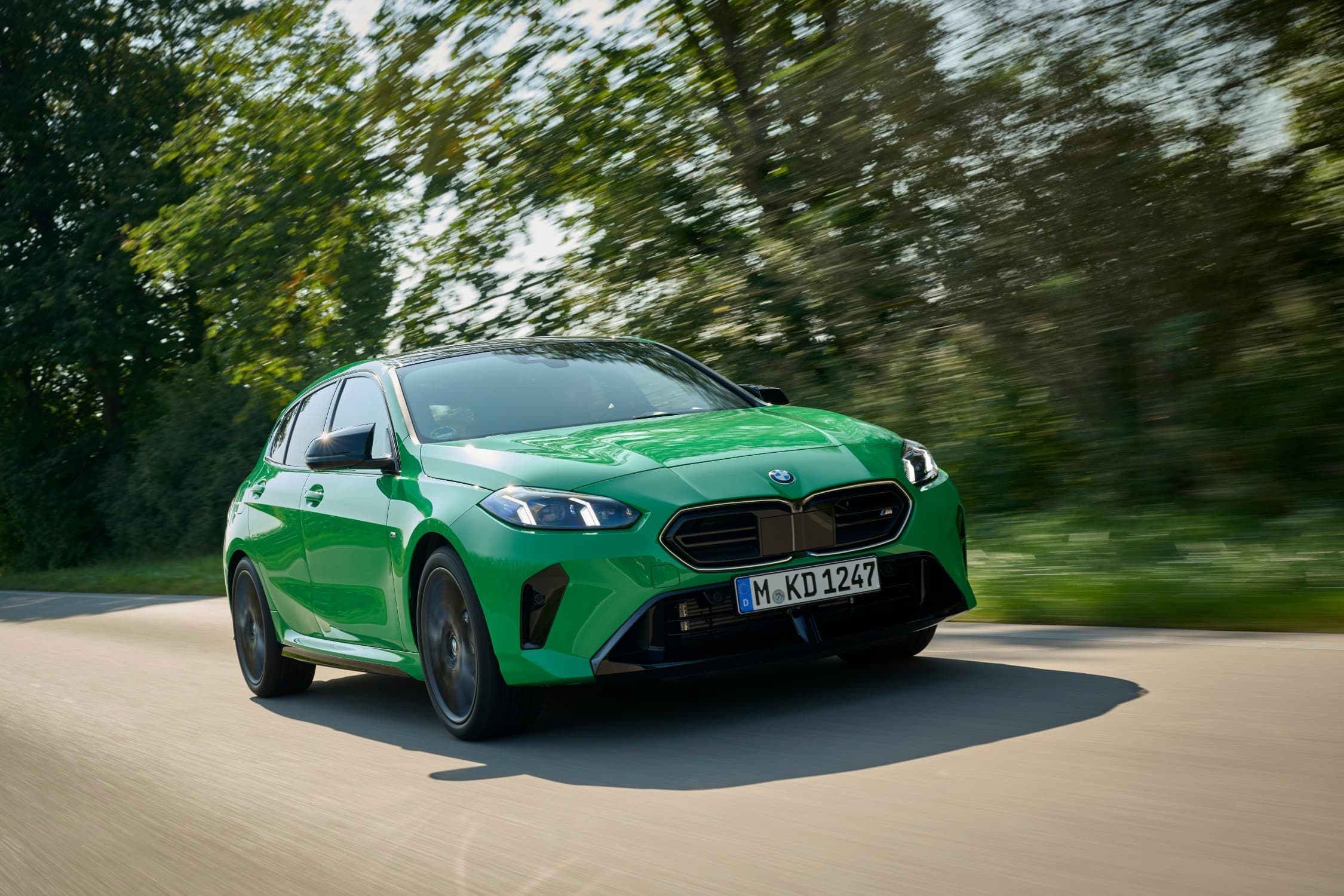
BMW 1 Series
2 generations
View parts →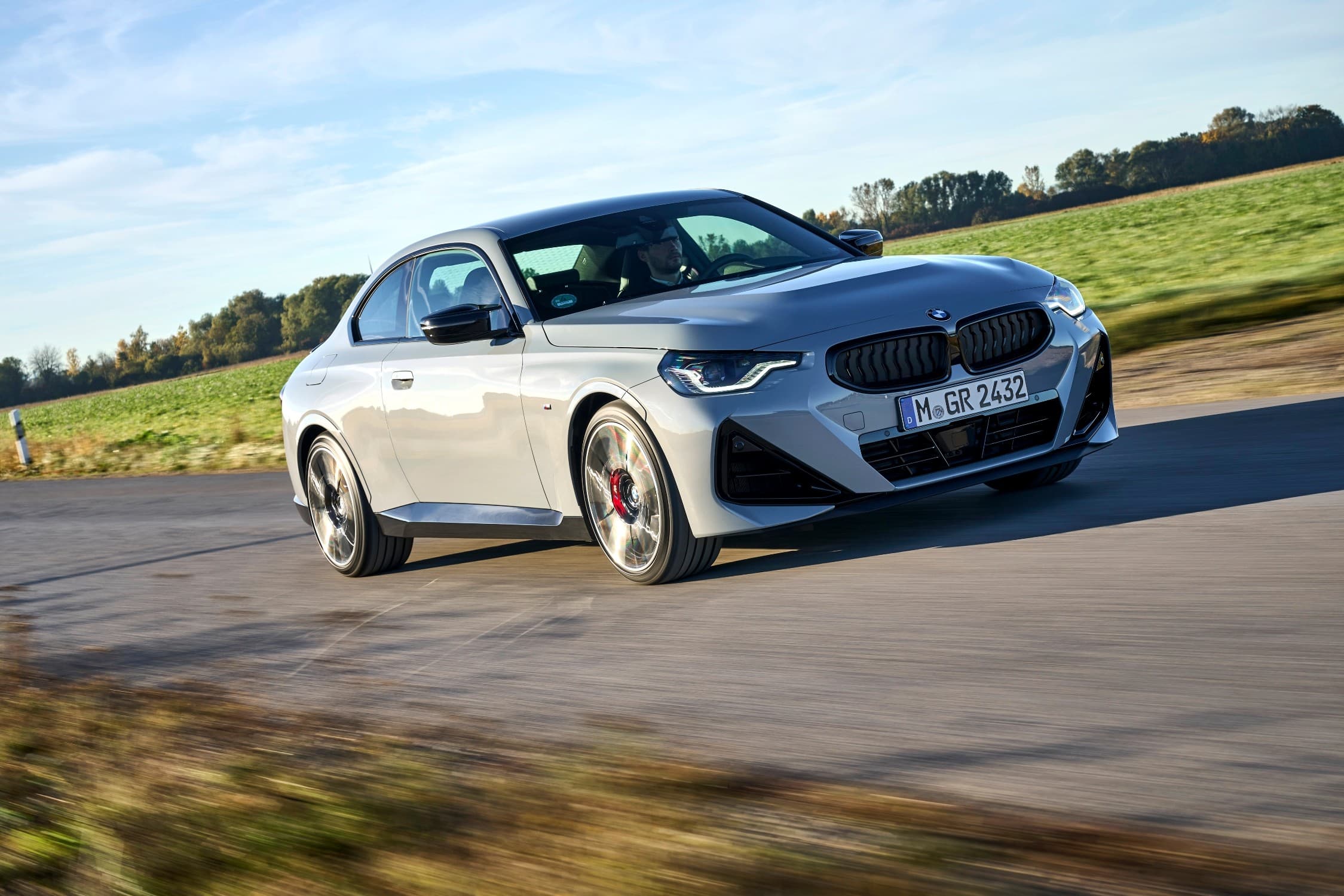
BMW 2 Series
4 generations
View parts →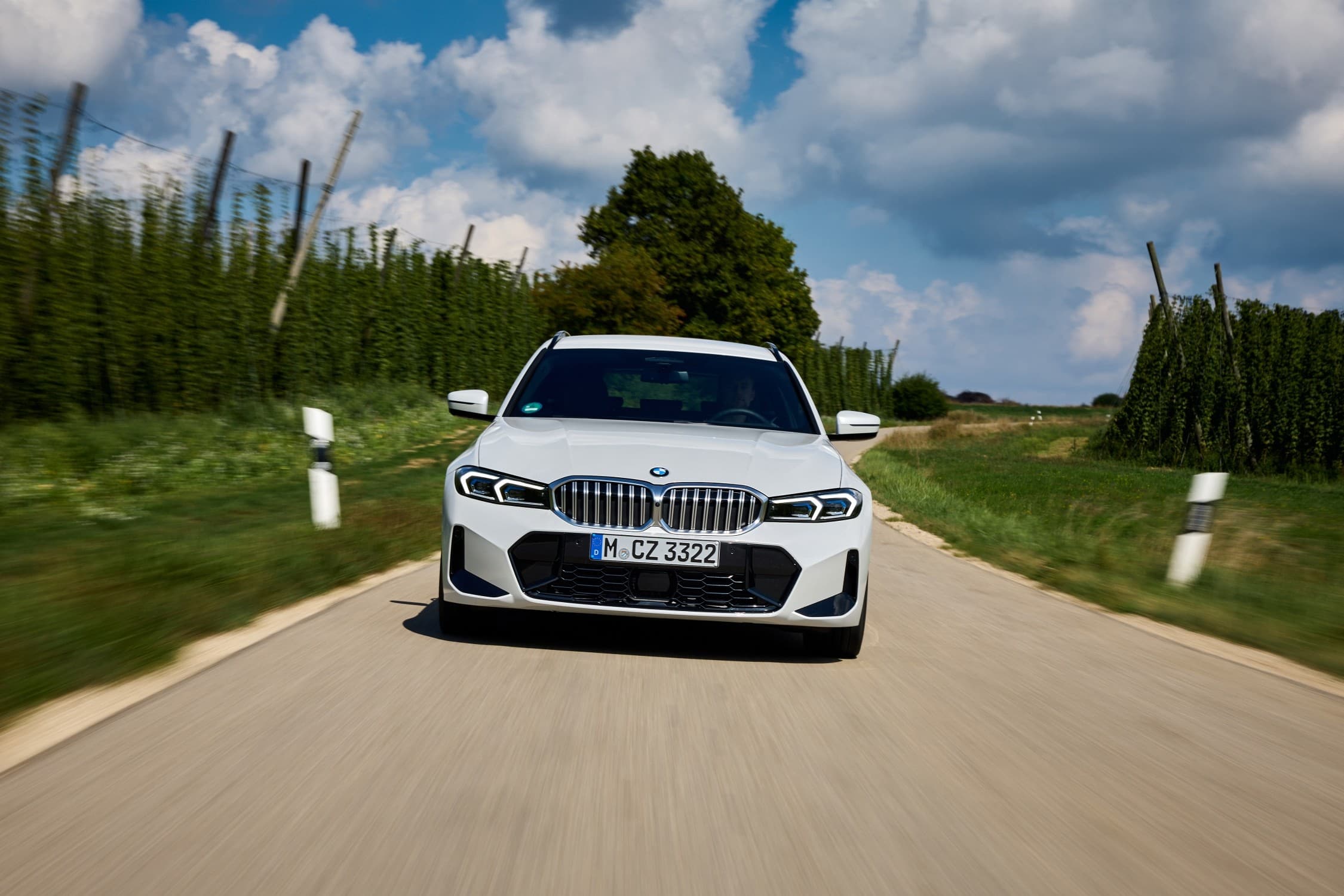
BMW 3 Series
11 generations
View parts →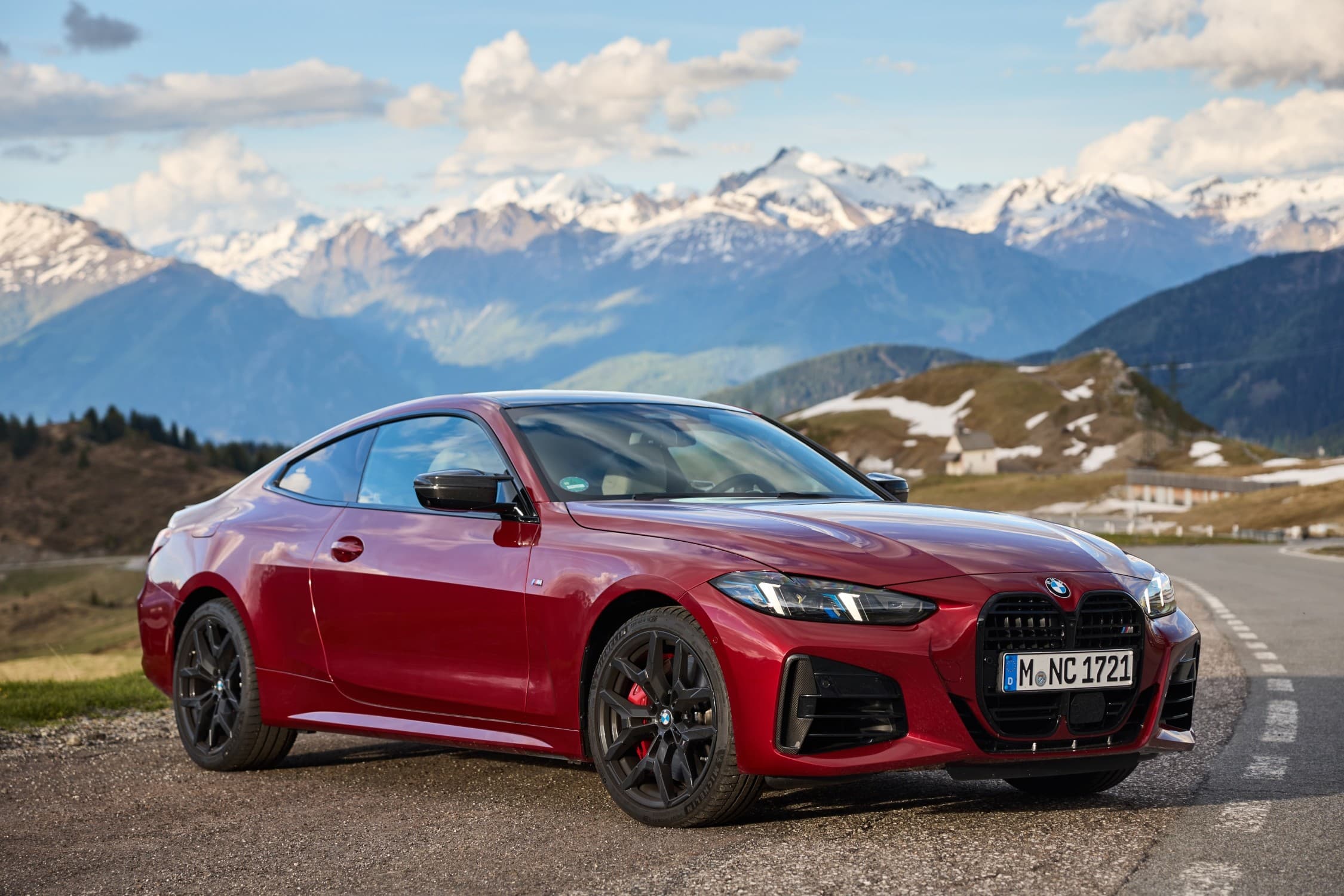
BMW 4 Series
6 generations
View parts →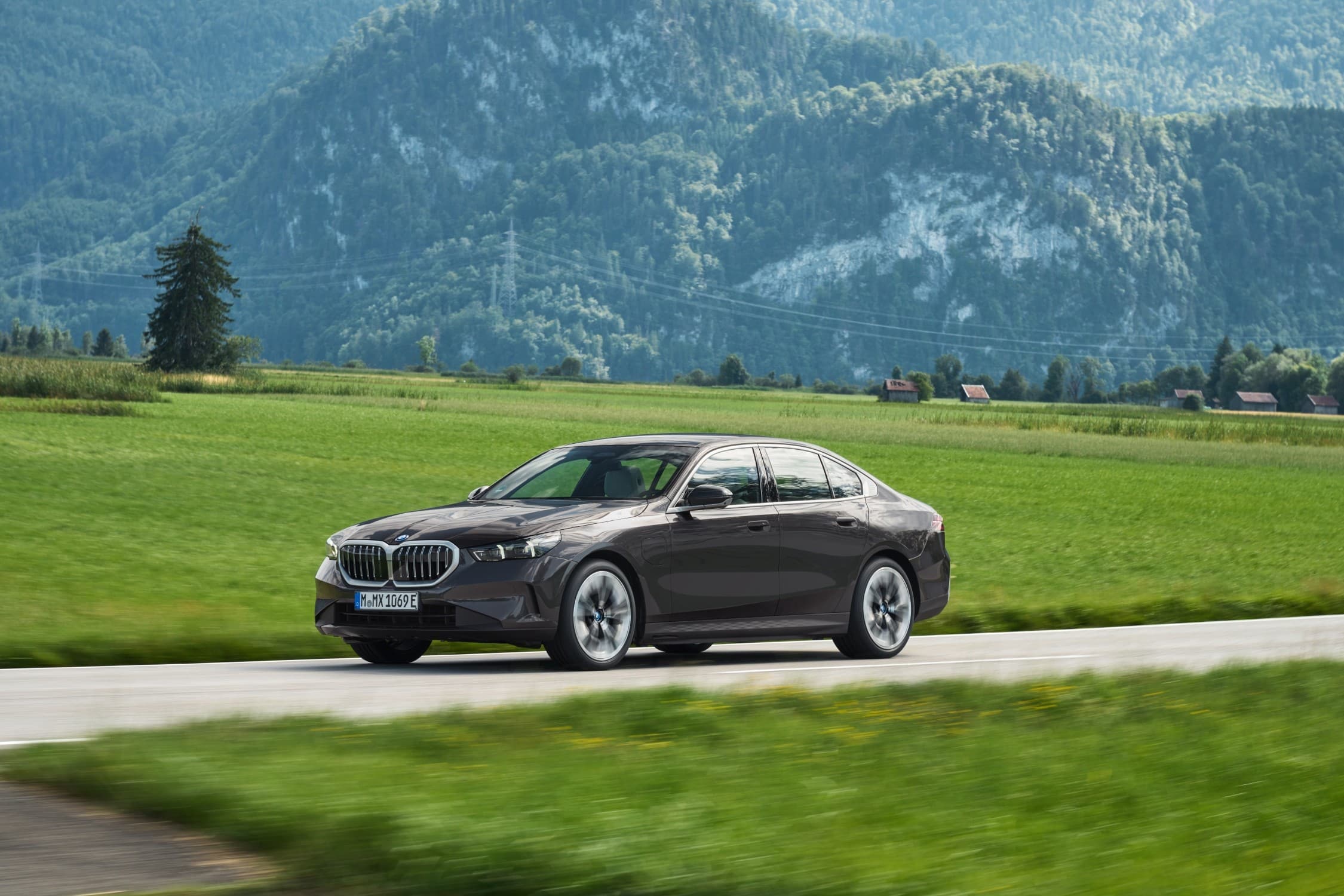
BMW 5 Series
8 generations
View parts →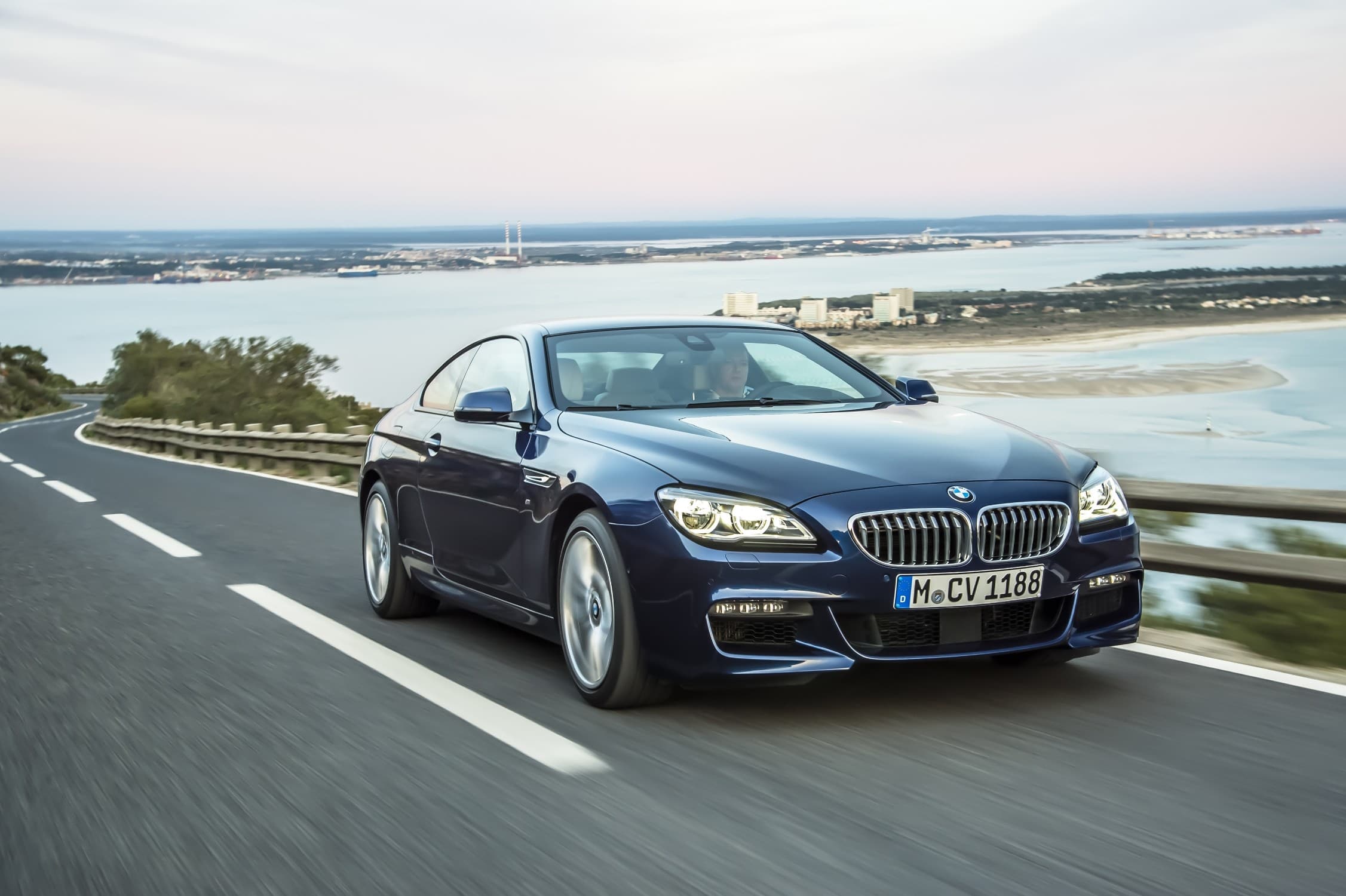
BMW 6 Series
6 generations
View parts →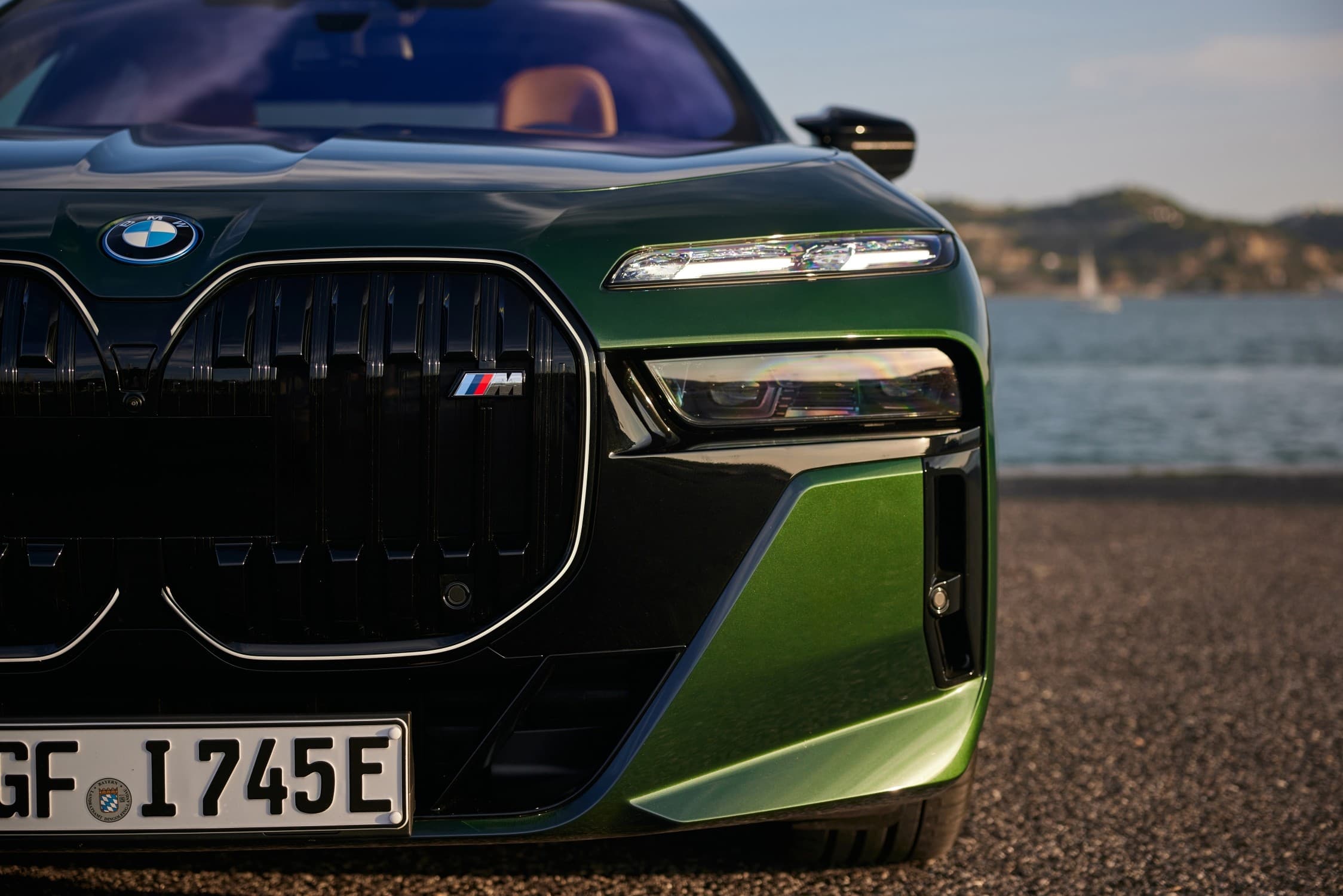
BMW 7 Series
5 generations
View parts →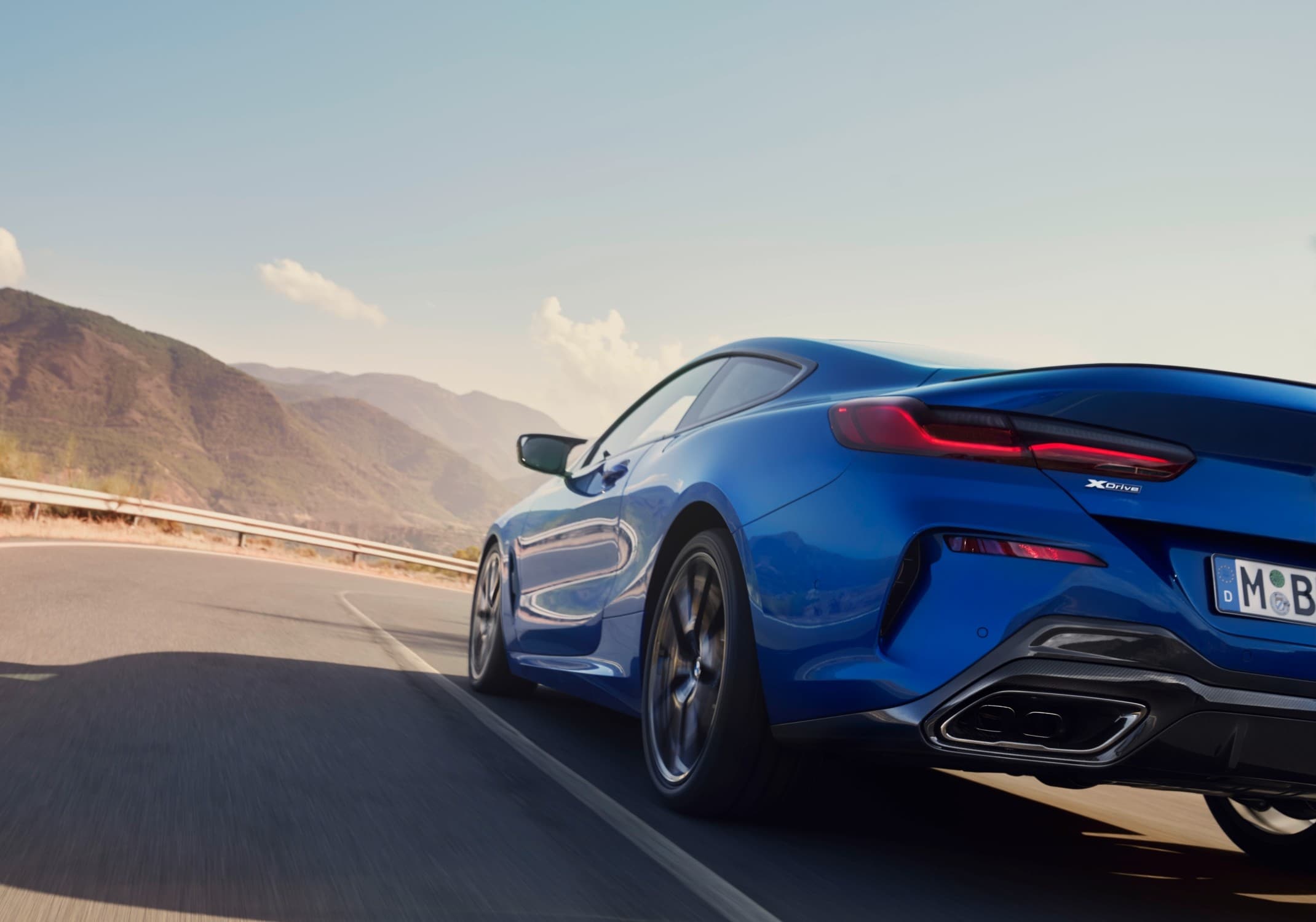
BMW 8 Series
4 generations
View parts →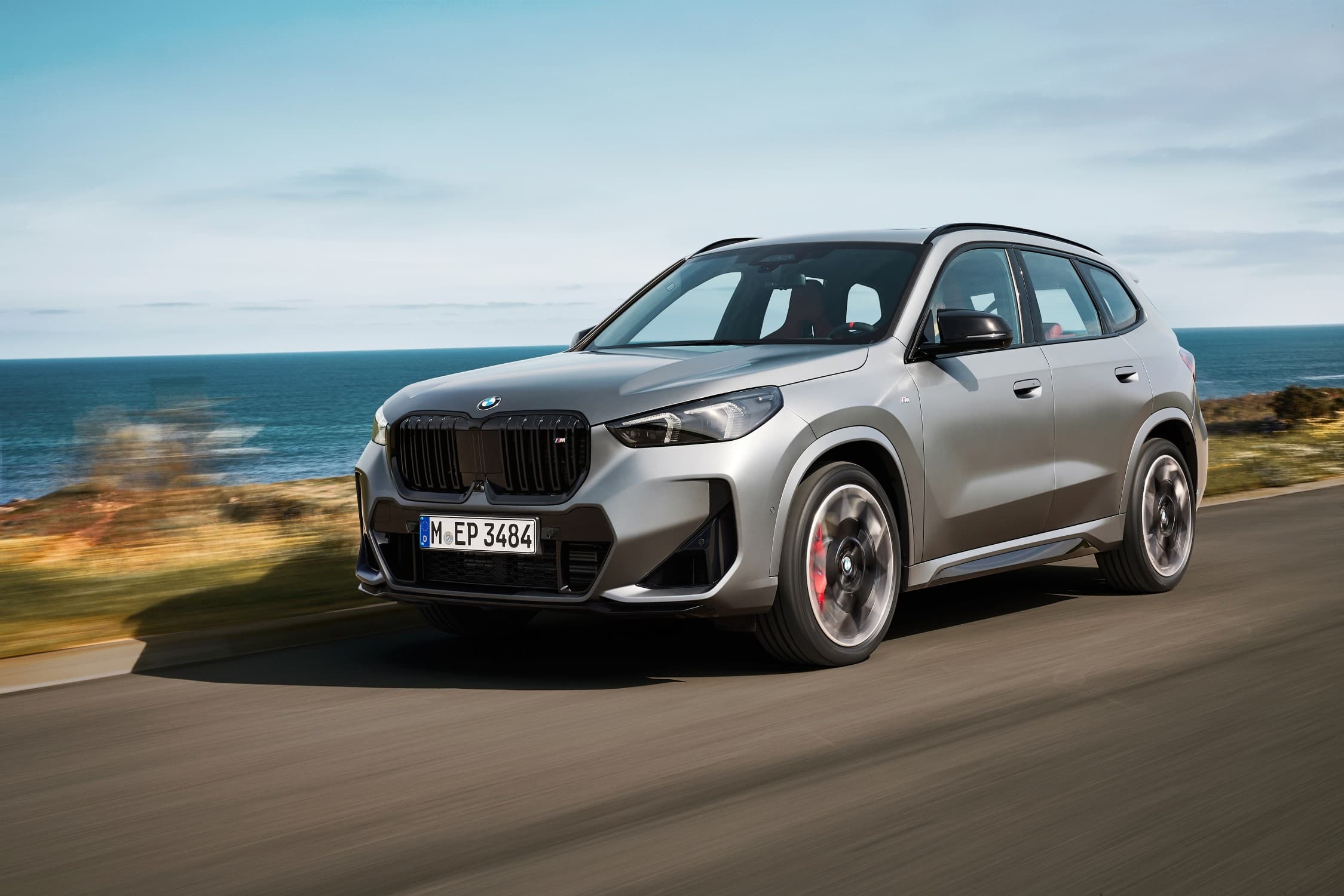
BMW X1
3 generations
View parts →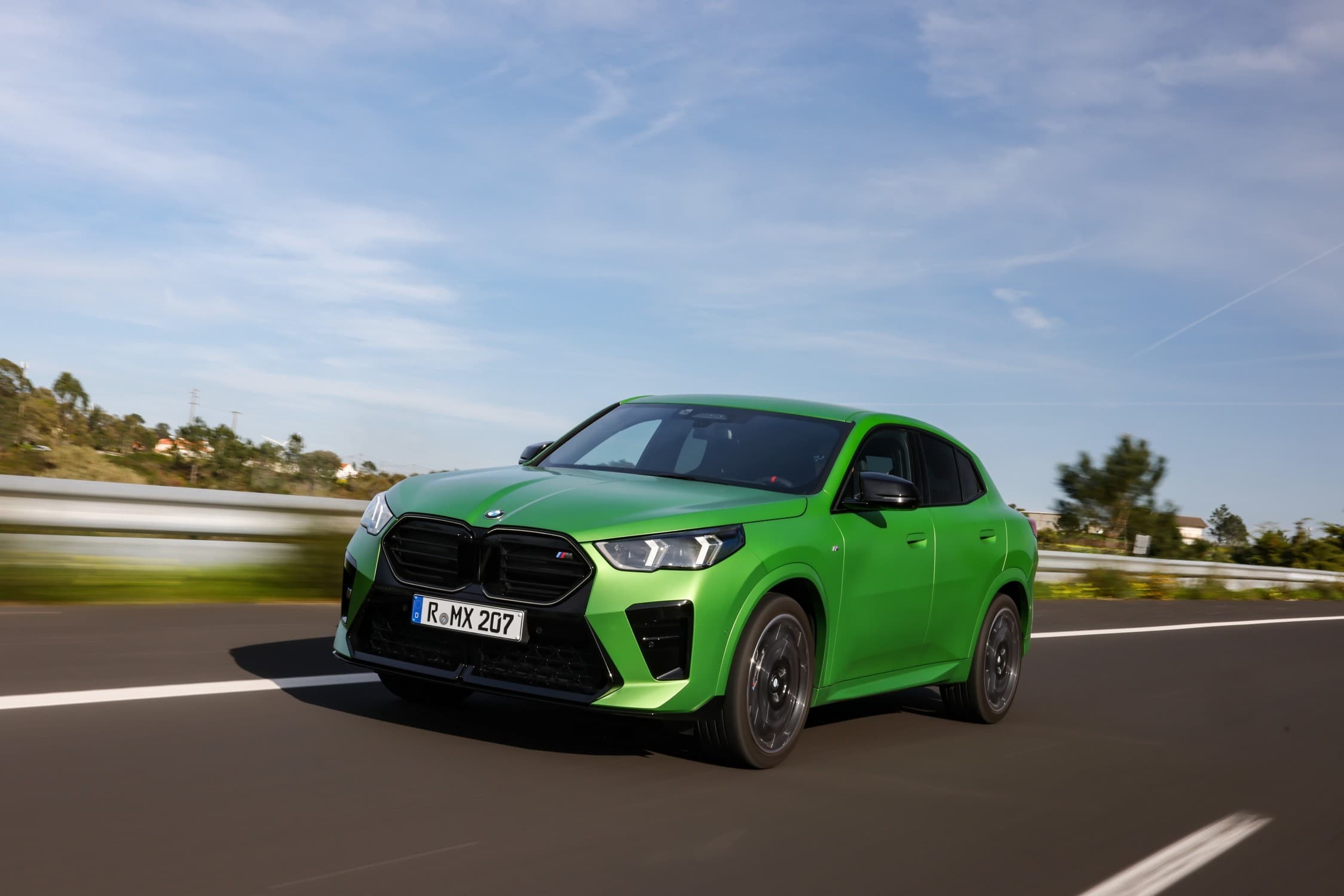
BMW X2
2 generations
View parts →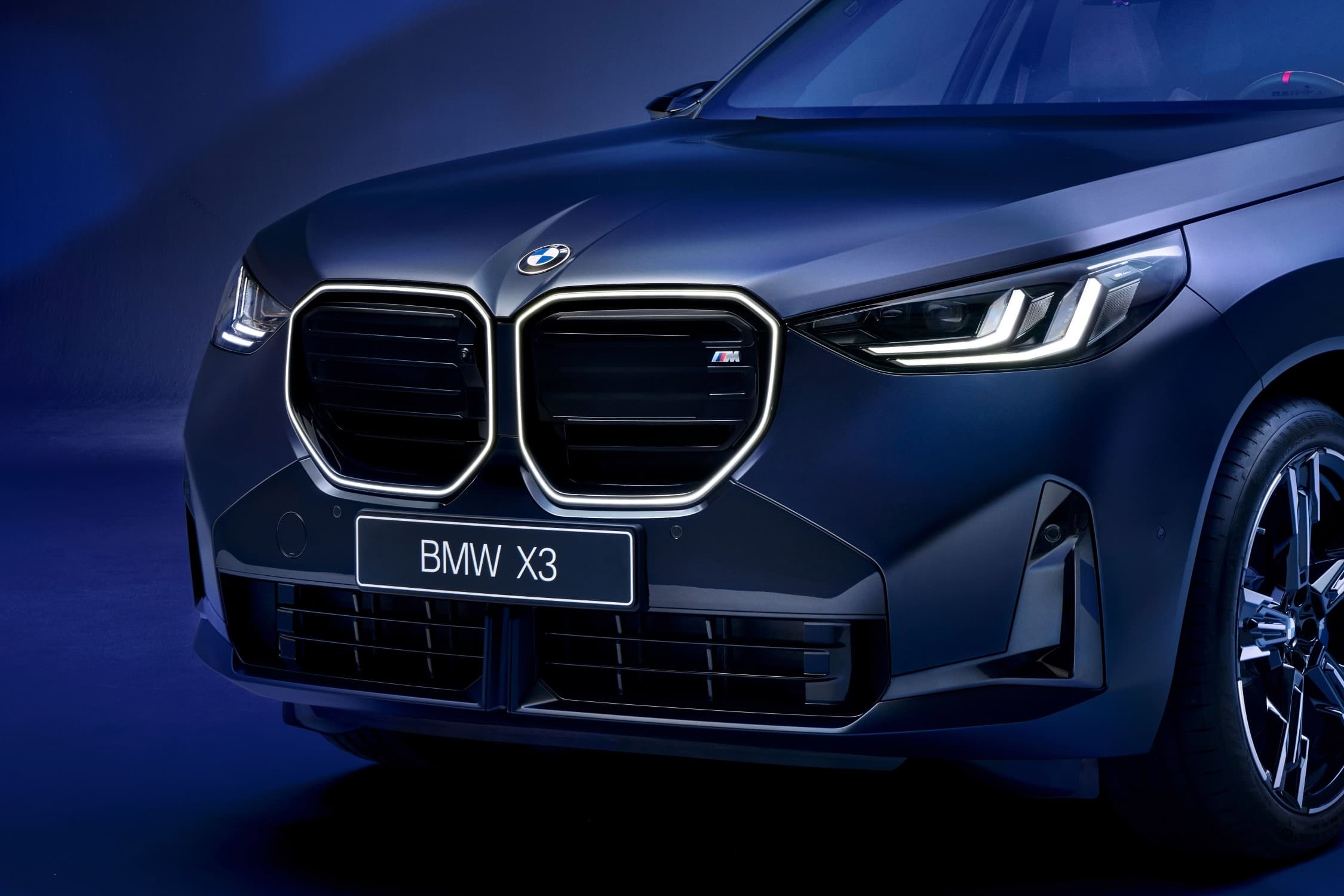
BMW X3
4 generations
View parts →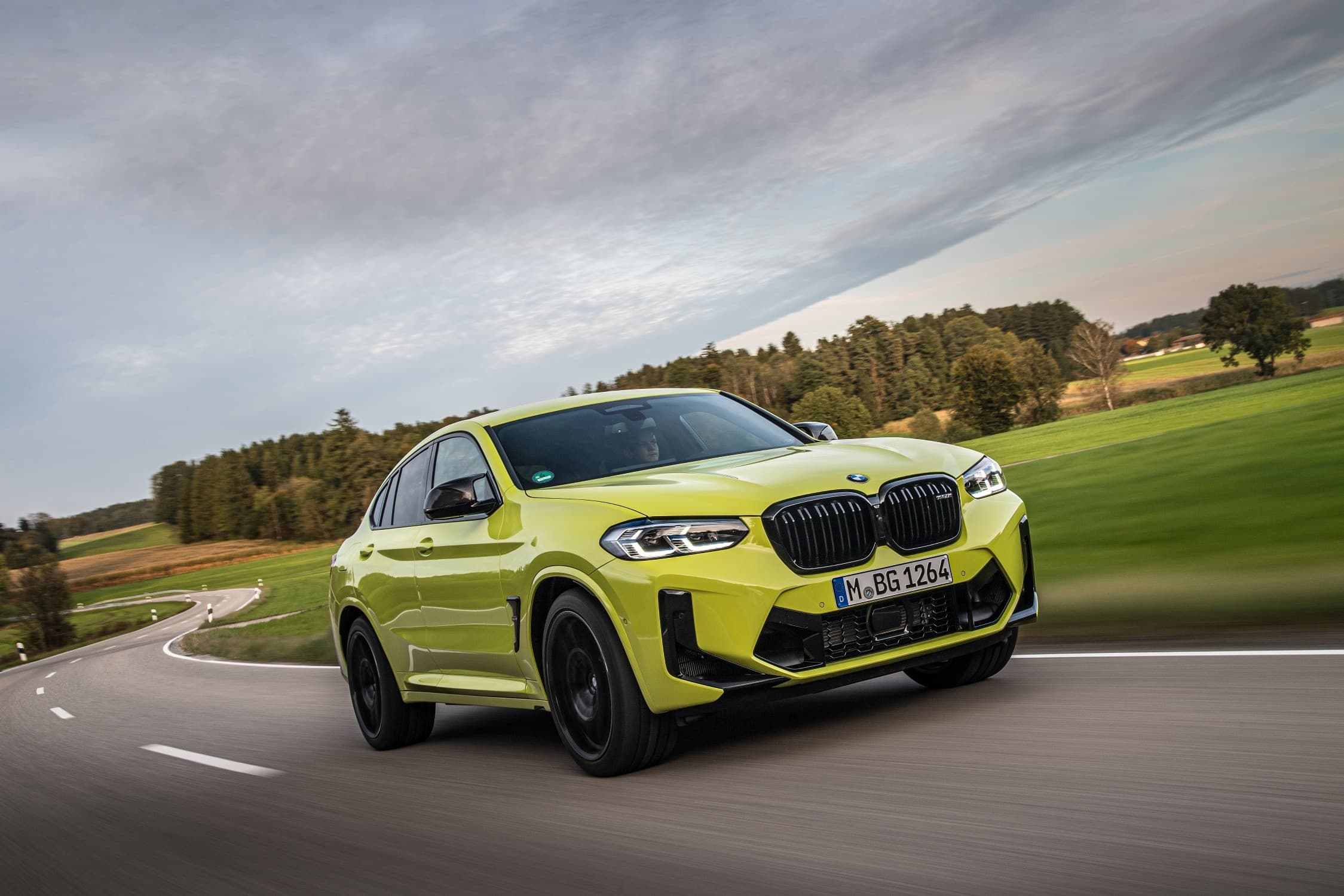
BMW X4
2 generations
View parts →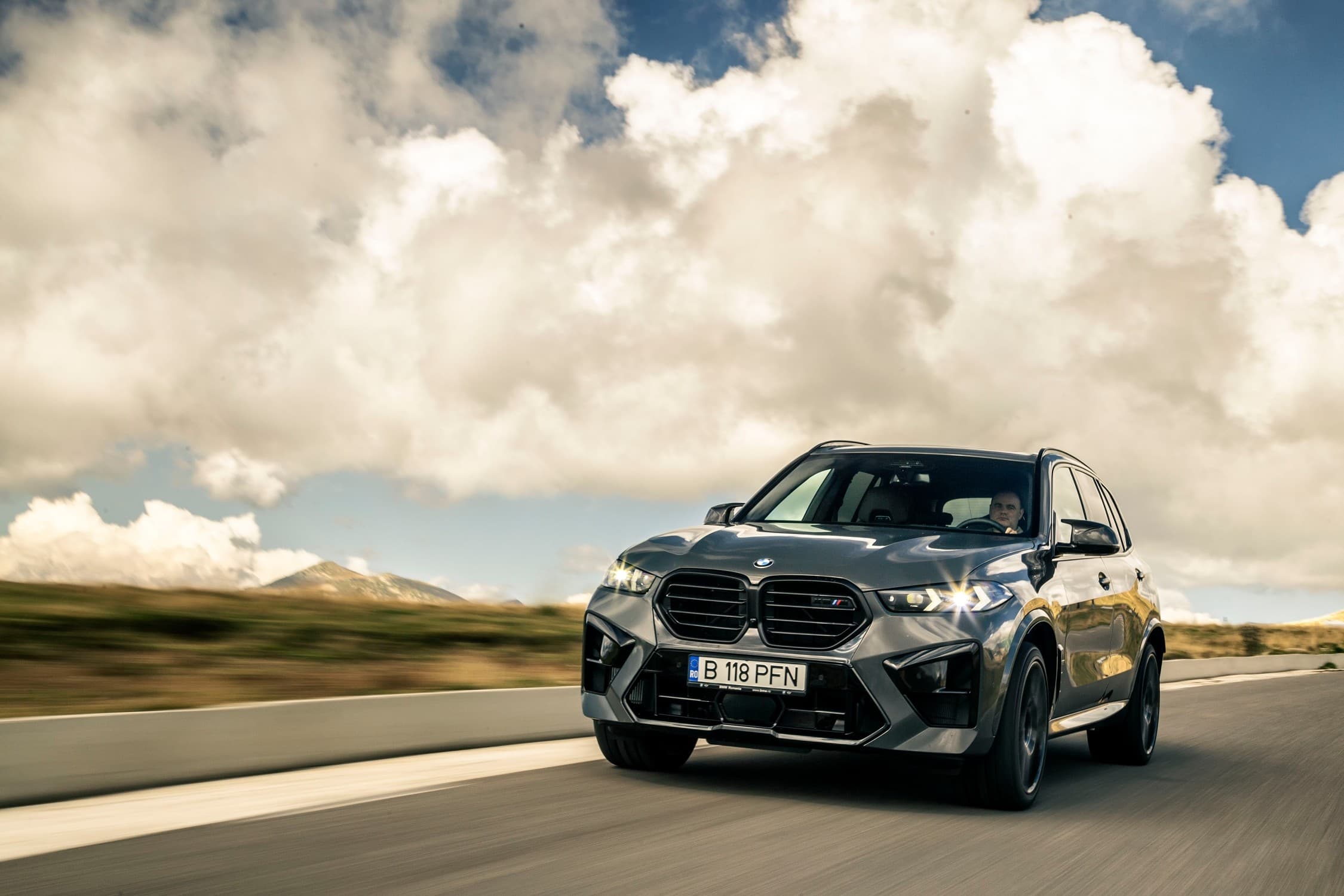
BMW X5
4 generations
View parts →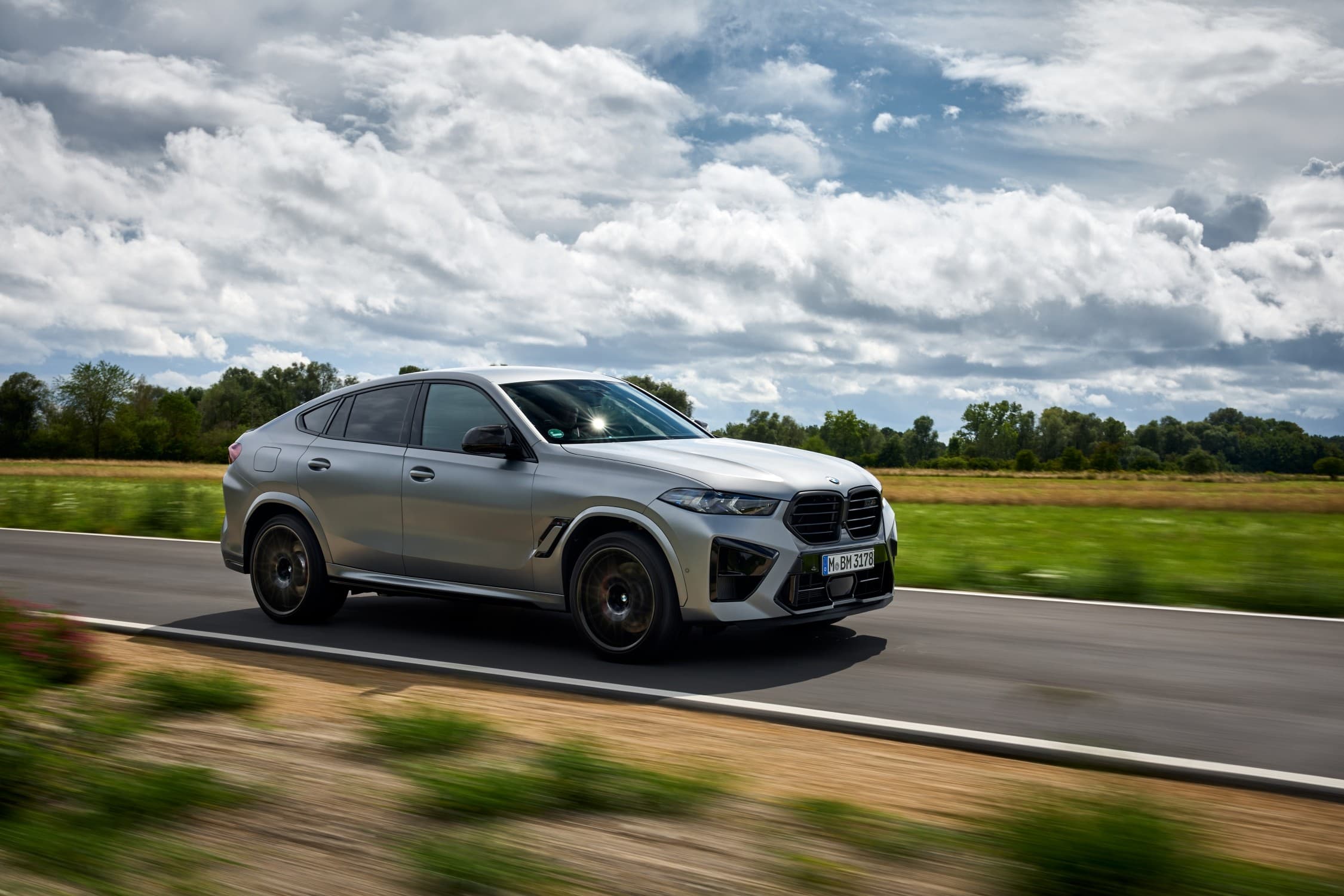
BMW X6
3 generations
View parts →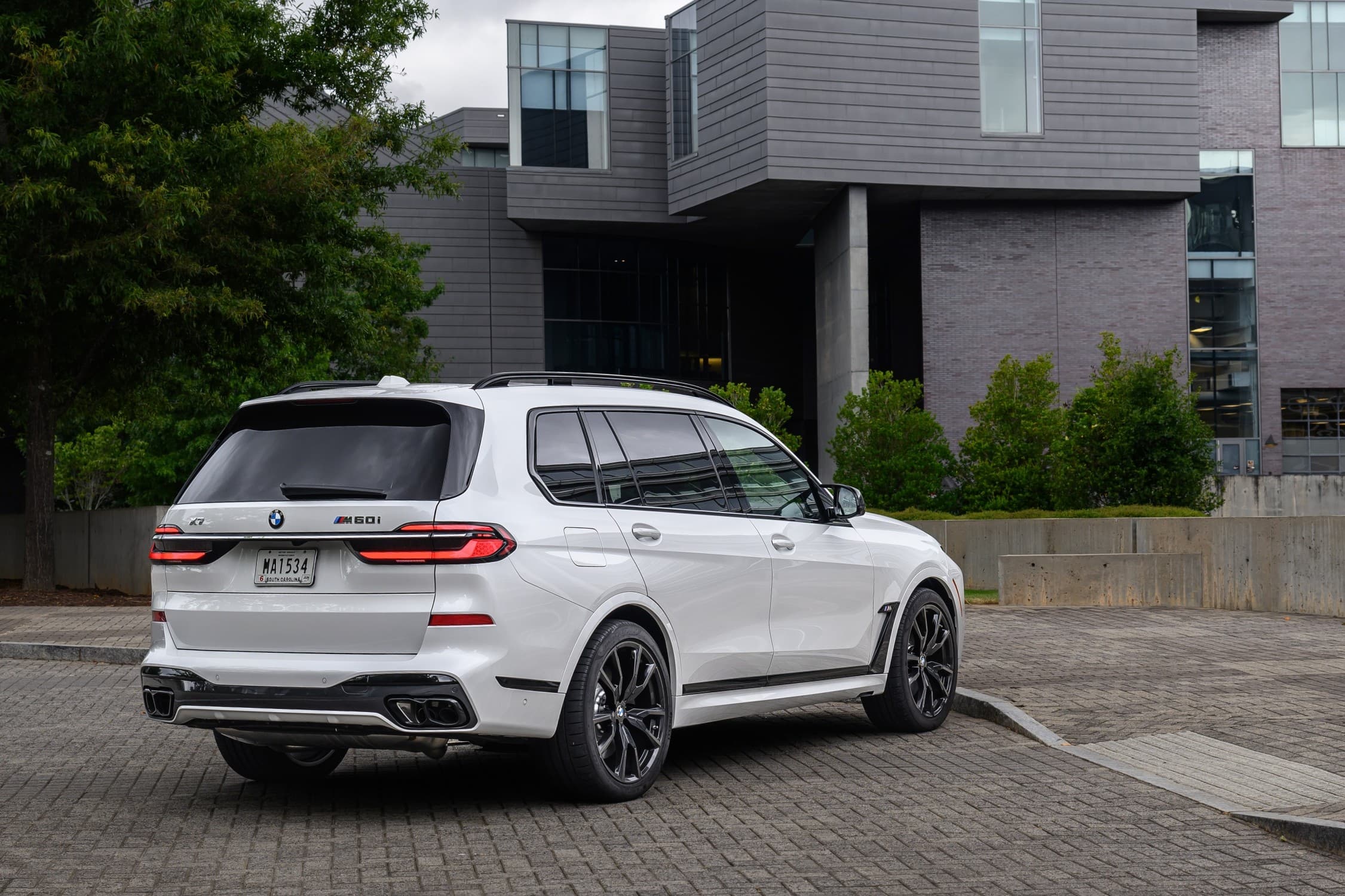
BMW X7
1 generation
View parts →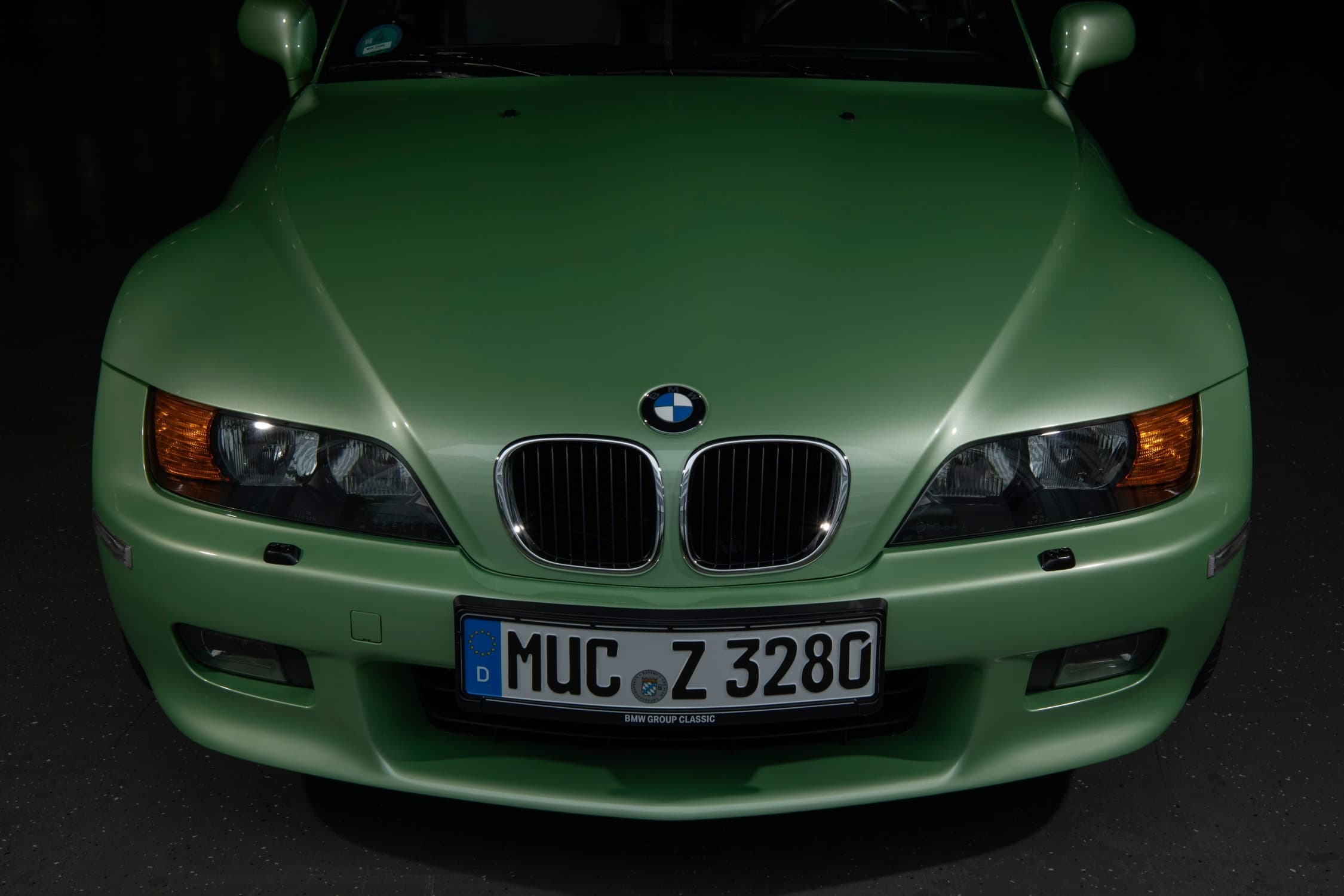
BMW Z3
2 generations
View parts →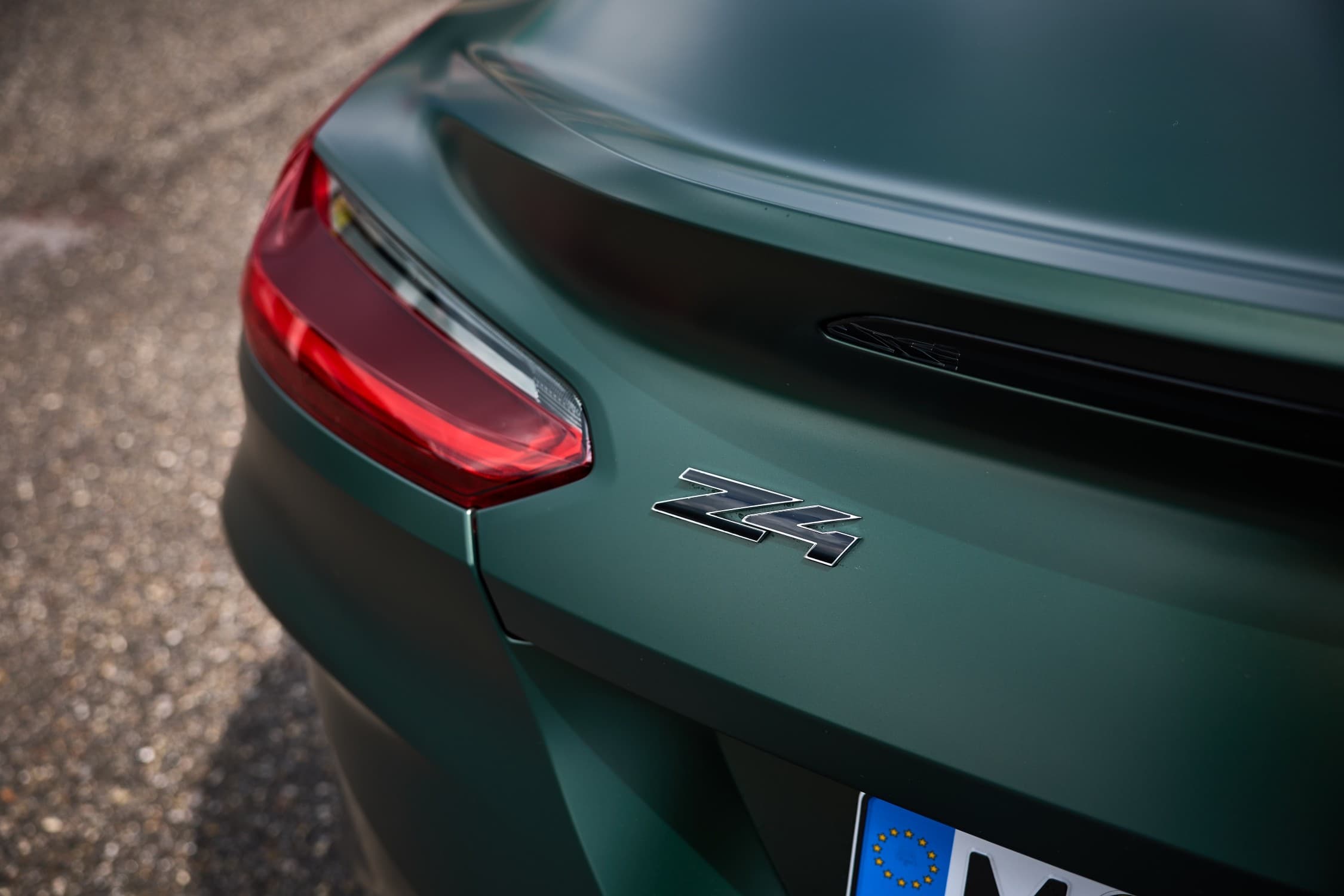
BMW Z4
4 generations
View parts →M Models
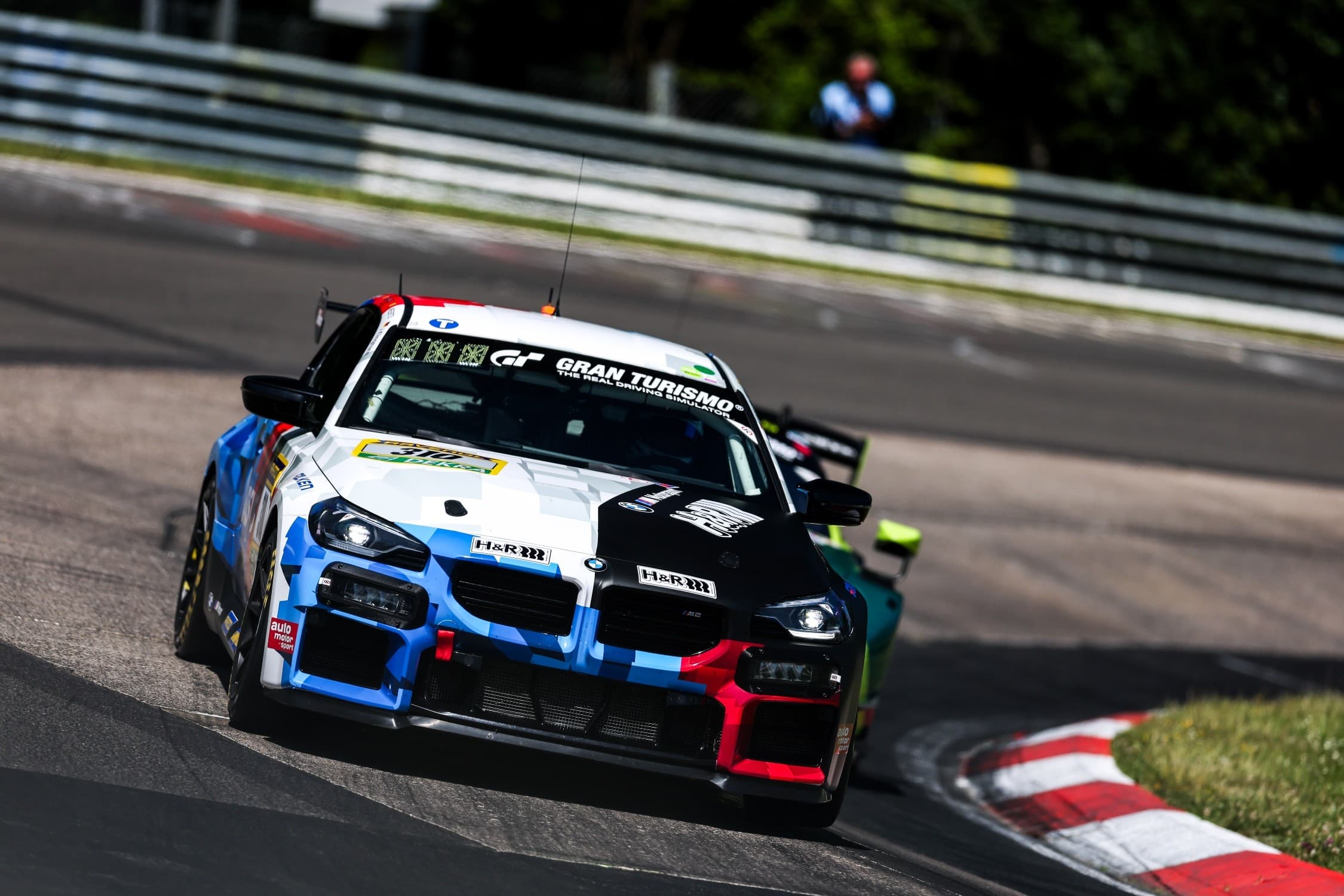
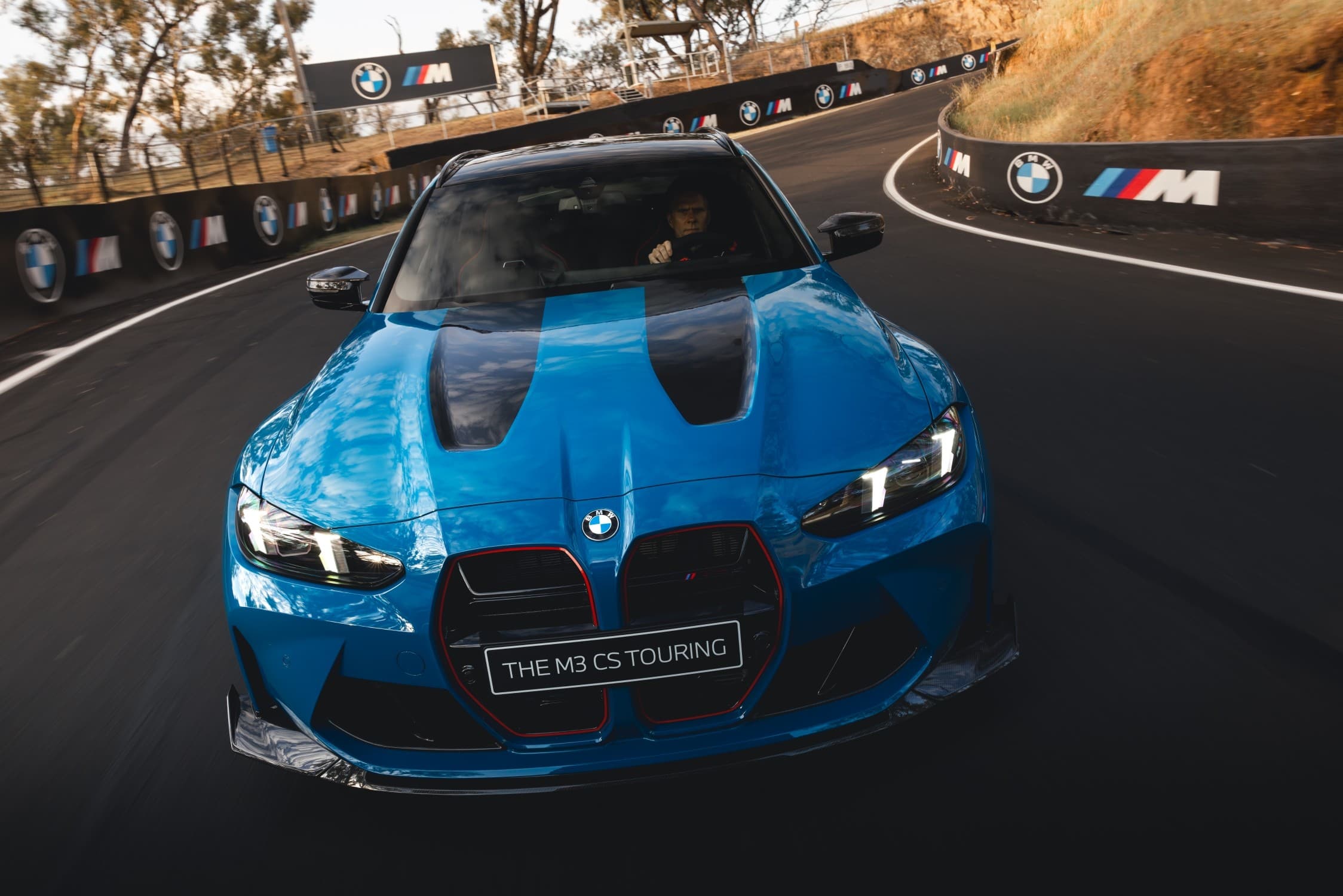
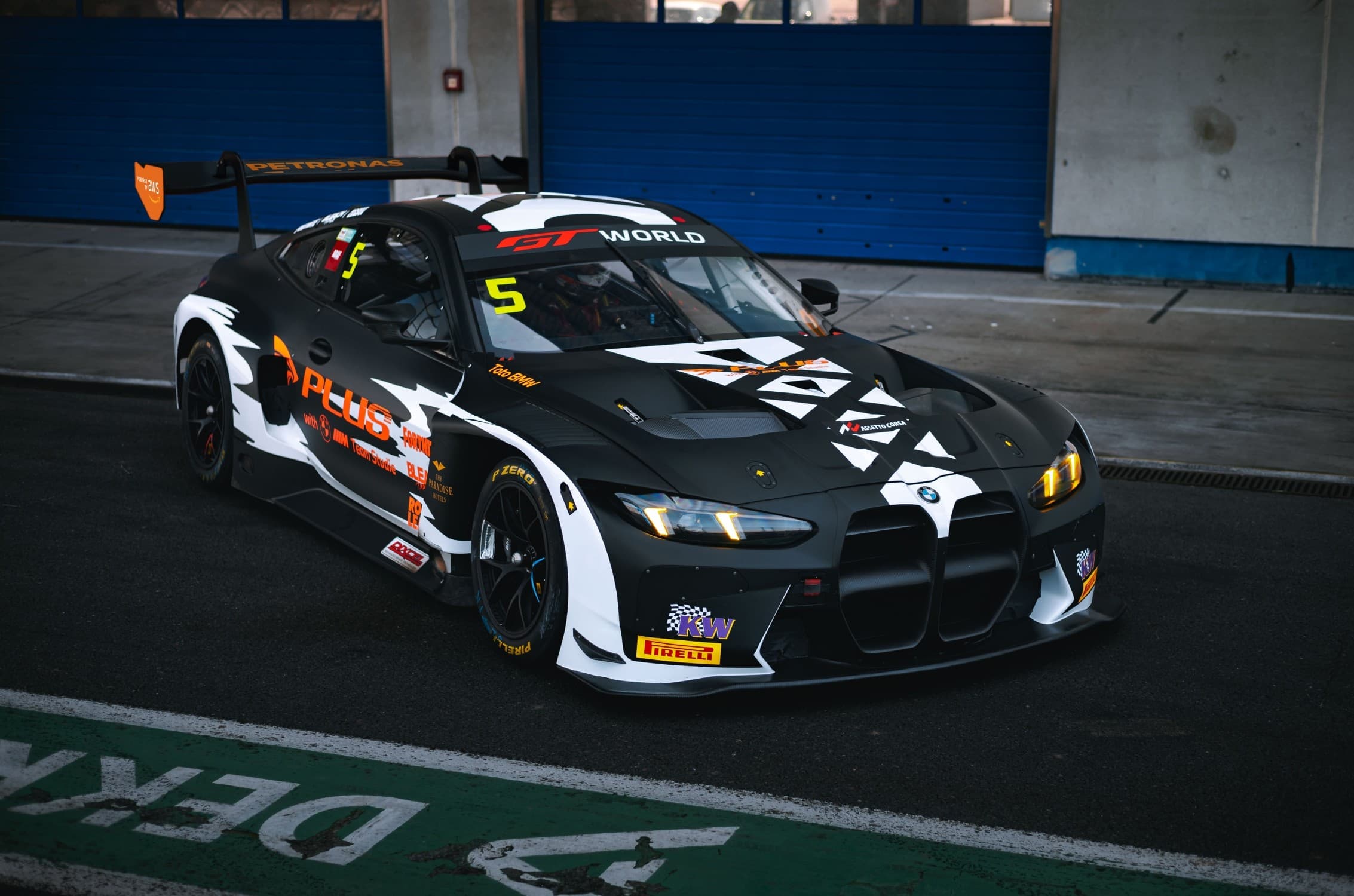
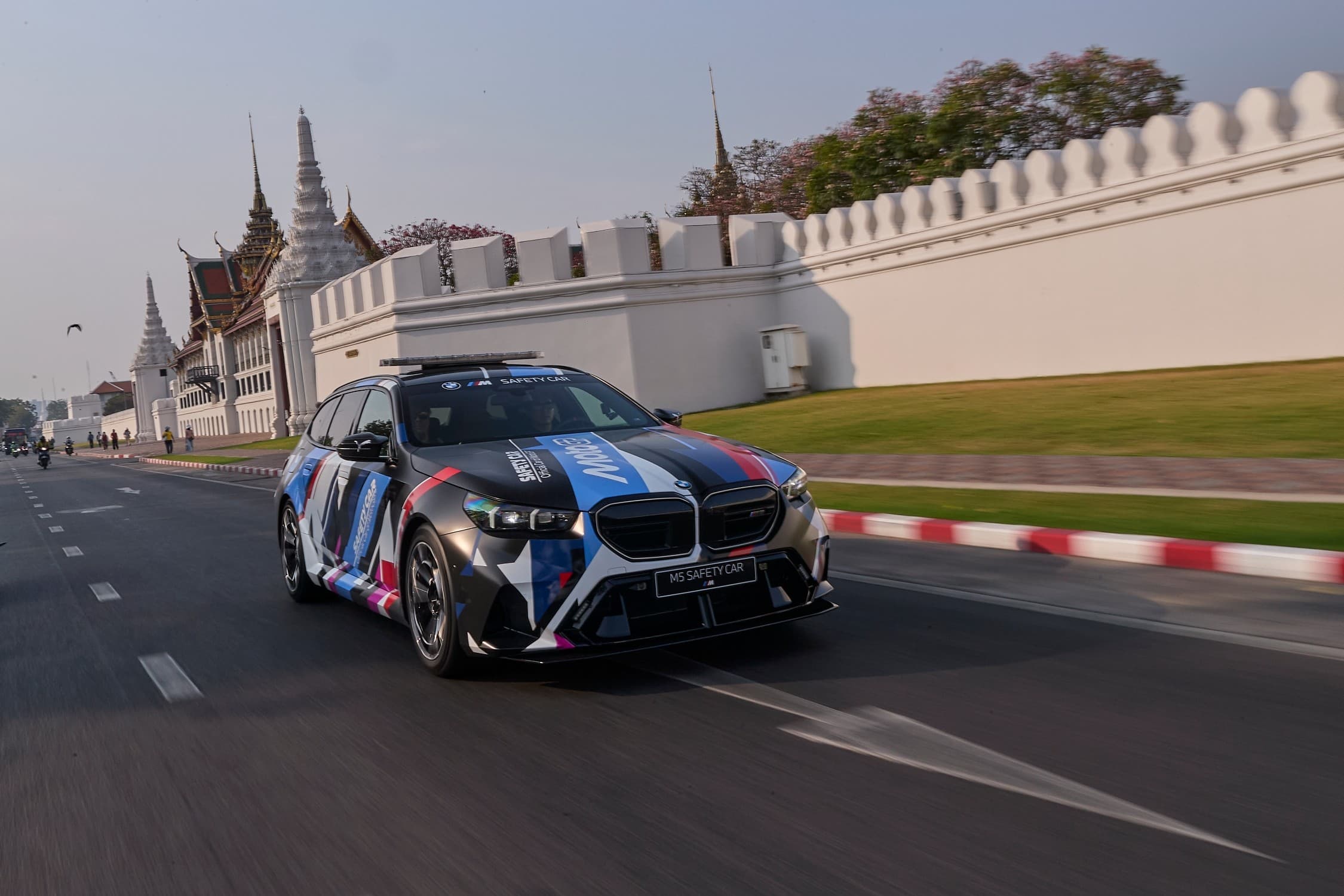
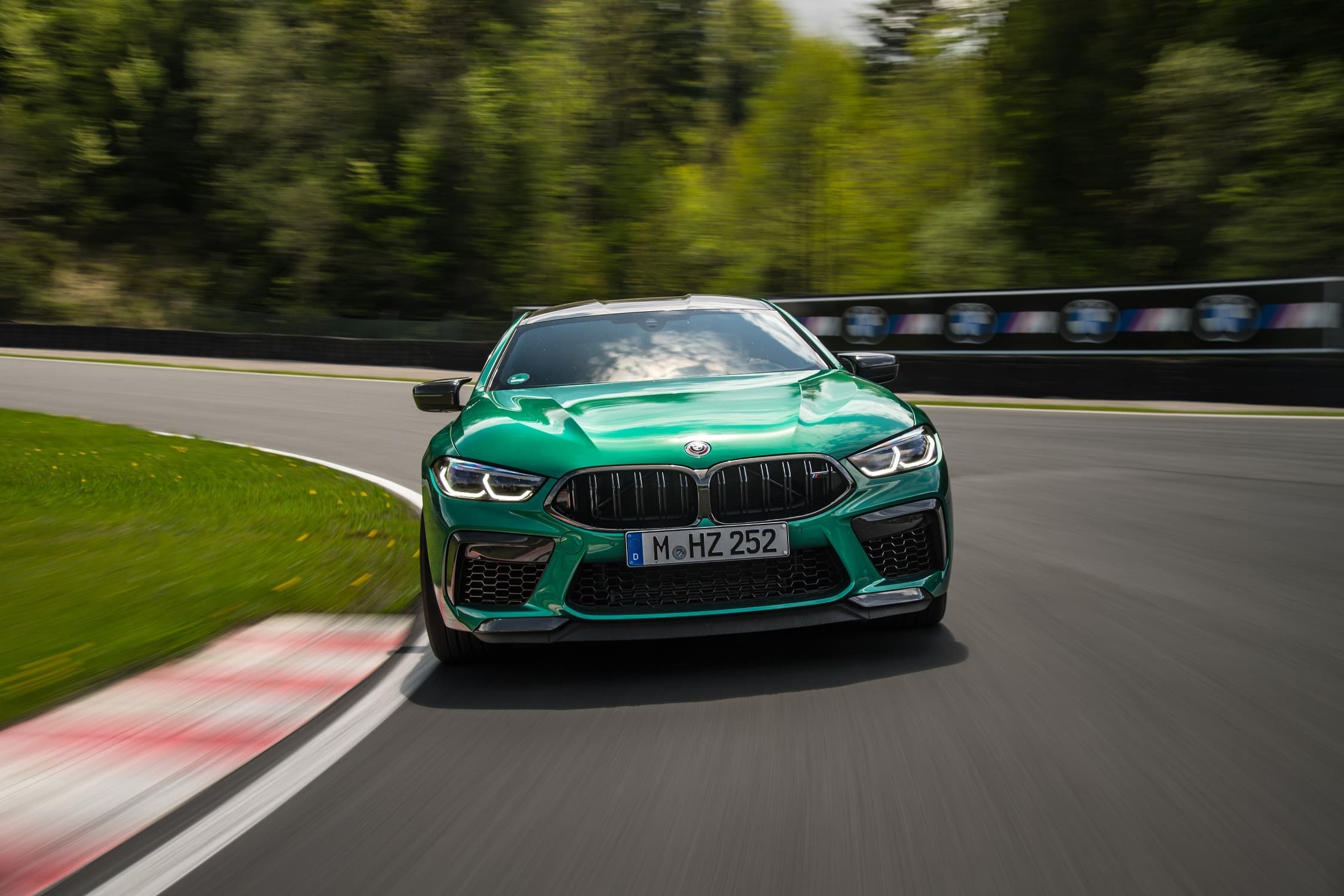
If you've ever tried to find aftermarket parts for a BMW and ended up buried in a forum thread from 2011 arguing about whether the E46 or the E90 is the better platform, you already understand why a proper BMW models catalog matters. This site exists to cut through that noise. I built BimmerTalk because I got tired of hunting across six different tabs to figure out whether a specific coilover kit fit my chassis, what oil capacity my engine actually needed, or which brake pad compound was worth the money for a street car that sees a track day twice a year. Everything here is organized by model, by chassis code, and by the upgrades that actually make a difference on each specific platform.
I'm running a G20 330i with the B48 right now as my daily. Before that I had an F30 335i with the N55, and before that an E90 330i with the N52. I've wrenched on enough of these cars to have opinions, and I spent a year doing marketing for BMW and MINI, so I understand how the brand positions these vehicles commercially versus what they actually are mechanically. That context shapes how this catalog is organized. It's not sorted by price or prestige. It's sorted by how BMW actually engineered and sold these cars, which means chassis codes first, engine codes second, and upgrade paths third.
What This BMW Models Catalog Actually Covers
The BMW models catalog on this site covers every production BMW that has a meaningful aftermarket presence in North America. That means roughly the E30 era forward, though the depth of coverage scales with how active the community is for each platform. A 1992 E34 525i has a smaller aftermarket footprint than a 2015 F80 M3, so the content reflects that reality. I'm not going to pretend there are fifty premium coilover options for an E32 740i when there aren't.
Here's what each model page on this site tries to answer:
- What chassis code does this car use, and what does that mean for parts compatibility
- Which engine variants were offered, with displacement, turbo or NA, and relevant specs
- What are the most common failure points and maintenance items owners deal with
- Which suspension, brake, wheel, and engine upgrades actually fit and have been tested by real owners
- What the current used market looks like for buyers evaluating a purchase
- Where the tuning ceiling is for each engine if you're building rather than just maintaining
I keep the buying guides and technical breakdowns in the articles section, and the product categories are structured so you can go directly from a model page to the specific parts that fit. That flow matters. I've seen too many parts sites where you search for brake pads and get results for four different BMW generations mixed together with no filter for your specific chassis. That's not useful.
How BMW Chassis Codes Work - A Quick Primer
If you're new to BMW ownership or you've always just searched by year and model name, understanding chassis codes will change how you shop for parts and how you read forums. BMW assigns an internal chassis code to each vehicle platform, and these codes are what actually determine parts compatibility, not the marketing name. A 3 Series from 2012 and a 3 Series from 2019 share almost nothing mechanically, but both are called a 3 Series in BMW's advertising. Knowing that one is an F30 and the other is a G20 tells you everything.
The letter prefix indicates the generation era:
- E-chassis - roughly 1975 through 2013, depending on the model line. These are the classic BMWs that built the brand's reputation for driver engagement. E21, E30, E36, E46, E90/E92/E93 for the 3 Series. E34, E39, E60 for the 5 Series. E38, E65 for the 7 Series. The E-chassis cars are where the enthusiast aftermarket is deepest and most mature.
- F-chassis - roughly 2010 through 2019 depending on the model. The transition generation. BMW moved to more complex electronics, electric power steering on most models, and a broader range of turbocharged engines. F30, F31, F34 for the 3 Series. F10 for the 5 Series. F22, F23 for the 2 Series. F80 for the M3, F82 for the M4. The F-chassis cars are where the N55 and S55 tuning scenes are most active right now.
- G-chassis - 2017 to present. Current generation. More electronics, more driver assistance systems, bigger touchscreens, and the shift to the B48 and B58 modular engine family for the mainstream lineup. G20 for the current 3 Series, G30 for the 5 Series, G42 for the 2 Series coupe, G80 for the M3, G82 for the M4. The G-chassis aftermarket is growing fast but hasn't reached the depth of the F-chassis yet.
Beyond these three main eras, there's also the older 2002 era cars, the E9 coupes, and various early E-series that have passionate but smaller communities. This site covers them where the content is useful, but the main depth is E30 through G-chassis.
You can use the chassis decoder tool on this site to look up any BMW chassis code and see what models it covers, what engines were available, and what years it spans. That tool is one of the most useful things I've built here, especially if you're shopping used cars or buying parts for a friend's car and you're not sure exactly what you're dealing with.
The Engine Code System - Why It Matters More Than You Think
Chassis codes tell you the body and platform. Engine codes tell you what's actually under the hood and determine your upgrade ceiling, your maintenance schedule, and which aftermarket components are compatible. BMW uses a structured alphanumeric system for engine codes, and once you learn the pattern, you can decode a lot of information quickly.
The basic structure for modern BMW engines is: letter prefix indicating family, two digits for displacement in tenths of a liter, then additional characters for variant. So the N52B30 is an N-family engine, 3.0 liters, naturally aspirated straight-six. The N55B30 is also a 3.0 liter straight-six but turbocharged and a completely different engine with different maintenance requirements and a much higher tuning ceiling. The B48B20 is a B-family (current generation modular) 2.0 liter four-cylinder turbo. My G20 runs this engine, and it's a genuinely good motor - not as characterful as the old inline-sixes but more modern, more efficient, and more tuneable than most people give it credit for.
The engine families you'll encounter most often on this site:
- M20, M30, M50, M52, M54 - the classic naturally aspirated straight-sixes spanning the E30 through E46 era. The M54 in particular, in 2.5 and 3.0 liter form in the E46, is beloved for its smoothness and reliability. Tuning headroom is limited but the basics work forever if maintained.
- S54 - the 3.2 liter naturally aspirated six in the E46 M3. 333 horsepower stock. High-revving, sounds incredible, rod bearing issues if you're not on top of oil changes. Worth knowing before you buy one used.
- N52 - 3.0 liter naturally aspirated straight-six in the E90/E92 330i and E90 328i. My old E90 had this motor. Rock solid reliability, buttery smooth, zero tuning potential. If you want power from an E90, you need the N54 or N55.
- N54 - 3.0 liter twin-turbo straight-six in the E90 335i, E92 335i, E60 535i, and others. Widely considered one of the best tuning platforms BMW has ever built. The factory tune is conservative. A simple stage 1 tune with no hardware changes typically puts these at 380-400 wheel horsepower. It's a complicated engine with known issues - high-pressure fuel pump failures, walnut buildup on intake valves, water pump problems - but the performance ceiling is extraordinary for the money.
- N55 - the single-scroll twin-power turbo (essentially a single turbo) 3.0 liter six that replaced the N54. More reliable overall, slightly less tuning headroom but still gets to 400+ wheel horsepower with supporting mods. The F30 335i and F32 435i run this motor. My old F30 had the N55. Great engine.
- S55 - the twin-turbo six in the F80 M3 and F82 M4. 425-444 horsepower stock depending on variant. The tuning community has pushed these well past 600 wheel horsepower on supporting mods. S55 builds are the dominant discussion topic in F-chassis forums right now.
- B48 - current generation 2.0 liter four-cylinder turbo in the G20 330i, G42 230i, F30 330i (2016+), and many others. Stock power around 255 horsepower. With a tune, 310-330 wheel horsepower is achievable on the stock turbo. Intercooler upgrades and downpipes push it further. I've done a tune and a front-mount intercooler on my G20 and it's a noticeably different car.
- B58 - the 3.0 liter six-cylinder turbo in the G20 M340i, G42 M240i, F30 340i, and the Z4 M40i. This is the current performance standard for BMW inline-sixes. Stock power around 382 horsepower in M Performance trim. Stage 1 tune gets you to 450+ wheel horsepower. The B58 has developed a strong reputation and a growing aftermarket - it's essentially the N55's spiritual successor with a higher ceiling.
- S58 - the twin-turbo 3.0 liter in the G80 M3 and G82 M4. 473 or 503 horsepower depending on standard or Competition spec. Early tuning results are very promising. This is the current top of the tree for BMW performance engines.
The oil capacity tool on this site lets you look up the exact oil volume, filter type, and recommended spec for any of these engines. It sounds basic but I've seen people overfill N54 engines by a full liter because they used a generic database that didn't account for the dry sump variation. Get this right from the start.
The E-Chassis Generation - Where BMW's Reputation Was Built
If you talk to someone who's been in the BMW world for more than fifteen years, the E-chassis cars are what they're referring to when they say BMW used to make great driver's cars. That's not just nostalgia. These are mechanically simpler vehicles with hydraulic steering, more driver feedback, and bodies that were designed before every surface had to accommodate a camera or a sensor cluster. They're also significantly cheaper to buy used, which makes them attractive entry points for people who want a performance-capable BMW without a large budget.
The E30 (1982-1994) is the origin point for the modern BMW aftermarket. The E30 M3 is a genuine motorsport icon with the S14 four-cylinder, and the standard E30 325i with the M20B25 is one of the better handling small coupes ever made. Parts availability for E30s has actually improved over the last decade as specialized suppliers have started manufacturing reproduction panels, rubber, and mechanical components. If you're building an E30, expect a longer sourcing process than modern cars but ultimately a very complete parts ecosystem.
The E36 (1990-2000 depending on variant) is where the modern 3 Series template was established. The M3 variant with the S50 or S52 engine is a popular track build. The standard 328i with the M52 is reliable and handles well. E36 suspension geometry is simple enough that knowledgeable owners modify it themselves, and the coilover selection for E36 is still broad. If you're on a limited budget and want a capable track day car, a clean E36 328i with good rubber and a basic suspension setup competes with cars that cost three times as much.
The E46 (1998-2006) is probably the most universally praised BMW chassis in the community. The 3.0 liter M54 in the 330i delivers a perfect mix of power, smoothness, and reliability. The E46 M3 with the S54 is considered a benchmark sports car by people who've driven dozens of performance vehicles from this era. E46 subframe cracking is a real and well-documented issue - check it before you buy any E46, especially M3 variants - but otherwise this is a robust platform. The aftermarket for E46 is enormous. Coilovers, brake upgrades, intake systems, engine management for the S54, wheels in every fitment you could want.
The E90/E91/E92/E93 family (2005-2013) is where things get complicated. This generation had more powertrain variants than any previous 3 Series, ranging from the modest N46 four-cylinder in the 318i through to the S65 V8 in the E90/E92 M3. The E92 M3 with the S65 is a genuinely special car - a 4.0 liter naturally aspirated V8 with 414 horsepower that revs past 8,000 RPM. It's loud, characterful, and requires careful maintenance. Rod bearings are the main concern. Budget for an inspection and a rod bearing replacement if you're buying used.
For standard E90 variants, the 335i with the N54 is the enthusiast choice by a wide margin. If I were buying an E90 today and my budget was under $15,000, I'd buy the best-maintained N54 335i I could find over any other variant. The tuning math is just too compelling to ignore.
The F-Chassis Generation - The Tuner's Current Sweet Spot
The F-chassis era is where the BMW aftermarket is most active and most commercially developed right now. These cars are old enough to have depreciated into realistic price territory, but new enough to have modern safety features, relatively current technology, and engines with substantial tuning headroom. The F30 335i with the N55, the F80 M3 and F82 M4 with the S55, and the F87 M2 Competition with the S55 are the cars driving the most aftermarket development right now.
The F30 (2012-2018) replaced the E90 as the standard 3 Series. It's larger than the E90 and heavier, which drew some criticism, but the driving dynamics are still genuinely good especially in the 335i variant. The shift to electric power steering from the hydraulic unit in the E90 is the main complaint from purists - it's accurate but slightly numb compared to the old system. For daily driving purposes, the F30 is a better car in almost every objective way. The trunk is bigger, the refinement is higher, the infotainment is more modern, and the crash safety is significantly improved.
F30 suspension upgrades are well-supported. The coilover options for F30 span from budget-friendly KW V1 or Bilstein B14 setups in the $1,200-1,500 range all the way to KW V3 or HLS systems in the $2,500-3,000 range. For a street car with occasional track use, the KW V2 is probably the best balance of ride quality and performance - it gives you rebound adjustment without the added complexity of the V3's compression adjustment.
The F10 5 Series (2010-2017) is worth a specific mention because it's often overlooked in favor of the sportier 3 Series but represents genuinely good value. An F10 535i with the N55 gives you essentially the same engine as the F30 335i in a larger, more comfortable car, and used prices have dropped to the point where finding a clean example under $20,000 is realistic. The F10 M5 with the S63 twin-turbo V8 is a different conversation entirely - those cars are complex, expensive to maintain, and capable of staggering performance with a tune.
The F80 M3 and F82 M4 are the centerpiece of the current aftermarket development cycle. The S55 engine responds very well to tuning, and the community has mapped out the supporting modifications required to reach different power levels with reasonable reliability. A typical stage 1 setup on an S55 - ECU tune, catless or high-flow downpipes, charge pipe upgrade - puts you around 480-510 wheel horsepower depending on conditions. Adding a charge cooler and upgraded fuel system pushes the ceiling higher. The hardware ecosystem for S55 builds from Burger Motorsports (BMS), Active Autowerke, Dinan, and VRSF is mature and well-tested.
The F22 M235i and F87 M2 are smaller, lighter, and in the case of the M2, sharper to drive than the M3/M4. The M2 Competition with the S55 borrowed from the M3/M4 is the one to have if you want the ultimate driving machine ethos in a smaller package. Original F87 M2 cars with the N55 are arguably better balanced for street use, and they're significantly cheaper. I'd take an F87 M2 with the N55 over an F82 M4 base car for pure driving enjoyment. Fight me.
The G-Chassis Generation - Current Production and Growing Aftermarket
The G-chassis cars are BMW's current lineup, and they represent a significant leap in electronics complexity, driver assistance systems, and overall refinement compared to the F-chassis. They're also the most controversial generation in terms of styling - the G80 M3 and G82 M4's kidney grilles drew a reaction from the community that I'd describe politely as mixed. The driving dynamics are objectively very good. The styling is a matter of taste.
My daily is a G20 330i with the B48B20. I bought it knowing I'd tune it, and I have. Here's my honest assessment after about two and a half years: this is a better daily driver than my F30 335i was in almost every measurable way. Quieter, more comfortable, more refined technology, better fuel economy when you're not pushing it. The B48 isn't as characterful as the old N55 inline-six, but it's more than adequate for daily driving, it tunes well, and the rest of the car package is genuinely impressive.
The G-chassis aftermarket is growing but hasn't caught up to F-chassis depth yet. For suspension, lowering spring options for the G20 are plentiful - H&R Sport Springs, Eibach Pro-Kit, and ST Suspensions all offer G20-specific kits that drop the car 1.0-1.5 inches while maintaining acceptable ride quality. Coilover options are expanding - KW, BC Racing, and Bilstein all have G20 fitments now.
For engine performance on G-chassis cars, ECU tuning via flash tune from Bootmod3 (BM3) or MHD Tuner is the most common entry point. A stage 1 tune on a stock B48 G20 330i typically delivers 295-310 horsepower at the wheels versus the factory 255 horsepower rating. Pair that with an upgraded intercooler and a downpipe, and you're looking at 330-350 wheel horsepower from a car that cost $45,000 new and looks entirely stock. That's the B48 value proposition.
The G80 M3 and G82 M4 with the S58 engine are early in their tuning development but the results so far are very promising. The S58 appears to have more factory headroom than the S55, and stage 1 results have been impressive. The all-wheel-drive xDrive variants are the drag strip weapons - the RWD Competition is better on track and more involving to drive. BMW also offers the G80 M3 Touring in international markets, which is objectively the correct way to do a performance wagon, and I remain bitter it's not officially sold in North America.
For G-chassis owners who want to explore beyond simple performance mods, coding and diagnostic tools like Bimmercode and ISTA unlock a significant amount of configurability in the vehicle electronics - everything from enabling features the factory disabled for the market to customizing lighting behavior and driver assistance settings. This is one of the underrated pleasures of owning a current BMW.
BMW SUV and SAV Models - Yes, They're Here Too
I know some of you came here for the sedans and coupes and are now slightly alarmed that I'm about to talk about SUVs. Stick with me. BMW sells a lot of X-models, and a significant percentage of this site's visitors own an X3 or X5 and want to know how to maintain it properly or add some suspension upgrades. That's legitimate and I'm not going to pretend the SAV lineup doesn't exist.
The X3 in its current G01 form and the X5 in its current G05 form use the same B48 and B58 engine family as the road cars. Parts cross over more than you'd expect. The G01 X3 M40i with the B58 is legitimately quick - 0-60 in around 4.4 seconds stock, and a stage 1 tune makes it noticeably faster. The aftermarket for X3 and X5 B58 tunes is mature because the engine is shared with so many other platforms.
The X5 M in F85 and G05 form with the S63 twin-turbo V8 is where things get genuinely interesting. These are cars with 600+ horsepower in stock Competition trim, and the S63 tuning community has pushed them to numbers that seem unreasonable for a large SUV. If someone in your life needs to transport three children and two large dogs while also being able to embarrass a Corvette at a light, the X5 M is a perfectly rational choice.
For X-model maintenance and the common failure points - transfer case issues on older X5s, air suspension problems on E70 X5s, cooling system maintenance on anything with the N54 - the model pages cover these in depth. I'm not going to sugarcoat it: the E70 X5 with the N54 is a complex car to maintain and the repair costs are significant if things go wrong. Know what you're getting into before you buy one.
How This Site Is Organized - Finding What You Need Fast
The site structure follows a simple logic: start with the model, then narrow to the system or part type, then get to specific product recommendations. Here's how the main navigation works in practice.
The models index (where you are now) lists every BMW model covered on the site. Click on any model and you get a model-specific overview page that covers the production years, available engines, common maintenance items, and links to the relevant parts categories filtered for that chassis. So if you're on the F30 3 Series page, the suspension link takes you to suspension products that actually fit the F30, not a generic suspension category with 400 mixed results.
The parts categories are structured by system:
- Suspension - covers coilovers, springs, sway bars, bushings, camber plates, control arms, and everything else that touches the chassis-to-wheel interface
- Brakes - covers brake pads, rotors, brake lines, calipers, and fluid. The brake pad guide in particular is worth reading before you buy pads if you're not sure what compound makes sense for your use case
- Engine - covers cold air intakes, intercoolers, charge pipes, downpipes, exhausts, and supporting engine hardware
- Chips and Software - covers ECU tuning solutions and coding and diagnostic tools
- Wheels and Tires - covers aftermarket wheels, tire recommendations by chassis and use case, and fitment guidance
The articles section runs buying guides, installation write-ups, and comparisons. If you want to understand why you'd choose a KW V3 over a Bilstein B16 for a specific use case before you spend $2,500 on suspension, read the BMW coilovers buyers guide first. That guide took me a long time to write and it's the most complete comparison I know of for BMW-specific coilover options.
The Brand Landscape for BMW Aftermarket Parts
There are hundreds of brands making parts for BMW, and the quality spectrum is genuinely enormous. I've seen $180 brake pads outperform $80 brake pads, and I've also seen $250 Chinese coilovers destroy a set of OEM-spec strut mounts in six months. The brand tier matters, and it matters differently depending on the component.
Here's my honest breakdown by category:
Suspension - Tier Rankings
Top tier for street use and light track work: KW Suspension (German, well-made, good warranty, the V2 is my go-to recommendation for most street builds), Bilstein (B14 and B16 coilovers are excellent, and the B6 shock with H&R spring combination is a classic setup), Ohlins Road and Track (expensive but genuinely excellent, the adjustability is real and meaningful), Moton (track-focused, overkill for street, brilliant for dedicated track cars).
Solid mid-tier: BC Racing (good value, adjustable, the quality has improved significantly in recent years - I've personally seen several G20 and F30 setups on BC Racing coilovers that have held up well), ST Suspensions (H&R's budget line, coilovers and springs both recommended), Eibach (springs are excellent, the sportline and pro-kit options for most BMWs give a clean 1.0-1.5 inch drop with predictable handling).
Proceed with caution: Generic eBay coilovers from no-name brands. I'm not going to call out specific brands because they change names constantly, but if you're looking at coilovers for $350 with free shipping and no country of origin listed, they're not going to feel like a KW. They're also probably not going to last three years of daily driving on New York or Chicago roads.
Brakes - Tier Rankings
For street pads, Hawk HPS and EBC Greenstuff/Yellowstuff are the most common recommendations in the community and they're both solid choices for a car that sees normal street driving and maybe one track day a year. They're in the $80-120 range per axle, which is reasonable.
If you're doing regular track days, move up to Hawk DTC-60, Pagid RS, or Carbotech XP10/XP12. These are in the $150-250 per axle range but they actually work at elevated temperatures instead of fading. I've seen Hawk HPS pads start glazing rotors on a second hot lap session at a track day. It's not a fun discovery at Turn 5.
For rotors, Brembo and Zimmermann slotted or drilled rotors are the community standard for a reason. Zimmermann in particular has been a favorite for stock-replacement performance rotors for decades. The drilled and slotted pattern improves heat dissipation and gas clearing. Pair them with ATE Typ 200 brake fluid if you're doing any track driving - stock brake fluid has a relatively low boiling point and will give you a spongey pedal if you're hammering the brakes repeatedly.
Engine Performance - Brand Rankings
For ECU tuning, the dominant options split by era:
- E-chassis cars with N54 or N55: Active Autowerke (AA), Wedge Performance, Cobb Accessport (N55 only), and custom dyno tunes from reputable shops. The N54 community has been tuned extensively enough that there's strong documented data on what a given tune should produce.
- F-chassis and G-chassis: Bootmod3 (BM3) and MHD Tuner dominate the flash tune market. Both are reputable products with large communities. Dinan is available if you want something that maintains your BMW dealer warranty coverage. ProTune setups from shops like Turner Motorsport or BimmerWorld are the choice for serious builds.
For intake and induction systems, Burger Motorsports (BMS), VRSF, and MST Performance make solid bolt-on intake kits for most BMW platforms. These are typically in the $200-400 range depending on the kit and platform. Dyno-tested gains on a B48 or B58 with a quality intake on a tuned car are real but modest - typically 10-20 wheel horsepower. The bigger benefit is intake sound, which is admittedly a legitimate reason to buy one.
For intercoolers on turbocharged platforms, VRSF, Mishimoto, and Chargeworks are the names I see most often with positive community feedback. I have a VRSF front-mount intercooler on my G20 330i and it's done exactly what was advertised - improved charge air temperatures significantly which lets the tune operate more aggressively without heat soak. On a pure street car the benefit is modest on a cold day and much more significant on a warm day or after extended spirited driving.
The Most Popular Model Pages on This Site
Based on what people search for and where they land, here are the model pages that get the most traffic and the ones I'd point people toward as a starting reference:
E46 3 Series - The Community Favorite
The E46 (1998-2006) generates more aftermarket parts searches relative to its production numbers than almost any other BMW chassis. This is partly nostalgia, partly the fact that clean E46s are still genuinely excellent driver's cars, and partly because the price point makes them accessible. A clean E46 330i with the M54B30 can be found in the $8,000-14,000 range in good condition depending on mileage and market. An E46 M3 in good condition starts around $25,000-35,000 now and is trending upward as the collector market discovers it.
Common E46 projects: full suspension refresh with coilovers and new bushings, brake system upgrade, wheel fitment from the wide range of 17 and 18 inch options that fit this chassis, and S54 performance modifications if you have the M3.
F30 3 Series - The Daily Driver Standard
The F30 (2012-2018) is probably the most common BMW in the United States right now, which means it's also the most common BMW that people are modifying. The 335i with the N55 is the enthusiast variant. Used prices for clean F30 335i sedans are in the $18,000-28,000 range depending on year, mileage, and options. The xDrive variants command a small premium in northern markets.
Common F30 projects: coilover or spring drop, ECU tune (massive bang for buck on the N55), intake and charge pipe upgrade, brake pad upgrade for anyone who drives enthusiastically, wheel fitment.
F80 M3 / F82 M4 - The Performance Benchmark
The F80 M3 (2014-2018) and F82 M4 (2014-2020) are the most discussed performance BMWs in the current aftermarket community. They've depreciated into realistic territory - clean F80 M3 sedans are in the $45,000-65,000 range for lower-mileage examples, with competition packages commanding more. The aftermarket for these cars is arguably the most developed of any current BMW platform.
Common F80/F82 projects: full exhaust system, S55 ECU tune, charge cooler upgrade, coilover installation, brake system upgrade to handle the increased performance, and wheel changes to reduce unsprung weight or improve fitment.
G20 3 Series - The Current Platform
The G20 (2019-present) is where I live daily, and the aftermarket is developing quickly. The M340i with the B58 is the performance variant to have - it gets to places the 330i can't reach without significant investment. The 330i with the B48 is what most people buy, and it's a genuinely good car that tunes well. Used G20 330i pricing starts around $32,000-38,000 for 2019-2020 examples as of this writing, with M340i examples starting higher around $42,000-50,000.
Common G20 projects: ECU tune (the single best value upgrade on this platform), intercooler upgrade, cold air intake, coilover or spring installation, coding via Bimmercode to enable hidden features.
E92 M3 - The V8 Era
The E92 M3 (2007-2013) with the S65 4.0 liter naturally aspirated V8 is a car that's still talked about in the same breath as the E46 M3 when BMW enthusiasts discuss the best driver's cars the company has ever made. It's louder, higher revving, and more communicative than anything with a turbo engine. It's also more expensive to maintain, and the rod bearing issue requires attention.
Rod bearing replacement on an S65 is a job I'd strongly recommend doing proactively at purchase if you're buying used. It's a significant service - typically $800-1,500 in parts and several hours of labor - but it's the kind of thing where neglecting it can result in a destroyed engine. The community consensus is clear: do it, do it early, document it.
Used E92 M3 pricing has been climbing. Clean low-mileage examples are regularly seen above $30,000-40,000 now, and exceptional examples with documented maintenance and the manual gearbox command more. The DCT (dual-clutch transmission) examples are faster and easier to drive quickly, but the 6-speed manual is the one the enthusiasts want.
Frequently Asked Questions About This BMW Models Catalog
Which BMW chassis should a first-time buyer consider
For someone buying their first BMW and planning to do some modifications while also daily driving it reliably, I'd point them toward the F30 328i or 330i with the N20 or B48 engine, or an F30 335i if they want more performance headroom. The F30 generation is old enough to have depreciated significantly, the parts ecosystem is mature, the cars are reliable when maintained correctly, and the aftermarket is broad enough that you can build the car exactly the way you want over time without hunting for obscure parts.
If budget is the primary concern and someone wants a classic BMW experience, an E46 330i or E46 325i with a solid maintenance history is an excellent starting point. These cars reward mechanical involvement and the ownership experience feels more connected than the more electronically sophisticated F and G chassis cars.
What do chassis codes like E46 and F30 actually mean
The letter indicates the generation era. E-chassis preceded F-chassis, which preceded G-chassis. The numbers within each era are internal BMW project numbers and don't directly indicate the vehicle series in a consistent way. A 30 suffix in different chassis eras refers to different cars - F30 is the 3 Series but E30 is also the 3 Series, while F10 is the 5 Series. The pattern isn't perfectly consistent, which is why the chassis decoder tool on this site is useful for confirming what you're dealing with before you order parts.
Are BMW-specific parts really that different from universal fit options
Yes. BMW's suspension geometry, brake specifications, and engine configurations are specific enough that universal parts either won't fit or won't perform correctly. Coilovers designed for a BMW have spring rates, shock travel, and mounting configurations specific to that platform. Brake pads spec'd for a BMW use friction compounds appropriate for the rotor material and caliper geometry. Cold air intakes need to fit the specific airbox location and MAF sensor configuration. Fitting generic parts is possible in some categories, but it's almost never the right choice when quality BMW-specific options exist at similar or marginally higher price points.
How do I know what year my car's chassis code covers
The simplest method is your VIN. The 10th character of a BMW VIN is the model year code - a standardized character that translates to a specific year. Once you have the model year, matching it to the correct chassis code is straightforward using any BMW reference. If your car has factory options like xDrive all-wheel-drive, the M Sport package, or a sport differential, these affect which specific parts fit, so it's worth confirming the exact production spec before ordering suspension or brake components.
Do I need to tune my car before adding bolt-on hardware
For turbocharged BMWs, the answer is generally yes for performance parts. An intake system on a stock ECU B48 or N55 will work, but the ECU can only partially compensate for the additional airflow without a tune. The measurable power gains from an intake alone on a stock map are modest - typically 5-10 wheel horsepower at best. With a tune calibrated for the intake, the ECU can take full advantage of the improved airflow and you'll see meaningful gains. The standard recommendation for turbocharged BMW builds is to tune first, then add hardware as a second step, so the tune can be calibrated for each hardware upgrade as it's added.
For naturally aspirated cars like the E46 M3 with the S54 or the E92 M3 with the S65, the tuning approach is different. These engines benefit from intake and exhaust work, but the ECU mapping is less critical than on turbocharged platforms. Cold air intakes, header upgrades, and free-flowing exhausts are the primary performance modifications for NA BMW engines.
Is it worth upgrading to aftermarket wheels on a stock BMW
It depends on what you're trying to achieve. Factory BMW wheels are generally well-engineered and appropriately sized for the car as delivered. The arguments for aftermarket wheels are: reduced unsprung weight with forged options (which genuinely improves handling feel), better fitment for lowered cars where the stock offset may not look right, and aesthetics. If you're lowering the car, upgrading to wheels with a fitment dialed in for the new ride height makes the whole package look intentional rather than like the car is wearing shoes that don't fit.
For wheel brands, HRE, BBS, and Rays are the top-tier forged options with prices in the $3,000-8,000+ range for a set. For a more accessible price point, Apex Wheels and Enkei make solid flow-formed wheels that offer meaningful weight savings over cast options at $1,200-2,500 for a set.
What's the best single upgrade for a turbocharged BMW
A flash tune, without hesitation. If you only do one thing to a B48, B58, N55, or N54 BMW, make it a calibrated ECU tune. The factory tune on these engines is conservative for regulatory and warranty reasons. A reputable tune from Bootmod3, MHD, or Active Autowerke unlocks what the engine is already capable of mechanically. On an N55, a stage 1 tune on stock hardware typically delivers 50-70 additional wheel horsepower with no mechanical changes. On a B48, you're looking at 40-55 additional wheel horsepower. No other single modification comes close to that ratio of cost to performance gain. A tune costs $400-600 for a quality flash tune solution. The gains are immediate, repeatable, and safe on a healthy engine.
A Note on Information Currency and Pricing
Used car prices for BMWs shift with the broader market, interest rates, and the enthusiast community's current obsessions. The prices I've cited throughout this catalog are accurate as of my writing this, but the BMW market can move meaningfully over a period of months. A specific chassis that develops a cult following can gain 20% in value in a short period. The broader trend for older enthusiast BMWs has been upward for the last several years, which means the E46 M3 you could buy for $15,000 in 2018 is now a different budget proposition entirely.
For aftermarket parts pricing, the figures I've cited are based on current retail pricing from established brands. Parts prices tend to be more stable than used car prices, but they do change. Always check current pricing directly from the supplier or on this site before making a purchasing decision based on a figure you read in an article.
The technical specifications - power figures, weight measurements, chassis dimensions - don't change for a given model year and engine code. Those you can rely on indefinitely. A stock N55 in a 2013 F30 335i made the same horsepower in 2013 that it makes today, and the factory specifications are documented.
Community Resources and Where to Find Real Answers
This site is one resource among several. I'd be doing a disservice if I didn't point you toward the community forums and communities where real BMW owners document their builds, diagnose problems, and share hard-won knowledge accumulated over years of ownership.
For general BMW discussion and model-specific technical help, Bimmerpost and E46Fanatics are the most active English-language forums. Both have searchable archives that go back fifteen or more years, which means if you're diagnosing a specific fault code on an N54 or trying to understand a noise from the rear diff on an E46, someone has almost certainly documented your exact problem with a solution. Read before you post - most common questions have been answered comprehensively.
For M-car specific discussion, M3Forum and the M-specific subforums on Bimmerpost have deep technical knowledge from owners who've pushed these cars much harder than most. If you're planning a track build on an F80 M3 or an E92 M3, reading through documented builds from experienced owners before you spend money on parts is time well spent.
YouTube has become an underrated resource for BMW ownership information. Channels run by professional BMW technicians and experienced enthusiasts have published substantial libraries of content covering common repairs, modification walkthroughs, and honest assessments of aftermarket products. The visual format matters for mechanical work - watching someone replace a B48 charge pipe in real time tells you more than any written guide about how the job actually goes.
For current pricing on used BMW models, BringaTrailer for enthusiast examples and Autotrader or CarGurus for the broader market give you a realistic sense of what the market is paying. Auction results on BringaTrailer in particular are useful because they show what informed buyers paid in competitive, transparent conditions - which is often more accurate than asking prices on traditional classified listings.
What's Coming to This Catalog
This site is a solo operation, which means the content develops at the pace I can actually maintain while also wrenching on BMWs and having a job. Here's what I'm actively working on adding to the models catalog:
- A full E46 model page covering the complete powertrain range from 318i to M3, with specific maintenance schedules for the M54 and S54 engines and a complete subframe cracking inspection guide
- A detailed F80 M3 / F82 M4 build guide covering the documented S55 power levels at each stage of modification with supporting hardware requirements and estimated costs
- A G20 platform guide covering both the B48 and B58 upgrade paths, including the intercooler options I've personally tested and can speak to with real data
- An expanded E9x M3 section covering both the S65 V8 version and the S54 E46 M3 for buyers deciding between the two generations
- More detailed coverage of the Z4 lineup across E85, E89, and G29 generations, including the current G29 Z4 which shares the B48 and B58 with the G20 and has a growing and enthusiastic community
- Better coverage of the 1 Series - the F20 and F21 hatchbacks in particular have a strong following in European markets and the M135i with the N55 is a surprisingly capable performance car for the money
If there's a specific model or chassis you want covered that isn't here yet, the contact form on this site reaches me directly. I read every message. It takes me longer than I'd like to respond sometimes, but I do respond, and requests for specific model coverage genuinely influence what I write next.
Final Thoughts on Navigating the BMW Aftermarket
The BMW aftermarket is one of the largest and most developed ecosystems for any automotive brand in the world. That's both a blessing and a problem. The blessing is that parts exist for nearly every platform, at nearly every price point, for nearly every purpose. The problem is that the sheer volume of options, brands, and conflicting forum opinions makes it genuinely difficult to make confident purchasing decisions without spending hours on research.
My goal with this catalog and the rest of this site is to compress that research process into something manageable. Not by oversimplifying - real BMW enthusiasts want real detail and don't need things dumbed down - but by organizing the information in a way that respects your time. Start with your chassis code, understand your engine, read the model-specific guidance, then get into the parts categories that matter for your build goals.
The best BMW you can own is one that you maintain properly, understand deeply, and modify thoughtfully. A stock E46 330i with fresh suspension bushings, proper alignment, and good rubber will outhandle a modified car with worn components and a bad alignment by a significant margin. The upgrades here are genuinely worth doing, but they're multipliers on a solid foundation, not substitutes for one. Get the fundamentals right first.
If you're new here, start with the model page for your specific chassis. If you already know your car and you're here for specific product guidance, the category navigation will get you there directly. Either way, welcome. There's a lot of content here and more coming regularly. Enjoy the cars.

Kamil Siegień
Founder of BimmerTalk. Five years wrenching on BMWs, currently dailying a G20 330i with the B48 turbo four. Spent a year doing marketing for BMW and MINI before going independent. I write everything on this site myself.
More about the site