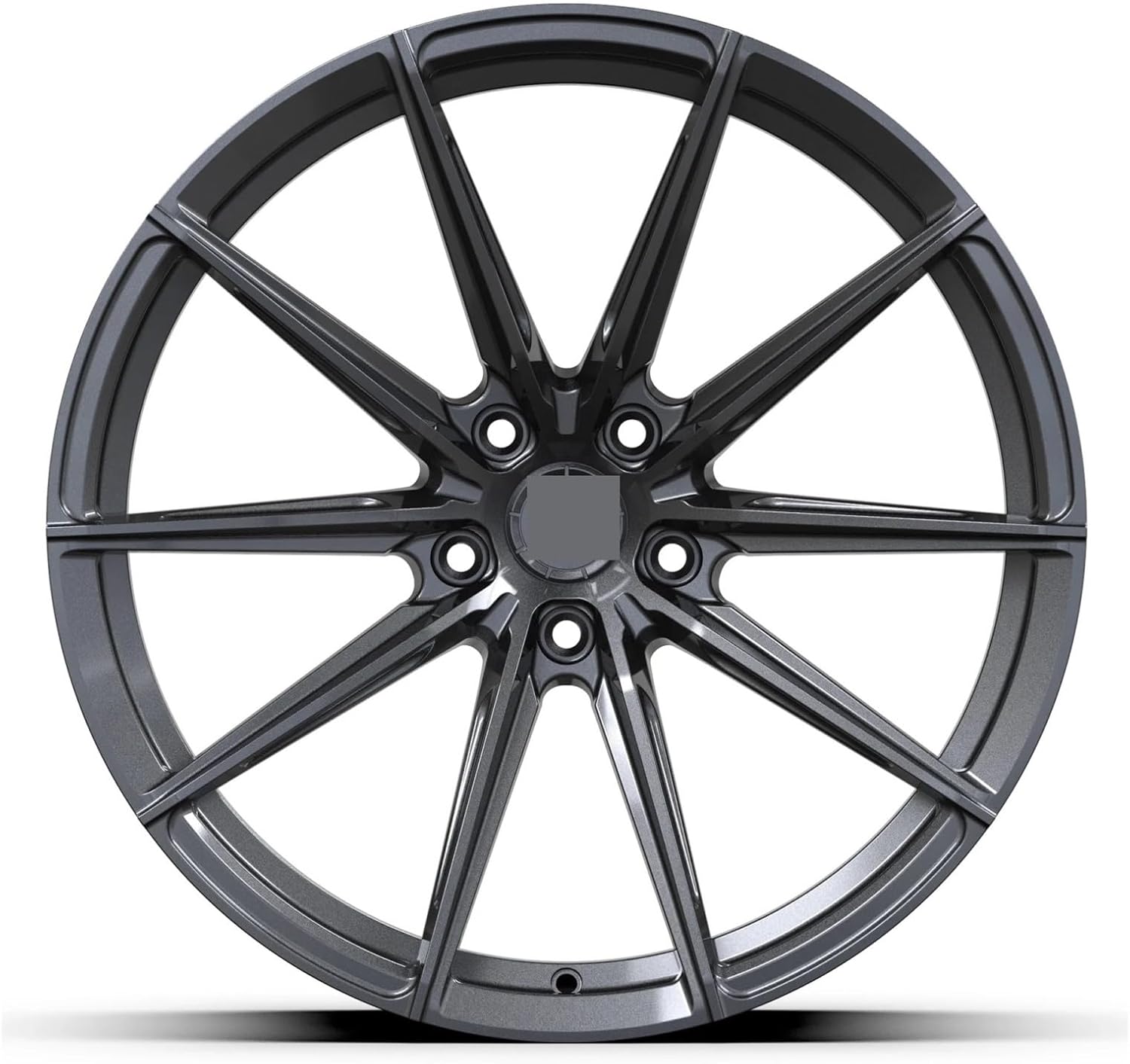
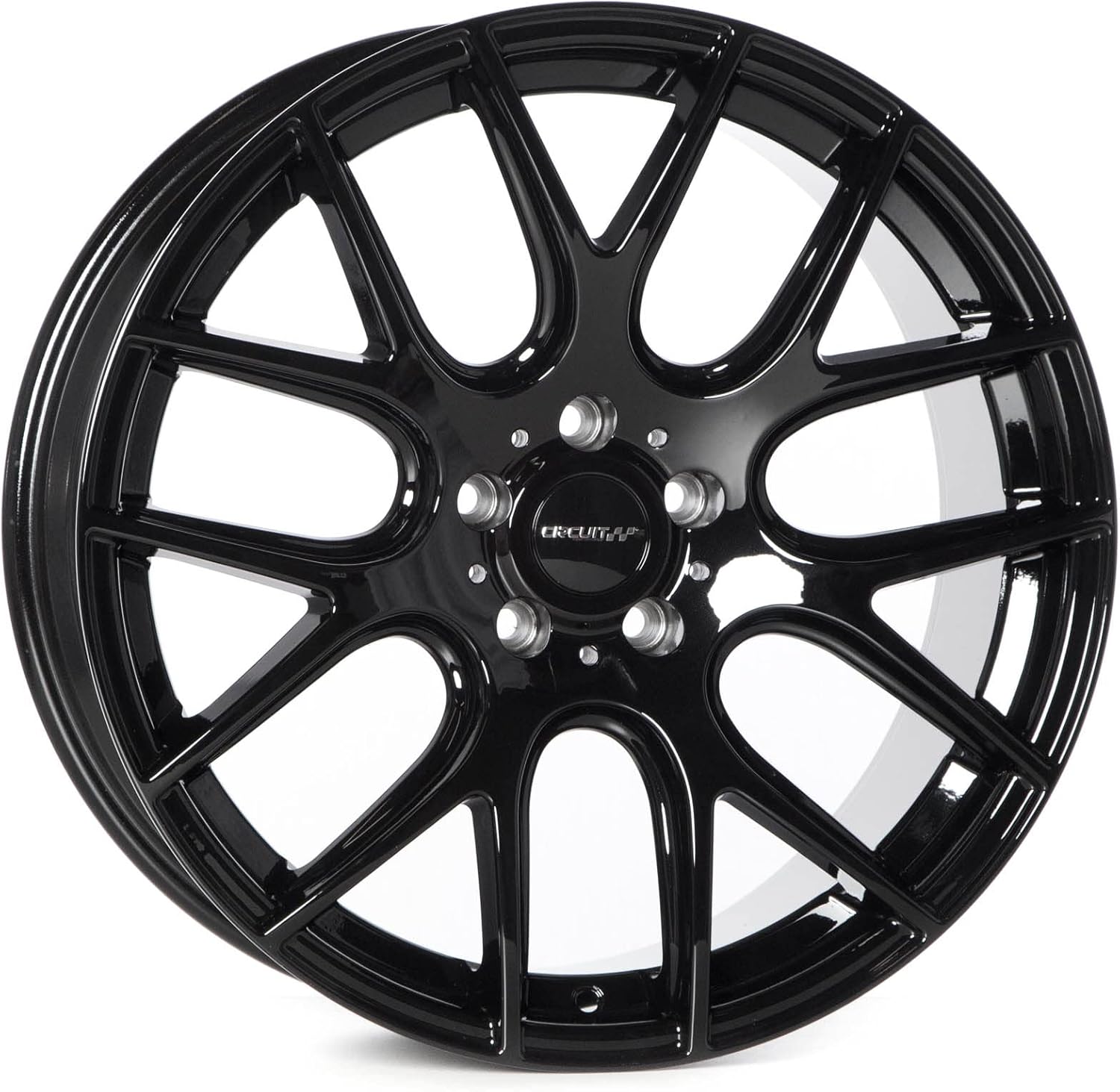
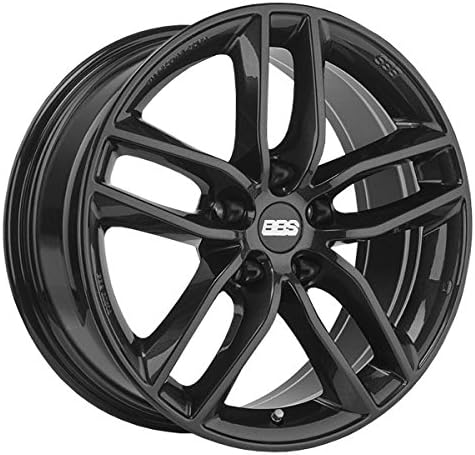
Best Wheels for BMW M3 - OEM, Aftermarket, Track
I have spent five years bolting wheels onto BMWs, and I still remember the exact moment I understood what unsprung mass really costs you. It was a friend's F80 M3 on the factory 666M Competition wheels, which weigh a fat twenty-four pounds per corner in cast trim. We pulled them off, bolted on a set of 18x9.5 Titan 7 T-R10s at roughly eighteen pounds apiece, put the same tires back on, and took it straight to a local autocross. The car was transformed. Steering lightened up the second we left the pit lane. Mid-corner ride over broken pavement went from the wheels skipping to the wheels tracking. Braking felt sharper because there was less rotational inertia to arrest. Six pounds per corner, twenty-four pounds total, and the car drove like it had lost half a person off the chassis weight sheet. That day reset how I think about wheel selection on every M3 I have owned or worked on since.
Here is the thing that makes M3 wheel choice harder than on a regular 3 Series. Across five generations - E36, E46, E92, F80, G80 - the M3 changes its bolt pattern, its hub bore, its factory offset philosophy, its differential logic, and its body dimensions. The E46 is on 5x120 with a 72.56mm bore and a split factory offset that nobody who builds a square setup respects. The E92 adds ZCP Competition offsets and larger S65 V8 brakes that demand brake clearance on 18-inch track wheels. The F80 shares the 5x120 pattern but bolts it to an Active M Differential that hates rolling radius mismatch. And then the G80 breaks everything by switching to 5x112 with a 66.5mm hub bore - the first M3 that cannot share wheels with any older M3 without an adapter you shouldn't actually run. Mix up chassis-specific fitment on any of these cars and you end up with wheels that either rub, poke, bind the diff, or ride on lug-centric vibration instead of the hub flange.
This is the full guide I wish had existed when I was buying my first aftermarket set. Every chassis gets its own fitment math and product picks. Every tier - from budget flow-formed to ultra-premium three-piece forged - gets honest numbers. Square versus staggered gets the real answer, not the forum shouting match. I will tell you what I bolt onto cars in my shop, what I tell friends to buy, and what I walk people away from because the price is hiding a fundamental design compromise. By the end of this you will know exactly which wheel belongs on your M3, at what offset, with what tire, paired with which spacers and studs. Let's get into it.

E36 to G80 (5 generations)
Chassis Covered
5x120 to 5x112 at G80
Bolt Pattern Change
3-5 lbs per corner
Weight Savings Target
$800 to $15,000+
Price Tier Range
| Chassis | Bolt Pattern | Hub Bore | OEM Size | Daily Fitment | Track Square |
|---|---|---|---|---|---|
| E36 M3 | 5x120 | 72.56 | 17x7.5 | 17x8.5 ET38-45 | 17x9.5 ET25 |
| E46 M3 | 5x120 | 72.56 | 18x8/9 | 18x8.5-9 ET35-42 | 18x9.5 ET22 |
| E92 M3 | 5x120 | 72.56 | 18x8.5/9.5 ZCP 19x9/10 | 19x9.5 ET33-40 | 19x9.5 ET35 |
| F80 M3 | 5x120 | 72.56 | 18x9/10 std 19x9/10 Comp | 19x9.5/10.5 | 19x9.5 ET33 |
| G80 M3 | 5x112 | 66.5 | 19x9.5 / 20x10.5 | 19x9.5 / 20x10.5 | 19x10.5 ET30 square |
Why Wheels Matter More on an M3 Than Any Other BMW
Every BMW benefits from a lighter, stiffer wheel, but the M3 benefits more than the rest of the lineup for two specific reasons. First, the M3 chassis is tuned at the factory around a specific tire diameter, load index, and unsprung mass target that was calculated for the OEM wheel. Change the wheel mass dramatically and you change how the dampers respond, how the differential loads up, how the brakes reach thermal equilibrium. Second, the M3 is the car on the BMW sales floor that people most often drive hard enough to feel the difference. On a 328i, dropping five pounds per corner feels nice. On an M3, dropping five pounds per corner changes corner-exit behavior, changes braking distances measurably on the same pads and rotors, and changes how quickly the nose responds to steering input.
Unsprung Mass Physics in Plain English
The rule that every suspension engineer will tell you is that reducing one pound of unsprung mass feels like reducing roughly eight to ten pounds of sprung chassis mass. Some sources round this to the simpler "3 to 5 pounds unsprung equals 40 to 50 pounds sprung" rule. The math works because unsprung mass is doing two jobs simultaneously - it is cycling vertically with the suspension (translational inertia) and it is spinning with the wheel (rotational inertia). Reduce either and the car is easier to control. Reduce both at once and the car becomes a different animal.
Swap a full set of 24-pound F80 666M cast wheels for 19-pound APEX ARC-8s and you save 5 pounds per corner, 20 pounds total. That translates roughly to the feel of removing 160 to 200 pounds from the chassis. You will not fit 160 pounds of lightweight carbon into an F80 for any amount of money. Lighter wheels are the single highest return-on-investment modification available on an M3, and they are cheaper than coilovers, cheaper than a tune, and more transformative than either in isolation.
Real Weight Savings Versus Marketing Numbers
A warning about wheel weight claims. Every manufacturer publishes a bare-wheel weight, measured without TPMS sensor, valve stem, or lug bolts, often in the smallest configuration offered. What ends up on your car is the wheel plus TPMS plus valve plus lugs, usually in a wider or lower offset spec than the baseline. The difference can be a full pound per wheel. When I evaluate a wheel claim, I add one pound to the quoted weight to get the real number. On 18-inch APEX ARC-8 for F80, for example, APEX publishes 18.5 to 20.3 pounds depending on spec. The real mounted weight is around 20 to 22 pounds by the time you bolt it to the car. Still a major gain over 24-pound OEM cast. But not the number on the spec sheet.
Chassis Fitment Primer - The 5x120 to 5x112 Transition That Broke M3 Wheel Continuity
Every M3 from 1992 to 2018 used 5x120 bolt pattern with a 72.56mm hub bore. E36, E46, E92, F80 - all share the same wheel hardware dimensions. An E46 set will bolt to an F80 hub. An E92 ZCP set will fit an E46 track car. Offsets obviously differ between chassis, and wheel widths have crept up over the years, but the fundamental fastener geometry was the same for a quarter century. That era ended in 2021 with the G80.
Bolt Pattern - What Changed at the G80
The G80 M3 and G82 M4 moved to a 5x112 bolt pattern with a 66.5mm hub bore. This aligns BMW's newest M cars with the Audi and Mercedes-Benz wheel market, which is one of the largest aftermarket wheel ecosystems on the planet. The practical result for G80 owners is that you suddenly have access to thousands of wheel designs that were previously Audi-only or MB-only - including legendary Volk and BBS configurations that never officially supported BMW fitment. But the flip side is equally real. Every 5x120 wheel you ever owned on an older M3 is now incompatible with the G80 except through adapter plates, which I will explain why to avoid in a minute.
Hub Bore Math
Hub bore is the center hole in the wheel that locates on the hub flange. On E-chassis and F-chassis M3s, the spec is 72.56mm. On G-chassis M3s, it drops to 66.5mm. The wheel has to be hubcentric to the hub flange - meaning the wheel's center hole either matches the hub bore exactly or uses a machined hub ring to step down. Without hubcentric fitment, the wheel is located only by the lug bolts, which is called "lug-centric" mounting. Lug-centric wheels on a performance car like an M3 will eventually vibrate, loosen bolts, and stress the wheel stud threads. Always run a hubcentric setup.
Offset, Width, and the Poke Math
Offset (ET in millimeters) tells you where the wheel's mounting face sits relative to its centerline. Positive offset pulls the wheel inboard toward the brakes. Lower offset pushes the wheel outward toward the fender. Every 10mm of offset change moves the wheel 10mm in or out. Every half inch of wheel width change moves both the inner and outer edges outward by 6.35mm each if you hold offset constant. Work out these numbers before you order wheels, not after. On an E46 M3 swapping from stock 9J ET24 to aftermarket 9.5J ET22, you are 6.35mm wider inside and 8.35mm wider outside - still fine. Swap to 10J ET20 and you are 19mm further outside than stock, which typically requires fender roll and negative camber to clear on a lowered car.
| Wheel | Size | Offset | Construction | Weight (lbs) |
|---|---|---|---|---|
| F80 666M Cast | 19x10 rear | ET29 | Cast | 24.0 |
| E92 ZCP 359M | 19x10 rear | ET25 | Forged | 26.6 |
| G80 826M | 20x10.5 rear | ET25 | Forged | 22-23 |
| APEX ARC-8 | 18x9.5 | ET35 | Flow-formed | 19-20 |
| APEX EC-7 | 18x9.5 | ET35 | Flow-formed | 21.7 |
| APEX EC-7 | 18x10 | ET33 | Flow-formed | 22.5 |
| Titan 7 T-R10 | 18x9.5 | ET35 | Forged | 17-18 |
| BBS LM-R | 19x8.5 | ET28 | 2pc Forged | 23.4 |
| BBS LM-R | 19x10 | ET20 | 2pc Forged | 24.5 |
| Volk TE37SL | 18x9.5 | ET35 | Forged | 17.0 |
APEX Wheels Deep Dive - The Community Standard
If the BMW M3 aftermarket has a default wheel brand, it is APEX. I have lost count of how many ARC-8s I have bolted to customer cars in my shop. APEX is an enthusiast-run operation from Sunnyvale, California, and every one of their wheels is engineered with chassis-specific offsets and spokes profiled for big-brake clearance. Their published weights are honest. Their fitment guides are the reason other brands' fitment guides exist. For under two grand a set in most configurations, APEX is where nine out of ten M3 owners should start the conversation.
APEX ARC-8 - The Flow-Formed Benchmark
The ARC-8 is a five-spoke flow-formed wheel that has become the de facto "enthusiast's first aftermarket wheel" for BMWs. Weights run around 18.5 to 20.3 pounds in 18-inch for E46 and F80 fitments, about 21 to 23 pounds in 19-inch for F80 and G80. APEX offers it in three face profiles (standard, deep, and concave) so you can match ZCP Competition aggression or keep a subtler OEM look. Price lands between $1,700 and $2,100 for a set of four. If you ask me what to put on any E-chassis or F-chassis M3 as a first wheel upgrade, this is the default answer. The ARC-8 does not clear the very largest big brake kits (Brembo 6-piston 380mm specifically), which is where the EC-7 comes in.
APEX EC-7 - Track-Ready Curved Spoke
The EC-7 is the ARC-8's track-oriented sibling. Same flow-formed construction, but the spoke profile curves inward to clear 6-piston Brembo big brake kits that the ARC-8 interferes with. Weights are slightly higher - 21.7 pounds at 18x9.5 ET35, 22.5 pounds at 18x10 ET33 - but the brake clearance is worth it on any car running 380mm or larger front rotors. The EC-7 is offered in three concave face profiles across 18-inch and 19-inch sizes. On F80 track cars running slick tires, 18x10 ET25 square is the community reference spec. On G80 Competition cars with their stock 380mm front brakes, EC-7 clears where ARC-8 fights.
APEX EC-7RS - The Forged Upgrade
The EC-7RS takes the EC-7 geometry and moves from flow-formed to full forged construction. Weight drops another two to three pounds per wheel. Price roughly doubles. For track cars where every pound matters and the budget allows, the EC-7RS is the honest upgrade path. For street cars, the regular EC-7 is almost always the better value.
APEX 5x112 Line for G80 - Long-Awaited
When the G80 dropped in 2021, APEX was slower to the 5x112 market than Titan 7 because of how the company manages chassis-specific offset tooling. By now the full ARC-8, EC-7, EC-7RS, SM-10, SM-10RS, VS-5, and VS-5RS lines are all available in native 5x112 with the 66.5mm hub bore. The SM-10 and SM-10RS are the concave-face modern designs most popular on G80 Competition. The VS-5RS is a ten-spoke forged option that has taken over the G80 track car scene. If you own a G80 and you are APEX-curious, look at SM-10RS first.

Wheel Pros 19" Staggered M3-Style Wheels — BMW 3 Series E90
$885.00

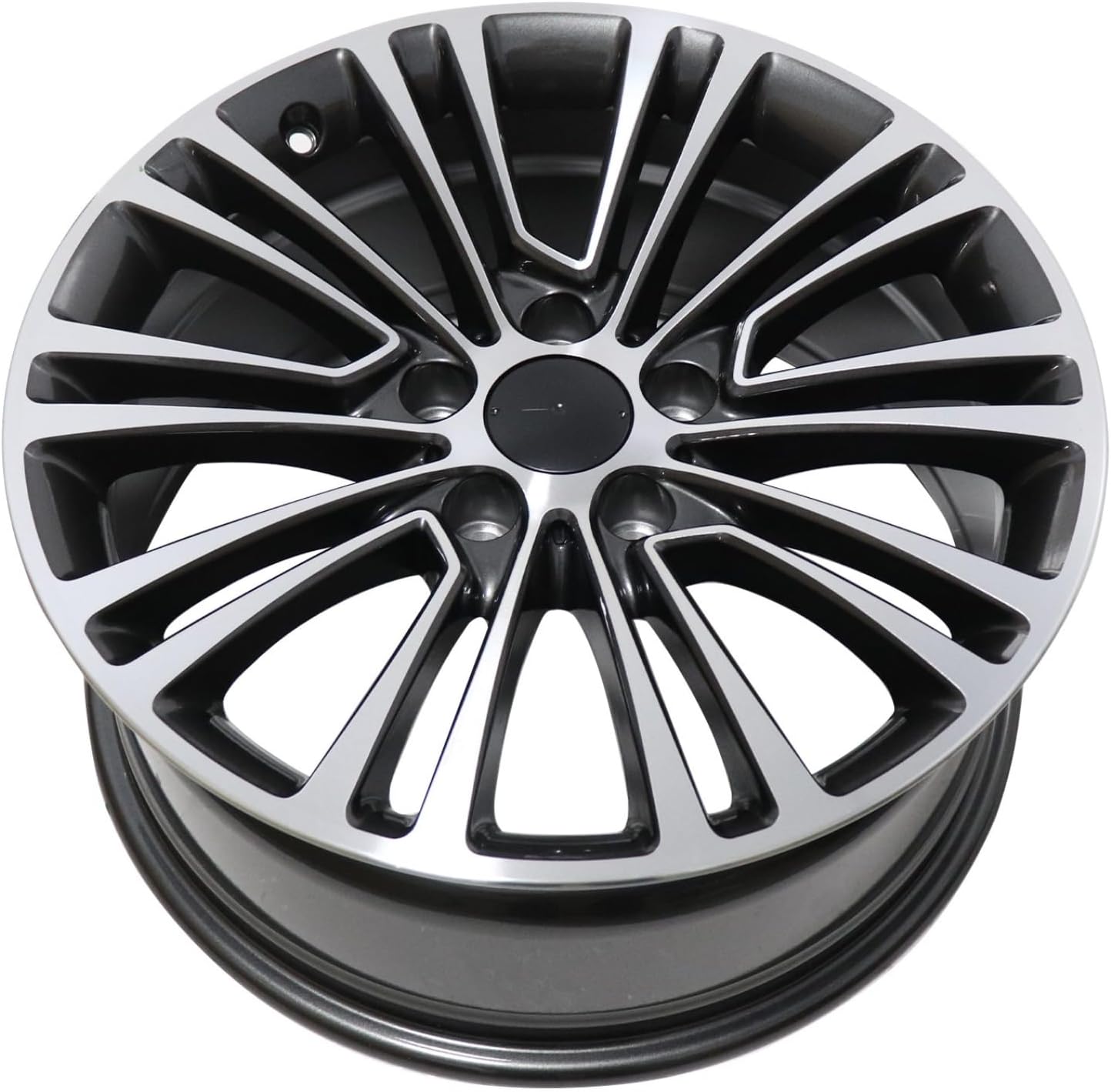
Wheel Pros 19" Gunmetal Machined M3-Style Wheels — BMW 3 Series
$885.00
Titan 7 Deep Dive - The Weight Weenie's Answer
Titan 7 is a newer player that has become APEX's most credible direct competitor. The company's entire identity is built around published wheel weights, and they let you sort their catalog by pound. The company manufactures in Asia but owns their tooling and engineering, which shows up in how tight the casting tolerances are and how clean the finish work lands. I have installed dozens of sets and have never had a warp or a bent wheel from a new-in-box set.
T-R10 - The 17-Pound Club
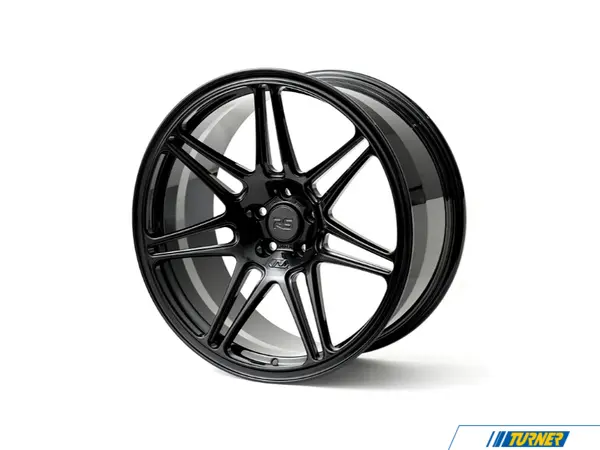
The T-R10 is the Titan 7 track-focused ten-spoke, full forged. An 18x9.5 T-R10 weighs around 17 to 18 pounds depending on offset and finish. That is lighter than the forged ZCP 359M that BMW Motorsport put on the E92 Competition package. For a track-focused M3 where weight drives the decision, the T-R10 is one of the lightest street-legal options under three grand a set. Available in 5x120 for older M3s and 5x112 for G80.
T-D6 - Deep Concave for Street
The T-D6 is the street-aggressive Titan 7, deep concave face, six-spoke. Slightly heavier than T-R10 (19-20 pounds in 18-inch) but with a much more visual presence. Popular on F80 and G80 Competition cars where the owner wants aftermarket character without going to a full 3-piece forged setup.
T-S5 - The Every-Day Five-Spoke
The T-S5 is the "five-spoke classic" Titan 7, weights in the 18 to 20 pound range in 18-inch, available in 5x112 and 5x120. For an M3 owner who wants the classic motorsport five-spoke look and the weight savings without the fully aggressive concave face, T-S5 is the pick.
BBS Deep Dive - The Forever Wheels
BBS is the oldest name in this conversation and still the aesthetic benchmark for classic BMW motorsport. A BBS LM has been the "right-looking wheel" on an E46 M3 since the car debuted. BBS is also the most expensive mainstream wheel brand in this guide, with true two-piece forged LM-R sets pushing $7,000 and the FI-R monoblock forged into five-figure territory. The premium is real. So is the reason people pay it.
BBS LM - The Classic Mesh
The BBS LM debuted in 1994 and has been in continuous production ever since. It is a two-piece forged construction - forged aluminum center, spun aluminum barrel, bolted together with the signature gold hardware. Weights run around 22 to 24 pounds in 18-inch, 24 to 26 pounds in 19-inch. Heavier than a flow-formed APEX, yes, but the LM holds its value on the used market almost as well as a vintage Rolex. Buy a set used for four grand, run them for five years, sell them for four grand. That is how BBS LM economics actually work.
BBS FI-R - Monoblock Forged Show
The FI-R is the BBS monoblock forged answer for show-focused M3 builds. One-piece forged construction, available in 19-inch and 20-inch sizes, weights around 21 to 23 pounds in 19-inch depending on spec. Sticker price is eye-watering - plan on $8,000 to $12,000 for a proper M3 fitment set - but the FI-R is one of the few forged wheels that looks better in person than in press photos. If you have a Frozen Black F80 show car and budget is not the constraint, the FI-R is the pick.
BBS CH-R II - The Daily-Driver BBS
The CH-R II is the "honest" BBS - one-piece forged, five-spoke, lighter than the LM, more affordable than the FI-R. Around 20 to 22 pounds in 19-inch. Price sits between $3,500 and $5,000 for a set. For an M3 owner who wants the BBS name and the forged construction without the bling factor of LM gold hardware, CH-R II is the daily driver BBS.

BBS LM Silver Wheel - 20x10 ET20 5x120 BMW Fitment
$1,965.10


BDWYFAC BBS FI-R Replica Forged Alloy Wheels Satin Black 19" for BMW
$940.26

HRE Deep Dive - The Premium Forged Standard
HRE is the California-based forged wheel manufacturer that built its reputation on three-piece motorsport wheels in the 1990s and 2000s and has since expanded into flow-formed and monoblock forged lines. HRE is the wheel you see under 9 out of 10 F80 and G80 M3s at Cars and Coffee that cost more than the car that owns them. I have never had an HRE come back out of round, and their customer service on warranty issues is the best in the industry.
HRE FlowForm Series - FF04, FF11, FF21
The FlowForm line is HRE's entry into the flow-formed market. FF04 is a split-spoke design, FF11 is a ten-spoke concave, FF21 is a directional split spoke. Weights run 22 to 25 pounds in 19-inch, 25 to 28 pounds in 20-inch. Price per set lands between $2,500 and $3,500. For an owner who wants HRE branding and fitment but not the ultra-premium Performance Series cost, the FlowForm line is the entry point.
HRE Performance Series - P101, P201, P104
The Performance Series is HRE's monoblock forged line. P101 is the classic five-spoke, P201 is a split spoke, P104 is a modern concave. Weights are similar to FlowForm in raw pounds (20 to 24 in 19-inch) but the forged construction means better fatigue resistance, tighter tolerances, and the HRE buyback resale value you cannot get on flow-form. Price per set is $4,500 to $6,500 depending on finish. For a serious F80 or G80 build where the wheel is a statement piece, the Performance Series is the honest forged answer below the P2 three-piece tier.
HRE Classic and P2 Three-Piece - The Lifetime Wheel
The 3-piece forged Classic series and P2 series are HRE's rebuildable wheels - center, outer barrel, inner barrel, bolted together with the ability to refinish centers, replace barrels, and re-spec the offset over the life of the car. Prices start at $7,000 for a set and go up from there. These are generational wheels. If you plan to own your M3 for ten-plus years and want a wheel that can be refreshed rather than replaced, the 3-piece HRE is the answer.
Vossen, Forgestar, and the Mid-Premium Tier
Between APEX and HRE sits a tier of wheels that I would call "semi-premium." These brands offer forged or flow-formed construction, reasonable weights, strong aesthetics, and prices in the $2,500 to $5,000 range. For many M3 owners this is the sweet spot.
Vossen Hybrid Forged and ML-R1
Vossen's Hybrid Forged line (HF-3, HF-5) is a flow-formed-plus-forged-face hybrid that splits the difference between traditional flow-form and full forged. Weights are decent (22 to 25 pounds in 19-inch), prices land around $2,500 to $3,000 per set, and the aesthetic language is distinct and modern. The ML-R1 is the motorsport-inspired forged option. Vossen fitment for M3 is mostly F80 and G80 focused.
Forgestar F14, F20, D5
Forgestar's F14 is one of the longest-running aftermarket wheels in the BMW community, particularly on E46 and E92 M3s. Five-spoke aggressive concave, flow-formed construction, weights around 20 to 22 pounds in 18-inch. Custom offset options at order time mean you can spec the F14 to clear big brakes or run aggressive negative ET for show stance. The F20 is a twenty-spoke alternative. The D5 is the newer dual-five design for G80. Forgestar pricing is $2,000 to $2,800 per set - essentially APEX territory but with custom offset as a standard option.
ADV.1 and Rotiform - The Show-Forward Options
ADV.1 is bespoke monoblock forged with a waiting list and price tags north of $7,000 per set. Rotiform's FUC, KPS, LHR, and WRW lines range from flow-formed affordability ($2,500) to bespoke three-piece ($8,000+). Both brands lean aesthetic over track, but both are genuinely well-made. I do not recommend them for track cars; for show cars they are solid choices.
AG M620, Konig Hypergram, TSW Bathurst - The Budget Tier
Below APEX sits the true budget tier. AG M620 is Avant Garde's answer to show-forward wheels at $1,500 per set. Konig Hypergram is a flow-formed budget option at around $1,000 per set, 22-pound weights in 18-inch. TSW Bathurst and Nurburgring are mass-market flow-form at the same price range. These are not bad wheels - I have installed dozens with zero failures - but they lack the engineering rigor of APEX, Titan 7, or Forgestar. For a daily driver with a thin budget, they are honest options.

Enkei 476-895-1235BK KOJIN Tuning Wheel 18x9.5 +35 5x120 Black Paint
$266.74
OEM Style Replicas - When They Make Sense and When to Avoid Them
The aftermarket is flooded with OEM-style replica wheels. Style 219M, 359M ZCP, 437M, 666M Competition, 826M - every iconic M3 wheel has replicas at a fraction of the real price. Sometimes they are the right answer. Often they are not.
When Replicas Work
Replicas make sense when you need a spare, a winter set, or a budget daily look and you understand the compromises. A set of cast replica 666M wheels for an F80 at $1,200 gives you OEM aesthetic for a quarter of the forged factory wheel price. The weight will be higher - typically 27 to 30 pounds versus the 20-23 pound forged OEM - but for a street-only daily driver on 245/35R19 all-seasons, that weight delta is survivable. For winter use specifically, a cheap replica set that you do not worry about curb-rashing on salted roads is smart economics.
When Replicas Fail You
Replicas fail when you put them on a track car, a heavy hauler, or a car with significantly upgraded brakes. Cast replicas crack under track loads that a forged OEM or flow-formed aftermarket would absorb. Cheap Chinese replica Style 67 E46 wheels have known cracking issues at the spoke-hub junction under repeated track pad heat cycles. I have seen multiple customers with replica 359M ZCP wheels that warped after two HPDE days. For any car that sees track time, buy a real engineered aftermarket wheel. Save the replicas for winter or daily driver applications only.
Genuine OEM Take-Offs - The Hidden Value Play
The best-kept secret in the M3 wheel market is genuine OEM take-offs. New car owners routinely sell their factory wheels within the first six months to swap for something aftermarket. A set of genuine 666M Competition forged wheels with 3,000 miles on them shows up on m3post.com classifieds for $2,800 to $3,500 - less than half new retail. The same applies to 359M ZCP, 437M, 826M. If you want OEM aesthetic with forged OEM weight and you are willing to wait and hunt, take-offs are the smart money.
Chassis-Specific Recommendations - E36 M3
The E36 M3 is the oldest chassis we cover in depth and the one with the most forgiving fender geometry. Factory wheels were 17x7.5 front and 17x8.5 rear on the Euro-spec Style 24 Double Spoke. The North American market got the Style 22 Forged Roadstar in similar dimensions. Both are light by modern standards (around 20 pounds) but dated in aesthetic.
E36 Daily Driver Pick
For an E36 M3 daily, my pick is a square 17x8.5 ET35 flow-formed wheel with 245/40R17 tires. The APEX SM-10 or APEX ARC-8 both work. The E36 tolerates wider wheels than the spec sheet suggests because the fender geometry is generous. A 17x9 square with a 10mm rear spacer is a common aggressive daily.
E36 Show Pick
For show, genuine BBS RC090 or RC092 wheels - original 17-inch Porsche-spec BBS in 5x120 drilling - are the period-correct E36 M3 pick. BBS LM in 17-inch is the alternative. Both are unicorn-spec pieces on the used market.
E36 Track Pick
For track, stay 17-inch for weight and sidewall, go 17x9.5 ET25 with 275/35R17 Hoosier or 285/30R18 on an 18x9.5 rim. The E36 chassis does not benefit from larger diameter - keep it period and keep the weight down.
Chassis-Specific Recommendations - E46 M3
The E46 M3 is the M3 chassis with the largest aftermarket wheel selection because it has been in the market the longest and because the 5x120 pattern with 72.56mm bore is shared across so many other enthusiast BMWs. Stock fitment is 18x8 front, 18x9 rear with the famous split offset (ET47 front, ET24 rear). Almost nobody builds on the stock offset.
E46 Daily Driver Pick
APEX ARC-8 18x9.5 ET35 square with a 10-12mm rear spacer and 265/35R18 tires. This is the reference E46 daily street setup. No fender work needed, no aggressive negative camber required, the car looks correct, and you can rotate tires across all four corners. Price around $1,800 for the wheels, $200 for the spacers with extended studs. I have built a dozen E46 M3s on this exact spec.
E46 Show Pick
BBS LM-R staggered in 19x8.5 ET28 front and 19x10 ET20 rear, with 245/35R19 front and 275/30R19 rear. This is the "forever build" E46 M3 wheel choice. Weights around 23 to 25 pounds per wheel, period-correct mesh pattern, and genuine BBS LM-R forged construction. Expect to pay $4,500 to $6,000 used for a proper matched set.
E46 Track Pick
APEX EC-7 18x9.5 ET22 square with 265/35R18 or 275/35R18 R-comp tires. Requires -2.5 to -3 degrees of front camber for clearance, which means coilovers or camber plates. For hardcore track use, Volk TE37SL 18x9.5 at around 17 pounds per wheel is the lightweight benchmark - but at $5,000 a set, it is the track boutique option.

Renn Motorsport 20mm Wheel Spacers for BMW E46 E90 E92
$49.95

Turner Motorsport 12.5MM Wheel Spacers with Bolts for BMW E36 E46 E90 M3
$59.00
Chassis-Specific Recommendations - E92 M3
The E92 M3 spans the 2008-2013 S65 V8 era and has three distinct wheel eras of its own. Early cars on standard 18-inch Style 220M staggered. ZCP Competition cars from 2011 with the 19-inch Style 359M staggered (19x9 ET31 front, 19x10 ET25 rear). And aftermarket. ZCP owners especially face a question: keep the iconic 359M look or go aftermarket for weight.
E92 Daily Driver Pick
APEX ARC-8 19x9 / 19x10 staggered in ZCP-style offsets, or 19x9.5 square with rear spacer. For owners who want to preserve the ZCP Competition aesthetic on a pre-ZCP car, this is the cleanest answer at around $2,000 per set.
E92 Competition Look Pick
Genuine Style 359M ZCP take-offs. These show up on m3post classifieds for $1,500 to $2,500 in good condition. Forged OEM weight (25.4/26.6 pounds front/rear) is heavier than aftermarket flow-form but you get the exact factory look, and the forged construction is durable.
E92 Track Pick
APEX EC-7 18x9.5 square or 18x10 rear, 265/35R18 to 275/35R18 R-comp. The drop from 19-inch to 18-inch at the track is worth 2-3 pounds per corner, and the taller sidewall helps with curb strikes on tracks with hard apex curbing. Volk TE37SL 18x10 rear is the lightweight pick for budgets beyond $4,500 a set.
E92 Show Pick
BBS LM 20-inch in 9.5/10.5 staggered is the show-forward choice, accepting the weight penalty (around 26-28 pounds per wheel) for the classic BBS aesthetic. HRE P101 or Vossen Hybrid Forged are the modern alternatives.

Chassis-Specific Recommendations - F80 M3
The F80 M3 (2015-2018) is where wheel weight really started to matter because the S55 twin-turbo drivetrain produces enough torque to meaningfully interact with unsprung mass during corner-exit. The factory 666M Competition forged wheels weigh around 24 pounds per corner in 20-inch rear configuration. The 437M cast wheels on standard (non-Competition) cars are heavier still at around 26 pounds. Aftermarket options start paying dividends immediately on this chassis.
F80 Daily Street Pick
APEX ARC-8 19x9 / 19x10 staggered in OEM-equivalent offsets (ET33 front, ET29 rear). Weight drops from 24 pounds to roughly 21 pounds per corner - a 12 pound total savings - and the aesthetic stays close to the 666M silhouette. Price around $1,800 per set.
F80 Daily Aggressive Pick
APEX SM-10 19x9.5 / 19x10.5 staggered for deep concave face and a more modern look than ARC-8. Or Titan 7 T-S5 for the classic five-spoke lightweight aesthetic at under 20 pounds per wheel.
F80 Track Square Pick
APEX EC-7 18x10 ET25 all-round. This is the F80 track car reference specification. The 18-inch drop from 19/20 OEM saves 3-4 pounds per corner just on rim size, and the square fitment gives you full tire rotation plus neutral handling balance. Pair with 275/35R18 or 285/30R18 slicks. Requires negative front camber (-2.5 degrees minimum) for clearance.
F80 Show Pick
HRE FF04 or P101 in 20-inch staggered, 9/10.5. Vossen Hybrid Forged is the value show pick. Rotiform FUC for the industrial aesthetic. All three land in the $3,500 to $6,000 tier.

Chassis-Specific Recommendations - G80 M3
The G80 M3 (2021+) is the first M3 on the 5x112 bolt pattern with 66.5mm hub bore. This is a clean break from the 5x120 legacy. Factory 826M forged wheels in 19x9.5 ET29 front and 20x10.5 ET25 rear weigh around 22-23 pounds per corner. This is lighter than F80 stock but still 2-3 pounds per corner heavier than the best aftermarket can deliver.
G80 Daily Street Pick
APEX 5x112 ARC-8 or SM-10 in 19x9.5 / 20x10.5 staggered, OEM-equivalent offsets (ET29 front, ET25 rear). Or genuine 826M take-offs from m3post classifieds - often $2,800 to $3,500 with low mileage. For xDrive cars specifically, stay within the OEM offset window (ET27-ET32) to preserve front driveshaft clearance.
G80 Lightweight Upgrade Pick
Titan 7 T-R10 in 5x112 staggered 19x9.5 / 20x10.5. Weight drop from 22 pounds OEM to roughly 19 pounds aftermarket - a 12-pound total set savings. Or APEX SM-10RS forged for similar weights with APEX's fitment guarantee. Both in the $2,500 to $3,500 tier.
G80 Track Pick
APEX VS-5RS or SM-10RS 19-inch square, 19x10.5 ET30 all-round, 285/30R19 R-comp tires. This is the reference G80 track square setup. Requires rear fender liner trim and negative camber (-2.5 to -3 degrees front and rear) for clearance and tire wear. HRE FF21 is the flow-formed budget alternative at similar weights.
G80 Show Pick
HRE P201 forged or Vossen Hybrid Forged HF-3 in 20/21-inch staggered. BBS FI-R for the ultra-premium option. All three accept the weight penalty for show aesthetic.

KSP 15mm Hubcentric Wheel Spacers 5x112 — G-Chassis BMW (2019+)
$45.99

19" Gloss Black Forged Wheels Style 826 — G20/G22 3 & 4 Series
$1,999.00

19-Inch Staggered Style 826 Forged Wheels for BMW G-Series (Set of 4, Satin Black)
$1,899.00

19" Gunmetal Forged Wheels Set 5x112 for BMW G20 G22 G30 G80 G82 3 4 5 Series
$1,999.00


Staggered Versus Square - The Honest Breakdown
No topic in M3 wheel selection generates more forum heat than staggered versus square. Both have genuine use cases. The answer depends on what you do with the car.
When Staggered Makes Sense
Staggered setups (wider rear than front, often also taller rear tire overall diameter) are the factory default on every M3 from E46 onward. Staggered preserves the factory look, gives more rear traction on corner-exit and straight-line launch, and matches the bias of the stock suspension tune. For a daily driver that occasionally sees a canyon road, staggered is the easy answer. Downsides are real: you cannot rotate tires across axles, you replace all four at once, and the factory understeer bias gets exaggerated on corner entry.
When Square Makes Sense
Square setups (same width and diameter front and rear) are the track-car default and increasingly the aggressive street default on E46 M3s and F80 track builds. Square gives you neutral handling (no factory understeer bias baked in), full four-corner tire rotation, and halved long-term tire cost. The rear contact patch is smaller than staggered, so corner-exit traction drops slightly, but a wider square setup compensates. The E46 M3 LSD (clutch-type) is fully tolerant of square setups. The F80 Active M Differential is also tolerant when tire circumference matches front-to-rear. The G80 M3 differential follows F80 logic.
The DCT Myth
Forum threads will tell you that a square setup "confuses the DCT" on F80 M3. This is incorrect. The DCT transmission is indifferent to wheel setup. What does matter is tire rolling circumference matching between front and rear on cars with the Active M Differential - a wild mismatch (over 3 percent) between front and rear tire diameter can trigger diff learning fault codes. A true square setup with identical tires front and rear eliminates this concern entirely.
Weight Realities - Flow-Formed Versus Cast Versus Forged
The three wheel construction methods you will encounter have real performance implications beyond the marketing language.
Cast Aluminum
Cast wheels are manufactured by pouring molten aluminum into a mold. Cheapest construction, heaviest weight-per-size (typically 26 to 32 pounds in M3-appropriate 18-19 inch sizes), and lowest fatigue strength. Most OEM M3 wheels are cast - the factory 437M, Style 67, Style 163 are all cast. Good cast wheels are perfectly fine for street use. Bad cast wheels (usually Chinese replica) crack under track loads.
Flow-Formed (Rotary-Forged)
Flow-formed construction casts the wheel center and then uses high-pressure rollers to stretch and compact the barrel area into a more dense aluminum structure. Result: weights 15 to 25 percent lower than equivalent cast, strength approaching full forged, and price 2-3x cast but half of full forged. APEX, Titan 7, Forgestar, HRE FlowForm, and Vossen Hybrid Forged all use flow-formed or flow-formed-plus-forged-face construction. For 90 percent of M3 owners, flow-formed is the honest answer.
Full Forged
Full forged wheels are pressed from a solid billet of aluminum under extreme pressure, then machined to final shape. Lowest weight-per-size (as low as 17-18 pounds in 18-inch sizes), highest fatigue strength, and highest price. HRE Performance Series, APEX EC-7RS, Titan 7 forged lines, BBS LM/FI-R, and Volk TE37 are all forged. For track cars and no-compromise builds, forged is worth the premium. For street daily drivers, flow-formed performs functionally identically at half the price.
Pricing Tiers in 2026
Here is what $800 through $15,000 actually buys you in the 2026 market.
| Price Tier | Per Set | Examples | Construction | Weight Range (18-19 inch) |
|---|---|---|---|---|
| Budget OEM Replica | $800-$1500 | Cast 437M/666M/359M/826M replicas | Cast | 27-32 lbs |
| Mid Budget | $1500-$2000 | APEX ARC-8, Forgestar F14 | Flow-formed | 19-22 lbs |
| Performance | $2000-$3000 | APEX EC-7, Titan 7 T-S5, Vossen HF-3 | Flow-formed/Hybrid | 18-22 lbs |
| Premium Flow | $3000-$4500 | HRE FlowForm FF04, Rotiform FUC | Flow-formed | 20-25 lbs |
| Premium Forged | $4500-$7000 | HRE Performance Series, BBS CH-R II, APEX EC-7RS | Forged monoblock | 18-24 lbs |
| Ultra Premium | $7000-$12000 | BBS LM, BBS FI-R, HRE Classic 3pc | Forged 2pc/3pc | 21-26 lbs |
| Bespoke | $12000+ | ADV.1 one-off, HRE P2 series | Forged 3pc custom | varies |
Installation and Tire Pairing
Getting the wheel onto the car correctly is as important as picking the right wheel. Here is what matters.
Hub Rings and Hubcentricity
If your aftermarket wheel has a larger bore than your hub (common - aftermarket wheels often come with 74mm or 75mm bores to fit multiple cars), you need hub rings to step the bore down to 72.56mm for E-chassis or 66.5mm for G-chassis. Aluminum rings are acceptable for street use. Plastic rings are fine for daily driving if the fit is tight. Never run lug-centric.
Extended Wheel Studs or Bolts
Every wheel or spacer change that adds thickness requires longer bolts. BMW M3s use M14x1.25 conical seat lug bolts across all modern chassis. Stock length is 37-40mm for no-spacer setups. Adding a 10mm spacer means 47-50mm bolts. Adding a 15mm spacer means 52-55mm. Never run short bolts with spacers - the thread engagement has to be at least full bolt diameter (14mm) deep into the hub to be safe.
ARP Wheel Studs for Track Use
For track cars, I switch to ARP wheel studs with open-ended nuts. Studs make wheel changes at the track much faster (no bolt threading), and ARP stud strength exceeds BMW OEM bolt strength. Budget around $200 for a full stud conversion kit.
Tire Pairing by Chassis
For an E46 M3 on 18x9.5 square, 265/35R18 is the daily sweet spot. Michelin Pilot Sport 4S is my default street tire, Pilot Sport Cup 2 is the track option. For E92 on 19x9.5 square or 19x9/19x10 staggered, 245/35R19 front and 265/35R19 rear on Pilot Sport 4S works. F80 on 19/20 staggered runs 255/35R19 front and 275/35R19 or 285/30R20 rear. G80 Competition runs 275/35R19 front and 285/30R20 rear on OEM 826M, same sizes on aftermarket.
Frequently Asked M3 Wheel Questions
What is the bolt pattern on a BMW M3
Every M3 from E36 through F80 (1992-2018) uses 5x120 with a 72.56mm hub bore. The G80 M3 (2021+) uses 5x112 with a 66.5mm hub bore. This pattern change at the G80 is the most important fitment fact in the entire M3 lineup - wheels do not cross-fit between G80 and older M3s without adapter plates.
Are G80 M3 wheels the same as F80 M3 wheels
No. F80 M3 uses 5x120 bolt pattern with 72.56mm hub bore. G80 M3 uses 5x112 with 66.5mm hub bore. Wheels are not interchangeable between these chassis without adapter plates, which are not recommended on Competition or track cars due to bearing stress.
Will E46 M3 wheels fit an E92 M3
Yes, the bolt pattern and hub bore are identical (5x120 and 72.56mm). Offsets and widths differ - E46 wheels are typically narrower than what looks right on an E92 - but they will physically bolt on. Many E92 owners run genuine E46 M3 Style 67 or Style 71 wheels as winter sets.
What is the best wheel for an E46 M3
For a daily driver, APEX ARC-8 18x9.5 ET35 square with a 10-12mm rear spacer and 265/35R18 tires. For a show car, BBS LM-R 19x8.5/19x10 staggered. For a track car, APEX EC-7 18x9.5 ET22 square with R-comp tires. These three cover 95 percent of real E46 M3 use cases.
How much do APEX wheels weigh compared to stock M3 wheels
APEX ARC-8 in 18x9.5 weighs about 19-20 pounds. APEX EC-7 in 18x9.5 ET35 weighs 21.7 pounds. Compare to stock F80 666M Competition forged at 24 pounds, E92 220M cast at 27-28 pounds, or genuine 437M cast at 26 pounds. Expect 3-8 pounds of weight savings per corner depending on your OEM reference.
Can you run a square wheel setup on an F80 M3 with DCT
Yes. The DCT transmission is indifferent to wheel setup. What matters is the Active M Differential, which is tolerant of square setups as long as front and rear tire rolling circumference match. Running square with identical tires front and rear (for example 265/35R19 all four corners) eliminates all diff learning issues.
What offset do I need for an E46 M3 without spacers
ET35 on an 18x9.5 square setup with no spacers will sit nicely inside the fender on stock suspension height. If you want more aggressive stance, drop to ET22 and accept the need for negative camber. Both options are no-fender-work fitments.
How much does a BBS LM weigh for an M3
BBS LM-R (the 2-piece forged variant commonly used on M3) weighs about 23.4 pounds in 19x8.5 ET28 and 24.5 pounds in 19x10 ET20. BBS LM original 2-piece forged is similar (22-24 pounds in 18-inch, 24-26 pounds in 19-inch). Heavier than flow-formed APEX but much lighter than cast OEM.
Are APEX wheels good for track use on a BMW M3
Yes. APEX ARC-8 and EC-7 are both widely used on track cars. The EC-7 specifically clears big brake kits that the ARC-8 does not. For extreme track use, the EC-7RS forged variant drops another 2-3 pounds per wheel versus the standard flow-formed EC-7. APEX has been a staple of HPDE programs for over a decade.
What wheels come on the G80 M3 Competition
The G80 M3 Competition ships on 826M forged wheels, 19x9.5 ET29 front and 20x10.5 ET25 rear, with 275/35ZR19 front and 285/30ZR20 rear tires. Weight is around 22-23 pounds per wheel. M Performance options include 825M and forged carbon-spoke variants.
Can you put 20-inch wheels on an E46 M3
Yes, but I do not recommend it. The E46 M3 was engineered around 18-inch wheels and benefits aesthetically and dynamically from 18 or 19-inch fitment. Going 20-inch on an E46 adds significant rotational inertia, compromises ride quality on the short 30-series tire sidewalls required, and does not actually improve any performance metric. Save the 20-inch show setups for F80 and G80.
What is the best lightweight wheel for an F80 M3 track car
Titan 7 T-R10 in 18x10 ET25 square is the lightest mainstream pick at around 17-18 pounds per wheel. APEX EC-7RS in the same spec runs 19-20 pounds. Volk TE37SL is the Japanese forged alternative at similar weight but higher price. All three will work. T-R10 is the best value.
Do I need wheel spacers for square setup on E46 M3
For a square setup at ET35 offset, yes - you typically want a 10-12mm rear spacer to balance the visual stance front-to-rear (the stock E46 front fender sits slightly more inboard than the rear, so without a rear spacer the rears look tucked). For a square setup at ET22 offset, no spacers are needed.
What is the difference between APEX ARC-8 and APEX EC-7
The ARC-8 is a straight five-spoke flow-formed wheel. The EC-7 is a curved five-spoke flow-formed wheel with spoke geometry profiled to clear 6-piston Brembo big brake kits. The EC-7 is slightly heavier (1-2 pounds per wheel) but fits bigger brakes. If your M3 has stock brakes, ARC-8 is fine. If you have upgraded brakes or plan to, go EC-7.
How much should I spend on wheels for my BMW M3
For a daily driver, $1,800 to $2,500 on a flow-formed set from APEX, Titan 7, or Forgestar buys you everything you actually need - weight savings, proper fitment, and durable construction. Spending more buys aesthetic, prestige, and resale value on premium forged brands. Spending less (replica territory) trades weight and durability for price. The $2,000 flow-formed tier is where the value curve peaks.
Final Verdict - The Right M3 Wheel by Chassis and Use Case
Here is how I would spec every M3 I have worked on, distilled to single sentences. For an E36 M3 daily, APEX SM-10 17x8.5 square with 245/40R17. For an E46 M3 daily, APEX ARC-8 18x9.5 ET35 square with rear spacer and 265/35R18. For an E46 M3 track, APEX EC-7 18x9.5 ET22 square with 265/35R18 R-comp. For an E92 M3 daily, APEX ARC-8 19x9/19x10 staggered in ZCP-style offsets. For an E92 M3 track, APEX EC-7 18x9.5 square or Volk TE37SL 18x10 rear for the weight-obsessed build. For an F80 M3 daily, APEX ARC-8 or Titan 7 T-S5 in 19x9/19x10. For an F80 M3 track, APEX EC-7 18x10 ET25 square. For a G80 M3 daily, APEX 5x112 ARC-8 or Titan 7 T-R10 in OEM-spec staggered offsets. For a G80 M3 track, APEX VS-5RS or SM-10RS 19-inch square.
The single most common mistake I see M3 owners make is overspending on the wrong wheel. A $6,000 set of BBS on a track car is strictly worse than a $2,500 set of APEX EC-7 at lower weight. A $2,500 set of forged APEX on a show car is strictly worse than a $5,000 set of BBS LM on aesthetic impact. Match the wheel to the job the car actually does, and the budget sorts itself out. APEX is the default for 70 percent of M3 owners. Titan 7 is the lightweight pick. BBS and HRE are the premium aesthetic picks. Budget replicas work for winter and daily when you understand the weight and durability compromises.
Before you spend real money, read our BMW wheel spacers size guide to understand how offset math interacts with spacer thickness on any M3 chassis. If you are cross-shopping M4 wheels alongside M3, our best wheels for BMW M4 guide covers the F82 and G82 fitment differences in detail. For 335i and 340i owners reading this because the platforms share so much hardware, see our best wheels for BMW 335i and best wheels for BMW 340i guides. If you are still deciding which M3 generation to buy, our best year BMW M3 rankings dig into the chassis-by-chassis ownership reality. And for the E92 specifically, our BMW E90 M3 specs review covers the S65 V8 era in depth including the ZCP Competition package that put the 359M forged wheels on the map.
I have bolted thousands of wheels to BMWs over the years. The right wheel transforms a good M3 into a great one. The wrong wheel ruins a perfectly set-up car. Spend the time to get the fitment math right, buy from engineered brands rather than cheap replicas, and remember that lighter is almost always better than bigger. Your corner-exit traction, your braking distances, and your wallet will all thank you.