BMW Fault Codes Explained - Reading and Clearing
Affiliate disclosure. BimmerTalk is a proud partner of the Amazon Associates Program and Turner Motorsport. We may earn a small commission on qualifying purchases through our links, at no extra cost to you. Read the full disclosure.

Every time I see someone clear a BMW fault code with a generic $15 OBD2 scanner from Amazon, then look confused when the problem comes back, I have to explain the same thing: BMW runs its own proprietary fault code system on top of standard OBD2, and a generic scanner only sees a fraction of what's actually happening. The BMW-specific codes live in modules that generic scanners can't reach - transmission, airbag, steering angle, DSC, chassis, and HVAC all store codes that a Bluetooth OBD dongle from the gas station will completely miss.
Understanding fault codes on a BMW requires understanding the two-layer system. The standard OBD2 P-codes (P0xxx) are emissions-related codes required by law to be readable by any scanner. Then there are BMW proprietary codes stored in every other control module, readable only with BMW-specific software like ISTA, INPA, or consumer-grade tools like BimmerLink, Carly, or the Foxwell NT510. This guide breaks down the system, the most common codes, and exactly when to clear vs investigate.
~3,000
OBD2 Generic P-codes
20,000+
BMW Proprietary Codes
32
BMW Modules (typical F30)
15-25 min
ISTA Full Scan Time
Generic OBD2 vs BMW-Specific - Why the Difference Matters
A generic OBD2 scanner reads the Engine Control Module (DME on BMW) for emissions-relevant codes only. That's maybe 10-15% of the fault information in the car. The other 85% - including ABS faults, airbag codes, DSC faults, transmission adaptation flags, steering module errors - are stored in BMW's proprietary CAN bus modules and require either BMW ISTA dealer software or a compatible aftermarket tool.
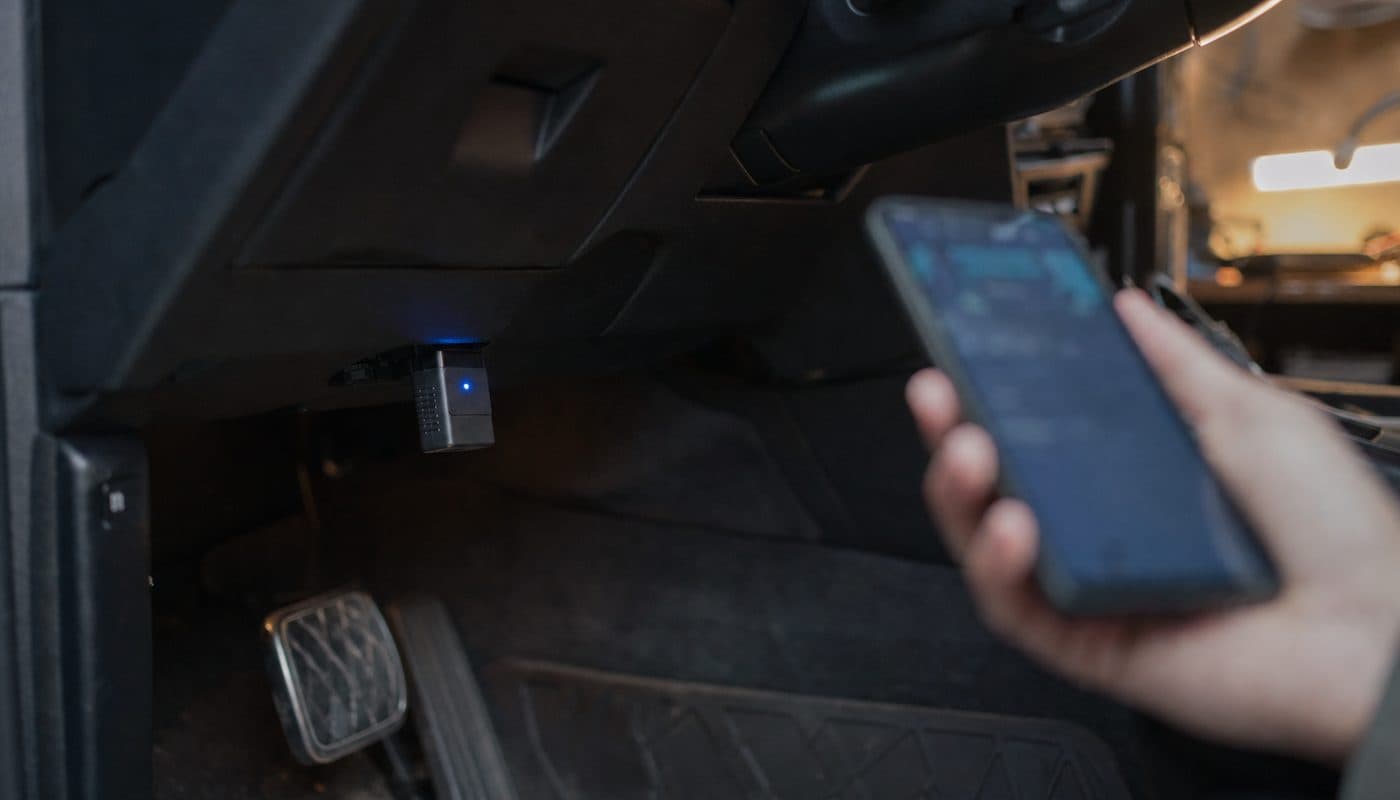
BimmerLink on your phone paired with a BMW-compatible Bluetooth OBD adapter is genuinely useful for full-system reads. The Foxwell NT510 Pro handles most modules and does live data plus actuation tests. For anything serious, a dealer scan with ISTA is the definitive read - it pulls every module simultaneously and maps fault paths across systems. Don't pay $150 for a shop scan you could do yourself for the cost of a one-time tool purchase.

OBDLink CX Bluetooth 5.1 OBD2 Adapter for BimmerCode
$79.95
Top BMW Fault Codes and What They Actually Mean
Here are the codes I see most frequently in the shop, what they indicate, and how serious each one is:
| Code | System | Common Cause | Urgency |
|---|---|---|---|
| 2E9E | High Pressure Fuel Pump | HPFP wear (N54/N55) | High |
| 4520 | Valvetronic Motor | Carbon buildup or actuator failure | Medium |
| 29D0 | Fuel Trim (Lean) | Vacuum leak or intake boot crack | Medium |
| 2A82 | Vanos Intake | Oil sludge or Vanos failure | Medium |
| A0BE | Coolant Level | Low coolant or sensor fault | High |
| CC-ID 79 | Battery Charge | Alternator or battery aging | High |
| 480B | Throttle Actuator | Carbon on throttle body | Low |
| 2802 | Oxygen Sensor | O2 sensor upstream failure | Medium |
| 29F0 | Catalytic Efficiency | Cat degradation | Medium |
| 5E65 | CAS/EWS Mismatch | Key sync or CAS fault | High |
2E9E
- System
- High Pressure Fuel Pump
- Common Cause
- HPFP wear (N54/N55)
- Urgency
- High
4520
- System
- Valvetronic Motor
- Common Cause
- Carbon buildup or actuator failure
- Urgency
- Medium
29D0
- System
- Fuel Trim (Lean)
- Common Cause
- Vacuum leak or intake boot crack
- Urgency
- Medium
2A82
- System
- Vanos Intake
- Common Cause
- Oil sludge or Vanos failure
- Urgency
- Medium
A0BE
- System
- Coolant Level
- Common Cause
- Low coolant or sensor fault
- Urgency
- High
CC-ID 79
- System
- Battery Charge
- Common Cause
- Alternator or battery aging
- Urgency
- High
480B
- System
- Throttle Actuator
- Common Cause
- Carbon on throttle body
- Urgency
- Low
2802
- System
- Oxygen Sensor
- Common Cause
- O2 sensor upstream failure
- Urgency
- Medium
29F0
- System
- Catalytic Efficiency
- Common Cause
- Cat degradation
- Urgency
- Medium
5E65
- System
- CAS/EWS Mismatch
- Common Cause
- Key sync or CAS fault
- Urgency
- High
Reading BMW Codes Without a Dealer - Your Options
Three tiers of tooling exist for DIY BMW diagnostics. At the entry level, a Bluetooth OBD2 adapter paired with BimmerLink gives you full module read access on E, F, and G chassis cars for around $50 in hardware plus the app cost. It won't do actuation tests or advanced programming but it reads and clears everything.
Mid-tier is the Foxwell NT510 Pro - a standalone handheld unit that does full system scans, live data, and some actuation tests for around $180. This is what I'd recommend for anyone doing their own maintenance regularly. It handles BMW, Mini, and Rolls-Royce specifically and doesn't require a laptop.
Top tier DIY is ISTA via a K+DCAN cable or ENET cable depending on chassis. It's free software with paid support, but setup is technical and requires a dedicated Windows machine or VM. This is what dealers use and gives you everything including programming and module coding. For G chassis, ISTA-D 4.x is required - the older INPA doesn't work on newer platforms.
When to Clear a Code vs When to Investigate
This is the most important skill. Not all fault codes mean the same thing. BMW uses three fault states: current (aktiv), stored (gespeichert), and readiness faults. A current fault means the condition is present right now - do not clear and drive, find the problem first. A stored fault means the condition was detected but is no longer active - this can sometimes be cleared if you know what caused it and confirmed it's resolved.
Clearing codes to pass inspection without fixing the root cause is a short-term solution that leaves you with a car that's malfunctioning. More importantly, some BMW safety-related faults (airbag, DSC, brake system) are stored in separate modules and don't affect the OBD2 emissions readiness - meaning the MIL won't illuminate even though safety systems are compromised. A full system scan is the only way to know what's actually stored.
BMW Fault Code Prefixes - Decoding the System
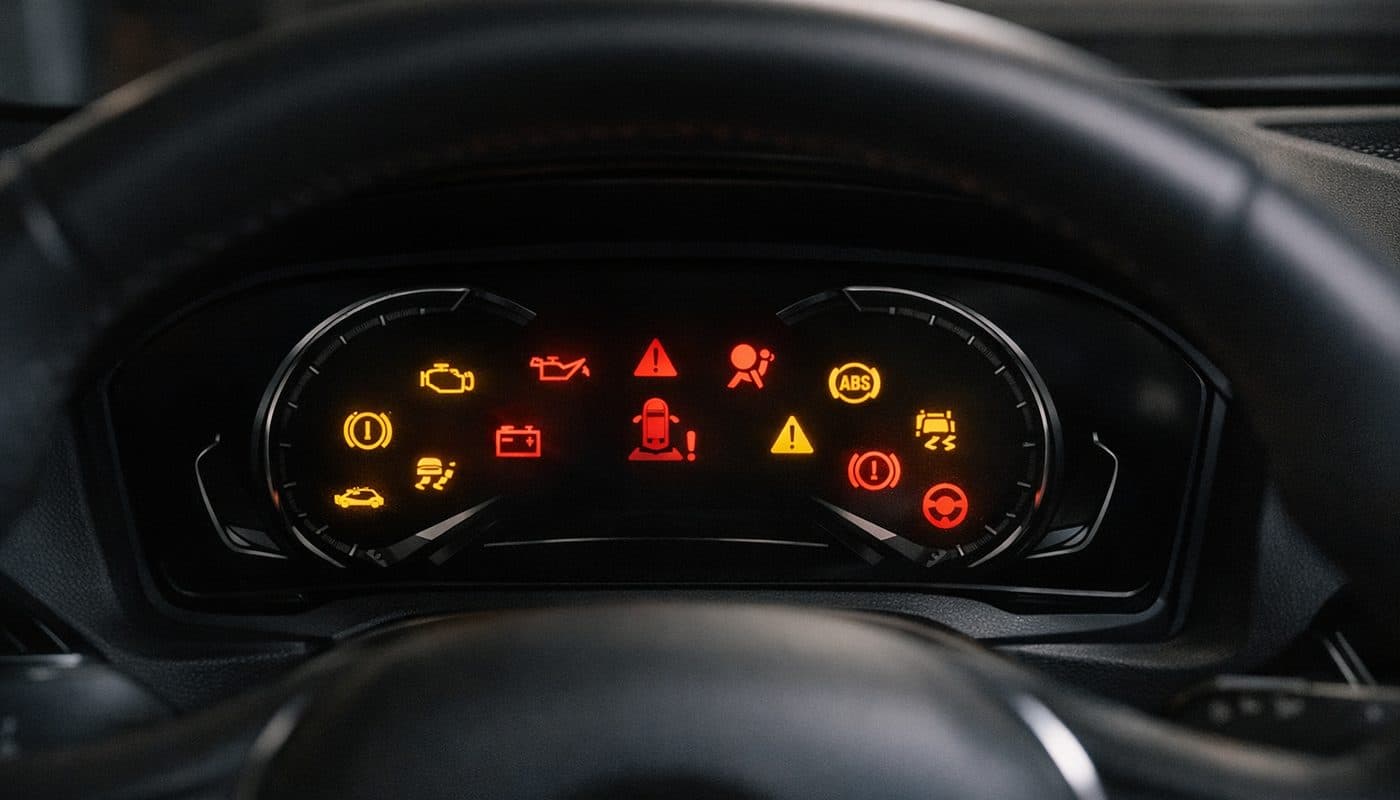
BMW fault codes use a hex-based system with module prefixes. Codes starting with 2xxx are typically DME (engine) codes. 4xxx codes are transmission (EGS). 5xxx codes cover chassis and DSC. A0xx codes are often instrument cluster or condition-based service module faults. CC-ID codes shown on the instrument cluster are separate from stored fault codes - they're active notifications triggered by various modules and don't always correspond 1:1 to a stored code.
For E chassis cars (E90, E60, E70), INPA and NCSExpert remain the standard tools. For F chassis and newer, BimmerLink and ISTA are more appropriate. G chassis requires ISTA 4.x or ISPA Next for full capability.
Common E90 and F30 Specific Codes to Know
On the E90 (N52/N54/N55), the codes I see most are HPFP-related (N54), Vanos solenoid faults, and charge pipe cracks showing up as lean mixture codes. On the F30 with N20, watch for timing chain stretch codes - these are P000A and related variants, and they are not minor. A P000A on an N20 means the timing chain has stretched and the guides are potentially failing. This is an engine-out repair job. Do not ignore or clear this code and drive on.
For full diagnostic capability and coding features on F and G chassis, check our chips and software guide. For engine-specific fault history on the N54 and N55, see our engine section. If you're scanning the car and finding codes related to brake modules, cross-reference with our brake system guide.