BMW Spark Plugs - Interval, Cost, and DIY by Engine
Affiliate disclosure. BimmerTalk is a proud partner of the Amazon Associates Program and Turner Motorsport. We may earn a small commission on qualifying purchases through our links, at no extra cost to you. Read the full disclosure.

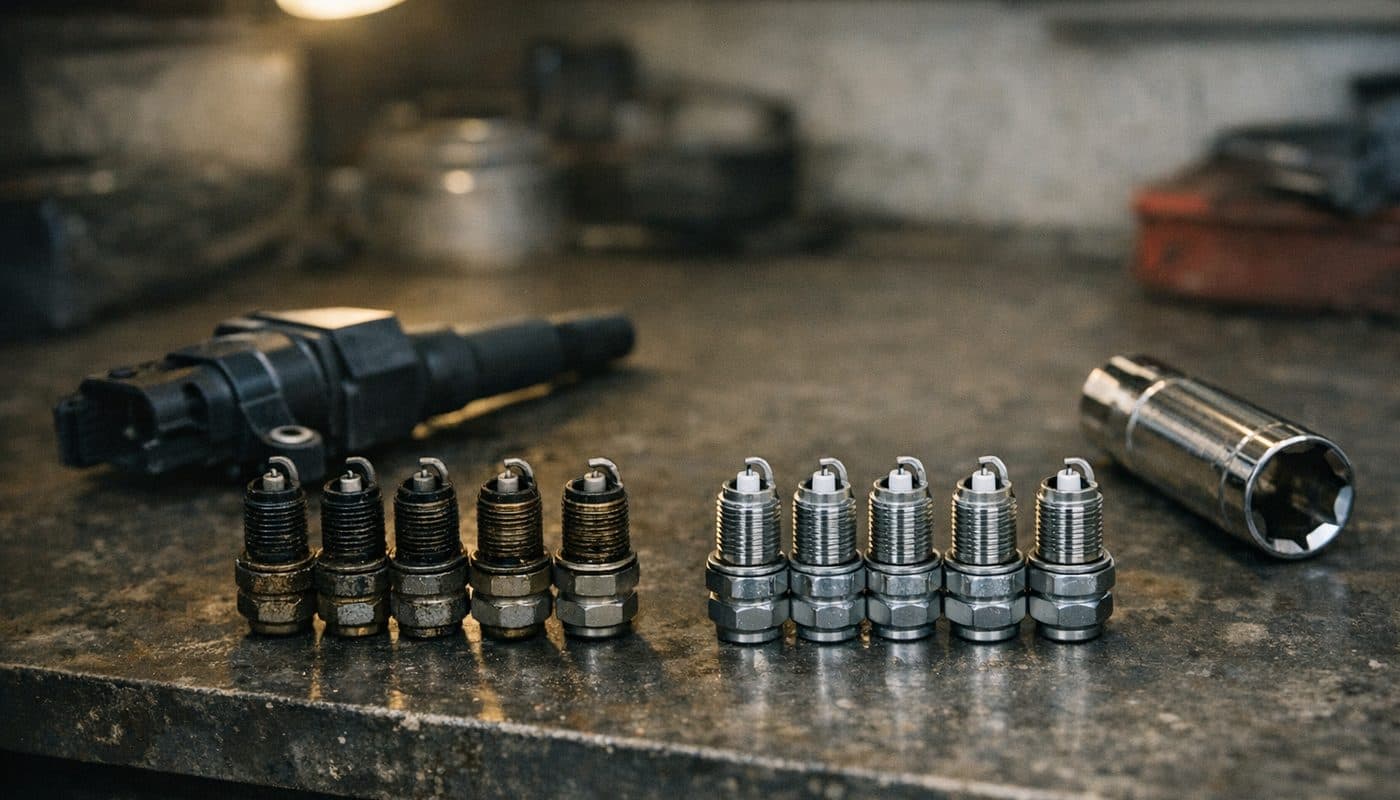
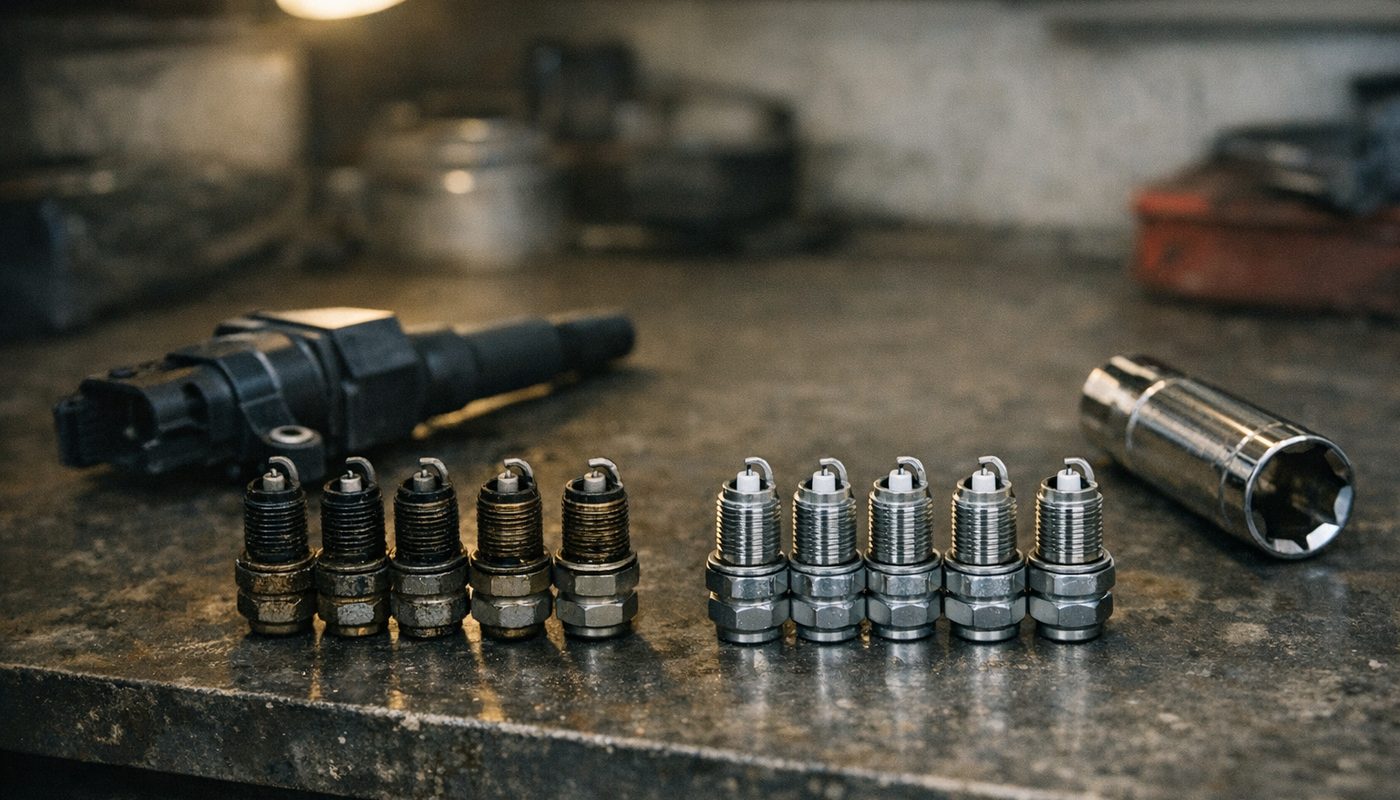
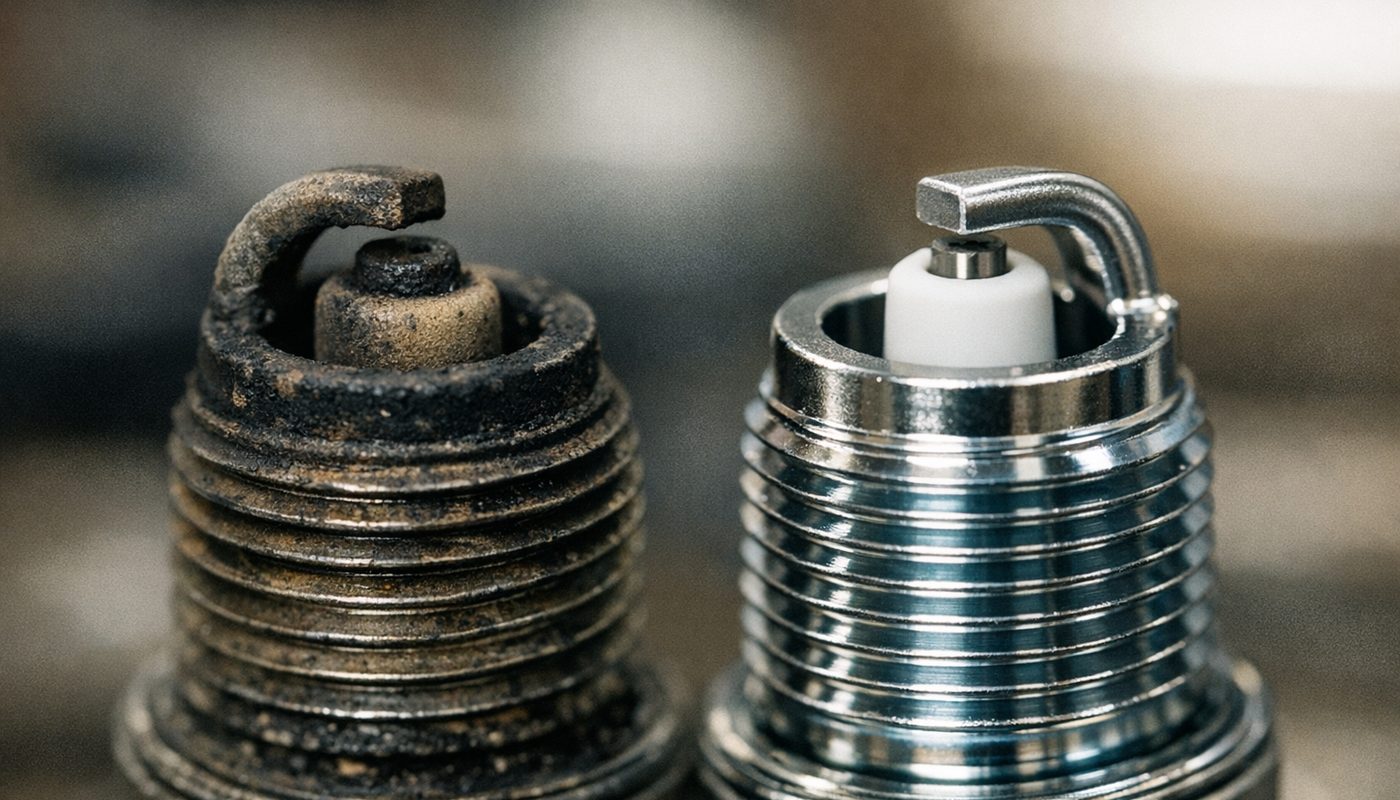
I've pulled more fouled spark plugs out of turbo BMWs than I care to count, and there's a pattern I see every single time. The owner tells me "but the manual says 100,000 miles" while I'm looking at an N55 plug with an electrode that looks like it's been chewing gravel. BMW's factory interval and the reality of running a turbocharged, direct-injection engine are two very different conversations.
I've got a 2022 G20 330i in my driveway right now, and even on my relatively mild B48, I don't trust the "lifetime" language BMW likes to throw around in the iDrive maintenance screen. I spent a year on the other side of the counter at a BMW and MINI dealer, and I can tell you the service interval calculations are built around an average driver doing average things. Track days, tunes, E85, and stop-and-go traffic aren't in that average.
This is the plug guide I wish someone had handed me before I started chasing a random misfire on a customer's tuned N54 a few years back. Real intervals by engine, real gaps for stock and tuned setups, whether to bother with coils at the same time, and the DIY itself including the torque spec and the anti-seize argument that never seems to die.
60,000 mi
Stock Interval
40,000-45,000 mi
Tuned Interval
0.028 in
Stock Gap (typical)
0.020-0.022 in
Tuned Gap (typical)
BMW's Spark Plug Interval Is Optimistic, Not Wrong
I want to be fair to BMW here. Their published interval isn't a lie exactly, it's a number generated by an algorithm inside the DME that tracks things like cold starts, load, and idle time and extrapolates when plugs "should" be worn. On a garage-queen 3 Series doing mostly highway miles, that 100k figure might genuinely hold up. On the cars I actually work on, it almost never does.
What BMW Says vs What Actually Happens
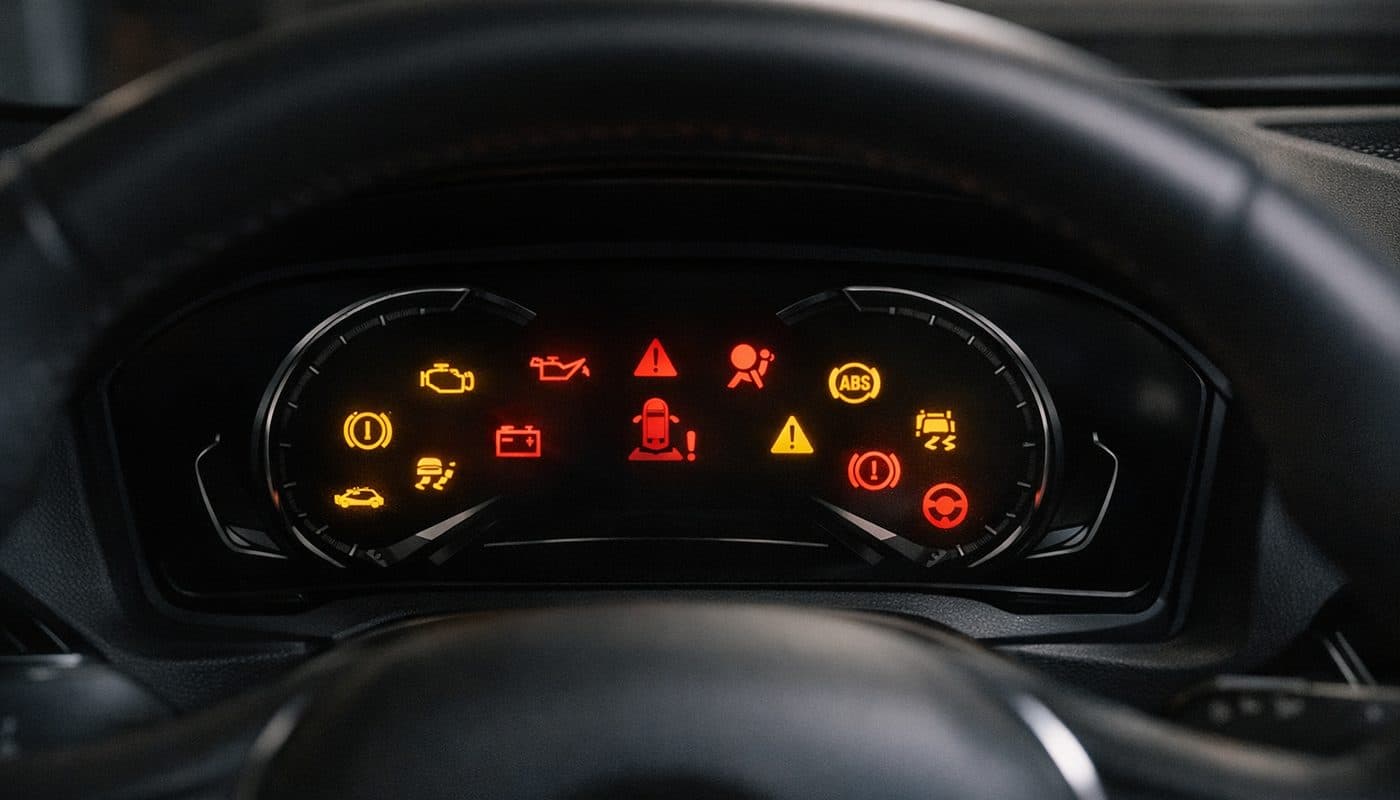
The condition-based service system BMW uses since the mid-2000s doesn't have a dedicated spark plug counter the way it does for oil or brake pads. It's baked into the general engine health monitoring, which means it's reactive rather than predictive. By the time the car throws a plug-related fault, you're usually already dealing with a misfire, not a preventative heads up.
Turbo Direct Injection Changes the Math Entirely
Naturally aspirated engines are gentle on plugs by comparison. Turbo DI engines like the N54, N55, and B58 are running higher cylinder pressures, hotter combustion, and injecting fuel directly into the chamber rather than the intake tract, which strips away the fuel's natural cleaning effect on the plug tip. Add a tune that raises boost and timing, and you're asking that plug to arc reliably under conditions it wasn't originally rated for at 100k miles. It just doesn't happen. I've pulled plugs at 50k on tuned cars that looked like they'd done 90.
The Real Interval by Engine and Use Case
Forget the generic number for a second. Here's how I actually schedule plug changes for customers, broken down by whether the car is stock or running a tune.
| Engine | Stock Interval / Gap | Tuned Interval / Gap |
|---|---|---|
| N54 | 60,000 mi / factory gap | 40,000-45,000 mi / 0.020-0.022 in |
| N55 | 60,000 mi / factory gap | 40,000-45,000 mi / 0.020-0.022 in |
| B58 | 60,000 mi / ~0.028 in | 40,000-45,000 mi / tightened per tuner spec |
| S55 / S58 | 40,000-60,000 mi / factory gap | 40,000 mi / ~0.020 in |
| N20 / N26 | 60,000 mi (Bosch double-iridium) | not commonly tuned aggressively |
N54
- Stock Interval / Gap
- 60,000 mi / factory gap
- Tuned Interval / Gap
- 40,000-45,000 mi / 0.020-0.022 in
N55
- Stock Interval / Gap
- 60,000 mi / factory gap
- Tuned Interval / Gap
- 40,000-45,000 mi / 0.020-0.022 in
B58
- Stock Interval / Gap
- 60,000 mi / ~0.028 in
- Tuned Interval / Gap
- 40,000-45,000 mi / tightened per tuner spec
S55 / S58
- Stock Interval / Gap
- 40,000-60,000 mi / factory gap
- Tuned Interval / Gap
- 40,000 mi / ~0.020 in
N20 / N26
- Stock Interval / Gap
- 60,000 mi (Bosch double-iridium)
- Tuned Interval / Gap
- not commonly tuned aggressively
Stock Cars, 60,000 Miles Is a Reasonable Line
If your car is bone stock, running pump gas, and you're not doing anything crazy with WOT pulls every weekend, 60,000 miles is a sensible real-world interval for the N54, N55, B58, and N20/N26 family. That's roughly half of what BMW's generic long-life guidance implies, but it lines up with what I actually see when I pull plugs for inspection around that mileage. They're not destroyed at 60k on a stock car, but they're tired, and tired plugs on a boosted engine start costing you in ways that are easy to miss.
Tuned Cars, 40,000 to 45,000 Miles Is the Real Number
Once you've got a flash tune, a piggyback like a
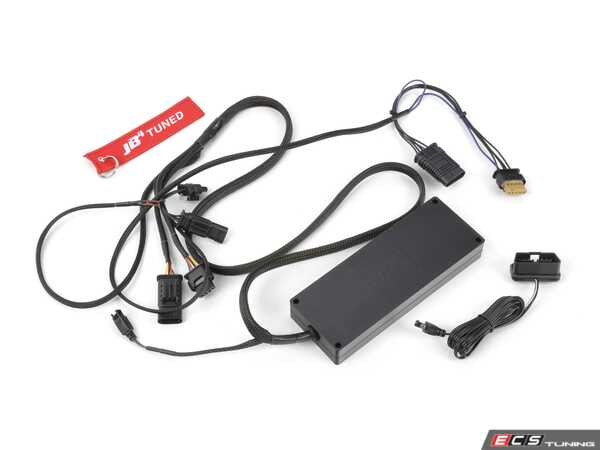
Burger Motorsports JB4 - Tuner for BMW B38 B46 B48
$529.00
Signs Your Plugs Are Done, Even Before the Interval Hits
Mileage is a guideline, not gospel. I've seen plugs go bad early on a hard-driven car and I've seen them hang on a bit longer than expected on a gently used one. What actually matters is what the car is telling you.
Rough Idle and Hesitation
A slightly lumpy idle that wasn't there before, especially cold, is often the first sign. It's subtle enough that a lot of owners just get used to it and stop noticing, which is exactly how a minor issue turns into a full misfire six months later.
Misfire Codes and Hesitation Under Boost
This is the big one on turbo cars. When cylinder pressure spikes under boost, a worn plug with an eroded electrode can't consistently jump the gap, and you get a stumble or hesitation right when you're on the throttle, which is the worst possible time for it. If you're seeing a check engine light alongside this, it's worth running through our BMW check engine light guide before you assume it's plugs, since coil issues, vacuum leaks, and even a failing DISA valve on older inline-sixes can mimic the same symptoms. Our misfire diagnostics page walks through how to narrow it down cylinder by cylinder.
Worse Fuel Economy and Harder Cold Starts
Plugs that are struggling to fire cleanly waste fuel, plain and simple. If your MPG has crept down a couple points and cold starts feel a little rougher than they used to, tired plugs are a cheap thing to rule out before you start chasing more expensive causes.
A quick scan with a decent OBD2 reader will usually confirm a misfire code before you even pull the coil cover. I keep an

Spark Plugs by Engine, Part Numbers and Notes
I'm not going to list exact SKUs here because BMW revises these more often than people expect and I'd rather send you somewhere that keeps that current than have you copy down a part number that's been superseded twice since I wrote this. What I will tell you is what to look for and what actually matters for each engine family.
N54
The N54 crowd has been dealing with plug fouling longer than any other BMW turbo platform, and the tuning community sorted this out years ago. OEM-style Bosch or NGK iridium plugs work fine stock. Once you're tuned, a lot of the established tuner-recommended parts lists call for a colder heat range plug, and gapping down to around 0.020 to 0.022 inches is common practice to reduce spark blowout under higher boost.
N55
Similar story to the N54. Stock power levels are fine on OEM plugs at the factory gap. Push the boost with a tune and the same colder plug, tighter gap logic applies, generally that same 0.020 to 0.022 inch window depending on which tuner's recommendation you're following.
B58
The B58 in my own 330i runs OEM BMW or NGK iridium plugs at a factory gap around 0.028 inches. It's a genuinely solid engine for plug life when left stock, honestly one of the better turbo sixes BMW has built in terms of how clean it keeps its plugs. Tune it, though, and the same rules apply, tighten the gap down per your tuner's spec.
S55 and S58
These are the M3/M4 engines, and because they're more commonly modified than the daily-driver N55/B58, performance plug sets are frequently sold pre-gapped around 0.020 inches out of the box. Colder plugs are the norm for tuned S55/S58 cars, and I'd honestly treat the 40,000 mile interval as the ceiling rather than the floor if you're tracking the car.
N20 and N26
The four-cylinder turbo engines use a Bosch double-iridium plug and generally aren't tuned as aggressively as the sixes, so the stock 60,000 mile interval holds up reasonably well here. These aren't cars I see plug problems on very often, which is one of the few things I'll give the N20/N26 credit for.
Gapping, Stock vs Tuned vs E85
This is one of those topics that generates a lot of noise in forums because people conflate "what the plug ships gapped to" with "what it should be gapped to for your setup." Here's the actual logic.
Why You Gap Down for a Tune
Higher boost means higher cylinder pressure at the moment of ignition, and higher pressure makes it easier for spark to blow sideways off the electrode instead of arcing across the gap cleanly, a phenomenon commonly called spark blowout. Tightening the gap from a stock spec around 0.028 inches down to roughly 0.020 to 0.022 inches gives the spark less distance to jump, which makes it more resistant to blowing out under boost. This is standard practice across N54, N55, and B58 tuned builds, and it's cheap insurance if you're already running a piggyback tuner.
E85 Doesn't Change the Logic, It Reinforces It
If you're running ethanol blends, you're almost certainly also running more boost to take advantage of the higher octane, which brings you right back to the same cylinder pressure problem. The tighter gap range still applies, and if anything I lean toward the tighter end of 0.020 inches on higher-boost E85 setups.
Coils, Replace Together or Leave Them Alone
This is the question I get asked constantly whenever plugs come up, and my answer disappoints people who want an excuse to do everything at once.
Don't Replace Coils on a Schedule
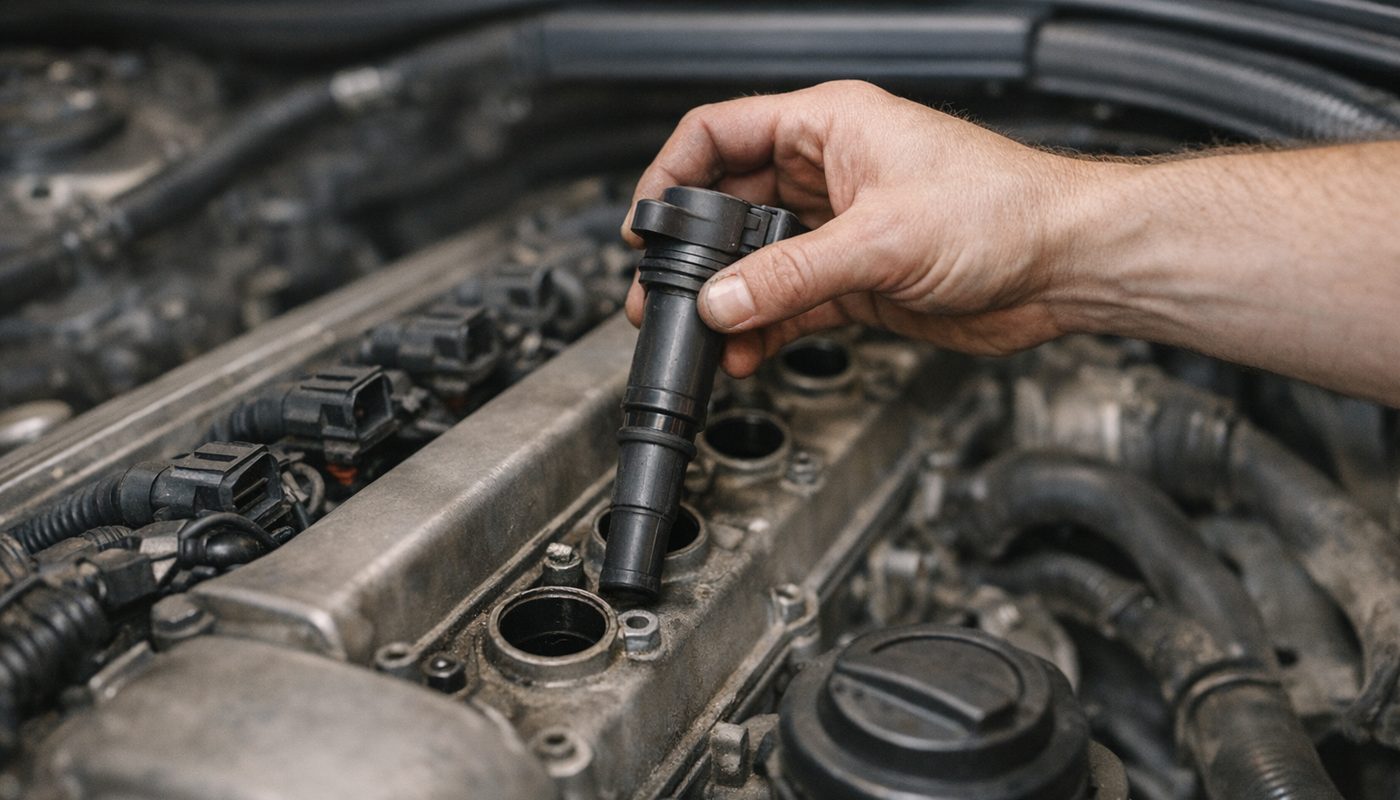
Coils and plugs wear on different timelines. A coil pack that's functioning correctly can easily outlast one or two plug intervals, and swapping them out preventatively just because you've got the valve cover open is money spent for no real gain in most cases. I only replace coils when they're actually showing symptoms, inconsistent misfires that move around between cylinders, or a coil that's physically old and has visible heat damage on the boot.
When Coils Actually Need Attention
If you're pulling codes for the same cylinder repeatedly even after fresh plugs, that's your sign a coil might be the actual culprit rather than the plug. Swap coils between cylinders as a cheap diagnostic step, if the misfire follows the coil, you've found your answer. If it stays on the same cylinder, look at the plug, the injector, or compression instead.
Cost, Dealer vs Indy vs DIY
Spark plugs are one of the better DIY jobs on a modern BMW in terms of cost savings, since the parts themselves aren't expensive but shop labor for the coil removal and reinstall adds up fast.
| Route | Parts Cost | Total Cost |
|---|---|---|
| Dealer | Included | roughly $250-$650 |
| Independent BMW specialist | Included | roughly $220-$500 |
| DIY (plugs only) | roughly $60-$200 | labor is your time |
Dealer
- Parts Cost
- Included
- Total Cost
- roughly $250-$650
Independent BMW specialist
- Parts Cost
- Included
- Total Cost
- roughly $220-$500
DIY (plugs only)
- Parts Cost
- roughly $60-$200
- Total Cost
- labor is your time
The wide range at the dealer and independent level mostly comes down to whether coils get swapped alongside the plugs and how many cylinders you're dealing with, an inline-six job takes longer than a four-cylinder N20/N26 simply because there's more real estate to work through. If you want the full line-item breakdown by engine, our dedicated BMW spark plug replacement cost guide goes deeper into shop labor rates region by region.
The DIY, Tools, Torque, and the Anti-Seize Debate
This is genuinely one of the more approachable maintenance jobs on a BMW, especially on the four-cylinder engines. The inline-sixes take a bit more patience because of clearance around the firewall side, but nothing here requires special dealer tools.
What You Actually Need
A proper spark plug socket with the rubber insert to grip the plug, a long extension, a torque wrench that reads accurately at low values, and a feeler gauge if you're adjusting the gap on a tuned car. You'll also want a small trim tool for the engine cover clips and a magnetic tray so you're not chasing a dropped coil bolt into the intake manifold at 9pm on a Sunday.
Coil Bolts and Torque Spec
This is where I see people get sloppy. BMW spark plugs use a surprisingly low torque spec compared to what people expect, and over-tightening is one of the most common mistakes I see on DIY jobs. Too tight and you risk stretching or cracking the plug housing, especially with the aluminum cylinder head threads BMW uses. Always torque to spec with a wrench, never "snug plus a bit" by feel. The coil bolts themselves are low torque too, just enough to seat them firmly without cranking down on plastic coil housings.
The Anti-Seize Debate
I'll settle this one plainly, don't use anti-seize on modern nickel-plated or iridium BMW plugs unless the plug manufacturer specifically calls for it, and most don't. The coating on these plugs already resists seizing in aluminum heads, and adding anti-seize compound changes the friction coefficient on the threads, which throws off your torque reading even when you're using a calibrated wrench. I've seen plugs seize regardless of anti-seize, and I've seen plugs overtighten because someone added it and then torqued to the "dry" spec on top of it. Skip it, torque dry, done.
FAQ
How often should I change spark plugs on a BMW
Roughly 60,000 miles on a stock car and 40,000 to 45,000 miles if you're running a tune, E85, or higher boost. That's tighter than BMW's own long-life guidance, but it matches what I actually see when I pull plugs for inspection at those mileages on turbo DI engines like the N54, N55, and B58.
What spark plugs does BMW recommend
BMW typically specs OEM Bosch or NGK iridium plugs depending on the engine, often double-iridium on the four-cylinder N20/N26. For tuned cars, many owners move to a colder heat range plug from the same manufacturers rather than switching brands entirely, since heat range matters more than badge loyalty here.
How much does a BMW spark plug cost
Parts alone typically run roughly $60 to $200 for a full set depending on the engine and brand. A shop job including labor and coil inspection generally lands between $220 and $650 depending on whether you're at a dealer or an independent BMW specialist, and whether coils get replaced alongside the plugs.
Do BMWs tell you when to change spark plugs
Not directly. There's no dedicated plug counter in the condition-based service system, it's folded into general engine monitoring, so most of the time you find out you need plugs when a misfire code shows up rather than getting an advance warning. That's exactly why mileage-based intervals and paying attention to symptoms like rough idle matter more than trusting the dash.
Should I gap down my plugs if I have a tune
Yes, on turbo BMWs like the N54, N55, and B58, tuners commonly recommend tightening the gap to around 0.020 to 0.022 inches to resist spark blowout under higher cylinder pressure. If you're running something like a JB4, check the specific gap recommendation for your tuning level since stage 1 and stage 2 setups don't always need the same gap.
Do I need to replace ignition coils at the same time as plugs
Not automatically. Coils generally outlast one or two plug intervals, so I only replace them when they're actually showing symptoms like a persistent misfire on the same cylinder or visible heat damage. Swapping coils between cylinders as a quick test tells you fast whether the coil or the plug is actually at fault.
Can I use anti-seize on BMW spark plugs
I don't recommend it unless the plug manufacturer specifically calls for it, which most modern nickel-plated and iridium plugs don't. It changes the friction on the threads and throws off your torque reading even with a calibrated wrench, and it's not needed on these coatings anyway.
Bottom line
Spark plugs are cheap, the labor to get to them is what costs money, and ignoring BMW's optimistic interval is one of the easiest ways to avoid a misfire that could've been a $150 DIY job turning into a diagnostic headache. Stock car, plan on 60k. Tuned, E85, or pushing more boost, plan on 40 to 45k and don't talk yourself out of it because the dash hasn't complained yet. I've been wrong about a lot of things on these cars over fifteen years of wrenching, but I've never regretted changing plugs a little early. Get after it, torque to spec, skip the anti-seize, and your ignition system will thank you every time you get on the throttle.