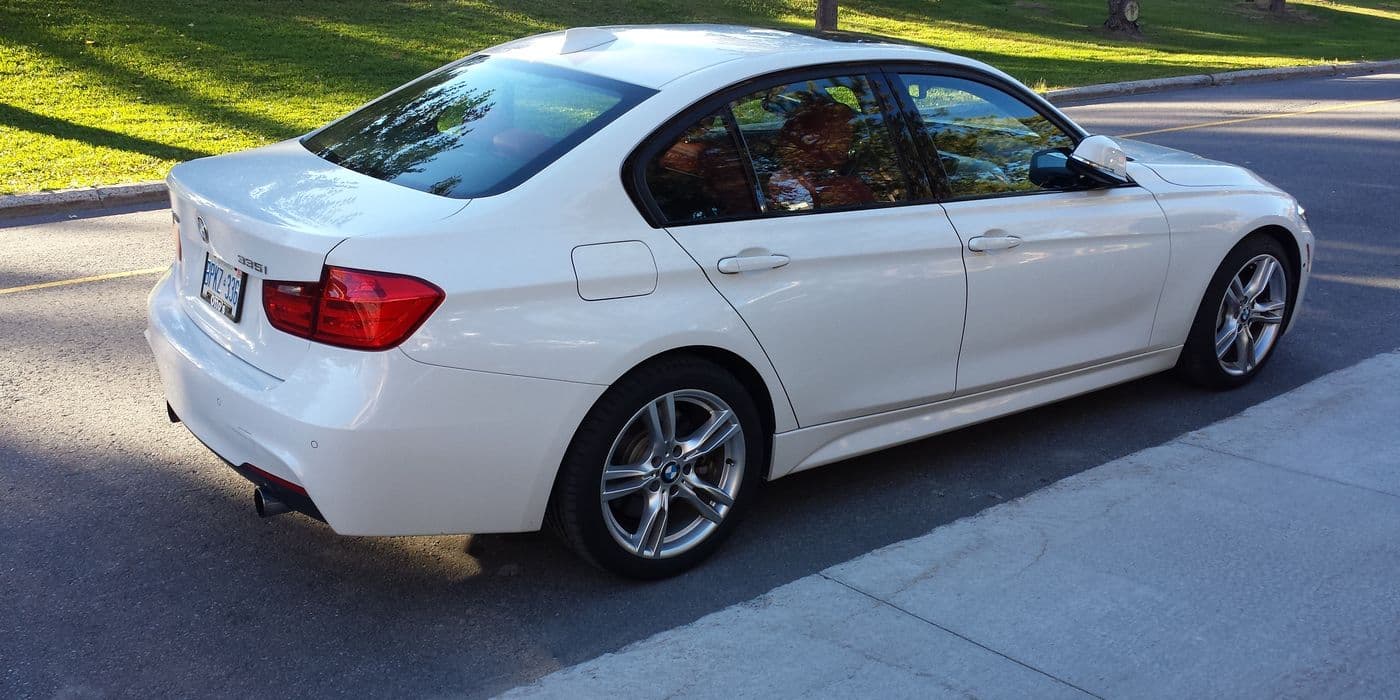
How to Replace BMW Oil Filter Housing Gasket - N52, N54, N55 DIY
Affiliate disclosure. BimmerTalk is a proud partner of the Amazon Associates Program and Turner Motorsport. We may earn a small commission on qualifying purchases through our links, at no extra cost to you. Read the full disclosure.

If I had to pick one single maintenance item that I have done more than any other on BMW sixes from the N52, N54, and N55 family, it would be the oil filter housing gasket. This is, without question, the number one oil leak on every one of these engines. It is so common that experienced BMW technicians ask about it first when a customer rolls in with an oil leak complaint. The gasket lives in a thermally stressed location, it is made of rubber that hardens with age, and it seals a joint that cycles from cold to hot and back again hundreds of times over the life of the car. It will fail. The only question is when.
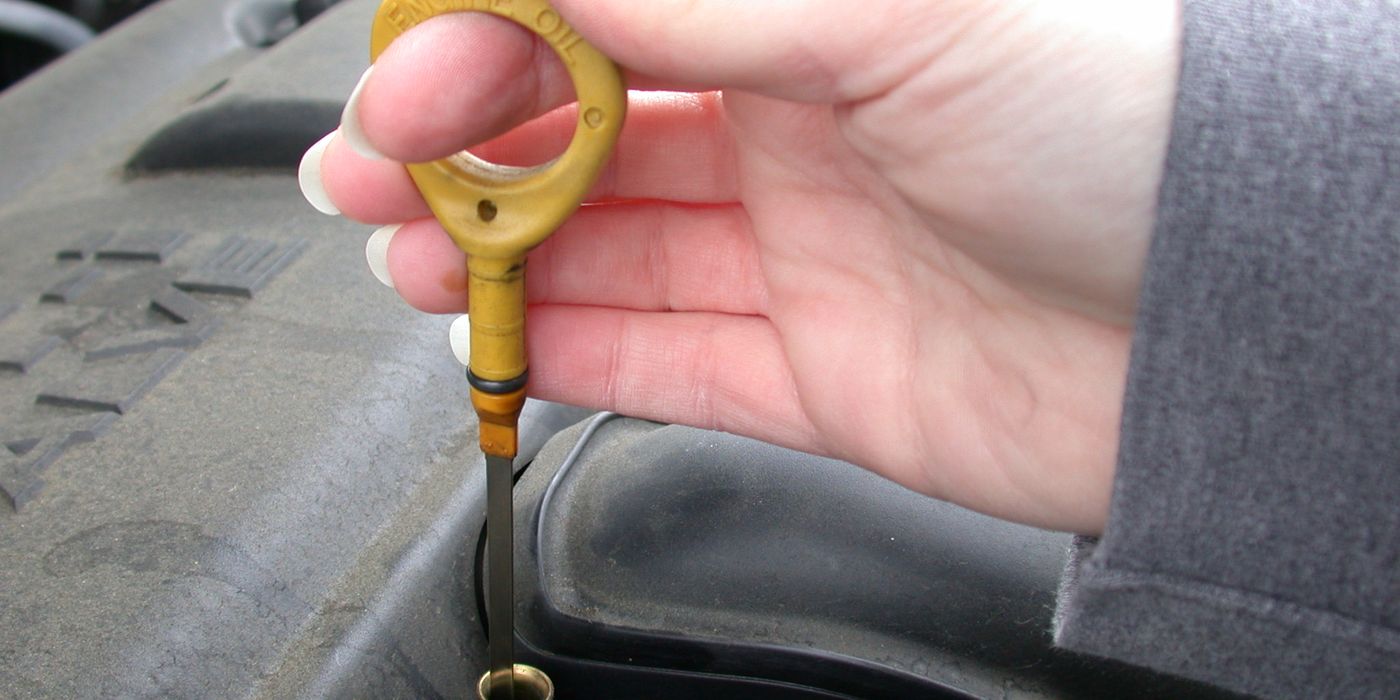
Symptoms are distinctive once you know what to look for. The first sign is usually a faint burning oil smell when the engine is warm and you have just parked - you are smelling oil dripping onto the exhaust manifold or the starter motor below. Then you notice an oil residue on the driver side of the engine (the oil filter housing is on the front passenger side of the block on most of these engines - specifics vary slightly by chassis). Eventually you may see the oil level dropping between changes. And if you leave it long enough, oil contaminates the starter motor, leading to hard starting, starter failure, and a repair bill that dwarfs the original gasket job.
The Victor Reinz oil filter housing gasket kit is the one I reach for on all three engines. It includes not just the main housing gasket but also the oil cooler O-rings, the drain tube O-ring, and the small O-ring that seals the oil filter cap itself. The total parts cost runs $25 to $45. At a shop, this is a two to three hour labor job - easily $300 to $500. Do it yourself in an afternoon.
Oil Filter Housing Gasket
Number One Oil Leak on N52/N54/N55
$25 - $45
Victor Reinz Kit Cost
$300 - $500
Labor at Shop
25 Nm
Torque Spec (housing bolts)
Identifying the Oil Filter Housing Location and Leak Pattern
On the N52 E90 328i, the oil filter housing is on the front passenger side of the engine block. On the N54 and N55, it is in the same general area but positioned slightly differently due to the turbocharger plumbing. In all cases, it is a large aluminum casting that contains the spin-on or cartridge oil filter and houses the oil cooler lines.
The leak pattern from a failed OFHG usually runs down the front of the engine, coating the lower block in a thin film of oil that then bakes onto the exhaust hardware and migrates toward the starter. Use a UV dye test to confirm source if you are unsure. Shine the UV light on the housing mating surface - fresh leaks glow bright yellow-green against the dark engine surface.
| Symptom | Likely Source |
|---|---|
| Burning oil smell when parked | Oil on exhaust, starter contamination |
| Oil film on lower passenger side block | OFHG main seal failure |
| Hard starting / slow crank | Starter motor contaminated with oil |
| Oil level dropping 1 qt per 3,000 miles | Active OFHG leak in progress |
| Oil cooler line weeping | Cooler line O-ring failure (in kit) |
Burning oil smell when parked
- Likely Source
- Oil on exhaust, starter contamination
Oil film on lower passenger side block
- Likely Source
- OFHG main seal failure
Hard starting / slow crank
- Likely Source
- Starter motor contaminated with oil
Oil level dropping 1 qt per 3,000 miles
- Likely Source
- Active OFHG leak in progress
Oil cooler line weeping
- Likely Source
- Cooler line O-ring failure (in kit)
One important diagnostic note - the N52 has a second common leak from the crankshaft position sensor O-ring which is located nearby. Both leaks can look similar from above. The UV dye test distinguishes them clearly. If both are leaking, replace both at the same time since you are already in the area.
Parts and Tools Needed
Parts - Victor Reinz oil filter housing gasket kit (confirm it includes all O-rings and the main housing gasket), fresh engine oil for refill after the job (you will drain oil as part of the removal process), and optionally a new oil filter cartridge since you will have the housing open anyway.
Tools - 10mm, 13mm, and 32mm sockets (the 32mm is for the oil filter cap on cartridge-style housings), Torx bits T45 and T50 for some of the housing bolts depending on year, torque wrench, drain pan, oil-resistant gloves, and clean shop rags. On the N54 and N55, you may also need to move or remove the charge pipe for clear access - keep that in mind when planning the job.
Draining the Oil and Preparing the Engine
Drain the engine oil fully before starting this job. Doing the OFHG with oil in the engine is technically possible but messy and slow. A fully drained crankcase means far less oil escapes when you pull the housing. With the oil drained and the drain plug reinstalled, remove the oil filter cap and extract the filter cartridge if your car has the cartridge style (E90 N52 uses a cartridge; many E90 N54/N55 also use cartridge). This gets oil out of the housing before it can spill on you.
On the N54 and N55, this is a good time to assess the charge pipe situation. The charge pipe on N54 runs close to the oil filter housing and may restrict your wrench swing on the housing bolts. If the charge pipe shows any cracking or hardening at the joints - common on high-mileage N54s and N55s - replace it now while you are in this corner of the engine bay. The cost and time savings from combining these two jobs are significant.
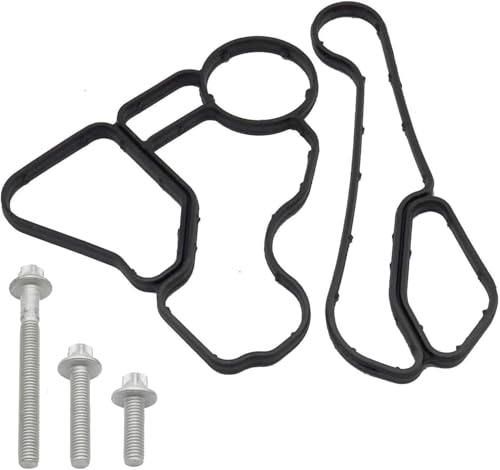
BMW Oil Filter Housing Gasket & Seal Kit (11428637821)
$15.88
Removing the Oil Filter Housing
The housing is held by typically four to six bolts running around its perimeter. On the N52 E90, these are usually 10mm bolts. On the N54 and N55, you may encounter a mix of 10mm and 13mm, and sometimes Torx head bolts on updated housing designs. Photograph the bolt positions before removal - the bolts are often different lengths and must return to their original positions.
Before pulling the housing free, disconnect the oil cooler lines. These are typically 17mm or 19mm banjo-bolt fittings. Unscrew them carefully and set the lines aside - they will drain residual oil so have your pan ready. Also disconnect the oil pressure sensor electrical connector if it is attached to the housing.
With all bolts and oil cooler lines disconnected, the housing pulls forward off the block. It may stick to the old gasket - work it gently with a back-and-forth motion rather than levering with a tool. Once off, the old gasket is usually adhered to either the block or the housing. Remove it completely and clean both mating surfaces with brake cleaner until they are spotless.
Installing the New Gasket and Reassembling
Inspect the oil cooler line O-rings in the Victor Reinz kit - they are the small round rings that seat in the banjo bolt grooves. Install these before the housing goes back on. Lightly coat them with fresh engine oil so they compress evenly without tearing.
Place the new main gasket on the block mating surface. It should fit into a groove or over alignment dowels - do not use additional sealant on this joint unless the kit instructions specifically call for it. Victor Reinz gaskets are pre-treated and do not need additional sealer.
Slide the housing back onto the block, aligning the bolt holes carefully. Thread all bolts in finger-tight first. Then torque in a cross pattern to 25 Nm. Reconnect the oil cooler lines to their banjo fittings - torque to 25 Nm as well. Reconnect the oil pressure sensor connector.
Install a fresh oil filter cartridge and the filter cap with its new O-ring (from the kit). Torque the filter cap to the spec embossed on the cap or stated in the kit - typically 25 Nm. Add fresh engine oil to the correct level per the dipstick.
Post-Install Inspection and Clearing the Starter
Start the engine and immediately check for oil leaks around the housing. Watch the oil pressure gauge or warning light - pressure should build within three seconds of startup. If the oil pressure light does not extinguish promptly, shut down immediately and diagnose.
The most important follow-up task if your OFHG leak was long-standing - inspect the starter motor. The N52/N54/N55 starter sits directly below and behind the oil filter housing. Oil dripping down over months or years soaks into the starter windings and solenoid. Spray the starter with brake cleaner with the engine off to flush out as much oil contamination as possible. If the starter already shows signs of hard cranking or slow engagement, it may need replacement regardless of how clean the new gasket is.
For all engine maintenance guides related to the N52, N54, and N55, visit /engine. For cooling system work that pairs well with this job, see /cooling. The /articles/bmw-n55-common-problems article covers the OFHG among other frequent issues. If you discovered charge pipe damage during this job, see /engine/charge-pipes for upgrade options.
Inspecting the Starter Motor After Repairing an OFHG Leak
The most critical follow-up task after repairing a long-standing oil filter housing gasket leak is a thorough inspection of the starter motor. On the N52, N54, and N55, the starter sits directly below and rearward of the oil filter housing. Oil dripping down over months or years soaks into the starter windings, commutator, and solenoid. Contaminated windings create high resistance and reduced current flow, which manifests as hard starting, slow cranking, and eventual starter failure under load - most noticeably on cold mornings when oil is thick and electrical demand on the starter is at its peak.
With the OFHG repaired and the new gasket holding, clean the starter thoroughly with brake cleaner spray applied while the engine is cold and off. Drench the external surfaces, allow the solvent to work for a minute, then blow dry with compressed air. This removes the external oil film but cannot fully decontaminate internal windings that have been soaking for extended periods. If the car showed any hard-start or slow-crank symptoms before the OFHG repair, plan for starter replacement as a subsequent job. A good starter for the N52/N54/N55 costs $80 to $150 for an OEM-quality remanufactured unit.
Coolant Maintenance and OFHG Longevity
A fresh Victor Reinz OFHG on any of these three engines should last 80,000 to 120,000 miles under proper maintenance conditions. The factors that most accelerate OFHG failure are old degraded coolant passing through the oil cooler that the housing seals, and old degraded engine oil. Both fluids become acidic over time and attack the rubber seals in the housing assembly - the main gasket, the oil cooler line O-rings, and the drain tube O-ring are all vulnerable to acidic fluid degradation.
Change engine oil on schedule and change coolant every four years regardless of the service indicator. When both fluids are maintained proactively, every seal and gasket in the engine bay lives longer. An investment of $20 in fresh premixed coolant every four years is dramatically cheaper than another OFHG labor job at $300 to $500 in shop time.
Use only BMW-spec or OAT-compatible coolant in these engines. Do not mix green conventional coolant - the silicate inhibitor package is incompatible with BMW aluminum alloys and will accelerate corrosion rather than prevent it.
For related maintenance resources: /engine, /cooling, /articles/bmw-n55-common-problems, /engine/charge-pipes, /cooling/water-pumps.
Preventing Future OFHG Failures - Annual Leak Checks
After completing the OFHG repair, incorporate an annual underhood inspection into your maintenance routine. Every spring, with the car on a level surface and the engine cold, spend five minutes with a flashlight checking the oil filter housing area for any signs of fresh oil seepage at the housing gasket joint or the oil cooler line connections. Catching a weep early - before it becomes an active drip that contaminates the starter and exhaust - saves significant time and money. A weep identified early can often be addressed with a gasket retorque (if the housing bolts have loosened slightly) or a targeted O-ring replacement without doing the full housing removal again. These engines age gracefully when problems are caught and addressed before they compound.


