
How to Replace Spark Plugs on BMW N52 - E90, E60 DIY
Affiliate disclosure. BimmerTalk is a proud partner of the Amazon Associates Program and Turner Motorsport. We may earn a small commission on qualifying purchases through our links, at no extra cost to you. Read the full disclosure.

The N52 does not get the attention the turbocharged BMW engines get, but in terms of sheer numbers I have probably done more N52 spark plug jobs than any other engine in my shop. The E90 328i and 330i, the E60 528i and 530i, the E85 Z4 3.0i - these cars are everywhere, they are aging into the territory where maintenance gets overlooked, and the N52 is a naturally aspirated engine that truly rewards fresh ignition components. When N52 owners come in complaining about roughness, hesitation above 5,000 RPM, or a fuel economy drop, nine times out of ten it is the spark plugs. The N52 is not an engine that gives you dramatic warning signs - it just gradually loses its edge.
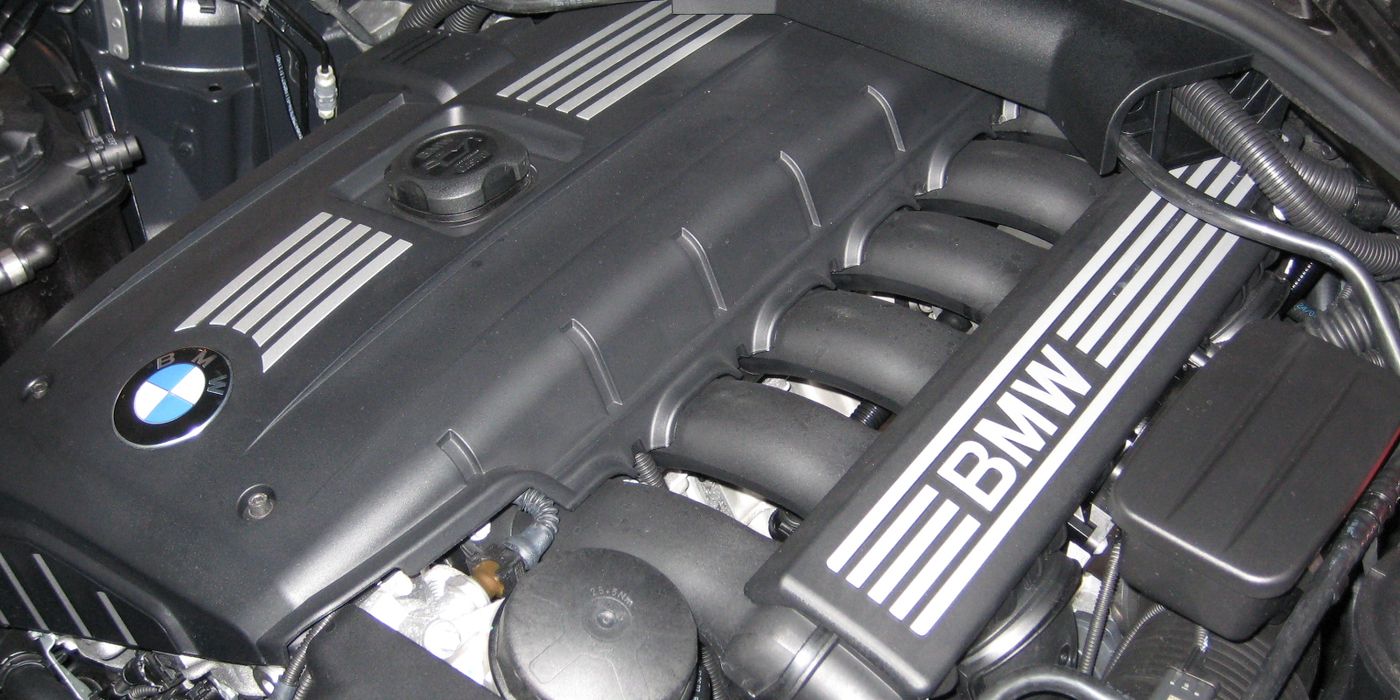
I have been working on N52-powered BMWs since the E90 launched in 2005. This engine does not have the tuner following of the turbocharged units, but it has a lot going for it: a clean, high-revving inline-six with Valvetronic variable lift, VANOS variable timing, and the smoothest idle of any BMW six I have worked on. Keeping it running as BMW intended requires clean ignition, and that means fresh plugs at the right interval.
I want to be upfront about one thing before we start: the coil pack connector clips on the N52 are fragile. I mean genuinely fragile. They are a push-tab design, but on older cars the plastic becomes brittle with heat cycling and age. I have had customers bring in N52s where the previous owner broke three coil clips trying to disconnect them improperly. If a clip breaks, the coil connector is loose and you will get intermittent misfires. I will show you exactly how to do this without breaking anything.
30 Nm (22 ft-lb)
Torque Spec
0.028 in (0.7 mm)
Plug Gap
60,000 miles
Service Interval
45-60 min
Time to Complete
6
Number of Plugs
E90, E91, E92, E60, E85
Compatible Chassis
N52 Spark Plug Specs and Part Numbers
The N52 is naturally aspirated, so heat range selection is straightforward - there is no boost-driven need to step down colder. The correct replacement plug is the NGK Laser Platinum BKR6EQUP or the equivalent NGK Laser Iridium. Bosch's OEM equivalent is the Bosch FGR6KQE or the Bosch Double Iridium in the same heat range. Both are appropriate; in my shop I default to NGK because their quality control and consistent fitment across BMW applications gives me confidence.
Do not use standard copper core plugs in the N52. The electrode geometry and heat range of the platinum and iridium plugs are matched to the N52's combustion chamber design and Valvetronic operation. Cheap copper plugs will technically fire, but you will see reduced performance, worse fuel economy, and shorter service life. The premium plugs are worth it - a set of six NGK iridium plugs for an N52 is around $50-70, which is trivial maintenance cost on any car.
| Application | NGK Part Number | Bosch Equivalent | Gap | Torque |
|---|---|---|---|---|
| N52 All Applications | NGK BKR6EQUP (Laser Platinum) | Bosch FGR6KQE | 0.028 in / 0.7 mm | 30 Nm |
| N52 Alternative (Iridium) | NGK ILZKBR7B8 | Bosch Double Iridium | 0.028 in / 0.7 mm | 30 Nm |
N52 All Applications
- NGK Part Number
- NGK BKR6EQUP (Laser Platinum)
- Bosch Equivalent
- Bosch FGR6KQE
- Gap
- 0.028 in / 0.7 mm
- Torque
- 30 Nm
N52 Alternative (Iridium)
- NGK Part Number
- NGK ILZKBR7B8
- Bosch Equivalent
- Bosch Double Iridium
- Gap
- 0.028 in / 0.7 mm
- Torque
- 30 Nm
The torque spec for the N52 is 30 Nm - higher than the turbocharged engines. This is appropriate for the N52's cylinder head thread design. Use a proper torque wrench. I have seen N52 plugs both over-torqued (thread damage) and under-torqued (plugs backing out slightly under vibration) when customers tried to do this job without a torque wrench. Thirty Newton-meters is not a lot - it feels hand-tight with a hint of additional snugging - but get the number right.
How to Remove N52 Coil Pack Connectors Without Breaking Them
This deserves its own section because it is the most common way this job goes sideways. The N52 coil pack electrical connector has a small locking tab on one side. To release it, you press the tab inward with your thumb or a small flathead screwdriver, then pull the connector straight back off the coil. The problem is that people push the wrong thing, or push with too much force, and the plastic clip snaps.
Here is my technique: use the thumbnail of your thumb, not a tool. The tab is small and the amount of pressure needed is minimal - you are just moving the locking tab out of its detent, not forcing anything. Press the tab with your thumbnail, feel it move slightly, then pull the connector back with your other hand. Steady, even pull - no yanking. If the connector has not been removed in many years and feels stuck, a tiny amount of electrical contact lubricant sprayed at the connection point and left to soak for five minutes helps enormously.
If the clip is already broken when you arrive at the car, the connector will still fit over the coil but it will not lock. You can use a small zip tie around the connector body to hold it in place temporarily, but the proper fix is replacing the connector pigtail, which is a short soldering job or a direct-plug pigtail repair kit. Address it properly - a loose coil connector causes intermittent misfires that are maddeningly hard to diagnose.
Step-by-Step N52 Spark Plug Replacement
Start with a cold engine. Remove the engine cover - on the E90, the N52's cover is the largest plastic piece on top of the engine, typically held by four push-pin type connectors at the corners. Pull it straight up and set aside. On the E60, the engine cover design differs slightly but the removal is similarly straightforward.
With the cover off, you are looking at the top of the N52. The valve cover is prominent, with six coil packs sitting in cylindrical wells along the top. The intake manifold on the N52 runs along the front of the engine (facing the cabin), which means the coils are actually quite accessible from above with no manifold removal needed. This is one area where the N52 is genuinely easier to work on than some other BMW engines.
Using your thumbnail, press the locking tab on coil 1's connector and pull it straight back. Grasp the coil body firmly - the N52 coils have a cylindrical body with a slight recess to grip - and pull straight upward. The boot will resist for a moment and then release. Do not twist or rock side to side aggressively.
Insert the 14mm thin-wall spark plug socket into the well on a 6-inch extension. The N52 plug wells are moderately deep - about 3.5 inches - and a standard socket will not clear the well walls. Seat the socket and break the plug loose counterclockwise. If it is stiff, that is normal on a plug that has not been changed in 60,000 miles. Do not force it if it feels seized - apply a small amount of penetrating lubricant down the well and wait 10 minutes before trying again.
Spin the plug out and inspect it. On the naturally aspirated N52, worn plugs typically show increased electrode gap and some carbon deposits but not the more aggressive fouling you see on tuned turbocharged engines. The electrode tip will appear worn and the gap will be measurably wider than the new plug's 0.028 inches. This wear is what causes the smooth high-RPM surge to feel slightly flat and the idle to lose some of its crispness.
Thread the new NGK plug in by hand, all the way until snug. Then torque to 30 Nm. Apply dielectric grease inside the coil boot - this is particularly important on the N52 because the boot-to-plug interface gets quite hot on a naturally aspirated engine running at higher revs, and dielectric grease prevents the rubber from fusing to the ceramic. Reconnect the coil carefully, pressing the connector until you hear and feel the click of the locking tab engaging.
N52 Valve Cover Gasket and Plug Tube Seals
The N52's valve cover gasket is less prone to leaking than the N54 and N55, but it does fail eventually on high-mileage examples. More commonly on the N52, the spark plug tube seals - the rubber O-rings that seal the tube entering the valve cover around each plug - deteriorate and allow oil seepage into the plug wells. If you see oil residue when you remove the coils or in the plug wells themselves, these tube seals need replacement.
The spark plug tube seals on the N52 are available as a set of six for around $20-30. Replacing them requires removing the camshaft cover and the plug tubes, which is a bigger job but not a complicated one. If you are seeing oil contamination, do not ignore it - install new plugs and coils into oil-fouled wells and you are just wasting parts. Do the seals first, then the plugs. The full valve cover gasket kit on the N52 typically runs around $60-80 for OEM-quality parts.
Why the N52 Responds So Well to Fresh Plugs
The N52's Valvetronic system varies intake valve lift continuously from 0.3mm to 9.9mm based on throttle position and load. This is the technology that allows the N52 to run without a traditional throttle butterfly at partial loads. The combustion events in this engine are precisely timed to work with that variable valve lift, and the ignition has to fire reliably across a wide range of mixture densities and loads.
When plugs wear and the gap widens, the DME has to increase the ignition coil dwell time to achieve a sufficient spark energy to fire the mixture. This adds heat to the coil and increases the electrical demand on the ignition system. It also means slightly less precise ignition timing because the discharge profile changes with a wider gap. On a naturally aspirated high-revving engine like the N52, this shows up as reduced sharpness above 5,000 RPM and a fuel economy penalty of 5-10% in my experience. Fresh plugs restore the engine to its designed ignition characteristics and the difference is immediately noticeable.
When to Replace N52 Ignition Coils
The N52's ignition coils are reliable by BMW standards. I rarely see coil failure on N52 cars below 100,000 miles in normal street use. When they do fail, the symptom is a consistent single-cylinder misfire - you will feel it at idle and possibly smell unburned fuel from the exhaust. Swap the coil from the misfiring cylinder with an adjacent one and see if the code moves. If it does, replace the coil.
I do not routinely replace coils on N52 plug jobs the way I sometimes suggest on the N54. The N52 coils are more robust and the engine is naturally aspirated, so the ignition demand is lower. If the coils are original on a 150,000-mile car, a visual inspection for cracking is wise, but I would not replace them preemptively unless the car shows coil-related symptoms.
For more on the E90 platform and what goes into keeping these cars well-maintained, visit our E90 3 Series page. More general spark plug information is in our spark plugs and ignition section. For engine health beyond ignition, the engine maintenance section covers everything from oil specs to cooling.
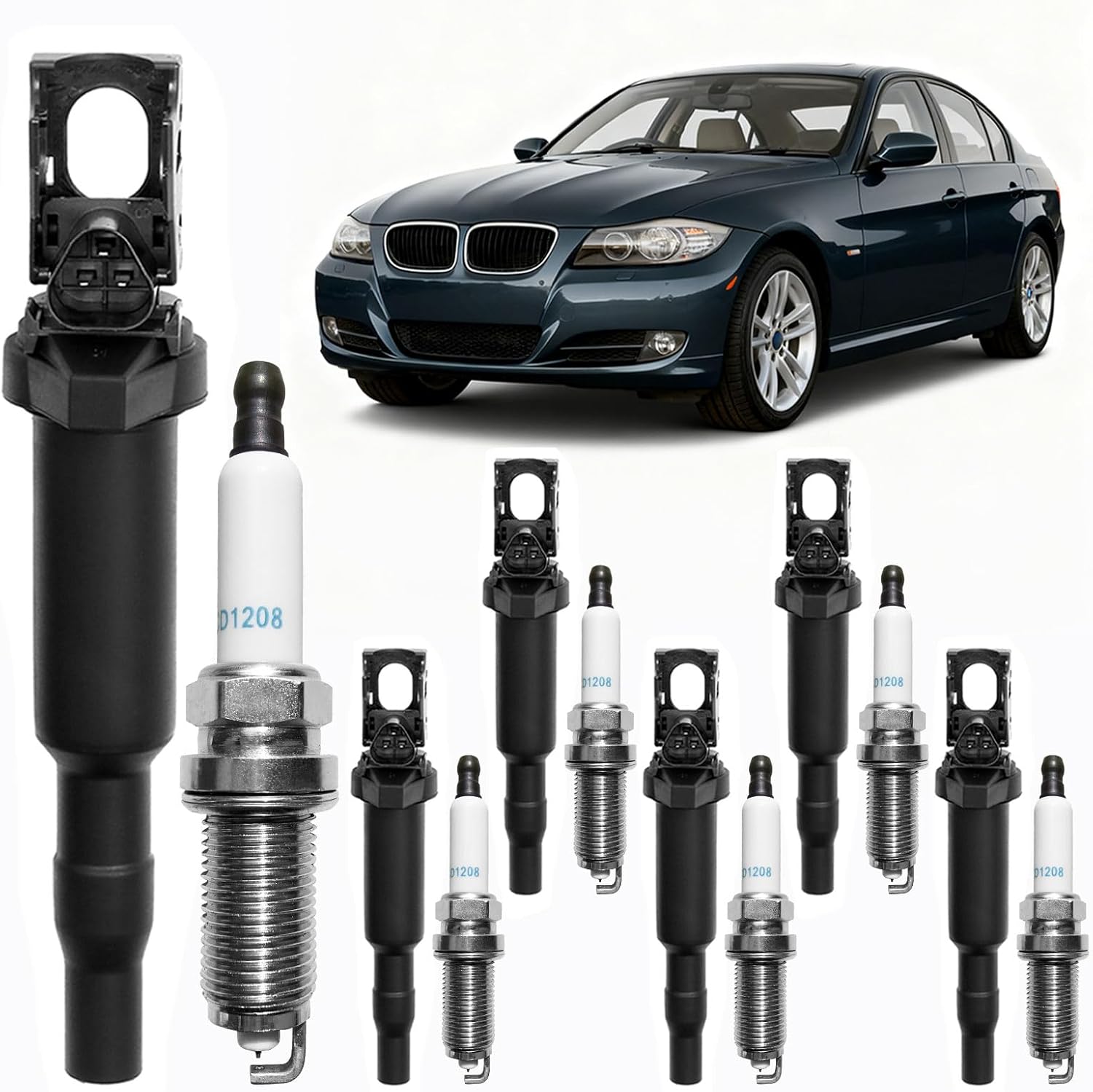
HQPASFY Ignition Coil & Spark Plug Set (x6) — BMW 3.0L N52/N54
$79.99
N52 Performance Upgrades and Ignition Synergy
The N52 is not a tuner engine in the traditional sense - it is naturally aspirated and the power gains from forced induction conversions are expensive and complicated. But there are legitimate bolt-on improvements that work well with fresh ignition: a quality cold air intake from aFe or Eventuri improves airflow into the engine and lets Valvetronic operate across its full lift range more effectively. The improvement is subtle - the N52 is not making 60 more horsepower with an intake - but the combination of unrestricted airflow and clean ignition gives the engine its best possible naturally aspirated performance. For N52 intake options, see our cold air intake guide.
Spark plug wire quality matters on older N52 applications where the wiring harness has accumulated age-related wear. While the coil-on-plug design eliminates traditional spark plug wires, the wiring from the DME to the coil packs can develop resistance over time from heat cycling and age-related insulation degradation. If you have cleaned up the ignition with fresh plugs and still have subtle misfires, the next step is measuring coil primary resistance with a multimeter. A coil with high primary resistance fires weakly and causes the same intermittent miss symptoms as a worn plug. Replace any coil measuring more than 20% outside of spec.
Long-Term N52 Ownership - What I Tell My Customers
I have customers who have owned N52-powered E90s and E60s for 15 years with over 200,000 miles on them. These cars are not fast by modern standards, but they are smooth, comfortable, and inexpensive to maintain when you stay ahead of the service items. The keys to high-mileage N52 reliability are consistent oil changes, fresh coolant at the proper interval (BMW recommends every 4 years or 150,000 miles), and keeping the ignition components fresh. The Valvetronic motor on the N52 - which controls the variable valve lift - is the component I watch most carefully on high-mileage examples. When the Valvetronic motor develops sluggishness or fault codes, the symptoms overlap with ignition issues and it requires a different diagnosis approach.

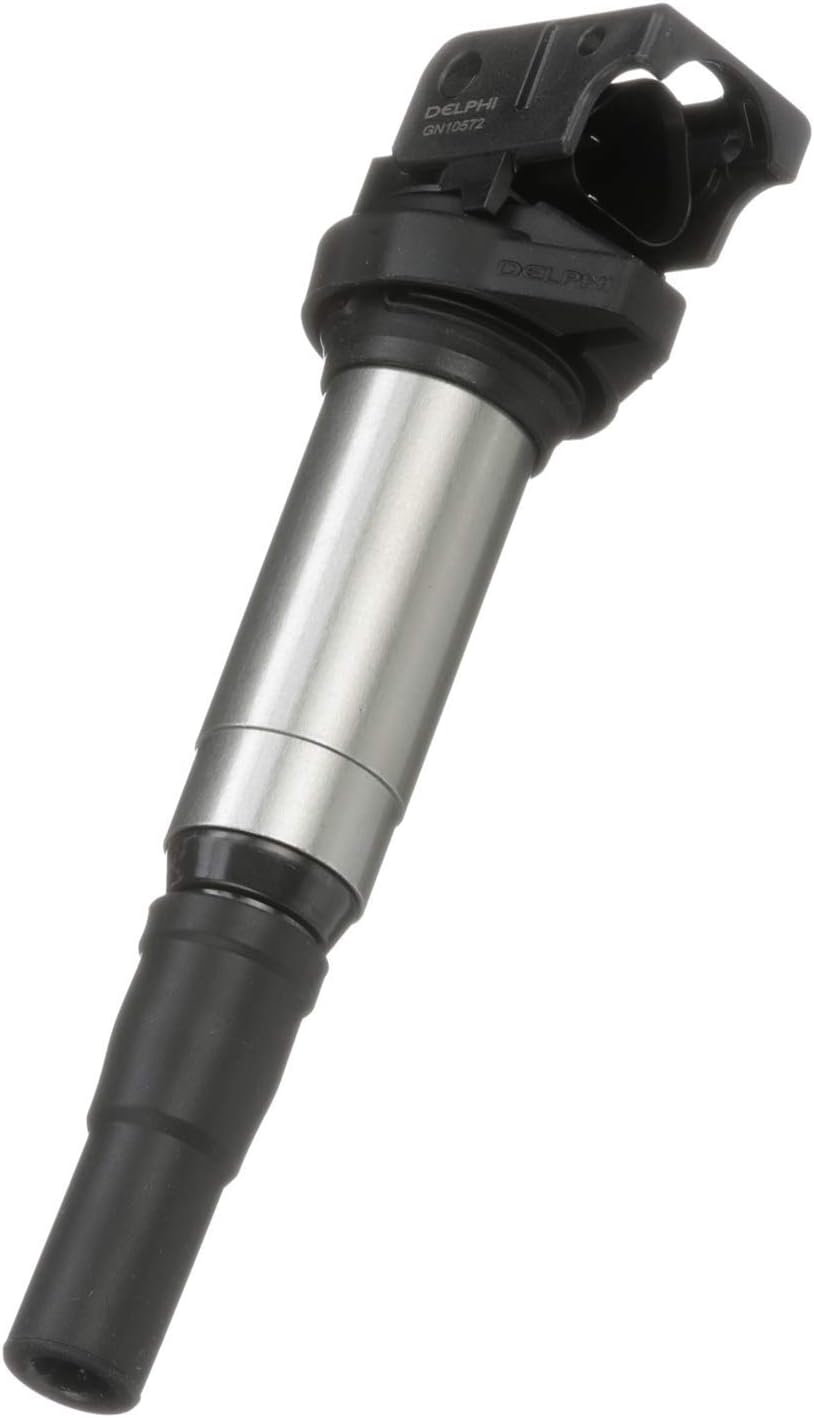


After a plug change, I always take N52 cars for a thorough road test that includes extended cold-idle behavior, gradual warm-up, and several full-throttle accelerations once the engine reaches operating temperature. The N52's Valvetronic system takes a few seconds to respond optimally when the engine is cold, and verifying smooth, progressive throttle response from idle to redline confirms the ignition and Valvetronic are working together correctly. Any hesitation above 4,500 RPM after fresh plugs typically indicates a Valvetronic or VANOS issue rather than a continuing ignition problem. For more information on keeping high-mileage N52 engines running well, see our engine maintenance section and the E90 platform guide.

