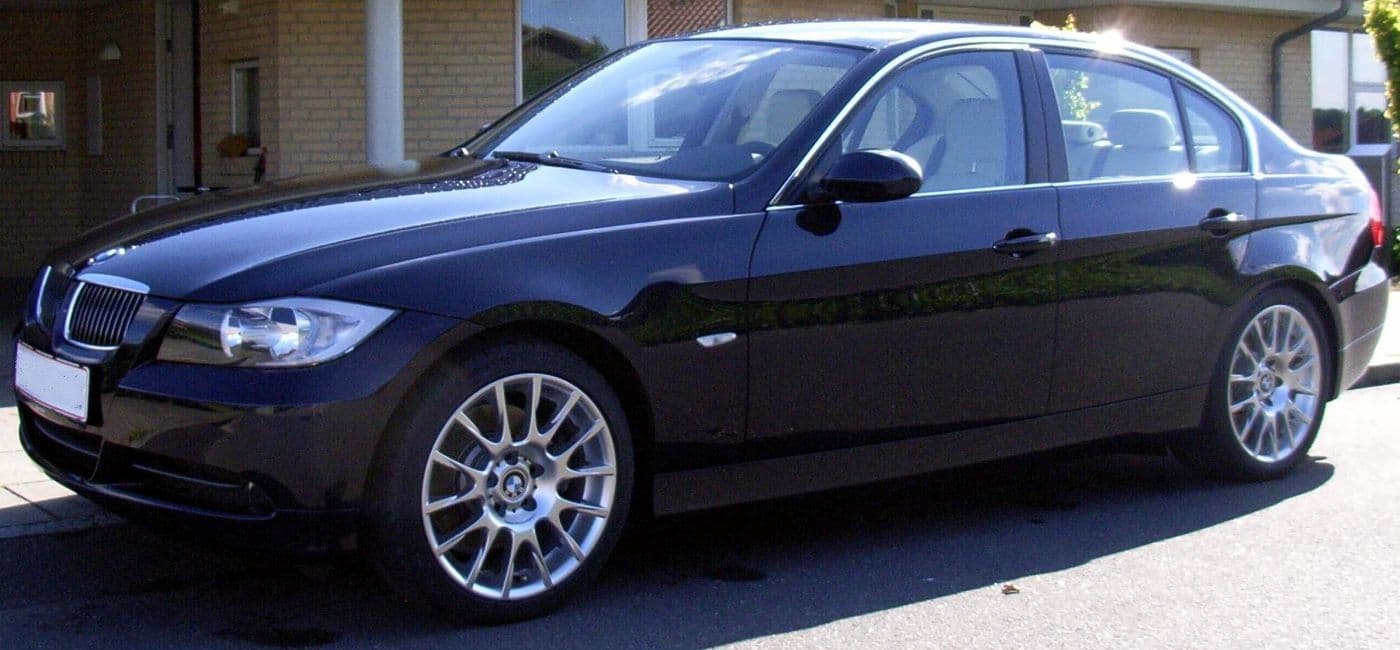
How to Replace Valve Cover Gasket on BMW N54 - 335i DIY
Affiliate disclosure. BimmerTalk is a proud partner of the Amazon Associates Program and Turner Motorsport. We may earn a small commission on qualifying purchases through our links, at no extra cost to you. Read the full disclosure.

The N54 valve cover gasket job is a step up in complexity from the naturally aspirated N52 version, primarily because of the intake manifold. On the twin-turbocharged N54 found in the E90/E92/E93 335i, E82 135i, E60 535i, and Z4 35i, getting the valve cover off means first removing the intake manifold - a component that is bolted in place with more fasteners and more associated plumbing than most home mechanics expect the first time they encounter it. But here is what I always tell N54 owners - this is a one-time learning curve. Once you have done this job, it takes you half the time on the second attempt, and you will have spent a fraction of what the dealer would charge.
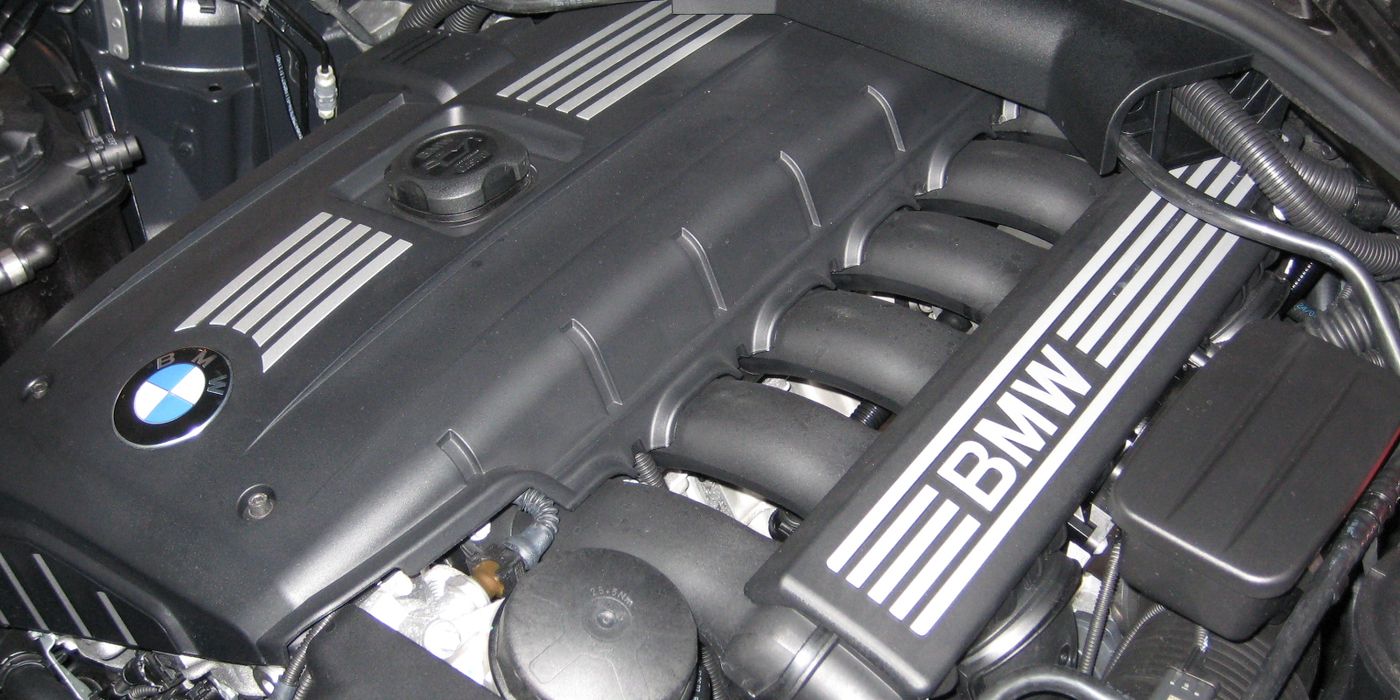
At a shop, this job runs $400 to $700 depending on location. DIY parts cost for the Elring kit is $50 to $80 for the N54 version which is slightly more comprehensive than the N52 kit due to the turbocharged engine's additional gaskets and seals. The job takes four to five hours the first time for a careful home mechanic. The second time you will do it in three hours.
The N54 VCG typically fails somewhere between 70,000 and 110,000 miles. Being a turbocharged engine, the valve cover sees higher temperature cycling and crankcase pressure than the naturally aspirated N52, which can accelerate gasket degradation in hard-driven cars. The symptoms are similar - burning oil smell, oil on the back of the engine, oil in the spark plug tubes leading to misfires, and potentially oil fouling of the ignition coils.
70,000 - 110,000 miles
Typical Failure Mileage
$50 - $80
Elring Kit Cost (N54)
10 Nm torque
Intake Manifold Bolts
4 Nm - 6 Nm - 8 Nm
VCG Torque Sequence
Why the N54 Needs the Intake Manifold Removed First
On the N52, the intake manifold sits in a position that allows valve cover access without removal. On the N54, the intake manifold is a large composite assembly that sits directly over the back half of the valve cover. There is no way to remove the valve cover without first removing the manifold. Some YouTube videos claim you can wiggle the cover out without fully removing the manifold - from experience, I do not recommend this approach. It risks damaging the manifold, the injector harness, or the valve cover itself, and it does not save meaningful time.
Treat intake manifold removal as part of the standard procedure. While the manifold is out, clean the runner entries, inspect the port injection injectors if equipped (post-2013 N54 refresh models have both port and direct injection), and check the intake manifold gaskets for cracking. Replacement intake manifold gaskets are cheap insurance and are sometimes included in comprehensive VCG kits.
| Component | Why It Comes Out |
|---|---|
| Intake manifold | Covers rear valve cover section |
| Fuel injector harness | Routes over valve cover area |
| VANOS solenoids | Access needed for O-ring replacement |
| Ignition coils | Must be clear before cover lifts |
| Engine cover | Access to all fasteners |
Intake manifold
- Why It Comes Out
- Covers rear valve cover section
Fuel injector harness
- Why It Comes Out
- Routes over valve cover area
VANOS solenoids
- Why It Comes Out
- Access needed for O-ring replacement
Ignition coils
- Why It Comes Out
- Must be clear before cover lifts
Engine cover
- Why It Comes Out
- Access to all fasteners
Fuel Injector Disconnect Procedure - Critical Safety Steps
Before removing the intake manifold on the N54, you must depressurize the fuel system. The N54 runs high-pressure direct injection - the fuel rail can hold pressure of up to 200 bar (nearly 3,000 PSI) after shutdown. This pressure bleeds down over several hours, but to be safe and to speed the process, wrap a rag around the Schrader valve on the low-pressure side of the fuel system and press the core - be ready for a small spray of fuel.
With fuel pressure relieved, disconnect the low-pressure fuel return and supply lines from the manifold area. Use the appropriate disconnect tool for the quick-connect fittings - do not try to pull them by force or you will damage the fittings. Unplug the injector harness connector at the rear of the manifold. Each injector also has an individual connector that must be unplugged before the manifold can be separated from the head.
Removing the Intake Manifold on N54
The N54 intake manifold is held down by eight 10mm bolts in a pattern running along both sides. There are also brackets and support bolts at the front and rear. Identify all fasteners before attempting removal - missing one will result in resistance that you should not force through.
Disconnect the throttle body coolant hoses (there are two small hoses routed to the throttle body for cold-weather heating). These are spring clamp connections - use hose pliers to compress the clamps and slide them back. Place a rag under each hose as you pull it - coolant will drip out.
Remove the vacuum lines from the manifold. The N54 manifold has several vacuum ports - a large one for the brake booster, smaller ones for the DME-controlled solenoids. Use your masking tape labels and photos here. Remove the throttle body coolant line bracket bolts and the manifold support brackets.
With all fasteners and connections removed, lift the manifold straight up. It is not particularly heavy but it is awkward - have a helper if possible to avoid straining your back or bumping the injectors against the head. Set it on a clean shop towel on the bench.
Valve Cover Removal on N54 - After Manifold Is Out
With the manifold out, you now have a clear view of the valve cover and all its associated hardware. The procedure from here mirrors the N52 - remove ignition coils, disconnect VANOS solenoid connectors, unplug the camshaft position sensor, and remove any remaining brackets or wiring harness clips attached to the valve cover.
Remove all valve cover bolts - there are more of them on the N54 than the N52, typically 24 to 28 bolts of varying lengths. Keep them organized. Lift the cover straight up once all bolts are out. Tap with a rubber mallet if it sticks - do not pry.
With the cover off, clean both mating surfaces thoroughly. Brake cleaner on clean rags, followed by a dry wipe. Apply a small dab of Drei Bond 1209 at the four chain cover junction corners. Install the new VANOS O-rings using the same technique as described in the N52 guide - fresh oil on the O-rings, careful placement in the grooves without twisting or rolling.
Installing the Elring N54 Valve Cover Gasket Kit
The Elring N54 kit includes the main perimeter gasket, spark plug tube seals (six of them), and VANOS O-rings. Lay the new gasket in the groove around the valve cover head seating surface. Install spark plug tube seals - these press into the valve cover from the inside and have a specific orientation (the stepped end faces up toward the cover body).
Lower the valve cover onto the head, guiding the spark plug tube seals over each plug tube carefully. Thread all bolts in finger-tight, then follow the three-stage torque sequence - 4 Nm, then 6 Nm, then 8 Nm, working from center outward in a cross pattern with a calibrated torque wrench.

LIQUI MOLY Longtime High Tech SAE 5W-30 | 5 L | Fully synthetic engine oil | SKU: 2039
$59.73
Reinstall ignition coils, reconnect all electrical connectors, and reinstall the intake manifold in reverse order of removal. Use new manifold gaskets if they showed any compression or distortion. Torque manifold bolts to 10 Nm. Reconnect all vacuum lines, throttle body coolant hoses, and fuel system connections. Install the engine cover.
First Start and Leak Inspection After N54 VCG
Before starting the engine, top off the coolant (you lost some from the throttle body hoses), and check the oil level. Start the engine and let it idle for five minutes. Listen for any unusual sounds - a ticking that disappears after 30 seconds is normal as oil pressure builds through the VANOS system. A persistent tick or rattle after oil pressure builds (watch the oil pressure light go off within seconds of startup) warrants immediate shutdown and diagnosis.
With the engine idling, inspect all areas you touched - valve cover perimeter, VANOS solenoid ports, intake manifold mating surface, throttle body hose connections, and fuel lines. A small amount of steam from coolant residue on the exhaust manifold is normal. Any active oil drip is not normal - identify the source before driving.
For N54 cooling system maintenance to pair with this job, see /cooling/water-pumps and /cooling/thermostats. Additional N54 engine resources are at /engine. For common N54 and N55 failure modes beyond the VCG, read /articles/bmw-n55-common-problems.

Priming the N54 Fuel System After Manifold Reinstall
After reinstalling the N54 intake manifold, prime the high-pressure fuel system before cranking the engine. With the system depressurized during the job, the HPFP needs several key cycles to fill. Turn the key to position two (ignition on, not cranked) for five seconds, then turn off. Repeat four to five times. This cycles the low-pressure fuel pump and allows the HPFP to fill with fuel before the engine is asked to start. Rushing straight to cranking after a fuel system depressurization results in extended cranking time and unnecessary stress on the starter and HPFP.
If the engine cranks without firing after the key-cycle priming procedure, do not keep cranking for more than 10 seconds per attempt. Extended cranking with no fuel pressure overheats the starter and stresses the HPFP. Give the priming procedure five or six full key-cycle repetitions before attempting a start. Once fuel pressure is established the N54 should fire within two to three seconds of cranking. A rough initial idle that smooths out within 30 to 60 seconds is completely normal after this kind of work - the injectors are purging air from their passages and the DME is running its initial adaptation cycle.
N54 Valve Cover Longevity and Oil Change Habits
With the Elring VCG correctly installed using the three-stage torque sequence, the gasket should survive 80,000 to 100,000 miles if the engine is maintained properly. The two biggest enemies of a new valve cover gasket on the N54 are extended oil change intervals and a compromised PCV system that increases crankcase pressure.
Change oil every 5,000 to 7,500 miles on the N54 using quality full-synthetic formulation. Do not rely on BMW's service indicator maximum of 15,000 miles on a hard-driven turbocharged engine. Oil that has seen 12,000 to 15,000 miles of boost driving is acidic and degraded toward the end of that interval - acidic oil attacks the rubber seals and gaskets in your engine from inside, including your new VCG.
Inspect spark plug tubes for oil at every subsequent oil change by pulling the coils and using a flashlight. Dry tubes every inspection confirms the gasket is holding. Oil returning in the tubes within 20,000 miles of the VCG job indicates either a tube seal not fully seated during installation or a VANOS solenoid O-ring beginning to fail - both are addressable without repeating the full VCG job.
For cooling system maintenance that pairs well with this engine work: /cooling/water-pumps, /cooling/thermostats. Charge pipe upgrade for the N54: /engine/charge-pipes. Full N54/N55 common problems at /articles/bmw-n55-common-problems.
N54 Timing Chain Inspection Opportunity During VCG Work
With the valve cover off and the engine internals visible, you have a rare opportunity to inspect the timing chain tensioner and timing chain condition from above. On the N54, the timing chain runs at the front of the engine and is not directly visible from the valve cover opening, but you can observe the camshaft sprockets and check for any signs of unusual wear on the cam lobes or bearing journals. While you have everything clean and well-lit, take 10 minutes to observe the overall condition of what you can see.


The N54 timing chain itself is generally robust and outlasts most other components on the engine when oil is changed properly. However, the upper timing chain guide and tensioner have been known to wear on high-mileage examples with extended oil change histories. If you have reason to suspect timing chain wear - a rattle at cold startup that goes away after 30 seconds of running - this is worth investigating more deeply before the valve cover goes back on. A timing chain job with the valve cover already off shares some labor overlap that saves money if both jobs are tackled simultaneously.