
Wheels for BMW 3 E90
Affiliate disclosure. BimmerTalk is a proud partner of the Amazon Associates Program and Turner Motorsport. We may earn a small commission on qualifying purchases through our links, at no extra cost to you. Read the full disclosure.
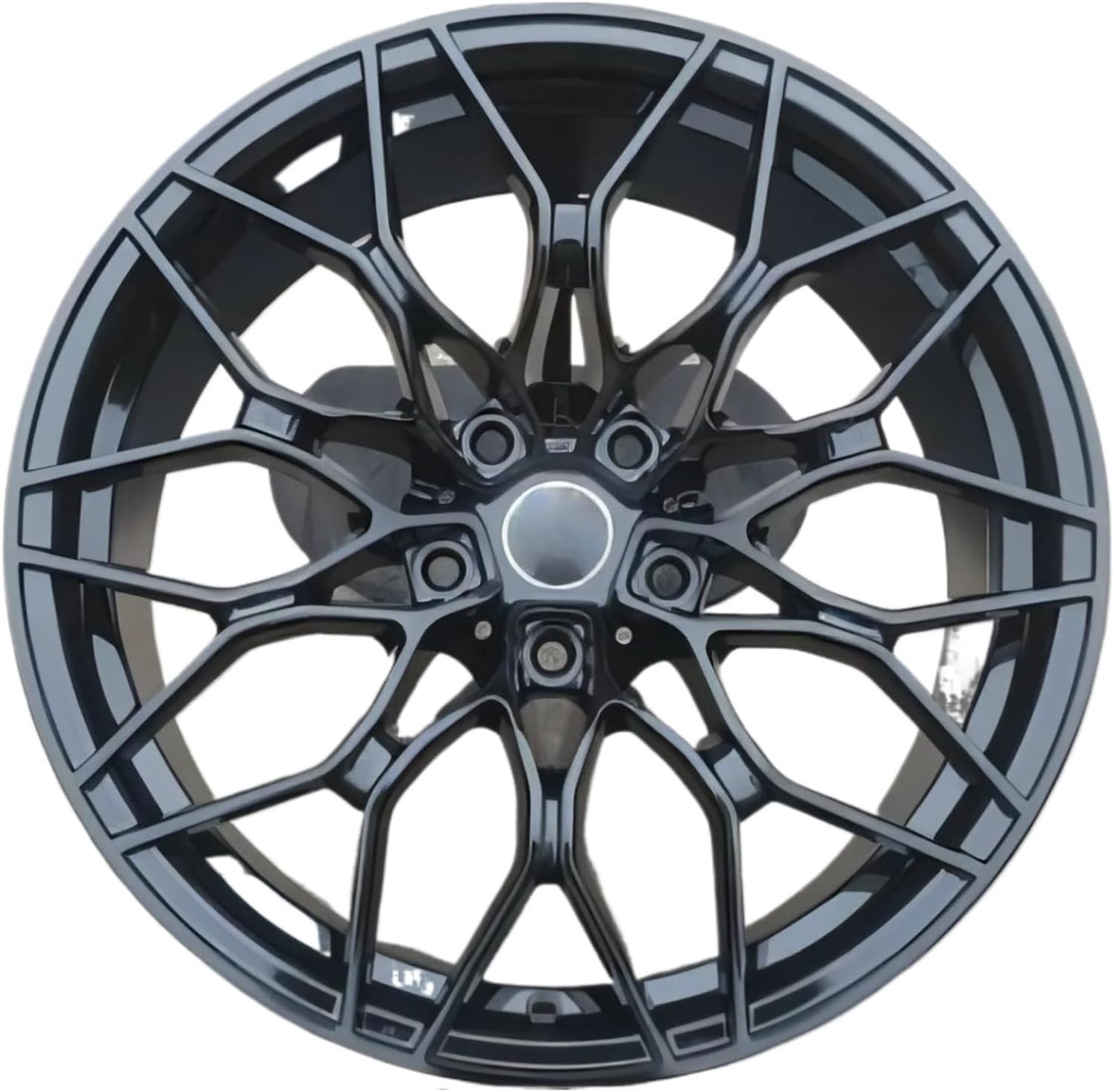
HLOMAUD 18/19 Inch 5x120 Alloy Wheel Rims for BMW 3 & 5 Series (Set of 2)
HLOMAUD

BDWYFAC BBS FI-R Replica Forged Alloy Wheels Satin Black 19" for BMW
BDWYFAC

19x8.5 M3-Style Wheel in Gunmetal — BMW 3 Series (5x120)
Generic

Circuit Performance CP30 19x8.5 Gloss Gun Metal Wheel for BMW (5x120 +35mm)
Circuit Performance
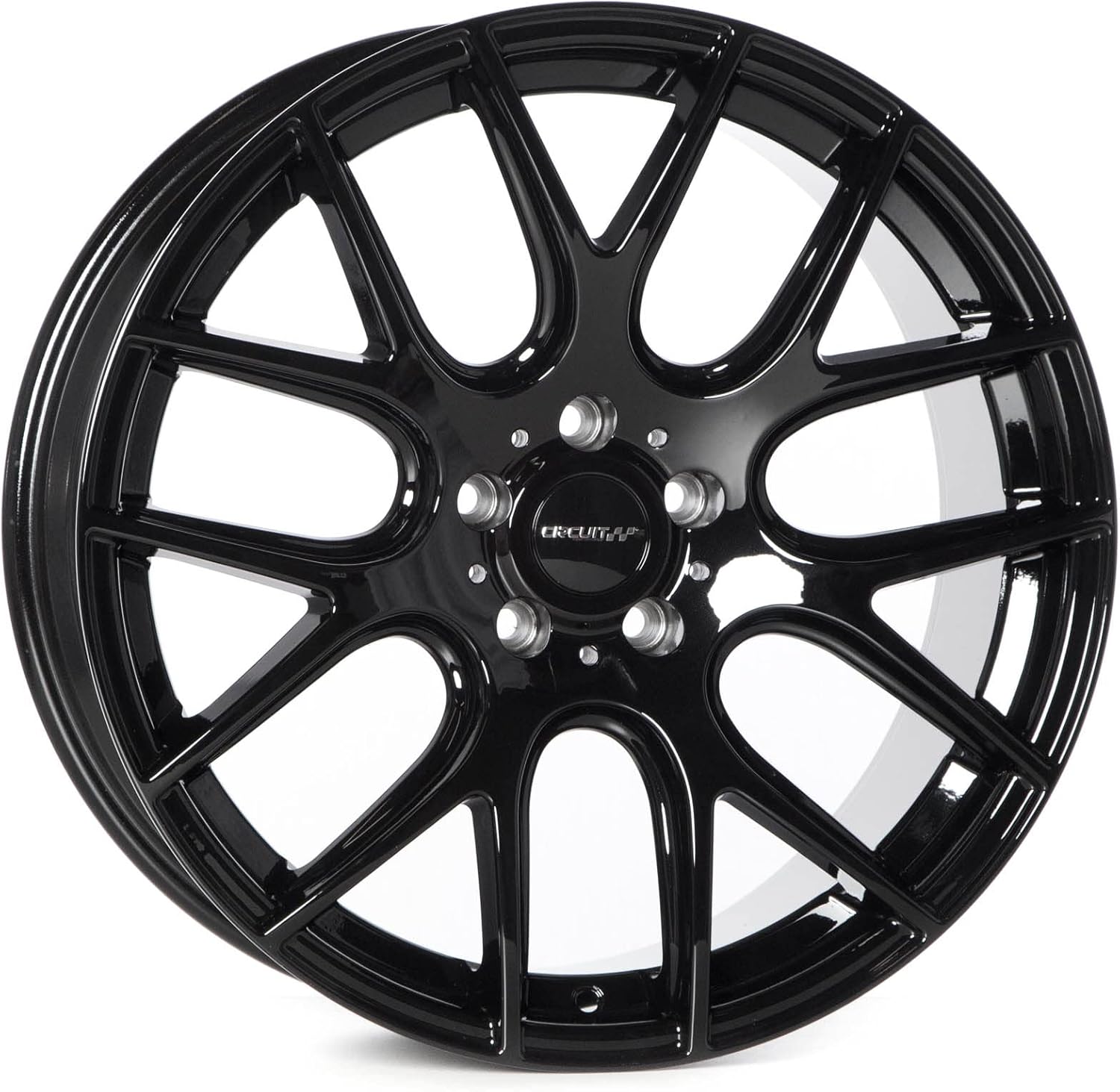
Circuit Performance CP31 Gloss Black Wheel — 19x8.5 5x112 +35mm
Circuit Performance

Circuit Performance CP30 18x8 Gloss Silver Wheel for BMW 5x120 +35mm Offset
Circuit Performance

Circuit Performance CSF11 19x8.5 Gloss Black Wheel for BMW 5x120 +35mm
Circuit Performance
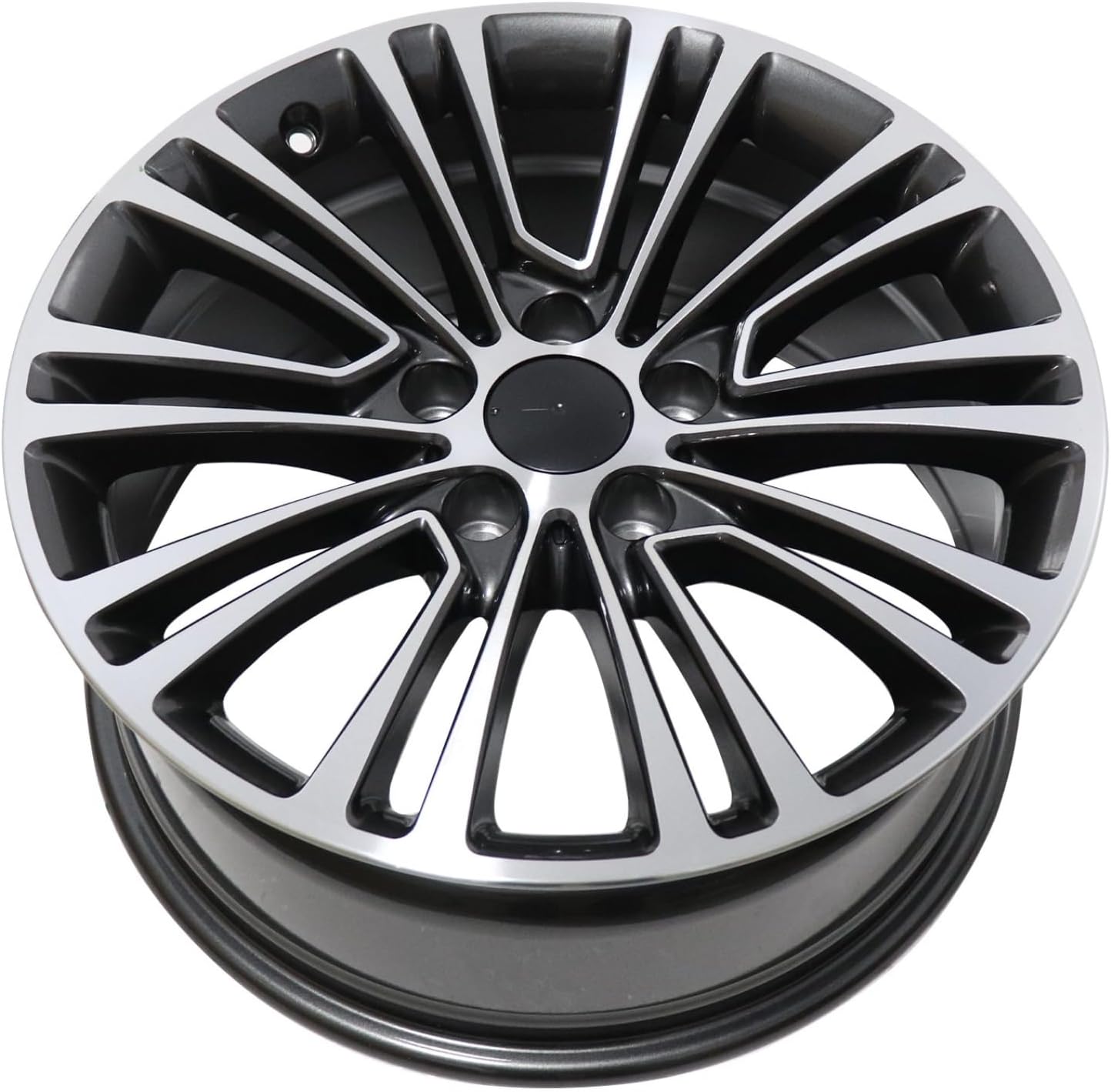
Priprilod 18x8 Inch Aluminum Alloy Wheel Rim 5x120 for BMW 5 Series
Priprilod

Circuit Performance CSF11 - 18x8 Wheel for BMW 5x120
Circuit Performance

BVBNMB 19in Staggered 10-Spoke Alloy Wheels — BMW 5x120
BVBNMB

Wheel Pros 19" Staggered M3-Style Wheels (Set of 4) — E9x 3 Series xDrive
Wheel Pros

Wheel Pros 19" Gunmetal Machined M3-Style Wheels — BMW 3 Series
Wheel Pros

Wheel Pros 19" Matte Black Staggered Wheels Set for BMW E82 E90 F30 F10
Wheel Pros

Wheel Pros 19" Staggered M3-Style Wheels — BMW 3 Series E90
Wheel Pros

Circuit Performance CP30 Gloss Silver Wheel 19x9.5 — 5x120 BMW Fitment
Circuit Performance
More wheel and tire options for the BMW E90
If you own an E90 and you're shopping for BMW E90 aftermarket wheels, you're already thinking about the upgrade that visually transforms this car more than any other single mod. I've been wrenching on BMWs for five years, I daily a G20 330i with the B48, and I spent a year doing marketing for BMW and MINI - so I've seen these cars from every angle, from the showroom floor to the shop floor. The E90 is one of the most popular BMW platforms for wheel upgrades precisely because the factory wheel options are underwhelming for how good the rest of the car is, and because the aftermarket support for the 5x120 bolt pattern is enormous. This guide covers every real decision you'll face: which brands are worth your money, which fitments actually work on a street car, what to watch out for when you're lowered, and which specific wheels I'd actually bolt onto my own car.
Why E90 Owners Upgrade Wheels - the Real Reasons
Let's be honest about what drives this decision, because the answer isn't always the same for everyone. Some E90 owners want to go wider and more aggressive because the stock fitment looks thin-lipped and conservative. Some want to go lighter because the OEM cast wheels on base E90 328i and E90 330i cars are genuinely heavy for their size - we're talking north of 22 lbs per corner on some stock setups, which matters on a car that's supposed to be a driver's car. Some people are chasing a specific look that BMW's own design language never quite delivered. And some are just replacing bent or corroded factory wheels that finally gave up after years of potholes.
There's also a practical angle that people don't talk about enough. The E90 was sold from 2006 through 2011 in the US, which means the oldest examples are now pushing 20 years old. Original equipment wheels on higher-mileage cars have often suffered oxidation around the barrel, peeling clear coat, or micro-cracks from curb strikes that accelerate corrosion. Replacing worn OEM wheels with a quality aftermarket set isn't just cosmetic - it's maintenance. A fresh set of 18-inch aftermarket wheels with new rubber can literally transform how the car rides, handles, and looks in one shot.
What you're looking at when you choose aftermarket wheels for an E90 is a genuine upgrade to unsprung rotational mass. Every pound you take off a wheel gets subtracted from the unsprung weight that your suspension has to manage. Flow-formed and forged wheels in the 17-18 lb range versus a 23-lb factory wheel is a real, measurable difference in how the front end responds. I'm not going to oversell it - you're not going to suddenly have a race car - but it contributes to a sharper, more connected feel that experienced drivers notice immediately.
The other thing that makes the E90 such a popular platform for wheel upgrades is the sheer depth of the 5x120 aftermarket. BMW has used this bolt pattern across the 3 Series, 5 Series, and X-family for decades, which means every major wheel brand has fitments confirmed for this platform. You're not hunting for obscure adapters or compromising on style because the catalog is thin. The catalog is enormous, and that's both a blessing and a source of decision fatigue. This guide is here to cut through it.
E90 Specs You Must Know Before You Buy Anything
Before you even start looking at wheel photos, get these numbers tattooed on your brain. Or at least save them in your phone. These are non-negotiable for the E90 platform and getting any of them wrong means you're either returning wheels or driving something unsafe.
- Bolt pattern - 5x120 mm. Five lugs, 120 mm between opposing bolt centers. Standard BMW fitment across this generation.
- Center bore - 72.56 mm. This is the hub-centric bore. If your aftermarket wheel has a larger bore - and many do, because manufacturers use a common bore and supply hub-centric rings - you need a 72.56 mm hub-centric ring in that wheel. Running without one puts all the load on your lug bolts instead of the hub, and at speed on bumpy roads that's how you feel vibration and, eventually, cause problems.
- Factory lug bolts are 14x1.25 mm thread pitch on the E90. Most aftermarket wheels for BMW fitment will work with your existing bolts, but check seat type - ball seat versus taper seat matters. Most OEM BMW lug bolts are spherical/ball seat. Many aftermarket wheels use conical taper seat. Using the wrong seat type is dangerous. Always confirm.
- Stock fitments vary by trim. Base E90 325i and early 328i cars came with 16-inch or 17-inch wheels depending on option packages. The performance-oriented E90 335i and 335d came with 18-inch wheels from the factory. The E90 M3 ran 18x8.5 front and 18x9.5 rear - which should tell you something about the ideal aftermarket staggered target fitment for the platform.
- TPMS. The E90 uses a direct TPMS system that reads pressure from sensors in the wheel. If you swap to aftermarket wheels and move your OEM sensors over, or buy aftermarket-compatible sensors, you need to recode the sensor IDs. Ignoring this gives you a persistent warning light and, more importantly, no actual pressure monitoring. More on this in the fitment section.
If you want to dig deeper into chassis-specific specs, our chassis tools section has E90 platform data broken down by production year and trim.
The Fitment Sweet Spot - What Actually Works on the Street
There's a lot of noise on forums about pushing fitment as wide as possible, and some of it is good information and some of it is people who have never actually driven their car on real roads at highway speed. Let me give you the practical reality of what works on an E90 that you drive every day or at least a few times a week.
The 18-inch, 5x120, 72.56 mm center bore setup is the current sweet spot for this platform, and it's been confirmed repeatedly by E90-focused buying guides that have done the homework on what's working in 2026. The reason 18 inches is the sweet spot and not 19 or 20 is a combination of ride quality, tire sidewall availability, price, and brake clearance. Going to 19 inches on a street car means thinner sidewalls, worse ride on imperfect roads, a smaller selection of performance tires at reasonable prices, and higher stress on your wheels every time you hit a pothole. The E90 is not a dedicated track car for most owners. Eighteen inches gives you the look without punishing your daily commute.
Square Setup - the Safe and Simple Choice
A square 18x8.5 ET35-38 setup - same width and offset front and rear - is the easiest no-drama fitment for most E90s. You can rotate tires, you have consistent handling characteristics front to rear, and you're unlikely to have rubbing issues at stock ride height or with mild lowering springs (25-30 mm drop). This is what I'd recommend to anyone who hasn't done extensive fitment research or who doesn't want to think about it too hard. An 8.5-inch wide wheel at ET35-38 sits correctly within the factory fender lip, clears the stock M Sport brakes without issue, and works with standard 225/40R18 or 225/45R18 rubber.
Staggered Setup - the Aggressive Look with More Variables
A staggered 18x8.5 front / 18x9.5 rear setup is what you want if you're after the aggressive, filled-out look that makes the E90 look planted and purposeful rather than just tall and narrow. This mimics the factory M3 fitment and looks right on the car. The rear 9.5-inch wheel typically pairs with a 255/35R18 or 255/40R18 tire in the rear, which gives you a significantly wider contact patch and fills the rear arch properly.
The tradeoffs are real though. You can't rotate staggered tires front to rear. You need to buy two sets of tires when replacement time comes. And on a lowered car - say, if you've gone with coilovers and dropped 30-40 mm - a 9.5-inch rear wheel at ET32-35 can run tight on the inner fender at full compression or with negative camber. Many forum members recommend checking actual caliper templates or borrowing a wheel before committing to a staggered fitment on a modified car. If your E90 has coilovers with aggressive camber settings, the math changes quickly.
Offset - the Number That Creates Most of the Problems
ET offset is the distance in millimeters from the wheel's mounting face to its centerline. A higher ET number means the wheel sits further inboard (less poke). A lower ET number means it sits further outboard (more poke, more lip). For the E90:
- ET35-38 on an 8.5-inch wheel is clean, safe, and works at stock or mildly lowered ride height. No drama.
- ET28-32 on an 8.5-inch wheel gives you more lip and more aggressive stance. Works on many E90s but get closer to the inner arch liner on compressed suspension.
- ET25-28 on a 9.5-inch rear wheel is where you start needing to know your exact suspension geometry. On a lowered car with negative camber, this can rub the inner liner or require fender rolling.
- Anything below ET25 on any width E90 wheel is a "know what you're doing" territory - usually requires camber adjustments, rolling, or pulling.
My honest advice: unless you're specifically building a stance car or a track car, stay at ET35 or higher on 8.5-inch wheels. The "poke" difference between ET35 and ET28 is visible but subtle. The rubbing difference when you hit a compression bump at 60 mph is very much not subtle.
Brake Clearance - the Variable Nobody Wants to Think About
Here's where wheel shopping gets genuinely complicated on E90s that have been modified. The inner spoke clearance of a wheel - the space between the wheel spokes and your brake caliper - varies significantly by wheel design, and it's the thing that will physically prevent a wheel from fitting on your car even if all the other specs are right.
On a stock E90 with factory Brembo brakes (which came on the M Sport package and some 335i trims), the front calipers are substantially larger than the economy-package brakes. If you've upgraded to an aftermarket big brake kit - say, 4-piston or 6-piston front calipers - you need to specifically confirm caliper clearance for any wheel you're buying. A 5-spoke wheel with a deep concave design might physically contact a 6-piston caliper even at the correct offset. Many manufacturers publish caliper clearance data, and BMW fitment-specific retailers often have this data available when you filter by your specific car.
The safe way to handle this if you have big brakes is to:
- Use the wheel manufacturer's caliper clearance template (paper printout at 1:1 scale) to physically mock up the fit before buying.
- Call or email the retailer with your specific caliper brand and model and ask directly - any retailer worth dealing with will tell you honestly.
- Buy from a place with a straightforward return policy in case you miss something.
If you're still on stock brakes, this is much less of an issue - most properly spec'd 18-inch wheels with 5x120 bolt pattern will clear stock E90 calipers without drama. It's the big brake and track-spec brake owners who need to do this homework. Our brake pads guide covers E90 brake system basics if you're working on that side of things simultaneously.
The Seven Brands Worth Your Time in 2026
The E90 aftermarket wheel market is large enough that you can find dozens of brands with nominally correct fitment specs. But correct bolt pattern and center bore don't mean correct quality, and "fits on the car" is a low bar. Here's where I'd actually spend money, broken down by tier and use case, based on what's consistently recommended by BMW wheel specialists and what I've seen working on these cars.
Enkei - Best Budget-to-Quality Option
Enkei has been building performance-oriented cast and flow-formed wheels for decades, and their reputation on BMW chassis is solid. The combination of genuine quality control, competitive pricing, and a wide range of styles that suit the E90's proportions makes them the most sensible choice for most owners who want a real upgrade without spending track-budget money.
Enkei uses their MAT (Manufacturing Advanced Technology) process for their performance-oriented flow-formed wheels, which spins and stretches the barrel under heat and pressure after initial casting. The result is a wheel that's lighter and stronger than a conventional cast piece without the price of a fully forged wheel. On a street E90, that means you get real weight reduction in the 17-18 lb range per wheel for an 18-inch piece, which you'd be paying significantly more for from BBS or HRE.
Current pricing from BMW fitment retailers puts Enkei in the $220-$450 per wheel range depending on model, size, and finish. For a set of four 18-inch wheels in a BMW-appropriate style, you're typically looking at $900-$1,600 complete, which is genuinely competitive. Models like the Enkei RPF1 (a classic lightweight track wheel that also looks great on street cars) and the Enkei TS-10 are frequently recommended in E90 fitment threads.
Who it's for: daily drivers, first-time wheel upgraders, anyone who wants a quality upgrade in the $1,000-$1,500 range for a set of four.
Konig - the Value Champion
Konig is widely used on BMW chassis because it balances price, weight, and fitment availability better than almost anything else at the entry level. If you're working with a tight budget, or if you want something that looks correct on the car but you're going to be autocrossing on dedicated tire sets and you don't want to risk your expensive wheels on an autocross cone, Konig is where you look.
The Konig Hypergram and Konig Hexaform are the models that come up most frequently in E90 fitment discussions. Both are flow-formed, reasonably light for their price class, and available in BMW-correct specs. At $180-$350 per wheel, you're looking at a complete set for under $1,000 if you shop carefully. That's legitimately budget-tier pricing for a wheel that will actually perform correctly.
The honest caveat with Konig is that the styling options, while decent, aren't as broad or as premium-looking as Enkei, BBS, or Vossen. If you care deeply about the specific aesthetic, you might find Konig's catalog limiting. But if price is the primary constraint, Konig gives you proper fitment and reasonable quality at the lowest price point among the brands I'd actually recommend.
Who it's for: budget-conscious builds, dedicated track/autocross spare sets, first-time wheel buyers who want to try a size or fitment before committing to expensive wheels.
OZ Racing - Motorsport Heritage with Street Usability
OZ Racing is an Italian brand with genuine motorsport credentials - they've supplied wheels to Formula 1 teams and WRC programs. For the E90, their Ultraleggera and Superturismo GT lines are the most commonly recommended fitments. The Ultraleggera in particular is one of the lighter cast wheels in its price class and has a classic multi-spoke look that suits the E90's proportions well without being over-styled.
Pricing sits at $300-$600 per wheel, which puts OZ Racing in the premium cast tier below BBS forged pricing but above Enkei and Konig. For a spirited street driver or someone who occasionally tracks their E90, OZ Racing is a genuine sweet spot - you're getting wheels with real motorsport development behind them, measurably lower weight than factory, and a look that works whether your E90 is a daily 328i or a track-prepped 335i.
One thing I like about OZ Racing specifically for E90 builds is that their fitment specs for BMW platforms are usually well-documented and conservative on offset, meaning they tend to fit correctly without drama. They're not the brand you go to for extreme poke or aggressive stance builds - that's not what they make - but for a clean, purposeful look on a car you actually drive, they're excellent.
Who it's for: spirited street drivers, occasional track use, E90 335i and 335d owners who want a motorsport-appropriate look that matches the car's character.
BBS - the OEM-Plus Standard
BBS is the premium, lightweight option that makes an E90 look like a car that BMW themselves wish they'd specced from the factory. There's a reason BMW and Porsche have used BBS as OEM equipment on performance variants - the build quality, the weight, and the design language are all genuinely exceptional. For the E90, the BBS CH-R (a flow-formed piece with a classic multi-spoke look) and the BBS LM (a two-piece design that is basically the BMW community's shared dream wheel) are the most frequently discussed.
At $450-$1,200+ per wheel depending on whether you're looking at their cast, flow-formed, or forged pieces, BBS is not a casual purchase. A full set of BBS CH-R in 18-inch will run you $2,000-$3,500 depending on finish and size. A set of BBS LM in proper two-piece construction costs more. This is enthusiast money, not commuter money.
What justifies the price beyond the badge? Genuinely - the weight. BBS flow-formed and forged pieces in 18-inch sizes come in at 17-19 lbs per wheel for quality construction, versus 22-25 lbs for budget cast alternatives. That's 12-24 lbs of unsprung weight off the car total, which is meaningful. And the finish quality - the clear coat thickness, the machining quality on the spokes, the hardware on two-piece pieces - is noticeably better than anything in the $300-per-wheel range.
If you're building an E90 M3 or a pristine low-mileage 335i that you're going to keep and maintain, BBS is the right call and the money makes sense. If you're daily driving a 180,000-mile 328i through Chicago winters, maybe save yourself for Enkei and put the difference toward proper coilovers.
Who it's for: premium builds, E90 M3 owners, long-term keepers who want the best OEM-plus aesthetic and real weight savings.
HRE - Custom Forged for Serious Builds
HRE is the high-end forged choice for custom spec builds and show-quality fitments. If you're reading this section because you're building a show car or a pristine E90 M3 with every detail thought through, HRE is where you look. If you're reading this section because you just want nice wheels for your daily 328i, you can skip to the next brand.
HRE wheels are priced at $1,500-$3,000+ per wheel in custom forged configurations. A full set for an E90 in a custom finish and custom offset is a $7,000-$12,000 proposition. They're genuinely exceptional pieces - forged monoblock or three-piece construction, custom offsets for exact fitment, hand-finished to whatever spec you want. But they're for a specific type of build, and pretending otherwise is doing no one any favors.
What HRE offers that nobody else does at this level is the ability to truly custom-spec your offset, your finish, and your sizing with a wheel that's built to order from forged billet. If you're fitting a bespoke suspension setup on an E90 M3 and you need a specific offset to hit exact flush fitment, HRE can build that. The BMW wheel specialists who deal in HRE are usually custom fitment consultants rather than click-and-ship retailers.
Who it's for: custom builds, show quality E90 M3 projects, buyers who need bespoke offsets or finishes that catalog brands can't provide.
Vossen - Aggressive Street Styling
Vossen is the brand you look at when you want a specific aesthetic - typically a deep concave spoke design with a bold, aggressive look that reads as "this car is modified" from 50 feet away. Vossen is common for street-styled E90 builds, especially when paired with lowered suspension and wide rear tires. Their VFS series (flow-formed) and HF series (hybrid forged) are the most popular for BMW applications.
At $400-$900+ per wheel, Vossen sits in the upper-mid tier. The quality is good - their flow-formed pieces are properly executed and the finish quality is strong - but you're paying a premium for the design language and brand recognition as much as you're paying for engineering. That's not a criticism; it's just an honest framing. If the Vossen aesthetic is what you want for your E90, it delivers. If you're indifferent to that specific look and you just want the best wheel for the money, OZ or Enkei serve you better.
One practical note on Vossen for E90s: their more concave designs can create spoke clearance issues with larger brake setups. If you're running upgraded brakes, check caliper clearance specifically for the Vossen model you're considering before buying.
Who it's for: street-styled builds, owners who want a bold visual statement, lowered E90s with aggressive fitments where the concave design reads well.
TSW - Flow-Formed Value with Modern Design
TSW is often chosen for flow-formed construction and modern designs at a lower price point than forged brands. They occupy a similar space to Enkei but with a more contemporary, Euro-influenced design language that suits later E90s (2008-2011 facelift cars) particularly well. The TSW Sebring and TSW Nurburgring are the models that come up most in E90 fitment discussions.
At $250-$450 per wheel, TSW is priced competitively against Enkei and above Konig. The flow-formed construction means you're getting a meaningfully lighter wheel than a pure cast piece at a price that's accessible. For a daily-driven E90 where you want good quality and modern looks without the BBS price tag, TSW is a sensible choice that I'd have no hesitation recommending.
Who it's for: owners who want a modern design language, good flow-formed quality, and don't want to spend BBS money.
Full Brand Comparison Table
| Brand | Construction | Approx. Price Per Wheel (2026) | Best For | E90 Sweet Spot |
|---|---|---|---|---|
| Konig | Cast / flow-formed | $180-$350 | Budget street, track spares | 18x8.5 ET38 |
| Enkei | Cast / flow-formed (MAT) | $220-$450 | Daily driver, performance street | 18x8.5 ET35-38 |
| TSW | Flow-formed | $250-$450 | Modern street builds | 18x8.5 ET35 |
| OZ Racing | Cast / lightweight | $300-$600 | Spirited street / light track | 18x8.5 ET35-38 |
| Vossen | Flow-formed / hybrid forged | $400-$900+ | Aggressive street styling | 18x8.5 / 18x9.5 staggered |
| BBS | Flow-formed / forged | $450-$1,200+ | Premium OEM-plus, long-term keepers | 18x8.5 ET35 / staggered |
| HRE | Forged (custom spec) | $1,500-$3,000+ | Show/custom builds, E90 M3 | Custom per build |
Pricing sourced from BMW wheel retailers and BMW-specialist wheel suppliers. All prices are approximate for 2026 and will vary by finish, size, and construction tier within each brand's lineup.
E90 Trim Differences That Affect Wheel Choice
The E90 isn't one car - it's a family of cars with meaningful spec differences that affect which wheels fit and which don't. Here's what actually matters by variant.
E90 328i and 325i - Base Brake Package
The base E90 328i and 325i (and the earlier US-spec cars) came with single-piston sliding front calipers and relatively compact rear calipers. On these cars, spoke clearance is basically a non-issue with any reasonably designed 18-inch 5x120 wheel. You have the most flexibility in terms of wheel design choice. The limiting factor on base cars is usually offset and tire width, not brake clearance.
Base-spec E90s also typically came on 16 or 17-inch OEM wheels, which means going to 18 inches is a visible and meaningful upgrade. A set of 18x8.5 ET35-38 Enkei or TSW wheels on a base 328i is a transformation - the car just looks right in a way it never did from the factory.
E90 335i and 335d - M Sport Brake Package
Many E90 335i and 335d cars came with the M Sport option, which includes larger front brake calipers (usually four-piston Brembo units). These calipers are bigger and require more spoke clearance than the base units. While most 18-inch wheels designed for BMW fitment clear M Sport Brembo calipers fine, this is the configuration where you want to double-check spoke clearance rather than assuming.
The good news is that the E90 335i in M Sport trim also came on 18-inch OEM wheels, so the factory engineering already accommodated larger calipers on 18-inch pieces. You just need to make sure the specific aftermarket wheel you're buying isn't unusually aggressive in spoke depth or concavity in the inner barrel area.
E90 M3 - Full M Brake Package
The E90 M3 with its S65 naturally aspirated V8 came with the full M compound brake system - large four-piston front and rear calipers that are substantially bigger than anything on the standard E90 cars. On an M3, brake caliper clearance is a real concern, not a theoretical one. Many wheel designs that fit a 328i fine will physically not fit an M3 without spacers or careful spoke selection.
If you have an E90 M3, the specific wheel models I'd recommend checking first are the BBS CH-R (designed with M-car brake clearance in mind), OZ Racing pieces with open multi-spoke designs, and any wheel that the retailer explicitly confirms as M3-clearance-compatible. The BMW wheel specialists will have M3-specific fitment guidance. Do not assume - call and ask.
The M3 also ran the factory staggered 18x8.5 front / 18x9.5 rear setup, which is the aftermarket staggered target fitment I mentioned earlier. This is useful confirmation that the staggered setup works with M3 brake geometry, but individual aftermarket wheel designs can still vary in their spoke clearance.
E92 and E93 - Coupe and Convertible Body Variants
Technically the E92 (coupe) and E93 (convertible) are separate chassis codes but they share the same suspension geometry, brake packages, and wheel fitment as the E90 sedan. Everything in this guide applies to E92 and E93 equally. The only practical difference is that E92 and E93 cars are slightly lower in roofline and slightly wider in visual proportion, which makes staggered aggressive fitments look even better on those body styles. The engineering is the same.
Supporting Mods - What Pairs With New Wheels
New wheels on their own do a lot. But there are a few supporting upgrades that either are necessary for the wheel swap to work correctly or that compound the visual and performance impact so much that you should seriously consider doing them at the same time.
Tires - Don't Skimp Here
This should be obvious but it's not: putting a quality 18-inch aftermarket wheel on a worn or cheap tire is a waste. The wheel is the structural platform; the tire is where the actual physics happen. For a daily-driven E90, I'd point you toward Michelin Pilot Sport 4 or Continental ExtremeContact Sport 02 in the 225/40R18 (front) or 255/35R18 (rear staggered) sizes. These are not the cheapest options but they're the ones where you actually feel the difference in cornering and braking response. Budget tires on quality wheels is backwards.
For a pure track-day car, look at Michelin Pilot Sport Cup 2 or Bridgestone Potenza RE-71RS depending on your specific track surface and budget. Both come in E90-appropriate sizes.
Lowering - Coilovers or Springs
New wheels on a stock-height E90 look significantly better than stock wheels on a stock-height E90. But new wheels on a properly lowered E90 look dramatically better. The relationship between wheel size, fender gap, and visual stance is real. If you're going to spend money on wheels, at least consider doing them with lowering springs or coilovers at the same time.
If you're going the coilover route on an E90 that's also getting new wheels - specifically aggressive offset or staggered wheels - you need to align your suspension setup before finalizing wheel and tire choices. The camber angle you're running affects how wide a tire/wheel combo fits in the arch. More negative camber on the rear means you can run more width before rubbing the outer lip of the fender. But more negative camber also means faster inner tire wear. These tradeoffs need to be thought through together, not sequentially.
Hub-Centric Rings
If the aftermarket wheel you buy has a center bore larger than 72.56 mm - which is common, because many manufacturers make wheels with 73.1 mm or 74.1 mm bores and supply rings for fitment - you need 72.56 mm hub-centric rings. These press into the wheel bore and center the wheel on the hub, transferring load through the hub rather than the lug bolts. They're cheap ($10-$20 for a set of four from any quality supplier) and mandatory if the bores don't match.
Running without hub-centric rings on a wheel with the wrong bore size gives you vibration at speed (sometimes immediately, sometimes after the wheel settles slightly off-center) and puts shear stress on your lug bolts that they're not designed to handle. This is not optional.
Lug Bolts - Check Your Seat Type
As mentioned in the specs section, OEM BMW lug bolts are ball seat (spherical contact surface). Many aftermarket wheels use conical (taper) seat. If you're installing aftermarket wheels, check what seat type the wheel requires. If it's conical, you need aftermarket conical-seat lug bolts in the correct thread pitch (14x1.25 mm for E90). This is a $30-50 purchase and it's not optional. Wrong seat type means the lug isn't actually seating correctly in the wheel and it will loosen over time. There are bolt upgrade kits specifically marketed for E90 fitment at any BMW parts retailer.
TPMS Sensors
The E90 direct TPMS system requires sensors that communicate via RF with the car's receiver module. When you swap wheels, you have a few options:
- Move your OEM sensors from the factory wheels to the new aftermarket wheels. This requires removing and reinstalling the sensors (easy enough) and then performing a TPMS reset/initialization drive. The sensors need to be remounted correctly - stem angle and position matter.
- Buy aftermarket-compatible replacement sensors (Schrader, Bartec, or BMW-compatible universal sensors) and have them coded to the car's TPMS module. This requires diagnostic coding tools or a BMW dealer/indy shop visit.
- Ignore it and drive with a TPMS warning light permanently on. This is what a lot of forum members do, and it's not the end of the world, but you lose actual pressure monitoring and the warning light is annoying. Don't do this.
The TPMS situation is probably the most commonly missed item in E90 wheel swaps and it generates the most "why is my warning light on" forum posts. Plan for it upfront.
Installation Overview - What the Job Actually Involves
Installing aftermarket wheels on an E90 is fundamentally straightforward work. If you've changed a tire or done any basic suspension work, you can do this. The steps that matter:
- Torque spec. BMW E90 lug bolt torque spec is 103 ft-lbs (140 Nm). Use a torque wrench. Do not guess. Undertorqued lugs work loose; overtorqued lugs strip or warp rotors. If you need a good reference on torque specs and tools for this kind of work, our tools and specs section has E90 torque data.
- Install hub-centric rings if needed. Press them into the wheel bore before mounting. They should fit snugly without forcing.
- Thread lug bolts in by hand first to confirm they're threading correctly. Cross-threading a BMW aluminum hub is an expensive mistake.
- Torque in a star pattern - not circular. Tighten to 50 ft-lbs first pass in star pattern, then full 103 ft-lbs second pass.
- After 50-100 miles, retorque. New wheels can compress slightly as they settle. This is standard practice and catches any loosening before it becomes a problem.
- Alignment check. If you changed tire width or offset meaningfully, get an alignment. Your toe and camber settings interact with tire contact patch in ways that matter for tire wear and handling.
The one E90-specific thing I'll add: the E90 uses bolt-in lug bolts, not studs. This means you're threading the wheel onto bolts rather than onto studs with nuts. For first-timers, this can be awkward because you're holding the wheel in position while threading bolts in rather than hanging the wheel on studs and then threading nuts. A pair of long guide pins - basically extended studs you thread into two opposing lug holes temporarily while you mount the wheel - makes this dramatically easier and costs about $15. Worth having.
The Most Common Mistakes E90 Wheel Buyers Make
I've seen most of these happen in real life, and the forums are full of them. Here's what to avoid.
Mistake 1 - Buying Wheels Without Confirming Center Bore and Providing Hub-Centric Rings
People see 5x120 bolt pattern and assume everything will just fit correctly. The center bore is a separate spec and it matters as much as the bolt pattern for how the wheel actually sits on the hub. Check the bore, get the rings if needed, and don't skip this step because you're impatient to see the wheels on the car.
Mistake 2 - Choosing Aggressive Offsets Without Accounting for Lowered Ride Height
This is particularly common when people are buying wheels and coilovers at the same time and they want maximum poke without having done the geometry math. An offset that clears the inner arch at stock height can rub at the front of the front arch when you turn at lowered ride height. Measure or ask someone who has the same car at the same height with the same offset before committing.
Mistake 3 - Ignoring TPMS Until After Installation
Plan for TPMS before the wheels arrive. Have the sensors, have the coding plan, know whether you're moving OEM sensors or replacing them. Coming up with the solution after you have four new wheels on the car and a warning light staring at you is stressful and annoying. This is a $15-$50 fix handled proactively or a $200+ fix handled reactively at a shop.
Mistake 4 - Buying the Wrong Lug Bolt Seat Type
Described above. Check the wheel's required seat type before you buy the wheels, and if you need new lug bolts, order them at the same time. You don't want to have the wheels in your garage and then wait another week for bolts.
Mistake 5 - Skipping Brake Caliper Clearance Verification on Modified Cars
If you have anything other than completely stock brakes - any brake upgrade at all - verify spoke clearance specifically. A wheel that almost fits is not a wheel that fits. And finding out that a wheel won't clear your caliper after you've already mounted tires is an expensive lesson.
Mistake 6 - Not Factoring in Tire Size Changes to Speedometer Accuracy
If you're changing wheel diameter (say, going from factory 17-inch to aftermarket 18-inch), you need to match the overall tire diameter to maintain correct speedometer and odometer readings. Going from 225/45R17 to 225/40R18 keeps the overall diameter nearly identical. Going from 225/45R17 to 225/45R18 makes the wheel and tire combo slightly taller, throwing off your speedo by a few percent. It's not dramatic, but it accumulates on the odometer and affects your ABS/DSC calibration slightly. Use a tire diameter calculator before finalizing tire size.
Mistake 7 - Buying From an Unspecialized Retailer Who Can't Confirm BMW Fitment Details
Some retailers sell wheels generically and list "5x120 fitment" without having actually confirmed the specific details - hub-centric compatibility, lug bolt seat type, caliper clearance data. BMW-specific wheel retailers and BMW-specialist suppliers will have this information and will be able to answer technical questions. Generic e-commerce sites often cannot. This matters when you have questions mid-purchase or post-purchase issues.
My Opinionated Picks for 2026
I'm not going to hedge my recommendations into uselessness with "well, it depends on your needs." Here are my actual picks for specific use cases on the E90 platform.
Editor's Pick - OZ Racing Ultraleggera in 18x8.5 ET38
If I could put one wheel on every E90 in the world and tell the owner it was the right choice, it would be the OZ Racing Ultraleggera. The design is timeless - a proper multi-spoke lightweight race-inspired look that suits the E90's proportions perfectly without being trying too hard or too understated. The weight is genuinely impressive for the price tier - around 17-18 lbs for an 18-inch piece. The motorsport heritage is real, not marketing fluff. And at $300-$600 per wheel, a set of four at 18x8.5 ET38 for a square setup is a $1,200-$2,000 investment that transforms the car.
The Ultraleggera on an E90 335i with quality coilovers and Michelin Pilot Sport 4 rubber is a combination that looks exactly right and performs exactly right. That's the car I'd want to drive.
Best Value - Enkei RPF1 in 18x8.5 ET35
The Enkei RPF1 is genuinely one of the best wheels for the money in any catalog, not just for BMW applications. It's light (commonly around 16-17 lbs in 18-inch), the design is classic and clean, it comes in correct E90 fitment specs, and it sits in the $220-$350 range per wheel depending on finish. A set of four in 18x8.5 ET35 is well under $1,500 with careful shopping. If your budget is tight but you want real quality and real weight savings over OEM, Enkei RPF1 is the answer.
The caveat: the RPF1 is a fairly minimal, spoked design that reads as "track car" rather than "premium road car." If you want something that looks expensive on a street build, the RPF1 might not scratch that itch. For people who prefer the understated performance look, it's perfect.
Best Track - Enkei NT03+M or OZ Racing Superturismo GT
For an E90 that sees real track use - HPDE events, track days, occasional competitive driving - you want something light, strong, and not precious about curb rash or stone chips. The Enkei NT03+M is specifically engineered as a performance track wheel, uses their flow-formed MAT construction, and is available in correct E90 fitments at reasonable prices. The OZ Racing Superturismo GT is the alternative from the motorsport-pedigree camp.
For track use I'd go square - 18x8.5 ET38 front and rear - so I can rotate tires and manage wear. Square is simpler when you're doing tire changes in a paddock. I'd pair with dedicated track tires on these and keep the staggered street setup on a second set.
Best Daily - TSW Sebring or Enkei TS-10 in 18x8.5 ET35
For a pure daily driver where ride quality and practicality matter as much as looks, the TSW Sebring and Enkei TS-10 are both excellent. They're flow-formed, reasonably light, and their more conventional spoke designs mean fewer clearance concerns with brake upgrades or aggressive suspension. Both sit in the $250-$400 per wheel range. Both look genuinely good on a street E90. For someone who just wants a reliable, attractive upgrade that they don't have to think about constantly, either of these in 18x8.5 ET35 on a square setup does exactly that.
Best If Budget is No Object - BBS CH-R for Street, HRE for Show
If money is not the constraint, the BBS CH-R in 18x8.5 ET35 is the street daily I'd want. It looks like an OEM BMW wheel that BMW themselves should have made, it's lighter than almost everything else in a street-appropriate design, and the finish quality and durability are top-tier. For a street E90, especially an M3, BBS CH-R is the wheel.
If you're building a show car or a pristine E90 M3 where you want something completely custom and you want people to ask what wheels those are, HRE in a custom spec. But you already know that if you're shopping HRE.
OEM vs Aftermarket - the Honest Comparison
There's a question worth addressing directly: is aftermarket always better than OEM for E90 wheels? The answer is nuanced, and I've seen honest comparisons between OEM and aftermarket BMW wheel options that make this case well.
Factory BMW wheels are engineered to spec for the car. They're hub-centric, the offset is correct, the lug bolt seat type matches, the TPMS sensors are already installed. If you're swapping like-for-like - same size, same bolt pattern - the fitment is zero-drama. And BMW's M Sport and M Performance wheels, in particular, are genuinely attractive pieces that hold up well.
Where aftermarket wins is in:
- Weight. Quality aftermarket flow-formed and forged wheels are almost always lighter than comparable OEM pieces. BMW prioritizes durability and cost in OEM wheel production; aftermarket brands targeting enthusiasts optimize for weight.
- Variety. BMW's catalog is limited. The aftermarket is enormous. If you want a specific style or finish that BMW doesn't offer, aftermarket is your only option.
- Price at equivalent quality. Used OEM BMW M Performance or M Sport wheels can be surprisingly expensive in the used market. A new Enkei or TSW at equivalent size and better weight can be cheaper than used OEM pieces in good condition.
- Custom sizing. OEM doesn't do 18x9.5 staggered at aftermarket-appropriate offsets from the factory (the M3 stagger came at specific OEM offsets). Getting the exact fitment you want often means going aftermarket.
Where OEM wins:
- Zero fitment homework. OEM wheels from the same chassis just work. No hub ring guessing, no seat type research, no TPMS recoding.
- Resale value. Some OEM BMW wheel sets - especially M3 styles or M Performance pieces - hold value well and some buyers specifically want OEM when purchasing a used car.
- Aesthetics for stock-keeping purists. If you're preserving an original car, OEM is correct.
For anyone reading this page who's actively shopping aftermarket - you've already made the call. The above is just context for why it's a legitimate choice, not a compromise.
Where to Buy - Channels That Work for E90 Wheels
This matters more than people think. Where you buy affects availability of technical support, return policy if something doesn't fit, and whether you can get honest answers about fitment questions before you commit.
The best channel for E90 aftermarket wheels is a BMW-specialist wheel retailer - someone who specifically deals in BMW fitment and who will confirm specs for your exact trim and brake package. BMW-focused suppliers like Kipardo Racing and BMW-filtered catalog retailers like Element Wheels know the fitment details and will tell you if a wheel works for your specific car before you pay.
General large online wheel retailers can work fine for straightforward fitments - if you're buying an 18x8.5 ET38 in 5x120 with a 72.56 mm bore and you've already confirmed all the details, any reputable retailer that stocks the brand is fine. The problem comes when you have edge-case questions (will this clear my upgraded brakes? will this fit with my specific coilover and camber setting?) and the retailer can only tell you what's in the product specs sheet, not whether it works for your car.
Forum-sourced used wheels can be excellent value for E90 owners, especially for well-documented wheel sets that E90 forum members are selling after upgrading. The Bimmerpost forums are active and the for-sale sections often have confirmed E90-fit wheel sets with photos. Buy used from someone who can confirm the exact fitment on the same car you have.
FAQ - E90 Aftermarket Wheel Questions Answered
What is the correct bolt pattern for E90 wheels?
The E90 uses a 5x120 mm bolt pattern - five lugs spaced 120 mm apart. This is consistent across all E90 variants including 325i, 328i, 330i, 335i, 335d, and the E90 M3. It's also the same bolt pattern used across many other BMW models, which is part of why the aftermarket catalog for this platform is so large.
What center bore does the E90 need?
The E90 hub center bore is 72.56 mm. If your aftermarket wheel has a larger bore (common with many brands that use 73.1 mm or 74.1 mm as a common bore), you need hub-centric rings machined to 72.56 mm ID to properly center the wheel. These are inexpensive and widely available. Do not skip them.
What's the best 18-inch fitment for a daily-driven E90?
For most daily-driven E90s with stock or mildly lowered suspension, an 18x8.5 ET35-38 square setup (same wheel front and rear) paired with 225/40R18 tires is the safest and most versatile choice. It clears stock and M Sport brakes, works at stock ride height, and allows tire rotation. This is the fitment I'd recommend as a starting point before you have specific reasons to go wider or more aggressive on offset.
Will aftermarket wheels affect my E90's ride quality?
It depends entirely on what you're changing. If you're going from 17-inch OEM wheels to 18-inch aftermarket with properly matched tire sizing (maintaining overall diameter), the ride quality difference should be minimal. If you're going from 17-inch to 19-inch with much thinner sidewalls, you will feel more road noise and impact harshness. The 17-to-18-inch move is generally transparent in ride quality; the 17-to-19-inch move is not. Additionally, lighter aftermarket wheels can actually improve the feel of the suspension because there's less unsprung mass to control - this is subtle but real on quality roads.
Do I need to recode TPMS after installing aftermarket wheels?
Yes, if you're moving TPMS sensors to new wheels or installing new sensors. The E90 uses a direct TPMS system that needs to know each sensor's ID. If you move OEM sensors to new wheels, you need to perform a TPMS initialization drive sequence (described in the owner's manual - it involves deflating tires to trigger the system to relearn). If you install new sensors, they need to be coded to the car's module using a BMW-compatible diagnostic tool or at a dealer/indy shop. If you skip this entirely, you get a warning light and no functional pressure monitoring.
Can I run staggered wheels on a base E90 328i?
Yes. The factory E90 M3 ran a staggered 18x8.5 / 18x9.5 setup, and the suspension geometry on all E90s accommodates this. The practical tradeoffs are: you cannot rotate tires front to rear, you need to maintain two separate tire sizes, and on a lowered car with a 9.5-inch rear wheel at lower offsets, you need to verify clearance against the inner arch. But there's no structural or safety reason a base 328i can't run the same staggered layout as the M3.
What lug bolt seat type do E90 aftermarket wheels typically need?
OEM BMW lug bolts are ball seat (spherical). Many aftermarket wheels require conical (taper) seat lug bolts. You must match the seat type to the wheel. Using ball-seat bolts in a conical-seat wheel or vice versa means the lug isn't properly seating and will loosen over time. Check the wheel manufacturer's spec before buying, and purchase correct aftermarket lug bolts in 14x1.25 mm thread pitch if needed. This is a $30-50 purchase that is absolutely mandatory if your wheels need a different seat type.
How much weight can I expect to save going from OEM E90 wheels to quality aftermarket pieces?
OEM E90 wheels in 17-18 inch sizes typically weigh between 20-25 lbs per wheel depending on the specific OEM piece. Quality flow-formed aftermarket wheels (Enkei MAT, TSW, OZ Racing) in 18-inch size typically weigh 17-20 lbs per wheel. Quality forged pieces (BBS, HRE) can come in at 15-18 lbs. Over four corners, that's potentially a 15-30 lb reduction in unsprung rotational mass for a quality flow-formed upgrade, or 20-40 lbs for a forged upgrade. On a car that weighs around 3,300-3,500 lbs, this isn't dramatic in isolation, but combined with the rotational mass reduction (which has an outsized effect on acceleration, braking, and suspension compliance), it's meaningful on a car you drive dynamically.
Do I need an alignment after installing new wheels?
You should get an alignment if you change tire width, wheel offset, or ride height at the same time as the wheel swap. If you're replacing like-for-like - same size, same offset, same tire size - an alignment isn't strictly necessary from the wheel change alone. But if you've changed anything geometrically meaningful, yes, get an alignment. Particularly for E90s that have been lowered or that have alignment wear from high mileage, this is a good opportunity to set everything correctly.
What tire sizes work with 18x8.5 and 18x9.5 E90 fitments?
For an 18x8.5 wheel, the standard tire widths are 225 mm to 245 mm. The most common fitment is 225/40R18, which maintains near-factory overall diameter and has excellent tire selection. 235/40R18 also works well on 8.5-inch and gives a slightly wider contact patch. For an 18x9.5 wheel in the rear staggered setup, the standard range is 245 mm to 265 mm. Most E90 owners using a staggered setup go 255/35R18 or 255/40R18 rear - 35 series is more aggressive and lower profile, 40 series gives a bit more sidewall cushion. On a daily driver, I'd go 40 series rear. On a pure track car, 35 series is appropriate.
Are there any E90-specific rubbing issues I should know about?
The most common rubbing issues on E90s are: (1) front inner arch liner contact with wider front tires on full lock at lowered ride height - this is the intersection of offset, tire width, and suspension geometry; (2) rear inner arch contact on lowered cars with aggressive offset 9.5-inch rears, especially in compression; (3) front lower control arm area contact with very low offset setups. All of these are avoidable with correct fitment choices. If you're lowered, stay at ET35 or higher on the front and ET32 or higher on the rear until you've specifically confirmed that a more aggressive offset works with your exact suspension setup. The forums - particularly the active threads on Bimmerpost - have extensive photographic documentation of what works and what rubs at different heights and offsets.
Should I buy a used set of wheels from a forum or buy new?
Forum-sourced used wheels from confirmed E90 fitment can be excellent value - sometimes you find mint sets at 50-60% of new cost. The risks are: potential undisclosed damage (hairline cracks from curb strikes, barrel bends, wheel balance issues from previous weight mounting), TPMS sensor condition, and fit-for-your-specific-trim verification. If you're buying used, ask for photos of the inner barrel and mounting face, ask about any impact history, and ideally buy from someone running the exact same E90 variant as you. For track use or high-speed applications, I'd personally buy new rather than used to eliminate structural uncertainty.
Closing Thoughts - What I'd Actually Do
If you've read this far, you know more about BMW E90 aftermarket wheels than the majority of people selling them. Here's the summary version of everything I've said, in order of importance.
First, get the specs right: 5x120, 72.56 mm bore, 14x1.25 mm lug bolt pitch. Those three numbers are your filter. Everything else is style and preference.
Second, pick your fitment goal. 18x8.5 ET35-38 square for simplicity and daily driving. 18x8.5 front / 18x9.5 rear staggered for the aggressive look that the E90 M3's factory spec confirms is correct for this car. Don't go chasing extreme offsets unless you're prepared to do the suspension and bodywork to make it work properly.
Third, pick your brand based on your actual budget and use case. For most E90 owners, Enkei or TSW is the right answer - quality flow-formed wheels at reasonable prices with good BMW fitment documentation. For spirited driving and occasional track use, OZ Racing. For long-term premium builds, BBS. For custom show builds, HRE. For aggressive street styling, Vossen.
Don't forget the supporting items: hub-centric rings if needed, correct lug bolts for seat type, TPMS sensor plan, alignment after installation. These are not optional.
And finally - pair the wheels with rubber that deserves them. A quality 18-inch aftermarket wheel on a worn or cheap tire is not the upgrade you think it is. If you're spending $1,200-$2,000 on a set of wheels, budget for a proper tire to go with them. The combination is where the E90 actually comes alive.
The E90 is one of the best platforms to build on in this price range, and the aftermarket wheel selection for 5x120 is genuinely excellent. You have every reason to do this right. The information above is everything I'd want a fellow BMW owner to know before pulling the trigger. Questions about your specific setup - leave them in the comments or reach out directly through the contact page. I'm always happy to talk BMW fitment.

Kamil Siegień
Founder of BimmerTalk. Five years wrenching on BMWs, currently dailying a G20 330i with the B48 turbo four. Spent a year doing marketing for BMW and MINI before going independent. I write everything on this site myself.
More about the site
Aftermarket Wheels for BMW - What Actually Fits and What's Worth Buying
Swapping wheels is one of the highest-impact upgrades you can make to any BMW - but it's also one of the easiest ways to waste money if you don't know the platform specifics. BMW uses a wide range of bolt patterns, hub bore sizes, and suspension geometries across generations, and a wheel that fits a G80 M3 won't clear the brakes on an E46 330i. Before you buy anything, pull your chassis code and know your numbers: bolt pattern (most modern BMWs run 5x112, while older E-series use 5x120), center bore (typically 72.6mm for most models), and your offset range.
For fitment by platform: E90/E92/E93 3 Series and E60 5 Series owners are well-served by staggered setups - typically 18x8.5 front / 18x9.5 rear on the E9x, or up to 19x8.5 / 19x9.5 without pulling fenders. F30/F32 chassis can run 19s comfortably from the factory offset range (ET35–ET45 front, ET35–ET40 rear). G-chassis cars like the G20, G22, and G80 have wider tracks and more aggressive factory fitments - plan for ET30–ET40 if you're going flush without spacers.
On the M car side, the E46 M3 (S54 engine, 5x120 bolt pattern) is one of the most-wheeled BMWs on the market. Square 18x9 or 18x9.5 setups with ET35–ET38 are a proven formula. The F80/F82 M3/M4 opened up 5x112, giving owners access to a massive catalog of Audi and VAG-spec wheels - a game-changer for fitment options and pricing.
Brands Worth Running, and What to Avoid
BBS remains the gold standard for BMW enthusiasts - the BBS CH-R and BBS CI-R are both hub-centric, lightweight, and available in BMW-specific fitments from the factory. Apex Wheels has earned serious credibility in the enthusiast community for offering flow-formed monoblock wheels dialed specifically for BMW platforms - their EC-7 in 18x9.5 ET22 is a go-to spec for E9x and F-chassis track builds. Volk Racing (TE37, CE28) are genuine forged options that shed meaningful unsprung weight - expect a performance difference you can actually feel in steering response and turn-in. For budget-conscious builds, Enkei and Konig offer cast wheels with solid quality control - just verify hub bore and don't skip hub-centric rings.
What to avoid: no-name "replica" or "rep" wheels sourced from generic overseas catalogs. The issue isn't just aesthetics - it's structural integrity under load. Many replicas fail torque spec on lug seats, have inconsistent hub bore tolerances, and use low-grade aluminum alloys that crack under track or aggressive street conditions. On a car with BMW's suspension geometry and braking specs, that's a safety issue, not just a style debate.
Installation difficulty is moderate for most BMW owners. If you're running stock suspension and OEM brake calipers, a straight wheel swap is a torque wrench job - 89 ft-lbs on most platforms, always use hub-centric rings if your wheel bore is larger than 72.6mm. Where it gets complicated: larger brake kits (BBK setups from Stoptech or Brembo) require spoke clearance checks, and lowered cars need offset modeling to confirm lip clearance against the control arms at full lock. Check our Tire Fitment Guide for pairing recommendations once your wheel size is locked in, and browse Suspension if you're combining this upgrade with a coilover or lowering spring install.
Bottom line: buy from a brand with BMW-specific engineering data, verify every number before checkout, and if you're going wider or lower than stock, use an offset calculator - Willtheyfit.com is free and accurate enough for preliminary checks before test fitting in person.