
Brake Pads for BMW 4 F32
Affiliate disclosure. BimmerTalk is a proud partner of the Amazon Associates Program and Turner Motorsport. We may earn a small commission on qualifying purchases through our links, at no extra cost to you. Read the full disclosure.

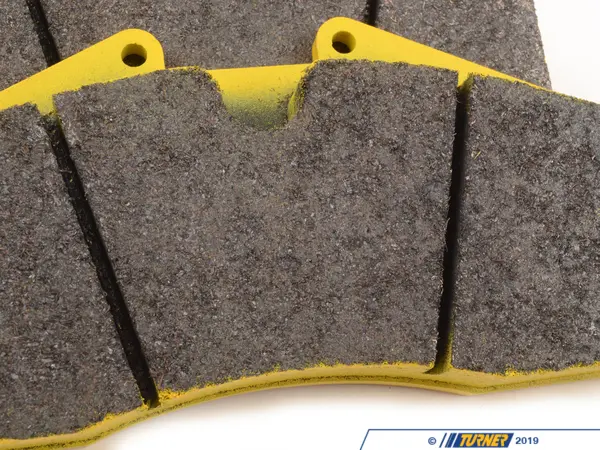
Pagid Racing 1204 RSL29 - Brake Pads for StopTech ST40
Pagid Racing

Akebono Euro Ultra-Premium Slotted Ceramic Brake Pad Set — F30/F32/M2/M3/M4
Newparts

Akebono Euro Brake Pad Set Front and Rear for BMW F30 F31 F32 F33 F36
Akebono
Akebono Euro Brake Pads Kit for BMW F30 F31 F32 F33 F36 Blue Caliper
Akebono

Akebono Euro Ceramic Front and Rear Brake Pad Kit for BMW F22 F30 F32 F34 F36
Akebono

Akebono Euro Ultra Premium Ceramic Brake Pads for BMW F22 F30 F32 Series
Akebono

Akebono Euro Ceramic Brake Pad and Rotor Kit - Front for BMW F30 F32 E9x
Akebono
Akebono Euro Ceramic Brake Pads and Bison 330mm Rotors Front Kit for BMW F30 F32 E92
Akebono

EBC Brakes Yellowstuff 4000 Series Street Brake Pads — DP41118R
EBC

Akebono Euro Ultra-Premium Rear Brake Pads — BMW 2011–2018
Akebono

Bosch BS828 Blue Parking Brake Shoe Set for BMW E82 F22 F30 E90 E92 F32 E85 E86
Bosch

Bosch QuietCast BC1610 Premium Ceramic Brake Pads for BMW F30 F32 F36 Rear
Bosch

Bosch BE1610 Blue Ceramic Brake Pads - Rear for BMW F30 F32 F34
Bosch
Bosch BE1561H Blue Semi-Metallic Brake Pads for BMW F22 F30 F32 F34 F36 F48 Front
Bosch
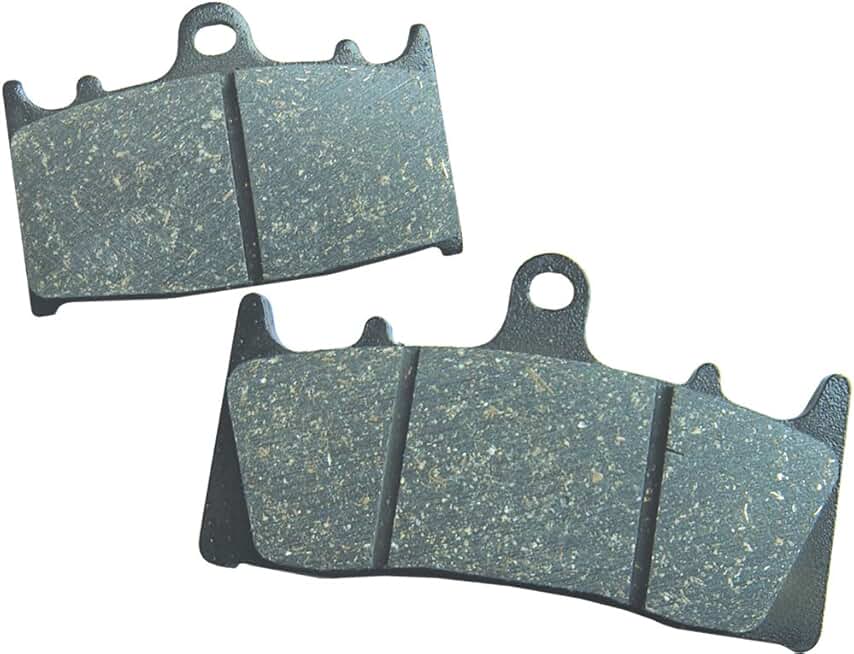
EBC FA32 Disc Brake Pad Set for BMW F32 428i 435i
EBC
Bosch BE1613H Blue Ceramic Brake Pads for BMW F20 F30 F32 Series Rear
Bosch
Turner Motorsport Steel Pedal Pad Cover Set for BMW 1-7 Series X3 X5 X6
zoomto
More brake parts for the BMW F32
When it comes to brake upgrades on the BMW F32 428i or 435i, the factory setup is competent for street driving but leaves room for improvement if you're pushing the car hard on canyon roads or track days. A popular first step is swapping to better brake pads - Hawk HPS or HPS 5.0 compounds work well for spirited street driving, while the Hawk DTC-60 or EBC Yellowstuff are better suited for occasional track use. Pair those with slotted or cross-drilled rotors from Brembo or StopTech to improve heat dissipation and reduce fade under sustained braking. For a more serious upgrade, the StopTech Trophy Sport big brake kit or a Brembo GT kit will give you significantly larger rotor diameters and improved clamping force, which is especially worthwhile on the heavier xDrive models. Don't overlook the brake fluid - the factory fluid moisture-absorbs quickly under heat, so flushing to a high-temp fluid like Motul RBF 660 or ATE Super Blue is a must before any track session. Always bed your new pads and rotors properly using a progressive heat cycle to ensure optimal performance and longevity from day one.
BMW Brake Pads - What Actually Matters Before You Buy
BMW brake pads are not a one-size-fits-all purchase, and the wrong set will cost you more than money - it'll cost you pedal feel, rotor life, and in some cases, brake confidence at speed. Whether you're driving an E46 M3 on track days, commuting in an F30 328i, or pushing an F87 M2 Competition through mountain passes, the pad compound and fitment have to match how you actually use the car.
Start with chassis fitment. BMW uses different caliper sizes and rotor specs across platforms. The E9X M3 runs a 6-piston front caliper that takes a completely different pad than the standard E90 330i. The G80 M3 and G82 M4 use massive M Compound calipers front and rear that require specific pad geometries. Always cross-reference your chassis code - E30, E36, E46, E60, E70, F10, F80, G20, G87 - and your exact model before ordering. A "fits 3 Series" listing means nothing without knowing your build date and brake package (standard vs. M Sport vs. Competition).
For street driving, Hawk Performance HPS and EBC Greenstuff/Yellowstuff pads are proven, widely stocked, and available across nearly every BMW fitment from the E36 era through current G-chassis cars. They offer low dust, quiet operation, and solid bite without destroying rotors before their time. If you're on an E46, F30, or F32 and just want reliable daily performance, either of these compounds is a strong call.
If you're doing any track work - even HPDE days - step up to a dedicated performance compound. Pagid RS, Ferodo DS2500 or DS3000, and Carbotech XP8 or XP10 are the compounds you'll see on E46 M3s, E92 M3s, and F80 M3s in the paddock consistently. They manage heat fade where street pads fail, typically around 400–500°F. The tradeoff is increased rotor wear, higher dust, and often more noise when cold - acceptable compromises if you know what you're getting.
What to avoid: cheap OEM-replacement pads from unknown brands sold on marketplaces at suspiciously low prices. BMW's hydraulic assist and ABS tuning is calibrated around specific bite thresholds. Low-quality pads with inconsistent friction coefficients can throw off ABS behavior and result in uneven pad deposits on your rotors - the cause of that pulsating pedal feel most people misdiagnose as warped rotors. Stick to name brands with documented friction ratings.
Also check your brake rotors before installing new pads. Bedding new pads onto worn or grooved rotors immediately contaminates the new pad surface. Most E-chassis cars (E39, E60, E70) see rotor wear that warrants replacement around 60–80k miles depending on driving style. G-chassis cars with iDrive brake coaching often see longer rotor life, but still inspect minimum thickness before committing to pads only.
Install Difficulty and What You'll Need
Brake pad swaps on most BMWs are a 1–2 out of 5 on difficulty for anyone with basic mechanical confidence. You'll need a caliper piston reset tool (a cube-style wind-back tool for rear electronic parking brake models like the F30, F10, and all G-chassis cars - a simple C-clamp won't work on EPB systems). OBD11 or BimmerLink app access is useful for G-chassis EPB retraction. Front pads on E-series cars are genuinely straightforward: two caliper bolts, slide out old pads, compress piston, install new pads. Plan for 1–1.5 hours your first time.
Don't skip the bedding procedure. New pads need 6–8 controlled heat cycles - typically 60-to-5 mph stops with cooling intervals - to transfer an even friction layer onto the rotor. Skip this and you'll have inconsistent bite and potential judder within the first few hundred miles.
If you're upgrading pads as part of a larger brake refresh, browse our complete brake kits for rotor-and-pad bundles matched to your chassis. Otherwise, filter by your chassis code above and order with confidence.