
Big Brake Kits for BMW 4 F32
Affiliate disclosure. BimmerTalk is a proud partner of the Amazon Associates Program and Turner Motorsport. We may earn a small commission on qualifying purchases through our links, at no extra cost to you. Read the full disclosure.

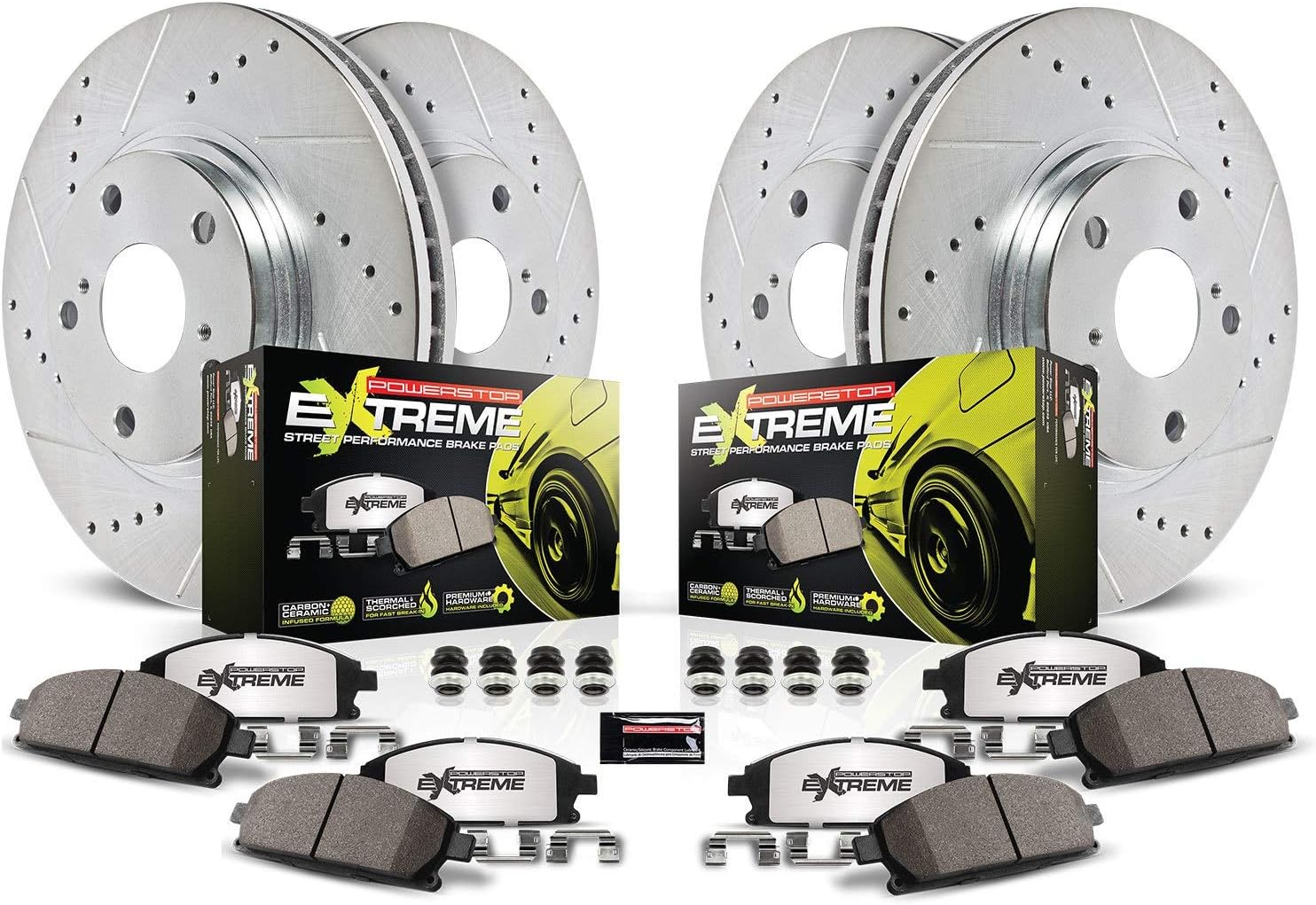
Power Stop Z26 Street Warrior Brake Pad & Rotor Kit — F30/F32
PowerStop

Brembo Ceramic Brake Pad & Rotor Kit — Rear (P06101 / 09.D096.13)
Brembo

R1 Concepts eLine Drilled & Slotted Brake Kit — F30/F32/F36
R1 Concepts

Brembo KT Series Brake Kit (Pads & Rotors) — F30/F32 3 & 4 Series
Brembo

StopTech Stainless Steel Brake Line Kit — F30/F32 3 & 4 Series
StopTech
More brake parts for the BMW F32
When it comes to brake upgrades on the BMW F32 428i or 435i, the factory setup is competent for street driving but leaves room for improvement if you're pushing the car hard on canyon roads or track days. A popular first step is swapping to better brake pads - Hawk HPS or HPS 5.0 compounds work well for spirited street driving, while the Hawk DTC-60 or EBC Yellowstuff are better suited for occasional track use. Pair those with slotted or cross-drilled rotors from Brembo or StopTech to improve heat dissipation and reduce fade under sustained braking. For a more serious upgrade, the StopTech Trophy Sport big brake kit or a Brembo GT kit will give you significantly larger rotor diameters and improved clamping force, which is especially worthwhile on the heavier xDrive models. Don't overlook the brake fluid - the factory fluid moisture-absorbs quickly under heat, so flushing to a high-temp fluid like Motul RBF 660 or ATE Super Blue is a must before any track session. Always bed your new pads and rotors properly using a progressive heat cycle to ensure optimal performance and longevity from day one.
BMW Big Brake Kits - More Than Just Better Stopping Power
Stock BMW brakes are competent - nobody's arguing that. But if you've added power, dropped weight, or spend any real time on track, the factory setup starts to show its limits fast. Brake fade, inconsistent pedal feel, and undersized rotors struggling with heat soak are the enemy. A purpose-built big brake kit (BBK) solves all of that with larger rotors, multi-piston calipers, and purpose-engineered hardware that transforms how your BMW behaves under hard braking.
The most popular platforms for BBK upgrades include the E46 M3, E90/E92 M3, F80/F82 M3/M4, E39 M5, and the G80/G82 generation cars. Non-M owners on platforms like the E46 330i/325i, F30 335i, and E60 535i also see massive gains - the OEM single-piston sliding calipers on these chassis are the first thing to give up under sustained load. If you're running an N54 or S58-powered build, a proper BBK is essentially mandatory once you've started modifying power output.
Top brands in this space include Brembo (the GT and GT-R series are track-proven and widely available for E and F chassis), StopTech (excellent value with their Trophy and ST-60 kits), AP Racing (the Radi-CAL competition kit is what professional race teams actually run), and Wilwood for budget-conscious builds where you need serious hardware without paying Brembo pricing. For the G-chassis crowd, KW and Eventuri-adjacent brands have been expanding their BBK lineups as the platform matures.
What to Look For - and What to Avoid
Rotor size matters, but it's not the whole story. A 380mm two-piece floating rotor paired with a six-piston fixed caliper will outperform a cheap 405mm kit with a soft hat and a cast iron caliper that's just bolted to a bigger bracket. Focus on caliper piston count and arrangement, rotor material and venting design, and whether the kit uses a dedicated bracket or an adapter hack. Purpose-built kits from reputable manufacturers spec the geometry correctly for your chassis - brake bias, caliper alignment, and pad contact area are all engineered together, not guessed at.
Watch out for no-name kits flooding the market with impressive specs on paper. If a "6-piston BBK" is priced at $400 shipped, the casting quality, seal materials, and rotor metallurgy will reflect that. Warped rotors, seized pistons, and fluid leaks don't just ruin your lap times - they're a safety issue. Stick with kits that have documented track use and real fitment data for your specific chassis code.
Wheel clearance is the gotcha that catches people off guard. Most BBKs in the 355mm–380mm range require a minimum of 18" wheels, and some 400mm+ setups need 19" or greater. Measure your inner barrel clearance before you buy, especially if you're running aftermarket wheels with different spoke profiles. Most manufacturers publish clearance data by wheel brand - use it.
Installation difficulty sits at a solid intermediate level. If you're comfortable with brake pad and rotor swaps and have bled a brake system before, a quality BBK install is manageable in a home garage with a good torque wrench, brake line wrenches, and a full afternoon. The bracket fitment and line routing are where things can get fiddly depending on the kit. Some F-chassis applications require minor modifications to the dust shield. Budget 4–6 hours your first time and don't rush the bleed cycle.
One more thing worth mentioning: your brake fluid becomes even more critical once you upgrade. A proper BBK moves heat more efficiently, but that heat still ends up in the fluid. Run a minimum of Motul RBF 600 or ATE Type 200 if you're doing any track work. Skimping on fluid after spending $1,500 on calipers is leaving performance on the table.
Done right, a big brake kit is one of the most satisfying upgrades on a BMW - the pedal feel alone is worth it.