
ECU Tuning & Flash for BMW 4 F36
Affiliate disclosure. BimmerTalk is a proud partner of the Amazon Associates Program and Turner Motorsport. We may earn a small commission on qualifying purchases through our links, at no extra cost to you. Read the full disclosure.
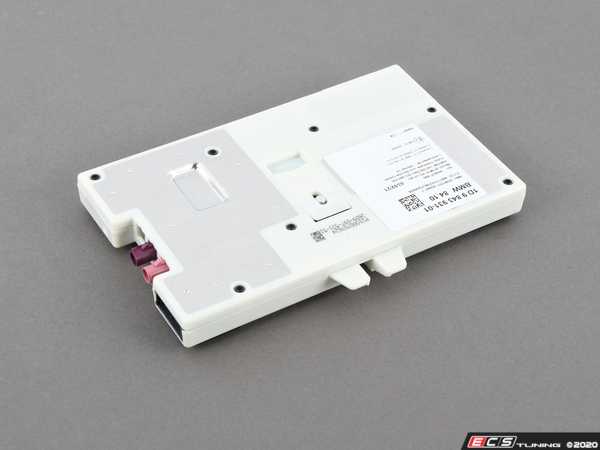
Genuine BMW TCU Module - Telematics Control Unit
Genuine BMW
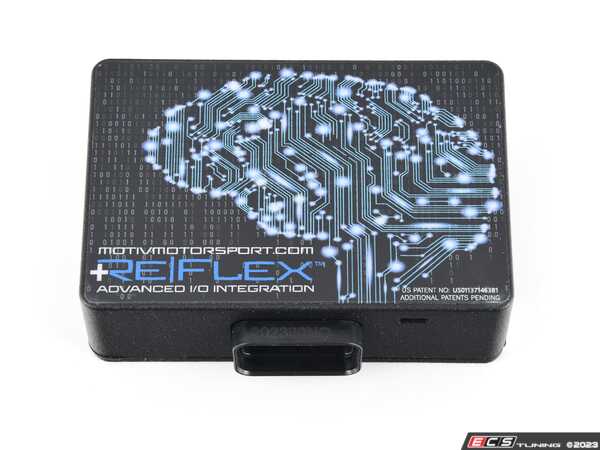
Motiv ReFlex+ - ECU Tuning for BMW B46 B48 N20
Motiv Motorsports
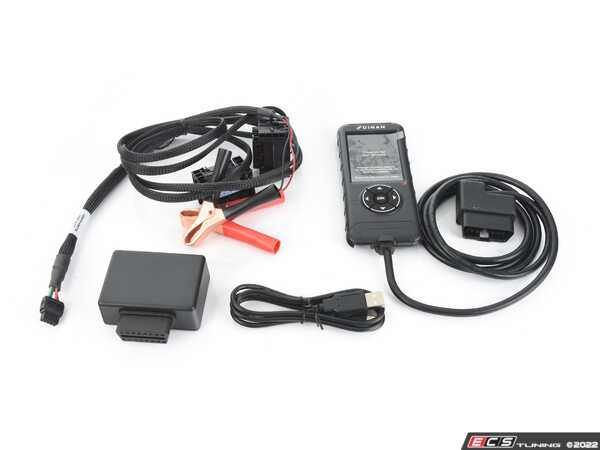
Dinan DinanFlash Handheld Tuner for BMW B58 B46
Dinan
RaceChip GTS 5 - Tuning Module for BMW F32 F33 F36 430i
Race Chip
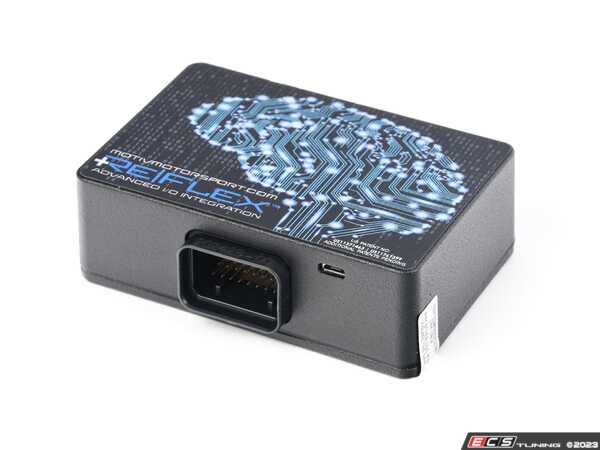
Motiv ReFlex+ - Port Injection Controller for BMW F36
Motiv Motorsports
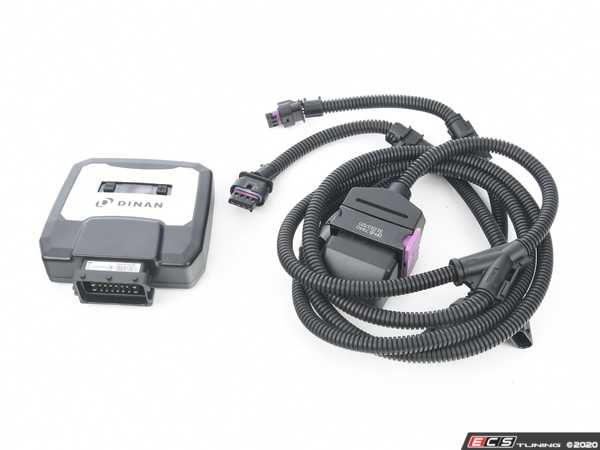
Dinan DINANTRONICS X - Performance Tuner for B46 B48
Dinan
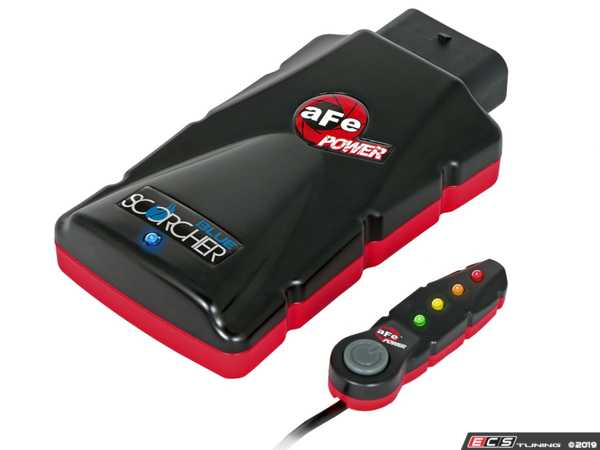
aFe SCORCHER BLUE - Bluetooth Tuner for BMW B46 B48 B58
AFE
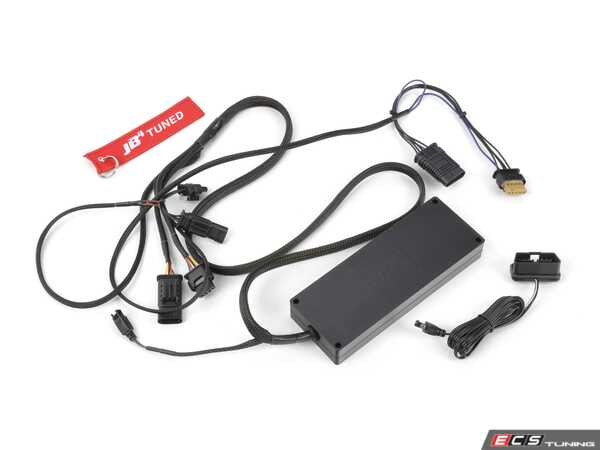
Burger Motorsports JB4 - Tuner for BMW B38 B46 B48
Burger Motorsports
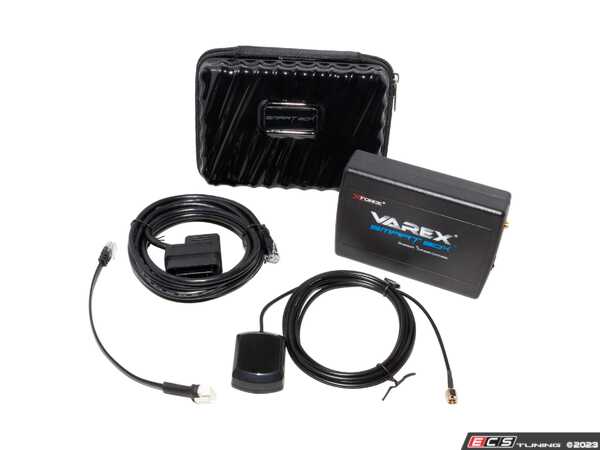
XForce Smartbox - Varex Muffler Control Module for F36
XForce
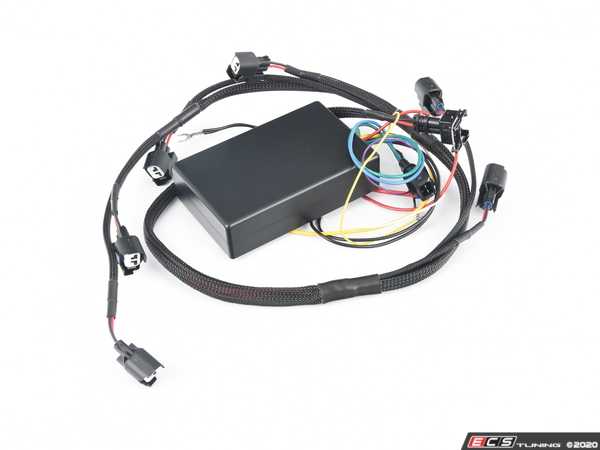
Burger Motorsports JB4 Port Injection Controller for BMW
Burger Motorsports
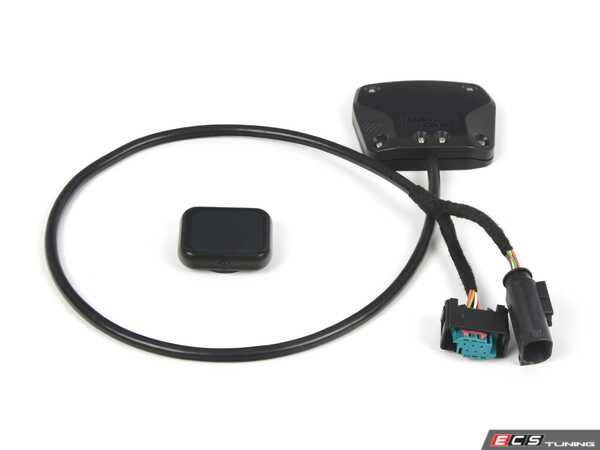
RaceChip XLR - Throttle Controller for BMW F36
Race Chip
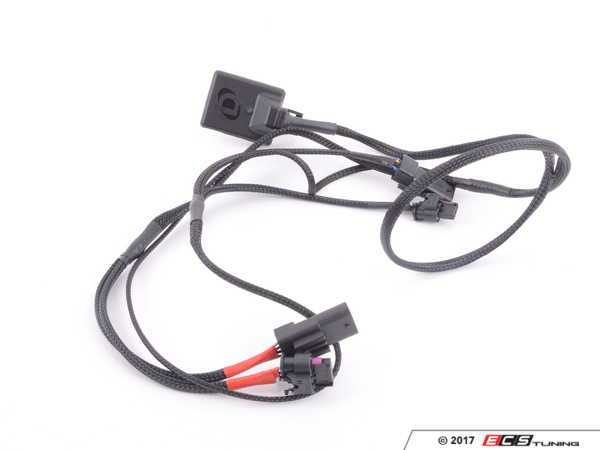
Dinan DINANTRONICS Sport - Tuner for BMW B46 B48 B58
Dinan
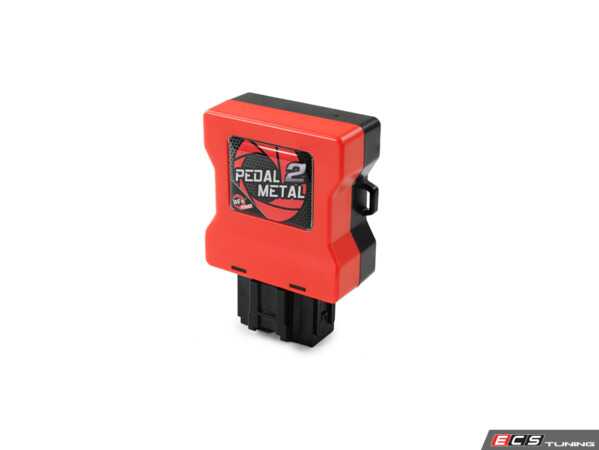
aFe Pedal 2 Metal - Throttle Controller for BMW
AFE
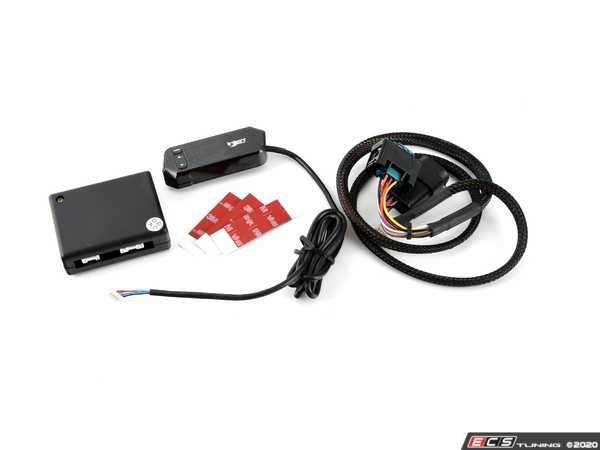
Injen X-Pedal Pro - Throttle Controller for BMW F36
Injen

LOVEVEH NBT CarPlay Retrofit Kit for BMW F30 F32
LOVEVEH
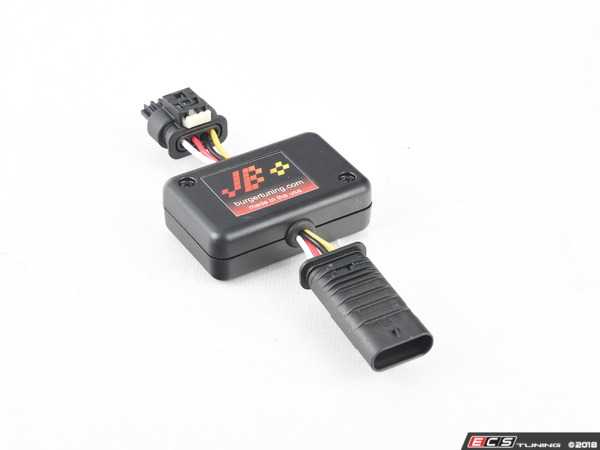
Burger Motorsports JB+ Tuner for BMW B48 3-Wire
Burger Motorsports
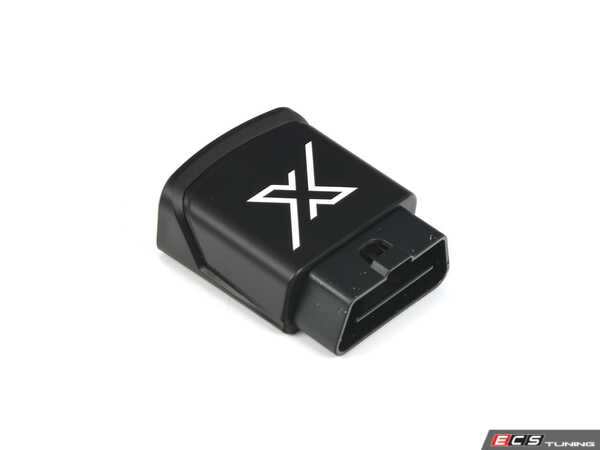
xHP xA Ultra WiFi Adapter for BMW Flashing
xHP
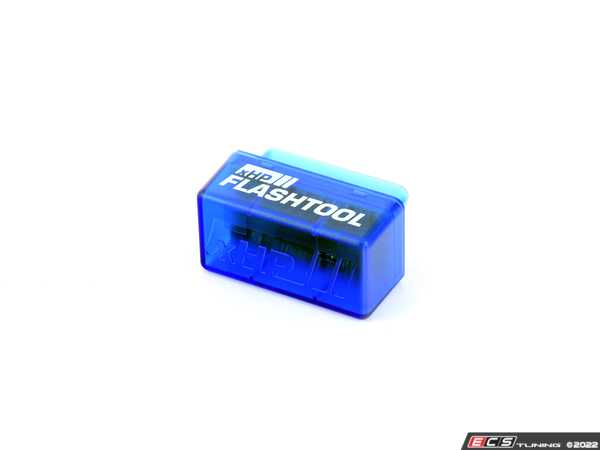
xHP Flashtool WiFi OBD Adapter for BMW F36
xHP

THOR OBD II WiFi Dongle for BMW F36
THOR
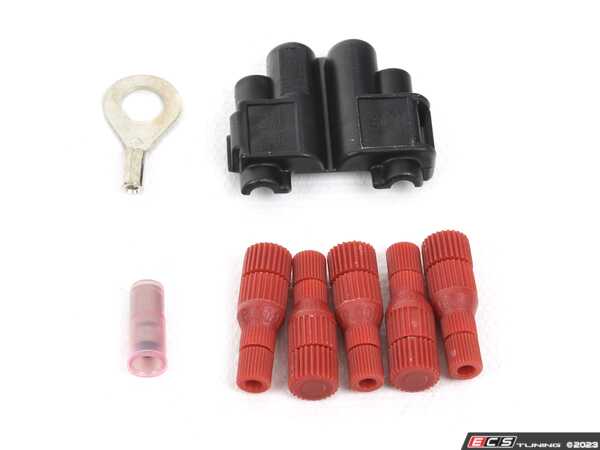
Motiv ReFlex+ Install Kit for BMW F36
Motiv Motorsports
More tuning and coding gear for the BMW F36
If you're searching for BMW F36 chips software ECU tuning options, you're already thinking about this the right way - the F36 Gran Coupe is a platform with real tuning potential that most owners leave completely untapped. The engines underneath these cars, whether you're running the turbocharged N20, N26, B46, or B48 four-cylinder, or the straight-six N55 or B58, respond extremely well to software changes. We're not talking about marginal gains here. A proper tune on a B58-powered F36 440i can push you from a factory 320 horsepower to well over 400 horsepower on just a tune and bolt-ons, without touching internals. Even the more modest four-cylinders gain meaningfully - the N20 in a 428i can see 40-60 horsepower on a good map with supporting mods. That's not nothing when you're driving a car that already handles beautifully from the factory.
I want to be upfront with you about something before we go further. The F36 sits in an interesting spot in the BMW tuning world. It shares its platform and engines almost entirely with the F30/F32/F33 family - same chassis architecture, same engine lineup, same ECU hardware in most configurations. This means the tuning ecosystem developed around those cars applies directly to the F36. The tune that works on an F32 435i works identically on your F36 435i Gran Coupe. So when you're reading this and you see JB4, bootmod3, or MHD referenced primarily in F30 or F32 contexts, know that the fitment and the maps carry over. I'll call out any meaningful differences where they exist.
What I've put together here is a practical guide to every meaningful software tuning option for the F36, organized by engine family, use case, and budget. I'll cover piggyback tuners, flash-based ECU tunes, and full standalone options. I'll give you my honest assessment of each platform, the real-world numbers owners are seeing, what supporting mods you actually need before you tune, and the mistakes I see people make constantly. Let's get into it.
What the F36 Platform Actually Is - Engine Codes and ECU Overview
Before you spend a dollar on tuning, you need to know exactly what ECU you have, because the tuning approach changes significantly based on engine code. The F36 was produced from 2014 through 2020, which means it spans two complete BMW engine generations. Here's the breakdown you need.
The 428i (2014-2016) runs either the N20B20 or N26B20 depending on market. The N20 is the more common unit in US-spec cars outside California. The N26 is the SULEV variant found in California-delivered cars and meets stricter emissions standards - it matters for tuning because some map options treat them differently and certain piggybacks handle the sensors differently. Both produce 240 horsepower and 255 lb-ft of torque from the factory.
The 430i (2017-2020) swapped in the newer B46B20 or B48B20 engine, again with the B46 being the emissions-constrained SULEV variant and the B48 being the standard version. Factory output is 248 horsepower and 258 lb-ft. The B48 in particular is one of BMW's better modern four-cylinders from a tuning standpoint - it shares significant architecture with the B58 six and responds well to additional boost and fuel.
The 435i (2014-2016) gets the N55B30 straight-six, which is one of the most well-documented tuning engines in the BMW aftermarket. Single twin-scroll turbo, 300 horsepower, 300 lb-ft stock. There is an enormous amount of tuning data on this engine across a decade of F-chassis cars, which means the maps are mature and the risks are well-understood.
The 440i (2017-2020) gets the B58B30, BMW's current-generation inline-six and probably the most exciting tuning platform in the entire F-chassis lineup right now. Factory output of 320 horsepower and 330 lb-ft, with a turbo that has substantial headroom and a fuel system that handles additional demand reasonably well on pump gas with supporting mods. This is the engine that has the tuning community most excited.
On the ECU side, the N20 and N55 cars typically run Bosch MED17 variants. The B48 and B58 cars moved to Bosch MG1 (sometimes referred to as MG1CS003 or similar part-number variants). The distinction matters because the MG1 platform was initially much harder to flash - it took the community a couple of years after the B58 launched to develop reliable read/write solutions. As of now, both platforms are fully supported by the major tuning houses, but the toolchain and process differ. Your VIN and production date will tell you which ECU you have, and any reputable tuner will ask before writing a map.
If you want to pull your exact ECU part number before calling a tuner, grab an OBD2 diagnostic tool and read out the control unit data from the DME module. Carly, BimmerCode, or a basic ISTA-D connection will give you the part number you need to confirm compatibility before you commit to any tuning platform.
Why F36 Owners Tune - Real Motivations and Realistic Expectations
I've talked to a lot of F36 owners over the years and the motivations fall into a few clear buckets. Understanding which bucket you're in should drive your tuning decision as much as anything else.
The biggest group is what I'd call the real-world performance upgrade crowd. These are daily drivers who like the F36's practicality - four real doors, usable rear seats, a trunk that fits luggage - but feel like BMW left meaningful performance on the table. They're right. BMW's factory tune is conservative by design. It has to cover a global market with varying fuel quality, varying service intervals, and warranty obligations. A good tune tightens that conservatism up considerably and delivers power that the hardware is genuinely capable of making safely.
The second group is the track and autocross crowd. The F36 is a bit of an underdog here - most people take the coupe or sedan to track days, not the Gran Coupe - but it's mechanically identical and there's no reason not to. For this group, torque response and throttle linearity matter as much as peak numbers. A good flash tune improves both significantly over stock, and it's the foundation for everything else you do to the car.
The third group is people who've already done bolt-on modifications - cold air intakes, intercoolers, downpipes - and need a tune to properly calibrate the fueling and boost maps around those changes. This is actually where tuning becomes most important, not optional. Running a big downpipe or a ported charge pipe without a corresponding tune is leaving power on the table at best and potentially running the engine lean at worst. A tune isn't just about more power - it's about properly managing what your hardware is already doing.
Realistic expectations are worth setting here. A tune alone, no supporting mods, on a stock car:
- N20/N26 428i - expect roughly 260-275 horsepower at the crank, up from 240. Real-world feel improvement is noticeable, mostly in throttle response and midrange pull.
- B46/B48 430i - expect 280-310 horsepower depending on tune quality and fuel quality. The B48 especially has more headroom than BMW's factory number suggests.
- N55 435i - stage 1 tunes commonly put owners at 340-370 horsepower. This is a very mature platform with consistent, predictable results.
- B58 440i - stage 1 tunes on a fully stock car land most owners in the 370-400 horsepower range. With supporting bolt-ons, stage 2 maps push into the 420-450 horsepower range, and aggressive stage 3 setups with fuel system upgrades are cresting 500+ horsepower on the right hardware.
Those numbers assume 91 or 93 octane pump gas. If you have access to E30 or E85 blends and the right tune to match, add another 30-50 horsepower across the board.
The Two Approaches - Piggyback Tuners vs Flash Tunes
This is the first real decision you need to make, and I have a pretty clear opinion on it. But let me explain both sides honestly.
Piggyback Tuners
A piggyback tuner sits between your factory sensors and the ECU, intercepting and modifying the signals before the ECU reads them. The ECU itself is never touched - the factory software stays completely intact. The most prominent example in the BMW world is the JB4 from Burger Motorsports, which has been around in various forms since the N54 days and has a massive install base across F-chassis BMWs.
The JB4 connects to the boost pressure sensor, charge temp sensor, and in some configurations additional channels depending on the engine. It intercepts the signal the ECU sees, tricks it into thinking boost is lower than it actually is (allowing the turbo to run harder before the ECU pulls timing), and can also adjust fuel trims through an optional OBDII harness. The result is real, measurable power gains without any permanent modification to the ECU software.
The advantages of piggybacks are real. You can remove it in 20 minutes if you need to go back to stock for a dealer visit. Installation requires no special equipment - typically just wiring harness connections under the intake manifold area. The JB4 in particular has a well-developed user community, a proven map set, and Burger Motorsports has been responsive to the community over many years. If you're on the fence about committing to tuning and want to try before you go further, a JB4 is a reasonable starting point.
The disadvantages are also real. Piggybacks are, by definition, a workaround. You're not actually telling the ECU what to do - you're tricking it. On the older N20 and N55 platforms this works quite well because those ECUs are well-understood. On the newer MG1-based B48 and B58 platforms, the ECU's own monitoring systems are more sophisticated and can detect the inconsistency between what it expects to see and what the sensors are actually reading. This can generate fault codes, and in some cases the ECU compensation logic partially negates what the piggyback is trying to do. Flash tunes, by contrast, modify the ECU's own maps directly - there's no tug of war between a hardware device and the ECU software.
Piggybacks also have a ceiling. Because they can only adjust certain input signals, they can't fully optimize every aspect of how the engine runs. Ignition timing, injection timing, valve timing on VANOS-equipped motors, rev limiters - these all live in the ECU software and can't be touched by a signal interceptor. A good flash tune adjusts all of them together in a coordinated way that a piggyback can't replicate.
Flash Tunes
A flash tune - also called an ECU flash or a reflash - involves physically reading the data off your ECU, modifying the tune maps (boost targets, ignition timing, fuel maps, torque limiters, rev limits, etc.), and writing the modified software back to the ECU. Your factory software is replaced or supplemented with new calibrations.
Flash tunes can be done a few ways. Remote tunes involve an OBD-based flashing device that connects to your car, reads the ECU over the OBD port or bench cables, and sends the file to a tuner who emails back a modified calibration. You then flash it yourself through the same device. This is the most common approach for the F36. Bench flashes involve physically removing the ECU and connecting to it on a workbench - more involved, used for locked ECUs or situations where OBD flashing isn't possible. Dyno tunes involve your car on a dyno with a tuner adjusting maps live - the gold standard for custom work but also the most expensive.
For the F36, the flash tuning platforms you'll encounter most often are bootmod3, MHD Flasher, and to a lesser extent ProTune systems through local shops. I'll cover each in detail below.
My honest take: for anything beyond the mildest power upgrade on the B48 or B58 platforms, I'd recommend a flash tune over a piggyback. The gains are more complete, the calibration is more coherent, and you're not fighting the ECU's own monitoring systems. On the older N20 and N55, a JB4 is a more defensible choice because those ECUs are simpler and the piggyback approach works more cleanly - but even there, a good flash tune gets you further.
The JB4 from Burger Motorsports - Still Worth Considering
I want to give the JB4 its fair shake before I move on, because Burger Motorsports has earned genuine respect in this community over many years. This is not a fly-by-night operation selling snake oil - the JB4 is a real product with a large install base and a company that actively supports it.
The JB4 for F-chassis BMW four-cylinders and six-cylinders has been available in variants covering the N20, N55, B46/B48, and B58 engines. Installation involves connecting to the boost sensor, optionally connecting the OBDII harness for additional features including data logging and fuel trim adjustments, and mounting the small control box somewhere in the engine bay. The whole process takes most owners under two hours on their first attempt, and there are well-documented install threads for the F30/F32/F36 family that walk through it step by step.
On the N55-powered 435i, the JB4 is genuinely effective. The N55 ECU responds predictably to the signal manipulation the JB4 applies, and on a good map (Map 6 being the most aggressive pre-loaded option, with custom map slots available for users who want to upload community or custom tunes) you're looking at gains in the 40-60 horsepower range over stock, with torque improvement felt throughout the rev range. The JB4 can also push boost higher on N55 cars that have upgraded charge pipes and intakes to support it. This is a mature, proven combination.
On the B58-powered 440i, the JB4 works and produces real gains, but the newer ECU platform means you'll occasionally see the ECU compensation logic push back. Burger Motorsports has addressed this through firmware updates over the years, and the current JB4 maps for B58 are meaningfully better than early versions. However, if you're planning to go beyond stage 1 on a B58, most community consensus has shifted toward flash tunes as the better foundation for more aggressive setups.
Price for the JB4 varies by application, but expect to be in the $500-$650 range for the base unit. The optional OBDII harness that unlocks fuel trim adjustment and better data logging is worth adding - it typically runs another $100-$150. So all-in, you're looking at roughly $600-$800 for a complete JB4 setup.
One genuinely useful feature of the JB4 is the built-in data logging capability, especially with the OBDII harness. You can monitor boost, knock counts, IAT, and other key parameters in real time and log them to your phone. For a beginner tuner trying to understand what their engine is doing, this is actually really valuable educational infrastructure. It teaches you to read your car before you commit to more aggressive tuning approaches.
bootmod3 - The Flash Tuning Platform Most F36 Owners End Up On
If you ask the F30/F32/F36 community which flash tuning platform they're on, the answer most often coming back is bootmod3. Made by ProTunerz, bootmod3 is a cloud-based tuning platform that works through a dedicated OBD device (the bootmod3 BM3 unit) to read and write your ECU. The platform supports N20, N55, B48, and B58 applications covering the entire F36 engine lineup.
Here's how it works in practice. You buy the BM3 hardware dongle, plug it into your OBD port, and the associated app (iOS and Android) connects to it over Bluetooth. You select your car's configuration, the app reads your ECU, and you can apply an off-the-shelf stage map or purchase a custom tune from one of the many ProTunerz-certified tuners who work with the platform. The flash process takes about 20-30 minutes and is done with the car stationary. You can switch between your stock map and your tuned map any time.
The off-the-shelf stage maps are organized in a logical progression:
- Stage 1 - Optimized for a fully stock car. Raises boost targets, optimizes ignition timing, removes torque limiters. No supporting mods required beyond good fuel quality.
- Stage 2 - Designed for cars with a downpipe (catless or high-flow cat), intake, and ideally a charge pipe upgrade. More aggressive boost, adjusted fuel maps to match increased airflow.
- Stage 3 / E-tune variants - For cars running ethanol blends or significant hardware upgrades. Requires custom calibration based on your specific fuel mix and hardware combination.
On the B58 440i, bootmod3 stage 1 maps have been documented extensively across forums and dyno threads. Most owners are seeing 375-405 horsepower and 420-450 lb-ft of torque on 93 octane - gains of roughly 55-85 horsepower over stock. Stage 2 with a downpipe, intake, and charge pipe typically lands in the 420-460 horsepower range. These numbers have been corroborated across hundreds of dyno pulls on similar B58 platforms.
On the N55 435i, bootmod3 is equally well-supported. Stage 1 gains are consistently in the 335-360 horsepower range, with stage 2 plus supporting mods pushing into the 375-400 horsepower territory. The N55 responds well to both boost and timing changes, and the bootmod3 maps for it are very mature at this point.
The four-cylinder cars (N20, B48) also have strong bootmod3 support. N20 stage 1 puts most owners at 265-280 horsepower. B48 stage 1 is impressive - the engine genuinely responds to the increased boost ceiling, and documented dyno results show 290-320 horsepower on 93 octane, which is a meaningful bump from the factory 248.
Pricing for bootmod3 is structured around the hardware dongle plus per-vehicle licenses. The BM3 OBD device itself runs around $150-$200. Stage maps are licensed per VIN and cost roughly $400-$500 for most F-chassis applications. If you want a custom tune from a certified ProTunerz tuner (strongly recommended if you have supporting mods or are chasing maximum safe power), add another $300-$600 depending on the tuner. So total investment ranges from around $550 for a stage 1 off-the-shelf map to $1,000+ for a fully custom remote tune.
What I like about bootmod3 is the flexibility. You can start with a stage 1 map yourself, add mods over time, and grow into a custom tune without buying new hardware. The same BM3 dongle you used for stage 1 will flash a full custom E85 tune two years later. The platform has been around long enough that the map quality is high and the support network - both official and community-driven - is robust.
What I don't love is that the off-the-shelf maps, while good, are necessarily conservative calibrations designed to work safely across a wide range of cars. A custom tune from a skilled tuner who knows your specific car, your fuel, and your supporting mods will always outperform an off-the-shelf map. Don't treat the stage maps as the final destination - they're a great starting point, but custom is better.
MHD Flasher - The Budget-Conscious Flash Option That Earned Its Reputation
MHD Flasher is the other major flash tuning platform for BMW F-chassis cars, and it has a slightly different positioning than bootmod3. MHD started primarily in the N54 world and built an enormous community of users who appreciated that the platform was more accessible and often cheaper than competitors. It's expanded to cover N55, N20, B46/B48, and B58 applications.
The MHD approach uses your Android phone or tablet as the flashing device - there's no proprietary OBD dongle to buy (though you do need a compatible OBD adapter, typically a Bluetooth or WiFi unit). The app reads and writes the ECU directly through the OBD port. This keeps hardware cost down and makes the platform very approachable for owners doing their first flash.
Map structure in MHD is similar to bootmod3 - stage 1 for stock cars, stage 2 for cars with downpipe and intake, and custom/stage 3 for ethanol and hardware upgrades. The off-the-shelf maps are sold as one-time purchases tied to your VIN.
On pure power numbers, MHD and bootmod3 maps for the same engines produce very similar results - they're both working from the same underlying ECU and the physics don't change. The difference comes in the interface, the community, and the tuner ecosystem around each platform. MHD has historically had a slightly larger community of free and community-contributed maps, particularly in the N54 and N55 world. For B58 cars, bootmod3 has arguably more active development from the tuner community currently, but MHD is competitive.
MHD pricing is genuinely lower than bootmod3 in most configurations. A stage 1 or stage 2 map for an N55 or B58 through MHD typically runs $300-$400. Add in an OBD adapter (around $30-$80 for a quality unit) and you're getting into a flash tune for $350-$480 total. That's meaningfully less than bootmod3 for similar power output.
The tradeoff with MHD for F36 owners is that the custom tune ecosystem is slightly smaller than bootmod3's certified tuner network. You can still find excellent MHD tuners who do remote custom work, but you'll do more searching to find the right one. If you're in a major metro area with BMW-focused tuning shops, ask what platform they prefer before deciding.
For a daily driver 435i or 440i owner who wants a solid stage 1 tune without a lot of complexity or expense, MHD is a completely legitimate choice. I wouldn't hesitate to recommend it. For owners planning aggressive power builds with custom ethanol tunes, I'd lean slightly toward bootmod3 just because the tuner community around aggressive B58 and N55 builds is currently more active on that platform - but this is a marginal difference, not a dramatic one.
RaceChip and Cobb Accessport - Where These Fit in the F36 Picture
RaceChip is worth addressing because it markets aggressively and you'll encounter it constantly when searching for F36 tuning. RaceChip makes piggyback-style tuners similar in concept to the JB4, sold at various price points. The basic units intercept boost pressure signals, while the higher-end units add fuel trim manipulation similar to what the JB4's OBDII harness provides.
My honest assessment of RaceChip for the F36: it works in the sense that it produces measurable gains, but the JB4 is a better-engineered and better-supported product in the BMW-specific tuning space. Burger Motorsports has years of BMW-specific development behind the JB4 with maps calibrated specifically for each BMW engine variant. RaceChip covers a much wider range of brands and platforms, which means the BMW-specific calibration depth isn't quite at the same level. If you're choosing between the two piggyback options, pick the JB4.
RaceChip pricing ranges from about $350 for base units to $700+ for top-tier versions. Given that the JB4 at similar price points has better community support and BMW-specific development, and given that a flash tune starts to become cost-competitive with premium RaceChip units, I'd have a hard time recommending RaceChip for most F36 owners. It's not a bad product - it's just not the best choice for this specific platform.
Cobb Accessport - if you've come to the BMW world from Subaru, Mitsubishi, or Ford performance, you know Cobb well. The Accessport is an excellent flash tuning device on the platforms where Cobb has deep development history. However, Cobb's BMW support has historically been limited compared to their Japanese and American performance car coverage. As of my knowledge, Cobb does not have strong F36-specific support for the B48 and B58 platforms. Their BMW focus has been primarily around legacy engines. If you're coming in hoping to bring your Cobb Accessport workflow to the F36, you'll likely be disappointed - MHD and bootmod3 are the right tools for this platform.
Supporting Mods - What You Actually Need Before You Tune
This section is where a lot of F36 owners go wrong. They either over-invest in hardware before getting a tune to calibrate it, or they tune aggressively without hardware that can support the new power level. Here's the honest breakdown.
Stage 1 - Truly Stock Supporting Requirements
Stage 1 tunes are designed to work on a completely stock car. You need nothing beyond the tune itself and good fuel quality. On the N55 and N20, 91 octane is workable but 93 is noticeably better - the tune can advance timing more aggressively with higher octane. On the B58, I'd call 93 octane the practical minimum for a stage 1 tune if you want to see the full benefit. If you're in a state where 91 is the highest available, the tune will still work, but the ECU will pull some timing to protect against knock and you'll leave a few horsepower on the table.
The one thing I'd always recommend before any tune is a fresh set of spark plugs, one step colder than stock. Specifically:
- N55 - NGK 97506 (BKR7EIX) one step colder than factory
- B58 - NGK 97971 (LFR6AIX) is the commonly used colder plug
- N20 - NGK 94201 is commonly used at stage 1
- B48 - Similar NGK application to the B58 family
Spark plugs on turbo BMWs that are being pushed harder than stock are a wear item. New, properly gapped colder plugs give you the cleanest baseline for a tune and reduce the likelihood of misfires under boost.
Stage 2 - The Minimum Hardware Combination
For stage 2 maps, you need at minimum a downpipe and intake. The downpipe is arguably the single most impactful bolt-on modification you can make on any turbocharged BMW. By reducing exhaust backpressure at the turbine, you allow the turbo to spool faster, make more boost, and the exhaust gas temperatures drop under load. All of this is good. A quality catless downpipe on the N55 or B58 will typically show 15-25 horsepower just from the hardware on an otherwise stock, untuned car - and far more when combined with a matching tune.
High-flow catted downpipes are available if you need to pass emissions testing or simply don't want to run without a catalyst. Power gains are somewhat less than catless but still significant - typically 10-15 horsepower in hardware alone. These are the choice for most daily drivers in states with emissions testing. Catless pipes are for track cars or states where visual inspection only is required.
An intake on the turbocharged F36 is beneficial but less critical than the downpipe. The stock airbox on most variants is actually fairly efficient - BMW engineers it to meet noise standards and emissions, not maximum airflow, but it's not wildly restrictive. An aftermarket intake will improve airflow slightly, lower intake air temps somewhat (particularly with a properly sealed cold-air style design), and sound considerably more entertaining under boost. Gains from intake alone on these platforms are typically in the 5-15 horsepower range, and the bigger benefit is intake air temperature reduction which allows more aggressive timing.
Visit our page on cold air intakes for specific product recommendations on the F36 engine family. The right intake paired with a stage 2 tune is a meaningful upgrade.
For B58 440i owners specifically, a charge pipe upgrade is worth including in the stage 2 hardware list. The factory plastic charge pipe from the intercooler to the intake manifold has a well-documented weakness at higher boost pressures - it can crack or pop off under sustained boost. An aluminum charge pipe eliminates this failure point for around $100-$200 and should be considered mandatory before pushing boost meaningfully beyond stock.
Speaking of intercoolers - the intercooler is worth upgrading if you're running stage 2 or above in a warm climate or doing any track use. Both the N55 and B58 factory intercoolers run into heat soak relatively quickly when pushed hard, and once the intake charge temp rises, the ECU pulls timing to compensate. A front-mount intercooler (FMIC) or upgraded top-mount intercooler (TMIC) keeps the charge temps down and allows the tune to hold its timing advantage across a longer session. For pure street driving in a moderate climate, the factory intercooler is manageable at stage 1. For stage 2 or above, or for any track use, upgrade the intercooler.
Stage 3 and Ethanol Setups
If you're chasing the upper range of what these engines can make - particularly the B58 owners targeting 450+ horsepower - you're looking at a more comprehensive hardware list. Ethanol tunes (E30, E40, or E85 blends) require flex fuel sensors, upgraded fuel injectors on some platforms (the stock B58 injectors have headroom for moderate ethanol blends but can be limiting at high duty cycles), and potentially upgraded high-pressure fuel pump or low-pressure fuel pump depending on the application.
I'd recommend getting a dyno tune from a shop experienced with BMW ethanol builds rather than trying to piece together an ethanol setup from an off-the-shelf map alone. The variables involved - your specific blend, your fuel system's flow capability, ambient conditions - require custom calibration to extract maximum power safely.
Fitment Notes Specific to the F36 Gran Coupe
As I mentioned at the top, the F36 is architecturally identical to the F30, F32, and F33 for ECU tuning purposes. All the maps that work on the F32 435i coupe work identically on the F36 435i Gran Coupe. ECU part numbers are the same, engine harnesses are the same, OBD port location is the same (under the dash, driver's side, same as all modern BMWs).
One thing worth noting for F36 owners doing any complementary physical modifications alongside their tune: the F36 has a slightly longer wheelbase than the F32 and a different rear suspension geometry to accommodate the four-door bodywork. This doesn't affect ECU tuning at all, but it does affect how the car responds to coilover and spring setup changes. If you're tuning the engine and also considering suspension work to match the improved power delivery, check our coilovers buyer's guide for F36-specific notes on spring rates and alignment specs.
The F36 in North American spec was available in RWD only for most model years, with the xDrive AWD variant also available. For xDrive cars, the tuning approach is identical from an ECU standpoint - the same maps apply, the same OBD port is used, and the power gains are the same. The xDrive transfer case and rear differential are calibrated separately from the DME, and a typical tune doesn't change their behavior. However, if you're running a JB4 on an xDrive car, be aware that some xDrive variants have DSC calibrations that can interact with the boost signal manipulation - check the JB4-specific forum documentation for your engine variant to confirm any xDrive-specific harness notes.
The Install Process - What to Actually Expect
Let me walk through what a typical flash tune installation actually looks like on the F36, because a lot of owners approach this with more anxiety than necessary.
For bootmod3 or MHD, the process is primarily digital. Physical steps are minimal:
- Park the car somewhere with a stable power supply. A battery tender connected during the flash is strongly recommended - a power drop mid-flash can corrupt the ECU, and while recovery is usually possible, it's a headache you don't want. A quality jump box with your OBD device plugged in is acceptable if you don't have a tender handy.
- Make sure your phone or the BM3 device has a good connection before starting - WiFi or strong cellular for bootmod3's cloud-based maps.
- Follow the app's instructions exactly. Don't try to skip steps, don't run other apps during the process, don't start the engine until the app tells you to.
- The initial read of the stock ECU takes roughly 10-20 minutes depending on the platform. The write of the new calibration takes similar time. Total process is usually done in under an hour.
- After the flash, some maps require a key cycle or a specific startup procedure (long crank, idle for a set period). Follow whatever the tuner or platform documentation specifies.
- Take the car for a gentle warm-up drive before pushing it hard. Let the ECU complete its adaptation cycles.
For JB4 installation, there's actual physical work involved:
- Locate the boost pressure sensor on your specific engine. On the N55 it's on the passenger side of the intake manifold area. The B58 location is similar but different enough to confirm on a JB4 install thread specific to the B58 before you start.
- Disconnect the factory connector, plug in the JB4 harness in between. The JB4 connector is keyed so you can't plug it in wrong.
- Route the JB4 control box to a mounting location. Most people zip-tie it to the strut tower brace or elsewhere in the engine bay away from heat.
- If using the OBDII harness (recommended), route that from the engine bay through the firewall grommet to the OBD port under the dash. This is the most time-consuming part of the install and takes most people an hour on its own the first time.
- Connect the JB4 app via Bluetooth, select your engine and desired map, and you're done.
Total time for JB4 install: plan for 2-3 hours if you're methodical and haven't done it before. Experienced installers can do it in 90 minutes.
Neither process requires special tools beyond basic hand tools, a battery tender, and a smartphone. You don't need a lift - everything is accessible from above the engine bay.
Common Mistakes F36 Owners Make When Tuning
I've seen these over and over in forums and in person. Learn from them rather than repeating them.
Skipping the Fuel Quality Discussion
I've talked to guys who flash a stage 2 map on a B58 and then fill up at whatever gas station is cheapest. This is backwards. Your tune is calibrated around a specific octane rating. If you're using 91 octane maps and filling up with 89, the ECU's knock sensors will pull timing and you will not see the gains the map is designed to deliver - and you'll potentially be stressing the engine with suboptimal combustion events. If you're going to tune, commit to the fuel the tune requires. The cost difference between 91 and 93 octane across a year of driving is trivial compared to what you've invested in the tune.
Tuning Before Basic Maintenance
Spark plugs, oil, coolant, valve cover gasket - all of these need to be in good condition before you tune. A tune increases combustion temperatures and pressures. If your spark plugs are due for replacement, they'll foul faster under higher boost. If your oil is degraded, it'll break down faster under higher thermal load. Flash the tune after the car is in mechanically fresh condition.
Not Data Logging After the Tune
This one surprises me because it's free. Both bootmod3 and MHD have built-in data logging. After you tune the car, log a hard pull (safely, on a private road or track) and look at the boost levels, knock counts, and intake air temps. Make sure the car is hitting the targets your map specifies. Make sure knock counts are at or near zero. If you're seeing persistent knock, something is wrong - fuel quality, ignition system, or a map that doesn't suit your specific car. Don't assume everything is fine because the car feels faster. Verify it with data.
Expecting Stage 2 Power from Stage 1 Hardware
If you have a stock intake and no downpipe, don't flash a stage 2 map. Stage 2 maps push boost levels that require better exhaust flow than the stock downpipe can provide. You can run the car this way but you'll hit exhaust backpressure limits that the ECU will partially compensate for, meaning you'll get some of the stage 2 gains but not all, and you'll be stressing the turbine more than you need to. Stage the tune and hardware together - it's not about being pedantic, it's about getting the combination right.
Buying a Cheap OBD Adapter for Flashing
If you're going the MHD route, the OBD adapter you use matters. Cheap Bluetooth OBD adapters from random Amazon sellers can have inconsistent communication protocols that cause failed flashes or incomplete ECU reads. Stick to adapters that MHD specifically lists as compatible on their documentation page. This is not a place to save $20.
Ignoring Transmission Tune Considerations
Most F36s in North America were delivered with the ZF 8HP automatic transmission, particularly the 435i and 440i. This is a great transmission, but it has its own torque limits programmed in from the factory. A tune that significantly raises engine torque output - especially on the B58 - can exceed the TCU's (transmission control unit) programmed torque limit, causing the transmission to go into protection mode or producing shifts that feel hesitant under hard acceleration. Some tuners offer TCU tunes alongside the DME tune to raise the transmission's torque capacity limits. For stage 1 on most platforms this isn't critical, but for stage 2 and above on the B58, a TCU tune is worth including in your package.
My Opinionated Picks - Editor's Choice for Each F36 Variant
Alright, here are my actual recommendations, not hedged with "it depends" escape hatches. These are the choices I'd make or recommend to someone I actually know.
Editor's Pick - Best Overall F36 Tuning Platform
bootmod3 with a custom remote tune from a certified ProTunerz tuner is my overall recommendation for F36 owners with the N55 or B58 engine. The platform is mature, the map quality is excellent, the hardware is robust, and the custom tuning ecosystem around it is strong enough that you can always go further if your goals evolve. Yes, it costs more than MHD. The hardware dongle plus a custom tune will land you around $800-$1,000 depending on the tuner. That's meaningful money, but this is a comprehensive solution that you won't outgrow for a long time. If I were tuning a friend's F36 440i today, bootmod3 with a B58-experienced tuner is what I'd tell them to do.
Best Value Pick
MHD Flasher with a stage 1 off-the-shelf map for owners who want real gains without maximum complexity or cost. For a 435i or 440i daily driver on 93 octane, a stage 1 MHD tune for around $350-$450 all-in is the best dollars-per-horsepower proposition in the F36 tuning space. You'll get 40-60 horsepower and a car that feels dramatically more responsive, for less money than a set of tires. It's also reversible - you can flash back to stock in 20 minutes if needed. Start here and grow from it.
Best Value for Four-Cylinder Cars
For the B48 430i specifically, MHD stage 1 at around $350 is again my pick. The B48 responds well to boost increases and timing optimization, and the gains are actually quite impressive relative to the investment. If you've got a 430i Gran Coupe and you feel like it's a bit sluggish compared to the sixes, a tune is going to change that feeling immediately.
Best Track Setup
For F36 owners tracking their car seriously, the combination I'd want is: bootmod3 custom tune built around your specific supporting hardware, combined with an intercooler upgrade (FMIC or upgraded TMIC depending on your build), a catless or high-flow catted downpipe, and an intake. Add a TCU tune if you're on the automatic. This combination on a B58 440i gives you a car that is genuinely fast on track - not just fast in a straight line, but able to sustain its performance over multiple sessions without heat soak degrading the power output. Total investment in the tune plus supporting hardware is probably $2,500-$4,000 depending on brand choices and whether you DIY the installs. Worth every dollar on the right car.
Best Daily Driver Pick
JB4 from Burger Motorsports on an N55-powered 435i is my daily driver pick for owners who want flexibility and reversibility above all else. The N55 JB4 combination is well-understood, the gains are real and consistent, and the ability to swap back to stock instantly for dealer visits or warranty considerations is genuinely valuable. The N55 435i is also old enough that warranty is likely not a concern, but the reversibility remains useful. Price around $600-$750 with the OBDII harness.
Brand Comparison Table
| Brand / Platform | Type | Engines Supported | Approx Price (Stage 1) | Reversible | Custom Tune Available | My Rating |
| JB4 (Burger Motorsports) | Piggyback | N20, N55, B48, B58 | $600-$800 (with OBDII harness) | Yes - physically removable | Yes (community maps + JB4 Back-End flash) | Excellent for N55 daily use; good starting point B48/B58 |
| bootmod3 (ProTunerz) | Flash | N20, N55, B48, B58 | $550-$700 off-the-shelf; $900-$1,100 custom | Yes - reflash to stock | Yes - large certified tuner network | Best overall platform for F36 |
| MHD Flasher | Flash | N20, N55, B48, B58 | $350-$480 off-the-shelf | Yes - reflash to stock | Yes - good tuner network | Best value flash option |
| RaceChip | Piggyback | N20, N55, B48, B58 | $350-$700 | Yes - physically removable | Limited | Functional but JB4 is the better BMW-specific choice |
| Cobb Accessport | Flash | Limited F36 support | Varies | Yes - reflash to stock | Yes on supported platforms | Not recommended for F36 B48/B58 |
| Local Shop ProTune | Flash (custom) | All | $800-$1,500 | Yes | Yes - this IS the custom tune | Best possible result when shop has BMW expertise |
Will Tuning Void My Warranty - Honest Answer
This is the question I get asked most often, and I want to give you the honest answer rather than the overly cautious non-answer you'll find on some sites.
In the United States, the Magnuson-Moss Warranty Act provides some consumer protection here. BMW cannot void your entire vehicle warranty simply because you've installed an aftermarket modification. However, BMW can and does deny warranty claims on specific components when they can demonstrate that the modification caused the failure. A tune that increases boost and leads to a blown turbo is going to be a much harder warranty claim than a tune that's on the car when your power window motor fails.
Practically speaking: BMW dealerships use ISTA diagnostic software that can sometimes detect that the DME has been reflashed, particularly if the DME software version doesn't match factory expectations or if the calibration files leave a trace. Dealerships vary considerably in how aggressively they investigate before denying claims. Some don't look beyond the fault codes. Others will pull the DME flash counter and question anything that looks non-standard.
If you're in the warranty period and this is a genuine concern, the flash-and-revert capability of bootmod3 and MHD exists exactly for this situation. You can reflash to stock before any dealer visit and the car will appear factory standard. The JB4 is even simpler - physically disconnect and remove it, and there's no software evidence left behind.
My honest recommendation: if your car is still under BMW new car warranty and you're doing significant tuning, either be prepared to reflash to stock for dealer visits, or accept that you're taking on some warranty risk for drivetrain components. On an out-of-warranty F36, this concern largely disappears. Most F36 cars on the market now are well past their original warranty periods.
Complementary Upgrades That Make Your Tune Work Harder
A tune doesn't exist in isolation. The other modifications you make to the car either enable the tune to work better or limit what it can achieve. Here are the upgrades I'd prioritize alongside ECU work.
Suspension and handling - this sounds unrelated to ECU tuning but it's directly relevant to how usable your power gains actually are. A 440i with 400 horsepower and stock suspension on a real road is going to be entertaining but not particularly precise. Stiffer springs or coilovers, a front strut tower brace, and upgraded sway bars let you actually use the power you're making. Check out the options on our suspension page for F36-compatible products. For the full picture, our coilovers buyer's guide covers this in detail.
Brakes - more power means you need to stop from higher speeds. The factory brakes on the F36 are adequate for stock power levels but can fade on track or in aggressive street driving once power increases significantly. Upgraded brake pads are the first and cheapest step, and good performance pads make a noticeable difference in feel and fade resistance. If you're tracking the car, consider slotted rotors alongside the pad upgrade.
Wheels and tires - the factory wheels on most F36 variants are acceptable but not ideal for performance use. Lighter aftermarket wheels reduce unsprung weight and improve response. More importantly, if you're significantly increasing power, consider wider tires - especially on RWD cars where extra torque will overwhelm summer tires at the stock size in wet conditions.
Engine coding - separate from performance tuning, there's a world of coding changes you can make to the F36 through coding and diagnostic tools like BimmerCode. These include enabling features BMW left dormant in the software (sport displays, additional gauge options, folding mirror behavior), customizing instrument cluster behavior, and adjusting ambient settings. It's not the same as ECU tuning but it's worth doing alongside it for the full software optimization of the car.
FAQ - F36 ECU Tuning Questions Answered
Which F36 engine benefits most from tuning?
The B58-powered 440i has the most headroom and the most active tuning community right now. If your goal is maximum performance gain from software changes, the B58 is where you want to be. It's a strong, well-built engine with legitimate 500+ horsepower potential on supporting mods. The N55 435i is the runner-up - it's a more mature platform with slightly less ultimate headroom but an enormous knowledge base and proven, reliable results. The four-cylinders (N20/B48) benefit meaningfully from tuning but start from a lower baseline and don't get you to the same power levels.
Can I tune an F36 xDrive?
Yes, without any meaningful difference from the RWD tuning process. The ECU tuning hardware and software is the same. The AWD drivetrain is managed separately from the DME. One consideration: if you're doing a JB4 install on an xDrive car, check the JB4 harness documentation for any xDrive-specific wiring notes on your engine variant, as some sensors have slightly different configurations.
How long does a flash tune last?
A flash tune persists in the ECU until you reflash over it. Unlike early chip tuning that could be lost when the ECU lost power, modern flash tunes are written to non-volatile memory and stay in place through battery disconnects, resets, and normal driving. The tune "wears out" only if you reflash it - either back to stock, or forward to a new calibration. Your stage 1 tune from today will still be your stage 1 tune in three years unless you change it.
Will a tune affect my fuel economy?
In normal driving where you're not using the full capability of the tune, fuel economy is largely unchanged from stock or marginally improved (better combustion efficiency can actually improve MPG at cruise). Where you'll use more fuel is during the driving that the tune enables - harder acceleration, higher sustained speeds, more time at higher throttle positions. If you drive the same way you drove before the tune, your MPG will be similar. If you drive faster and harder (which you will, because the car is more fun), your MPG will be worse. This is the real world.
Do I need a tune if I just install an intake?
You don't strictly need one, but an intake and tune together get you significantly more than either alone. A stock tune on an aftermarket intake means the ECU isn't optimized around the new airflow characteristics, and you're leaving power on the table. More importantly, a downpipe without a tune means you've spent money on hardware and only captured part of its potential. Tune and hardware together are the right combination.
What's the risk of a tune damaging my engine?
On well-developed stage 1 and stage 2 maps from reputable tuners, the risk is low for properly maintained engines running appropriate fuel. The tuners have put significant development time into the maps and built in safety margins. The risks increase when owners use lower-octane fuel than specified, have worn ignition components, skip supporting modifications, or push into more aggressive staged tunes without the hardware to support them. Custom tunes from skilled tuners on fresh engines with proper supporting mods and good fuel are generally quite safe. The danger zone is cheapest-option thinking combined with aggressive power targets on older hardware.
What's the difference between a remote tune and a dyno tune?
A remote tune means you flash the ECU yourself using your OBD device and a map file the tuner sends you based on a questionnaire about your car and supporting mods. You provide data logs after initial drives and the tuner refines the map. It's effective and works well for bolt-on stage 1 and 2 builds on well-understood engines. A dyno tune means your car is on a chassis dynamometer with a tuner actively adjusting maps in real time, seeing what the engine produces at each adjustment. Dyno tunes can theoretically extract more power because the calibration is completely custom to your exact car rather than being a refined-from-base-map calibration. For most F36 owners on stage 1 or 2, a well-done remote tune is excellent. For maximum power builds, custom ethanol tunes, or unusual hardware combinations, a dyno tune is worth the extra cost.
Can I stack a JB4 on top of a flash tune?
Yes, this is actually a known approach called JB4 back-end flash, where some owners use the JB4 in combination with a flash tune on the ECU, using the JB4 primarily for data logging and minor signal adjustment on top of the flash. Burger Motorsports supports this configuration on some platforms. It's a more advanced approach and adds complexity - if something goes wrong, diagnosing whether the issue is the JB4, the flash, or their interaction is harder. Most owners do one or the other rather than stacking, and both standalone approaches work well for most goals.
Do I need to tune the transmission alongside the engine?
For stage 1 on N55 and B48 cars, no - the factory ZF 8HP transmission calibration handles the modest power increases fine. For stage 2 and above on the B58, or any build where engine torque output is increasing significantly, a TCU tune is worth considering. It raises the transmission's torque limits so it doesn't go into protection mode, and properly recalibrates shift logic for the new power delivery. Standalone TCU tunes are available from most of the same tuners who handle DME work, or as a package deal.
Is there a risk of the tune being detected at a dealership?
BMW's ISTA diagnostic system can potentially flag discrepancies in ECU software versions. Whether any individual dealer investigates this for warranty purposes varies enormously. Both bootmod3 and MHD allow you to reflash to stock before dealer visits. If warranty coverage is a concern, this is the prudent approach. If your car is out of warranty, the concern is largely irrelevant.
How do I pick a remote tuner?
Look for tuners with documented experience on your specific engine (B58 tuning is different from N55 tuning - make sure they're not just claiming to do everything). Check forums for feedback from other owners. Ask for sample data logs from previous tuning customers. A good tuner will ask detailed questions about your supporting mods, fuel quality, and climate before writing any calibration. If a tuner just sends you a map file with no questions asked, that's a red flag - that's an off-the-shelf map with their name on it, not custom tuning.
Can I tune the N26 (California-spec) version of the 428i?
Yes, but with some additional consideration. The N26 SULEV meets stricter emissions standards through additional catalytic converter configuration and slightly different fueling parameters. Some tuners have specific N26-compatible maps, and some flash platforms treat the N26 the same as the N20. The important thing is to tell your tuner which variant you have before they write a calibration. Running an N20 map on an N26 can cause issues because the fueling baseline is different. Verify specifically with your chosen tuner that they support the N26 on your specific platform.
Where to Go From Here
The F36 Gran Coupe is genuinely underrated as a tuning platform. It gets overlooked in favor of the coupe and sedan in most discussions, but it's mechanically identical where it matters and the slightly larger footprint with four real doors makes it a better package for some owners. A properly tuned F36 440i with a downpipe, intake, and full custom tune is a legitimately quick car by any measure - we're talking mid-to-low four-second 0-60 territory on good tires - while still being a comfortable, practical daily driver.
The tuning ecosystem is mature, the products are well-tested, and the community knowledge base is enormous. You're not pioneering uncharted territory here. Everything I've covered in this guide has been validated by thousands of owners over years of real-world driving and track use.
If I were starting fresh with a stock F36 today, here's the exact sequence I'd follow:
- Fresh spark plugs, oil change, confirm all maintenance is current
- Stage 1 flash tune via bootmod3 or MHD on 93 octane - immediate, significant improvement
- Data log to confirm the tune is working as expected on your specific car
- Downpipe (high-flow catted for daily use), then upgrade to stage 2 map
- Intake to complement the downpipe and make the most of the stage 2 calibration
- Custom tune from an experienced tuner to optimize around your specific hardware combination
- TCU tune if on the ZF 8HP and running significant power
- Suspension and brakes to match the improved performance delivery
Each step is meaningful on its own and compounds with the ones before it. You don't have to do all of them - even just the tune alone transforms how the car drives. But if you want to build toward something, that's the sequence I'd use.
For more on the platform and what it can do, browse through the models section for additional F36 content, use our chassis tool to cross-reference parts compatibility across the F-chassis family, and check the articles section for longer technical pieces on specific build approaches. The ECU tuning overview covers the broader BMW software tuning landscape if you want context on how F36 options compare to other platforms.
The F36 deserves more attention than it gets in the tuning community. Treat it right - good fuel, proper maintenance, sensible staging - and it'll reward you for years.

Kamil Siegień
Founder of BimmerTalk. Five years wrenching on BMWs, currently dailying a G20 330i with the B48 turbo four. Spent a year doing marketing for BMW and MINI before going independent. I write everything on this site myself.
More about the site