
Wheels for BMW 4 F36
Affiliate disclosure. BimmerTalk is a proud partner of the Amazon Associates Program and Turner Motorsport. We may earn a small commission on qualifying purchases through our links, at no extra cost to you. Read the full disclosure.
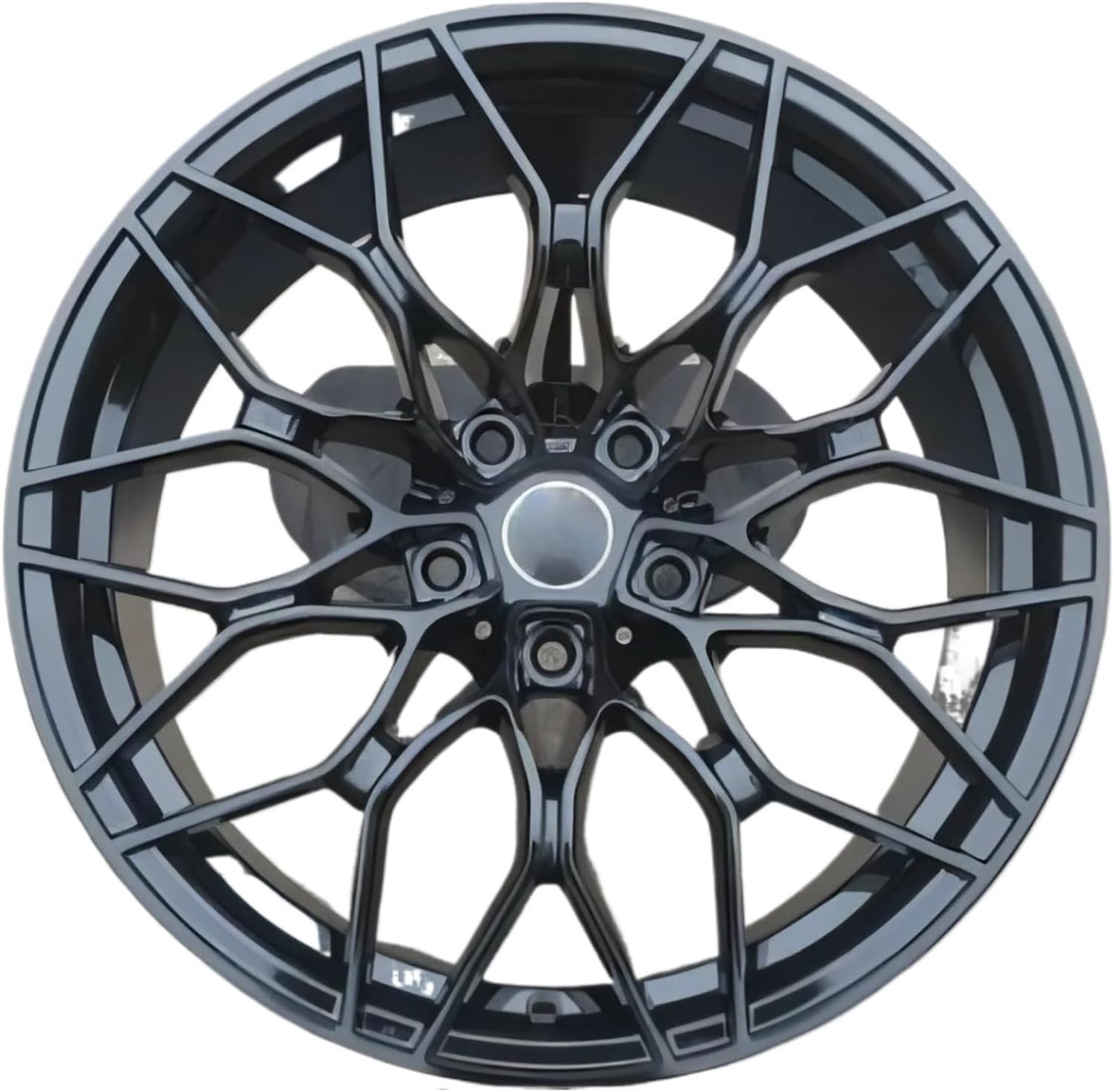
HLOMAUD 18/19 Inch 5x120 Alloy Wheel Rims for BMW 3 & 5 Series (Set of 2)
HLOMAUD
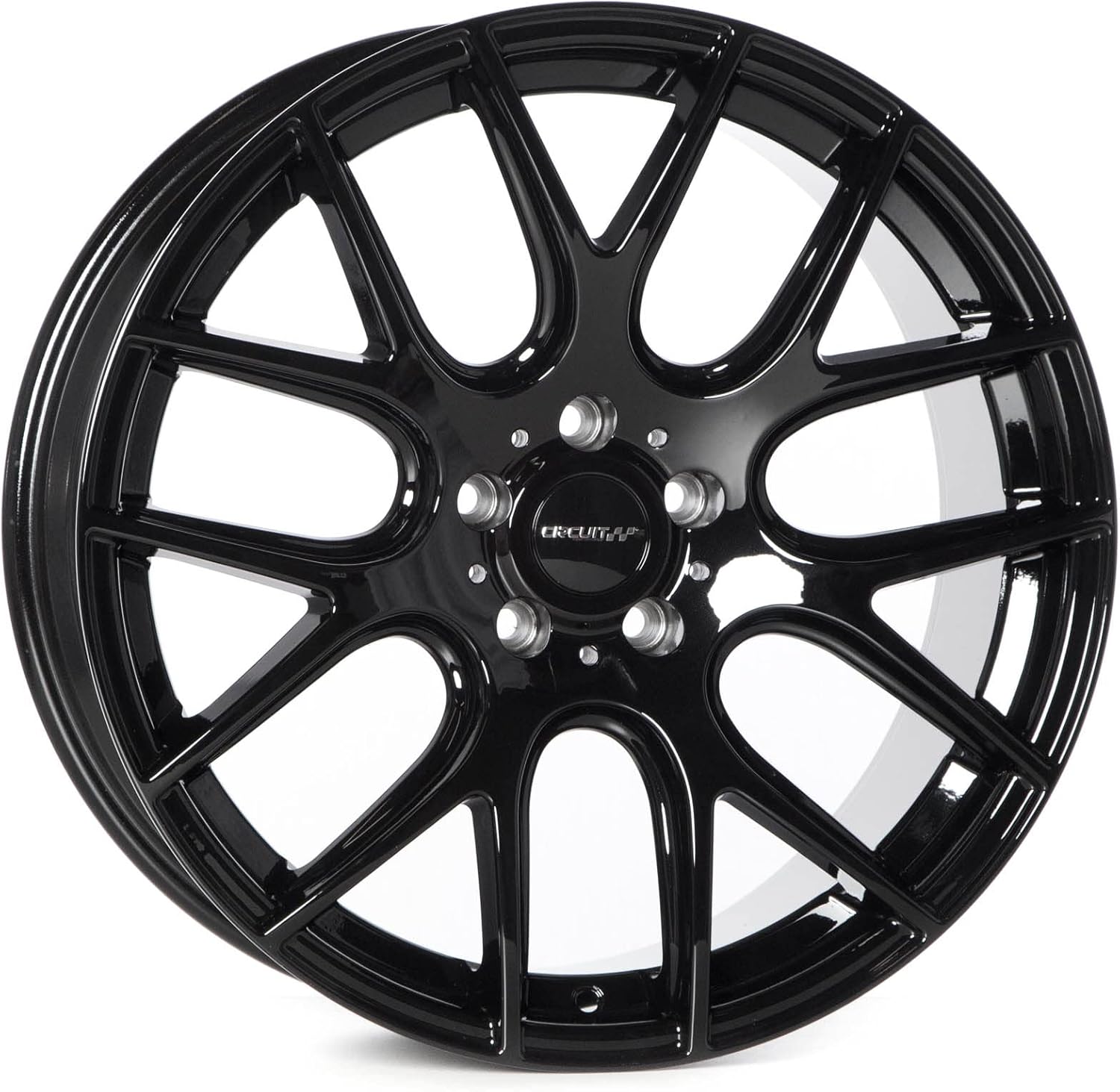
Circuit Performance CP31 Gloss Black Wheel — 19x8.5 5x112 +35mm
Circuit Performance

Circuit Performance CP30 18x8 Gloss Silver Wheel for BMW 5x120 +35mm Offset
Circuit Performance
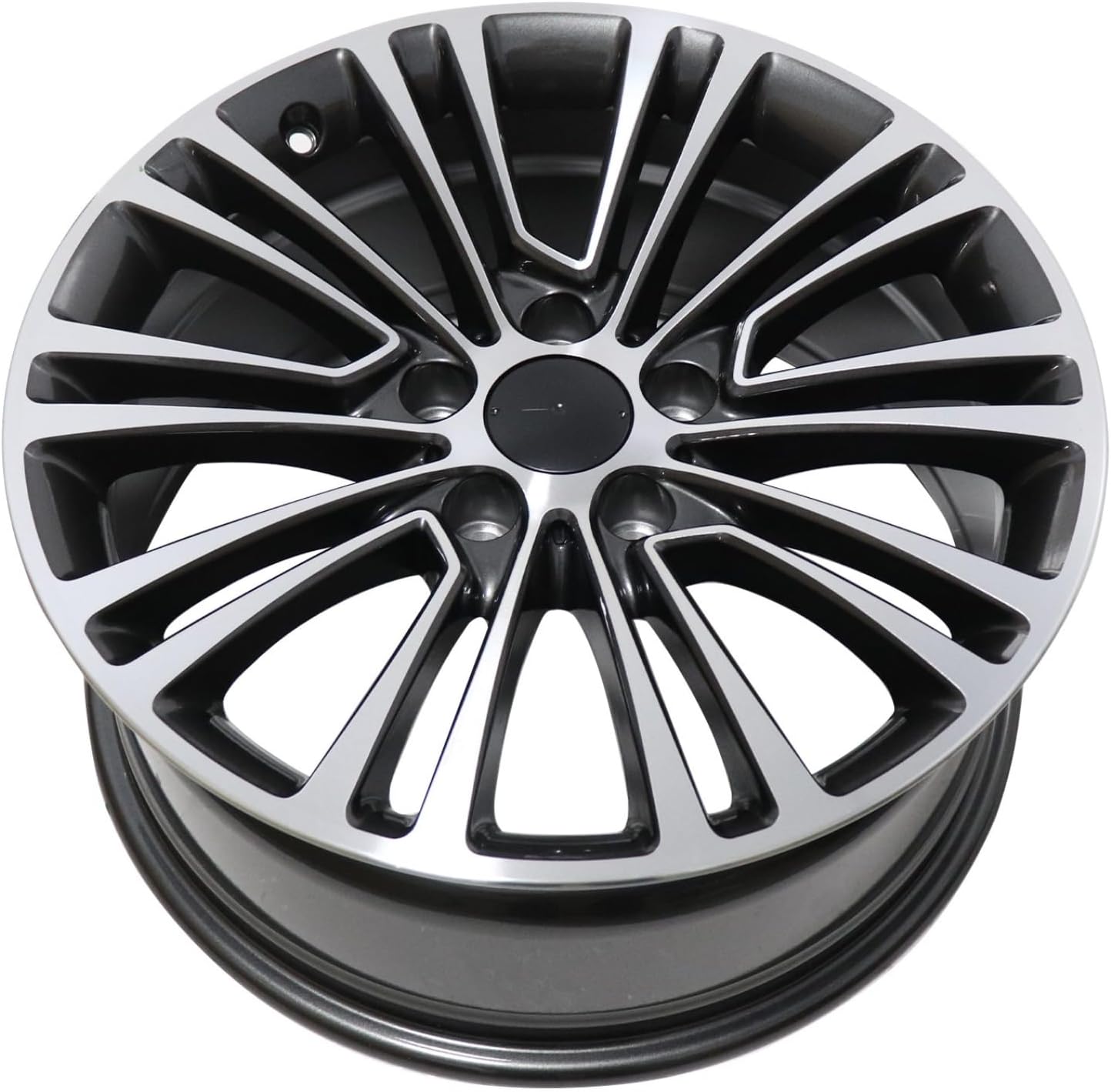
Priprilod 18x8 Inch Aluminum Alloy Wheel Rim 5x120 for BMW 5 Series
Priprilod

Circuit Performance CSF11 - 18x8 Wheel for BMW 5x120
Circuit Performance

BVBNMB 19in Staggered 10-Spoke Alloy Wheels — BMW 5x120
BVBNMB

Circuit Performance CP30 Gloss Silver Wheel 19x9.5 — 5x120 BMW Fitment
Circuit Performance
More wheel and tire options for the BMW F36
If you own a BMW F36 Gran Coupe and you're researching BMW F36 wheels tires aftermarket wheels, you already know the stock setup is fine but not memorable. The F36 is a good-looking car - four doors hiding behind a fastback roofline, wider than the F30 sedan, lower than a wagon - but BMW's factory wheel choices for the Gran Coupe were mostly conservative. You got 17-inch steel wheels on base cars, some decent 18-inch alloys on Sport Line, and the M Sport package brought 18 or 19-inch styling wheels that look okay but weigh more than they should. The moment you start looking at what's out there from BBS, HRE, Vossen, OZ Racing, Enkei, Konig, TSW, Ferrada, and Rohana, the stock wheels start to look like something you want off the car quickly.
I've spent five years wrenching on BMWs, currently putting miles on a G20 330i with the B48 under the hood, and before that I was deep in the aftermarket scene with an F30. The F36 shares its platform with the F30 and F32 in most ways that matter for wheel fitment - same 5x120 bolt pattern, same hub bore at 72.6mm, same basic suspension geometry - but the Gran Coupe body has its own quirks. The rear arches are shaped differently from the coupe, the rear track is slightly different depending on trim, and if you're running a lowered car you need to know exactly what clears and what doesn't before you spend three or four thousand dollars on a set of wheels. That's what this guide covers: real brand-by-brand breakdowns, real fitment notes, and honest opinions about where to spend your money on the F36 specifically.
Why F36 Owners Upgrade Their Wheels
Let's be direct about the motivation here. There are a few categories of F36 owner who end up on pages like this one, and the reasons matter because they change what you should actually buy.
The first group bought the car stock, loved the look, and wants to sharpen it up. The F36 Gran Coupe has a longer, lower silhouette than the sedan, and the right set of aftermarket wheels transforms it. A properly fitted 19-inch forged wheel with a more aggressive concavity and a cleaner spoke pattern does more for the visual presence of this car than almost any other modification. If that's you, you're probably focused on fitment, finish, and looks - with weight savings as a bonus.
The second group is performance-focused. The F36 428i with the N20 or the F36 430i with the N20 updated, and the harder-to-find F36 435i / 440i variants with the N55 and B58 engines respectively, are cars that respond well to proper suspension work. If you're already thinking about coilovers or lowering springs, replacing the heavy factory wheels with lighter forged options cuts unsprung mass at all four corners, which tightens up the steering response and improves the overall suspension compliance. I've felt this difference on my own car - going from the factory 18-inch cast wheels to a lightweight forged set made the steering feel noticeably more alert in the first few corners. It's not marginal.
The third group is chasing tire options. The F36's factory tire sizes can be limiting if you want to run a different tire compound, need to replace worn winter tires, or want to go to a square setup for simplicity. Buying a second set of aftermarket wheels lets you run dedicated summer and winter setups, which is probably the most practical upgrade you can make to any BMW you drive year-round.
Then there's the group replacing damaged OEM wheels. BMW factory alloys for the F36, particularly the 18 and 19-inch M Sport variants, are notorious for curb rash and are surprisingly easy to crack on American roads. If you've bent or cracked a stock wheel, aftermarket is often cheaper than OEM replacement and gives you an upgrade at the same time.
F36 Fitment Basics - What You Need to Know Before You Order
Before we get into brand recommendations, let me walk through the F36-specific fitment details that matter. Getting these wrong is how you end up with a return shipping bill and three weeks of waiting.
Bolt pattern: The F36 uses the standard BMW 5x120 bolt pattern that applies across most of the 3 and 4 Series lineup. This is consistent across all F36 variants and engine configurations.
Center bore: 72.6mm. This is critical. Most aftermarket wheels designed for BMW application come with this bore or include hub-centric rings to reduce a larger bore down to 72.6mm. If your wheel doesn't seat hub-centrically, you're centering on the lug bolts (BMW uses bolts, not studs), which can cause vibration at highway speed. Don't skip the hub-centric rings if the wheel's bore is larger than 72.6mm.
Thread pitch: BMW uses M14x1.25 lug bolts. The factory bolts have a specific shank length for stock wheels. If you go to a wheel with a different seat depth or switch from a spherical seat to a conical seat design, you need the correct lug bolts. This is not optional - wrong bolts can back out or, worse, strip the threads in the hub. Buy BMW-spec lug bolts from a reputable supplier.
Offset and ET range: The F36 front runs best in the ET35 to ET45 range for 18 and 19-inch wheels in standard widths (8 to 8.5 inches). The rear has slightly more arch clearance than you'd expect from looking at it, but the inner lip of the rear arch and the suspension geometry mean you want to stay at ET30 to ET40 on the rear if you're going staggered with a wider rear wheel. Running a lower ET (more aggressive poke) on a lowered car without testing fitment carefully is where most rubbing problems originate. I'll say it more than once in this article - measure before you commit.
Diameter: The F36 was factory-specced with wheels from 17 to 19 inches depending on trim. In the aftermarket, 18 and 19 inches are the sweet spot for most owners. 18s give you more sidewall cushion, better ride quality on rough roads, and are often available in lighter weights because the material requirements are lower. 19s look proportionally better on the F36's longer body and are the most popular size among owners who want an upgraded appearance. 20 inches is possible but starts compromising ride quality noticeably, and on a daily-driven car that's a real consideration.
Width considerations for the F36 specifically: The Gran Coupe rear arch is shaped slightly differently from the F32 coupe. If you've been cross-referencing fitment data from F32 threads, be aware that some very aggressive staggered setups that work on the coupe may rub on the Gran Coupe's rear at the same suspension height. The most commonly cited safe rear width for a lowered F36 is 9 to 9.5 inches at around ET35, though this varies with the specific ride height and tire selection. If you're significantly lowered and going 9.5 or wider in the rear, test for clearance carefully before driving hard.
The F36's Factory Wheel Options and Why They Disappoint
To understand what you're replacing, it's worth knowing what BMW actually offered from the factory on the F36. The base cars came with 17-inch alloys that most owners replace immediately. The Sport Line added 18-inch wheels in various spoke designs. The M Sport package - which is what most buyers went for - added 18-inch M double-spoke wheels (Styling 400-series variants) or optional 19-inch M Performance wheels at extra cost.
The 19-inch M Sport wheels look fine but they're heavy cast alloys. BMW quotes rolling weights on these that are higher than comparable aftermarket forged options by 2 to 4 pounds per wheel. That adds up to 8 to 16 pounds of unsprung mass across the car compared to a good forged set. In a chassis that already has a well-sorted suspension from the factory, that additional unsprung mass is something you can feel in steering response and ride comfort on rough roads.
There are good value options in the OEM+ space if you want factory BMW wheels in larger sizes. The BMW Styling 442M wheel in 19 inches is a popular option from European retailers for F30/F31/F32/F36 fitment, and it represents what OEM can look like when the design is good. But for the same money you can get better aftermarket options. For the true F36 aftermarket scene, let's get into the brands worth spending money on.
BBS - The Standard Against Which Others Are Measured
BBS is not a trendy pick. It's the pick of engineers, racing teams, and people who have owned enough cars to know what lasts. The company has been making wheels for motorsport and road use for decades, and the CI-R, CH-R II, and the forged RS and RE lines are all relevant for the F36.
For the F36 specifically, the BBS CI-R is the most popular choice among owners who want a timeless, relatively subtle look. It's a flow-formed wheel - not fully forged, but considerably lighter than cast. The CI-R is available in sizes and offsets that work well for the F36 without any aggressive fitment gymnastics. A 19x8.5 front and 19x9.5 rear setup in the CI-R with BMW-specific offsets is a straightforward, clean fitment that doesn't require spacers or fender work. This is a wheel you can drive daily in all seasons without feeling like you compromised anything.
The BBS CH-R II is the forged step up - fully forged monoblock construction, meaningfully lighter, and carrying a higher price tag. If you're tracking your F36 or just want the best unsprung mass reduction available, the CH-R II is where the money goes.
Pricing for BBS on the F36 runs from roughly $2,400 to $7,000 per set depending on which line you choose and the size. That's a real number from the current market, not a promotional figure. The CI-R will be toward the lower end of that range; the forged lines push toward the high end. Vendors who specialize in BMW-fitment wheels often carry BBS and can help narrow down the offset for your specific F36 trim.
Common forum discussion around BBS on the F36 centers on two things: centering and spacer decisions, and whether to go 18 or 19 inch. My opinion - if you're dailying the car on imperfect roads, an 18-inch BBS CI-R is one of the best wheel and tire combinations you can run. You get a meatier sidewall for pothole compliance, the wheel looks proportionally good on the Gran Coupe, and the weight savings over factory cast wheels are meaningful. If looks are the priority and you're more careful about where you drive, 19-inch CI-R is the call.
HRE - When You Want the Best Lightweight Performance Option
HRE Wheels out of Vista, California makes some of the best wheels you can put on any BMW, and the F36 is well within their fitment database. The relevant product lines for F36 owners are the FlowForm series (flow-formed, not fully forged, more affordable) and the forged lines including the S and P series.
The FlowForm wheels, specifically the HRE FF01, FF04, and related variants, give you HRE's engineering and quality control at a price point that's more accessible than full forged. They're meaningfully lighter than cast wheels, they're made in the USA with proper quality control, and HRE's customer service is genuinely good - something that matters when you're spending this kind of money.
For F36 fitment, HRE owners commonly run 18 to 19-inch diameters with OEM-like offset ranges that don't require aggressive fitment work. The typical spec that comes up in discussions is 19x8.5 with an ET40 front and 19x9.5 with an ET35 rear for a staggered setup, or a square 19x8.5 setup if you prefer simpler tire rotation.
Pricing ranges from roughly $2,200 to $8,000+ per set. The FlowForm lines are at the lower end; the fully forged performance lines push well above that. For most F36 owners who aren't competing in time trials, the FlowForm series is the rational choice - you get 90% of the benefit at 60% of the cost.
The most common issue people discuss when considering HRE is lead time. HRE makes wheels to order in many configurations, and lead times can run several weeks. If you're in a hurry to get wheels on the car before a specific event or before winter, plan accordingly. The other discussion point is the forged vs. flow-formed decision, which often comes down to checking whether you need the absolute lightest possible wheel for track use or whether the FlowForm is plenty light enough for the street. For most street-driven F36s, the FlowForm is plenty.
Vossen - The Visual Statement Choice
Vossen Wheels has become one of the most visible brands in the BMW aftermarket scene, and for good reason. Their HF-series (hybrid forged, flow-formed process) wheels balance visual aggression with reasonable pricing. The HF-2, HF-3, HF-4, and HF-5 all have distinct spoke designs that work well on the F36's longer body.
The Vossen HF-series is popular for the F36 because the designs are relatively modern and the finish options are extensive - you can get finishes from matte graphite to brushed gloss titanium to custom bespoke finishes if you want something nobody else has. Retailers that specialize in BMW 4 Series wheel fitment often prominently feature Vossen alongside Ferrada and Rohana as the visual leaders in the space.
For F36 fitment, Vossen's most popular specs are 19x8.5 front / 19x9.5 rear for staggered setups, and square 19-inch setups are also common. The important fitment note for Vossen on the F36 is that many of their catalog specs are designed with a more flushed, aggressive stance in mind. If you're running a lowered car, the rear arch clearance on the F36 is something you need to confirm before ordering. Forum discussion consistently mentions that buyers prefer slightly narrower rear fitment or slightly more conservative offsets than what Vossen's catalog spec suggests, specifically to avoid rubbing issues on lowered F36 cars.
Pricing for Vossen HF-series in F36-appropriate sizes runs roughly $2,800 to $4,500+ per set depending on size, finish, and whether you're buying standard or custom. That's not inexpensive, but it's competitive for what is essentially a semi-custom wheel with good North American distribution and solid customer support.
Vossen also sells their forged S-series wheels at higher price points, and these compete directly with HRE and BBS forged offerings. For the F36 owner who wants Vossen aesthetics but also wants the best possible wheel construction, the forged line is worth a look - though at that price, I'd compare them directly against BBS and HRE before deciding.
Enkei - Honest Performance at a Sane Price
Enkei has been making quality aftermarket wheels since before many current BMW owners were born, and they're one of the best answers when someone asks for a performance-oriented wheel that doesn't cost as much as a set of tires. For the F36, the relevant Enkei options are the TS-5, Raijin, and the track-focused NT03-style variants.
Enkei's strength is that they use a proprietary MAT (Most Advanced Technology) manufacturing process that produces a flow-formed wheel with genuinely good strength-to-weight ratio. These are not bargain-bin wheels - Enkei supplies to OE motorsport programs and their quality control is solid. For an F36 owner who wants to save money on the wheel itself and put the savings into better tires or a suspension upgrade, Enkei makes real sense.
Common F36 fitment for Enkei is 18x8.5 or 19x8.5 in a square setup, running compatible offsets around ET35 to ET42. The designs are sportier than subtle - if you want something that blends in with OEM, Enkei isn't your brand. But if you're going for a motorsport-influenced look on a budget, the TS-5 in matte gunmetal or the Raijin in silver look appropriate on the F36.
Pricing runs roughly $1,000 to $2,000+ per set for typical 18 to 19-inch configurations. At that price point, Enkei is one of the strongest options in the market. The common concerns discussed for Enkei on BMWs are finish durability (matte finishes show wear faster than polished) and brake clearance with larger brake packages. If you're running upgraded brakes - and if you've followed the brake pad guides on this site you know why upgraded brakes matter on a BMW - verify clearance before ordering, particularly with 18-inch diameter wheels.
Konig - The Lightweight Budget Champion
Konig is the brand that comes up in almost every "what's the best budget lightweight wheel for my BMW" forum thread, and for good reason. Their Hypergram, Ampliform, and Dekagram models all use flow-formed construction to achieve weights that genuinely compete with wheels costing significantly more. The Hypergram in particular has become something of a benchmark for budget lightweight BMWs.
For the F36, Konig offers fitment options in 18-inch configurations that hit some of the lowest weights available in their price range. A square 18x8.5 setup with ET42 or ET45 offset is a very common F36 pick, and it's a practical daily-driver fitment that doesn't require any suspension or body modification. The 18-inch diameter also gives you more sidewall for real-world road conditions, which matters on a car you're actually driving rather than displaying.
Pricing runs from roughly $900 to $1,700+ per set, which puts Konig in serious consideration for anyone who wants to meaningfully reduce unsprung mass without financing it. This is also a popular choice for a dedicated winter wheel set - buy Konig 18s, mount a set of dedicated winter tires, and alternate with your nicer summer wheels. You're protecting your summer setup from salt and cold, and you're doing it without spending a fortune on winter wheels.
Forum discussions around Konig on the F36 typically focus on load rating verification, exact offset selection, and whether the concavity of the aggressive models creates any issues with tire stretch or ride comfort. These are legitimate questions. Konig publishes load ratings and the numbers are generally fine for street use, but if you're putting a lot of people in the car regularly or planning track days with heavy braking, do the math on load rating before you commit.
My honest take on Konig - if you told me you were putting a set of Konig Hypergrams on your F36 as a dedicated track/autocross wheel so you didn't want to risk your nicer set, I'd say that's one of the smartest uses of money in the BMW wheel space. Light, affordable, functional.
OZ Racing - Motorsport Pedigree for the Road
OZ Racing is an Italian manufacturer with real motorsport credentials - Formula 1, World Rally Championship, DTM - and that pedigree shows in their construction quality. For the F36, the relevant lines are the Leggera HLT, Ultraleggera HLT, and the Alleggerita HLT. These are flow-formed wheels with motorsport DNA, built lighter than typical aftermarket cast options.
The OZ Ultraleggera in particular has a decades-long reputation as one of the best street/track wheels in the price range. It's not the most visually aggressive wheel - the design is intentionally understated in a motorsport way rather than the concave bowl look that's popular in the fitment scene. But if you care about weight and build quality more than visual drama, OZ is worth serious attention.
For F36 fitment, OZ wheels in 18-inch configurations are the most popular choice for daily use. The 18-inch options preserve a meaningful sidewall and sit within the weight and dimensions where OZ's flow-formed construction shows its biggest advantage. 19-inch OZ options exist and look good on the F36, but if weight savings is the motivation, the 18s will serve you better.
Pricing runs roughly $1,400 to $3,000+ per set depending on the specific model and finish. The Ultraleggera tends to be at the higher end of that range; the Leggera is more accessible. Main complaints from owners include finish wear on high-mileage cars (the standard silver finish on some OZ models is durable but not invulnerable to brake dust staining) and the occasional rear rubbing issue on significantly lowered F36 cars if offset selection isn't conservative enough.
If you're someone who thinks of your F36 as primarily a driver's car and you're not trying to maximize visual drama, OZ Racing is an underrated choice in the BMW aftermarket space. The engineering is real, the weight savings are real, and the motorsport connection isn't just marketing.
TSW - Flow-Formed Styling for a Reasonable Budget
TSW (Trans Sport Wheels) produces a wide range of flow-formed wheels in BMW-friendly sizes and offsets, and they've become a popular middle-ground option for F36 owners who want a more aggressive look than OEM without the budget requirements of HRE or BBS. Their Bathurst, Sebring, Nurburgring, and other motorsport-named models are frequently mentioned in F36 wheel discussions.
TSW's strength is variety. They produce wheels in an enormous range of sizes, including 19-inch configurations with BMW-compatible offsets, and their pricing is competitive. BMW 4 Series-specific wheel retailers typically carry TSW and can filter specifically for F36 fitment.
Pricing runs roughly $1,200 to $2,500+ per set for relevant sizes. The most commonly discussed considerations for TSW on the F36 are quality consistency between models (some of their higher-volume models get better quality control attention than others) and brake clearance verification. TSW wheel specs are available for clearance checking, and their customer service can usually confirm fitment with specific brake setups if you give them the details.
My honest take - TSW is a solid value buy for the F36 owner who wants 19-inch wheels with a sporty design and is working with a budget that can't stretch to BBS or HRE. They're not the last word in lightweight construction, but they're better than factory cast wheels in most cases, and the styling options give you room to differentiate the car.
Ferrada - Deep Concavity and Visual Aggression
Ferrada is one of the most prominently marketed brands for the BMW 4 Series in the aftermarket space, and you'll see them prominently displayed on any retailer that caters to the fitment and stance scene. Retailers focused on BMW 4 Series fitment consistently highlight Ferrada alongside Rohana and Vossen as visual leaders.
The appeal is obvious - Ferrada makes wheels with deep concavity and aggressive face designs that give a car a very different visual character from anything that looks remotely OEM. For the F36, which has a sleek fastback body that rewards wheels with presence, a proper Ferrada setup can genuinely transform the car's appearance.
Common sizes for the F36 are 19-inch with staggered fitment - a wider rear than front. This is where you need to pay close attention. Ferrada designs many of their specs for a flush or very aggressive fitment, which means the offset choices in their catalog are often at the lower ET end (more poke). On a stock-height or mildly lowered F36, this can work. On a significantly lowered car, you're likely to have rubbing at the rear, and this is the most consistent issue reported by F36 owners running Ferrada.
Pricing runs roughly $2,000 to $4,500+ per set. Ferrada is not the most expensive brand on this list, but they're not budget either. They occupy a space that prioritizes aesthetics over pure lightweight engineering, and that's an honest description of who they are.
If you're building the F36 primarily for appearance and you want something that looks visually dramatic in photos and in person, Ferrada is a legitimate choice. If you're building a driver's car where weight matters, there are better options. The two goals aren't always the same, and that's fine.
Rohana - Luxury Aesthetics and Forged Construction
Rohana is another brand that comes up consistently in BMW 4 Series wheel discussions, positioned slightly toward the luxury and high-end appearance side of the market. Their forged wheels offer genuine lightweight construction with aesthetics that suit the Gran Coupe's more sophisticated body shape.
Rohana's RFX and RFG series are forged options that compete with Vossen and HRE in the premium segment. For F36 owners who want a wheel that's both visually refined and genuinely well-constructed, Rohana is worth serious consideration. The designs lean toward multi-spoke, mesh, or hybrid spoke patterns that suit the F36's long, flowing body lines.
Pricing runs roughly $1,900 to $4,000+ per set for typical F36 configurations. As with Ferrada, Rohana is prominently featured by retailers who specialize in BMW 4 Series fitment, and they maintain a strong presence in the enthusiast community.
The fitment considerations for Rohana on the F36 are similar to Vossen - confirm offset carefully, especially on lowered cars, and consider whether a square or staggered setup suits your intended use better.
OEM-Plus Options - When You Want BMW Looks Without BMW Prices
Not everyone wants a dramatic departure from the OEM look. Some F36 owners - particularly those who bought the car for its Gran Coupe elegance rather than the sports car angle - want wheels that look like they could have come from BMW's M Performance catalog but cost less and weigh less. This is a legitimate aesthetic goal and worth addressing.
The best OEM-plus options for the F36 are BMW's own take-off wheels from higher-spec vehicles. M3/M4 F80/F82 take-off wheels occasionally appear on the used market in 18 and 19-inch configurations and are direct fitment with the correct hub bore and offset. They look unmistakably BMW, they're often available at reasonable prices on the used market, and they give you an OEM quality wheel in a design that's more aggressive than what came on your F36.
The Styling 624M in 20-inch - available from European OEM suppliers - is another option worth knowing about. BMW OEM 20-inch Styling 624M wheels in black gloss for the F30/F31/F32/F33/F36 are available from German suppliers, and while 20 inches is toward the larger end of what I'd recommend for daily use, the OEM-fitment guarantee removes a lot of the guesswork from offset and brake clearance concerns.
If you want to stay in the OEM ecosystem but want a more interesting design, the BMW Styling 442M in 19 inches is a legitimate option available from European suppliers and is confirmed F36 fitment. It's an OEM wheel but a better-looking one than what many F36s left the factory with.
Fitment Notes Specific to the F36 - Read This Before Ordering
The F36 shares most of its dimensions with the F30 and F32, but there are real differences worth spelling out for anyone using cross-platform fitment data.
Rear arch geometry: The F36's rear door and roofline create a different arch shape than the F32 coupe. Some staggered setups that work cleanly on the F32 coupe at the same ride height will contact the inner arch liner on the F36 Gran Coupe. This is particularly relevant at ride heights below 20mm drop from stock. If your suspension setup is significantly lowered - say, on a quality coilover like those covered in the coilover guide - physically confirm rear clearance before committing to a fitment spec you found in an F32 thread.
Trim-level suspension differences: F36s equipped with standard suspension, Sport suspension, or Adaptive M suspension have slightly different spring rates and ride heights. This affects where the tire sits relative to the arch at various loads. A wheel fitment that barely clears on a standard-suspension car at stock height may not have the same clearance on a Sport suspension car that sits slightly lower. Know what suspension setup your car has before extrapolating fitment data.
Brake clearance: Factory F36 brakes are not enormous, but if you've upgraded to a big brake kit or are running cross-drilled or slotted rotors with upgraded calipers, verify that your wheel selection clears the caliper. This is especially relevant for 18-inch wheels, where the internal diameter of the wheel is smaller and clearance to the caliper is tighter. Most reputable wheel sellers can confirm clearance if you provide the specific brake setup.
TPMS compatibility: The F36 uses BMW's proprietary TPMS sensors. If you're buying a new set of aftermarket wheels for a dedicated summer or winter setup, you'll either need to buy new TPMS sensors and have them coded to the car, or use a TPMS bypass - which I don't recommend because you lose the functionality. BMW TPMS sensors are available from aftermarket suppliers at reasonable cost and can be coded with a compatible diagnostic tool. For the coding side, the coding and diagnostic tools guide covers what you need to know about compatible hardware.
Lug bolt seat type: Double-check whether your chosen aftermarket wheel uses a ball seat or conical seat for the lug bolts. BMW factory wheels and most BMW-spec aftermarket wheels use a ball seat (radius/spherical seat). If a wheel uses conical seat lug bolts, you need different lug bolts than your factory BMW set. Running the wrong bolt seat type means you're relying on the threads rather than proper seating geometry to secure the wheel - that's dangerous and you shouldn't do it.
Supporting Modifications - What to Consider Alongside New Wheels
New wheels don't exist in isolation. The best wheel upgrades work alongside other changes that either enable the fitment you want or maximize the benefit of lighter, better wheels.
Lowering springs or coilovers: Most F36 owners who are putting money into aftermarket wheels are also thinking about ride height. A well-fitted 19-inch aftermarket wheel on a stock-height F36 looks better than stock, but the same wheel at a modest 20-25mm drop looks meaningfully better still. Quality lowering springs from brands like Eibach or H&R bring the car down predictably and maintain good ride quality, while coilovers from KW, Bilstein, or similar let you dial in exactly how you want the car to sit. Both options are covered in the lowering springs guide on this site. Just remember - if you're lowering the car, you need to confirm wheel fitment at the lowered height, not at stock height.
Alignment: Any suspension change that affects ride height will change your alignment angles. Similarly, going to a wheel with different offset can change the effective track width, which also affects alignment. After installing new wheels, especially if you're running spacers or significantly different offsets from stock, get a proper four-wheel alignment. On the F36, the rear camber and toe settings are adjustable, and getting them right after a ride height or wheel change makes a real difference to tire wear and handling character.
Spacers: I'll be honest - I'm not a fan of spacers as a primary fitment solution on a daily-driven car. They add another component that needs to be properly torqued and occasionally checked, and they put additional stress on the wheel bearings. If your offset choice requires a small spacer to achieve the fitment you want, use a quality hubcentric spacer from a brand like H&R or Eibach, torque it properly, and check it periodically. Don't use cheap eBay spacers on a car you care about.
Winter tires on a second set of wheels: If you're in a climate where winter tires are appropriate, buying a dedicated winter wheel set is one of the highest-ROI things you can do for your F36. Your summer tires will last longer, your winter traction will be better, and you'll stop putting miles on your expensive aftermarket wheels in salt and road treatment chemicals. Winter-specific wheels don't need to be expensive - the Konig options mentioned above, or budget-friendly steel wheels if you're protecting premium summer wheels, work perfectly well for this purpose.
Cold air intake and tune - a different kind of wheel upgrade: Hear me out. If you're spending four thousand dollars on wheels and your F36 is a turbocharged four-cylinder or six-cylinder car, consider whether some of that budget should go toward a cold air intake or ECU tune that would transform how the car drives, not just how it looks. Wheels affect feel at the limit; a tune affects every single acceleration event. Both are valid, but if you haven't tuned the engine yet, it's worth asking which gives you more of what you actually want from the car. I'm not saying skip the wheels - I'd never say that - but think about the whole picture.
Installing Aftermarket Wheels on the F36 - What to Expect
The actual installation process for aftermarket wheels on the F36 is not complicated if you've prepared properly. Here's the practical rundown.
Tools needed: A proper torque wrench, BMW lug bolts in the correct seat type and shank length for your wheels, hub-centric rings if needed, and ideally a floor jack and jack stands rather than a floor jack alone. The F36's jacking points are reinforced areas forward of the rear wheels and behind the front wheels - use the proper point marked in the door sill area. Using the wrong jack point can damage the sill.
Torque specification: BMW specifies 120 Nm (89 lb-ft) for wheel bolts on the F36. Use a proper torque wrench, not an impact gun set to "probably fine." This is the one specification in wheel installation where being approximate is genuinely dangerous.
Hub-centric rings: If your aftermarket wheels have a bore larger than 72.6mm, you need hub-centric rings. Install these before the wheel goes on, seat them in the wheel bore, and ensure they sit flat. They don't need any adhesive or fastener - they seat by the wheel's contact with the hub face. If you're running hub-centric rings, the rings are providing the centering load; the bolts are providing the clamping force. Both functions need to work correctly.
Re-torque after the first drive: After installing new wheels and driving 50 to 100 miles, re-torque the wheel bolts. This is not optional and not paranoia - it's standard practice because new seating surfaces can settle slightly. Miss this step and you're relying entirely on the initial torque setting on bolts that may have relaxed slightly as surfaces bedded in.
TPMS initialization: After installing new wheels with TPMS sensors, you'll need to initialize the sensors through the iDrive menu or via a diagnostic tool. The procedure varies slightly by model year and iDrive version, but it's generally found under Vehicle - Settings - Tire Pressure Monitoring. If you've had new sensors programmed to the car, a diagnostic tool will be needed for that step.
Common F36 Wheel Buyer Mistakes - And How to Avoid Them
I've watched enough forum threads and helped enough people through wheel choices to have a working list of the things that go wrong most often. Here they are, directly.
Copying fitment from an F32 thread without verifying for the F36. The F32 coupe and F36 Gran Coupe share the platform but the body is different enough that rear fitment data doesn't transfer perfectly. Always look for F36-specific fitment confirmation, not just F32 or F30 data.
Ordering based on looks alone without checking offset. A wheel that looks fantastic in a photo on someone else's car might be running completely different offset than the one you're about to buy. Always confirm the exact ET value for the specific size you're ordering and cross-reference it against what's known to work on the F36 at your ride height.
Forgetting that lower ET numbers mean more poke. I still see confusion about this in threads. ET40 is more tucked than ET30. If you see a wheel listed at ET25, it's going to sit significantly outside the arch compared to the same wheel at ET40. Know your target fitment before you shop, not after you've already ordered.
Skipping hub-centric rings. Vibration at highway speed that appears after a wheel change is almost always either balance or hub centricity. If your wheel bore is larger than 72.6mm and you're not running hub-centric rings, you're centering on the bolt seats - which will work until it doesn't, and the vibration will be annoying and potentially mask developing issues.
Using the wrong lug bolts. I mentioned this above and I'm mentioning it again because it matters. If your new wheels use a conical seat and you're using the factory BMW ball-seat bolts, the contact geometry is wrong. This is a safety issue, not a preference issue.
Buying a cheap wheel on the basis that it's a "budget upgrade." There is a floor below which wheel quality becomes genuinely problematic. Unknown-brand cast wheels from overseas with no verifiable load rating certification and no quality control information are not "budget upgrades" - they're potential failure points on a 3,500-pound car traveling at highway speed. Brands like Konig and Enkei are genuinely affordable and genuinely safe. Random unbranded cast wheels from marketplace sellers are not the same thing.
Ordering 20-inch wheels and then complaining about ride quality. The F36 on 20-inch wheels with a 25-series or 30-series tire profile rides noticeably harsher than on 18 or 19-inch wheels with appropriate sidewall. This is physics. If you daily-drive the car, stick to 18 or 19 inches.
Not confirming tire sizes before ordering wheels. Your wheel width and diameter choices constrain your tire options. Make sure the tire sizes you want to run are available before you commit to a specific wheel specification. This is especially relevant on staggered setups where the rear tire size needs to fit within the available offset and arch clearance.
Brand Comparison Table for the F36
| Brand / Model | Price Range (per set) | Construction | Best F36 Use Case | Key F36 Consideration |
| BBS CI-R / CH-R II | $2,400 - $7,000+ | Flow-formed / Forged | Daily driver wanting OE+ quality and timeless design | Centering decisions; avoid overly aggressive widths on lowered cars |
| HRE FlowForm / Forged | $2,200 - $8,000+ | Flow-formed / Forged | Performance-focused or track day driver wanting minimum weight | Lead times; confirm flow-formed vs forged need vs budget |
| Vossen HF-series | $2,800 - $4,500+ | Flow-formed (Hybrid Forged) | Appearance-focused driver wanting modern styling and finish variety | Conservative offset choice on lowered F36 rear to avoid rub |
| Enkei TS-5 / Raijin | $1,000 - $2,000+ | Flow-formed (MAT process) | Performance value buyer; winter set; track-adjacent use | Finish durability; confirm brake clearance with upgraded packages |
| Konig Hypergram / Dekagram | $900 - $1,700+ | Flow-formed | Budget-conscious weight reduction; dedicated winter/track set | Load rating verification; offset and concavity choices for daily comfort |
| OZ Ultraleggera / Leggera | $1,400 - $3,000+ | Flow-formed | Driver's car build; weight savings with motorsport aesthetic | Finish wear; rear clearance on significantly lowered F36 |
| TSW Flow-formed lines | $1,200 - $2,500+ | Flow-formed | Middle-ground styling upgrade; aggressive look without forged budget | Quality consistency between models; brake clearance check needed |
| Ferrada | $2,000 - $4,500+ | Flow-formed / Cast | Appearance-focused build; stance/fitment scene | Rubbing on lowered F36 rear at aggressive catalog offsets |
| Rohana | $1,900 - $4,000+ | Flow-formed / Forged | Luxury aesthetics with genuine lightweight construction | Offset verification especially on lowered cars; confirm fitment spec |
My Opinionated Picks for the F36
I get asked "what would you actually buy" more than any other question, so here are direct answers.
Editor's Pick - BBS CI-R in 19x8.5 Square Setup
If I had one pick for an F36 that covers looks, quality, and daily usability in a single answer, it's the BBS CI-R in 19x8.5 with a square setup and around ET40. You get a wheel that looks like it belongs on the car without looking like it was put there by a marketing department. You get meaningful weight savings over factory cast wheels. You get BBS's manufacturing quality and finish durability. And you get a fitment that works on a stock or mildly lowered F36 without requiring fitment gymnastics.
The price is real - $2,400 to $4,000 depending on finish and specific configuration. But on a car that costs what the F36 costs to maintain and insure, that's not unreasonable for wheels you'll run for ten years if you take care of them.
Best Value Pick - Enkei TS-5 in 18x8.5 Square
If budget is a genuine constraint and you want the best wheel for the money, the Enkei TS-5 in 18x8.5 at roughly $1,200 to $1,700 for the set is hard to argue against. You get real lightweight construction, a design that looks intentional and sporty without being overwhelming, and Enkei's track record of quality control at their price point. The 18-inch diameter gives you a generous sidewall for daily driving.
This is also my pick for a dedicated winter wheel set if you want to protect a more expensive summer setup. Buy Enkei 18s, mount proper winter tires, done.
Best Track or Weight-Reduction Pick - HRE FlowForm in 18-inch
If you're serious about performance and weight matters to you - you're tracking the car, you've done the suspension work covered in the coilover buyer's guide, and you want wheels that match the intent of the build - the HRE FlowForm in 18 or 19-inch is the pick. Made in the USA, manufactured with proper quality control, available in multiple spoke designs, and lighter than almost anything else at its price point. Budget roughly $2,500 to $4,000 for a typical configuration and factor in the lead time.
Best Daily Driver Pick for Looks and Practicality - Konig Hypergram 18-inch
Here's the contrarian pick. If your priority is keeping your F36 as a practical daily driver that's also lighter than stock and looks clearly aftermarket without being ostentatious, the Konig Hypergram in 18x8.5 at $1,000 to $1,500 for the set genuinely delivers. Light weight, functional design, sensible offset options, and a price that leaves budget for the tire upgrade that will actually transform how the car drives. The tires matter as much as the wheels, maybe more. Spending all your wheel budget on premium wheels and running mediocre tires is exactly backwards.
Tire Recommendations to Pair with Your New F36 Wheels
Wheels without the right tires are a wasted opportunity. The F36 rewards good tire choices significantly, and the difference between mediocre and excellent summer performance tires is not subtle.
For a 19-inch square setup on the F36, the most commonly used tire sizes are 225/40R19 or 235/35R19. The 225/40 gives a slightly more compliant ride and is generally more widely available at competitive prices. The 235/35 fills the arch a bit more and looks slightly more proportional on wider wheels.
For an 18-inch square setup, 225/45R18 or 235/40R18 are the common choices. The 225/45 is a very practical daily tire size - great range of options, good wet performance tires available, reasonable pricing.
Top tier summer tire recommendations for the F36: Michelin Pilot Sport 4S, Continental ExtremeContact Sport 02, Bridgestone Potenza Sport. These are tires I've driven on BMWs and they're genuinely good. The Michelin PS4S in particular is consistently among the best performing street tires you can buy. If budget is a consideration, the Falken Azenis FK510 competes surprisingly well against tires at twice its price.
For winter tires, Michelin X-ICE, Bridgestone Blizzak WS90, and Continental WinterContact are all strong choices for the F36. Winter tires are not optional in serious winter conditions, regardless of whether your F36 has xDrive - all-season tires are a compromise in both directions and a good winter tire set outperforms all-seasons on ice and packed snow by a margin that's hard to overstate.
Frequently Asked Questions About F36 Aftermarket Wheels
What bolt pattern does the F36 Gran Coupe use?
The F36 uses 5x120 bolt pattern, which is shared across most of the BMW 3 and 4 Series lineup including the F30, F31, F32, and F33. This is a common pattern in the BMW aftermarket and virtually every serious aftermarket wheel manufacturer offers F36-compatible options. Hub bore is 72.6mm.
Will F30 wheels fit on an F36?
Yes, in most configurations. The F30 and F36 share the same bolt pattern, hub bore, and generally similar offset ranges. Factory F30 M Sport wheels can be direct swaps onto the F36. However, the F36's rear arch has a different shape from the F30 sedan's, so if you're running a wider or more aggressive fitment that was right on an F30, confirm rear clearance on the F36 before assuming it transfers directly. Square setups (same width front and rear) are generally less problematic for cross-fitment than staggered setups.
What's the best wheel size for daily driving the F36?
18 inches is my answer for a primarily daily-driven car. You get a meaningful sidewall - typically 40 to 45 series - which absorbs road imperfections better than 19-inch options with thinner sidewalls. The performance penalty compared to 19s is minimal in everyday driving, the ride comfort advantage is real, and tire replacement costs are generally lower at 18 inches. If you're in a city with harsh road surfaces, 18s are even more clearly the right choice.
Can I run a square setup on the F36 or do I need staggered?
You absolutely can run a square (same width front and rear) setup on the F36. This is actually simpler in many ways - you can rotate tires front to rear, you only need to stock one tire size, and the fitment math is simpler. BMW's own factory staggered specs exist partly for performance reasons (wider rear for traction) and partly for aesthetic reasons. In the real world on a street-driven F36, a square 19x8.5 or 18x8.5 setup is a completely rational choice and is what many owners run.
How much do I need to budget for a full wheel and tire package on the F36?
A realistic budget for a complete wheel and tire package (four wheels plus four tires, mounted and balanced) ranges from about $2,500 to $8,000+ depending on brand choices. At the lower end, Konig or Enkei wheels with Falken or Hankook tires in 18 inches gets you into a quality setup. At the higher end, BBS or HRE with Michelin Pilot Sport 4S in 19 inches pushes well above $5,000 for the complete package. Add mounting, balancing, TPMS, and new lug bolts to whatever the wheel and tire prices are - typically $200 to $400 for those services depending on where you go.
Do I need TPMS sensors for aftermarket wheels on the F36?
If you're in the US, the F36 has TPMS from the factory and you're legally required to maintain functioning TPMS. More practically, TPMS warnings that don't clear are annoying and mask actual tire pressure issues. If you're building a dedicated second wheel set, buy compatible BMW TPMS sensors (OEM or quality aftermarket), have a shop mount and program them, and have them coded to the car. See the coding tools guide for information on DIY sensor programming.
What offset range works best for the F36?
For standard 8 to 8.5-inch wide wheels in 18 or 19-inch diameter, ET35 to ET45 works well on the front without requiring spacers. The rear on staggered setups (9 to 9.5 inches wide) works best at ET30 to ET40 at stock or mild-to-moderate ride heights. Going significantly lower than ET30 on the rear of a lowered F36 is where rubbing issues consistently appear in owner discussions. If you're not sure, err toward a more conservative (higher ET) offset and use a spacer to fine-tune if needed, rather than going too aggressive from the start.
Is it worth buying used OEM BMW wheels instead of new aftermarket?
Depends on what's available and at what price. Factory BMW M Sport wheels in 18 or 19 inches from F30/F32/F36 cars show up regularly on Facebook Marketplace and BMW-specific forums. If you can find a clean set at a good price and the size works for your intended tire setup, used OEM is a legitimate choice - particularly for winter wheel sets. The downside is that used OEM wheels are cast alloys, so they're heavier than the best aftermarket flow-formed options. If you're looking for the performance benefit of lighter unsprung mass, used OEM doesn't deliver that. But for a clean-looking daily set or winter set, it's reasonable.
Will wider aftermarket wheels hurt my fuel economy?
Marginally, yes. Wider tires have higher rolling resistance, which affects fuel economy. The effect is more pronounced with low-profile tires (less sidewall flex, but other friction increases) and with heavier wheels. In practice, the difference between factory wheels and a comparable aftermarket set on a daily-driven F36 is unlikely to be significant enough to notice in your fuel costs. If you're going from 225-wide tires to 265-wide tires, you'd see a more measurable difference. Typical F36 aftermarket fitments in the 225 to 245 range at 18 to 19 inches won't materially change your fuel economy compared to factory.
How often should I have my aftermarket wheels re-torqued after installation?
Re-torque after the first 50 to 100 miles, then again at around 500 miles after installation. After that, checking torque annually or whenever you have the wheels off is good practice. On any car where you're also doing seasonal tire swaps between a summer and winter set, check torque every time you swap.
What happens if I run lug bolts that are too long for my aftermarket wheels?
Bolts that are too long for the wheel's seat depth will bottom out against the wheel before they properly clamp the wheel against the hub face. This is a potentially dangerous condition - the wheel may appear secure but the clamping force is much lower than the torque reading suggests. Always verify that the lug bolt shank length is appropriate for your specific wheel's seat depth. When in doubt, ask the wheel manufacturer for the recommended bolt length.
Do aftermarket wheels void my BMW warranty?
In the US, the Magnuson-Moss Warranty Act generally prevents BMW from voiding your warranty simply because you installed aftermarket wheels, unless they can demonstrate that the wheels specifically caused the failure in question. That said, if you're running an aggressive fitment that's causing suspension wear or if wheel-related vibration has caused issues, that's a different conversation. For a standard aftermarket wheel installation with appropriate fitment, your powertrain and chassis warranty shouldn't be affected. But confirm specifics with your dealer and keep records of your installation.
Where to Buy - Finding F36 Wheel Fitment You Can Trust
Buying from a retailer that has BMW-specific fitment knowledge is significantly better than buying from a general automotive parts site and hoping the fit works. BMW-specialist wheel vendors who carry fitment-verified options for the F36 can confirm offset, brake clearance, and hub-bore requirements for your specific car before you order. Retailers that specialize in BMW 4 Series fitment typically have customer service staff who can confirm whether a specific wheel and offset combination has been successfully run on F36 cars.
When buying online, look for retailers who can provide the following before you confirm your order: exact ET value for the specific size you're ordering, hub bore confirmation, seat type (ball vs conical), and whether the weight listed is for the specific size you're ordering (weights often vary significantly across sizes within the same model line). These are things a good BMW wheel retailer should answer without hesitation.
Forum communities are also a useful resource for fitment confirmation. BimmerPost's F36-specific sections have extensive wheel fitment threads with real owner data, photos at ride height, and reports of what works and what doesn't. Cross-referencing what a retailer is selling against what actual F36 owners have confirmed works is time well spent.
For the full range of aftermarket wheel options across all BMW models, the aftermarket wheels section of this site covers fitment across multiple generations. If you're using the chassis code tool to look up compatible parts for your specific F36 variant, that's the right starting point for any modification research.
One more thing worth saying directly - don't let anyone pressure you into a fitment decision you're not confident about. The right answer for your F36 is the wheel that fits correctly, suits how you use the car, and sits within a budget that makes sense for you. There's no single right answer across all F36 owners, and the best wheel is the one you confirm works before you bolt it on.

Kamil Siegień
Founder of BimmerTalk. Five years wrenching on BMWs, currently dailying a G20 330i with the B48 turbo four. Spent a year doing marketing for BMW and MINI before going independent. I write everything on this site myself.
More about the site
Aftermarket Wheels for BMW - What Actually Fits and What's Worth Buying
Swapping wheels is one of the highest-impact upgrades you can make to any BMW - but it's also one of the easiest ways to waste money if you don't know the platform specifics. BMW uses a wide range of bolt patterns, hub bore sizes, and suspension geometries across generations, and a wheel that fits a G80 M3 won't clear the brakes on an E46 330i. Before you buy anything, pull your chassis code and know your numbers: bolt pattern (most modern BMWs run 5x112, while older E-series use 5x120), center bore (typically 72.6mm for most models), and your offset range.
For fitment by platform: E90/E92/E93 3 Series and E60 5 Series owners are well-served by staggered setups - typically 18x8.5 front / 18x9.5 rear on the E9x, or up to 19x8.5 / 19x9.5 without pulling fenders. F30/F32 chassis can run 19s comfortably from the factory offset range (ET35–ET45 front, ET35–ET40 rear). G-chassis cars like the G20, G22, and G80 have wider tracks and more aggressive factory fitments - plan for ET30–ET40 if you're going flush without spacers.
On the M car side, the E46 M3 (S54 engine, 5x120 bolt pattern) is one of the most-wheeled BMWs on the market. Square 18x9 or 18x9.5 setups with ET35–ET38 are a proven formula. The F80/F82 M3/M4 opened up 5x112, giving owners access to a massive catalog of Audi and VAG-spec wheels - a game-changer for fitment options and pricing.
Brands Worth Running, and What to Avoid
BBS remains the gold standard for BMW enthusiasts - the BBS CH-R and BBS CI-R are both hub-centric, lightweight, and available in BMW-specific fitments from the factory. Apex Wheels has earned serious credibility in the enthusiast community for offering flow-formed monoblock wheels dialed specifically for BMW platforms - their EC-7 in 18x9.5 ET22 is a go-to spec for E9x and F-chassis track builds. Volk Racing (TE37, CE28) are genuine forged options that shed meaningful unsprung weight - expect a performance difference you can actually feel in steering response and turn-in. For budget-conscious builds, Enkei and Konig offer cast wheels with solid quality control - just verify hub bore and don't skip hub-centric rings.
What to avoid: no-name "replica" or "rep" wheels sourced from generic overseas catalogs. The issue isn't just aesthetics - it's structural integrity under load. Many replicas fail torque spec on lug seats, have inconsistent hub bore tolerances, and use low-grade aluminum alloys that crack under track or aggressive street conditions. On a car with BMW's suspension geometry and braking specs, that's a safety issue, not just a style debate.
Installation difficulty is moderate for most BMW owners. If you're running stock suspension and OEM brake calipers, a straight wheel swap is a torque wrench job - 89 ft-lbs on most platforms, always use hub-centric rings if your wheel bore is larger than 72.6mm. Where it gets complicated: larger brake kits (BBK setups from Stoptech or Brembo) require spoke clearance checks, and lowered cars need offset modeling to confirm lip clearance against the control arms at full lock. Check our Tire Fitment Guide for pairing recommendations once your wheel size is locked in, and browse Suspension if you're combining this upgrade with a coilover or lowering spring install.
Bottom line: buy from a brand with BMW-specific engineering data, verify every number before checkout, and if you're going wider or lower than stock, use an offset calculator - Willtheyfit.com is free and accurate enough for preliminary checks before test fitting in person.