
Wheels for BMW 5 F10
Affiliate disclosure. BimmerTalk is a proud partner of the Amazon Associates Program and Turner Motorsport. We may earn a small commission on qualifying purchases through our links, at no extra cost to you. Read the full disclosure.
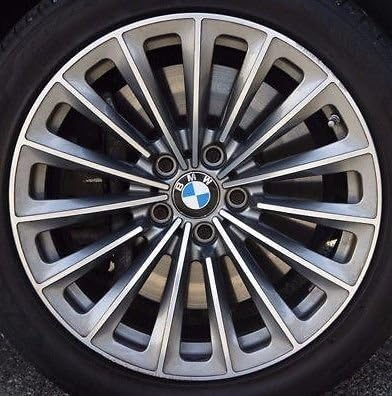
BMW OEM Style 252 Radial Spoke Forged Wheels 19" — F10/F07/F01
EuroActive

EuroActive BMW 5 & 6 Series 20" Style 356 Staggered Alloy Wheel Set of 4
EuroActive
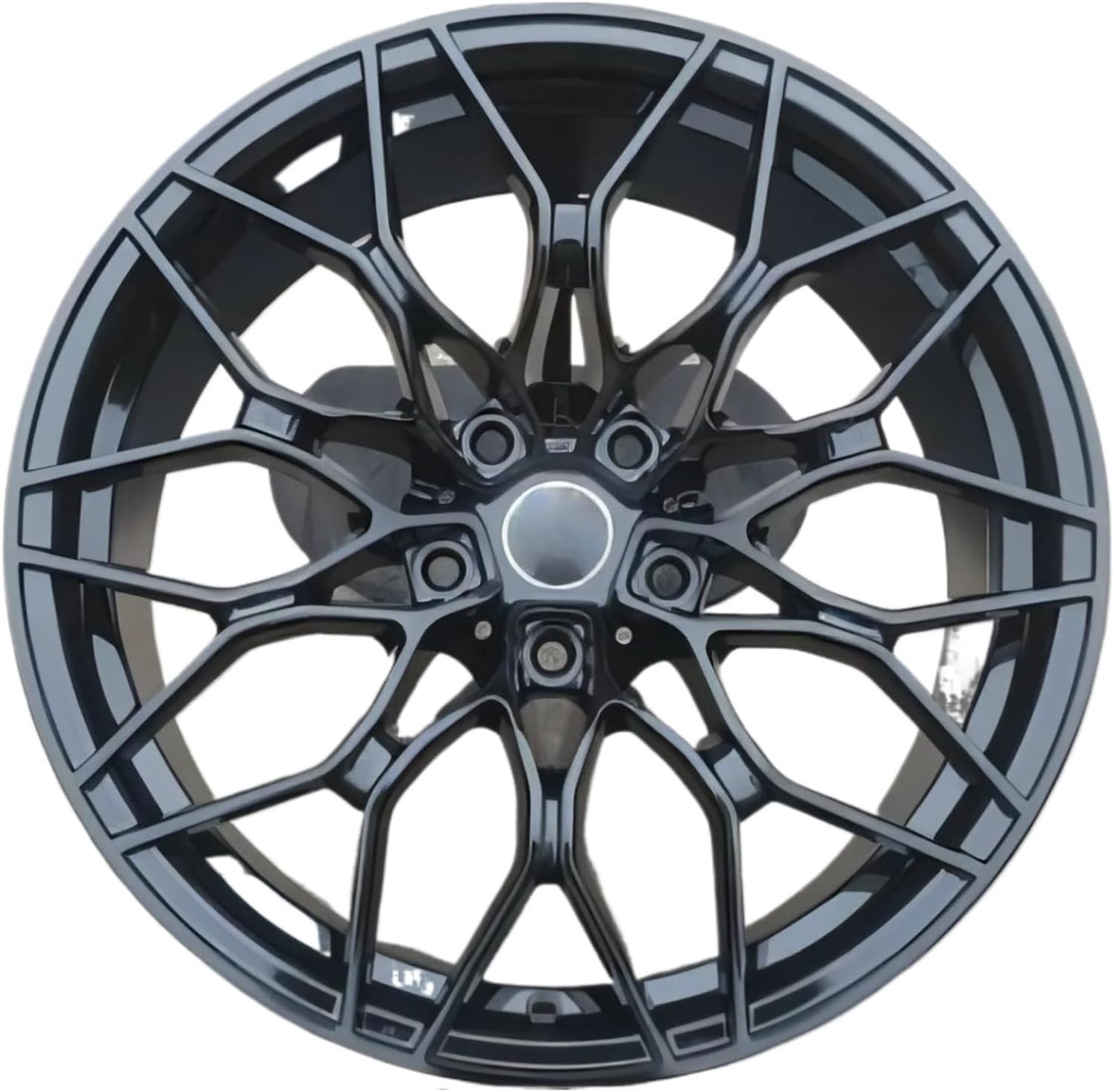
HLOMAUD 18/19 Inch 5x120 Alloy Wheel Rims for BMW 3 & 5 Series (Set of 2)
HLOMAUD

Velospinner 20" Staggered Silver Wheels for BMW 5 & 7 Series (Set of 4)
Velospinner

FILWY 19" Staggered Concave Silver Alloy Wheels 5x120 for BMW F10 F15 F90
FILWY

BDWYFAC BBS FI-R Replica Forged Alloy Wheels Satin Black 19" for BMW
BDWYFAC

Circuit Performance CP30 19x8.5 Gloss Gun Metal Wheel for BMW (5x120 +35mm)
Circuit Performance
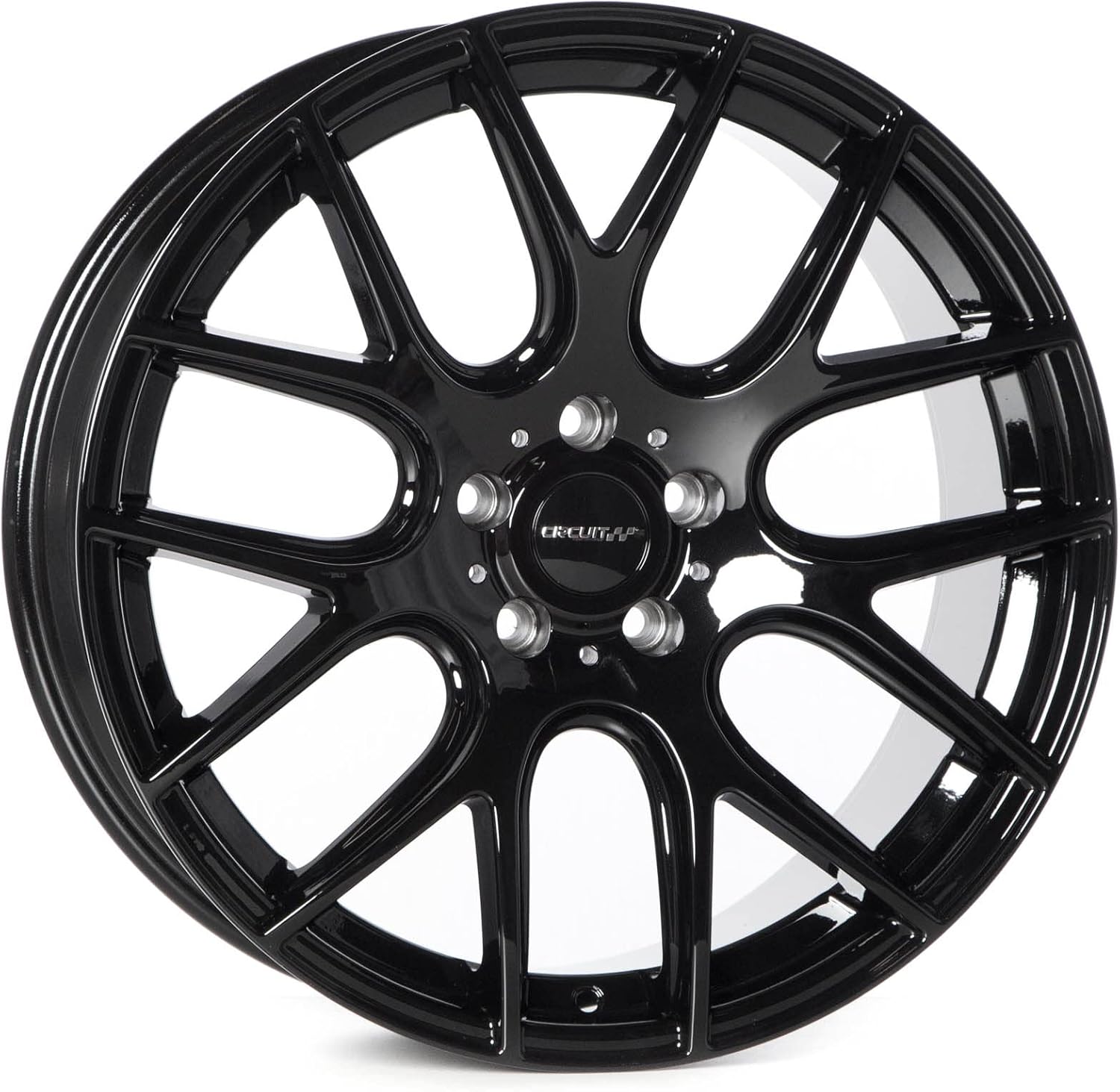
Circuit Performance CP31 Gloss Black Wheel — 19x8.5 5x112 +35mm
Circuit Performance

Circuit Performance CP30 18x8 Gloss Silver Wheel for BMW 5x120 +35mm Offset
Circuit Performance

Circuit Performance CSF11 19x8.5 Gloss Black Wheel for BMW 5x120 +35mm
Circuit Performance
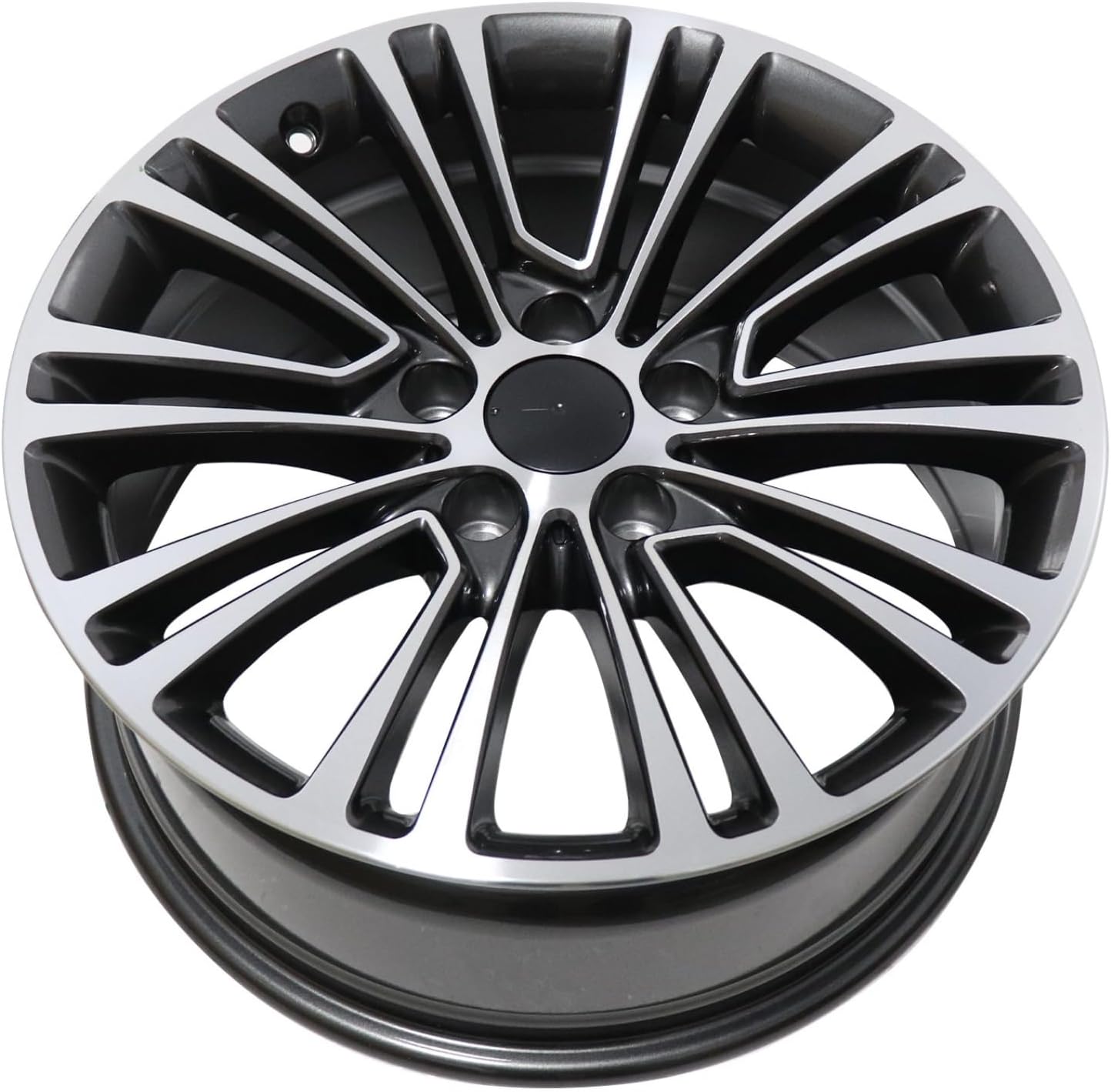
Priprilod 18x8 Inch Aluminum Alloy Wheel Rim 5x120 for BMW 5 Series
Priprilod

Circuit Performance CSF11 - 18x8 Wheel for BMW 5x120
Circuit Performance

BVBNMB 19in Staggered 10-Spoke Alloy Wheels — BMW 5x120
BVBNMB

Wheel Pros 19" Matte Black Staggered Wheels Set for BMW E82 E90 F30 F10
Wheel Pros

Circuit Performance CP30 Gloss Silver Wheel 19x9.5 — 5x120 BMW Fitment
Circuit Performance
More wheel and tire options for the BMW F10
If you own an F10 5 Series and you're looking at BMW F10 aftermarket wheels, you already know the stock setup leaves something on the table. The factory 18-inch or 19-inch wheels that came on most F10s are competent, well-engineered pieces, but they're also heavy, conservative in design, and not always optimized for the tire sizes and offsets that make the F10 genuinely shine on the road or track. I've spent a lot of time around this generation - the F10 ran from 2010 to 2016, covering everything from the 528i with the N20 to the 550i with the N63 twin-turbo V8, and at the top of the range, the F10 M5 with the S63 4.4-liter twin-turbo V8 making 560 horsepower from the factory. That spread of powertrains, along with genuine size and weight differences between trim levels, means wheel fitment on the F10 is more nuanced than it looks at first glance.
This page is a real breakdown of what actually works on the F10 chassis in 2026. I'm going to cover which brands and specific wheel families are worth your money, what fitment numbers actually mean on this car, where people consistently go wrong, and what I'd personally pick based on how you use the car. No filler. Just the stuff that matters.
Why F10 Owners Upgrade Their Wheels
The honest answer is a mix of weight, aesthetics, and fitment flexibility. The factory wheels on the F10 are not light. BMW's OEM 19-inch M-Sport double-spoke wheels tip the scales at around 25-28 lbs per corner depending on the specific design. Flow-formed or forged aftermarket alternatives in the same size can get you down to 18-22 lbs per corner, which is a meaningful reduction in unsprung and rotating mass. On the F10 M5 specifically, where the car weighs in at roughly 4,300 lbs, every pound you remove from the rotating assembly genuinely sharpens response.
Beyond weight, the F10 has a specific visual character that a lot of owners want to develop. The sedan body is long and clean, and the standard wheel arches have room to fill out properly with a wider, more aggressive fitment without needing major fender work. That's a big part of why you see so many F10s on staggered setups - the car proportionally rewards it. Fitment on a staggered setup also affects how the rear of the car behaves under power, which matters more on M5s and 550is than on base 528i builds, but even on the four-cylinder cars, a properly fitted wheel and tire combo changes how the car drives.
There's also a straightforward durability argument. A lot of F10s have been around long enough now that original wheels have accumulated curb rash, bent lips, and finish degradation. Replacing a single stock wheel from BMW at dealer pricing often costs more than buying a full set of decent aftermarket wheels. That math is not exaggerated - OEM BMW wheel replacement pricing can run $400-800 per wheel or higher at dealer cost. Once you're in that territory, a quality aftermarket set starts making a lot more sense.
F10 Chassis Basics - What You Need to Know Before Buying Wheels
The F10 is a rear-wheel-drive platform (standard cars) or xDrive all-wheel-drive on equipped models. That distinction matters for wheel fitment because the xDrive front differential housing can create clearance concerns with very aggressive negative offset on the front axle. On RWD cars, you have more room to push front offsets lower without interference issues.
The bolt pattern on the F10 is 5x120mm, which is standard BMW fitment and extremely well-supported by the aftermarket. Hub bore is 72.6mm. If you're buying wheels from a brand that doesn't specialize in BMW fitment, confirming that center bore and ensuring you have the right spigot rings is critical - a hub-centric fit prevents vibration and runout issues that you'll feel at highway speed.
Stock wheel sizes on F10 depend on trim level and year. Base 528i and 535i cars typically came with 18x8 ET30 fronts and 18x8.5 ET47 rears on the standard 18-inch alloys, or 19x8 ET30 fronts and 19x9.5 ET37 rears on the optional 19-inch M-Sport setup. The F10 M5 ran 19x9 ET29 front and 19x10 ET22 rear as standard, with 20-inch options available. Those numbers tell you a lot - the M5 already comes with a more aggressive stagger and lower offset than base cars, which means the M5 starting point is already closer to what most tuners want to achieve.
Brake clearance is a significant fitment variable on the F10. Standard F10 cars with basic 312mm or 330mm rotors give you relatively forgiving wheel clearance. The F10 M5 with its 6-piston Brembo front calipers and 400mm front rotors needs a minimum of about 19 inches in diameter and specific spoke geometry to clear without interference. Aftermarket big brake kits from companies like Brembo, AP Racing, or StopTech push that requirement even further. If you're running upgraded brakes on your F10, check your brake pad clearances before committing to any wheel purchase.
Suspension matters here too. If you've already lowered your F10 on coilovers or lowering springs - which a large percentage of F10 owners have done - your wheel clearance situation changes. Lower ride height tightens the gap between tire sidewall and fender liner, which means a wheel with higher positive offset that would be fine at stock ride height might rub at track height. I'll cover this in the supporting mods section, but it's worth flagging early: coilover selection and wheel fitment decisions should happen at the same time, not independently.
F10 Wheel Size Guide - What Actually Fits
Let me give you concrete size ranges rather than vague suggestions. These are based on commonly run setups on F10 cars in the real world, accounting for lowered suspension and typical tire sizes.
Non-M F10 - 528i, 535i, 550i
On standard non-M F10s running stock or mildly lowered suspension (30-40mm drop), the most popular and well-documented size ranges are:
- Front: 19x8.5, ET25-35 - Works well with 245/35 or 245/40 tires depending on how aggressive you want the stance
- Rear: 19x9.5, ET22-35 - Pairs well with 275/35 tires for a full look without aggressive stretch
- 20-inch option Front: 20x8.5 or 20x9, ET25-30 - Popular for show-oriented builds; tire selection gets limiting at 20 inches and ride quality suffers
- 20-inch option Rear: 20x10 or 20x10.5, ET20-28 - Gets aggressive fast; fender liner modification often needed on xDrive cars
If you want a safe starting point that requires zero modifications, 19x8.5 ET28 front and 19x9.5 ET25 rear is the go-to square or staggered fitment that fits on nearly every non-M F10 with standard brakes and moderate lowering. Kipardo Racing's BMW fitment guide confirms this general sizing approach applies across the F10 range.
F10 M5
The M5 needs a bit more thought. Those large front Brembos rule out certain spoke designs and require at least 5mm minimum caliper clearance on any wheel you select. Most reputable F10 M5 fitment options center around:
- Front: 19x9.5 or 20x9.5, ET22-29 - Matches or slightly upgrades from stock M5 sizing; 20 inches is common and usually clears brakes without issue on mainstream spoke designs
- Rear: 19x10.5 or 20x10.5 or 20x11, ET15-25 - Wider rear significantly changes the M5's rear grip character; 20x11 is getting ambitious but works on cars with fender rolling
- Track-focused: 18x10 square setup - Dropping to 18 inches frees up tire selection and lowers rotational mass; popular on M5 track builds running Michelin Pilot Sport Cup 2s or similar
The Element Wheels M5-specific fitment page is one of the better resources for confirming available widths and offsets from brands like Vossen, BBS, HRE, and Rohana for the F10 M5 specifically.
The Best BMW F10 Aftermarket Wheels in 2026 - Detailed Breakdown
Here are my picks by brand and product family, with honest assessments of what they're good for and where they fall short on the F10. I've focused on brands and families that are genuinely BMW-specific or have strong F10 fitment track records, not just brands that happen to list a 5x120 SKU.
1. Apex ARC-8 and EC-7
Price range: approximately $1,300-$2,200 per set
If I had to pick one wheel family that gets consistently honest praise from BMW owners who actually drive their cars hard, it's Apex. The ARC-8 is a flow-formed monoblock design in a simple multi-spoke configuration that has been used on F10s extensively on both the street and at track days. The EC-7 is Apex's more refined 7-spoke option that works particularly well on F10 M5 builds because it's available in sizes that properly clear the big Brembo front calipers.
Apex engineers their wheels specifically for BMW fitment - not as an afterthought. The ARC-8 in 19x9.5 ET22 is one of the most common rear fitments I've seen on F10 M5 track builds. For non-M F10s, a 19x8.5 ET29 front and 19x9.5 ET22 rear staggered setup is essentially plug-and-play with no spacers needed on most builds.
What makes Apex genuinely different at this price point is the flow-forming process - the barrel is spun under pressure while hot, which aligns the aluminum grain structure and increases strength without the full cost of a forged wheel. The result is a wheel that's noticeably lighter than most cast options at a price that makes sense. At $1,300-$2,200 for a set, you're in territory where the value argument is hard to argue with.
The honest limitations: Apex styling is purposeful and clean but not flashy. If you want deep concavity or a dramatic lip, Apex isn't your answer. Their finish options are also limited compared to luxury brands. And forum users consistently mention that going wider and lower than the recommended setup on an F10 without getting a proper alignment and confirming clearances leads to front fender liner contact - especially on lowered xDrive cars where the front geometry is already tighter.
Fitment guides for the F10 consistently list Apex as a top recommendation for track-oriented builds at accessible price points, which matches my own experience watching people run these at open track days.
2. Vossen HF-Series and Forged Lines
Price range: approximately $2,200-$6,000+ per set
Vossen has two distinct product families that attract very different F10 buyers. The HF-series (hybrid forged) sits in the mid-range of their lineup and offers significantly more styling options than Apex - deeper concavity, larger diameter availability, and multiple finish options including some that are genuinely striking on the F10's long, clean body. The fully forged Vossen lines like the VPS, VWS, and LC-series are where the price climbs sharply, but you're getting custom-built wheels with BMW-specific engineering and actual forged construction.
On the F10, Vossen's HF-series has been popular with owners who want a premium look without going full custom. The common F10 fitment you see from Vossen runs 20x9 ET25 front and 20x10 ET25 rear on non-M cars, or 20x10 ET22 front and 20x11 ET22 rear on M5 builds. Vossen supports BMW 5 Series fitment directly through major retailers, and WheelsASAP's BMW 5 Series wheel section regularly features Vossen options with fitment guidance.
What I appreciate about Vossen is the fitment support. When you're spending $3,000-5,000 on a set of wheels, you want to be able to talk to someone who has actually built F10 fitments before, and Vossen's dealer network generally includes people who can do that. Their concave designs on the HF-series look genuinely good on the F10 body style - the long flanks of the sedan show off a deep dish wheel properly.
The downsides are real though. Forum feedback on Vossen consistently mentions that the more dramatic concave profiles require very careful offset selection - if you pick too much concavity without enough offset to push the wheel out, you end up with clearance issues against the inner caliper or suspension components. The other common complaint is lead time on custom specifications. If you want a specific width, offset, and finish combination that isn't a shelf item, you can be waiting 6-10 weeks or more. And at the upper end of Vossen's pricing, you're competing with BBS and HRE on reputation, where those brands arguably have stronger track records for performance applications.
3. BBS CH-R and FI-R
Price range: approximately $2,500-$7,500+ per set
BBS has been supplying wheels to BMW's racing programs for decades, and that relationship shows in how well their wheels fit BMW platforms without fuss. The CH-R is BBS's cast/flow-formed option - a classically styled wheel with a mesh pattern that works extremely well on the F10's more conservative design language. If you want a wheel that looks like it belongs on a BMW but is noticeably better than OEM, the CH-R is the most natural answer.
The FI-R is BBS's premium flow-formed center with forged aluminum construction, which pushes weight down significantly. An FI-R in 19x9.5 can come in under 20 lbs, which is genuinely impressive. For F10 M5 owners who want meaningful performance improvement along with their wheel upgrade, the FI-R is worth every penny of its price premium over the CH-R.
BBS fitment on the F10 is exceptional because they engineer each SKU with appropriate hub bore, appropriate offset for the application, and they test clearances on actual vehicles. You're not adapting a generic 5x120 spec - you're buying a wheel that was designed for this chassis family. On F10 M5 cars with the big Brembos, BBS is one of the most reliable options for guaranteed caliper clearance without needing to measure anything.
The limitations are primarily cost and flexibility. At $2,500-$7,500+ for a set, BBS isn't for everyone. Their catalog for extreme widths is more limited than Vossen or Rohana - BBS tends to focus on fitments that work within OEM parameters rather than building wheels for aggressive stretched setups or deep-poke stances. If your F10 build is heading in a serious stance direction, BBS isn't really your tool. But for a fast, well-sorted F10 that you drive hard and want to look right, BBS is the most trusted choice.
4. HRE FlowForm and Forged Series
Price range: approximately $2,000-$8,000+ per set
HRE makes some of the best wheels available for any BMW application, and their presence on F10 builds - particularly M5 builds - is consistent at the higher end of the market. The FlowForm series (FF01, FF04, FF15) gives you HRE's design language at a more accessible price point using flow-forming technology, while the fully forged S1, R1, and P-series wheels are among the lightest, strongest options available for any road-going BMW.
On an F10, HRE's FlowForm series is well-represented in 19x9 and 19x10 fitments that work cleanly on M5 applications. For track-day F10 builds, the FF01 in 18x10 square setup has been used with excellent results. HRE supports custom offset requests better than most brands at their price point, which matters when you're trying to hit a specific fitment for lowered F10s with non-standard brake setups.
Element Wheels lists HRE among the top-tier options for F10 M5 fitments, which is consistent with where the brand sits in the market. This is not a budget option and it's not pretending to be one. What you're buying is a wheel that was designed by engineers who care about performance as much as appearance, with quality control that justifies the price.
The honest negatives: the price is the main barrier, and on larger diameter F10 setups, even HRE's lighter designs accumulate weight. A 20x11 forged HRE is still going to weigh more than an 18x10 flow-formed, and for a daily-driven F10, the practical benefits of spending $6,000-8,000+ on a set of wheels over a $2,000 Apex setup are minimal unless you're genuinely obsessive about build quality and want wheels that last decades.
5. Rohana RFX and RF-Series
Price range: approximately $1,400-$3,000 per set
Rohana fills an interesting gap in the F10 wheel market. They're not a performance-first brand the way Apex or BBS are, and they're not a luxury brand the way Vossen or HRE are. What they do is offer aggressive concave designs with deep lips in staggered fitments at prices that make the look accessible. On the F10 - particularly on non-M 5 Series that owners want to style more aggressively - Rohana is everywhere.
The RFX series in particular is heavily featured on F10 builds. A typical Rohana F10 fitment might be 20x9 ET28 front and 20x10.5 ET20 rear in a design with significant concavity and a visible lip. The visual impact on the F10 is strong - the combination of a deep-dish wheel and the sedan's body proportions looks genuinely good when executed properly.
WheelsASAP's BMW 5 Series section regularly features Rohana fitments for the F10, and you can find the RF-series in BMW-specific configurations relatively easily. Rohana also explicitly markets through BMW fitment retailers, which means the sizing options you see are at least nominally verified for the chassis.
The honest problems with Rohana are finish durability and fitment sensitivity. Forum posts consistently report that the chrome and machined finishes on Rohana wheels do not hold up particularly well to harsh winter use, road salt, or repeated pressure washing. The lips in particular are vulnerable. The other issue is that Rohana's more aggressive profiles - significant concavity with a large outer lip - require precise offset selection on the F10. If your actual offset lands even 5mm off from what works for your specific lowering height and tire size, you can end up with either lip-to-fender contact or inner barrel clearance issues that require spacers to resolve. Get the fitment wrong and you have a problem. Get it right and it looks excellent.
6. Ferrada FR-Series
Price range: approximately $1,600-$3,500 per set
Ferrada is similar territory to Rohana - style-forward, concave-heavy designs at prices that appeal to F10 owners who want a dramatic look without a custom wheel budget. The FR1, FR2, and FR3 in particular are common on F10 builds that prioritize show appearance. Ferrada's designs tend toward wide meshes and Y-spoke patterns with notable concavity, which photograph extremely well on the F10's clean body.
The fitment picture with Ferrada is manageable as long as you're careful about it. A common F10 Ferrada setup involves running some degree of tire stretch on the rear to get the aggressive wall profile that complements the concave wheel design. Forum owners regularly mention needing to run 285/30 or 295/30 on a 20x11 in the rear, which creates a stretched sidewall look that's part of the intended aesthetic but does affect handling. Worth knowing before you commit.
Like Rohana, Ferrada sells heavily through BMW-oriented retailers that support F10 fitment, so you're not completely on your own in terms of sizing guidance. But Ferrada is a street and show brand, not a performance brand. If you track your F10 or prioritize driving dynamics, this is not the right choice. If you want a clean build that turns heads on the street and you're willing to invest in proper fitment, Ferrada can work well on the F10.
7. Forgeline GA1R and GS1R
Price range: approximately $4,000-$8,500+ per set
Forgeline is in a different category from most of what's listed here. These are American-made fully forged wheels built to order, and they are genuinely among the strongest and lightest options available for performance BMW applications. On an F10 M5, particularly one that sees track time, Forgeline is serious hardware.
The GA1R is a monoblock forged design that can be configured for virtually any F10 application. The GS1R is a 3-piece forged option that gives you even more dimensional flexibility for custom offsets and widths. For F10 M5 owners building a proper track car, the ability to specify exactly the width, offset, and diameter you need - and get it in a forged one-piece construction - is worth the premium. Forgeline is listed as a top-tier performance option in BMW fitment guides for exactly this reason.
The honest case against Forgeline for most F10 owners is straightforward: cost and overkill. If you drive your F10 on public roads and maybe do occasional track days, you don't need Forgeline. Apex or BBS will serve you just as well for a fraction of the price. Forgeline is the right answer when you have a serious track build, a significant power modification, or you are genuinely committed to extracting every performance advantage from the car. For street cars, the extra cost does not translate to a proportionally better driving experience.
Fitment Notes Specific to the F10 - The Details That Matter
Generic wheel fitment advice misses the F10-specific quirks that cause problems. Here's what you need to know about this chassis specifically.
xDrive vs RWD Clearance Differences
The F10 xDrive models (many 528xi and 535xi cars) have a front differential housing that reduces inner barrel clearance on the front axle. On a standard RWD F10, you can push front offset lower (more negative) than on an xDrive car. As a rough rule, xDrive F10s should stay above ET23-25 on the front to avoid inner clearance issues, while RWD cars can go down to ET18-20 with appropriate track widening. If you're on an xDrive car and you want an aggressive front stance, spacers are usually a better solution than trying to find a wheel with enough inner clearance for very low offsets.
M5 Caliper Clearance
The F10 M5's standard 6-piston Brembo front calipers are large. At the front, you need a minimum diameter of 19 inches and you need to confirm caliper clearance with the specific spoke design you're buying. Even on 19-inch wheels, some spoke designs that place material close to the center of the barrel will contact the caliper. Brands like BBS, Apex, and HRE publish caliper clearance data for their F10 M5 fitments. Vossen and Rohana may not always do this proactively - ask before buying. Running a cardboard brake clearance template test before committing is the right call on any M5 wheel purchase.
Rear Subframe Geometry
The F10 rear subframe has a specific inner clearance profile that becomes relevant on very wide rear setups. On cars running 10.5 or 11-inch wide rear wheels with very low offsets (ET15 or below), the inner barrel can approach the rear subframe or brake hardware. This is more common on lowered cars where the suspension geometry changes under compression. The practical upshot: if you're pushing past 20x10.5 ET18 in the rear on a lowered F10, measure clearances carefully or ask someone who has run that exact setup.
Tire Pressure Monitoring System
F10s use BMW's RDC system for tire pressure monitoring. If you're buying new wheels, ensure the valve stem positions accommodate standard RDC sensors. Most quality aftermarket wheel manufacturers design for this, but check. TPMS sensor relocation or replacement with aftermarket sensors (like Beru or Schrader BMW-compatible units) is straightforward but is an additional cost to factor into your budget if your wheels don't accept the factory sensor format.
Center Cap and Hub Bore
The F10 hub bore is 72.6mm. A significant number of aftermarket wheels come with a larger bore (often 73.1mm or 74.1mm) designed to work with multiple BMW applications and spigot rings. Using the correct spigot ring to center the wheel precisely on the hub is non-negotiable. Without it, you will feel vibration at speed and you're creating an unbalanced situation. Most reputable retailers include appropriate spigot rings; confirm this when ordering.
Supporting Mods to Do Before or At The Same Time
Wheels don't exist in isolation. Here's what needs to happen alongside an F10 wheel upgrade to make it work properly.
Suspension
If you're changing wheel offset and/or width on the F10, you need a proper 4-wheel alignment afterward. This is especially true if you've changed to a staggered setup from a square OEM setup, or if you've added wheel spacers. A full alignment on the F10 runs about $100-200 at a competent independent shop - it's not optional, it's part of the wheel installation cost.
If you're lowering the car at the same time, the sequence matters: install the suspension first, let it settle for 100-200 miles if you're on springs, then do a final alignment. Wheels and lowering springs or coilovers should be planned together so your final clearance situation is known before you're committed to a wheel that doesn't fit properly at ride height. I've seen people buy wheels first, lower the car second, and end up with fitment that required expensive spacers or didn't clear at all.
Tires
New wheels almost always mean new tires - at minimum, don't put new wheels on old, worn tires that were bought for different dimensions. The F10 is a heavy, powerful car and tire quality matters. For daily use on non-M F10s, the Michelin Pilot Sport 4S and Continental ExtremeContact Sport are the most consistently recommended choices. For M5s or performance builds, add the Michelin Pilot Sport Cup 2 for track-focused applications and the Pirelli P Zero or Bridgestone Potenza S007 as premium street options.
Budget about $250-400 per tire for quality performance rubber in 19-inch fitments. On 20-inch fitments, budget more. This cost often surprises people who focused only on the wheel price and forgot that new wheels mean new tires.
Spacers
Hub-centric BMW spacers are common on F10 builds, but they're a tool, not a shortcut. A 5-10mm spacer on the front is sometimes the right answer to bring a wheel to its ideal visual position without custom-offsetting a wheel. But adding thick spacers (20mm or more per side) significantly changes your wheel bearing load, your scrub radius, and can affect handling. On a stock F10, mild spacers on quality hub-centric hardware (Turner Motorsport, Active Autowerke, or equivalent) are fine. On an M5 that sees track time, be more conservative.
Coilovers
For anyone doing a serious wheel fitment on an F10, I strongly recommend choosing your suspension setup before finalizing wheel offset. A quality coilover kit gives you the adjustability to dial in ride height after wheels are installed, which is the right way to approach aggressive fitment. You want your wheel selection to be based on your actual final ride height, not stock ride height. Brands like KW V3, Moton, and ST Suspension all have well-documented F10 applications with ride height ranges that let you get aggressive fitment right.
Installation Overview - What the Job Actually Involves
Installing aftermarket wheels on an F10 is among the simpler modifications you can do to the car. If you're comfortable doing your own oil changes and have basic hand tools, you can do this yourself. Here's the realistic scope:
- Jack and support the car properly. The F10 has specific jacking points - use the reinforced jacking points on the sill with appropriate adapters, not the body itself. Four jack stands and a floor jack are needed for a full wheel swap. This is not negotiable for safety.
- Remove factory wheels. Standard lug bolts, torqued to 120 Nm (89 ft-lbs). BMW uses lug bolts, not lug nuts - keep this in mind when buying aftermarket wheels, as some are designed for lug nuts and require bolt adapters or lug conversions.
- Verify spigot ring fit. Before mounting, confirm your spigot rings are properly seated in the hub bore of the wheel.
- Mount and torque new wheels. Torque lug bolts to spec - 120 Nm for standard applications. Use a calibrated torque wrench. Do not impact-gun your wheels on and assume they're tight enough.
- Check clearances by hand. Before driving, spin each wheel by hand (car still on jacks) and confirm there's no contact with brake hardware, suspension components, or bodywork.
- Lower and do a slow clearance check. Lower the car, push it into full lock in both directions while someone watches each front corner for tire-to-fender or tire-to-inner liner contact. Do this at your actual ride height.
- Schedule alignment. Immediately. Don't drive more than 50 miles on a new wheel setup without alignment.
Total time for a competent DIY wheel swap on the F10 is 2-3 hours including careful clearance checks. Professional installation at a tire shop typically runs $50-100 for mounting, balancing, and installation.
Common F10 Owner Mistakes When Buying Aftermarket Wheels
I've seen these mistakes repeatedly. Some are minor and fixable; some cost real money.
Choosing Offset Based on Looks Rather Than Fitment
This is the most common one. You see a photo of an F10 on Instagram with a wheel that looks perfect - flush, sitting right at the fender edge. You order the same wheel in the same size. But that photo F10 is lowered 45mm on coilovers and running a specific tire size, and your car is stock height with a different tire choice. The offset that looks right on their car may poke on yours, or may look tucked on yours. Fitment is three-dimensional and setup-specific. Use a fitment calculator and account for your actual ride height before ordering.
Forgetting About Tire Costs
A very common budget mistake. Someone allocates $2,000 for a wheel upgrade, finds a set of Apex EC-7s in the right size for $1,800, and then realizes they need four new tires to match the new wheel dimensions and the tire bill adds another $1,000-1,400. Always budget tires as part of your wheel upgrade cost.
Not Confirming Caliper Clearance on M5 Builds
On the F10 M5, assuming any 19-inch or 20-inch wheel will clear the big Brembo fronts is an expensive mistake. I know someone who ordered a set of wheels for their M5, confirmed the diameter was adequate, then found out when they arrived that the spoke pattern came within 2mm of the caliper. The wheels had to go back. Always get caliper clearance confirmation from the manufacturer or retailer in writing before ordering for M5 fitment.
Buying Wheels Without BMW-Specific Hub Bore
Generic wheels with oversize center bores rely entirely on spigot rings for centering. A wheel with the correct 72.6mm bore is hub-centric by design, which is stronger and more reliable. Not every wheel in a 5x120 pattern is designed for BMW hub bore. Check this before purchasing, especially when buying from brands without BMW-specific fitment focus.
Over-Stretching Tires
Tire stretch - running a narrower tire on a wider wheel - is an aesthetic choice that works on show cars but degrades handling and tire life on driven cars. Running a 265-width tire on a 10.5-inch wide wheel is stretch. It looks aggressive. It also means the tire's contact patch is not optimized for the wheel width, the tire sidewall is under additional bending stress, and in a hard corner, the tire can unseat from the bead. On a fast, heavy F10 M5, serious stretch is genuinely dangerous at speed. Know the difference between acceptable fitment and dangerous stretch, and stay conservative on a car you drive hard.
Ignoring Winter Wheel Considerations
If you're in a region with real winters, your aftermarket wheel setup needs a winter companion. Running $3,000 forged wheels through road salt and sand is a finish destruction exercise. Budget for a separate winter steel wheel or basic alloy setup with dedicated winter tires. This is not optional if you care about preserving your aftermarket wheel investment.
My Opinionated Picks - Editor's Notes on the F10
Here's where I give you the direct opinion rather than the balanced review. Take it for what it is - one person's well-informed recommendation based on knowing the F10 platform and watching what works.
Editor's Pick - Best Overall
BBS CH-R in 19x9.5 staggered setup is my overall pick for the non-M F10. The fitment is proven, the look is appropriately BMW without being flashy, the quality is beyond reproach, and you will not regret this purchase in five years when your car still looks right and the wheels show minimal wear. At around $2,500-3,500 for a staggered set, it's not cheap, but it's the right answer if you drive the car and want it to be better in every way.
For the F10 M5 specifically, I'd shift the pick to the Apex EC-7 or BBS FI-R depending on budget. The EC-7 at around $1,600-2,000 for a set of M5-specific fitment is essentially unbeatable value for a performance-oriented M5 that sees track time. The BBS FI-R is the step up if budget allows and you want the most polished result.
Best Value Pick
Apex ARC-8. Not a complicated answer. At $1,300-1,800 for a set in F10 fitments, these are well-made, properly engineered, BMW-specific wheels that will not let you down. They're not the flashiest option and they're not the lightest you can buy, but the gap in quality between an Apex wheel and a BBS wheel at the price premium is not proportional. For a daily-driven F10 where you also want to do occasional track days, Apex is the rational choice.
Best Track Pick
Forgeline GA1R in 18x10 square if you have the budget and you're building a serious F10 M5 track car. Dropping to 18 inches increases tire selection significantly, reduces rotating mass, and a custom-spec forged Forgeline gives you exactly the geometry you need for your brake setup and alignment targets. This is a specific-use recommendation - it's not for the person doing three track days a year. It's for the person who takes the car to the Nurburgring and has a lap time goal.
For those who want performance without the Forgeline price, HRE FlowForm FF01 or FF04 in 18x10 or 19x10 square setups are well within reach and give you genuine engineering quality.
Best Daily Driver Pick
Vossen HF-4T or HF-5 in 19-inch staggered. For an F10 that's primarily a street car you want to look excellent, the Vossen HF-series gives you styling depth that Apex doesn't offer, reasonable weight, proper fitment support, and a finish quality that holds up reasonably well to daily use. At $2,500-3,500 for a set in common F10 sizes, it sits at the right price point for someone who cares about how the car looks every day.
Brand Comparison Table
| Brand / Family | Typical Set Price (US) | Construction | Best For | F10 Fitment Support | Main Limitation |
| Apex ARC-8 / EC-7 | $1,300-$2,200 | Flow-formed monoblock | Track days, performance daily | Strong - BMW-specific SKUs | Limited styling options |
| Vossen HF-series / Forged | $2,200-$6,000+ | Flow-formed / Forged | Premium street, styling-forward builds | Strong - sold through BMW retailers | Lead time, complex concavity fitment |
| BBS CH-R / FI-R | $2,500-$7,500+ | Cast / Flow-formed / Forged | Best all-round quality, OEM+ look | Excellent - BMW racing history | Price, limited aggressive widths |
| HRE FlowForm / Forged | $2,000-$8,000+ | Flow-formed / Fully forged | Premium builds, custom fitment | Strong - BMW retailer supported | Price, weight at large diameters |
| Forgeline GA1R / GS1R | $4,000-$8,500+ | Fully forged (US-made) | Track builds, M5 performance | Excellent - custom-built to spec | Cost, overkill for street-only |
| Rohana RFX / RF-series | $1,400-$3,000 | Cast / Flow-formed | Aggressive street styling | Good - BMW fitment retailers | Finish durability, offset sensitivity |
| Ferrada FR-series | $1,600-$3,500 | Cast | Show builds, street style | Good - sold through BMW retailers | Not performance-oriented, stretch-prone |
How F10 Wheel Choices Relate to Other Modifications
Wheels rarely live in isolation. Here's how the F10 wheel upgrade connects to other common mods on this platform.
If you're upgrading wheels primarily for weight reduction and performance, the most natural companion modification is a quality coilover setup. Reducing unsprung mass with lighter wheels while also improving damping control gives you a compounded handling improvement that neither modification achieves alone. On the F10 M5, pairing Apex EC-7s or BBS FI-Rs with KW V3 or Moton coilovers is the kind of modification combination that makes the car feel fundamentally better, not just different.
On the F10 550i or M5, if you're doing wheel upgrades as part of a broader performance build, it's worth thinking about what you're ultimately trying to achieve. A wheel and tire upgrade combined with an ECU tune on the N63 or S63 genuinely transforms these cars - the 550i responds well to tune and the M5 can gain meaningful power, but you want the handling hardware to match the powertrain capability. Upgrading wheels and tires first, then tuning, is the sensible sequence.
Similarly, if your F10 has seen high mileage and you're planning a comprehensive refresh that includes wheels, also look at brake pad and rotor upgrades. The F10 M5's brakes are good stock but degrade progressively, and pairing new performance wheels with worn brakes underserves both investments. On non-M F10s, the brake setup is often the weakest link on a car that's been lowered and fitted with wider wheels.
Where To Buy F10 Aftermarket Wheels
For F10 aftermarket wheels in 2026, these are the purchasing channels worth knowing about and their honest tradeoffs:
Specialty BMW Wheel Retailers
WheelsASAP and Element Wheels are examples of retailers that organize their inventory specifically by BMW chassis and offer fitment guidance for the F10 and M5. This is genuinely valuable - it's easier to navigate a site that shows you the F10-compatible options directly than to filter a generic wheel catalog. Both list major brands including Vossen, BBS, HRE, Rohana, and Ferrada with F10-specific fitments.
The downside of going through a specialty retailer versus buying direct from the manufacturer is that you add a margin. On big-ticket purchases like forged HRE or BBS FI-R sets, the price difference between a direct purchase and a retailer can be meaningful. But for brands like Vossen or Rohana that prefer to sell through dealer networks, the retailer is the right channel anyway.
Direct from the Manufacturer
Apex sells direct, which is part of why their pricing is so competitive. You can configure and order an F10-specific Apex setup from their website with fitment guidance that's BMW-focused. Forgeline also sells direct or through a small dealer network. BBS tends to operate through authorized dealers. Check manufacturer policies before assuming you can buy direct.
Forum Classifieds and Private Sales
The Bimmerpost forum marketplace is active with used F10 wheel sets, including some expensive brands at significant discounts. Bimmerpost forum threads on F10 fitment regularly evolve into or reference classifieds listings. The risk with used wheels is obvious: you're buying wheels with unknown history, potential curb rash or bend damage that isn't visible in photos, and no warranty. On inexpensive wheels, used can make sense. On a $5,000 set of forged wheels, I'd want to inspect them in person before buying.
Avoid
I'll be direct: I'd avoid sourcing F10 wheels from generic marketplace listings on wholesale platforms like Alibaba unless you have specific metallurgical testing capability and are willing to accept that quality control on those products is not verified to any BMW-specific standard. The pricing looks attractive. The risk is real - unverified casting processes, undisclosed hub bore tolerances, and finishes that photograph well but degrade quickly. On a car like the F10, especially an M5, wheel failure is not a consequence you want to test.
The F10 Wheel Decision by Use Case
Let me put it plainly: what's right for you depends entirely on how you use the car. Here's the decision guide I'd actually give a friend asking me for advice.
Daily Driver F10 528i or 535i - Mostly Street
You don't need forged wheels and you don't need 20-inch diameters unless you specifically want them for aesthetics. The sweet spot is a quality 19-inch set in a conservative staggered fitment that fits without modification. I'd tell you to look hard at the BBS CH-R or Apex ARC-8 in 19x8.5 front and 19x9.5 rear. Pick your finish based on how much time you want to spend on maintenance - machined finishes show brake dust and require more cleaning; matte or satin finishes are more forgiving. Budget $2,000-3,500 for the wheels, another $800-1,200 for tires, and $150-200 for alignment.
Daily Driver F10 M5 - Performance Focus
The M5 deserves a wheel that respects its engineering. I'd go Apex EC-7 in 19-inch staggered if budget is a consideration, or BBS FI-R if you're willing to spend properly. In both cases, confirm caliper clearance upfront - it's the most critical fitment constraint on the M5. Pair with Michelin Pilot Sport 4S for a daily setup or Pilot Sport Cup 2 if the car sees autocross or track days. The M5's power and weight means tire quality is more important than it is on base F10 models.
F10 That Will See Track Days
Consider going to 18-inch diameter. This gives you better tire selection, lower rotational inertia, and more sidewall for track use where road roughness and curbing are factors. An 18x9.5 or 18x10 square setup on quality flow-formed or forged wheels in a conservative offset is the right approach. Apex ARC-8 or HRE FlowForm in 18-inch applications are both excellent choices. Budget appropriately for mounting and balancing multiple times per season as you swap between track and street rubber.
Show Build F10 - Street Presence is the Priority
If the car is primarily for show or cruise events and you want maximum visual impact, the Rohana RF-series or Vossen HF-series in 20-inch staggered with a deep concave design will get you where you're going. Be rigorous about fitment since you're pushing dimensions more aggressively. Work with a retailer who has documented F10 experience with your chosen wheel. Expect to spend time and potentially money dialing in the setup - small spacers, alignment adjustments, and possibly fender rolling may be part of the process at the aggressive end of this spectrum.
FAQ - Your F10 Aftermarket Wheel Questions Answered
What bolt pattern does the F10 5 Series use?
The F10 5 Series uses a 5x120mm bolt pattern with a 72.6mm center bore. This is the standard BMW bolt pattern and is shared with many other BMW models including the 3 Series (F30), 7 Series (F01), and X5 (F15). The lug bolt thread pitch is M14x1.25. This pattern has broad aftermarket support from every major wheel brand.
What is the stock wheel offset on the F10?
It depends on trim level and year. Most non-M F10 cars came with ET30 front and ET37-47 rear on 18 or 19-inch wheels. The F10 M5 ran ET29 front and ET22 rear as standard, reflecting the M5's wider bodywork and track. When selecting aftermarket wheels, staying within a reasonable range of these stock offsets (within 15-20mm in either direction) keeps you in safe territory for clearance and handling.
Can I run 20-inch wheels on a standard non-M F10?
Yes. Many non-M F10 owners run 20-inch aftermarket wheels without issues. The practical tradeoffs are reduced tire sidewall height (which affects ride quality and is harder on the wheel itself when you hit a pothole), reduced tire selection at some widths, and a slight increase in unsprung weight with many cast 20-inch options. If you stay in quality brands and choose appropriate widths and offsets, 20-inch fitments work fine on the F10. Most people who track their cars drop to 18 or 19 inches for exactly the reasons above.
Do I need wheel spacers on the F10?
Not necessarily, but they're a common addition when owners want to push a wheel's visual position closer to the fender edge without buying a custom-offset wheel. On the F10, 5mm or 10mm hub-centric spacers on the front are frequently used to bring standard-offset wheels to a flush or slightly poke position. Spacers in the 15-20mm range per side start to meaningfully change wheel bearing loading and scrub radius and should be used carefully. Anything thicker than that should prompt you to just buy a wheel with the right offset instead.
Will aftermarket wheels affect my TPMS system?
The F10 uses BMW's RDC pressure monitoring system, which uses wheel-specific sensors. When installing aftermarket wheels, you have a few options: transfer your existing RDC sensors to the new wheels (requires appropriate valve hole size and sensor compatibility), purchase BMW-compatible aftermarket TPMS sensors (Beru and Schrader make suitable units), or code out the TPMS warning using a coding tool like an ENET cable and Bimmercode or ISTA. Most people either retain OEM sensors or buy compatible replacements. The warning light is annoying but not safety-critical in the short term; it should not be permanently ignored on a daily driver.
How much weight do aftermarket wheels save on the F10?
It depends significantly on construction type. A quality cast aftermarket wheel in the same size as your OEM wheel might save 2-4 lbs per corner over heavy factory items. A flow-formed wheel like the Apex ARC-8 can save 4-6 lbs per corner over heavier OEM wheels. Fully forged options from HRE or Forgeline can exceed 6-8 lbs per corner savings in the right configurations. On a 4,000+ lb car like the F10, these savings are meaningful for responsiveness and braking, even if they're not transformative in isolation.
Can I run a square setup (same size front and rear) on the F10?
Yes. The F10's rear-wheel-drive configuration does benefit from a staggered setup (wider rear) for traction and handling balance, but square setups are completely functional and offer the practical advantage of tire rotation. On track-day-focused F10 builds, square setups are common because they allow corner swapping of tires to even out wear. A typical square track setup might be 18x10 or 19x9.5 on all four corners. You'll see more wheel spin at the rear with equal front and rear grip, which some drivers prefer.
What's the largest wheel width I can run on an F10 without major modification?
On a non-M F10 at stock or mildly lowered ride height (30-35mm drop), you can typically run 19x9.5 front and 19x10.5 rear without fender modification if offset is appropriate. Some owners push to 19x10 front but this starts to require careful offset selection and sometimes fender liner trimming at full lock. In 20-inch, most non-M F10s handle 20x9 front and 20x10.5 rear without modification. On the M5 with its wider factory arches, you have more room - 20x10 front and 20x11 rear are within reach with appropriate offsets.
Do forged wheels make a noticeable difference on a street F10?
Honestly, the difference between a quality flow-formed wheel and a fully forged wheel at the same size is subtle on a daily-driven street car. The weight difference exists but isn't transformative at the wheel weights we're discussing. Where forged construction clearly matters is in crash resistance and long-term durability - a forged wheel is more likely to bend and survive a pothole impact than crack, and the structural integrity holds up better over years of hard driving. For a street car, flow-formed at a lower price is the rational value choice. For a track car where wheel failure has serious consequences, forged is worth the premium.
What tire pressures should I run with wider aftermarket wheels on the F10?
Your tire manufacturer's recommendation for the specific tire size takes priority over what BMW's door placard says for OEM sizes. When you move to wider tires, the optimal pressure often decreases slightly because the wider footprint distributes load differently. For a 275/35 rear tire on an F10 M5, starting with manufacturer-recommended pressure (often 36-40 PSI for high-performance summer tires) and adjusting from there based on wear patterns is the right approach. If you're doing track days, consult tire-specific data for the compound you're running - track pressures differ significantly from street pressures.
Is it worth buying BMW OEM wheels in a different style versus aftermarket?
In some cases, yes. BMW's M Performance and M genuine accessory wheel programs offer some genuinely good-looking options that are engineered specifically for F10 applications without any fitment guesswork. The M Performance 20-inch cross-spoke style 763M and similar options look appropriate on the car and come with zero fitment risk. The tradeoffs are price (BMW OEM prices are not cheap), very limited style variety, and weight that usually isn't competitive with aftermarket flow-formed options. If you want zero fitment risk and an OEM-adjacent look, BMW's own wheel catalog is worth checking. For performance gains or more aggressive styling, the aftermarket has better answers.
How do I know if a wheel brand is actually BMW-specific or just lists 5x120?
The key indicators are whether the brand publishes specific offset and width recommendations for F10 applications (not just 5x120 in general), whether they publish caliper clearance data for M5 applications, whether they support correct 72.6mm hub bore or provide appropriate spigot rings, and whether they have a documented history of F10 owner use that you can verify through forums and owner communities. Brands like Apex, BBS, and HRE do all of this. Generic brands that list 5x120 as a fitment without F10-specific documentation are not providing the same assurance. Reputable BMW fitment resources consistently emphasize this distinction between genuinely BMW-specific fitment and generic bolt pattern matching.
Final Thoughts on F10 Aftermarket Wheels in 2026
The F10 is old enough now that it's fully in enthusiast territory - values have stabilized, parts are readily available, and the community of owners who actually modify and drive these cars is substantial. That's good news for the aftermarket wheel market because it means there's genuine competition for F10 fitments, and the pricing and quality options available in 2026 are better than they've ever been for this chassis.
If you only do one upgrade to your F10 beyond maintenance items, making it wheels is completely defensible. The visual transformation is immediate, the performance improvement from reduced unsprung mass is real, and you can tailor the upgrade to your exact use case in a way that few other modifications allow. Whether you're spending $1,300 on Apex ARC-8s for your track-day 535i or $6,000 on HRE forged wheels for a show-quality M5, there's a solution that's been properly executed by F10 owners before you and is well-documented.
My overall recommendation for most F10 owners is to start with the BBS CH-R or Apex ARC-8 depending on your budget and use case, nail the fitment by getting the offset and width right for your specific car and suspension setup, pair them with quality tires, get a proper alignment, and drive the car. The rest of the decisions - styling details, brand prestige, finishing options - are secondary to those fundamentals. Get the fundamentals right and your F10 will reward you every time you look at it and every time you drive it.
For those going deeper on the build, connecting your wheel upgrade to the rest of your modifications through a comprehensive F10 build approach covering suspension, brakes, and powertrain makes the whole thing add up to something genuinely impressive. The F10 is a great platform that still stands up against newer cars when it's been properly sorted. Wheels are where that sorting often visibly begins.

Kamil Siegień
Founder of BimmerTalk. Five years wrenching on BMWs, currently dailying a G20 330i with the B48 turbo four. Spent a year doing marketing for BMW and MINI before going independent. I write everything on this site myself.
More about the site
Aftermarket Wheels for BMW - What Actually Fits and What's Worth Buying
Swapping wheels is one of the highest-impact upgrades you can make to any BMW - but it's also one of the easiest ways to waste money if you don't know the platform specifics. BMW uses a wide range of bolt patterns, hub bore sizes, and suspension geometries across generations, and a wheel that fits a G80 M3 won't clear the brakes on an E46 330i. Before you buy anything, pull your chassis code and know your numbers: bolt pattern (most modern BMWs run 5x112, while older E-series use 5x120), center bore (typically 72.6mm for most models), and your offset range.
For fitment by platform: E90/E92/E93 3 Series and E60 5 Series owners are well-served by staggered setups - typically 18x8.5 front / 18x9.5 rear on the E9x, or up to 19x8.5 / 19x9.5 without pulling fenders. F30/F32 chassis can run 19s comfortably from the factory offset range (ET35–ET45 front, ET35–ET40 rear). G-chassis cars like the G20, G22, and G80 have wider tracks and more aggressive factory fitments - plan for ET30–ET40 if you're going flush without spacers.
On the M car side, the E46 M3 (S54 engine, 5x120 bolt pattern) is one of the most-wheeled BMWs on the market. Square 18x9 or 18x9.5 setups with ET35–ET38 are a proven formula. The F80/F82 M3/M4 opened up 5x112, giving owners access to a massive catalog of Audi and VAG-spec wheels - a game-changer for fitment options and pricing.
Brands Worth Running, and What to Avoid
BBS remains the gold standard for BMW enthusiasts - the BBS CH-R and BBS CI-R are both hub-centric, lightweight, and available in BMW-specific fitments from the factory. Apex Wheels has earned serious credibility in the enthusiast community for offering flow-formed monoblock wheels dialed specifically for BMW platforms - their EC-7 in 18x9.5 ET22 is a go-to spec for E9x and F-chassis track builds. Volk Racing (TE37, CE28) are genuine forged options that shed meaningful unsprung weight - expect a performance difference you can actually feel in steering response and turn-in. For budget-conscious builds, Enkei and Konig offer cast wheels with solid quality control - just verify hub bore and don't skip hub-centric rings.
What to avoid: no-name "replica" or "rep" wheels sourced from generic overseas catalogs. The issue isn't just aesthetics - it's structural integrity under load. Many replicas fail torque spec on lug seats, have inconsistent hub bore tolerances, and use low-grade aluminum alloys that crack under track or aggressive street conditions. On a car with BMW's suspension geometry and braking specs, that's a safety issue, not just a style debate.
Installation difficulty is moderate for most BMW owners. If you're running stock suspension and OEM brake calipers, a straight wheel swap is a torque wrench job - 89 ft-lbs on most platforms, always use hub-centric rings if your wheel bore is larger than 72.6mm. Where it gets complicated: larger brake kits (BBK setups from Stoptech or Brembo) require spoke clearance checks, and lowered cars need offset modeling to confirm lip clearance against the control arms at full lock. Check our Tire Fitment Guide for pairing recommendations once your wheel size is locked in, and browse Suspension if you're combining this upgrade with a coilover or lowering spring install.
Bottom line: buy from a brand with BMW-specific engineering data, verify every number before checkout, and if you're going wider or lower than stock, use an offset calculator - Willtheyfit.com is free and accurate enough for preliminary checks before test fitting in person.