
Summer Tires for BMW 5 G30
Affiliate disclosure. BimmerTalk is a proud partner of the Amazon Associates Program and Turner Motorsport. We may earn a small commission on qualifying purchases through our links, at no extra cost to you. Read the full disclosure.

Michelin Pilot Super Sport 245/40ZR18 97Y Performance Tire for BMW
MICHELIN

Continental ExtremeContact Sport 02 245/40R19 98Y XL Summer Tire
Continental
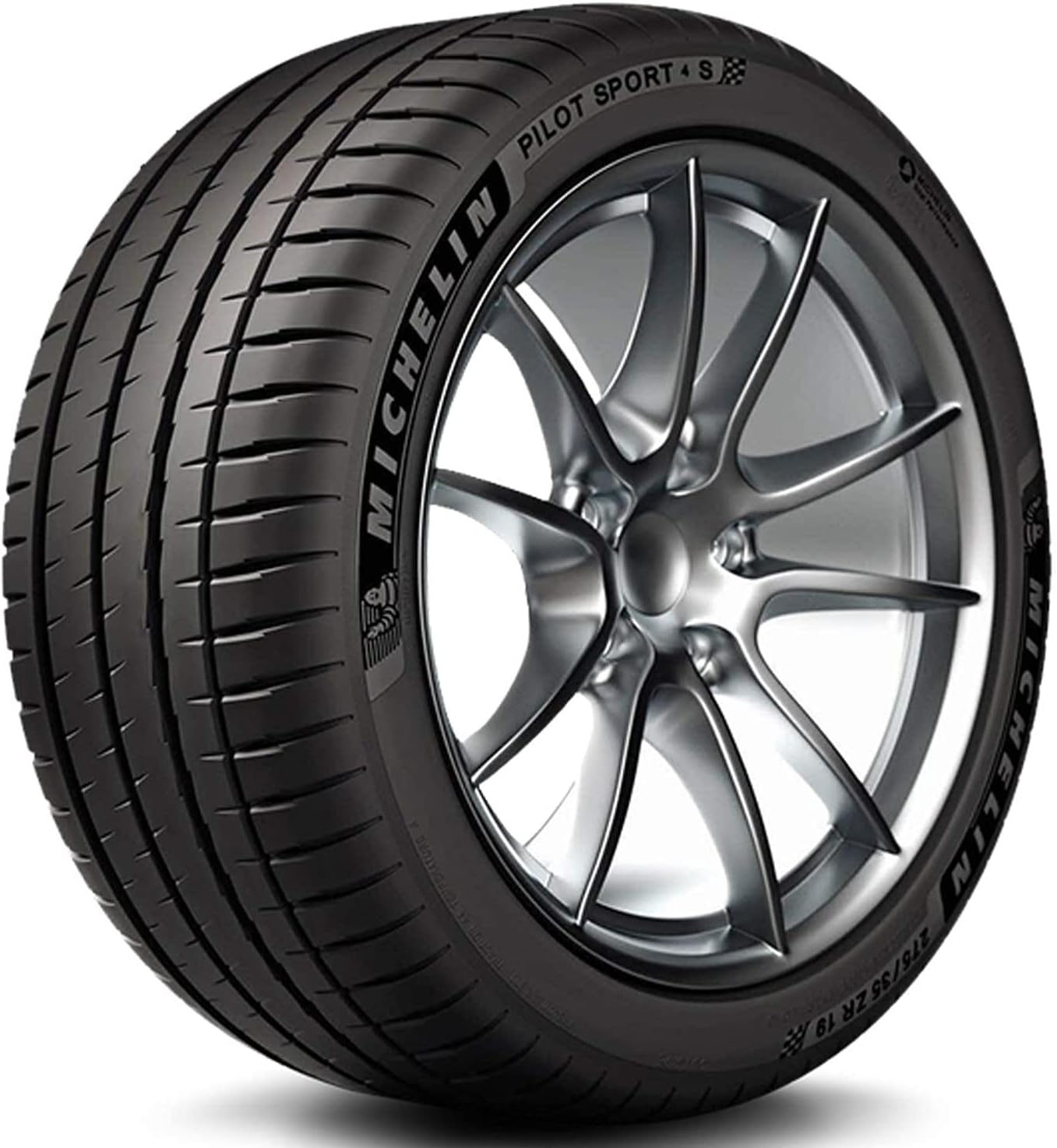
Michelin Pilot Sport 4S Performance Tire
MICHELIN
Michelin Pilot Sport 4S — Ultra-High Performance Summer Tire
MICHELIN

Continental DWS06 Plus - 245/40ZR19 Tire for BMW
Continental
Continental ExtremeContact DWS06 Plus UHP All-Season Tire 245/40ZR18 97Y XL
Continental
More wheel and tire options for the BMW G30
If you own a BMW G30 5 Series and you're researching BMW G30 wheels tires summer tires, this guide is going to give you the straight story on what actually works on this chassis - not a recycled list of "top 10 tires" that could apply to any mid-size sedan. The G30 is a heavy, sophisticated car with real chassis sensitivity, and the summer tire choice matters more than most people think. I've watched too many G30 owners waste money on tires that technically fit but perform like garbage because nobody told them about the load index trap, the diameter variance issue with xDrive, or why the OEM runflat replacement decision is probably the biggest call you'll make before you even pick a brand. We're going to cover all of that here, with real prices, real fitment data, and real opinions.
What the G30 Actually Is and Why Summer Tires Matter on This Platform
The G30 launched in 2017 and replaced the F10 as BMW's standard-wheelbase 5 Series sedan. The platform is lighter than the F10 despite growing in most exterior dimensions, and BMW used it to push the 5 Series further into genuine driver's car territory without abandoning the executive sedan comfort brief. Depending on the powertrain you're running - whether that's the B46/B48 four-cylinder in the 530i, the B58 straight-six in the 540i, or the S63 V8 in the M550i - curb weight runs from roughly 3,900 lbs to 4,400+ lbs. That weight matters enormously when you're shopping for summer tires, because load index is not optional and a lot of popular fitments are right at the edge of their rating on heavier G30 variants.
The G30 also came from the factory with a few different wheel and tire configurations depending on trim level. Base cars got 17-inch steel wheels or 18-inch alloys. Sport Line and M Sport packages moved things up to 18 or 19-inch staggered fitments. The M550i xDrive and later 545e plug-in hybrid got 19 and 20-inch options from the factory. BMW's OEM spec used runflat tires on nearly all configurations, which is the first thing most owners want to address. The G30 does not have a spare tire well - that space is taken by the TPMS receiver and trunk structure - so the factory runflat policy was a space and logistics decision as much as a safety one.
Summer tires specifically - meaning a dedicated non-all-season compound designed for dry and wet grip above roughly 45°F - are the single biggest performance upgrade you can make to a G30 without touching the suspension. The improvement from OEM runflats or even OEM-grade all-seasons to a proper summer tire like the Michelin Pilot Sport 4 S or Continental ExtremeContact Sport 02 is not subtle. Braking distances drop, corner grip increases, steering feedback sharpens, and the car simply feels more like what BMW intended. I made this switch on my G20 330i and the transformation was immediately obvious. On a G30 540i, which has the B58 making meaningful torque, the difference under hard acceleration out of a corner is night and day.
This page walks through the full picture - which tires are actually worth your money, how to pick the right size, what the xDrive and RWD fitment differences mean in practice, and what supporting changes you should consider when you pull those runflats off.
The Runflat Question - Solve This First Before Picking a Brand
Before you even look at tire brands, you need to make a decision about whether you're staying with runflats or switching to conventional tires. Almost every summer performance discussion in G30 threads eventually comes back to this. BMW's factory runflats on the G30 carry the RSC (Run Flat System Component) designation and are built with reinforced sidewalls that can support the car's weight for roughly 50 miles at low speed with zero air pressure. The tradeoff is a harsher ride, heavier tire weight, and - on a daily driver - a constant low-level vibration and road noise penalty that you eventually stop noticing but never actually goes away.
Switching to conventional summer tires (non-runflat) on the G30 is completely viable, but you need to manage two things. First, the G30's TPMS system is not runflat-dependent - TPMS will still work with conventional tires because BMW uses wheel-mounted pressure sensors, not an indirect load-based system. So that's not a blocker. Second, you lose the mobility benefit of the runflat. If you get a flat on the highway at 11pm, you're not driving to an exit - you're calling roadside assistance. Whether that's acceptable depends on how you drive and where. Most G30 owners who make the switch to conventional summer tires carry a quality portable tire inflator, keep a can of tire sealant in the trunk for slow leaks, or invest in a spare tire kit using a matching G30 wheel. Some dealers will still sell you a space-saver spare if you ask specifically. Either way, plan for it before you find yourself stranded.
The ride quality improvement from dropping runflats for conventional summer tires is genuinely significant on the G30. BMW's adaptive suspension (standard on most trims) can compensate for a lot, but it can't undo the fundamental harshness of a stiff runflat sidewall. Owners who make the switch consistently report that their cars feel softer and more composed over rough pavement, even without touching the suspension springs or coilovers. It's one of the cheapest handling improvements you can make to this car by feel alone.
G30 Wheel and Tire Size Guide - What Actually Fits
The G30 covers a wide range of factory sizes, and if you're buying replacement summer tires or sizing up, you need to know the baseline before you order anything. Here are the factory fitments you'll encounter most often:
- 530i / 530e RWD - base Sport Line: 225/55 R17 front and rear (square fitment), or 225/50 R18 front and rear (square fitment)
- 530i / 530e RWD - M Sport 18-inch: 225/50 R18 front, 255/45 R18 rear (staggered)
- 530i / 540i M Sport 19-inch: 245/45 R19 front, 275/40 R19 rear (staggered)
- 540i xDrive / M550i - sport 19-inch: 245/45 R19 front, 275/40 R19 rear (staggered)
- M550i xDrive - 20-inch: 245/40 R20 front, 275/35 R20 rear (staggered)
- 545e xDrive - 19-inch: 245/45 R19 front, 275/40 R19 rear (staggered)
The most popular summer tire upgrade size for the G30 is the 245/45 R19 front / 275/40 R19 rear staggered setup on a 5x112mm M Sport or aftermarket 19-inch wheel. This is a widely available size that most top-tier summer tire brands cover well, and it fits without rubbing on stock suspension heights. If you're on the aftermarket wheel path and sizing up to 20 inches, the 245/40 R20 / 275/35 R20 stagger also works but you start to feel low-profile downsides on anything but smooth pavement.
One important note on staggered versus square setups: BMW made the G30 with rear-biased weight distribution and rear-driven (or rear-primary on xDrive) powertrains specifically with a staggered setup in mind. The wider rear tire supports better traction and exploits the rear weight bias under acceleration. If you go square (same size front and rear), you can rotate tires - which extends tread life - but you give up a small amount of the handling balance BMW tuned the car around. For a true daily driver with long tread life priority, square makes sense. For anyone who wants the car to feel its best, run the stagger.
xDrive Fitment - The Diameter Tolerance You Cannot Ignore
If your G30 is an xDrive variant - that means 530i xDrive, 540i xDrive, M550i xDrive, or 545e xDrive - you have an additional constraint that RWD owners don't have to worry about. The xDrive all-wheel drive system uses a transfer case and rear differential that are tuned to work with matched rolling diameters front to rear. BMW's engineering tolerance for front-to-rear tire diameter variance on xDrive is tight - generally quoted in enthusiast communities as no more than roughly 0.5% to 1% difference in rolling circumference between the front and rear tires under load.
This matters because even within a staggered setup (say, 245/45 R19 front and 275/40 R19 rear), the calculated rolling diameters need to be close. Most staggered summer tire fitments are engineered with this in mind, and if you're buying a correctly-spec'd staggered tire pair within the same brand and model, it usually works out fine. Where people get into trouble is when they try to run mismatched brands front and rear, or when they size up the rear but keep the factory front size, without checking the rolling diameter math. Significant diameter mismatch on an xDrive G30 will trigger warnings, can confuse the AWD system, and in the worst case accelerates wear on the transfer case or rear differential. Don't guess - calculate the rolling diameter for both sizes before you order and make sure they're within 1% of each other. There are free online tools for this and it takes about two minutes.
For RWD G30 owners (530i, 540i, 550i without xDrive), diameter variance between front and rear is less critical from a drivetrain standpoint, though it still affects the accuracy of your speedometer and the behavior of stability systems. The DSC and DTC on the G30 use wheel speed sensors and will notice if front and rear tires are rolling at significantly different rates even at the same road speed.
Top Summer Tires for the G30 - The Full Breakdown
Let's get into the actual products. I've organized these by what they do best and flagged the G30-specific fitment considerations for each. All prices below are approximate US retail per tire as of mid-2025; you should always check current pricing because tire prices move around.
Michelin Pilot Sport 4 S - The Benchmark Pick
If you ask any serious BMW enthusiast what summer tire to put on a G30, the Michelin Pilot Sport 4 S is the answer that comes back most consistently, and the data backs it up. Tyre Reviews' BMW 530i fitment data consistently shows the PS4S at or near the top of driver satisfaction across dry grip, wet grip, and overall handling feel categories. It's not a surprise - Michelin designed this tire specifically for high-performance European sedans and sports cars, and it shows.
On the G30, the PS4S works especially well in the 245/45 R19 and 275/40 R19 staggered fitment. Michelin's vehicle fitment page confirms BMW G30 summer coverage across multiple sizes, and the tire is available in the full spread of G30-relevant dimensions from 18 to 20 inches. The compound is a dual-layer tread design with a stiffer outer shoulder for lateral load and a softer inner compound for wet-weather grip, which means it actually performs well in both conditions rather than being a pure dry-weather specialist.
Dry performance on a G30 with PS4S is excellent. The steering precision improvement over OEM runflats is noticeable from the first corner - the tires communicate load and slip angle more clearly, and you get more warning before the limit than you do with most OEM fitments. Wet performance is strong, though not quite as planted as the Goodyear Eagle F1 Asymmetric 6 in standing water. For most G30 owners who use their car as a daily but want it to behave on a weekend canyon run or track day, the PS4S is the right call.
The downsides are real, though. At roughly $260-$420 per tire depending on size, a full set of four on a 19-inch G30 can easily cost $1,100 to $1,600 before mounting and balancing. Tread life is moderate - you're looking at 20,000 to 30,000 miles on a heavy G30, possibly less if you're running a torque-heavy 540i or M550i. Some forum users on heavier xDrive variants report tread life closer to 15,000-18,000 miles before the outer shoulder gets low. That's the price of a performance compound, and it's expected, but it means your per-year cost is real money. For most G30 owners who want the best tire and aren't tracking the car hard enough to destroy tires quickly, it's still the top pick.
Editor's Pick for overall performance on the G30.
Continental ExtremeContact Sport 02 - Best Value-Performance Balance
The Continental ExtremeContact Sport 02 is my pick for the G30 owner who wants genuine performance summer tire behavior without paying Michelin prices. At roughly $220-$360 per tire, it typically comes in $30-$80 cheaper per tire than the PS4S, and it closes the performance gap more than the price difference suggests.
The ECS02 is a significant improvement over its predecessor. Continental refined the compound and tread pattern specifically for better wet performance, which was a weakness of the original ExtremeContact Sport. On the G30 in RWD configuration, the ECS02 gives you sharp turn-in, good lateral grip in the dry, and genuinely confident wet-weather behavior. Steering feel isn't quite as direct as the PS4S - some users describe the sidewall as slightly softer, which rounds off the steering response very slightly - but it's not a significant difference in daily driving. You'd notice it back-to-back on a track but probably not on public roads.
For a daily-driven G30 530i or 540i, especially in RWD configuration, the ECS02 is arguably the more sensible choice than the PS4S. You save real money per tire, get reasonable tread life, and the grip difference only shows up at or near the limit. For most people's driving, you're never going to reach the point where the Michelin's extra grip matters. Check square versus staggered sizing carefully with the ECS02 since Continental's size availability varies; the 19-inch staggered G30 fitment is covered, but confirm both front and rear sizes before ordering.
One thing I'd flag specifically for G30 xDrive owners: double-check rolling diameter when combining ECS02 front and rear sizes in a stagger. Continental's spec sheets make this easy to verify. As long as the math works out, this tire is a strong choice for the xDrive variants too.
Best Value pick for the G30.
Pirelli P Zero (PZ4 / PZ5) - OEM-Adjacent Feel
The Pirelli P Zero family - covering both the PZ4 and the newer PZ5 generation - is the tire that most closely replicates the steering feel BMW tuned the G30 around at the factory. BMW is one of Pirelli's largest OEM partners and many G30 variants left the factory on Pirelli rubber. The PZ4 in particular is the tire Pirelli developed with BMW input, and you can feel that in the way the G30 responds to inputs - it's familiar in a way that other brands sometimes aren't right at the limit.
At roughly $240-$430 per tire, Pirelli P Zero pricing overlaps with the PS4S and can actually exceed it in some sizes and trims. The PZ5 is the newer generation and has improved wet performance over the PZ4, which was sometimes criticized for washing out in heavy rain. The PZ5 compound is better in that regard, and if you're buying P Zero today, the PZ5 is worth the premium over PZ4 remaining stock.
Dry performance with the P Zero on a G30 is excellent. The tire is designed specifically for low-profile, high-speed European sedans and it handles the G30's weight and power delivery well. Where I'd flag caution is tread life, particularly on torque-heavy G30 variants like the M550i xDrive. Forum users report inconsistent wear on high-torque BMWs, with the rear tires sometimes wearing unevenly on the inner shoulder if alignment isn't precisely set. That's partly an alignment story (which applies to any summer tire on a G30) but Pirelli's compound seems more sensitive to it than Continental or Michelin. Make sure your alignment is fresh before mounting any summer performance tires, but especially these.
The P Zero also tends to get noisier as the tread depth reduces. New, it's reasonably quiet for a performance summer tire. Around 40-50% tread remaining, some owners start noticing a drone that wasn't there at the start. It's not disqualifying, but worth knowing if cabin refinement matters to you on a long trip.
If you're building a G30 that stays close to factory spec in terms of look and feel - maybe a lightly tuned car with M Sport cosmetics but mostly stock suspension - the P Zero is the right choice. It fits the brief of what BMW chose for good reason.
Bridgestone Potenza Sport - Best Pure Dry Grip
The Bridgestone Potenza Sport is the sharpest dry-weather performer on this list and the tire I'd recommend for a G30 owner who does track days or driving events where outright grip matters more than ride comfort. At roughly $230-$390 per tire, it's priced competitively with the Continental, and its dry lap time performance versus the others is genuinely impressive.
The Potenza Sport uses Bridgestone's ENLITEN compound technology, which combines a stiffer, more structural carcass with a high-grip tread compound. The result is excellent lateral stiffness - the tire doesn't squirm under hard cornering load the way softer-sidewalled competitors do - and very direct steering response. On a G30 540i in Sport+ mode, the Potenza Sport's behavior at the limit is communicative and predictable. You know where grip is, and you know when you're approaching the edge.
The downsides are comfort and wet performance. The Potenza Sport is a firm tire. On the G30's standard suspension setup (or especially on 19 or 20-inch wheels), it transmits more road surface information than the Michelin or Continental. That's great on smooth tarmac, terrible on the typical American highway with its irregular patches, joints, and grooves. Tramlining - the tendency for low-profile performance tires to follow grooves in the pavement and pull the steering - is more pronounced with the Potenza Sport than with the PS4S on the same G30 fitment. Several forum users specifically mention this on G30 setups with 19-inch wheels. If your daily commute is on well-maintained roads, it's a non-issue. If you're crossing expansion joints and highway grooves every day, it gets tiring.
Wet performance is decent but not class-leading. The Potenza Sport is fine in light rain and performs well in the wet up to its limits, but it doesn't inspire confidence the way the Goodyear or Michelin does in standing water. For a car that spends most of its time in dry-weather performance use, it's the right answer. For a G30 daily driver in a climate with regular summer rain, I'd push you toward the PS4S or the Goodyear instead.
Confirm load ratings carefully for heavier G30 trims with the Potenza Sport - particularly the M550i xDrive - as some size/load index combinations are tighter on margin than you'd want.
Goodyear Eagle F1 Asymmetric 6 - Best Wet-Weather Daily Driver
The Goodyear Eagle F1 Asymmetric 6 is the tire I'd put on a G30 if the owner told me they drive in all kinds of weather, want a summer tire for peak-season use, and value confidence in the rain over ultimate dry lap times. Tyre Reviews' data for BMW 530i fitments shows the Eagle F1 family scoring strongly in both dry and wet feedback from owners, and that tracks with what I've seen and heard from G30 owners.
At roughly $210-$340 per tire, the Eagle F1 Asymmetric 6 is the most affordable option on this list for many G30 sizes, and the price difference versus the PS4S can be significant when you're buying four tires. The compound is a softer all-around formulation that trades some peak dry grip for better wet handling and more consistent behavior across a range of road conditions. The result is a tire that feels approachable and predictable rather than edgy - it doesn't give you that last 5% of dry grip that the PS4S does, but it doesn't bite you in the rain either.
Steering feel with the Eagle F1 AF6 on a G30 is a little softer and more relaxed than the Michelin or Bridgestone. The car still steers well - it's a G30, not a minivan - but you don't get that immediate, precise response to inputs that the PS4S delivers. Some G30 owners actually prefer this. The 5 Series is a large, comfortable car and a slightly more relaxed tire character fits the brief for owners who aren't trying to simulate a track day on their commute.
Tread life with the Eagle F1 AF6 is generally good for a summer performance tire - better than the PS4S in most reported cases, though this varies by driving style. If tread life matters to you and you're not chasing the last bit of performance, the Goodyear gives you more miles per dollar than the Michelin.
One note on sizing: verify Goodyear's Eagle F1 Asymmetric 6 availability in your specific G30 size before committing, as the size range doesn't cover every G30 fitment that the Michelin or Continental does. The 19-inch staggered setup is well-covered, but some 20-inch variants have fewer options.
Best pick for wet-weather daily driving and best value overall.
Head-to-Head Comparison Table
| Brand / Model | Price Per Tire (US) | Dry Grip | Wet Grip | Tread Life | Ride Comfort | Best G30 Use Case |
|---|---|---|---|---|---|---|
| Michelin Pilot Sport 4 S | $260-$420 | Excellent | Very Good | Moderate | Good | Overall performance, spirited driving |
| Continental ExtremeContact Sport 02 | $220-$360 | Very Good | Very Good | Good | Good | Daily driver, best price-to-performance |
| Pirelli P Zero (PZ4/PZ5) | $240-$430 | Excellent | Good (PZ5 better) | Moderate | Good | OEM-adjacent feel, BMW tuned character |
| Bridgestone Potenza Sport | $230-$390 | Excellent | Good | Moderate | Firm | Track days, pure dry performance |
| Goodyear Eagle F1 Asymmetric 6 | $210-$340 | Very Good | Excellent | Good | Very Good | Wet-weather daily, value-conscious buyers |
G30-Specific Fitment Notes You Will Not Find in Generic Tire Guides
Generic tire guides don't talk about the stuff that actually trips up G30 owners. Here are the specific considerations for this chassis that I'd want to know before spending money on tires.
Load Index - This Is Not Optional on Heavier G30 Variants
The G30 5 Series is not a lightweight car. The M550i xDrive and the 545e xDrive plug-in hybrid - which carries battery weight - push past 4,400 lbs in some configurations. This matters because summer performance tires in attractive sizes sometimes have load index ratings that are marginal for the heaviest G30 variants, particularly on the rear axle of an xDrive car where combined drivetrain and battery weight concentrates.
Before buying, find your G30's actual GVWR and use it to calculate the minimum load index per tire. Divide the GVWR by four as a starting point (though weight distribution means you'll want rear tires rated slightly higher on a staggered setup). BMW's door jamb sticker has your vehicle's gross weight figures. Don't let a tire shop talk you into a size that technically "fits" if the load index is marginal. For the M550i and 545e specifically, be conservative here - run load indexes that give you meaningful margin, not minimum compliance.
TPMS Sensors - They Stay, the Runflats Go
The G30 uses direct TPMS with wheel-mounted pressure sensors. When you swap from OEM runflats to conventional summer tires, the TPMS sensors transfer to your new wheels (assuming you're using the same wheels) or you need to install TPMS sensors in your new wheels. This is standard stuff, but the G30's TPMS is not automatically reconfigured for non-runflat pressure targets when you change tire types. BMW's iDrive service menu has a procedure to reset and re-train TPMS, and you'll want your shop to do this (or do it yourself if you're familiar with ISTA/ENET coding) so the system is calibrated to the correct inflation pressure for your new tires. Running at runflat pressures in a conventional tire is over-inflation and affects both handling and tread wear.
Alignment Is Not Optional When You Change Tire Types
The G30's suspension geometry puts real demands on tire wear, and performance summer tires are particularly sensitive to alignment. BMW specifies relatively aggressive camber settings for the G30 sport variants - anywhere from -1.0° to -2.0° rear camber depending on variant - and the stock alignment is designed around OEM runflat tires with specific sidewall behavior. When you swap to a different tire family, particularly to a softer-sidewalled conventional tire, the effective contact patch geometry at load changes. Getting a four-wheel alignment after a summer tire swap is not optional if you want even tread wear and the handling BMW intended. You'll also want to check toe, particularly in the rear, which is adjustable on the G30 and drifts more than people expect on these cars.
I'd also suggest looking at whether your G30 has BMW's Integral Active Steering if it's a sport-specced car - the rear-wheel steering option changes how aggressively you need to manage alignment settings and how sensitive the car is to rear tire behavior.
Wheel Width Matching - Running the Right Tire on the Right Rim
Summer performance tires have specific recommended wheel width ranges for each tire size, and running a tire at the narrow end of its range or outside it affects the tread profile under load. On the G30's common staggered setups, make sure your rear 275-width tire is on a wheel that's at least 9 inches wide (ideally 9.5 to 10 inches for that size). Factory G30 M Sport rear wheels in 19-inch are typically 9.5 inches wide, which is correct. Aftermarket wheel buyers should verify width as part of the sizing process and check the tire manufacturer's recommended wheel width chart, not just the "fits" chart.
OEM BMW Styling 786 M Wheels - A Reference Point for Summer Sets
If you're shopping for a complete summer wheel-and-tire set for the G30, the OEM BMW G30/G31 Styling 786 M 19-inch summer wheel in black matte is a popular choice. It's a genuine BMW piece, sized correctly for G30 fitment, and it looks appropriate on the car without screaming aftermarket. Pairing one of the summer tires from this guide with the 786 M wheel is a common and sensible approach. The advantage of OEM wheels over many aftermarket options is that you know the offset and hub bore are correct without having to think about it - particularly useful when you're also managing TPMS sensor fit and xDrive diameter tolerances.
Supporting Modifications to Consider When Fitting Summer Tires
Summer tires alone make a big difference on the G30, but they work best when the surrounding hardware is in good condition or has been upgraded to complement them. Here's what I'd look at.
Brake Pads and Rotors
If you're fitting summer performance tires that increase your lateral and longitudinal grip limit, you should look at your brake pads at the same time. The G30's factory Brembo brakes on sport trims are good hardware, but they're equipped with OEM compound pads that are biased toward quiet operation and dust reduction over ultimate bite. A set of performance street pads - something like Hawk HPS or Ferodo DS2500 - will give you a better match to the improved grip the summer tires provide. This isn't just about track days; if you're ever caught in an emergency stop with excellent tire grip and mediocre pads, you're leaving braking performance on the table.
Rotor condition also matters. Warped or worn rotors limit the effectiveness of pad upgrades. Check rotor thickness against BMW's minimum spec before buying pads.
Suspension Health and Upgrades
A worn G30 suspension doesn't deserve good summer tires. If your G30 has high mileage and original dampers, there's a real argument for refreshing the suspension before spending money on tires. The G30's EDC (electronic damper control) system uses solenoid-controlled dampers that can wear over time - worn dampers mean the car moves more under body roll, which loads tires unevenly and reduces the effective grip benefit of a performance compound. If you're also interested in lowering the car, this is the right time to look at coilover options - pairing a moderate drop with stiff summer tires transforms the G30's handling character in a way that either change alone doesn't match.
A modest 20-25mm drop on coilovers with summer tires on the G30 is a genuinely excellent combination. Lower center of gravity, better-loaded tires, improved camber on most setups. Just be aware that lowering past about 30mm on the G30 starts to create clearance issues with some tire/wheel combinations and can also affect the EDC calibration if you retain the adaptive dampers.
Wheel Spacers
Some G30 owners running square tire setups on non-staggered aftermarket wheels use small wheel spacers (5-10mm) to push the tire further toward the fender edge and improve visual stance and camber load distribution. This is a reasonable approach on a daily driver if done correctly - use hub-centric spacers, the correct bolt length, and torque them properly. Don't run off-brand spacers on a car this heavy. That said, spacers are not necessary if you're on a correctly spec'd staggered factory or aftermarket fitment.
Installation Overview - What to Expect at the Shop
Swapping summer tires onto a G30 is not a DIY job for most people - you need a tire mounting machine and a dynamic balancer, and the 19 and 20-inch G30 fitments are large, heavy assemblies that benefit from a shop that has experience with performance tires and low-profile fitments specifically. That said, here's what the process looks like so you can have an informed conversation with whoever is doing the work.
- Dismount OEM runflats from current wheels or install on new wheels: If you're reusing your factory wheels, the shop dismounts the runflats and mounts the new summer tires. If you're buying new aftermarket wheels with the tires, the tires get mounted on the new wheels as a package. Expect mounting and balancing to cost $20-$30 per wheel at most independent shops, higher at dealers.
- TPMS sensor transfer or new sensor installation: If your new wheels don't have sensors, the shop installs new ones. BMW-compatible TPMS sensors are available from OEM suppliers and aftermarket sources. Expect $30-$60 per sensor for BMW-compatible pieces, plus programming.
- TPMS re-registration: After mounting, the TPMS system needs to be re-learned for the new sensors (if new sensors were installed). Some shops do this automatically; confirm they do it for BMW specifically.
- Road force balancing: For large-diameter G30 fitments, road force balancing is worth the extra few dollars per wheel. It identifies and corrects for high spots in the tire itself, not just weight distribution, which reduces vibration on low-profile summer tires.
- Alignment check: As mentioned earlier, do this after any tire change on the G30 if you haven't had an alignment recently. Budget $120-$200 for a four-wheel alignment at an independent shop familiar with BMW geometry.
Common G30 Owner Mistakes When Buying Summer Tires
I see the same mistakes come up repeatedly in G30 threads and with customers who come to me after buying tires that didn't work out. Here's the short list of what not to do.
Buying the Cheapest Thing That Fits the Size
The G30 is a 4,000+ lb performance sedan. Budget summer tires that happen to come in your size are not a good match for this car. Budget tier summer tires typically have softer, less structured carcasses that can't handle the G30's weight and power under repeated hard use. They wear faster, they overheat more easily, and their wet performance often degrades quickly. Spend the money on a reputable tire. The brands in this guide are the floor, not the ceiling.
Ignoring Speed Rating
All the tires in this guide carry speed ratings well above what you'll legally encounter, but if you're shopping outside this list, make sure your summer tires are at minimum Y-rated (186 mph) for any G30 that can exceed 130 mph, which is most of them. H-rated or V-rated budget summer tires are not appropriate for M550i or 540i variants with any kind of speed potential.
Mixing Brands Front and Rear
Some shops will suggest mixing brands to save money or because they have inventory of one size but not the other. Avoid this on the G30, especially on xDrive variants. Different brands have different tread depths, different rolling diameters when new, and different slip angle characteristics. A mismatched front-to-rear combination creates inconsistent behavior at the limit that can bite you unexpectedly. Keep the same brand and model front and rear.
Skipping Alignment After Mounting
I've said this already but I'll say it again because it's the most common mistake: don't mount expensive summer tires and skip alignment. You will wear out a $300+ tire in 8,000 miles if the G30's rear toe is even slightly off, and you'll never know until you see the inner shoulder worn down to the wear indicator. Four-wheel alignment is a small insurance policy against wasting your tire investment.
Running the Wrong Inflation Pressure
The G30's door jamb sticker specifies tire inflation pressure for the OEM runflat fitment. That pressure is almost certainly not correct for your new conventional summer tires. Check the tire manufacturer's recommendation for your specific size and load and use that as a starting point. Most G30 summer performance tire fitments want to be in the 36-40 PSI range cold, but verify with your specific tire's datasheet. Chronic under-inflation kills tread life and overheats the tire under hard use. Chronic over-inflation reduces contact patch size and makes the car skittish on bumps.
Buying Summer Tires in the Wrong Season
This sounds obvious but it comes up: summer performance tires harden and lose grip below about 45°F. The compound is not designed for cold temperatures, and a car as capable as the G30 on summer tires in 35°F weather is genuinely less safe than the same car on all-season tires. If you live somewhere with real winters, the correct strategy is a dedicated summer tire set for your warm season and a separate winter wheel-and-tire set for November through March. Having a second set of wheels for the winter set makes the seasonal swap simple and protects your summer rims from road salt.
Opinionated Picks by G30 Variant and Use Case
I'll be direct about what I'd actually spec for different G30 builds.
If you have a 530i RWD in M Sport trim on 19-inch wheels and you daily it
Go with the Continental ExtremeContact Sport 02 in 245/45 R19 front / 275/40 R19 rear staggered. You get real performance summer tire behavior, wet-weather confidence, and you save $80-$150 per tire over the Michelin. The ECS02 is plenty of tire for a B48-powered G30 on public roads, and the tread life will be better than the PS4S under daily driving conditions. Align the car after mounting, set pressures correctly, and enjoy it.
If you have a 540i or M550i and you want the best tire regardless of price
Go with the Michelin Pilot Sport 4 S. The B58 and S63 variants have the torque and the speed potential to actually use what the PS4S offers over the Continental. You'll feel the difference in corner exit traction and in the precision of steering response at higher cornering speeds. Accept the cost, accept the moderate tread life, and mount them on road-force balanced wheels with a fresh alignment. Pair them with a set of performance brake pads and the M550i in particular becomes a serious driver's tool.
If you have a 540i xDrive and track the car occasionally
Go with the Bridgestone Potenza Sport and be prepared for the ride compromise. The dry grip advantage over the field is real, the xDrive system will put the power down more effectively with a stiffer-sidewalled tire, and the track behavior is the best in this group. Verify load index for your xDrive variant, confirm rolling diameter for front and rear sizes, and get the alignment perfect before your first track event. If the ride on the road is too firm, you'll switch to PS4S. That's a reasonable outcome.
If you want the best wet-weather confidence and spend lots of time in summer rain
Go with the Goodyear Eagle F1 Asymmetric 6. The wet-weather performance data is genuinely strong, the price is the most accessible in this group, and on a G30 daily driver in a wet climate, the wet confidence is more relevant than dry lap times. Owner feedback for BMW 530i fitments on Tyre Reviews backs this up consistently.
If you want factory-feel with a performance upgrade
Go with the Pirelli P Zero PZ5. Buy the PZ5, not the older PZ4, for the wet performance improvement. The car will feel like it left the factory with better tires, which is pretty much exactly what you're getting. The Pirelli-BMW development relationship means these tires handle the G30's chassis in a way that just works intuitively.
Where to Buy G30 Summer Tires - Practical Advice
You have a few options when buying summer tires for the G30, and they're not equal.
Online tire retailers like Tire Rack, Discount Tire Direct, and SimpleTire offer competitive pricing and let you ship directly to an installer. This is my preferred approach for most tire purchases because you can clearly compare prices across brands and sizes, read fitment-specific reviews, and often save $40-$80 per tire versus dealer or local shop pricing. The catch is that you need to coordinate with a local installer to receive and mount the tires. Many shops are fine with this; some charge a mounting fee that's slightly higher for tires-not-purchased-there.
Local shops are convenient and they handle everything at once - purchase, mount, balance, and TPMS registration. Their prices are generally higher than online, but the all-in service is worth something. If you find a local shop that does excellent BMW work, the relationship is worth the price premium. BMW TPMS programming in particular benefits from a shop that knows the procedure for these cars specifically.
BMW dealers will sell you tires - often Michelin or Pirelli OEM-adjacent options - and they'll do everything in one trip. Expect to pay the most here. Dealer pricing on tires is typically the highest option, and you'll be guided toward whatever the current OEM-adjacent fitment is. Not wrong, but not the best use of your money if you've done the research and know what you want.
Regardless of where you buy, always verify fitment by entering your G30's specific year, model, and wheel/tire size before purchasing. Don't assume your size from memory - look it up or pull the sticker from the door jamb.
Seasonal Storage and Summer Tire Care
If you're running a dedicated summer tire set on the G30, you're dealing with a seasonal tire swap twice a year. Here's how to manage it properly.
When storing summer tires off the car, clean them with tire cleaner to remove brake dust and road grime, then store them in a cool, dark location away from ozone sources like electric motors and HVAC equipment (ozone attacks rubber). Storing tires in large black plastic bags reduces oxygen and ozone exposure further. Horizontal stacking is fine for unmounted tires; vertical is better for mounted wheel-and-tire assemblies to prevent flat-spotting.
When remounting at the start of summer, inspect each tire for cracking in the sidewalls, check tread depth, and check that the rim-tire bead is intact. Have them rebalanced if you stored them dismounted from wheels, or at minimum do a quick road test for vibration before you're fully committed to a high-speed run. Summer performance compounds can develop a slight flat spot from sitting for months, though this typically works itself out after 10-20 miles of driving.
Tire age matters for performance summer tires. The general guidance is to replace summer performance tires after five to six years regardless of tread depth, because the compound oxidizes over time and loses the pliability that makes it grip. A seven-year-old PS4S with half the tread remaining is not a safe high-performance tire. Check the DOT date code on the sidewall - it's a four-digit code where the first two numbers are the week and the last two are the year of manufacture. If you're buying from any retailer, confirm the tires are recent production (within the last two years ideally).
The G30's Platform Advantages That Make Summer Tires Worthwhile
It's worth pausing to explain why the G30 specifically rewards a summer tire investment more than many other chassis.
The G30 uses BMW's CLAR (Cluster Architecture) platform, which brought significant chassis stiffening and weight reduction compared to the F10 it replaced. The CLAR platform's torsional rigidity means that chassis flex is not diluting tire input - when you put a better summer tire on the G30, the chassis transmits that improvement cleanly to your steering and seat-of-pants feel. On older, floppier platforms, tire improvements are partially absorbed by chassis compliance. Not here.
The G30's suspension design - double wishbone front on sport variants, multi-link rear - is also genuinely capable. The multi-link rear in particular is sensitive to tire quality because it has multiple compliance steer behaviors that play out through the tire contact patch. A performance summer tire that maintains tire footprint better under load lets the multi-link rear do what it was designed to do, rather than masking the tire's behavior with overly compliant geometry. The result is a rear end that tracks predictably and communicates its limit clearly - exactly what you want when you're pushing a 4,000 lb car.
The electronic systems on the G30 - DSC, DTC, and the available rear-wheel steering on Integral Active Steering variants - also interact with tire behavior in meaningful ways. The DSC's intervention threshold is calibrated for a certain range of grip, and a better summer tire extends the time before DSC activates during spirited driving. When DSC does activate, it does so on a more predictable, better-defined contact patch. The car's safety and performance systems work better when the tires are doing their job properly.
Having spent time working with BMW's marketing side, I can tell you that the performance envelope BMW advertises for the G30 variants - particularly the M550i's 0-60 of around 3.9 seconds and its cornering behavior - is calculated with OEM-spec tires that are not terrible but are chosen as much for warranty and logistics reasons as for pure performance. Upgrading to a quality summer tire reveals what the chassis is actually capable of, and it's genuinely impressive on this car.
G30 Summer Tire FAQ
Can I run a square summer tire setup on a staggered G30?
Yes, you can run a square setup (same size front and rear) on a G30 that came from the factory with a staggered fitment. The common square choice is 245/45 R19 all around on a G30 that came with the 245/45 R19 front / 275/40 R19 rear stagger. The advantage is tire rotation, which extends tread life significantly. The disadvantages are a slight reduction in rear traction under power (the narrower rear tire has less contact patch) and the slight disruption to the handling balance BMW originally tuned the car around. For a daily driver that never sees a track, square is a practical choice. For anything performance-focused, keep the stagger.
Do I need to notify BMW or update anything if I switch from runflats to conventional tires?
BMW doesn't need to be notified and there's no warranty implication for a G30 that's out of factory warranty. If your G30 is still under warranty, check with your dealer, though in practice tire choice doesn't affect the powertrain warranty. What you do need to manage is the TPMS reset (to ensure it's calibrated for conventional tire pressures), an alignment check, and making sure your chosen tires carry the correct load index. You may also want to use BMW coding tools to disable the runflat indicator if your car has one, as it may trigger a warning when the system detects a loss of pressure in a conventional tire below the threshold set for runflats.
What's the minimum tread depth where I should replace summer tires on a G30?
Legal minimum is 2/32" but that's not the right target for a performance summer tire on a car this heavy and capable. Most tire engineers and track driving coaches recommend replacing performance summer tires at 3/32" to 4/32" remaining. Below about 4/32" you'll notice a real reduction in wet performance even if the tires feel fine in the dry. Use a tread depth gauge (they're $5 at any auto parts store) rather than eyeballing it, and check multiple points across the tread width to catch uneven wear from alignment issues.
How do G30 summer tires compare to all-season tires in wet weather?
A quality summer tire like the Goodyear Eagle F1 Asymmetric 6 or Michelin PS4S genuinely outperforms the best all-season tires in wet weather above about 50°F. The compound doesn't need to compromise between cold-temperature flexibility and warm-weather grip, so it can be optimized purely for warm wet conditions. Below about 45°F, the summer tire's compound starts to harden and all-season tires overtake it quickly. The rule is simple: above 45°F consistently, summer tires are better in the wet. Below 45°F, run all-seasons or winter tires.
Can a G30 530e PHEV run the same summer tires as a 530i?
The 530e xDrive is heavier than the 530i due to the battery pack, adding roughly 200-300 lbs to the vehicle weight. This makes load index selection more critical for the 530e. Beyond that, tire choices are essentially the same - the same sizes fit, the same summer tire brands cover the fitment, and the xDrive-specific diameter tolerance notes from earlier in this guide apply. Just be more conservative on load index and confirm your specific 530e configuration's weight before ordering. Don't assume the 530i's load calculation applies directly to the 530e.
Is it worth buying winter tires if I already have summer tires on my G30?
Yes, without question if you're in a climate with real winters. The G30 on summer tires in snow or sub-freezing conditions is genuinely dangerous regardless of how capable the xDrive system is. AWD + summer tires in real winter is worse than FWD + winter tires. The performance compound hardens below 45°F, which means you get virtually no grip modulation - the car either grips or it doesn't, with very little warning. A dedicated winter wheel-and-tire set is the correct solution, and if you're already running summer tires seasonally, the cost of a second wheel set amortizes quickly in terms of extended tread life on both sets. I'd look at suspension setup options that accommodate winter tire clearances as well if you're making changes to your G30's suspension height.
Will summer tires affect my G30's ride quality?
Switching from OEM runflats to conventional summer tires on a G30 will improve ride quality, assuming you stay at the same wheel diameter. The runflat's stiff sidewall is primarily responsible for the harsh secondary ride that G30 owners complain about, and removing it makes a noticeable difference. If you're sizing up wheel diameter at the same time (say, from 18 to 19 inches), the reduced sidewall height partially offsets the benefit. If you want the best ride quality improvement along with summer tire performance, stay at 18 inches with a conventional tire - the extra sidewall height makes a meaningful difference on imperfect roads. If you care more about visual impact and outright cornering stiffness, 19 or 20-inch fitments are perfectly fine, just with a firmer character.
My G30 has the Dynamic Handling Package. Does that change tire selection?
The Dynamic Handling Package on the G30 includes the Variable Sport Steering, electronic limited slip rear differential, and the enhanced suspension calibration with EDC. It doesn't change the physical tire fitment - you're still running the same wheel and tire sizes as the standard sport suspension setup. What it does mean is that your car is more sensitive to tire quality at the limit, because the eDiff and the enhanced suspension geometry are designed to work with a tire that maintains a consistent contact patch under lateral load. The PS4S and Bridgestone Potenza Sport in particular suit the Dynamic Handling Package well because their carcass stiffness plays well with the eDiff's torque vectoring behavior. The eDiff on a G30 with good summer tires and the Dynamic Handling Package is genuinely one of the best chassis dynamics packages BMW has put in a mainstream 5 Series.
How much should I budget total for a G30 summer tire swap?
For a realistic budget estimate on a typical G30 19-inch staggered fitment:
- Four tires (Continental ECS02, mid-range pick): $900-$1,300
- Four tires (Michelin PS4S, top pick): $1,100-$1,600
- Mounting and road force balancing (4 wheels): $100-$150
- TPMS sensors if needed (4x): $120-$240
- Four-wheel alignment: $120-$200
- Total mid-range estimate: $1,200-$1,800
- Total premium estimate: $1,500-$2,200
That's real money. But divide it by two or three years of summer driving and it's less than $100 per month to have a G30 that performs the way it should. The chassis is capable. The tires are what hold it back from the factory.
How do I know if my G30 summer tires are developing uneven wear?
Check tread depth across the full width of each tire every oil change. Use a tread depth gauge and measure at the inner edge, center, and outer edge of the tread. On the G30 with its aggressive rear camber, inner shoulder wear on rear tires is common and is the first sign that something is wrong - either alignment has drifted, or the load index is marginal and the tire is deforming under load. Outer edge wear on front tires points to too much positive camber or geometry issues. If you see uneven wear developing, address the alignment before it destroys a tire prematurely.
Are there any G30-specific tire sizes to avoid?
Be cautious with very low-profile sizes like 245/35 R20 or 285/30 R20 on G30 daily drivers. These ultra-low-profile fitments look impressive but are extremely susceptible to sidewall damage on potholed roads, and they transmit road surface harshness to the cabin in a way that makes the G30 genuinely unpleasant on anything less than perfectly smooth pavement. Some G30 owners report sidewall damage requiring tire replacement after a single pothole impact with these sizes. Unless you're on a purpose-modified show car or you genuinely only drive on smooth tracks, keep minimum sidewall height at 40 series or larger for a G30 daily driver.
Can I use summer tires from my G30 on my G20 3 Series or vice versa?
The G30 and G20 share the same 5x112mm bolt pattern, so wheels transfer between the two. Tire sizes, however, don't always overlap neatly. The G30 uses wider, larger-diameter fitments on many variants than the G20. If the specific size works for both cars (some 18-inch square fitments do cross over), the tires can be used on either car. Just verify load index for each vehicle separately and confirm rolling diameter works for both if one is an xDrive. My own G20 330i runs a different size than the G30 530i's common fitment, so I keep them separate.
Final Thoughts - What I'd Actually Do on a G30 Today
If I owned a G30 530i M Sport on factory 19-inch runflats and wanted to make one change that had the biggest impact on the way the car drives, I'd switch to conventional Continental ExtremeContact Sport 02 summer tires in the staggered 245/45 R19 front / 275/40 R19 rear fitment, get a four-wheel alignment, reset the TPMS, and go drive the car. The cost is real but reasonable, the improvement is immediate and significant, and the ECS02 is competitive with the Michelin in real-world conditions while costing meaningfully less.
If I had a G30 M550i xDrive and wanted the best tire available for spirited driving, I'd go straight to the Michelin Pilot Sport 4 S and not look back. The S63 engine deserves a tire that can handle what it puts out, and the PS4S is the one. Budget for shorter tread life, budget for mounting and alignment, and consider pairing it with upgraded brake pads at the same time.
Either way, getting off the factory runflats is the move. The G30 is a genuinely good chassis that BMW has set up well from the factory. Summer tires let it show you what it's actually capable of. That's worth every dollar of the investment.

Kamil Siegień
Founder of BimmerTalk. Five years wrenching on BMWs, currently dailying a G20 330i with the B48 turbo four. Spent a year doing marketing for BMW and MINI before going independent. I write everything on this site myself.
More about the site
Summer Tires for BMW - Performance Grip Without Compromise
Summer tires are one of the highest-impact upgrades you can make to any BMW. The stock rubber on most factory builds is chosen for a balance of comfort, noise, and cost - not outright grip. Swap to a proper summer compound and your car transforms. Steering sharpens, braking distances drop, and cornering confidence goes up significantly. Whether you're driving an F30 328i daily or tracking an E46 M3 on weekends, the right tire makes everything else you've bolted on actually work.
Most BMW owners shopping summer tires are working within a few common fitment families. The F3x 3 Series and 4 Series typically run 225/45R18 or 245/40R18 depending on whether you're on base or M Sport suspension. The G80/G82 M3 and M4 run staggered setups - 275/35R19 front, 285/30R20 rear - where matching a proper performance tire across both axles matters a lot for balance. E9x M3 owners running the stock 19-inch staggered setup (245/35R19 front, 265/35R19 rear) have a huge selection available, though the square setup conversion is popular for rotation purposes. F8x M3/M4 owners often stick with the staggered OEM sizes or go square on a 19-inch wheel when tracking.
Top-tier summer tires worth running on a BMW include the Michelin Pilot Sport 4S, widely regarded as the best daily/track crossover tire available right now. The Continental ExtremeContact Sport 02 offers excellent wet performance for a summer tire - useful if you're not putting it away the moment September hits. Bridgestone Potenza Sport and the Pirelli P Zero (PZ4) are strong choices as well, with the PZ4 available in BMW-homologated "B" spec versions tuned specifically for BMW suspension characteristics - worth seeking out if your chassis was originally fitted with Pirelli OEM tires. For track-focused builds, the Michelin Pilot Sport Cup 2 is the tire of choice for anything from M2 Competition to M5 F90, though it needs heat to work and will wear fast on long highway stints.
What to Look For - and What to Skip
Match the tire to how you actually drive. A Cup 2 on a daily-driven 340i that sees highway miles and occasional back roads is overkill and will cost you tread life. A Sport 4S or ExtremeContact Sport will outperform OEM tires dramatically without punishing you on wear. If your BMW runs run-flat tires from the factory (common on E/F-series cars that have no spare), confirm whether you want to continue with run-flat summer tires or switch to conventional tires and add a portable inflator kit - conventional tires at the same price point will typically offer better ride quality and grip.
Avoid cheap summer tires from unfamiliar brands on any BMW with sport suspension or significant power. The chassis is tuned around tire feedback, and a mushy, low-quality tire creates misleading feedback exactly when you need accurate information under hard braking or mid-corner. Budget brands may pass speed ratings on paper and still fail to deliver the lateral stiffness a well-sorted BMW suspension is calibrated to use.
Installation is straightforward for any shop - summer tires mount and balance like any standard tire. If you're running staggered sizes, confirm directional vs. non-directional fitment before buying; mixing those up will cost you a remount. Wheel torque specs on BMW lug bolts (not nuts - don't forget that if you're switching from another platform) are typically 89–120 ft-lbs depending on model year, always verify for your specific chassis.
Ready to set up your fitment correctly from the start? Browse our Wheels category to match rims to your tire selection, or check out our Wheel Spacers section if you're dialing in fitment on a wider tire setup. Get the full package right and your BMW will handle exactly the way it was engineered to.