
BMW 8 G16 Wheels and Tires
Affiliate disclosure. BimmerTalk is a proud partner of the Amazon Associates Program and Turner Motorsport. We may earn a small commission on qualifying purchases through our links, at no extra cost to you. Read the full disclosure.

Wheel Spacers
44 parts for BMW G16
BrowseWheel Locks
22 parts for BMW G16
BrowseSummer Tires
22 parts for BMW G16
BrowseTPMS Sensors
22 parts for BMW G16
BrowsePopular G16 wheels & tires
Hand-picked wheels & tires parts that fit the BMW G16 - mid-tier price band, mixed across subcategories.




Wheels & Tires - The Foundation of How Your BMW Actually Feels
Everything your BMW does - accelerate, brake, corner - happens through four contact patches roughly the size of your hand. That's it. So when people dump money into an S55 tune or an Akrapovic exhaust and then roll on worn all-seasons with a sketchy alignment, they're leaving the biggest performance gains on the table. Wheels and tires aren't glamorous in the same way a carbon fiber hood is, but they're the most honest upgrade you can make to any BMW, whether you're driving a daily E90 330i or tracking an F80 M3.
The good news is the BMW aftermarket for wheels and tires is genuinely excellent right now. The bad news is there's also a ton of garbage out there, and buying wrong can mean rubbing fenders, throwing TPMS warnings permanently, or - worst case - a wheel that's not properly rated for your car's weight. Let's talk about how to not screw it up.
Picking the Right Wheels for Your Chassis
Fitment is where most people go wrong, and BMW fitment is specific enough that you can't just guess. The G20 330i and the F30 335i share a 5x112 bolt pattern, but their offsets, hub bore sizes, and brake clearance requirements are different enough that a wheel that fits one can rub or sit improperly on the other. Always cross-reference your specific chassis code, not just the model name.
For most E-chassis cars (E90, E92, E46), the hub bore is 72.56mm. F-series cars like the F30, F32, and F80 share similar specs but BMW's factory tolerances are tight - this is exactly why hub centric rings matter. A lot of aftermarket wheels run a larger bore (typically 74.1mm is common), and without a proper hub centric ring, you're centering the wheel on the lug bolts rather than the hub itself. At low speeds you might not notice. At highway speeds you'll feel a vibration that no amount of balancing fixes. Hub centric rings are a $15–30 fix that people skip and then spend hours chasing phantom vibrations.
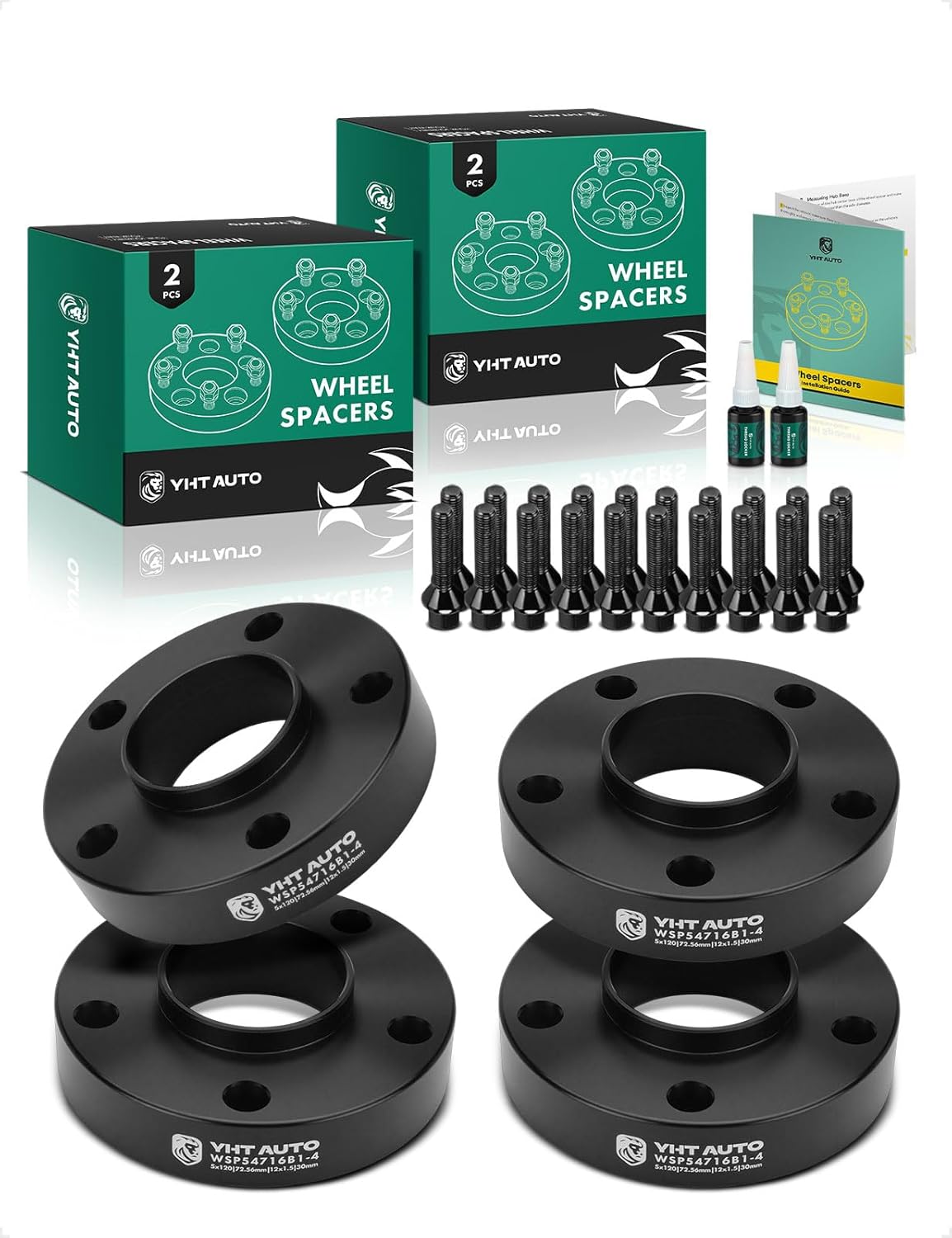
On the wheel side, brands like Apex Wheels have built a strong reputation specifically in the BMW community because they actually spec their offsets and backspacing for common BMW applications. Volk Racing (TE37, CE28) remains a benchmark for lightweight forged construction if budget isn't an issue. BBS has supplied OEM wheels to BMW M for decades - their aftermarket lineup is consistent and proven. For a more aggressive fitment with a wider track, wheel spacers are a practical tool, but stick with hubcentric spacers (not lug-centric), and if you're running anything over 15mm, extended lug bolts aren't optional, they're a safety requirement.
One more thing: if you're adding bigger brakes - say, a BBK from StopTech or Brembo - check wheel clearance before you buy the wheels. A 17-spoke style wheel that clears a stock caliper will sometimes hit a big brake kit. This is another reason to plan your brake upgrades and wheel upgrades together rather than in isolation.
Tires - Matching the Rubber to How You Actually Drive
This is where real-world performance lives. A set of Michelin Pilot Sport 4S tires will transform an F30 or G20 in a way that feels almost like a suspension upgrade - sharper turn-in, better feedback, more confidence at the limit. Run the same car on a budget all-season that's two years old and you'll think something's wrong with the car. Nothing's wrong with the car.
For drivers in the Northeast or Midwest who deal with actual winters, dedicated winter tires are non-negotiable if you care about your safety or your car. The Michelin X-Ice Snow and Bridgestone Blizzak WS90 are consistent performers. Run them on a separate set of steel or budget alloy wheels and swap twice a year - it's cheaper than you think when you factor in tire wear savings, and your summer wheels won't take a salt bath all winter.
If you're taking your N54 135i or B58-powered G80 to the track, all-seasons and even regular performance summer tires hit their limits fast. Semi-slick tires like the Michelin Pilot Sport Cup 2 or Toyo Proxes R888R are in a different class - they operate at higher temperature ranges and give you feedback that lets you actually learn what the chassis is doing. Pair those with appropriate brake pads and fluid rated for track use, because your tires will outperform your brakes in a hurry if you don't.
Don't ignore TPMS. BMW's factory TPMS sensors are wheel-specific and can be finicky with aftermarket wheels. Aftermarket TPMS sensors from brands like Autel or Schrader work reliably and can usually be programmed to your existing system without a dealer visit. Skipping them entirely means a persistent warning light and, more importantly, no low-pressure alert when it actually matters.
If you're building out the rest of the car while you're at it, check out our Body & Aero category for fitment options that work alongside wider wheel setups, and if you're chasing more power to match your new rolling stock, the Chips & Software section is a solid next stop.