






Buying an E92 in 2026
The E92 3 Series Coupe sits in a strange market sweet spot right now. You're looking at cars that are 13 to 19 years old, which means inspection is everything. I've seen pristine 335i models hold $35k-$45k, while beat-up 328i examples drop to $9k-$12k. The spread exists because ownership quality matters more on these than almost any other BMW platform I've worked on.
If you're shopping, I'd target 2010-2013 models first. The facelift brought better interior quality, more reliable cooling systems in the turbocharged models, and you get closer to modern infotainment. The pre-2010 cars are cheaper, but you inherit earlier VANOS issues on the N52 and more aggressive carbon buildup on the early N54 blocks. Service records are non-negotiable - I mean absolutely non-negotiable. A well-documented E92 is worth 30% more than an equivalent with gaps.
The N52 (328i) is the sensible buy. It's naturally aspirated, reliable, and parts are cheap. You won't break anything you didn't already break. The N54 (335i) is the fun buy, but it demands respect. These engines run boost, and they will let you know if you've missed an oil change. The N55 (335is) is the rare middle ground - less temperamental than the N54, more powerful than the N52, and honestly the best all-rounder if you find one with service history. The S65 V8 is the trophy. If you're looking at M3 models and they're in your budget, make sure you understand that you're buying a car that needs premium everything.
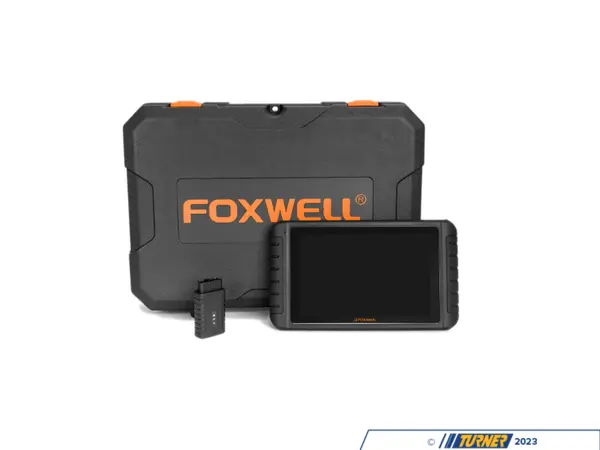
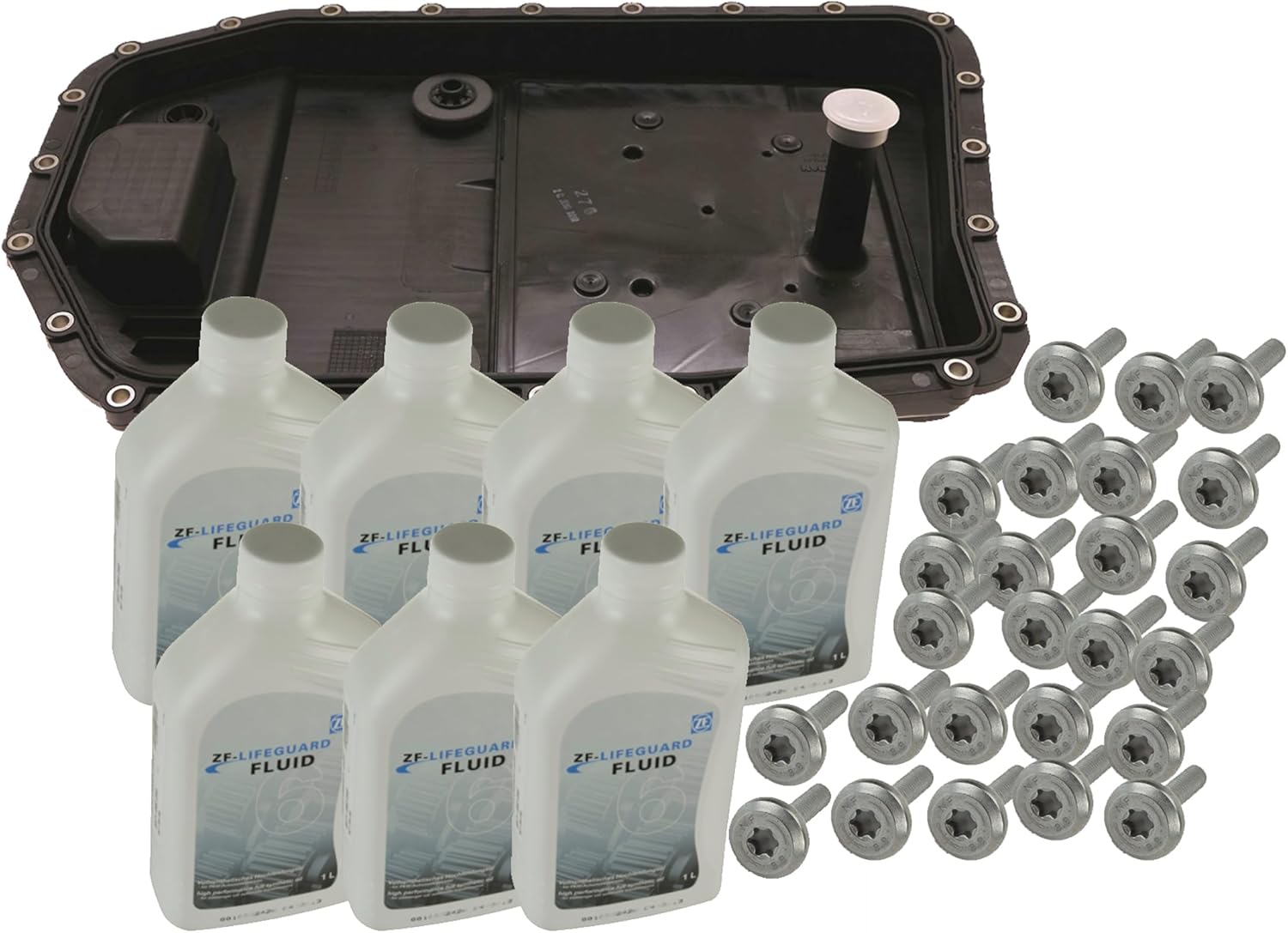
Check for water pump failures, expansion tank cracks, and transmission hesitation on the automatics. Walk through a pre-purchase inspection with a BMW specialist, not a general technician. The E92 looks simple but it rewards detailed knowledge.
E92 Ownership Reality
I drive a turbocharged four-cylinder G20 daily, so I come at this from the efficiency angle. The E92 is a different animal. It's heavy, it drinks fuel compared to modern cars, and the interior will feel dated if you're coming from anything built after 2015. But that's not a criticism - it's character.
The driving experience is where the E92 earns its reputation. The steering is direct, the chassis is flat, and the proportions make you feel connected to the road in a way that newer 3 Series cars simply don't. Even in a base 328i, you get a platform that understands what a sport coupe should be. The suspension is compliant enough for daily driving but stiff enough that you know when you're asking the chassis to work.
Fuel economy ballpark: expect 22-26 mpg combined in the N52, 20-24 mpg in the turbocharged models if you drive reasonably, and significantly worse if you live anywhere near a throttle. The S65 will cost you money at the pump, but if you're buying an M3, you've already accepted that reality.
Maintenance costs are moderate if you stay ahead of the curve and brutal if you don't. Oil changes are straightforward. Brakes are pricey but last reasonably long if you're not constantly testing yourself against highway traffic. The real money comes from water pumps, thermostats, and cooling system components - these are known failure items that cost $800-$2000 once you factor in labor. Budget $1200 annually for preventative maintenance on a well-kept example. Neglected cars will surprise you with a $5000 bill without warning.
E92 Mod Path
Most E92 owners I've worked with start the same way: intake, exhaust, tune. The stock airbox is restrictive, and swapping it opens up throttle response noticeably. A quality intake runs $300-$500. The factory exhaust is serviceable but dull - a catback swap gives you both sound and a small power bump for around $600-$1000.
The tuning question splits the community. N52 owners tend to stay stock or go modest - the naturally aspirated engine doesn't respond explosively to tune, and reliability is already excellent. N54 and N55 owners often run stage 1 tunes, which add 40-70 horsepower and are reliable if you source from established tuners and maintain the engine properly. The S65 stays relatively untouched because the aftermarket respects what BMW already built - it's already at 414 horsepower and 8400 RPM.
Suspension mods come next. Coilovers, sway bars, and roll center adjustments are the classic path. The E92 chassis responds immediately to stiffening - a good set of coilovers and front strut braces will transform how the car attacks a corner.
For deeper dives into what makes the E92 special and how it compares across the 3 Series family, check the best year BMW 3 Series guide. If you're specifically M-curious, the best year BMW M3 article compares the E92 M3 directly to its predecessors and successors.
Final Take on the E92
After five years wrenching BMWs and a year at the dealership, I think the E92 is one of the last truly honest sport coupes BMW built. It doesn't have the power of newer M models, the efficiency of current cars, or the tech of anything from the last decade. What it has is a transparent connection between driver input and chassis response that modern vehicles chase with computers.
The E92 is for someone who actually likes driving and has time to maintain a car properly. It's not a point-and-shoot daily commuter - it's a project that rewards engagement. If you want something faster, look at the M3. If you want something cheaper to own, look at older 3 Series. If you want something modern, obviously don't buy a 13-19 year old coupe. But if you want something that feels like a real car, something with personality and demands respect, the E92 is still one of the best values in the sports car market.
Buy the best example you can afford, keep the maintenance schedule disciplined, and enjoy what might be the last generation of BMWs that still believe a coupe should feel like a coupe.