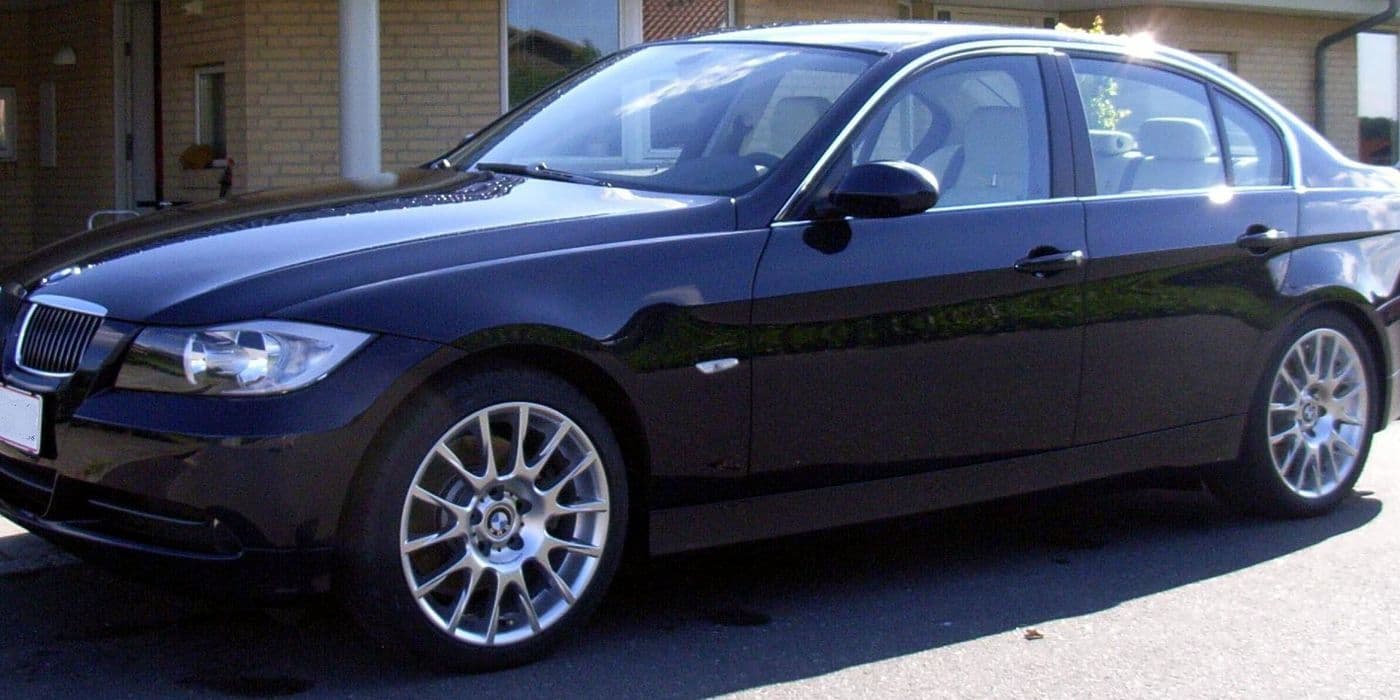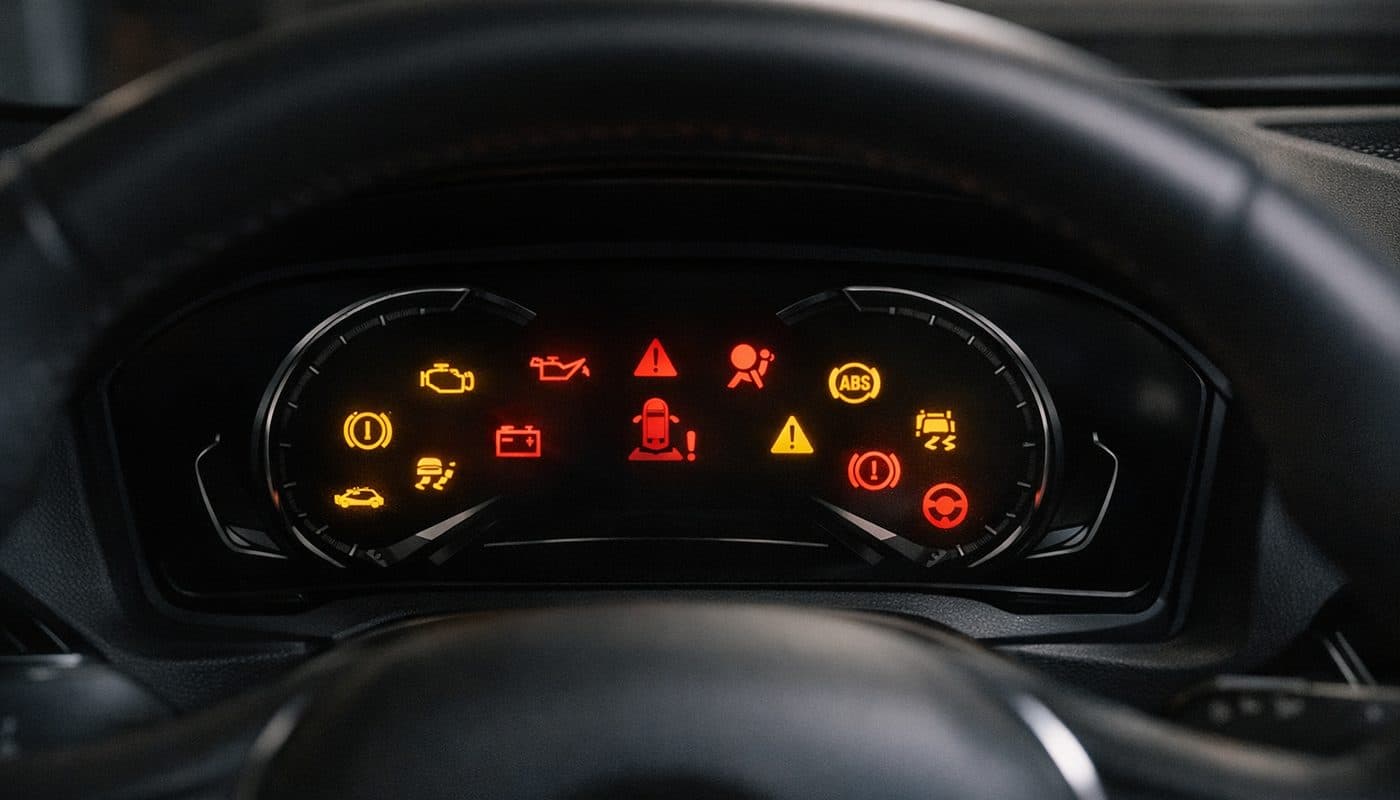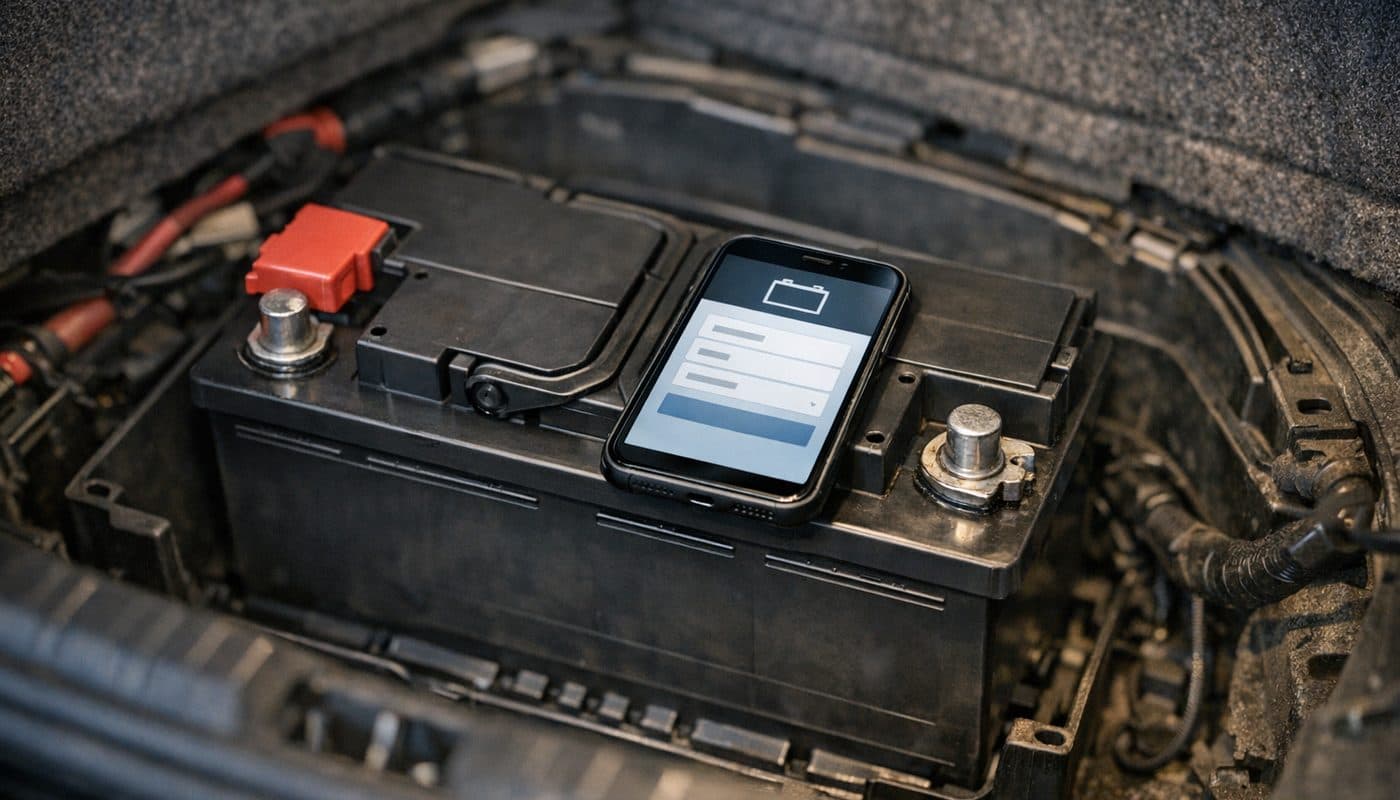
BMW Battery Registration - Why It Matters and How to Do It
Affiliate disclosure. BimmerTalk is a proud partner of the Amazon Associates Program and Turner Motorsport. We may earn a small commission on qualifying purchases through our links, at no extra cost to you. Read the full disclosure.

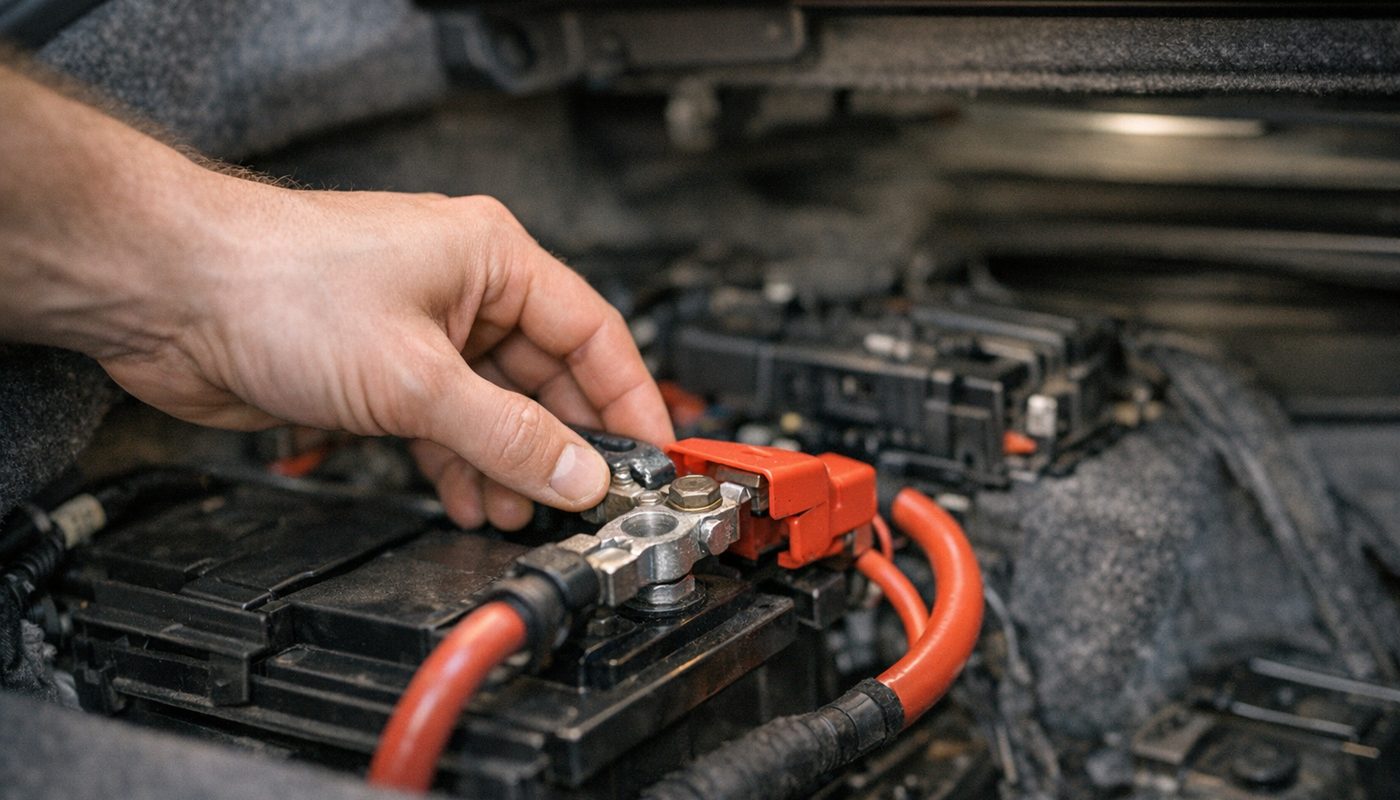
Had a customer message me last month asking why his brand new battery was already dead after six weeks. Fresh Varta AGM, professionally installed, torqued down properly, terminals clean as a whistle. Car was an F30 328i. First question I asked him wasn't about the battery at all. It was "did whoever installed it register it in the DME afterward." Silence. That silence tells you everything about why this article needs to exist.
I've been elbow deep in BMWs for fifteen years now, spent a year on the other side of the counter working warranty claims at a BMW and MINI dealer, and I daily drive a G20 330i that's taught me more about modern battery management than I ever wanted to know. Battery registration is one of those jobs that looks like nothing on paper and quietly wrecks a perfectly good battery if you skip it.
This isn't dealer scare-tactic nonsense either. It's genuinely how the power management system on your car works, and once you understand the logic, skipping registration feels as daft as changing your oil and never resetting the service light. So let's get into what's actually happening under the boot floor, what breaks if you ignore it, and exactly how to do it yourself with a phone and a cheap adapter.
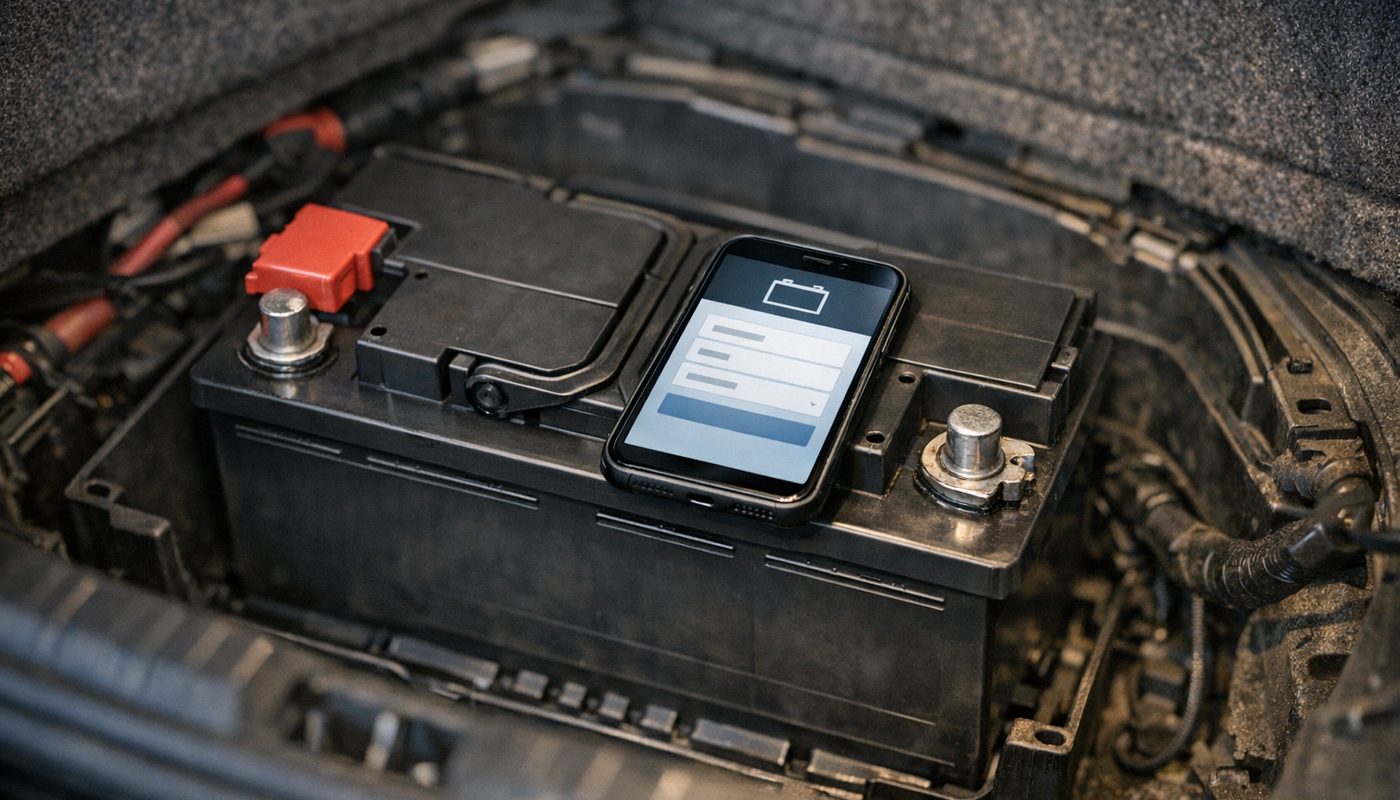
$25-$35
Typical DIY app cost
$25-$50
OBD adapter cost
$80-$120
Dealer registration fee
5-10 minutes
Time to register
Why BMW Battery Registration Actually Matters
Every modern BMW with an Intelligent Battery Sensor, which is basically everything from the E90 facelift onward and certainly anything E70, F-series or G-series, keeps a running log of how tired your battery is. That log lives in the power management side of the DME, not some standalone gadget you can ignore. It tracks internal resistance, charge cycles, temperature history, the whole picture of a battery slowly dying.
The IBS and DME Are Watching Your Battery Age
The point of that logging isn't nosiness, it's protection. As a battery ages its internal resistance climbs, so the car backs off the charging voltage to avoid cooking an already-tired battery and to squeeze a bit more life out of it. That's smart engineering right up until you drop a brand new battery into the tray and the car keeps applying old-battery charging logic to it, because as far as the DME is concerned nothing has changed.
Skip Registration, Here's What Happens
A new battery being charged like a three-year-old worn one gets chronically undercharged. It never sees the higher bulk voltage a fresh AGM or EFB unit actually needs to reach a healthy state of charge, so sulfation creeps in early and you're looking at a genuinely new battery that's functionally cooked in twelve to eighteen months. I've pulled batteries with a manufacture date barely a year old that were already reading marginal on a load test, and registration was always the missing step.
| Scenario | Registration Needed | Type/Capacity Coding Needed |
|---|---|---|
| Same brand, same Ah, same chemistry | Yes | No |
| Different Ah rating | Yes | Yes |
| Switching AGM to lead-acid or vice versa | Yes | Yes |
| Battery disconnected for repair (not replaced) | Usually no | No |
Same brand, same Ah, same chemistry
- Registration Needed
- Yes
- Type/Capacity Coding Needed
- No
Different Ah rating
- Registration Needed
- Yes
- Type/Capacity Coding Needed
- Yes
Switching AGM to lead-acid or vice versa
- Registration Needed
- Yes
- Type/Capacity Coding Needed
- Yes
Battery disconnected for repair (not replaced)
- Registration Needed
- Usually no
- Type/Capacity Coding Needed
- No
Symptoms You'll See If Your Battery Isn't Registered
You don't need a scan tool to suspect this has been skipped. The symptoms are pretty consistent across E9x, F-series and G-series cars, and I see the same pattern over and over in the BimmerTalk inbox.
Start-Stop Stops Working
This is the number one giveaway. Start-stop relies on the DME trusting that the battery has enough capacity in reserve to handle repeated engine restarts without dropping voltage to the electronics. If the system still thinks it's dealing with a tired old battery, it'll quietly disable start-stop rather than risk a stall or a low-voltage reset of your infotainment. Owners assume it's a sensor fault. Nine times out of ten it's an unregistered battery.
Comfort Access and Convenience Features Disabled
Heated seats delaying, auto up windows behaving oddly, keyless comfort access getting sluggish, these are all downstream of the same energy management logic deciding it needs to conserve charge because it doesn't trust the battery. It's the car being conservative with a battery it thinks is on its last legs, even though the one actually fitted is brand new.
Early Battery Death (The Expensive One)
This is the one that actually costs you money. An unregistered battery gets undercharged for months, degrades faster than it should, and you end up back at a shop paying for another battery within a year or two. If you've been through this loop already, our BMW battery replacement guide walks through picking the right battery in the first place, because getting the spec wrong compounds the registration problem.
Is It Necessary to Register a BMW Battery
Short answer, yes, on basically anything you're likely to be driving today. Longer answer depends a bit on chassis.
Which BMWs Need It
Anything with the Intelligent Battery Sensor, which covers late E90/E91/E92/E93, all E70/E71, every F-series (F10, F30, F32, F80 etc.) and every G-series including the G20, G30 and G05 I get asked about constantly. If your car has start-stop, it has an IBS, and if it has an IBS it needs the battery registered after replacement, full stop.
What Happens on Older Cars Without IBS
Pre-2007ish cars without the sensor genuinely don't care. Swap the battery, reconnect, done. But if you're reading this you're almost certainly not dealing with an E39, so don't use that as an excuse to skip the step on anything newer.
Can You Register a BMW Battery Yourself
Yes, and honestly it's one of the easier DIY coding jobs on the entire car. This is not comparable to touching FRM or CAS module coding where a mistake bricks something expensive. Battery registration is a low-risk, well-supported service function.
What You Need
Three things. A phone, an app that supports BMW service functions, and a supported OBD adapter, because the generic $8 eBay ELM327 dongles will connect but frequently choke on manufacturer-specific service functions like this one. I run through the whole adapter landscape in our best OBD scanner for BMW guide if you want the full comparison, but for battery registration specifically you want something explicitly listed as BimmerCode or BimmerLink compatible.

The Apps Compared - BimmerLink vs BimmerCode vs Carly
BimmerLink is the one I actually point people toward for this specific job. It has a dedicated Service Functions section with a Register Battery Replacement option that walks you through confirming type and capacity. BimmerCode is brilliant for actual coding work, hidden menus, adaptive settings, the stuff covered in our BimmerCode coding guide, but it's not really built around this particular service reset, so don't be surprised if you go looking for it there and come up empty. Carly can also handle it on supported models through its own service function menu, same basic workflow, connect adapter, find the battery function, confirm and go.
Step by Step - Registering the Battery
Once the physical battery swap is done and terminals are torqued and clean, the registration itself takes less time than making a coffee.
Connect and Launch
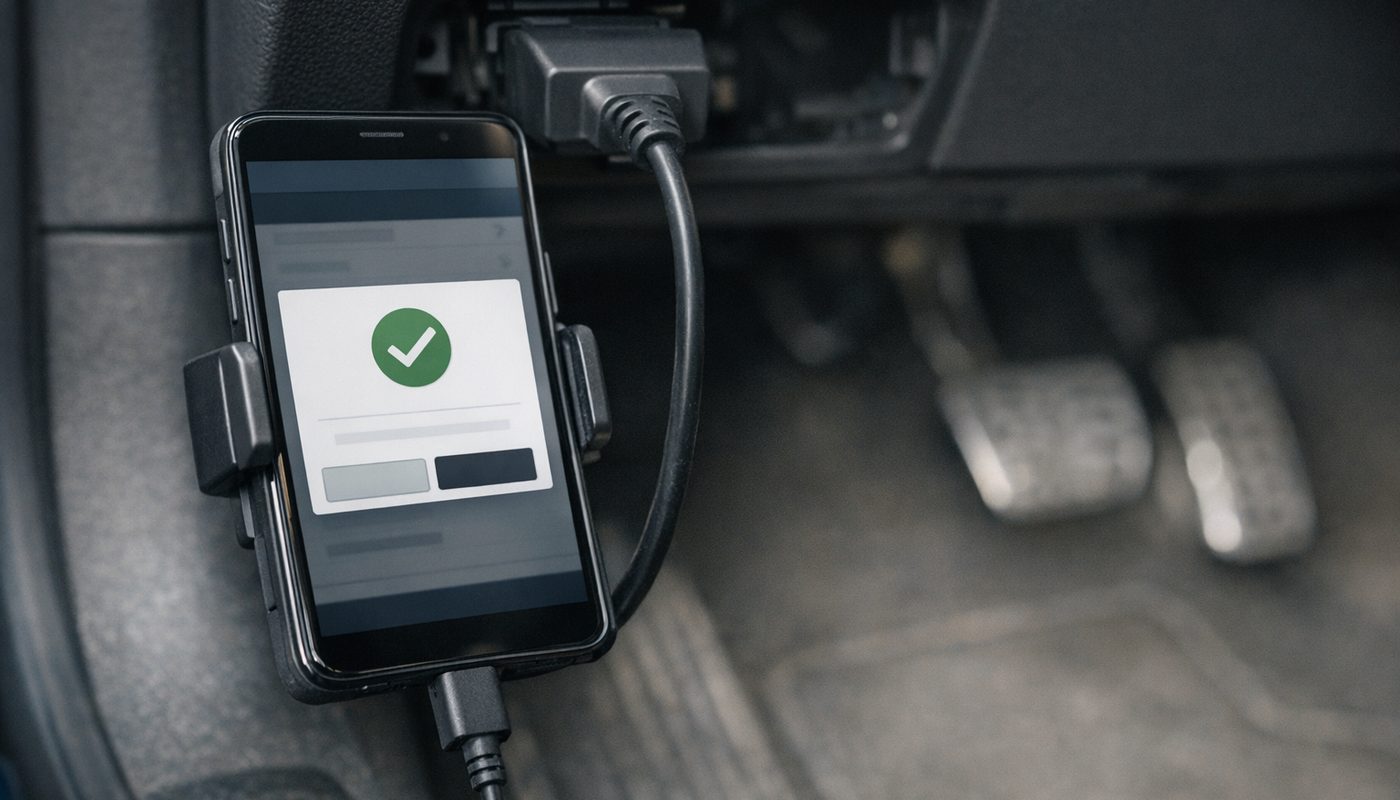
Plug your adapter into the OBD port, usually under the dash on the driver's side, pair it with your phone, and open your app of choice. Ignition on, engine off is the standard state for this, engine doesn't need to be running.
Confirm Battery Type and Capacity
Navigate to Service Functions, find Register Battery Replacement, and the app will typically show what the DME currently thinks is fitted versus what you're about to confirm. If your new battery matches the original spec exactly, you just confirm and proceed. If the type or capacity differs, this is where you tell the car the truth, more on that in the next section.
Verify It Worked
Run the function, wait for the confirmation screen, then it's worth pulling the battery status back up in the app to see the counter reset. If you've got a fault code memory scan handy, our fault code lookup tool is a quick way to make sure nothing else threw a code during the process, particularly if the battery was disconnected for a while and other modules need to relearn things like window one-touch or sunroof position.
When You Also Need to Recode the Battery Type
Registration alone resets the age counter. It doesn't automatically tell the car what kind of battery you actually put in if that's different from what came out.
AGM vs Standard Flooded Lead Acid
If your car came with AGM from the factory, which is most F-series and G-series cars, and you switch to a cheaper standard flooded lead-acid battery to save money, you need to code that change, not just register it. The charging strategy for AGM is genuinely different, higher absorption voltage, different temperature compensation, and running AGM-tuned charging on a flooded battery will cook it early, while running flooded-tuned charging on an AGM starves it. Match the chemistry to what the car expects, or code the change properly.
Capacity (Ah) Changes
Same logic applies if you go up or down in Ah rating from the original. A 90Ah battery replacing a factory 70Ah unit needs that capacity value updated too, otherwise the DME's charge current calculations are based on the wrong battery size. This is a genuinely common mistake, people grab whatever's on the shelf at the parts store without checking the original spec plate on the old battery first.
What Does BMW Battery Registration Cost
This is one of those jobs where the labour time is tiny but the line-item price varies wildly depending on who's doing it.
| Route | Typical Cost | Notes |
|---|---|---|
| BMW dealer | Roughly $80-$120 | Often bundled with battery install, sometimes billed separately |
| Independent shop | Roughly $40-$90 | Depends if they own a compatible scan tool |
| DIY app + adapter | Roughly $55-$80 total, one-time | App plus adapter cost, reusable for future coding jobs |
BMW dealer
- Typical Cost
- Roughly $80-$120
- Notes
- Often bundled with battery install, sometimes billed separately
Independent shop
- Typical Cost
- Roughly $40-$90
- Notes
- Depends if they own a compatible scan tool
DIY app + adapter
- Typical Cost
- Roughly $55-$80 total, one-time
- Notes
- App plus adapter cost, reusable for future coding jobs
Dealer and Independent Shop Pricing
Dealers commonly charge somewhere around $80 to $120 for the registration on its own, which stings a bit when the actual procedure takes under ten minutes. Independent shops with a proper BMW-capable scan tool tend to be cheaper, sometimes rolling it into the battery replacement invoice without a separate charge, sometimes not. Always ask upfront whether registration is included, because plenty of quick-lube style places will happily slap a battery in and never touch the DME.
DIY Total Cost Breakdown
If you're doing your own coding anyway, the setup pays for itself almost immediately. BimmerLink runs around $25 to $35 depending on the tier you buy, and a supported adapter like the OBDLink CX or MX runs roughly $25 to $50. Total outlay somewhere around $55 to $80, and that adapter is reusable for every future coding job, hidden menu unlock, or diagnostic read you'll ever want to do on the car. Compare that to paying a shop $100 every time you change a battery over the life of ownership and the math is obvious.

Handheld Scanners vs Phone Apps - Which Should You Buy
Phone apps paired with a Bluetooth adapter cover 95% of DIY owners just fine. But there's a case for a dedicated handheld unit, particularly if you're the guy in the family or friend group who ends up doing this stuff for everyone.
When a Full Scanner Makes Sense
If you want one tool that reads and clears fault codes across the whole car, does bleed procedures, resets service lights, and handles battery registration without needing a phone and Bluetooth pairing dance every time, a full-system scanner like the Ancel BM700 Pro earns its keep. It's overkill if all you'll ever do is register a battery once every few years, but if you're maintaining multiple BMWs or just want everything in one box without relying on your phone's Bluetooth staying stable, it's worth the extra spend. Our best BMW coding tool comparison breaks down where handhelds beat apps and where they don't.

ANCEL BM700 Pro Full System Diagnostic Scanner - BMW/Mini/RR
$132.99
Common Mistakes I See Guys Make
Most of the battery registration horror stories I hear come down to a handful of repeat offenders, not genuinely bad luck.
Buying a battery without checking the original Ah rating and AGM/flooded designation first, then registering it as though nothing changed. Disconnecting the battery for an extended repair without a memory saver and assuming registration will fix window and sunroof faults it was never meant to fix. Using a cheap generic ELM327 adapter that connects fine for basic fault reading but silently fails partway through the manufacturer-specific write, leaving the registration half-applied. And the big one, just not doing it at all because the shop that installed the battery never mentioned it and the car "seems fine" for the first few months.
FAQ
Is it necessary to register a BMW battery
Yes, on any BMW built with the Intelligent Battery Sensor, which is essentially everything from the late E90 era onward. Skipping it doesn't stop the car from running, but it leaves the power management system charging your new battery based on old battery data, which shortens its life and can quietly disable start-stop and some comfort features.
Can I register my new BMW battery myself
Absolutely, and it's one of the lower-risk DIY coding jobs out there. With an app like BimmerLink or Carly and a supported OBD adapter, the whole process is a guided menu, confirm the battery details, run the function, done. No special training needed, just a stable Bluetooth connection and a charged phone.
How much does it cost to get a BMW battery registered
Dealers typically charge somewhere in the $80 to $120 range as a standalone service. Independent shops can be cheaper, sometimes bundling it into the battery replacement job. Doing it yourself runs roughly $55 to $80 total for an app plus adapter, and that setup is reusable for future battery swaps and other coding tasks.
What tool do I need to register a BMW battery
You need a phone with a service-function-capable app, BimmerLink is the most straightforward for this specific task, and a BMW-compatible OBD adapter such as the OBDLink CX or MX. If you'd rather not rely on a phone at all, a full-system handheld scanner with BMW service functions can do the same job.
Does registering the battery reset the age counter
Yes, that's the whole point of the function. It tells the DME the physical battery in the tray is new, resets the tracked age and cycle data, and lets the charging strategy start fresh rather than continuing to apply logic meant for a worn-out unit.
What happens if I already installed a battery months ago without registering it
Register it as soon as you can, it's not too late. The car will start applying correct charging behavior from that point forward, though if the battery has already been chronically undercharged for months it may already show reduced capacity on a load test. Better late than never, but earlier is obviously better.
Do I need to change coding if I install the exact same battery spec
No, if it's the same Ah rating and same chemistry as the original, registration alone is all that's needed. The type and capacity coding step is only necessary when you're switching between AGM and flooded lead-acid or changing the Ah rating from what was originally fitted.
Bottom Line
Battery registration is genuinely one of the cheapest, quickest ways to protect a part you just paid for. Fifteen years of doing this work and the pattern never changes, unregistered batteries die early, registered ones go the distance. Whether you hand your phone the job with BimmerLink and a $30 adapter or let a shop knock it out for you, just don't skip it. Your start-stop system, your comfort access, and your wallet will all thank you. Drive safe, and go register that battery.