The BMW Scanner That Actually Reads Every Module
Affiliate disclosure. BimmerTalk is a proud partner of the Amazon Associates Program and Turner Motorsport. We may earn a small commission on qualifying purchases through our links, at no extra cost to you. Read the full disclosure.

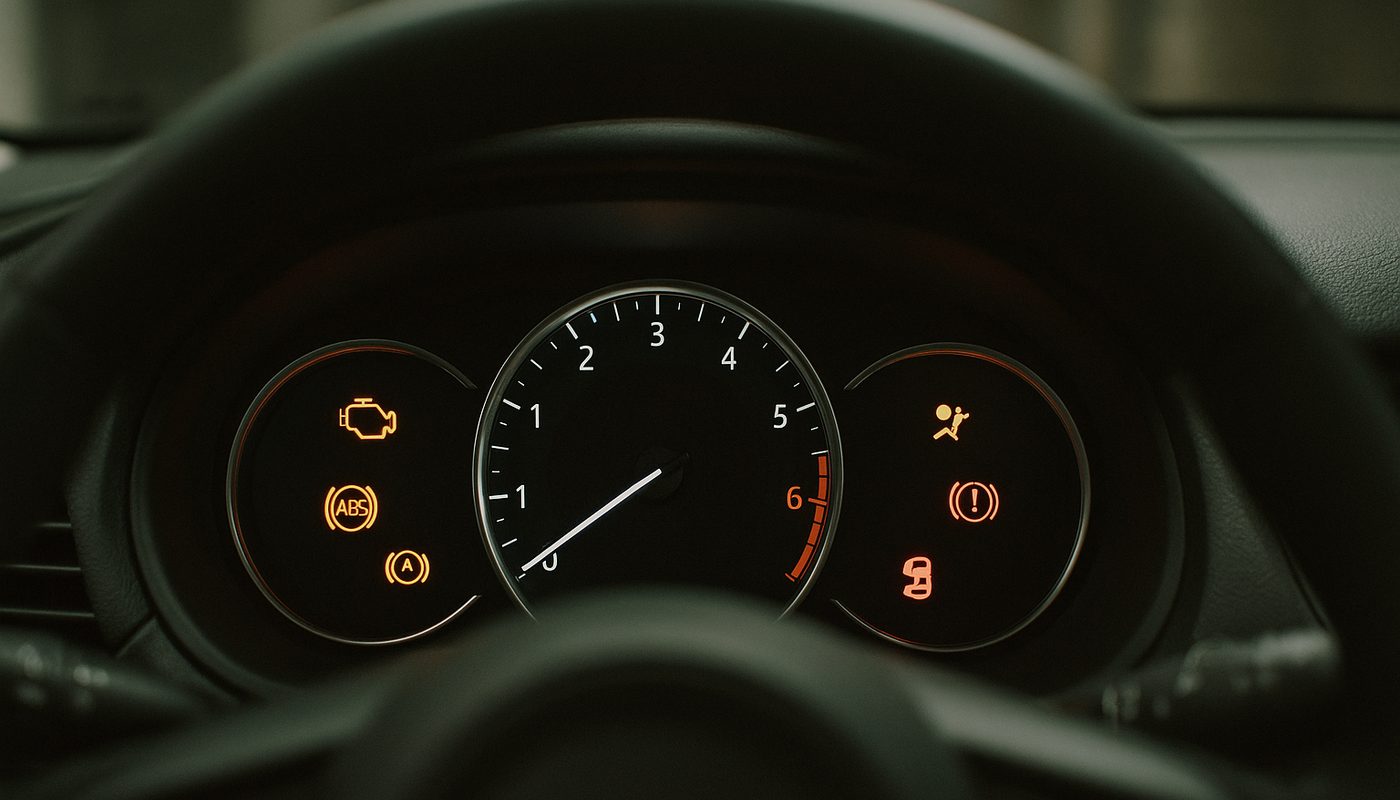
I've had customers roll into my garage with a Autozone-loaner code reader convinced their BMW is fine because "no codes came up." Meanwhile the SRS light has been on for three weeks and the car's throwing a DSC fault that's been logged since the last cold snap. The engine light was off the whole time. That's not the car being weird, that's the scanner being blind.
Generic OBD2 tools were built to satisfy emissions testing law, nothing more. They shake hands with your DME (the engine computer) and read the powertrain codes that matter for a smog check. Everything else on a modern BMW, the DSC module, the SRS/airbag brain, the EPS steering rack, the FRM body module, the CAS or FEM security gateway, the EGS transmission control, all of that lives outside the conversation a fifteen-dollar reader is capable of having.
I've spent fifteen years wrenching on these cars, did a stint working inside BMW and MINI dealer service, and I still daily-drive my own G20 330i with a scanner living in the glovebox. So let's talk about what actually reads every module on a BMW, what "bidirectional" really buys you, and which of the affordable options are worth your money in 2026.
40+
Control modules on a modern G20
Engine/emissions only
What generic OBD2 sees
~$180
Cheapest full-system entry
Still exist
Dealer-only functions
Why Your OBD2 Reader Goes Blind on Half Your BMW's Modules
This is the single most common support question I get, phrased about six different ways. "Why won't my OBD2 read BMW codes." "Scanner says no faults but my airbag light is on." "Do all OBD scanners work on BMW." Short answer, no, and understanding why saves you from buying the wrong tool twice.
What Generic OBD2 Actually Talks To
Every car sold in the US since 1996 has to expose a 16-pin port with a standardized protocol so any cheap reader can pull emissions data. On a BMW that port sits above your left knee, behind a little flap, and it's the same physical connector whether you plug in a five-dollar Bluetooth dongle or a factory tool. The difference is entirely in the software talking through it. A basic reader speaks the generic ISO/KWP or CAN protocol and only asks the DME (or DDE on diesels) one question, "any powertrain codes that matter for emissions." That's it. It never asks the other forty-plus modules anything at all.
Where BMW Hides the Other Modules
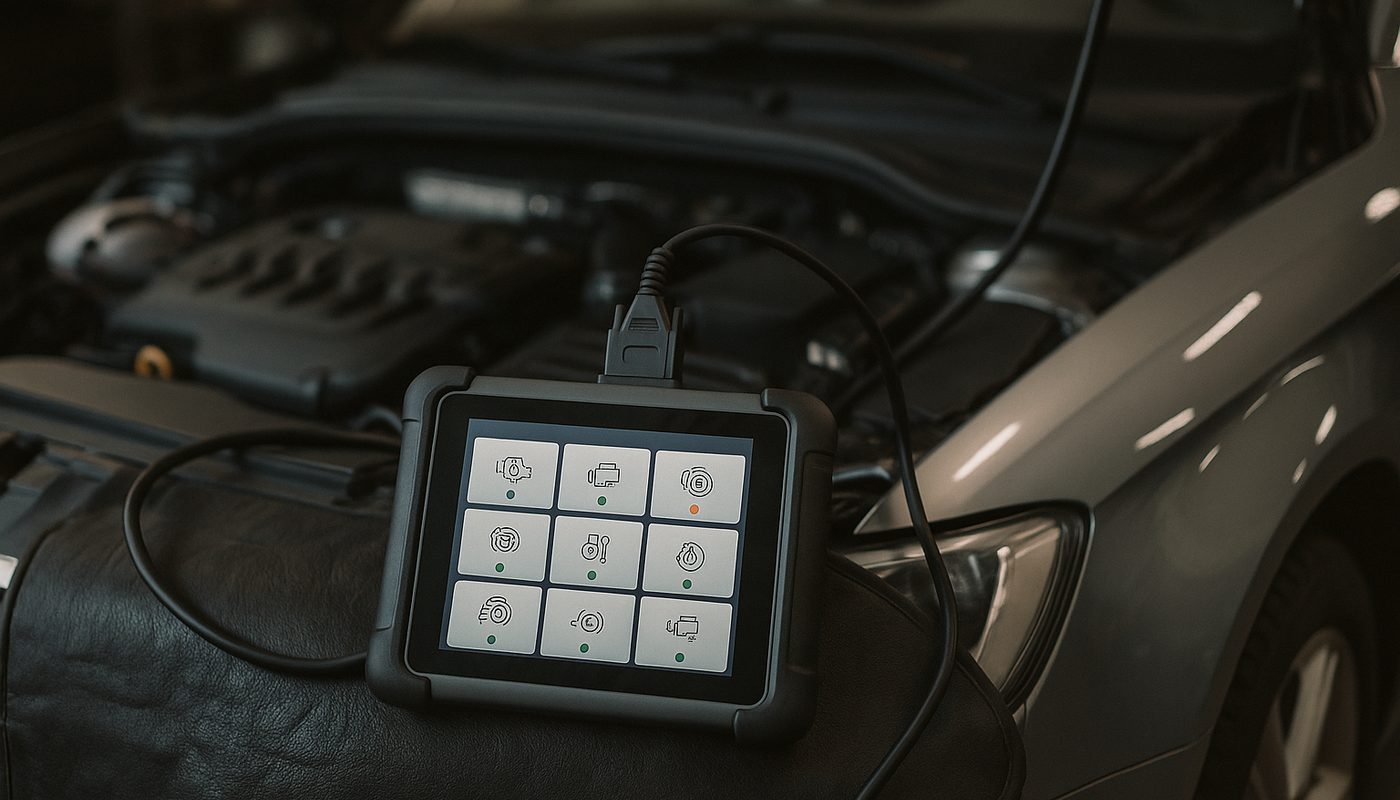
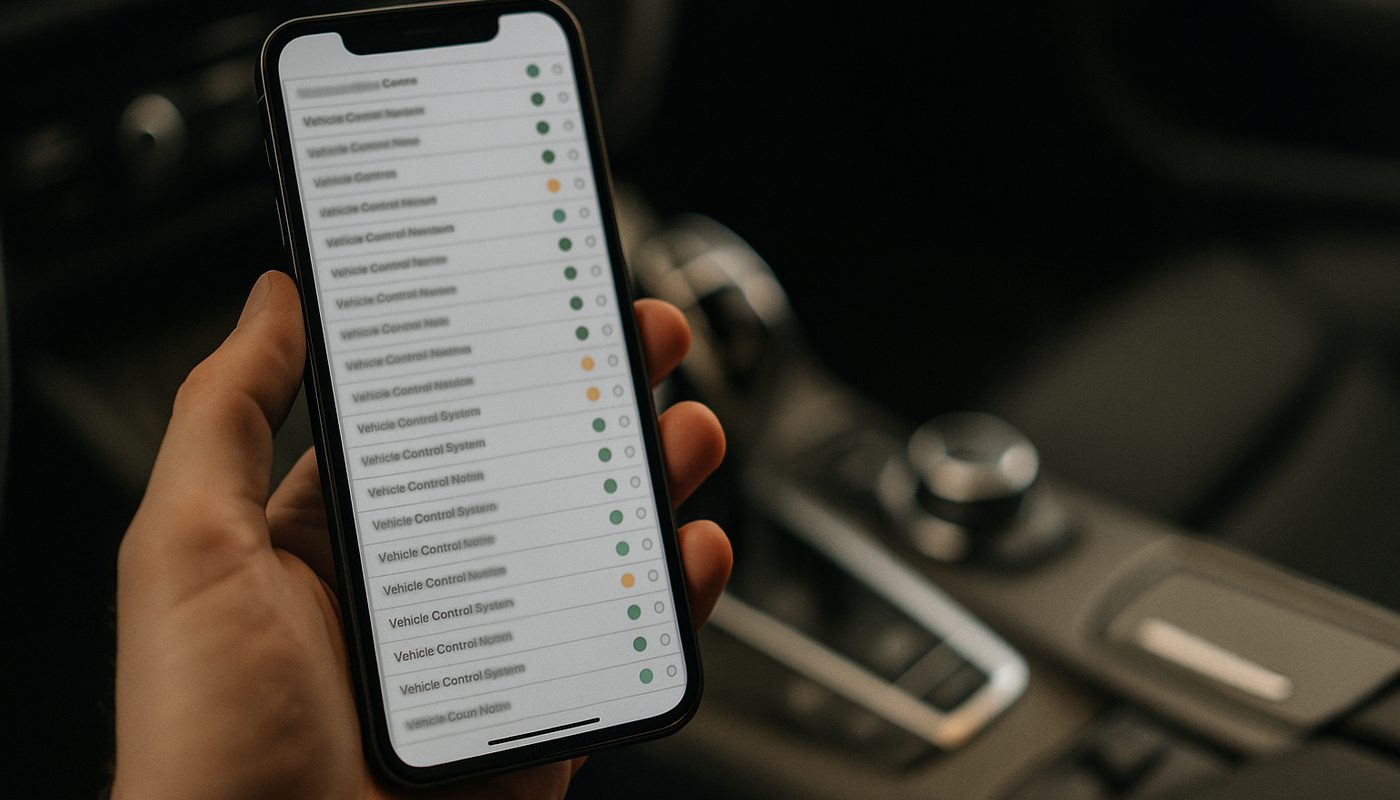
BMW splits functionality across a genuinely huge number of separate computers. Your DSC module handles stability control and ABS. SRS runs the airbags and seatbelt pretensioners. EPS controls the electric steering assist. FRM or the newer body domain controller runs your lights, windows, and comfort access. CAS or FEM (depending on chassis age) is the security and ignition gateway. EGS runs the transmission. Each one keeps its own fault memory, and each one uses BMW-specific addressing and data that a generic scanner has zero idea how to request. A full-system scan means the tool actually walks down that module list one by one and asks each one directly, which is exactly what my BMW fault codes explained guide gets into if you want the deeper mechanical context on what these faults mean once you actually see them.
What "All Modules" Actually Means When You're Shopping
Every listing on Amazon and eBay claims "full system" now, it's basically meaningless marketing at this point. What you actually need to check before buying is coverage depth and whether the tool can do anything besides read.
Bidirectional Versus Read-Only
A read-only tool pulls fault codes and live data and that's the ceiling. A bidirectional tool can send commands back to a module, actuate a component, run a relearn, or trigger a self-test. On a BMW that's the difference between seeing "EPB motor fault" and actually being able to retract the electronic parking brake motors so you can do a rear pad job without the caliper fighting you the whole time.
Service Functions Versus Fault Codes
Service functions are the resets and calibrations shops charge you for, oil service reset, battery registration after you swap a battery so the IBS doesn't overcharge the new one, brake bleed procedures that need the ABS pump cycled electronically, steering angle sensor calibration after an alignment. None of that is a "fault code," and a huge chunk of cheap scanners that claim BMW support genuinely can't touch it.
The Affordable All-System Options Worth Your Money
I've owned or tested every one of these on my own 330i and a handful of customer cars across E90 through G05 chassis. None of them replace a full dealer-level tool, but all four legitimately go beyond a generic reader into real BMW module territory. The full breakdown with every price tier is in my complete scanner roundup if you want the five-tier version of this comparison.
OBDLink MX+ Paired With BimmerLink
This is the setup living in my own glovebox and it's the one I recommend to most people asking me this question. The MX+ is a small Bluetooth adapter, street price runs around $130-150, and it's dumb hardware on its own, the intelligence lives in the BimmerLink app on your phone. BimmerLink's free tier reads basic codes, the full unlock (a one-time in-app purchase, roughly $30-40) opens up module-level fault reading across DSC, SRS, EPS, and body modules, plus a real service function menu including oil reset, battery registration, and brake bleed on supported chassis. Total entry cost lands right around $170-190 before tax, which for phone-based full-module coverage is honestly hard to beat.
The catch is it's iOS-first feeling even though BimmerLink runs on Android too, and coverage varies by chassis, an E90 gets less depth than an F30 which gets less than a G20. If you're cross-shopping this against the CX version, I broke down the actual differences in OBDLink CX vs MX+ head to head, since the CX is the cheaper Bluetooth 5.1 pick that still plays nice with BimmerLink and BimmerCode both.

Ancel BM700 Pro
This is the budget standalone handheld in the group, no phone required, it's its own little brick with a screen. For the money it does a genuinely respectable job pulling codes across engine, transmission, ABS/DSC, SRS, and a handful of body modules on most 2000s-through-2010s BMWs. Where it falls short is depth on newer G-series cars and the bidirectional/service side, you get basic resets but don't expect brake bleed procedures or steering angle calibration to be reliably present. Treat it as a solid budget/basic BMW diagnostics tool, not a dealer-tool replacement, and you won't be disappointed.

ANCEL BM700 Pro Full System Diagnostic Scanner - BMW/Mini/RR
$132.99
Autel MK808S
Autel builds genuinely good hardware and the MK808S is a real prosumer tablet-style scanner, not a toy. It's a multi-brand tool first though, BMW is one of dozens of manufacturers it supports, so while it does reach into DSC, SRS, and body modules and offers legit bidirectional tests like actuator activation and some service resets, the BMW-specific depth won't match a tool built around BMW's protocol from the ground up. If you own a mixed fleet, a BMW and a couple other makes in the driveway, this is the one that makes the most sense as a single purchase.

Autel MK808S - Diagnostic Scan Tool for BMW DIY Repair
$479.00
Launch X431 CReader Elite
Launch's CReader Elite line sits in a similar spot to the Autel, general multi-brand handheld with surprisingly capable bidirectional support for the price point. It's the one I'd point to specifically if bidirectional testing is your priority and you don't want to pay Autel-tablet money. It'll do active tests across ABS and a few other modules along with the usual service resets, but again, BMW module depth is less consistent than a purpose-built BMW tool, and firmware/software updates matter a lot here, so buy from a listing that confirms current lifetime update support.

LAUNCH X431 Creader Elite 2.0 Bidirectional Scan Tool
$235.00
Side by Side - What Each One Actually Covers
| Tool | Form factor | Bidirectional / active tests | Service functions |
|---|---|---|---|
| OBDLink MX+ + BimmerLink | Phone-based (Bluetooth adapter) | App-dependent, strong on supported chassis | Oil reset, battery registration, brake bleed on many models |
| Ancel BM700 Pro | Standalone handheld | Basic, limited compared to higher tiers | Present but shallower, verify per chassis |
| Autel MK808S | Standalone tablet | Yes, broad multi-brand active tests | Strong general service menu, BMW depth varies |
| Launch X431 CReader Elite | Standalone handheld | Yes, competitive for the price | Common resets, lifetime updates matter here |
OBDLink MX+ + BimmerLink
- Form factor
- Phone-based (Bluetooth adapter)
- Bidirectional / active tests
- App-dependent, strong on supported chassis
- Service functions
- Oil reset, battery registration, brake bleed on many models
Ancel BM700 Pro
- Form factor
- Standalone handheld
- Bidirectional / active tests
- Basic, limited compared to higher tiers
- Service functions
- Present but shallower, verify per chassis
Autel MK808S
- Form factor
- Standalone tablet
- Bidirectional / active tests
- Yes, broad multi-brand active tests
- Service functions
- Strong general service menu, BMW depth varies
Launch X431 CReader Elite
- Form factor
- Standalone handheld
- Bidirectional / active tests
- Yes, competitive for the price
- Service functions
- Common resets, lifetime updates matter here
None of these four touch the actual dealer/BMW ISTA-level tool in raw depth, and that gap is real, I'll get into what it still can't do further down. But for the money, all four beat a generic reader by a wide margin, and three of the four have a genuine service function menu, which is the part most shoppers don't realize they're missing until they need an oil reset or brake bleed done right.
Which One Should You Actually Buy
If You Own One BMW and Want the Best Value
OBDLink MX+ with BimmerLink, full stop. It's the setup I run daily, the phone-based approach means your "scanner" upgrades every time BimmerLink pushes an app update, no separate device to keep charged, and the price is the lowest verified full-module entry point in this whole list. If you also want to do light coding down the road, not just diagnostics, that same adapter works with BimmerCode too, which is covered in the step-by-step coding walkthrough.
If You Don't Want a Phone Involved at All
Ancel BM700 Pro is the honest budget pick, standalone screen, no app dependency, no Bluetooth pairing dance in a parking lot. Just don't expect deep coverage on anything newer than an F-series.
If You Have More Than One Brand in the Driveway
Autel MK808S earns its keep here. Buying one tool that handles your BMW reasonably well and your spouse's Honda perfectly is a better use of money than two single-brand scanners for most households.
If You Specifically Want Bidirectional on a Budget
Launch X431 CReader Elite. It punches above its price for active tests, just verify the update policy before you buy since that's where budget multi-brand tools tend to cut corners.
What None of These Tools Will Do
I want to be straight with you here because this niche is full of listings that oversell. Even the best of these four affordable options won't do factory-level module programming or coding writes the way BMW's own ISTA and the dealer network's tools can. They won't flash new firmware onto a module, they generally won't do a full FEM/BDC replacement procedure that requires VIN-matched programming, and they won't do the deep security-gated functions tied to CAS/FEM key programming. If you need that level, you're looking at either a real shop visit or stepping up to something like a BMW ENET cable running full ISTA/ESYS on a laptop, which is genuinely the closest a home mechanic gets to dealer capability, covered in my shop-tier tools writeup.

How This Compares to the Coding Side of Things
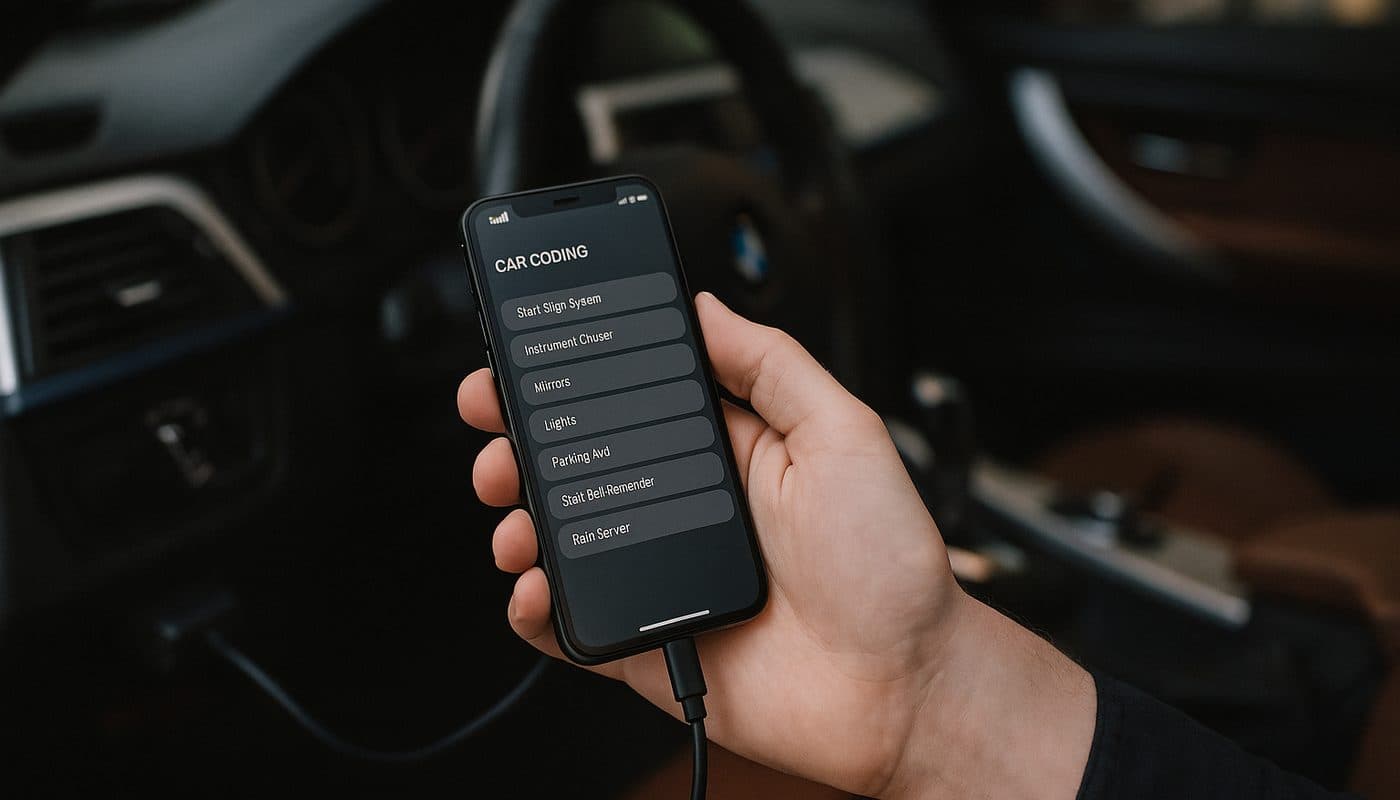
Scanning and coding get lumped together a lot but they're different jobs. Scanning reads what's already there, coding changes how a module behaves, retrofit-enabling a feature, adjusting FRM settings, that kind of thing. The OBDLink adapters double as the hardware for both BimmerCode and BimmerLink, which is genuinely the smartest part of that ecosystem, one $130-150 adapter covers diagnostics and coding both. If coding is actually your main goal rather than diagnostics, my coding tool buyer's guide and the Carly vs BimmerCode comparison are the better starting points than this article.
Before You Buy - A Quick Sanity Check
Run your VIN through a decoder first (my free VIN decoder tool works fine for this) so you know your exact chassis and production date, because module coverage genuinely varies within the same model name depending on build year. Then check the fault code you're chasing right now, if any, against my free fault code lookup before you spend a dime, sometimes what feels like a mystery is a known code with a known fix and you don't need new hardware at all. And if you're brand new to this whole process, start with the fundamentals in how to read and clear BMW fault codes before jumping to a $150 purchase.
FAQ
What scanner can program modules?
Among the affordable options here, none do full module programming or firmware flashing, that's genuinely dealer-tool territory. OBDLink with BimmerLink and BimmerCode combined gets you the closest thing at this price point, coding writes to existing modules, but actual programming of a replacement module (VIN-matched flashing) needs a full ISTA/ESYS setup running through an ENET cable.
What is the best diagnostic scanner for a BMW?
For most owners doing their own diagnostics on one BMW, OBDLink MX+ paired with BimmerLink is the best balance of price, module depth, and update longevity since it's app-based and keeps improving. If you want a standalone unit with no phone involved, the Ancel BM700 Pro or a Foxwell-class handheld is the better fit.
Do all OBD scanners work on BMW?
Physically, yes, the port is standardized and any OBD2 tool will plug in and communicate. Functionally, no, a generic reader only sees engine/emissions codes and never touches DSC, SRS, EPS, or body modules, which is where most BMW-specific faults actually live.
What is the best OBD coding tool for BMWs?
That's a separate question from scanning, but the short version is BimmerCode running on an OBDLink MX+ or CX adapter is the standard recommendation for DIY coding, with a full breakdown in my coding tool guide.
What diagnostic tool do BMW dealers use?
Dealers run ISTA-D and ISTA-P over BMW's own diagnostic network, which is factory software with full module programming access, not something available as a consumer product. The closest DIY equivalent is running the same software stack on a laptop through a BMW ENET cable, though it's more involved and less plug-and-play than any of the tools in this article.
What is the best OBD2 scanner that does everything?
Nothing at consumer prices truly does everything, that's marketing language you should be skeptical of. The realistic "does the most" for the money is OBDLink MX+ with BimmerLink for phone-based use, or an Autel MK808S if you want a standalone tablet with broad multi-brand bidirectional support.
What OBD scanner do most mechanics use?
Independent shops working on multiple brands lean toward Autel and Launch tablet-class tools because one device covers a broad customer base. BMW specialist shops tend to run either a dedicated BMW-native tool or the same ISTA-based software dealers use, just through an independent-friendly interface.
What is the difference between an OBD2 reader and an OBD2 scanner?
A "reader" typically just pulls and clears generic codes with minimal live data, cheap and simple. A "scanner" implies deeper live data streams, freeze-frame info, and on BMW-capable tools, access to additional modules beyond the engine. The terms get used loosely in listings though, so read the actual supported function list rather than trusting the label.
Verdict
If you've read this far you already know the punchline, a fifteen-dollar reader from the parts store auto-shop shelf is not a BMW scanner, it's an emissions-code reader that happens to fit BMW's port. For real module coverage at a sane price, my own glovebox setup, OBDLink MX+ with BimmerLink, is still the one I recommend most often, and it's what I reach for on my own G20. If you want a no-phone standalone unit the Ancel BM700 Pro is the honest budget pick, and if bidirectional testing matters more than brand-specific depth, the Autel or Launch units earn their keep. Buy based on what you actually plan to do with the car, not the word "full system" on the box. Drive safe, and check your DSC module every once in a while even when the dash looks perfectly calm.